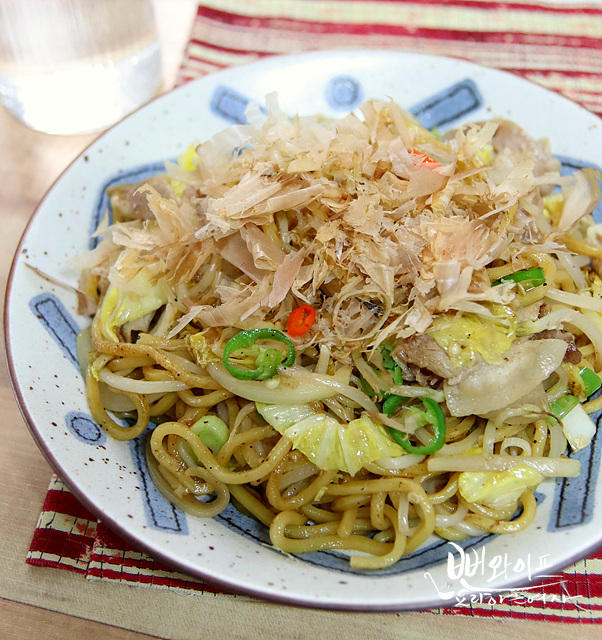
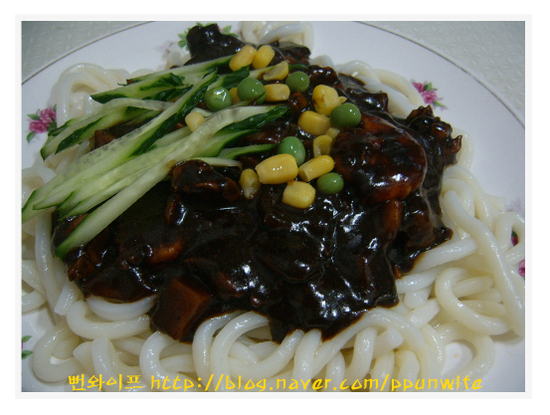
Ganjjajang-Style Jjajangmyeon (Black Bean Sauce Noodles)
A ganjjajang-style jjajangmyeon where chunjang, pork, and vegetables are stir-fried without water, accented with fresh ginger for a clean finish.
Translated from Korean by AI and not yet checked by a native speaker. Amounts and numbers are taken directly from the original recipe. Read the Korean original →
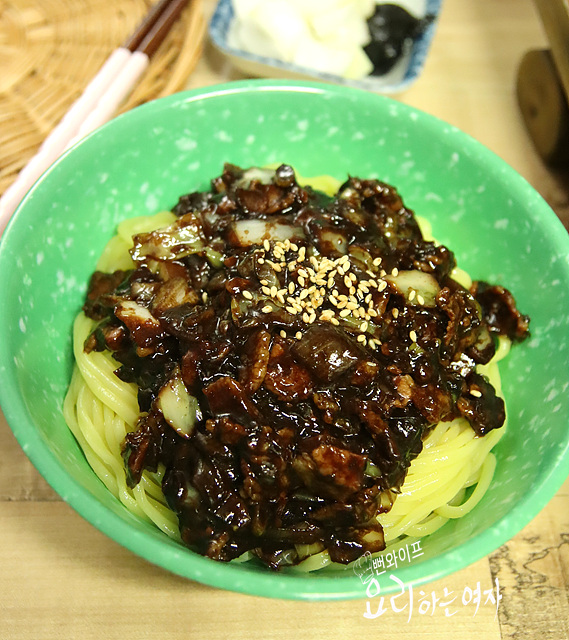
A ganjjajang-style noodle bowl where chunjang, thinly sliced pork belly, and crisp vegetables are stir-fried on the spot to preserve texture. Aromatic oil infused with green onion and minced ginger removes any harsh bitterness from the black bean paste, leaving a clean aftertaste. Top with a pinch of MSG or gochugaru to enjoy true Korean-Chinese restaurant flavors at home.
- Servings
- 2 servings
- Difficulty
- Medium
- Spiciness
- Not spicy
Ingredients
Ingredients
- Chinese-style noodles2 servings
- Thinly sliced pork belly100 g
- Onion1/2 (large)
- Cabbage100 g
- Large green onion (daepa)white part
Seasoning
- Minced ginger1 tbsp
- Gin (or brewed soy sauce (yangjo-ganjang))1/2 tbsp (regular soy sauce)
- Oyster sauce1 tbsp
- Sugar1/2 tbsp
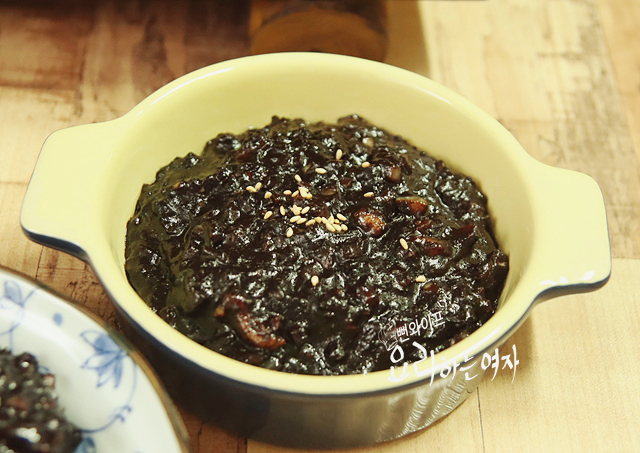
- Chunjang (black bean paste)2 tbsp
- Potato starch slurry1 tbsp
- I used leftover thinly sliced pork belly, but pork shoulder, ham, collar, or regular pork belly all work.
- Try preparing small amounts of potato or zucchini as well.
Steps
Prepare the ingredients
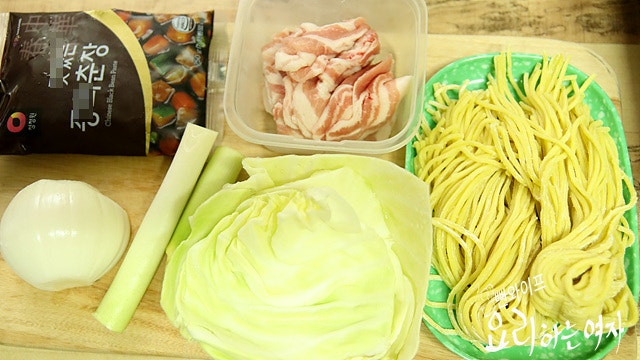
I used leftover thinly sliced pork belly, but pork shoulder, ham, collar, or regular pork belly all work.
I love cabbage for its great texture in jjajangmyeon, so I prepared a generous amount.
Get the onion ready to cut through the richness; large green onion is not in the original recipe, but I will use only the white part to make green onion oil.
Try preparing small amounts of potato or zucchini as well.
You will need 2 servings of chinese-style noodles and, most importantly, 2 tbsp of chunjang (black bean paste).
Cut the ingredients
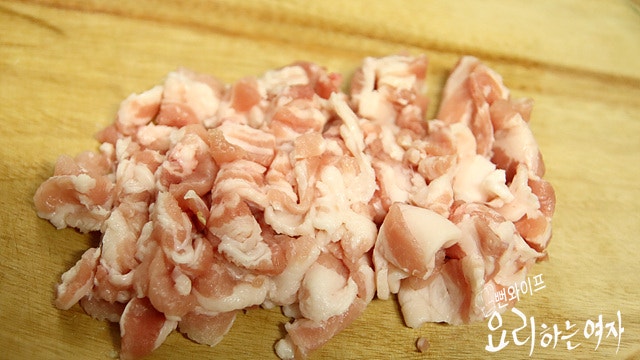
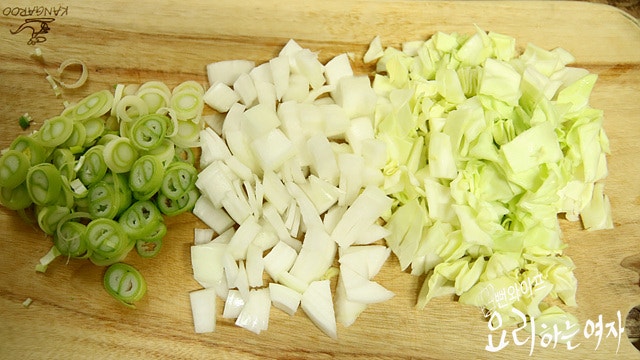
Cut the pork into bite-sized pieces, and slice the cabbage and onion to a similar size.
Thinly slice the large green onion for the aromatic oil.
Stir-fry ingredients in aromatic oil
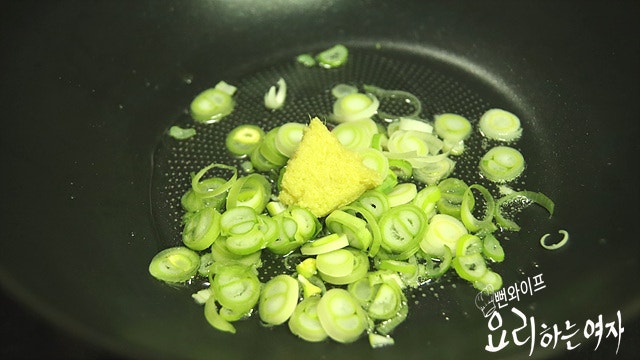
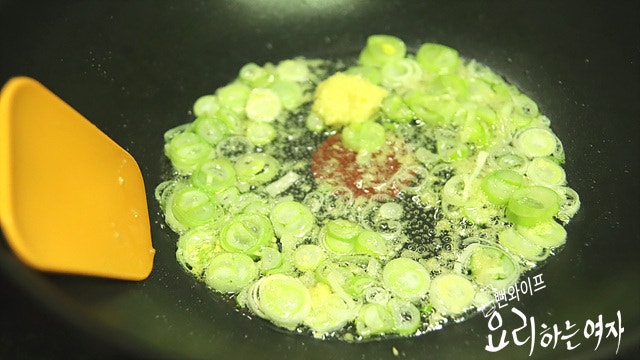
Add the large green onion and 1 tbsp of minced ginger to a heated pan and stir-fry briskly until fragrant.
You can also thoroughly fry the chunjang in this aromatic oil first to remove its astringency before adding the meat and vegetables.
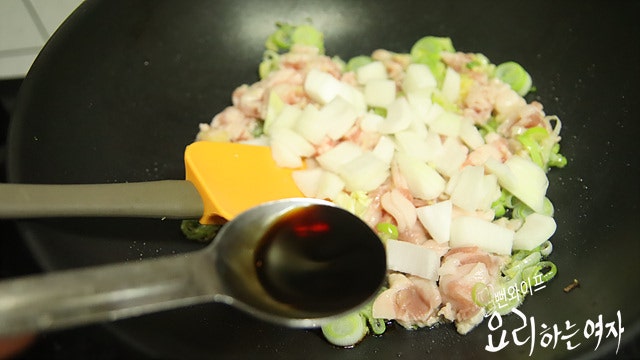
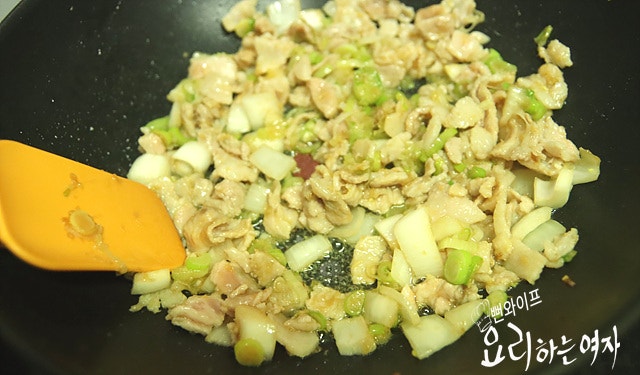
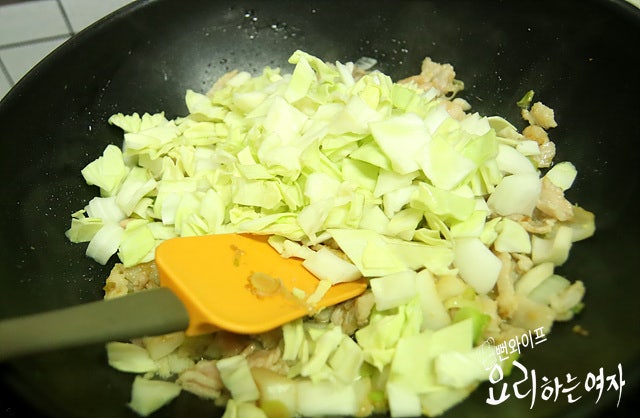
Add the meat and onion, season lightly with 1/2 tbsp of regular soy sauce (jin-ganjang), and stir-fry.
Once the meat is fully cooked, add the rest of the cabbage...
Add seasoning
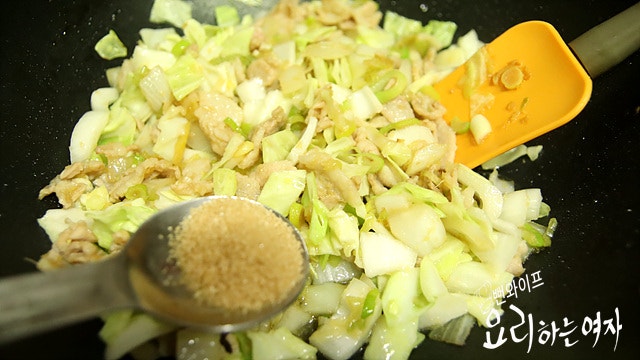
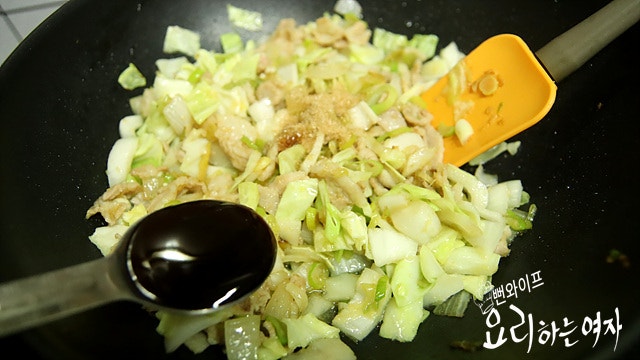
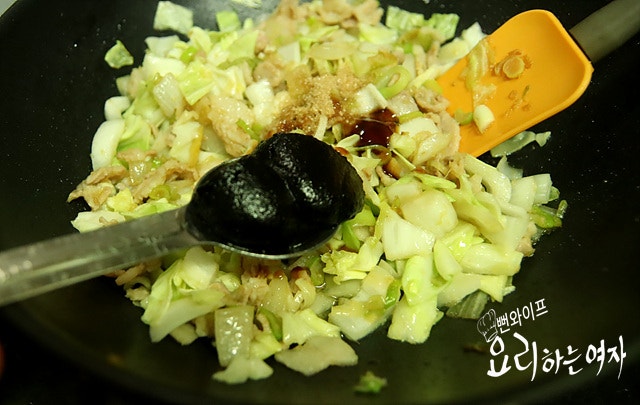
Add 1/2 tbsp of sugar, 1 tbsp of oyster sauce, and 2 tbsp of chunjang (black bean paste), then stir-fry.
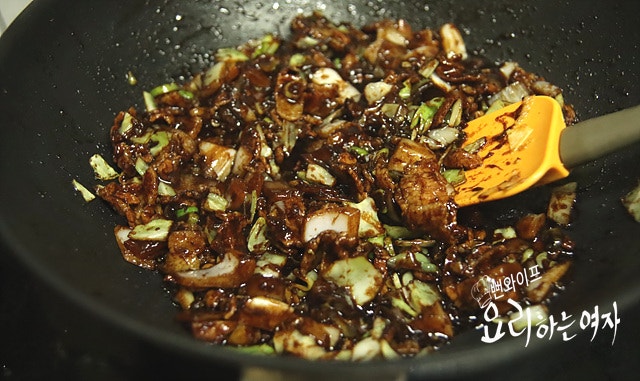
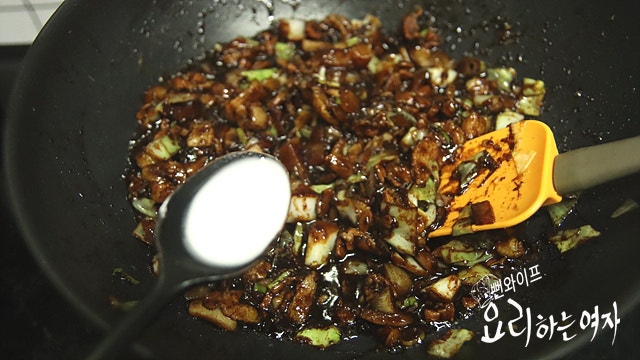
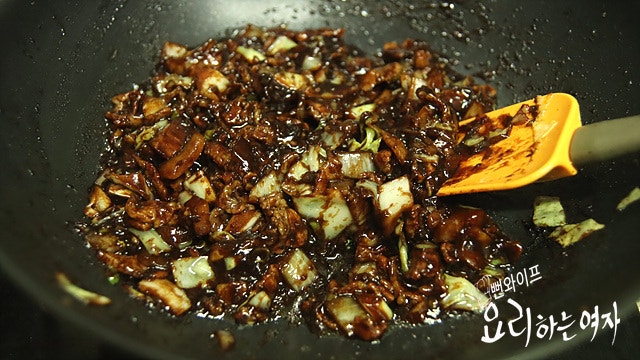
Stir-fry well so that the harsh bitterness of the chunjang disappears and the flavors blend smoothly.
If it tastes light, adjust with soy sauce, and finish by adding 1 tbsp of potato starch slurry and mixing evenly.
The potato starch slurry is a mix of 1 tbsp potato starch and 1 tbsp water.
Boil noodles
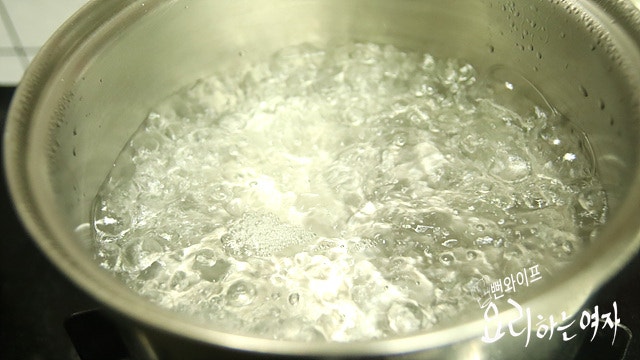
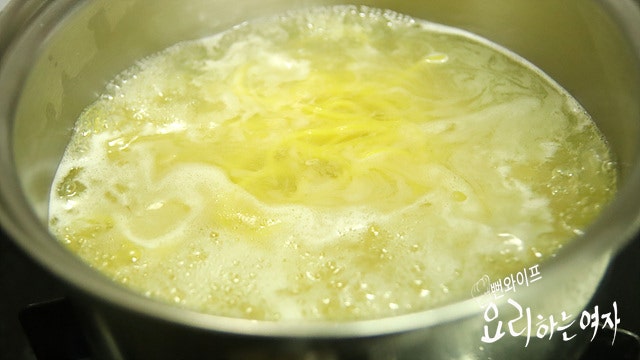
Add the chinese-style noodles to rolling boiling water and boil for 5 minutes.
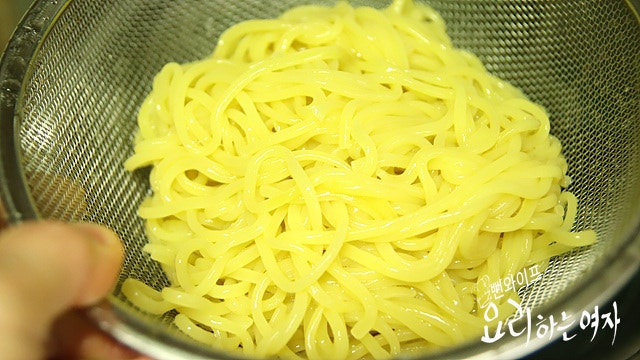
Rinse in cold water to wash away excess starch and drain well.
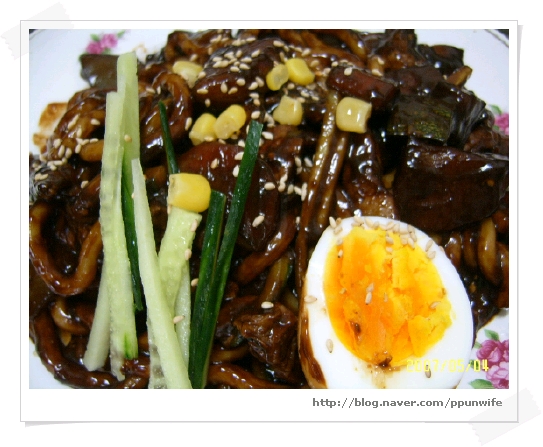
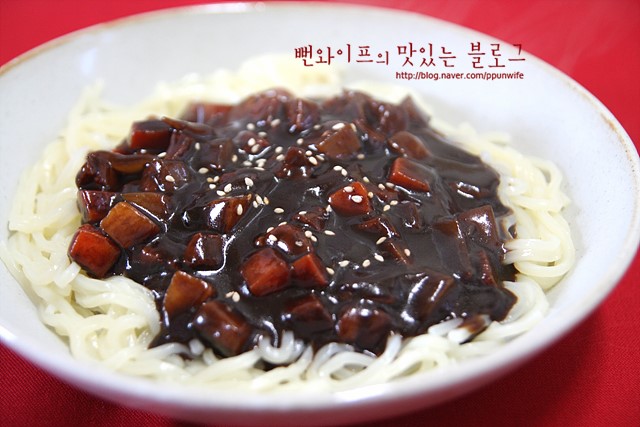
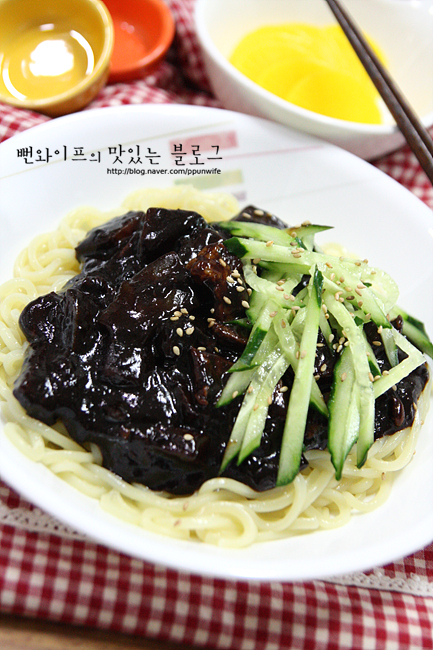
Finish
Chef Lee Yeon-bok broke down the cooking process so simply for home cooks that it comes together in a flash.
Perhaps because generous minced ginger was used in the sauce instead of garlic, the finish is remarkably clean and delicious with zero off-flavors.
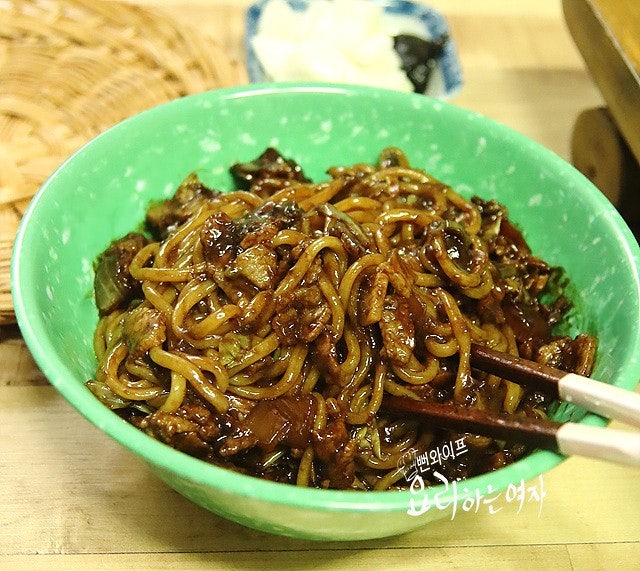
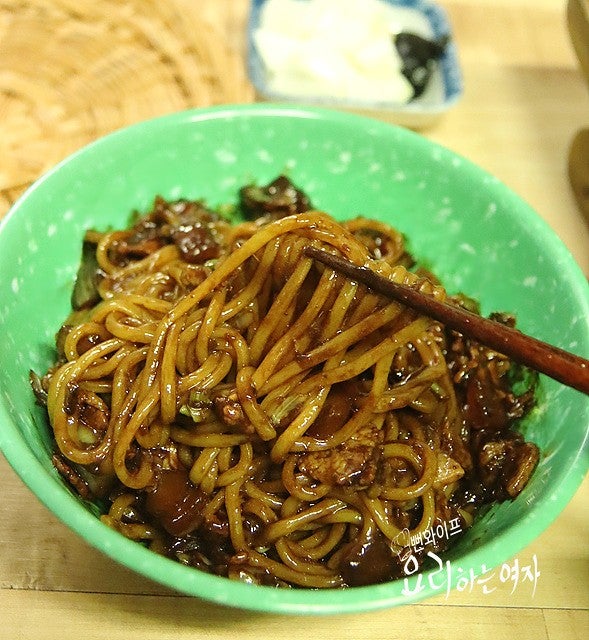
I sprinkled on a little gochugaru, mixed it thoroughly, and enjoyed every bite.
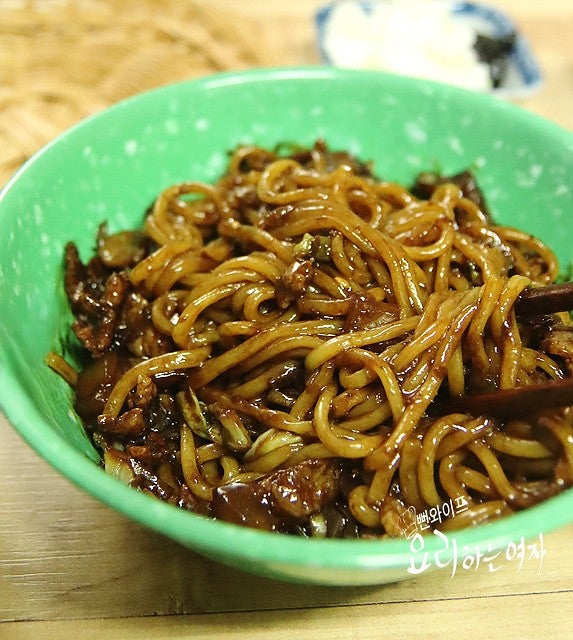
I also served sliced raw onion with chunjang as a side dish. Our kitchen feels just like a famous jjajangmyeon restaurant.
How about making jjajangmyeon for the whole family on Sunday instead of instant Chapagetti?
 Ppunwife's tips
- You can thoroughly stir-fry the chunjang in this aromatic oil first to tame its astringency before adding the meat and vegetables.
- Two pinches of MSG, as mentioned, gives you the perfect Korean-Chinese restaurant flavor.
FAQ
Can I use other cuts of pork instead of thinly sliced pork belly?
Pork front shoulder, hind leg, collar, or regular pork belly all work well.
How do I reduce the astringent taste of chunjang?
You can either thoroughly fry the chunjang first in the aromatic oil infused with green onion and ginger, or stir-fry it well until it blends seamlessly with the meat and vegetables.
Are there other good vegetables to add besides the basics?
You can cut small amounts of potato or zucchini to stir-fry together according to your preference.