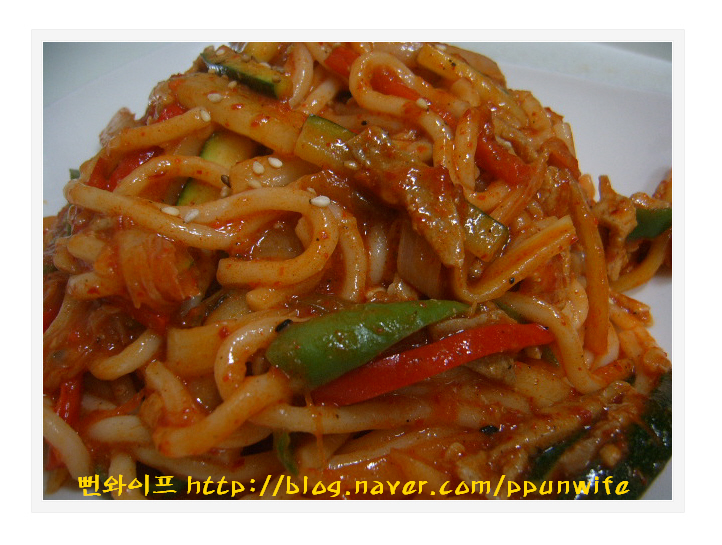
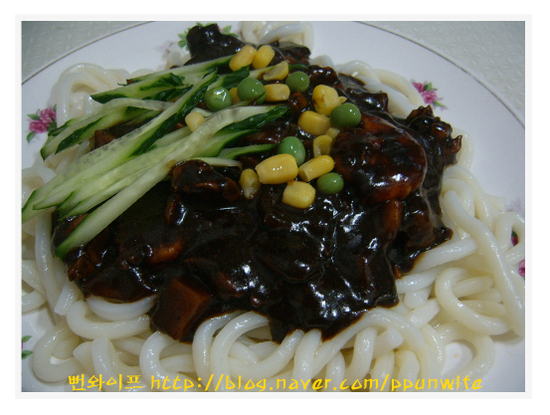
Flavorful One-Pan Yuni Jjajang (Black Bean Noodles)
A hearty one-bowl dish made by stir-frying finely minced pork and vegetables together in a single pan with black bean paste.
Translated from Korean by AI and not yet checked by a native speaker. Amounts and numbers are taken directly from the original recipe. Read the Korean original →
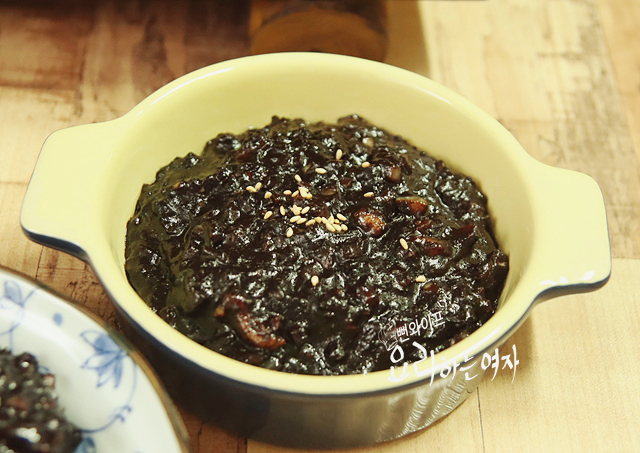
Without deep-frying the black bean paste separately, you can easily make this by stir-frying meat and vegetables in aromatic oil one after another. No water is added, bringing out deep flavor from the natural vegetable juices and oils of the ingredients. It is great served over rice or noodles for a satisfying meal.
- Servings
- 3–4 servings
- Difficulty
- Easy
- Spiciness
- Not spicy
Ingredients
Ingredients
- Chunjang (black bean paste)200 g
- Pork200 g
- Potato1 (medium)
- Onion1/2 (large)
- White part of large green onion (daepa)
Seasoning
- Minced garlic1 tbsp
- Minced ginger1 tsp
- Mirin (cooking rice wine)2 tbsp
- Sugar2 tbsp
- Ground black peppera little
- You can substitute zucchini, mushrooms, cabbage, or carrots for the vegetables.
- Besides pork belly, you can also use pork shoulder, loin, tenderloin, or rear leg meat.
- Jjajang tastes even better when you add more onions.
Steps
Prepare ingredients
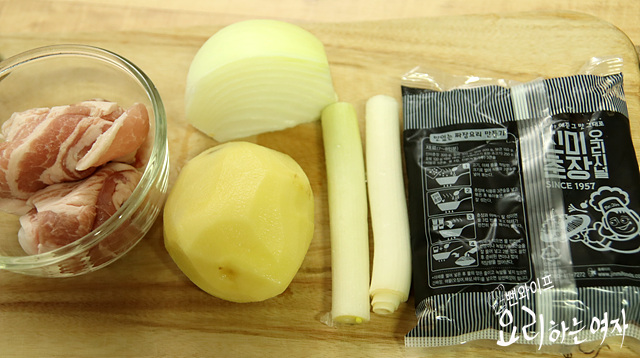
I used only 200g out of 350g chunjang (black bean paste).
Prepare a medium potato (150g), 1/2 large onion, and just the white part of large green onion (daepa).
You can also substitute squash, mushrooms, cabbage, or carrots for the vegetables.
For the pork, I used 200g of pork belly, but you can also use picnic shoulder, loin, tenderloin, or rear leg meat.
Chop the ingredients
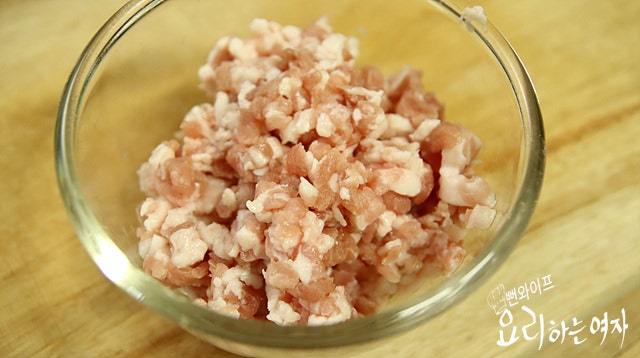
Finely mince the pork.
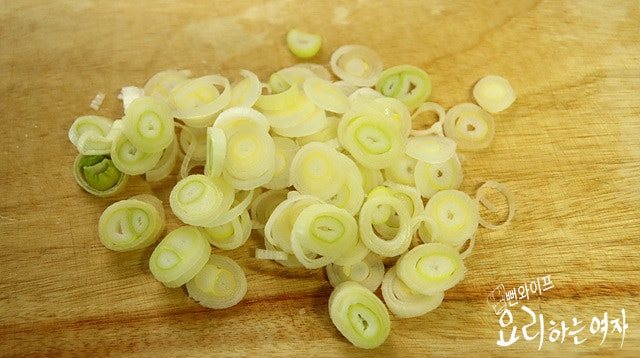
The large green onion is for infusing oil, so just slice it thinly.
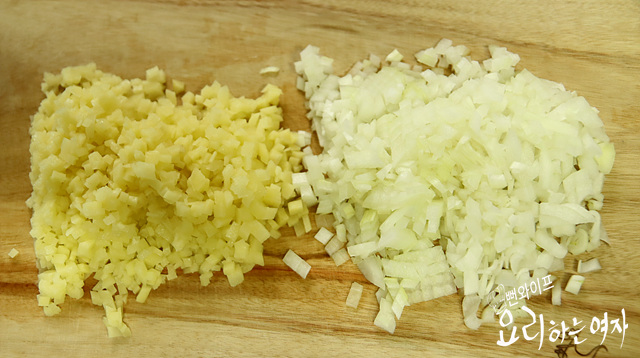
Chop the potato and onion into small pieces similar in size to the meat. Jjajang tastes even better when you add more onions.
Make the aromatic oil
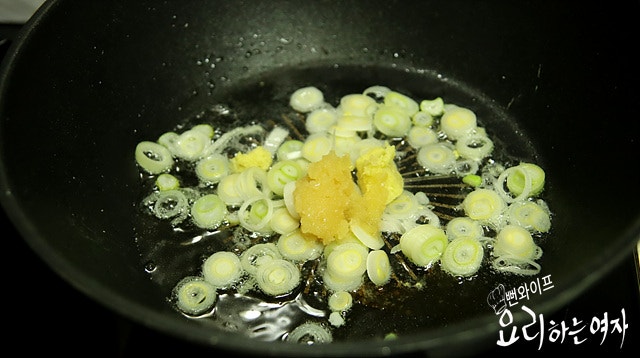
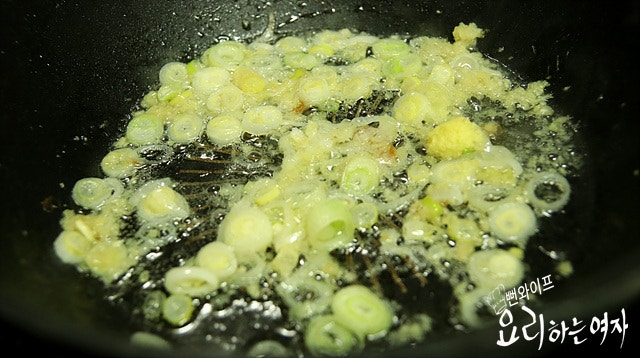
Generously coat a pan with cooking oil, then add the large green onion, 1 tbsp minced garlic, and 1 tsp minced ginger, stir-frying until fragrant.
Stir-fry the meat
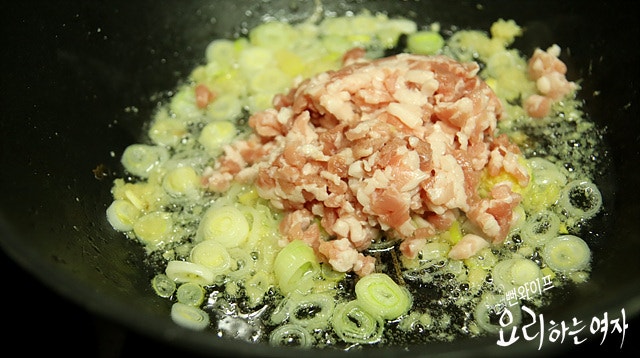
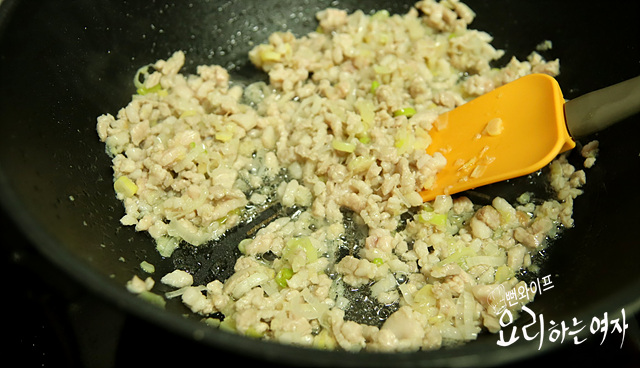
Add the minced pork, 2 tbsp mirin (cooking rice wine), and a little ground black pepper, then stir-fry until completely cooked through.
Because the meat will be stir-fried in salty black bean paste, I did not add salt...
Simply stir-frying the meat in this aromatic oil also helps eliminate any gamey smell.
Make the jjajang sauce
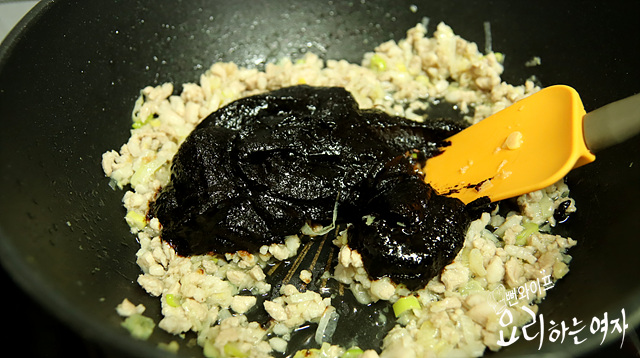
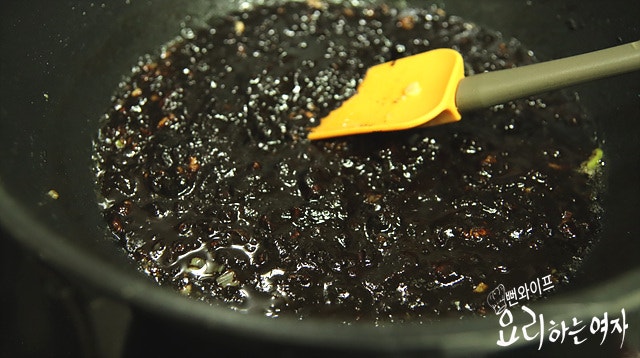
Add the black bean paste and stir-fry while scraping the bottom of the pan so it does not burn.
Stir-fry the black bean paste thoroughly until its astringency is gone; spoon a little to taste, and once it is smooth with no astringent flavor, it is fully cooked.
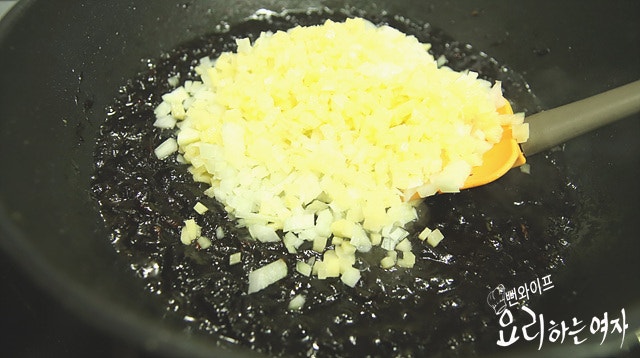
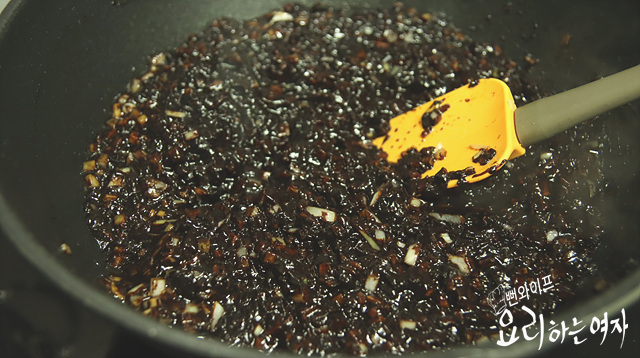
Add the potato and onion as well, and stir-fry until cooked.
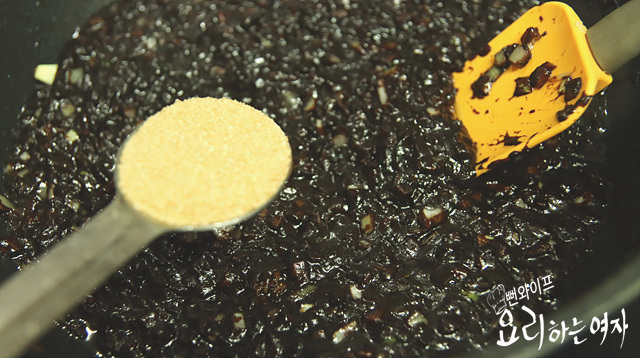
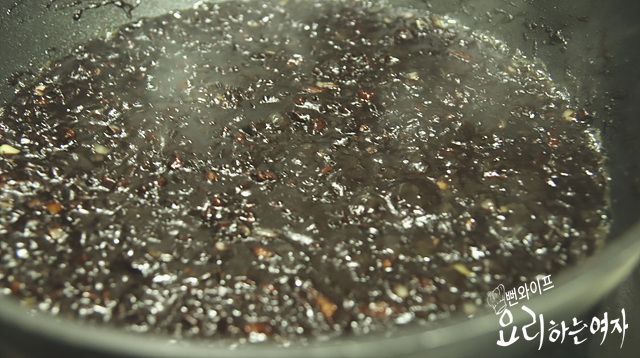
Add 2 tbsp sugar to add sweetness, taste it, and if it is too salty, finish by adding water to adjust.
If it is bland, adjust with oyster sauce or regular soy sauce (jin-ganjang).
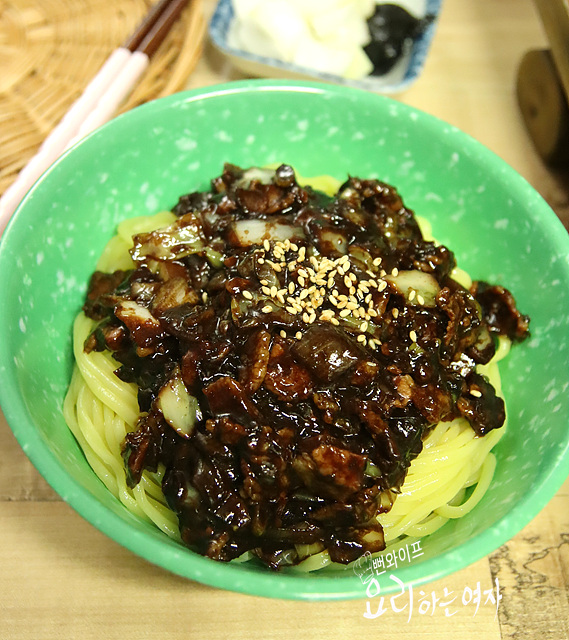
Finish
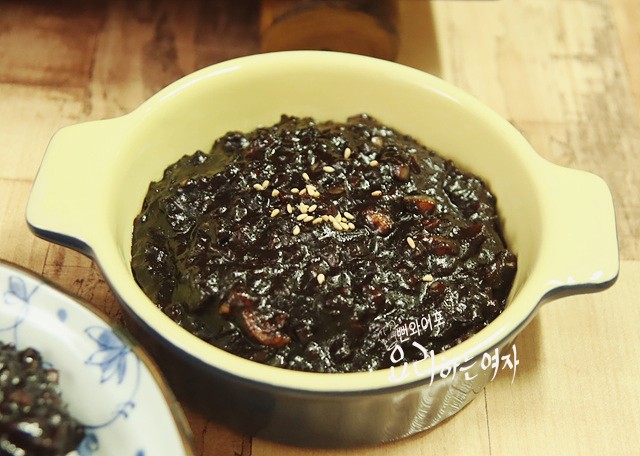
Because this is stir-fried without water, relying on the aromatic seasonings, meat fat, and vegetable moisture, you do not need extra seasoning.
It is delicious even if you only adjust the sweetness to your taste.
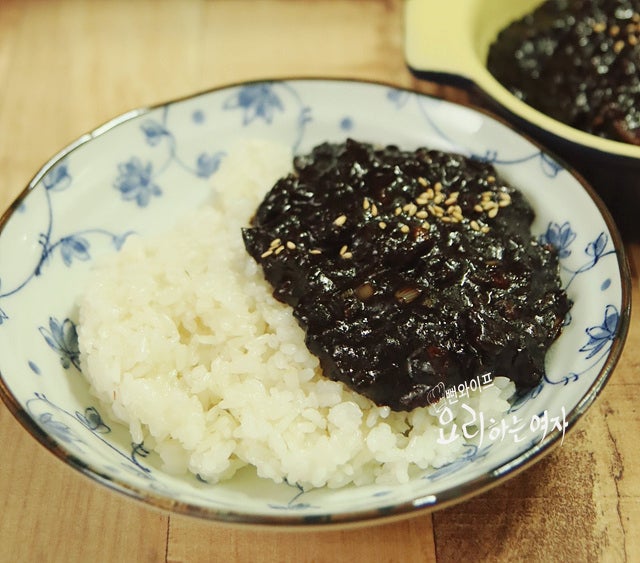
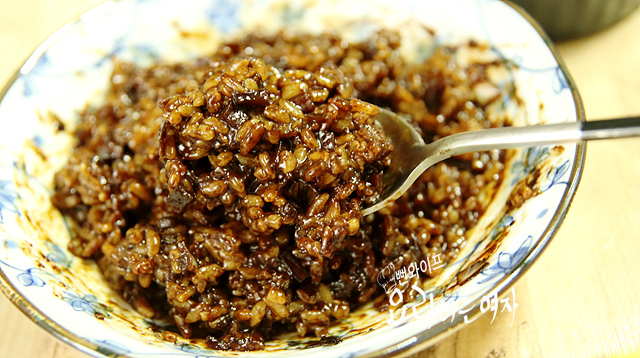
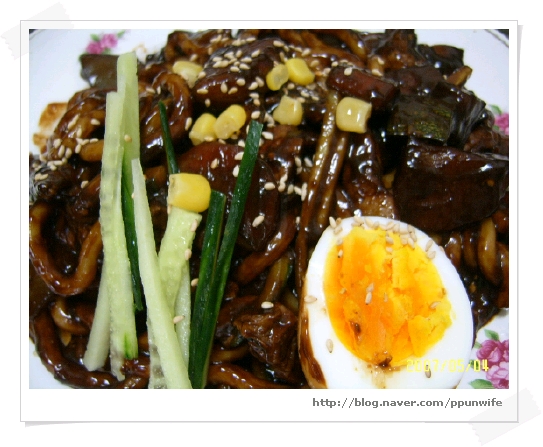
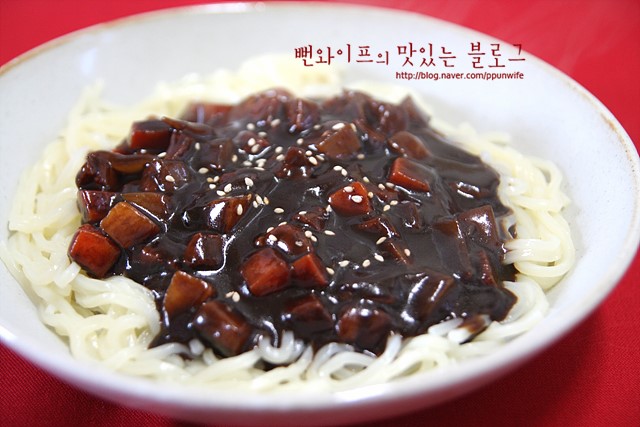
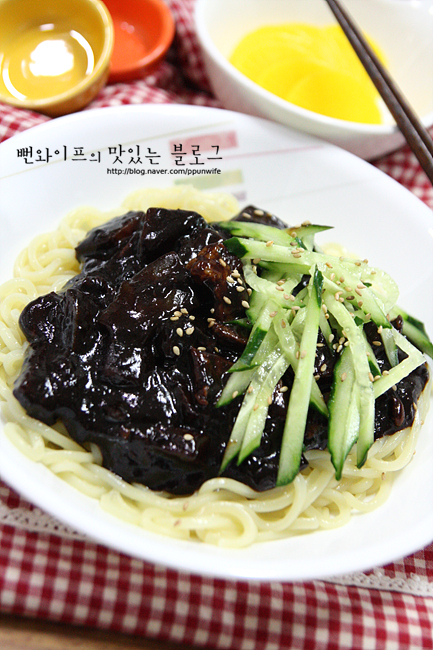
I mixed it with rice to eat, but if you mix it with Chinese-style noodles it becomes ganjjajang, and if you mix it with ramen noodles it turns into homemade Chapagetti.
Perhaps because it is homemade jjajang without additives, it digests incredibly well even after a hearty meal.
Prepare just kimchi or yellow pickled radish on the side and enjoy Yuni jjajang as a delicious lunch menu.
 Ppunwife's tips
- Simply stir-frying the meat in aromatic oil helps eliminate any gamey smell.
- Spoon a little black bean paste to taste, and once it turns smooth with no astringency, it is fully cooked.
- Taste it, and if it is too salty, adjust by adding water; if it is bland, adjust with oyster sauce or regular soy sauce (jin-ganjang).
FAQ
Can I use other cuts of meat instead of pork belly?
You can finely mince and use pork shoulder, loin, tenderloin, or rear leg meat.
Can I add other vegetables besides potatoes and onions?
You can cook with substitutes such as zucchini, mushrooms, cabbage, and carrots.
How do I know when the black bean paste is cooked enough?
When you take a small taste, it is done once its characteristic astringent bite disappears and it tastes smooth.
How do I adjust the seasoning if it is too salty or too bland when done?
If it is salty, add a little water, and if it is bland, adjust by adding regular soy sauce (jin-ganjang) or oyster sauce.