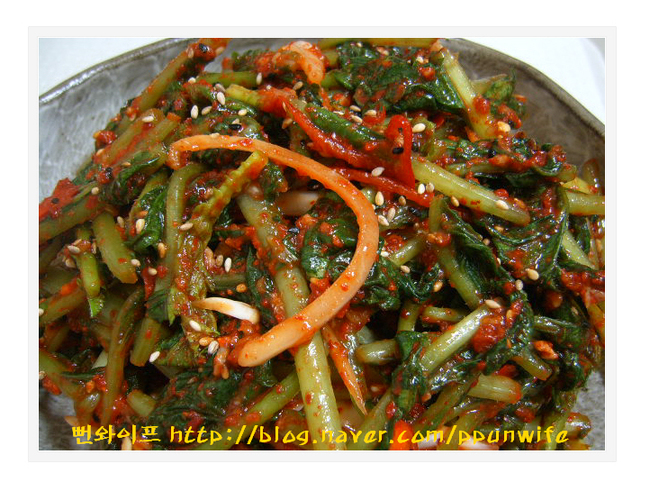
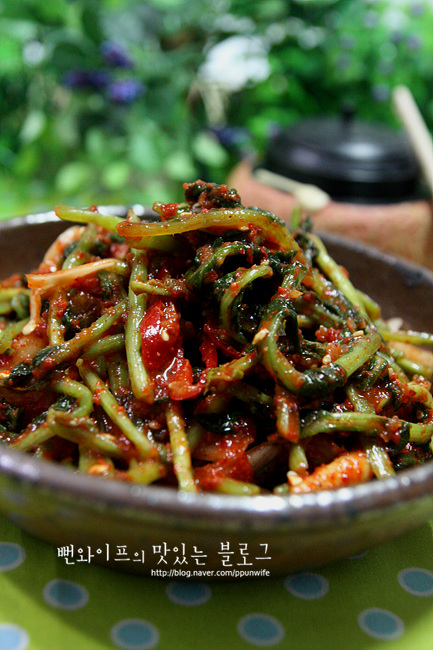
Crispy Yeolmu Kimchi (Young Summer Radish Kimchi)
A crisp spring yeolmu kimchi side dish made with plenty of broth, using blended cold cooked rice in the seasoning instead of flour paste.
Translated from Korean by AI and not yet checked by a native speaker. Amounts and numbers are taken directly from the original recipe. Read the Korean original →
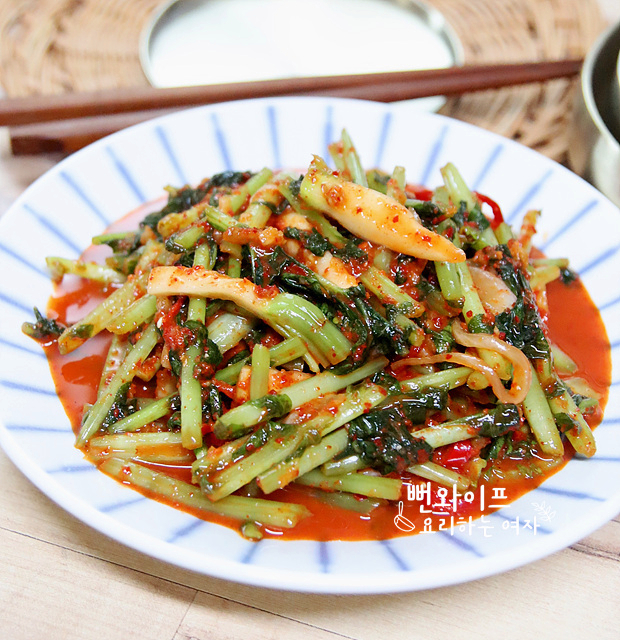
Without the hassle of boiling flour paste, cold cooked rice and anchovy broth are blended together to create a light, broth-rich seasoning. Tender spring young summer radishes are lightly salted just until their stiffness is gone, preserving their crisp texture and refreshing flavor. Spicy and tart, it makes a wonderful side dish for rice and pairs perfectly with noodles or bibimbap.
- Servings
- about 10–12 servings
- Difficulty
- Medium
- Spiciness
- Spicy
Ingredients
Ingredients
- Young summer radish (yeolmu)4 bunches
- Onion2 (medium)
- Red chili pepper6
- Coarse sea salt1 1/2 cups
Seasoning
- Anchovy broth or water (or bottled water)8 cups
- Cold cooked rice1+/2 bowls
- Salted fermented shrimp (saeujeot)1/2 cup
- Ginger4 cloves (2 tbsp, minced)
- Red chili pepper8
- Minced garlic2/3 cup
- Gochugaru (Korean chili flakes)2 cups
- Sand lance fish sauce (or dried anchovies)1/2 cup
- Green plum syrup (maesil-cheong) (or 4 tbsp sugar)1/2 cup
- This batch was made with only young summer radish without napa cabbage thinnings, but you can also use half young summer radish and half napa cabbage thinnings.
- One bunch of young summer radish is approx. 1 kg.
- If using whole peeled garlic cloves instead of minced garlic, simply blend them together with the other seasoning ingredients.
Steps
Trim the young summer radish
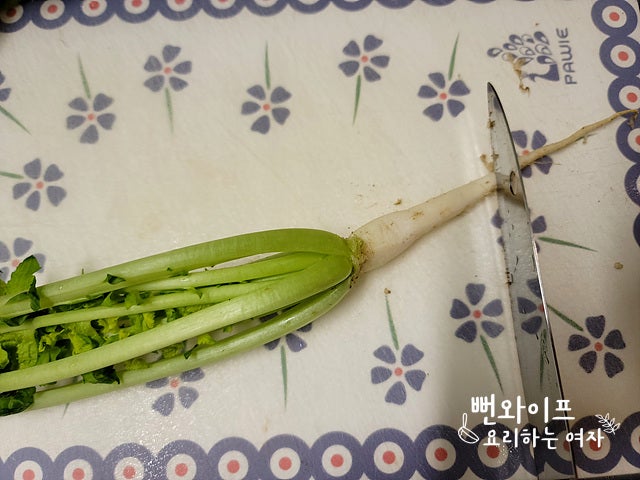
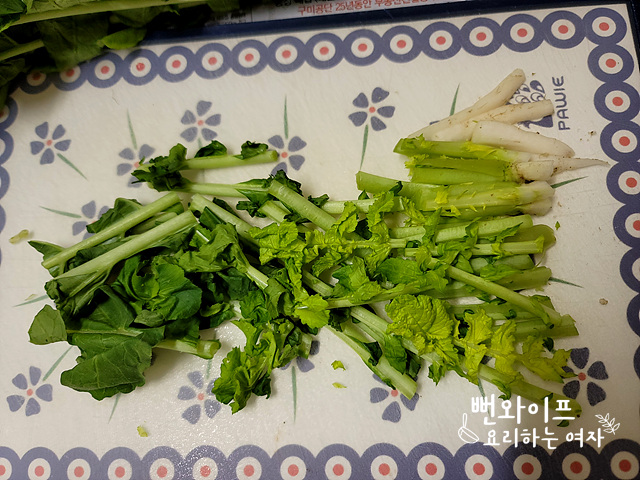
For young summer radishes with thicker taproots, scrape off any dirt and fine rootlets cleanly with a knife, then cut them into bite-sized lengths of 4 to 5 cm.
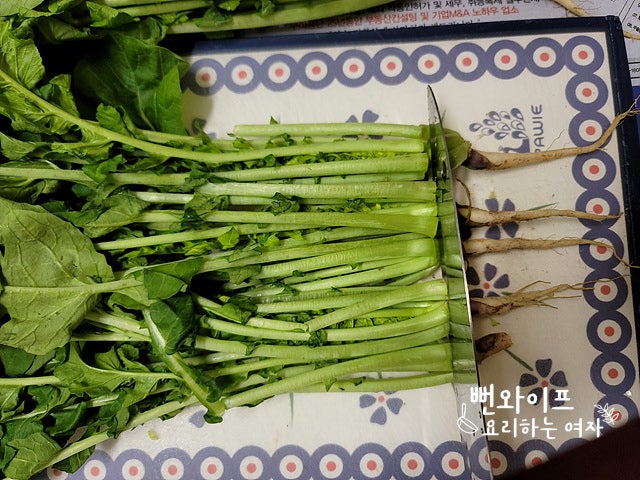
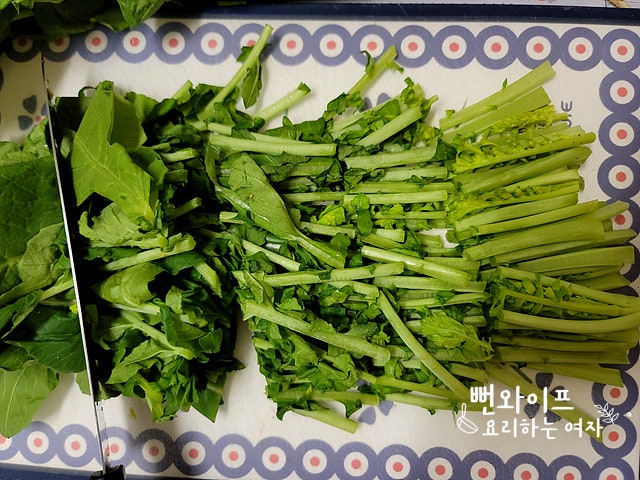
If the roots are thin and messy, simply cut them off and discard them, then cut the greens to the same length.
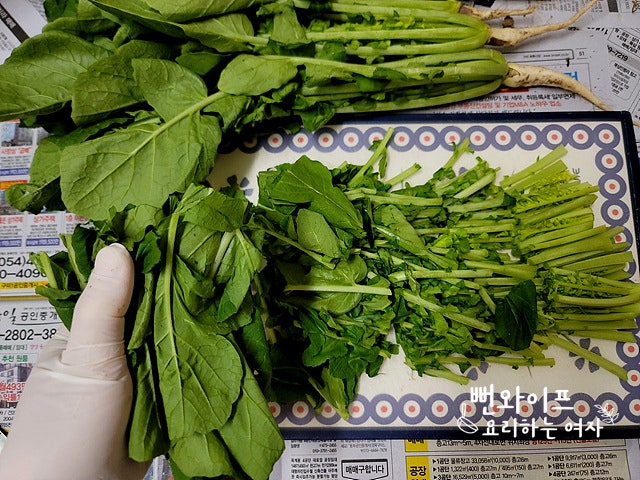
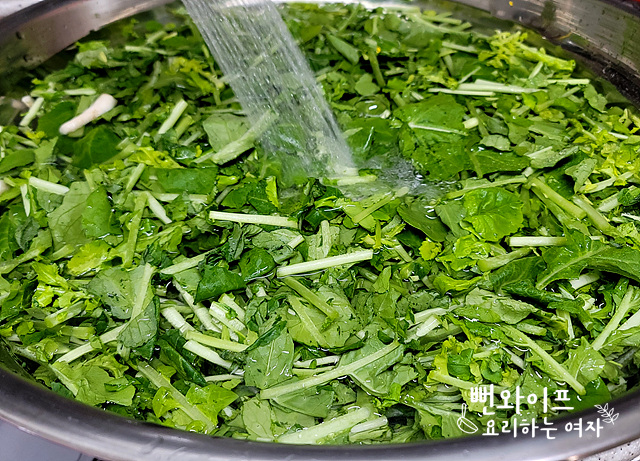
When making yeolmu mulkimchi or yeolmu kimchi, the leaf tips lack crispness, so I collect them and save them for soybean paste soup.
Place the young summer radish in a large basin, pour in enough water to submerge it, and let it soak briefly so dirt and debris loosen easily.
Rinse several times until no dirt settles at the bottom.
Salt the young summer radish
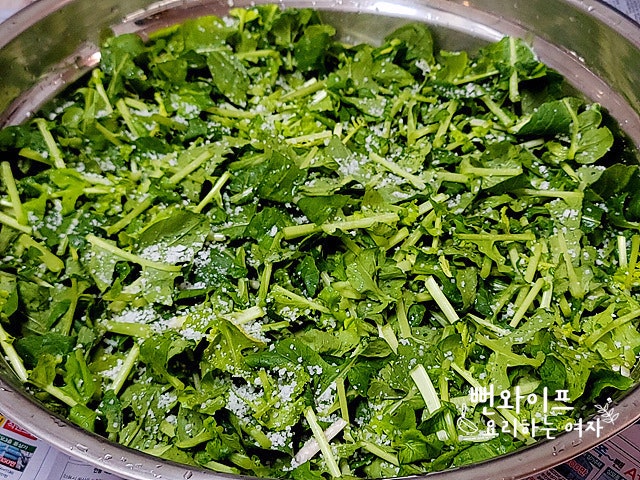
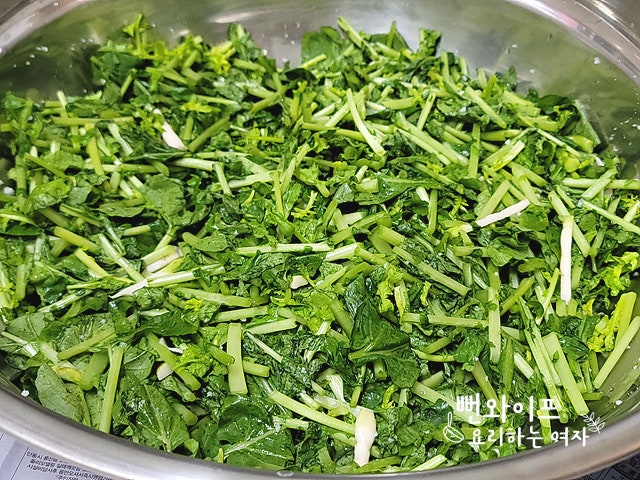
To help the salt dissolve well, sprinkle the salt right away while plenty of moisture remains after washing the young summer radish.
Lay down a layer of radish, take half a handful of salt, scatter it evenly over the top, and repeat layering to salt them.
Turn them over once or twice in between.
If the radishes are thin and tender, salt them within 1 hour; if they seem thick, increase the time.
Slice the secondary ingredients
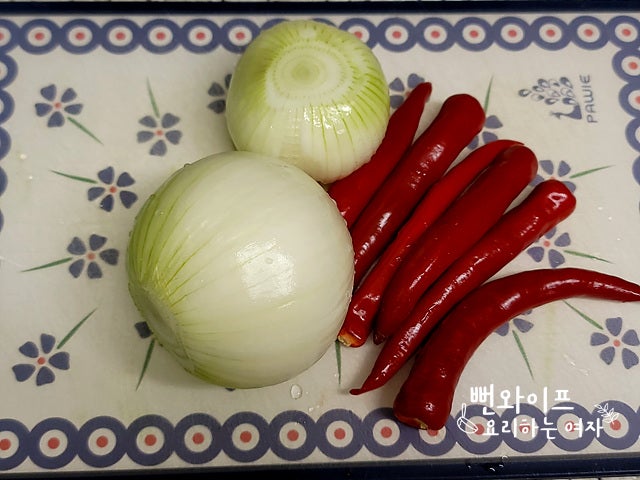
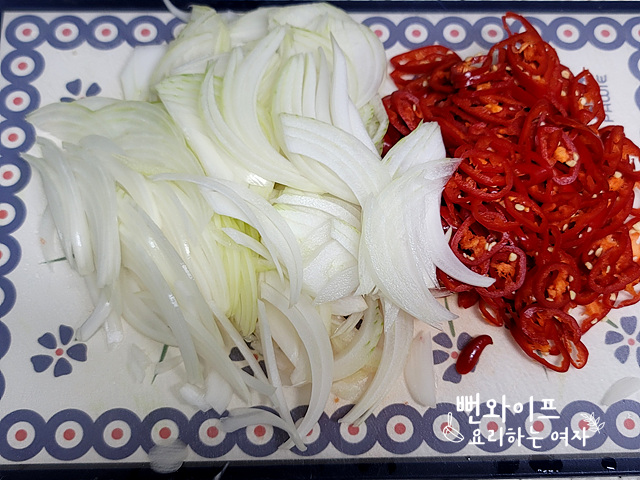
These are the secondary ingredients that go in with the radish: onion and red chili pepper. While the radish is salting, you can slice the ingredients and make the seasoning.
Finely julienne the onion and thinly slice the red chili peppers on a bias.
Make the seasoning
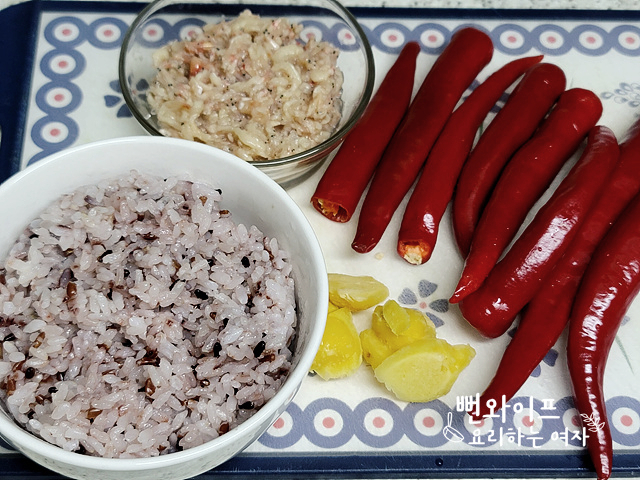
These are the seasoning ingredients that will be blended.
Cold cooked rice, red chili peppers, ginger, and salted fermented shrimp; if you have whole peeled garlic instead of minced garlic, you can add it and blend together.
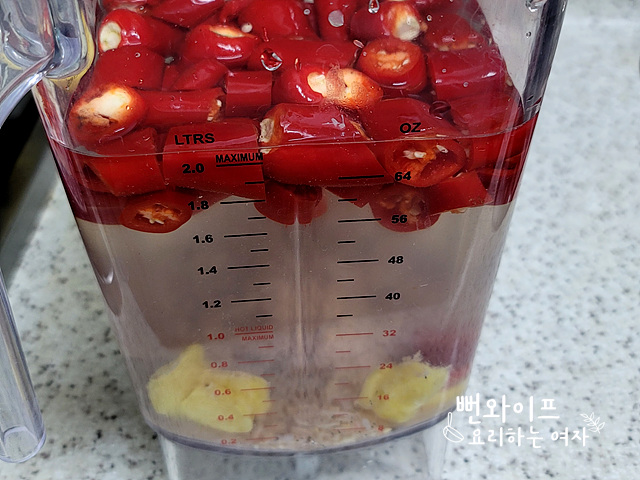
Put the ingredients into a blender, pour in approx. 8 cups of water, and blend finely.
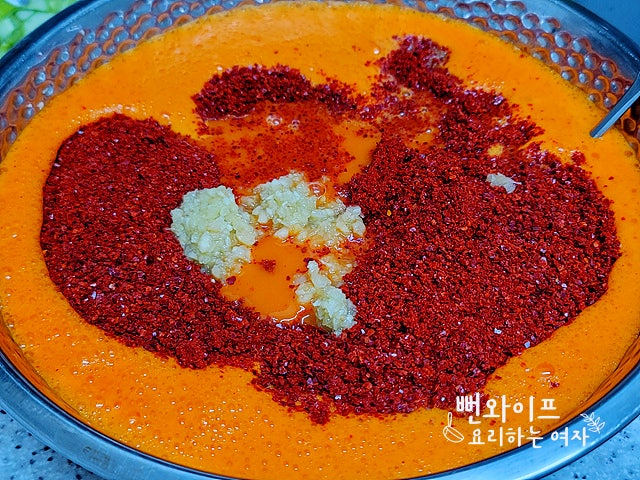
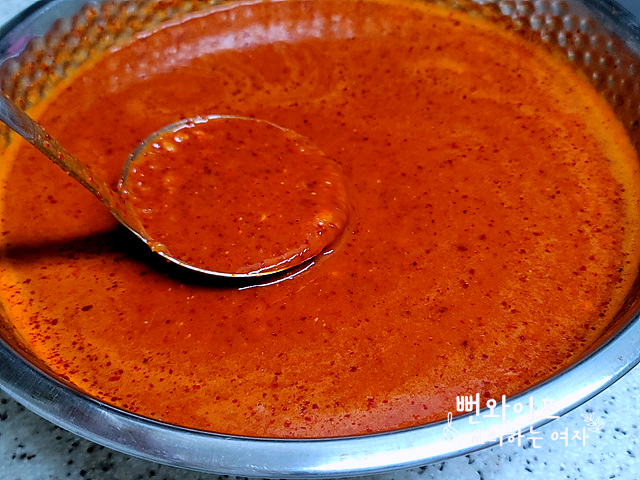
Pour out the blended mixture, add the remaining seasoning ingredients—2/3 cup minced garlic, 2 cups gochugaru, 1/2 cup sand lance fish sauce, and 1/2 cup green plum syrup (or 4 tbsp sugar)—mix well, and let it sit so the chili flakes swell and the flavors meld.
It will feel runnier than other kimchi seasonings.
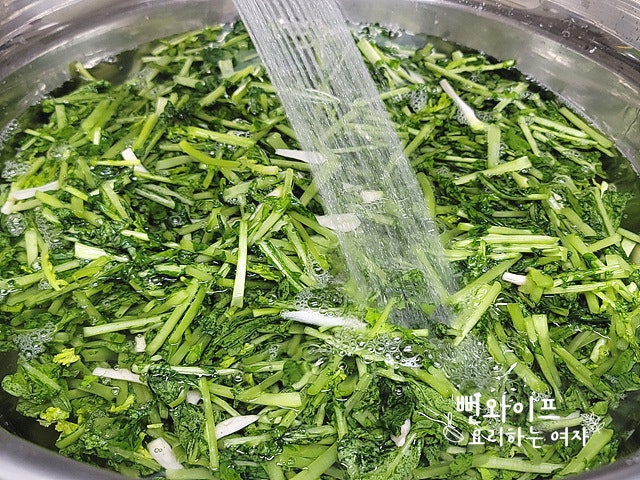
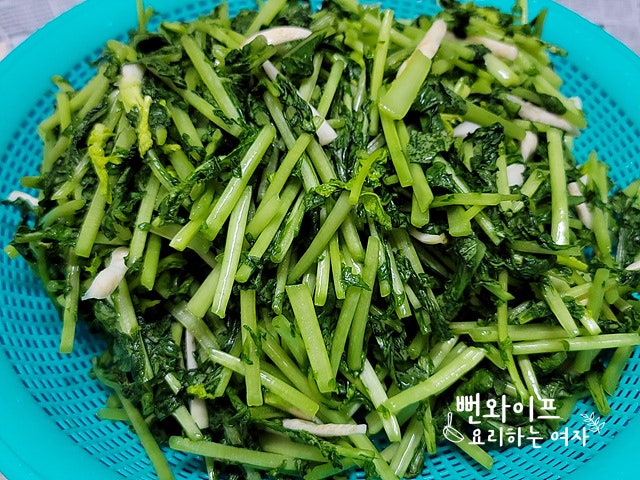
Rinse the salted young summer radish just once in water and drain the excess moisture.
Yeolmu kimchi is eaten for its crispness, so just salt it enough to remove the stiff feeling without letting it wilt too much.
Toss together
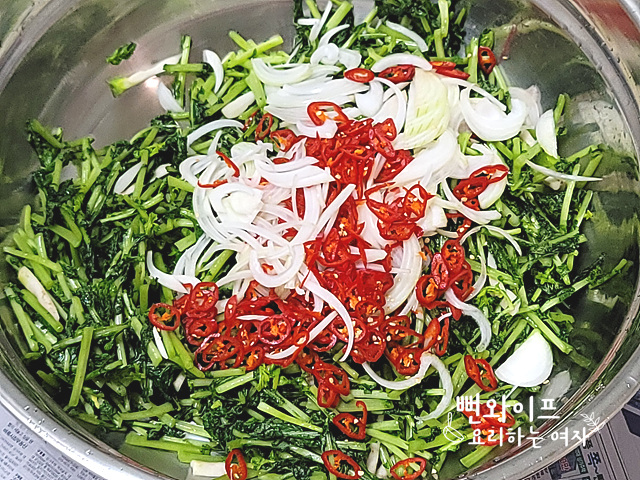
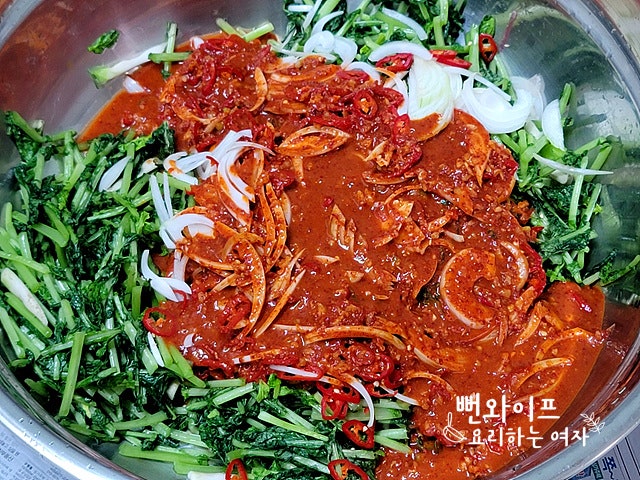
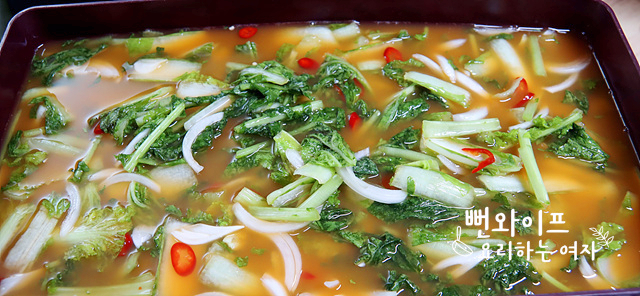
In a large basin, add the salted young summer radish, sliced onion, and red chili pepper, then pour in all the seasoning.
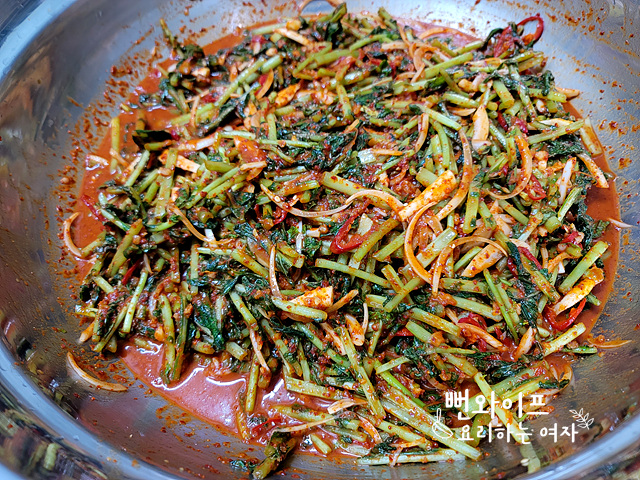
Toss gently so it does not develop a raw grassy smell.
Adjust the seasoning so it does not taste too bland.
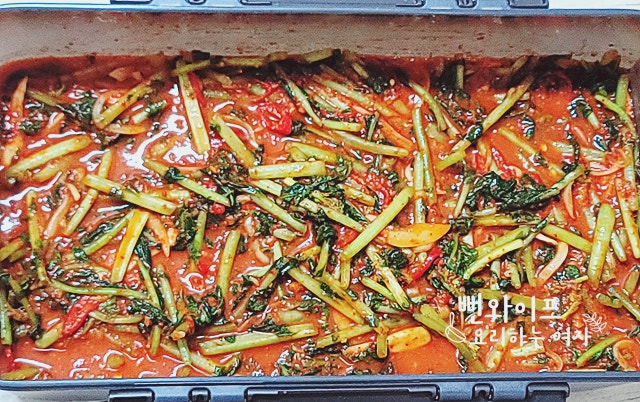
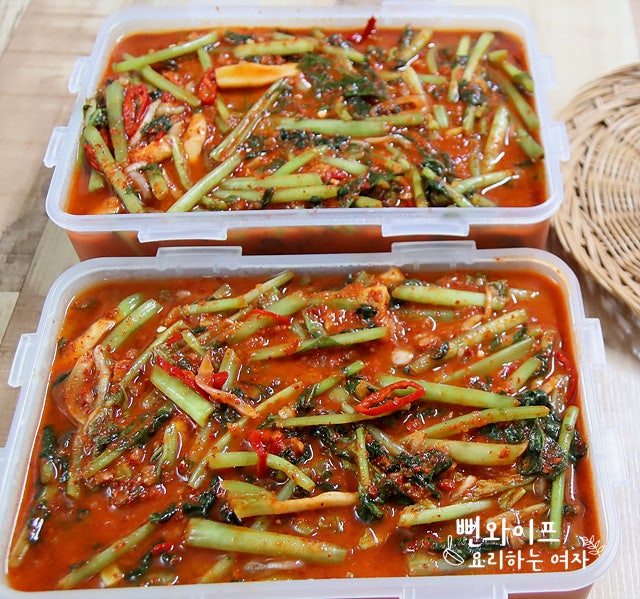
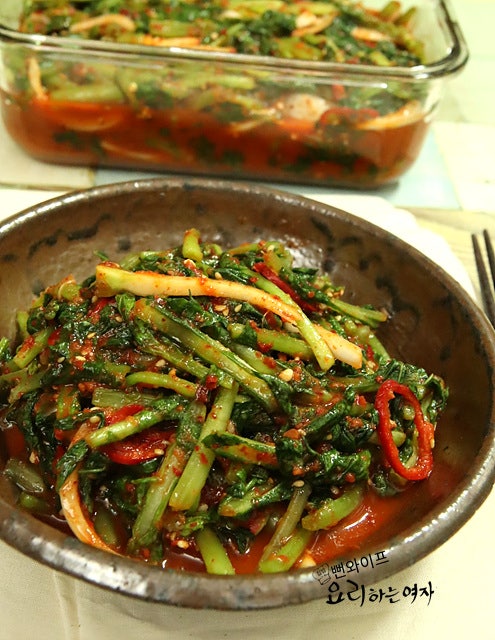
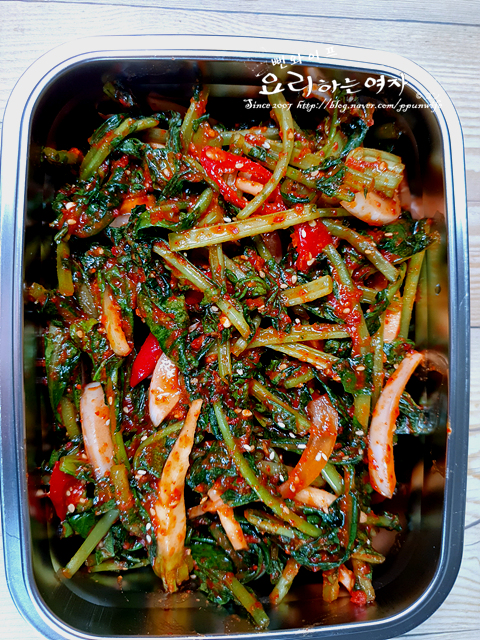
Making kimchi with 4 bunches of young summer radish fills about one small kimchi container.
The seasoned broth turned out just right, almost submerging the radish.
Let it ferment at room temperature overnight or for about a day, then store it in the refrigerator for one more day before eating.
Finish
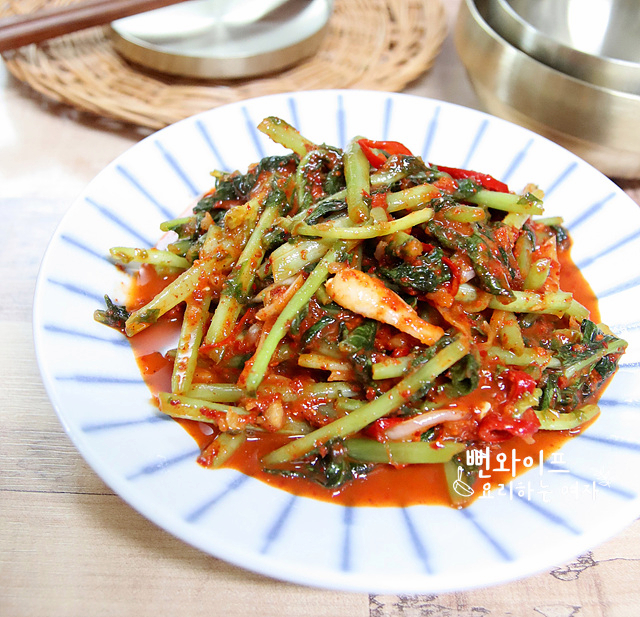
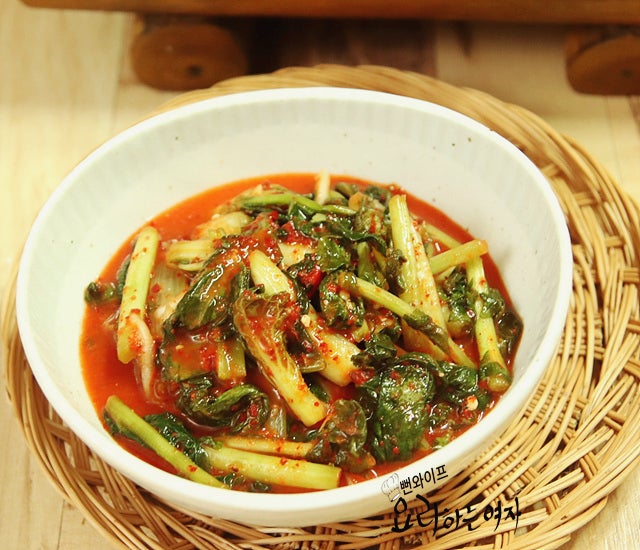
When comfortably chilled and well-fermented, ladle out the yeolmu kimchi with plenty of its broth and serve; it is truly an appetite-whetting side dish.
If you feel like you have lost your spring appetite, definitely try making yeolmu kimchi.
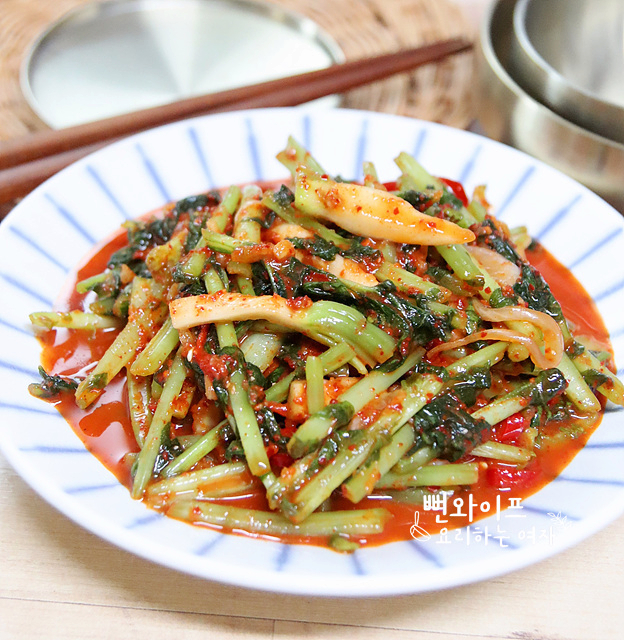
The tender yet crisp, pleasantly tart young summer radish tastes truly refreshing.
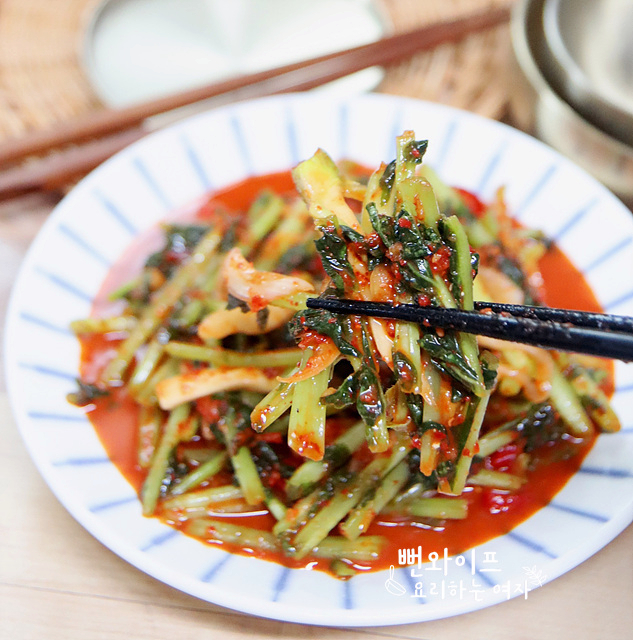
It is delicious when you boil doenjang jjigae and mix this young summer radish into barley rice.
Boil some somyeon noodles, add the radish along with the spicy, tart broth, and mix it up—it tastes even more heavenly.
 Ppunwife's tips
- When making yeolmu mulkimchi or yeolmu kimchi, the leaf tips lack crispness, so save them to use in soybean paste soup.
- To help the salt dissolve easily, sprinkle the salt right away while plenty of moisture remains after washing the young summer radish.
- Because yeolmu kimchi is enjoyed for its crispness, salt it just enough to remove the stiffness without letting it wilt completely.
- Toss gently to prevent any raw grassy smell.
- Let it ferment at room temperature overnight or for about a day, then store it in the refrigerator for one more day before eating.
FAQ
Can I use cold cooked rice instead of glutinous rice paste in the seasoning?
Yes. Instead of cooking a paste separately, you can simply blend cold cooked rice with water or broth in a blender to use as a convenient seasoning base.
Can I mix young summer radish with napa cabbage thinnings?
You can make it with young summer radish alone, or if you prefer, you can use half young summer radish and half baby napa cabbage thinnings.
How do I toss it without causing a raw grassy smell?
Pour the seasoning over the salted radish and toss gently without squeezing or roughly bruising the greens to keep a raw grassy smell from forming.
How long should I ferment the kimchi before eating?
Leave it at room temperature for half a day to a day to ferment, then transfer it to the refrigerator to mature for another day before enjoying it chilled.