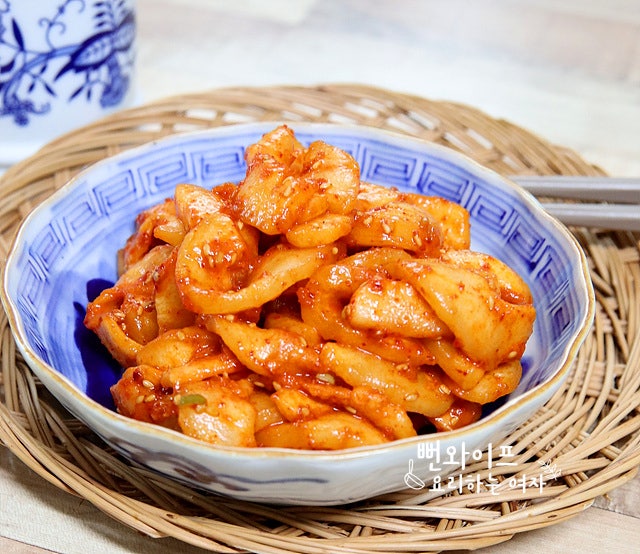
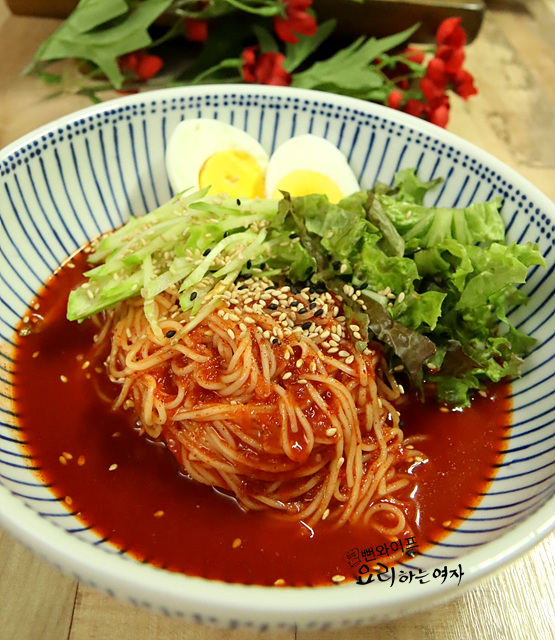
Nogak Bibim Guksu (Spicy Mixed Noodles)
A refreshing noodle dish made by seasoning salted overripe cucumber along with its juices and tossing it with thin wheat noodles.
Translated from Korean by AI and not yet checked by a native speaker. Amounts and numbers are taken directly from the original recipe. Read the Korean original →
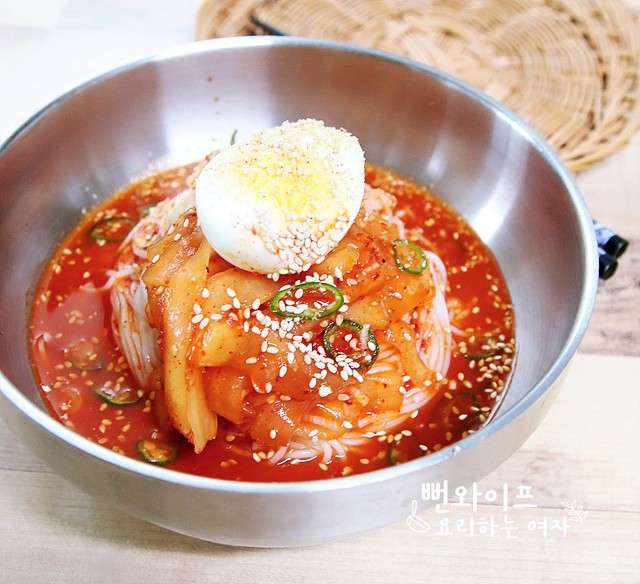
This bibim guksu keeps the natural juices released from the salted overripe cucumber to create a Manghyang-style noodle dish with plenty of shallow, tangy broth. The chewy, crunchy texture of the thinly sliced nogak combined with the sweet and sour broth makes it a wonderful special meal for the hot summer.
- Servings
- 3–4 servings
- Cook time
- 20 minprep not included
- Difficulty
- Medium
- Spiciness
- Mildly spicy
Ingredients
Ingredients
- Overripe cucumber (nogak)1, 1 kg (after cleaning)
- Salt2 tbsp
- Sugar3 tbsp
- Thin wheat noodles (somyeon)
- Boiled egg
- Green chili pepper
Seasoning
- Gochugaru (Korean chili flakes)2 tbsp
- Vinegar3–4 tbsp
- Gochujang (Korean red chili paste)2 tbsp
- Minced garlic1 tbsp
- Sugar1 tbsp
- Minced green onion3 tbsp
- Toasted sesame oila little
- Toasted sesame seedsa little
- Ground black peppera little
- Peel the overripe cucumber with a peeler, trim off the ends which can taste bitter, cut it in half lengthwise, and scrape out the hard seeds and mushy center with a spoon.
Steps
Prepare the ingredients

This is one large overripe cucumber (nogak).
It is plump and heavy, weighing about as much as 2 small overripe cucumbers.
Slice the overripe cucumber
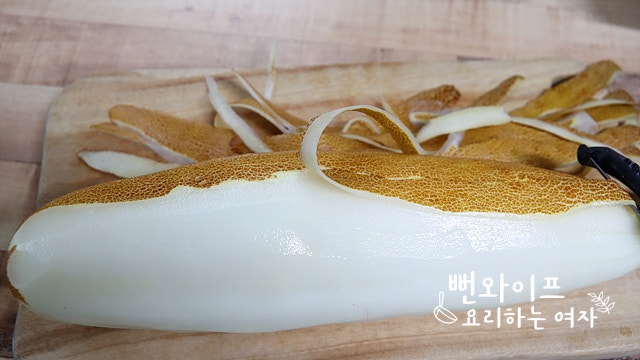
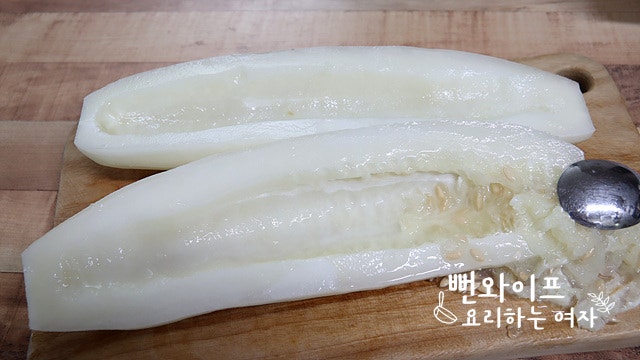
Peel the overripe cucumber with a vegetable peeler.
Trim off a little from both ends where it can taste bitter, cut it in half lengthwise, and scrape out the center using a spoon. (After cleaning like this, it weighs about 1kg.)
You need to scrape away both the hard seeds and the mushy pulp so it stays clean and neat once tossed.
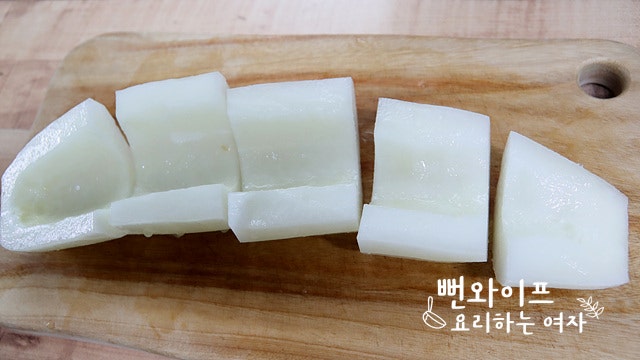
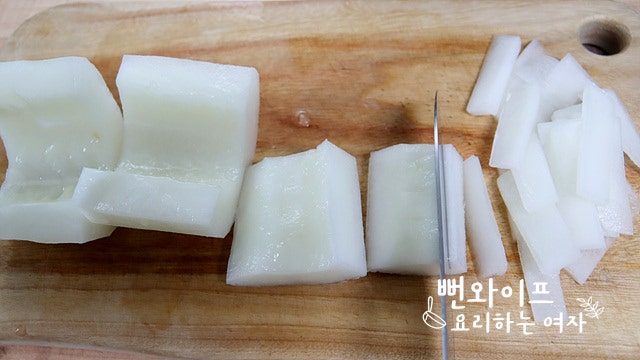
Cut it crosswise into 4 to 5 pieces, turn each piece lengthwise, and slice thinly.
If it is sliced too thick, the texture will feel crunchy rather than pleasantly chewy.
Salt the overripe cucumber
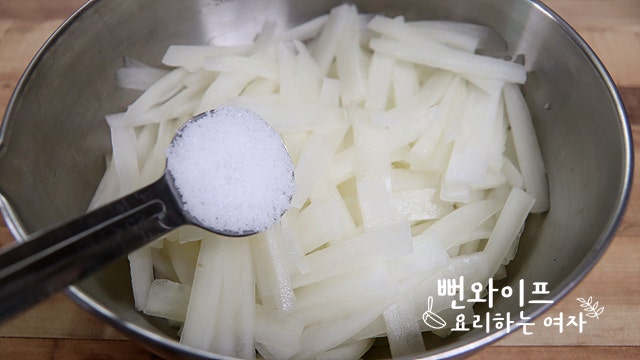
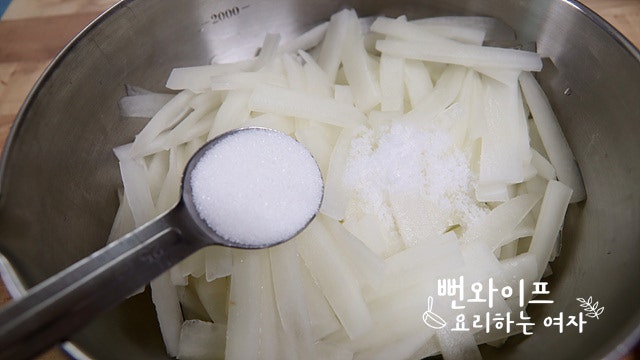
Add 2 tbsp salt and 3 tbsp sugar to salt it.
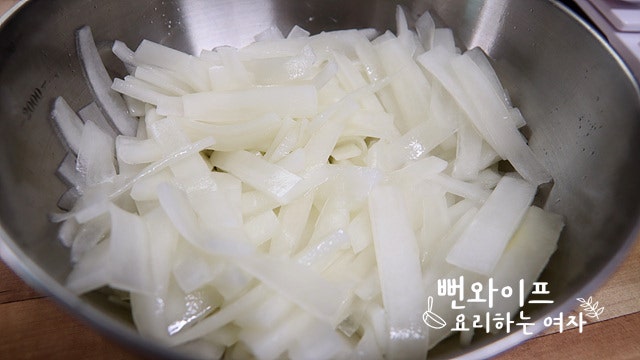
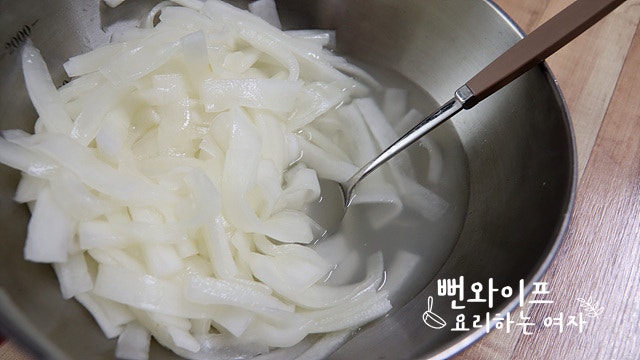
Mix evenly, and after 20 minutes it will be tenderly salted with a lot of liquid drawn out of the cucumber.
When making nogak muchim as a side dish, I used to discard all this liquid.
This time, do not throw it away; we will use it for the bibim guksu.
Season
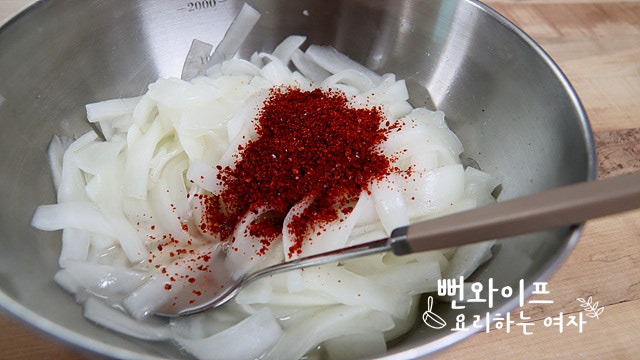
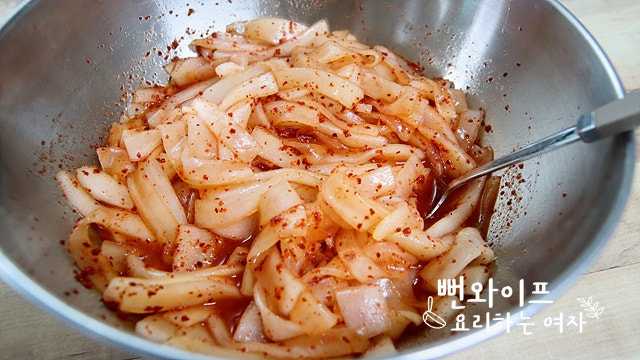
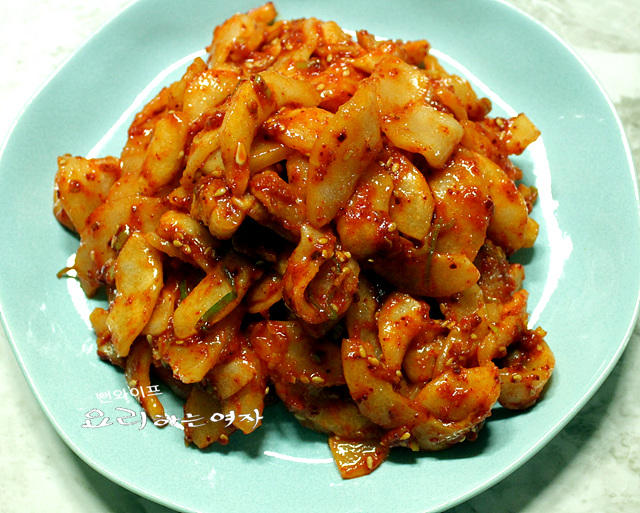
First, add 2 tbsp gochugaru (Korean chili flakes) and mix well to dye the cucumber red and let the chili flakes soften.
If you use fine gochugaru, the color coats more quickly and evenly without clumping.
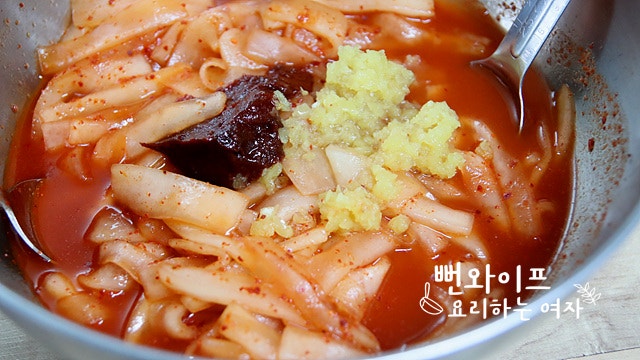
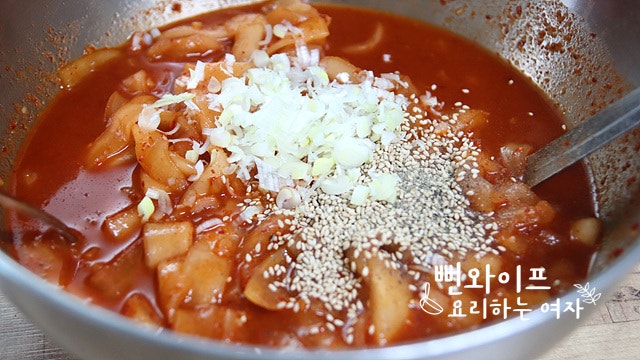
Now add the remaining seasoning.
Add 3 to 4 tbsp vinegar, 2 tbsp gochujang (Korean red chili paste), and 1 tbsp minced garlic, then mix thoroughly.
Since the broth also needs to be seasoned unlike regular nogak muchim, a generous amount of seasoning goes in.
Taste the cucumber or broth; if it is bland, adjust with salt, and add more vinegar or sugar to your taste.
I just added 1 tbsp of sugar and mixed it in.
Once the seasoning is right, finish by adding 3 tbsp minced green onion, toasted sesame seeds, ground black pepper, and toasted sesame oil.
Finish the dish
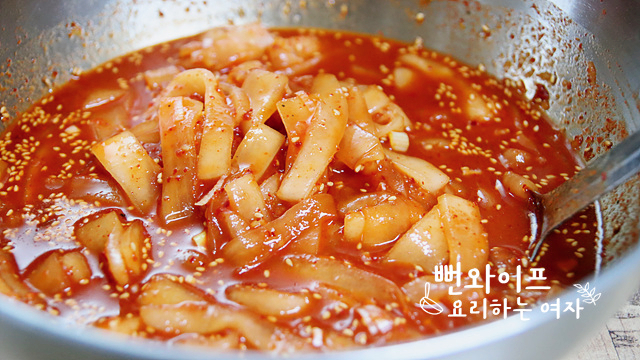
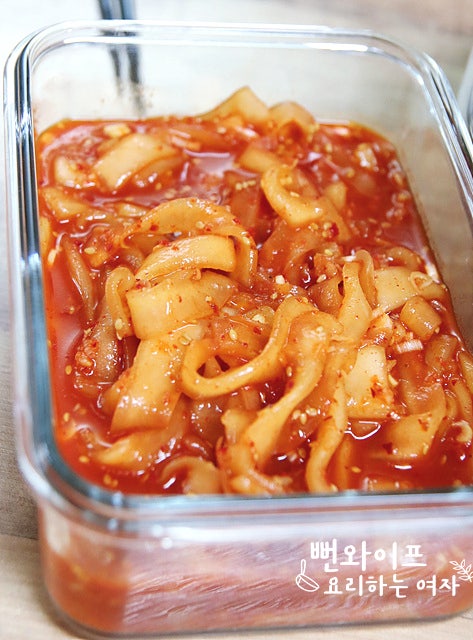
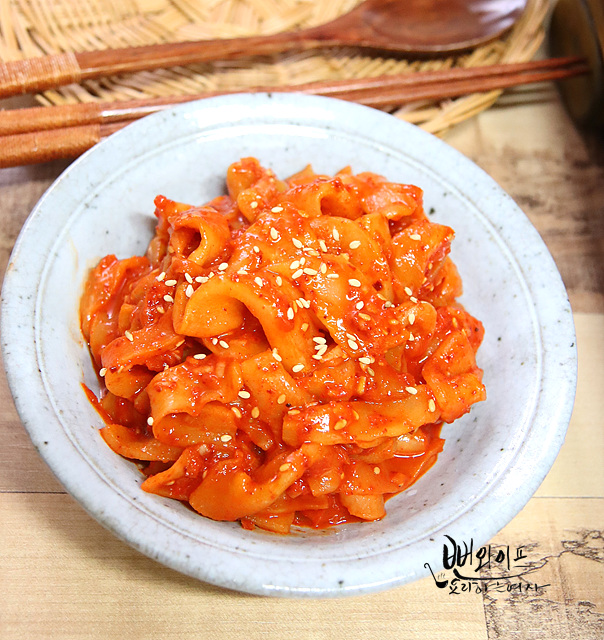
Transfer it into a container along with the broth, chill it in the refrigerator, and enjoy.
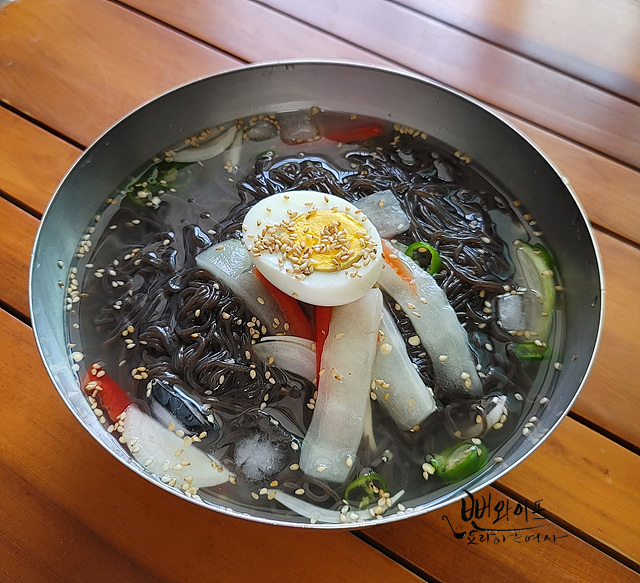
You can also float ice cubes in it just like this and have it as a cold soup.
Because the portion was large, I ate some the next day, and even more moisture had drawn out, making the overripe cucumber even chewier.
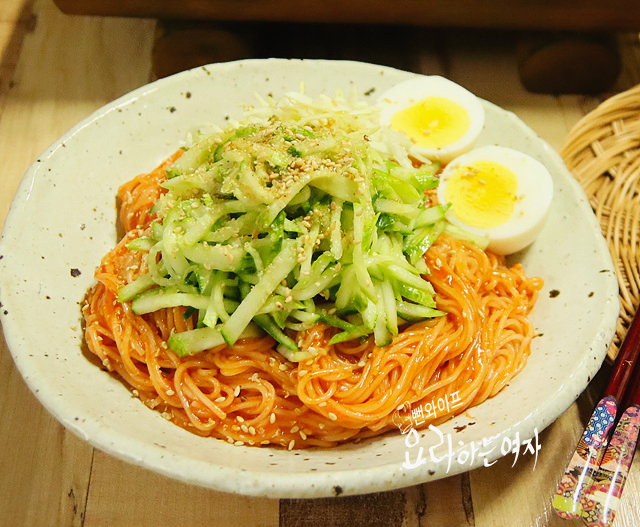
Boil thin wheat noodles (somyeon) until springy, pour in the shallow broth, top with the overripe cucumber, and finish with a boiled egg.
For a touch of green, I sliced one green chili pepper and placed it on top. Shredded leafy wrap vegetables would also be great to serve alongside.
It is a bibim guksu (spicy mixed noodles) filled with the subtle aroma of overripe cucumber, reminiscent of Manghyang noodles.
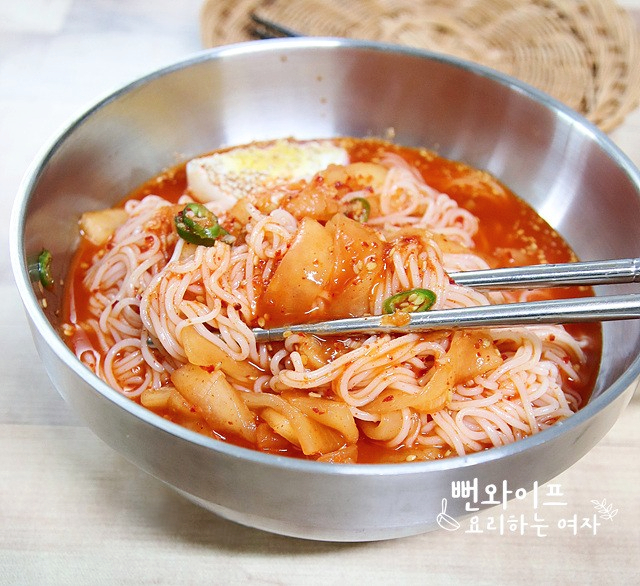
When mixing the noodles, you can drizzle in more toasted sesame oil for extra nuttiness, or dissolve a little prepared yellow mustard into it.
Cold, sweet, and tangy, drinking down the broth clears your head completely.
When you make nogak muchim, use the liquid like this to toss together a dish.
It will make a wonderful summer treat.
 Ppunwife's tips
- You need to scrape away both the hard seeds and the mushy pulp so it stays clean and neat once tossed.
- If you use fine gochugaru, the color coats more quickly and evenly without clumping.
- When mixing the noodles, you can drizzle in more toasted sesame oil for extra nuttiness, or dissolve a little prepared yellow mustard into it.
FAQ
Should I discard the liquid released after salting the overripe cucumber?
Do not squeeze and discard the moisture; use the juices right in the seasoning to create a bibim guksu with shallow broth.
Why do the seeds need to be completely scraped out when coring the overripe cucumber?
Removing both the hard seeds and the mushy center ensures that the texture stays clean and neat once seasoned and tossed.
Are there any tips to enjoy the seasoned overripe cucumber even more deliciously?
Chill it in the refrigerator and add ice cubes to enjoy like cold soup, or add toasted sesame oil or prepared yellow mustard to your taste when mixing the noodles.
Can I use other noodles instead of thin wheat noodles (somyeon)? AI-generated
Medium wheat noodles (jungmyeon) or buckwheat noodles also pair wonderfully with the sweet, tangy sauce and crunchy overripe cucumber.