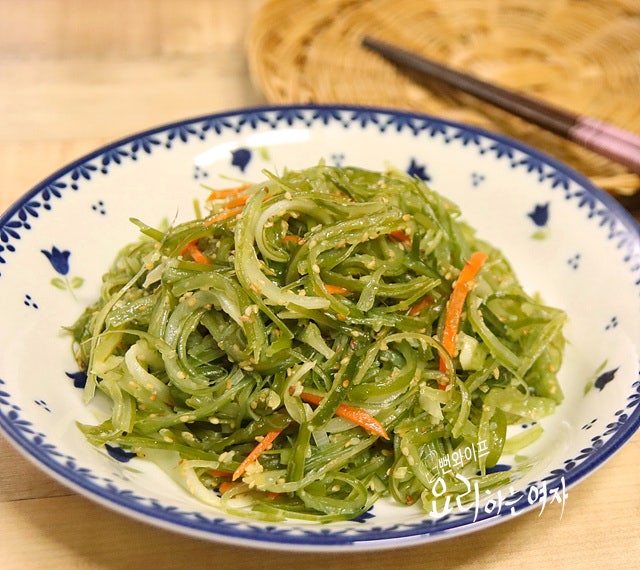
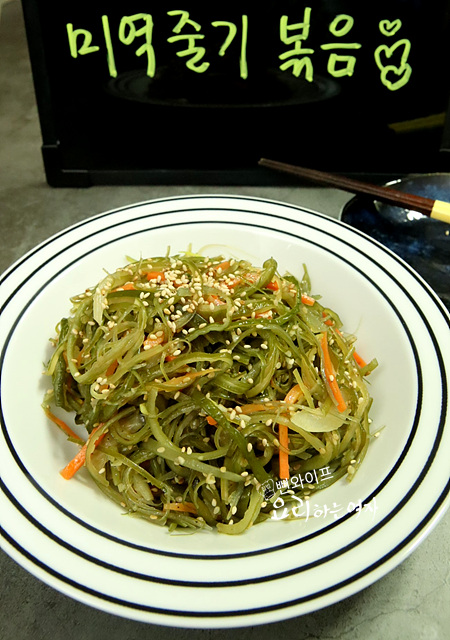
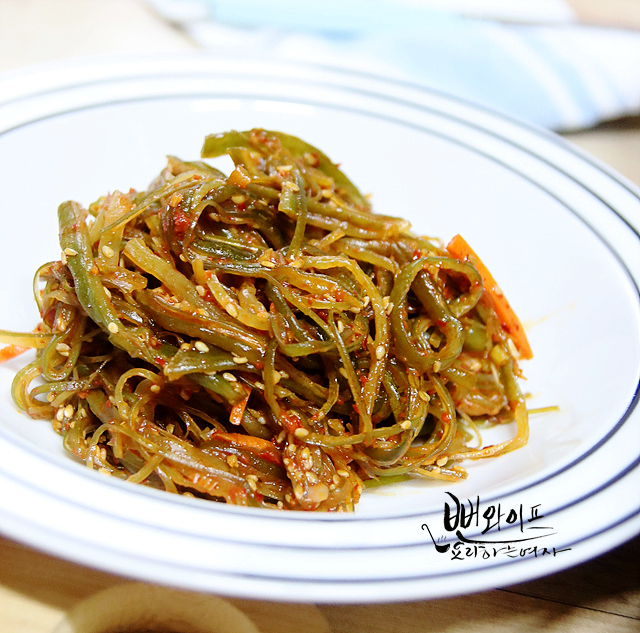
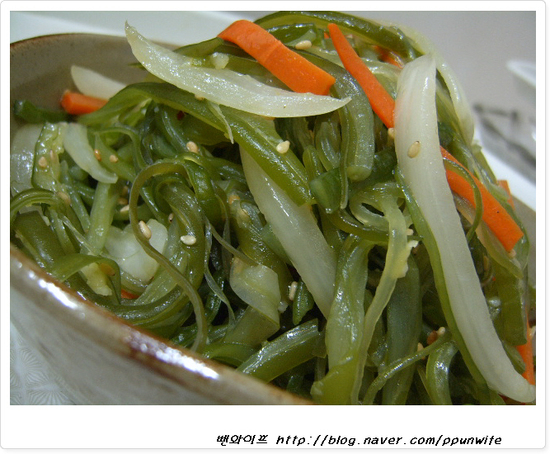
Miyeok Julgi Bokkeum (Stir-Fried Seaweed Stems)
A satisfying everyday side dish of chewy salted seaweed stems stir-fried in fragrant garlic-scallion oil and mirin to remove any fishiness.
Translated from Korean by AI and not yet checked by a native speaker. Amounts and numbers are taken directly from the original recipe. Read the Korean original →
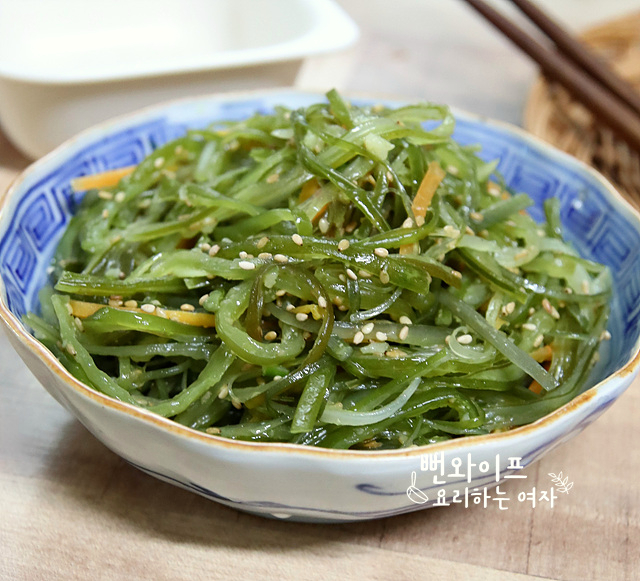
This stir-fried side dish uses scallion and garlic oil along with mirin to eliminate any fishiness and bring out savory umami. Salted seaweed stems are soaked to reduce their saltiness, then stir-fried with a splash of water for a soft, moist texture. Once prepped, it cooks up in just minutes for an effortless banchan.
- Servings
- about 4–5 servings
- Difficulty
- Easy
- Spiciness
- Not spicy
Ingredients
Ingredients
- Salted seaweed stems250 g (after cleaning)
- Carrot1/4
- Onion1/4
Seasoning
- Minced garlic1 tbsp
- Minced green onion2 tbsp
- Mirin (cooking rice wine)2 tbsp
- Tuna extract sauce (chamchi-aek)1 tbsp
- Water3 tbsp
- Toasted sesame oil1 tbsp
- Toasted sesame seeds1 tbsp
- Trim away any uncleaned parts or tough bits, and split thick stems lengthwise with your fingers.
- Do not soak out every trace of salt; stop when it tastes just slightly bland.
- Adjust the amount of tuna extract sauce depending on how much salt remains in the seaweed stems.
Steps
Prepare the ingredients
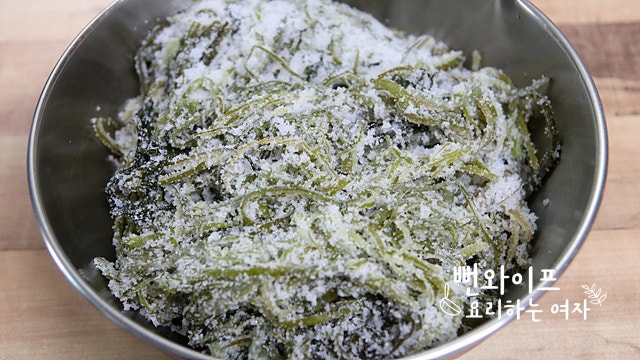
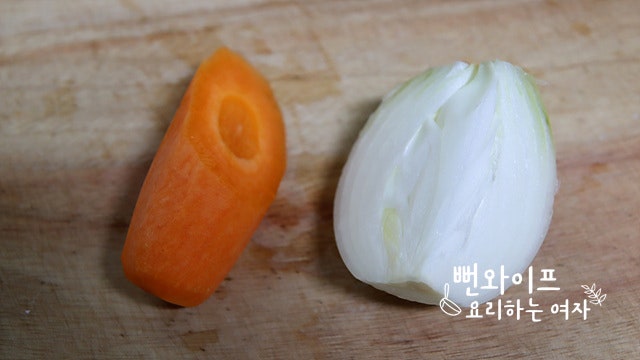
Here are the salted seaweed stems.
Prepare a little bit of onion and carrot as well.
Clean the salted seaweed stems
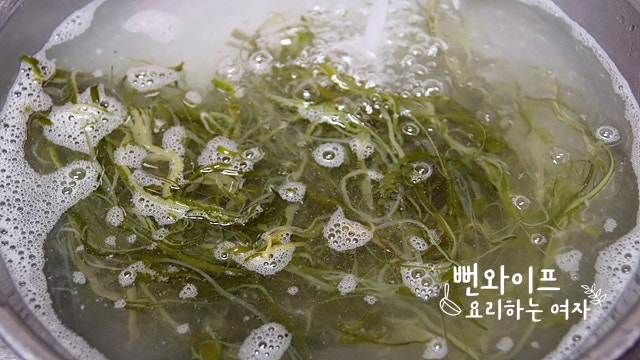
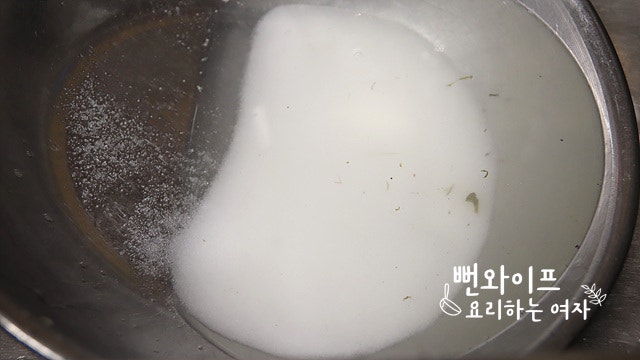
When you first submerge the seaweed stems in water and lift them out, a lot of salt settles at the bottom like this.
Discard it all, and...
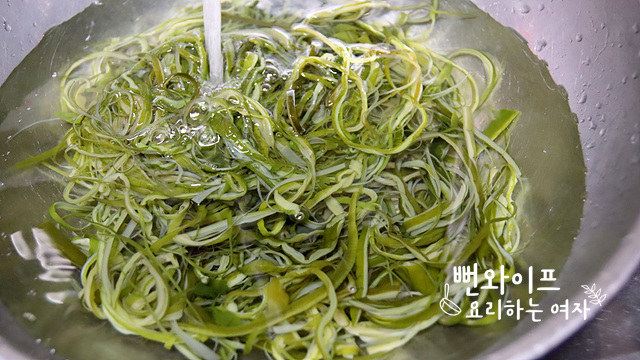
Change the water several times to soak the excess salt out of the seaweed stems.
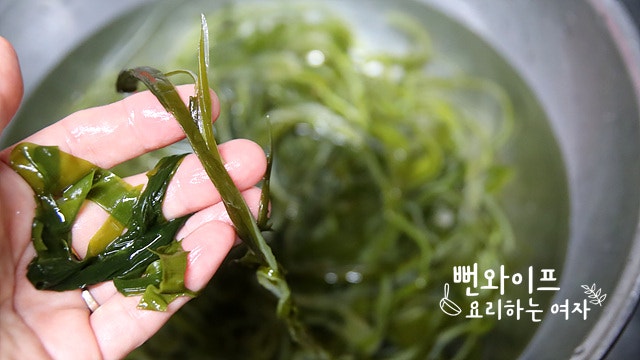
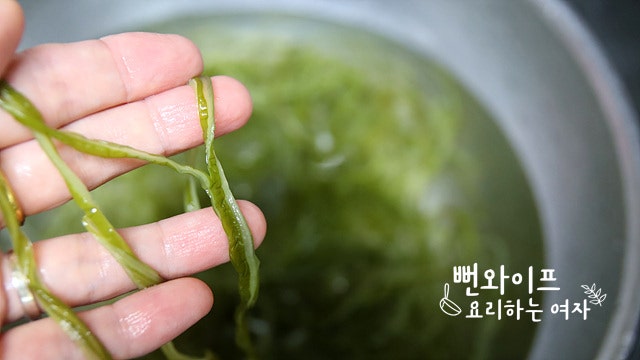
Trim away any uncleaned parts or tough bits, and split thick stems lengthwise with your fingers.
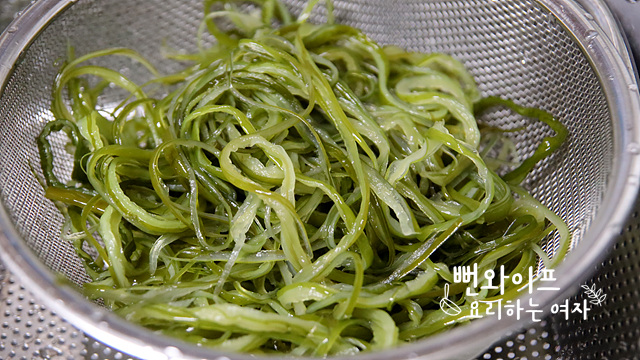
Do not soak out every trace of salt; stop when it tastes just slightly bland.
Drain in a colander, and...
Cut the ingredients
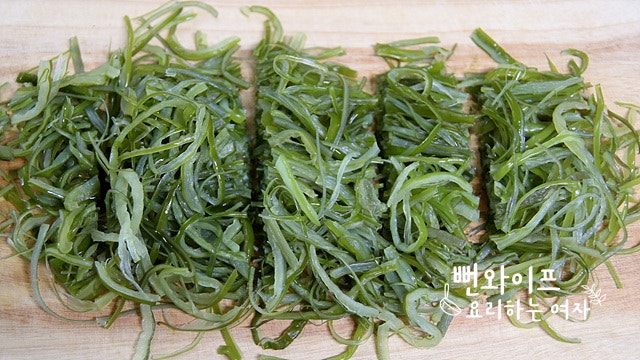
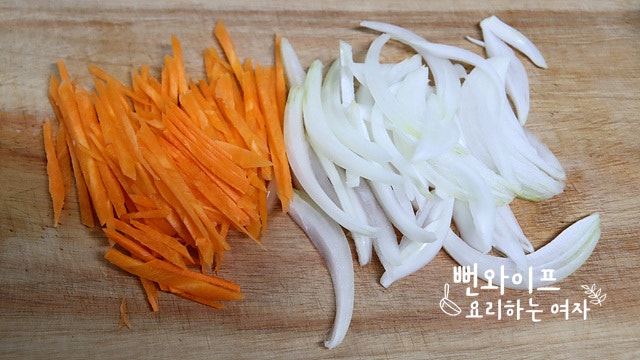
Cut all the ingredients into bite-sized, uniform lengths.
Make the aromatic garlic oil
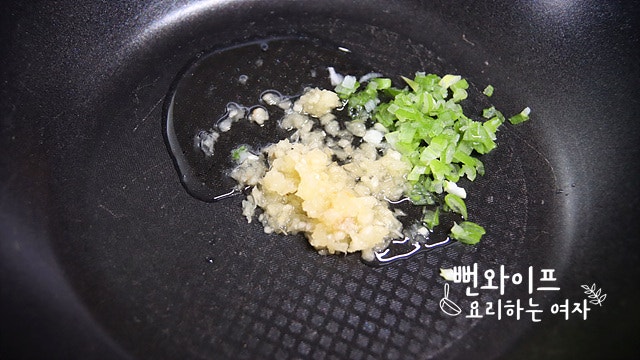
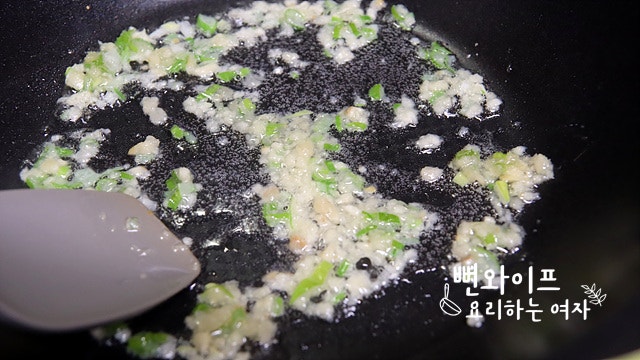
Heat 2 to 3 tbsp of cooking oil in a pan, add 1 tbsp minced garlic and 2 tbsp minced green onion, and stir-fry until fragrant.
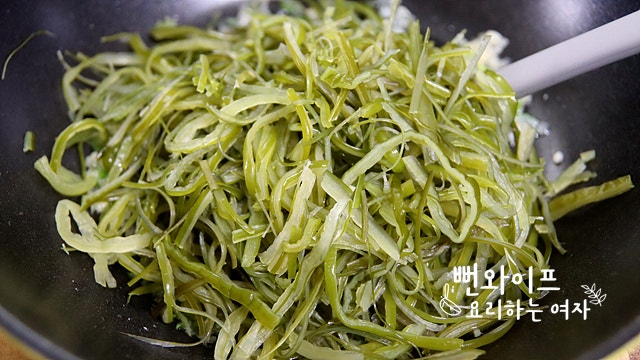
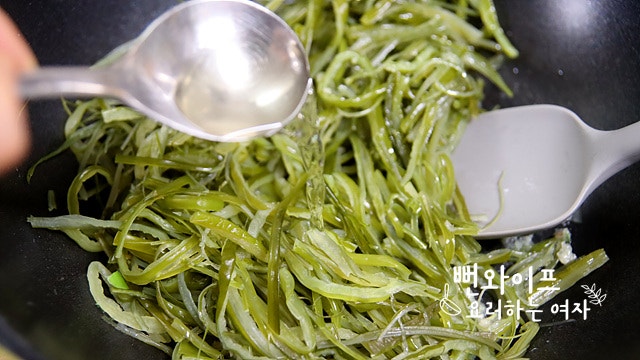
Add the seaweed stems along with 2 tbsp mirin (cooking rice wine) to remove any fishy smell.
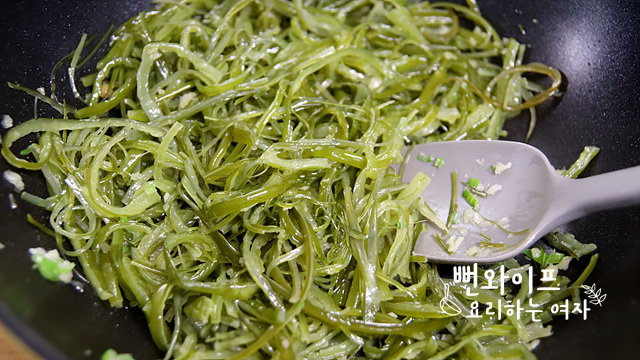
Once stir-fried in the garlic oil until somewhat tender...
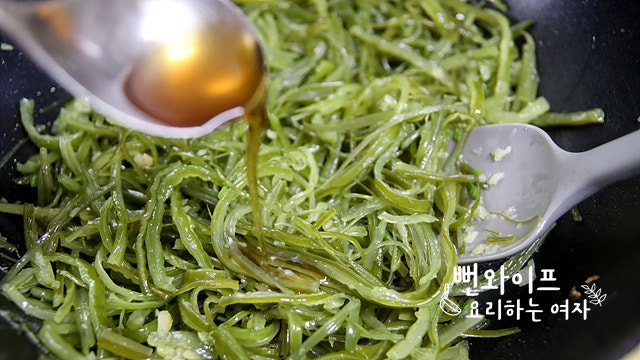
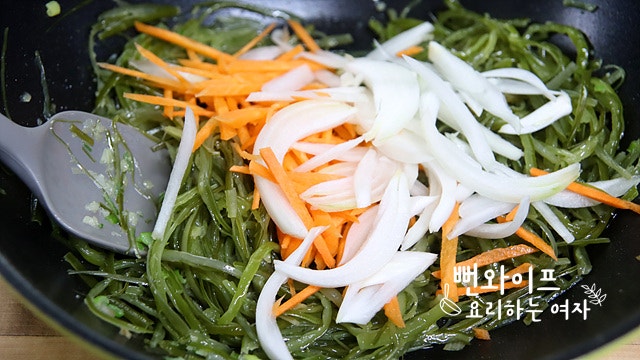
Add 1 tbsp tuna extract sauce (chamchi-aek) or soup soy sauce for umami, toss in the onion and carrot, and stir-fry.
Adjust the amount of tuna extract sauce depending on how much salt remains in the seaweed stems.
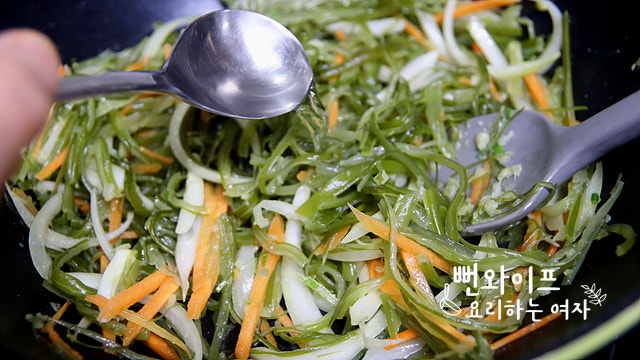
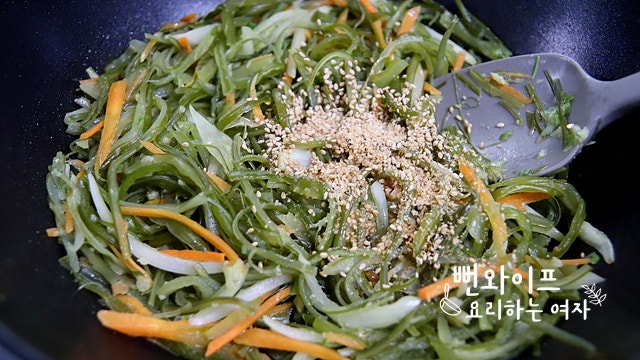
Add 3 tbsp water and stir-fry until all the ingredients are tender and moist.
If it needs more seasoning, adjust with tuna extract sauce or soup soy sauce, then finish with 1 tbsp toasted sesame oil and 1 tbsp toasted sesame seeds.
Finish
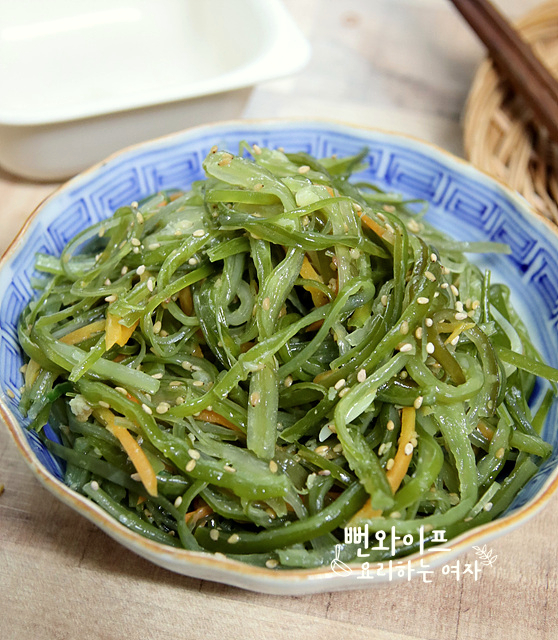
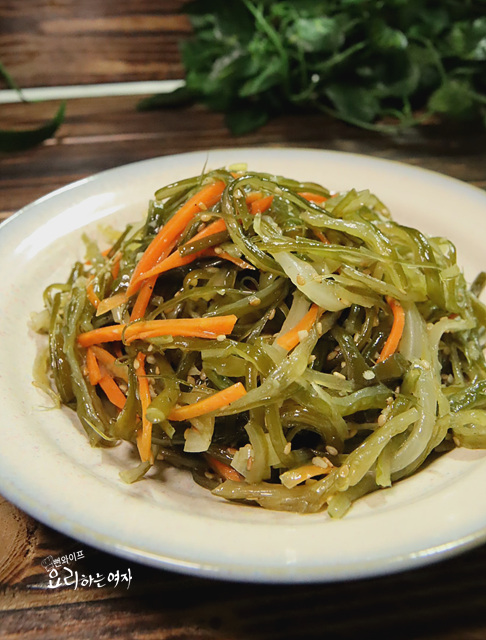
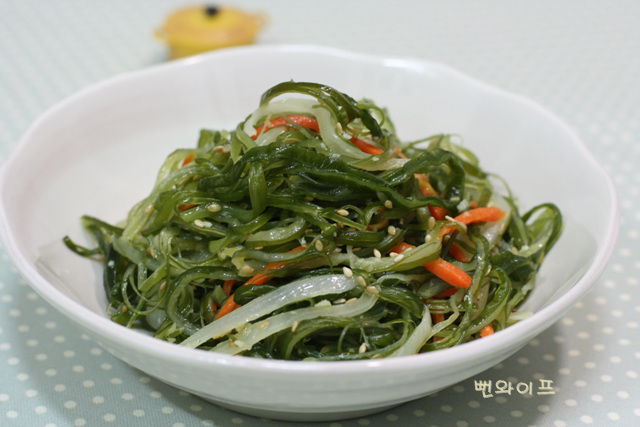
The stir-fried seaweed stems are done.
Whenever this side dish is served at a restaurant, I love it so much that I greedily eat it up.
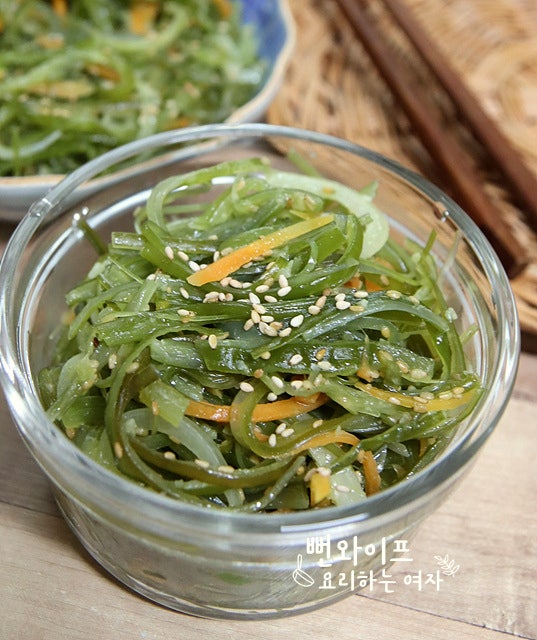
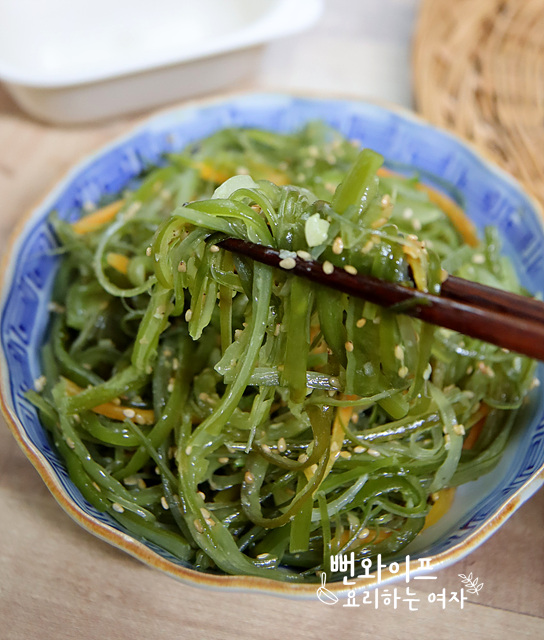
Once prepped, the stir-frying process is as easy as pie.
Enjoy a happy meal with this delicious seaweed stem side dish.
 Ppunwife's tips
- Stir-frying thoroughly in garlic and scallion oil boosts flavor and helps remove any fishiness.
- Adding onion for sweet aroma and mirin also improves the flavor nicely.
- It is also important to taste for remaining salt in the seaweed stems so you do not overseason from the start.
FAQ
How much salt should be removed from the seaweed stems?
Do not remove all the salt completely; rinse and soak while changing the water just until it tastes slightly bland.
Is there a stir-frying tip to reduce the fishy taste?
First stir-fry minced green onion and garlic in cooking oil until fragrant, then add the seaweed stems and mirin and stir-fry thoroughly to tame unwanted odors.
Can I season with something other than tuna extract sauce?
You can use an equal amount of soup soy sauce instead, adjusting the quantity based on the saltiness left in the stems.
Why is water added during stir-frying?
Adding 3 tbsp of water prevents the stems from becoming stiff and helps all the ingredients cook tender and moist.