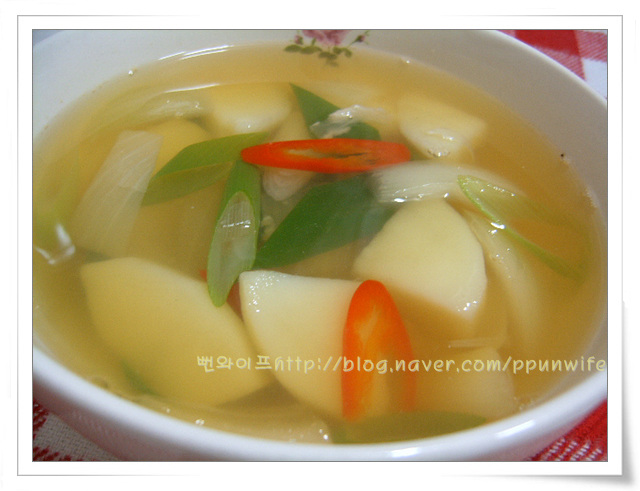
Spicy and Clean Gamjatang (Pork Bone Soup)
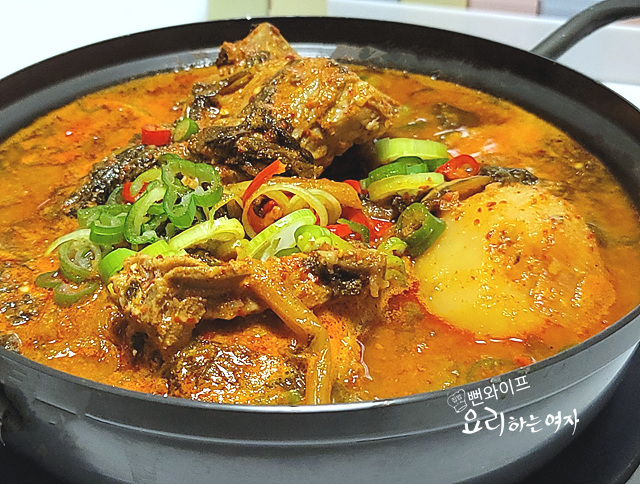
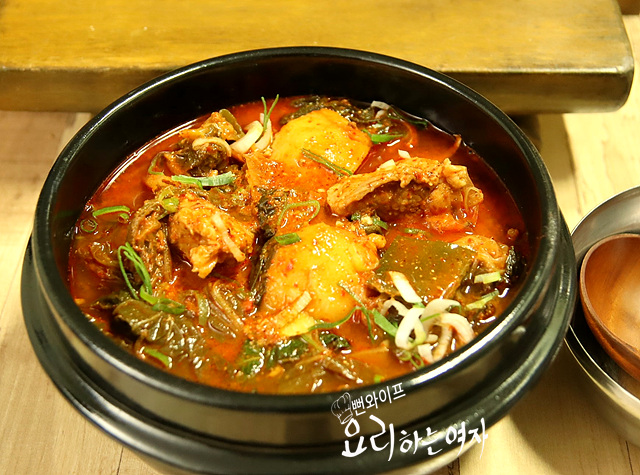
A soup dish made by boiling potatoes and vegetables in rich pork backbone broth, seasoned cleanly with salt and chili oil.
Translated from Korean by AI and not yet checked by a native speaker. Amounts and numbers are taken directly from the original recipe. Read the Korean original →
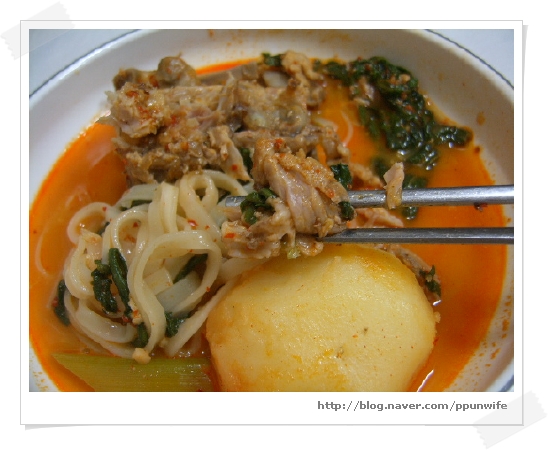
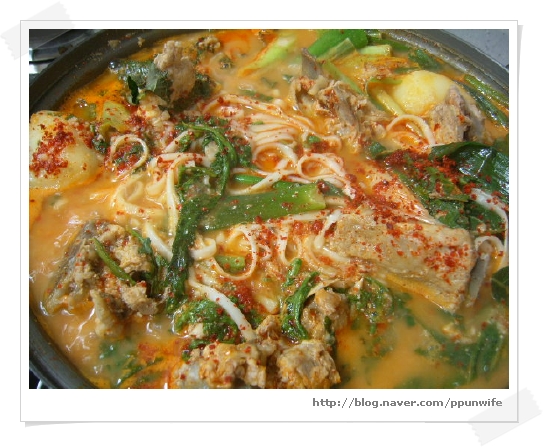
This gamjatang uses only potatoes and vegetables instead of dried radish greens (ugeoji) or kimchi, highlighting the deep, authentic flavor of the pork backbone broth. Chili oil cuts through the richness and adds a spicy kick, while seasoning with salt instead of soy sauce or gochujang keeps the soup clean rather than heavy. It is wonderfully hearty when served with kalguksu noodles.
- Servings
- about 2–3 servings
- Difficulty
- Medium
- Spiciness
- Spicy
Ingredients
Ingredients
- Potato5 (medium-sized)
- Knife-cut wheat noodles (kalguksu)
- Perilla leaves10 leaves
- Large green onion (daepa)2 stalks
- Ssukgat (crown daisy)1 handful
Seasoning
- Chili oil1 tbsp
- Garlic2 tbsp
- Gochugaru (Korean chili flakes)2 tbsp
- Salt2 tsp
- Ground black pepper1 tsp
- Perilla seed powder1 tbsp
- You can also add udon noodles instead of kalguksu.
- Use medium-sized potatoes whole, and cut large ones in half.
- Cut 2 large stalks of large green onion, a handful of crown daisy, and 10 perilla leaves into bite-sized pieces.
- Soak the cut potatoes in cold water to remove excess starch.
Steps
You might wonder why knife-cut wheat noodles (kalguksu) go into gamjatang. Since no other extra ingredients are added,
it is great to add kalguksu noodles to pick out and enjoy.
Use medium-sized potatoes whole, and cut large ones in half.
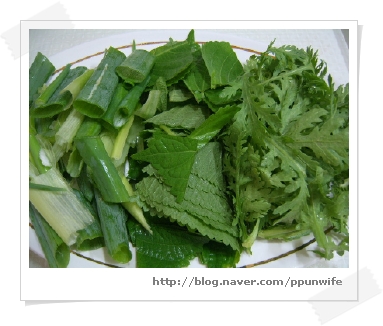
Cut 2 large stalks of large green onion, a handful of crown daisy, and 10 perilla leaves into bite-sized pieces.
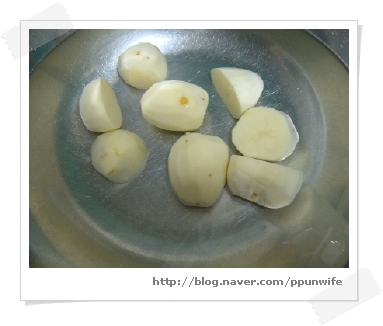
Soak the cut potatoes in cold water to remove excess starch.
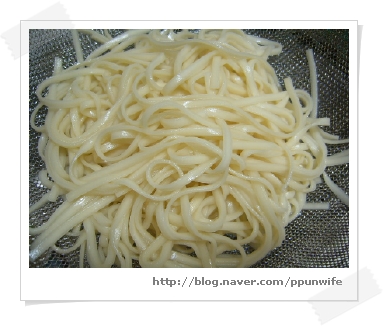
Add the kalguksu noodles to boiling water, cook until halfway done, and rinse in cold or ice water.
Do not cook them all the way through, as they need to boil briefly right before eating.
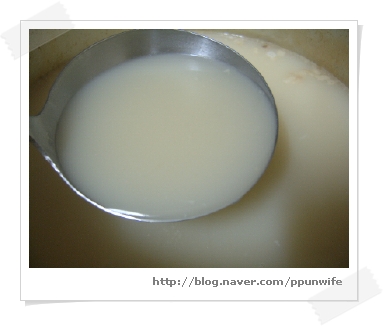
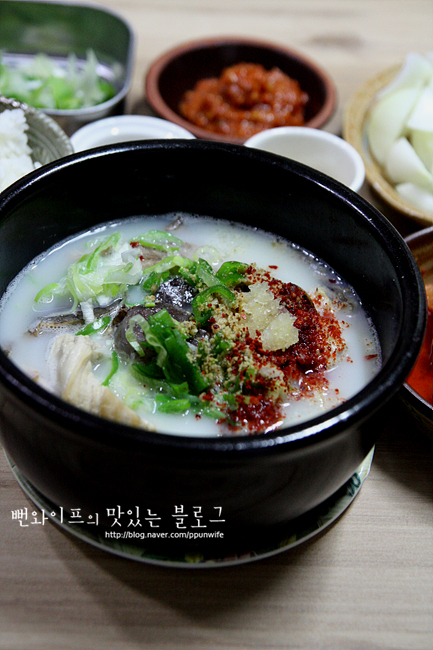
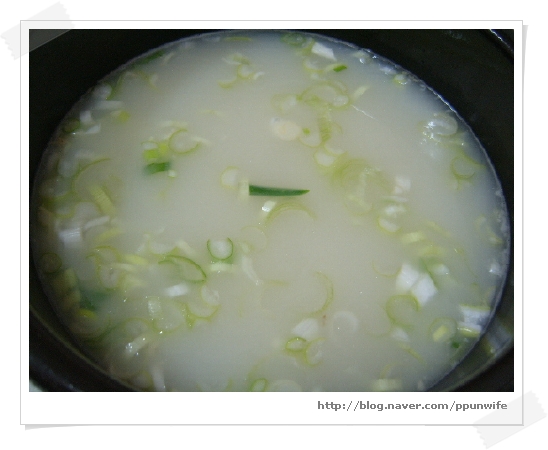
This is the gomguk (rich bone broth) I brewed yesterday with pork backbones. I will use this broth for the gamjatang.
How to make pork backbone gomguk: http://blog.naver.com/ppunwife/140040297265
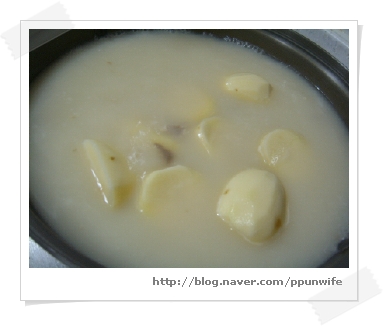
Pour the bone broth into a hot pot and bring to a boil with the potatoes.
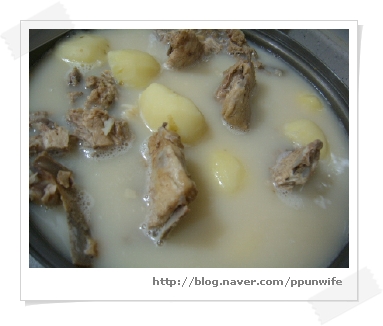
When the potatoes are about halfway cooked, add the meaty backbones and simmer together.
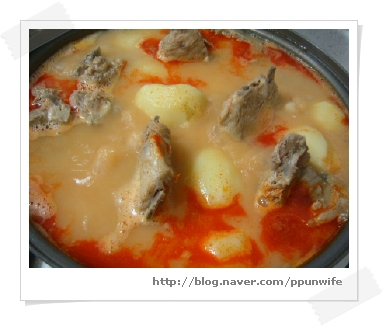
Adding 1 tbsp of chili oil here makes the soup spicier and sharper.
It also helps cut the richness of the meat broth.
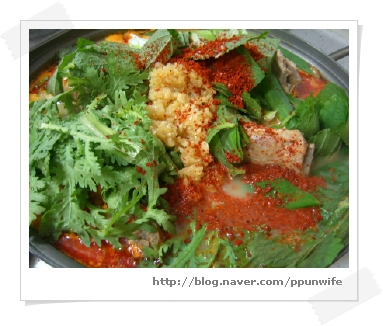
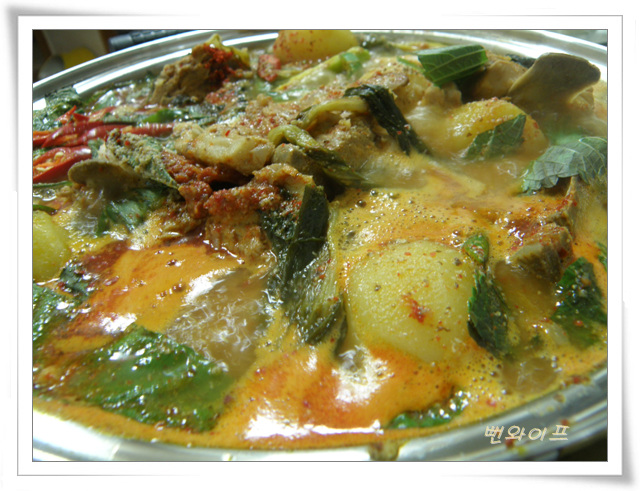
Add the sliced crown daisy, perilla leaves, and green onion, along with the gochugaru and garlic...
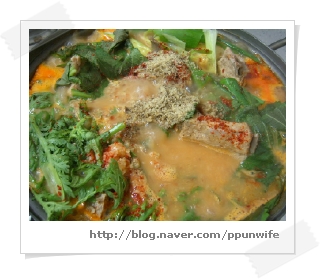
Add the perilla seed powder and ground black pepper, then bring to a quick boil. Season to taste with salt.
Gochujang or soy sauce can make the broth heavy, so I only use salt.
Finish by adding the kalguksu noodles at the very end.
 Ppunwife's tips
- Do not cook the kalguksu noodles completely, as they need to boil briefly right before eating.
- Adding 1 tbsp of chili oil here makes the soup spicier and sharper. It also helps cut through the richness of the meat broth.
- Gochujang or soy sauce can make the broth feel heavy, so I only season it with salt.
FAQ
Why isn't it seasoned with soy sauce or gochujang?
Using gochujang or soy sauce can make the broth thick and heavy, so seasoning only with salt keeps the flavor clean.
Why do you add chili oil?
Adding one tablespoon of chili oil brings out a spicy, sharp aroma and cuts the greasy richness of the meat broth.
Why are the kalguksu noodles only boiled halfway in advance?
They need to boil briefly in the gamjatang right before serving, so cook them halfway in boiling water and rinse in cold water to prepare.
Can I use different noodles instead of kalguksu?
Adding udon noodles to pick out and eat works wonderfully as well.