Rich Gamjatang (Pork Bone Soup) with Boneless Pork
Gamjatang (pork bone soup) made simply with boneless pork and store-bought beef bone broth instead of pork backbone.
Translated from Korean by AI and not yet checked by a native speaker. Amounts and numbers are taken directly from the original recipe. Read the Korean original →
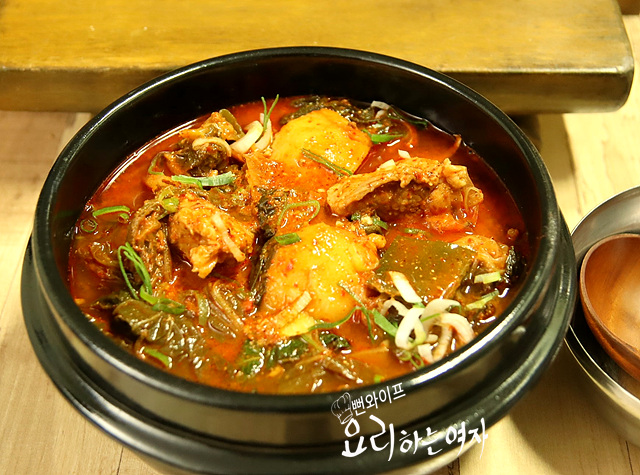
This gamjatang delivers a deep, rich broth using boneless pork and store-bought beef bone broth, skipping the hassle of simmering bones for hours. Thickly sliced pork is seasoned to remove any gamey smell and simmered with tender dried cabbage leaves (ugeoji) for a hearty, satisfying meal.
- Servings
- 5–6 servings
- Cook time
- 20 minprep not included
- Difficulty
- Medium
- Spiciness
- Spicy
Ingredients
Ingredients
- Pork500 g (pork shoulder or rear leg)
- Dried cabbage leaves (ugeoji)500 g
- Potato4
- Large green onion (daepa)2 stalks
- Cheongyang chili pepper (hot green chili)3
- Red chili pepper1
- Perilla leaves30 leaves
- Commercial beef bone broth5 cups
- Water5 cups
- Perilla seed powder5 tbsp
Meat marinade
- Mirin (cooking rice wine)3 tbsp
- Minced ginger1 tsp
- Ground black pepper1/2 tsp
Seasoning
- Gochugaru (Korean chili flakes)6 tbsp
- Soup soy sauce (guk-ganjang)4 tbsp
- Doenjang (Korean soybean paste)2 tbsp
- Minced garlic3 tbsp
- Salted fermented shrimp (saeujeot) or salt
- Instead of greasy pork belly, it is better to prepare rear leg, front shoulder, or pork collar.
- If you do not have beef bone broth, you can pour in anchovy broth instead.
Steps
Prepare the ingredients
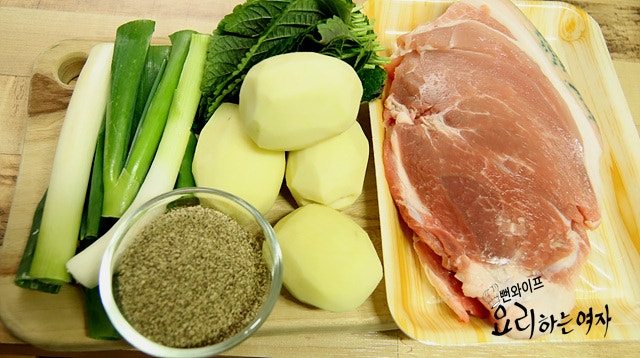
Instead of greasy pork belly, prepare rear leg, front shoulder, or pork collar.
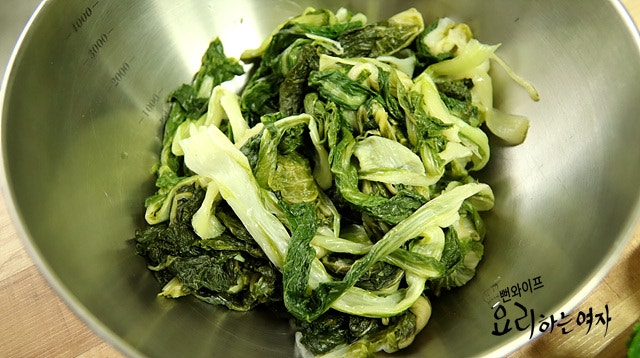
Here are the boiled dried cabbage leaves (ugeoji), potatoes, perilla leaves, large green onion (daepa), and perilla seed powder.
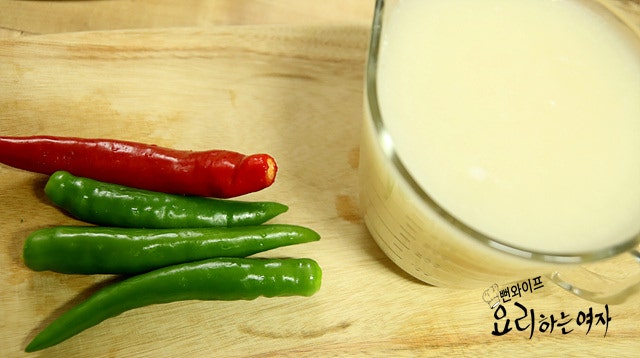
You will need Cheongyang chili peppers, a red chili pepper, and 5 cups of commercial beef bone broth (two 500g packets) for a deep, savory flavor.
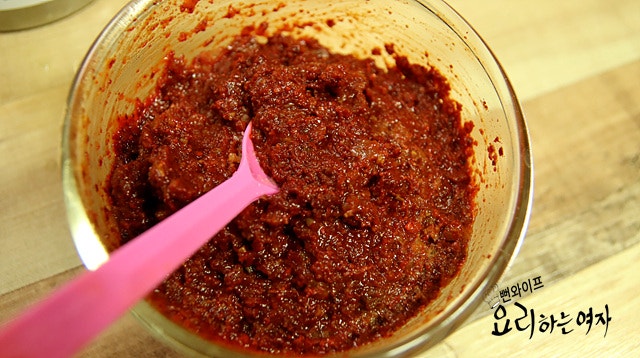
Mix all seasoning ingredients together, except for the salted fermented shrimp (saeujeot) or salt, adding a little water to make it blend smoothly.
Chop the ingredients
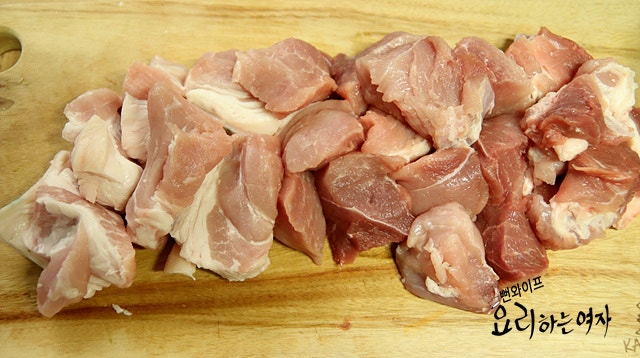
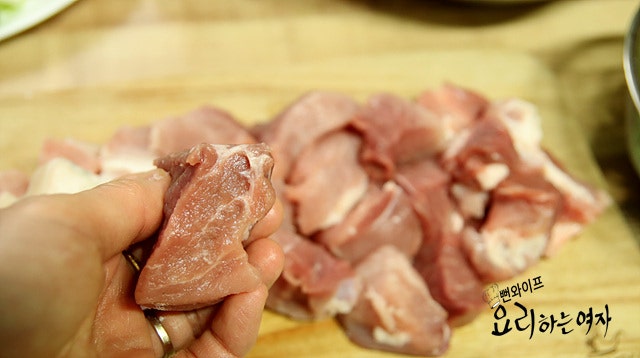
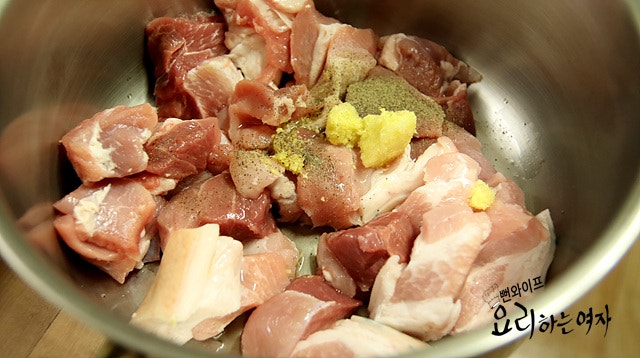
Cut the pork into large bite-sized pieces rather than small ones, add 3 tbsp mirin (cooking rice wine), 1 tsp minced ginger, and ground black pepper, and gently toss by hand to remove any gamey odor.
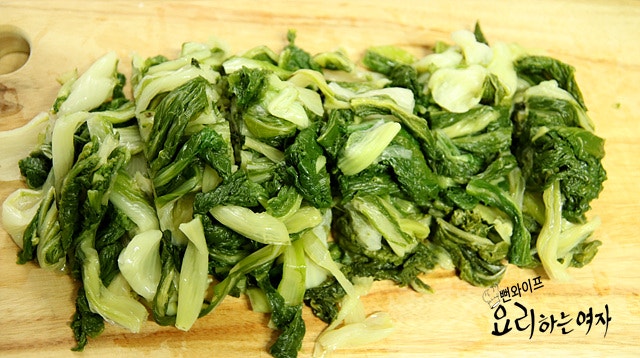
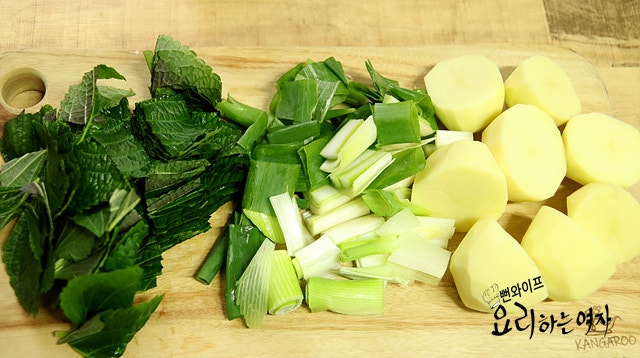
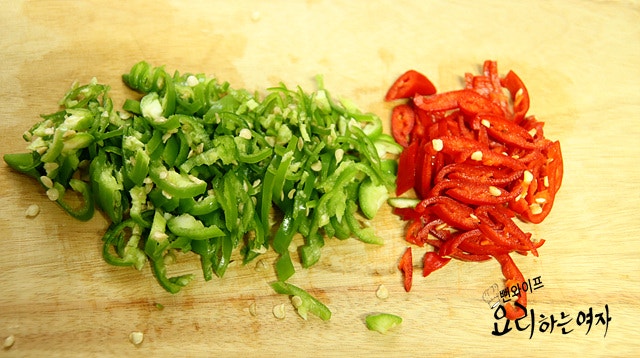
Cut the dried cabbage leaves (ugeoji) so they are not too long, halve the potatoes, and slice the large green onion (daepa), perilla leaves, Cheongyang chili peppers, and red chili pepper into suitable sizes.
Add ingredients to the pot
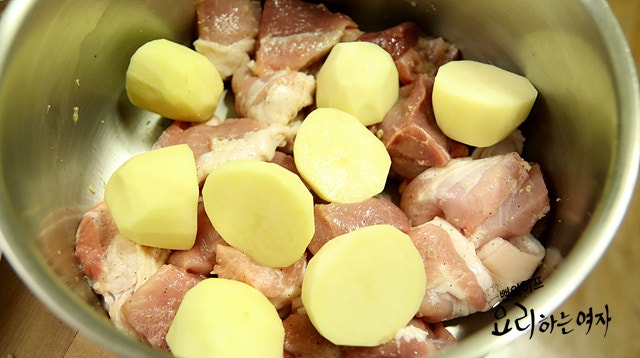
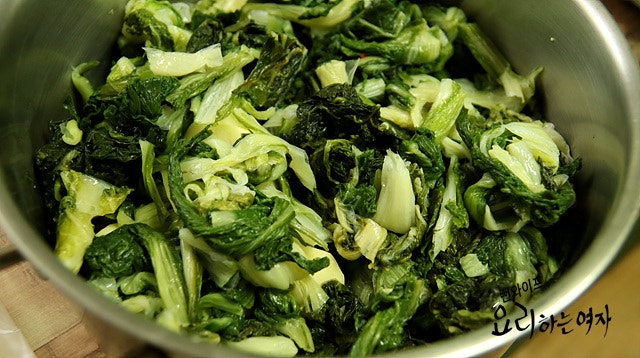
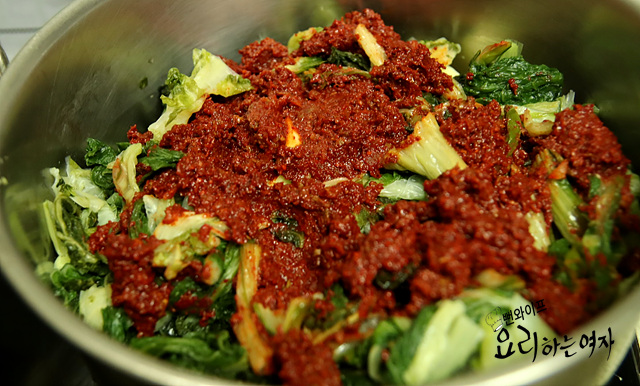
Place the pork, potatoes, and dried cabbage leaves (ugeoji) on the bottom of the pot and pour in all of the seasoning.
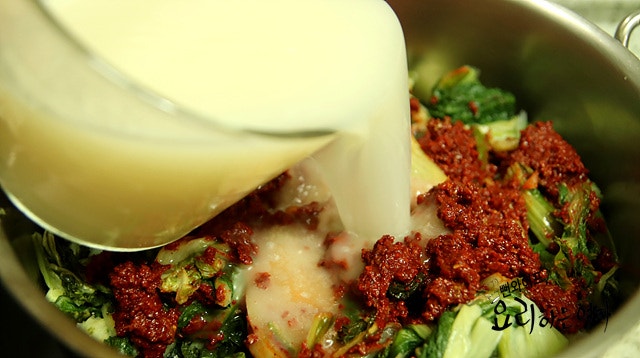
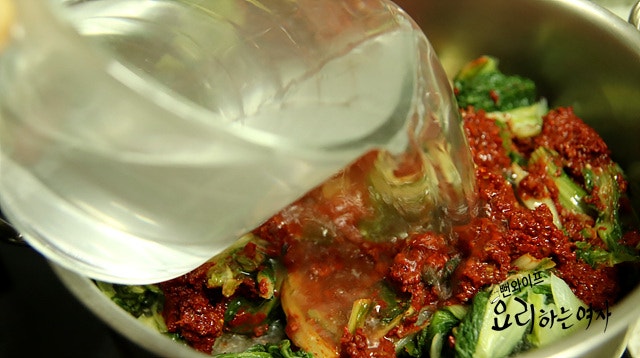
Pour in 5 cups of beef bone broth and 5 cups of water.
If you do not have beef bone broth, you can pour in anchovy broth instead.
Simmer
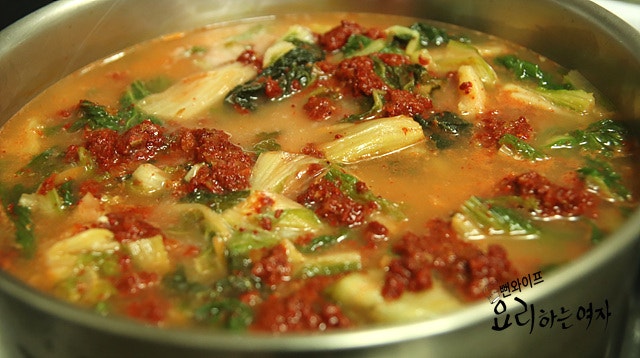
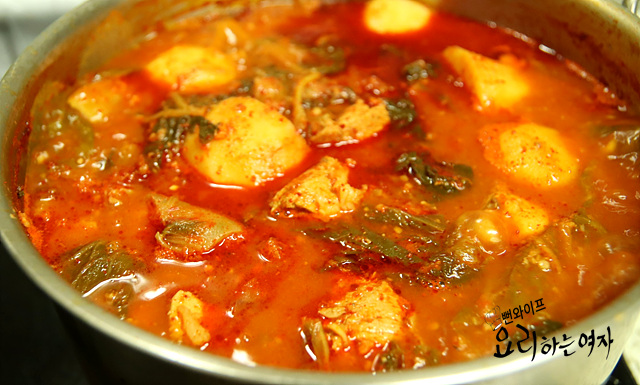
Start over high heat, and once it begins to boil, reduce the heat and simmer gently for over 20 minutes.
Simmer until the pork, potatoes, and all other ingredients are fully cooked, then taste and adjust the seasoning with salted fermented shrimp (saeujeot) or salt if it is bland.
Once the potatoes are cooked through, you may take them out midway so they do not break apart.
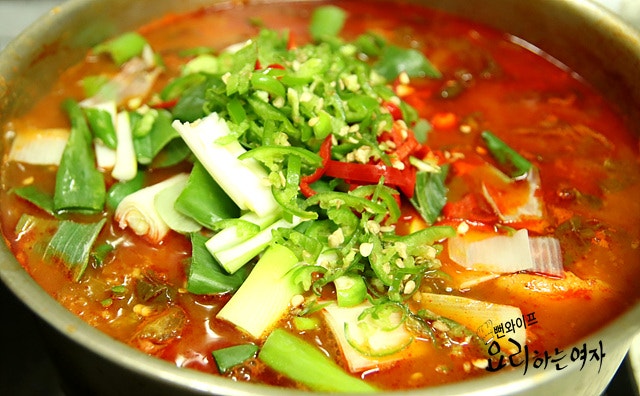
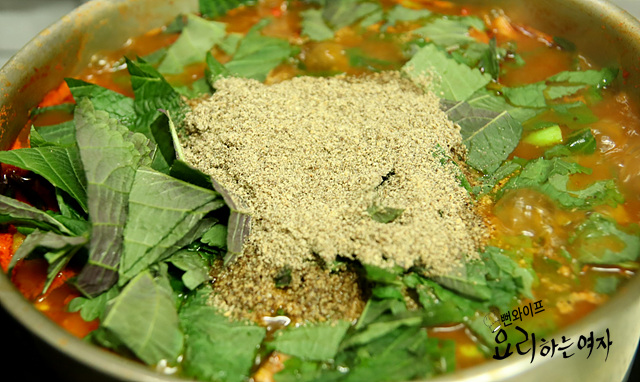
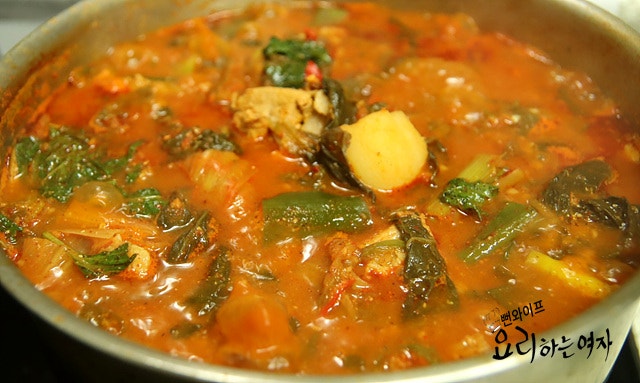
Add the large green onion (daepa) and chili peppers, simmer until tender, and finish by adding the perilla leaves, perilla seed powder, and a little ground black pepper at the very end.
Serve
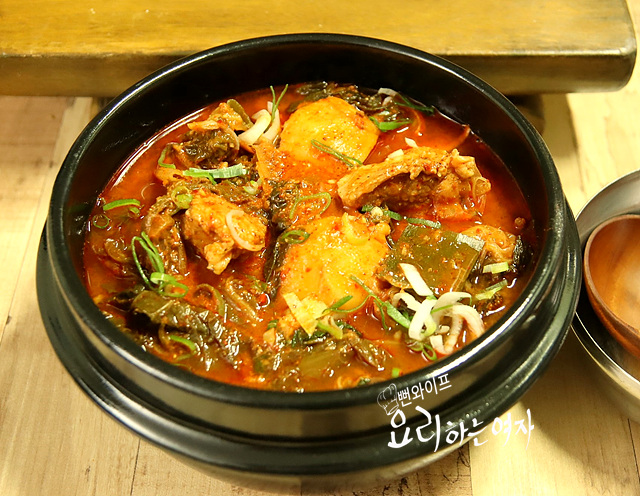
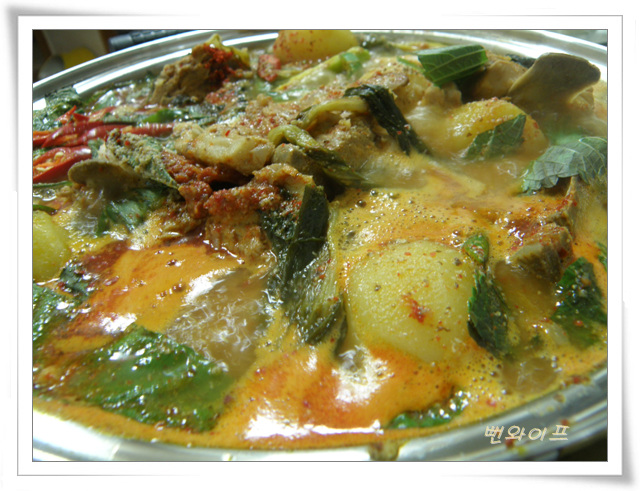
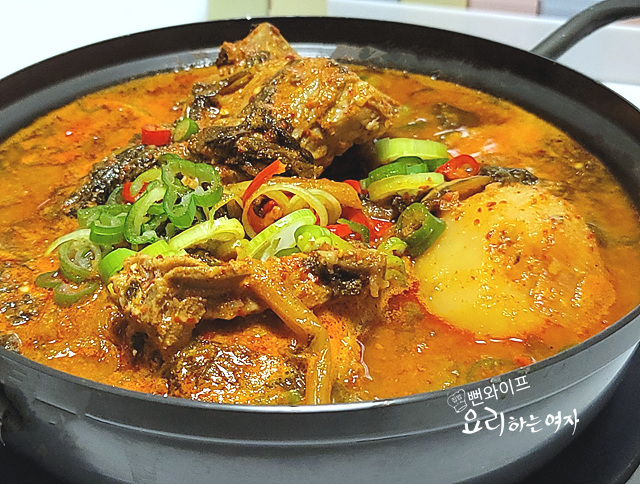
I tried making this with boneless pork instead of pork backbone, and it tastes just like authentic gamjatang.
Because it is simmered with plenty of dried cabbage leaves (ugeoji), they turn wonderfully tender and absorb the flavors well, making them so enjoyable to eat.
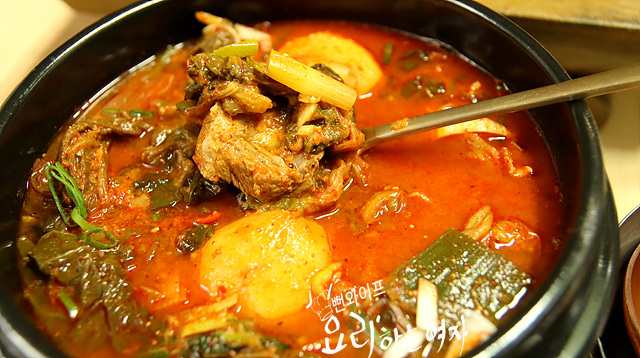
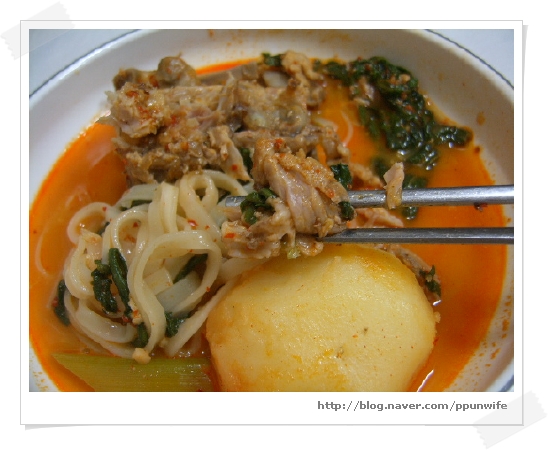
Wrapping the tender, well-cooked meat with the dried cabbage leaves keeps it from tasting dry and makes it rich and delicious.
Serving it hot in an earthenware pot with rice mixed in makes for a truly hearty meal.
 Ppunwife's tips
- Once the potatoes are fully cooked, you can take them out midway through simmering so they do not break apart.
FAQ
What cuts of pork are best to use instead of backbone?
Rather than greasy cuts like pork belly, it is best to cut lean pork front shoulder, rear leg, or pork collar into large pieces.
What can I use as a substitute if I don't have commercial beef bone broth?
If you do not have beef bone broth on hand, you can substitute anchovy broth instead.
How can I prevent the potatoes from breaking apart while simmering?
Once the potatoes are fully tender, removing them from the pot midway through cooking will keep them intact and give the soup a clean finish.