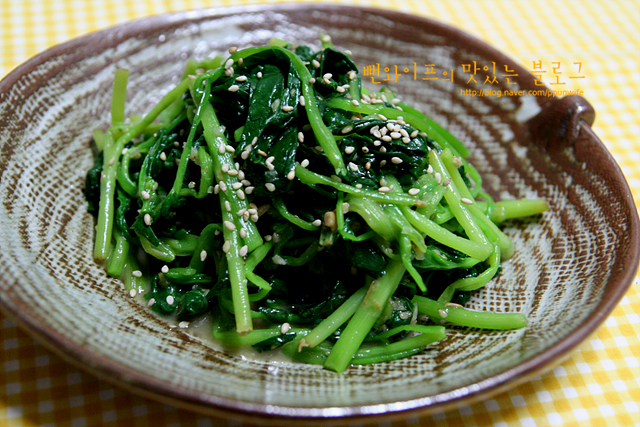
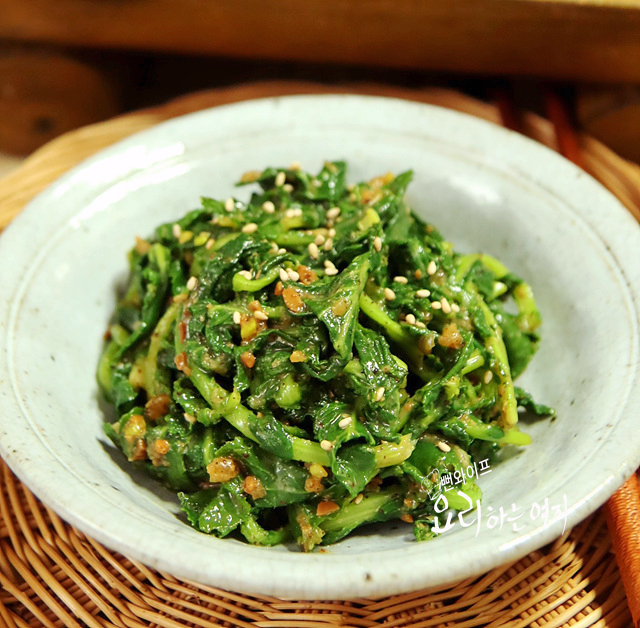
Two Ways: Naengi Muchim (Seasoned Shepherd's Purse)
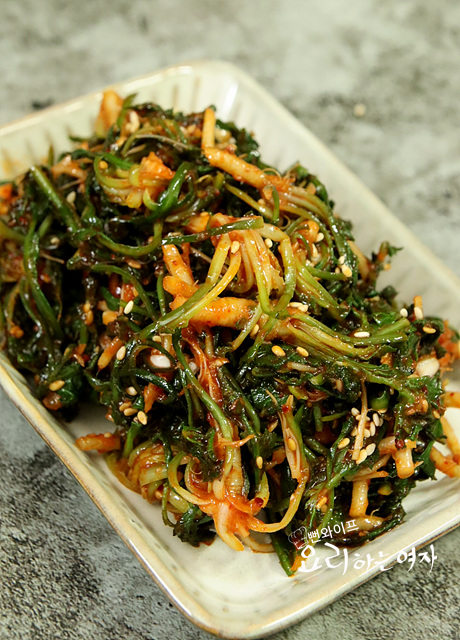
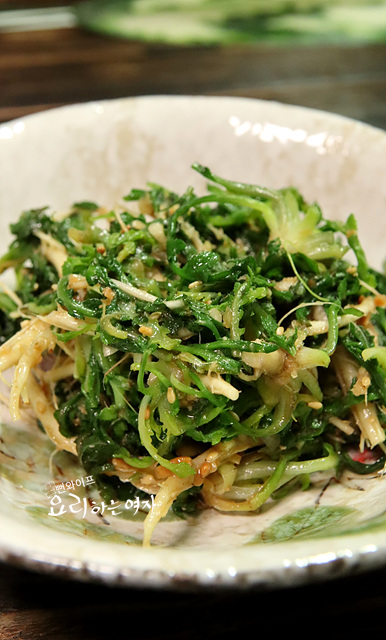
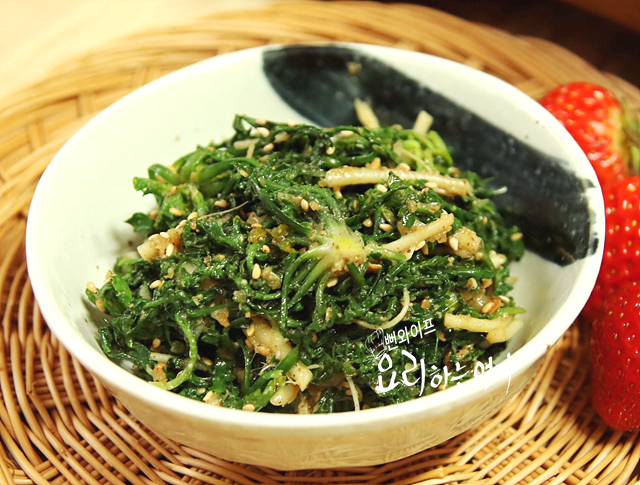
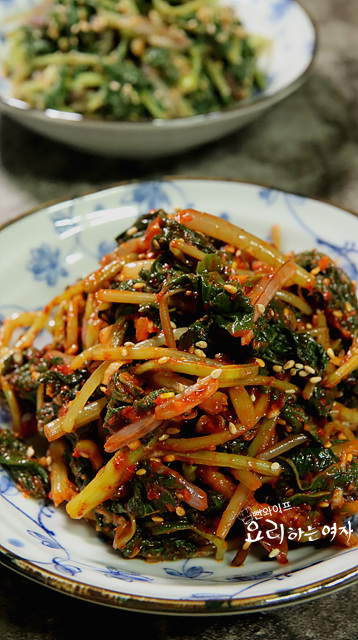
A vegetable side dish made by blanching shepherd's purse and tossing it in either a sweet-and-sour red chili paste sauce or a savory soybean paste seasoning.
Translated from Korean by AI and not yet checked by a native speaker. Amounts and numbers are taken directly from the original recipe. Read the Korean original →
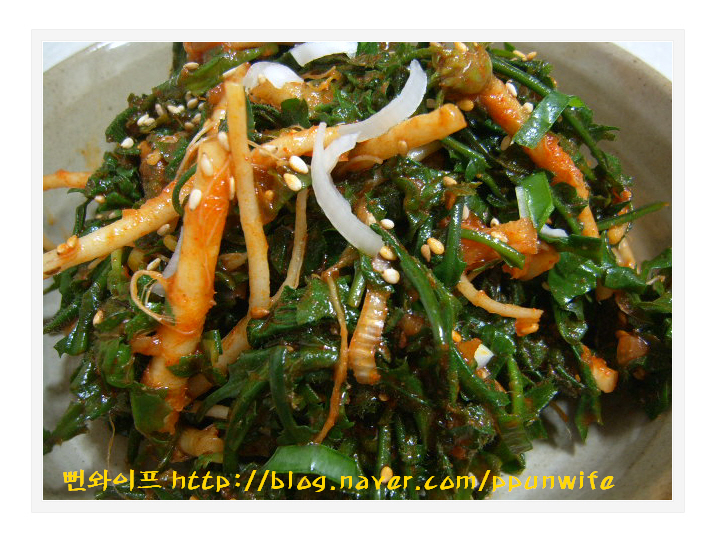
Enjoy in-season shepherd's purse blanched lightly and prepared two ways: a sweet-and-sour chili paste version and a savory soybean paste version. Thoroughly washing and blanching to remove all dirt and grit is the key step. Choose between gochujang and store-bought doenjang seasoning to pull it together easily according to your taste.
- Servings
- 2–3 servings
- Difficulty
- Medium
- Spiciness
- Mildly spicy
Ingredients
Ingredients for Sweet-and-Sour Shepherd's Purse
- Shepherd's purse (naengi)2 handfuls, 150 g
Seasoning
- Gochujang (Korean red chili paste)1 tbsp
- Vinegar2 tsp
- Sugar0.5 tbsp
- Minced garlic1 tsp
- Minced green onion1 tbsp
- Toasted sesame oil
- Toasted sesame seeds
- Doenjang (Korean soybean paste)1 tbsp
- Sugar0.5 tsp
- Watera little
Ingredients for Doenjang Shepherd's Purse
- Shepherd's purse (naengi)150 g
- There is a lot of debris, so it must be cleaned thoroughly. Remove any tough roots or stems. Once trimmed, swish the shepherd's purse in cold water until no sand or grit remains at the bottom. You need to repeat this 6-7 times for the water to run clear.
- The doenjang used for the seasoned greens is store-bought doenjang. It is less salty and slightly sweet, which makes it ideal for seasoned vegetable side dishes.
Steps
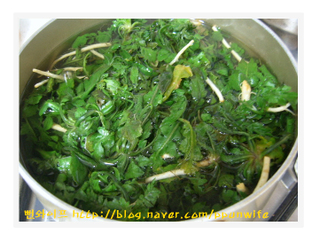
1. Shepherd's purse is delicious as a side dish, but it has a lot of debris, so it must be cleaned thoroughly.
Remove any tough roots or stems.
Once trimmed, swish the shepherd's purse in cold water until no sand or grit settles at the bottom.
You need to repeat this 6-7 times for the water to run clear.
2. Add a little coarse sea salt to boiling water and blanch briefly.
Since you are not boiling it through, drop it into the boiling water, take it out right away, and rinse in cold water.
(Adding a little salt when blanching green vegetables makes the color more vibrant.)
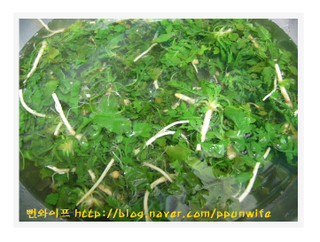
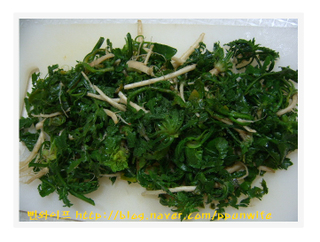
3. Rinse about 3 times in cold water, then squeeze out the moisture.
4. Cut into bite-sized pieces.
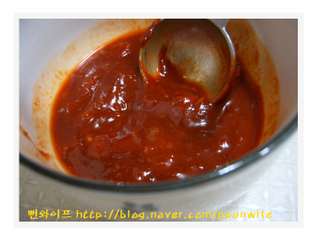
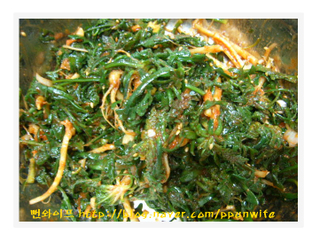
5. Mix all the seasoning ingredients above.
6. Place the shepherd's purse in a bowl, add the seasoning, and toss together. Adjust the vinegar and sugar to your taste.
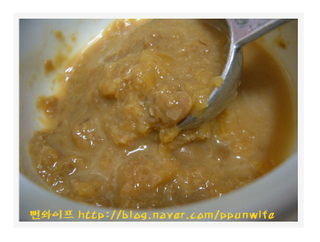
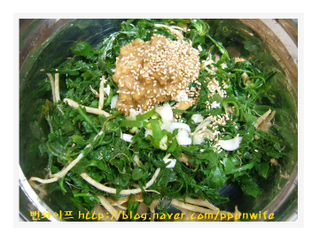
7. The steps up to step 4 are the same.
Mix the doenjang sauce according to the ingredient amounts.
Using only doenjang can be thick and stiff, so it is good to add a little water to soften it.
8. Add the doenjang seasoning to the shepherd's purse and toss together.
Even making both styles does not take much time at all.
 Ppunwife's tips
- Adding a little salt when blanching green vegetables makes the color more vibrant.
- Using only doenjang can be thick and stiff, so it is good to add a little water to soften it.
FAQ
How do you wash shepherd's purse clean so there is no grit left?
After trimming away tough stems and roots, swish it gently in cold water and rinse it five to six times or more until no fine sediment settles at the bottom.
Why do you add coarse sea salt when blanching shepherd's purse?
Adding a small amount of coarse sea salt when blanching green vegetables brings out a much brighter, more vibrant green color in the leaves.
What kind of doenjang is best for making doenjang muchim?
For seasoned vegetable dishes, commercial store-bought doenjang works better than homemade doenjang because it is less salty and slightly sweet; if the seasoning paste is too thick, mixing in a little water helps.