Meowi Namul Muchim (Seasoned Butterbur Leaves) Two Ways
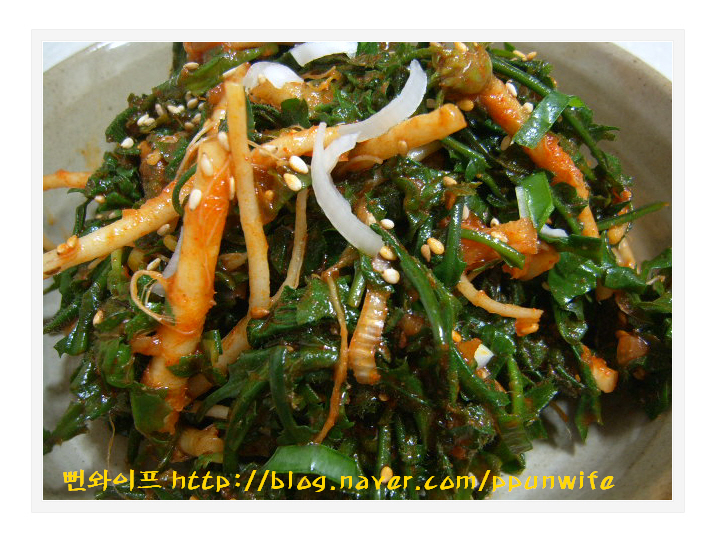
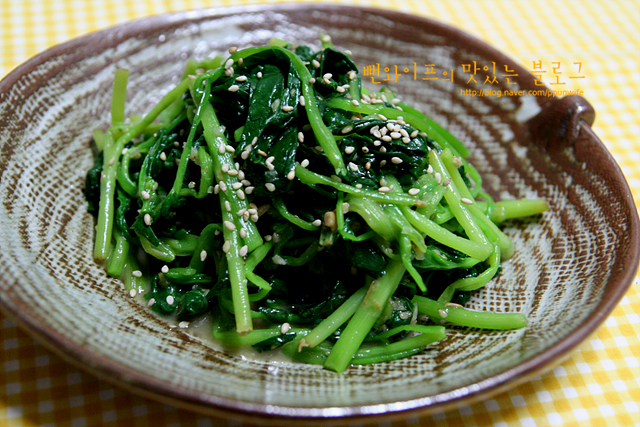
A spring namul side dish of blanched young butterbur leaves tossed in two different seasonings: doenjang and sweet-and-sour gochujang.
Translated from Korean by AI and not yet checked by a native speaker. Amounts and numbers are taken directly from the original recipe. Read the Korean original →
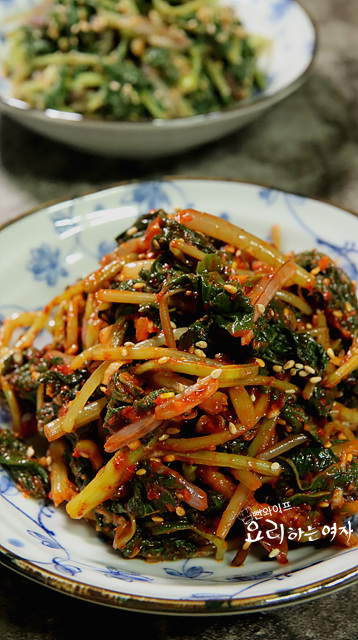
This spring namul side dish features tender seasonal young butterbur leaves blanched and seasoned in two styles: savory doenjang and sweet, spicy, and tangy chogochujang. Its characteristic pleasant bitterness whets the appetite, and soaking the blanched leaves in cold water gently tempers the strong bitter taste.
- Servings
- about 3–4 servings
- Difficulty
- Medium
- Spiciness
- Mildly spicy
Ingredients
Doenjang seasoned butterbur ingredients
- Butterbur (meowi)200 g (blanched)
Doenjang seasoning
- Commercial doenjang (Korean soybean paste)1 1/2 tbsp
- Corn syrup (mulyeot)1 tbsp
- Minced garlic1/2 tbsp
- Minced green onion1 tbsp
- Water2 tbsp
- Toasted sesame seeds1/2 tbsp
- Toasted sesame oil1/2 tbsp
Chogochujang seasoned butterbur ingredients
- Butterbur (meowi)200 g (blanched)
Chogochujang seasoning
- Gochujang (Korean red chili paste)1 1/2 tbsp
- Gochugaru (Korean chili flakes)1 tbsp
- Corn syrup (mulyeot)1 tbsp
- Minced garlic1/2 tbsp
- Minced green onion1 tbsp
- Vinegar1 tbsp
- Toasted sesame seeds1/2 tbsp
- Toasted sesame oil1/2 tbsp
- They have a lot of dirt on them, so soak them in water for about 30 minutes, then wash them three or four times under running water.
- Young butterbur shoots are tender so you can eat everything from the stem to the leaves; trim off the tough ends of the stems with a knife.
Steps
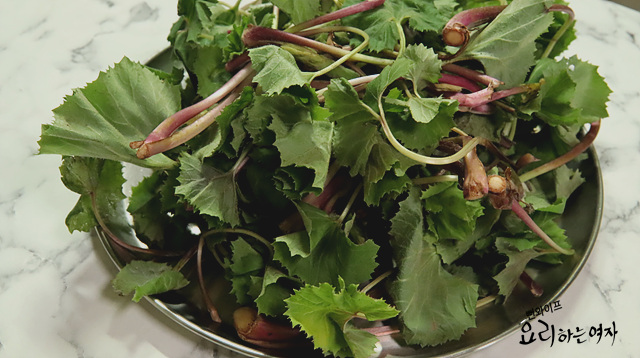
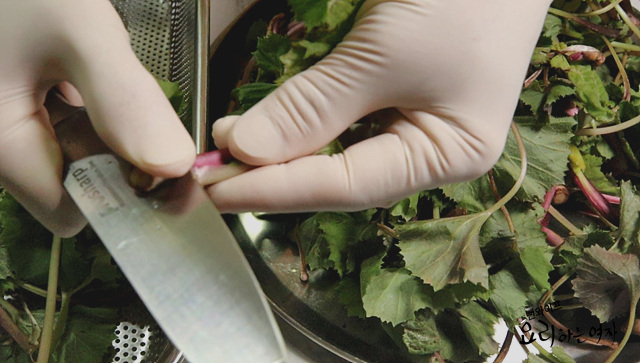
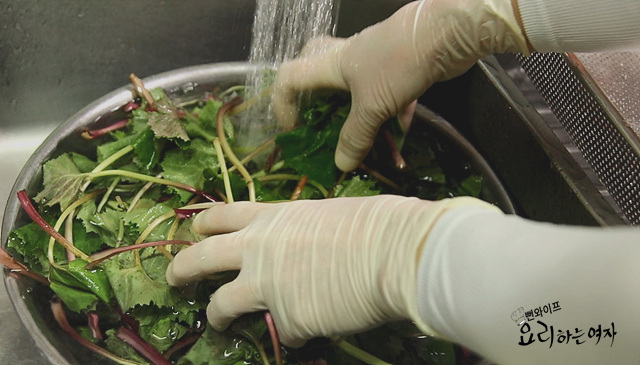
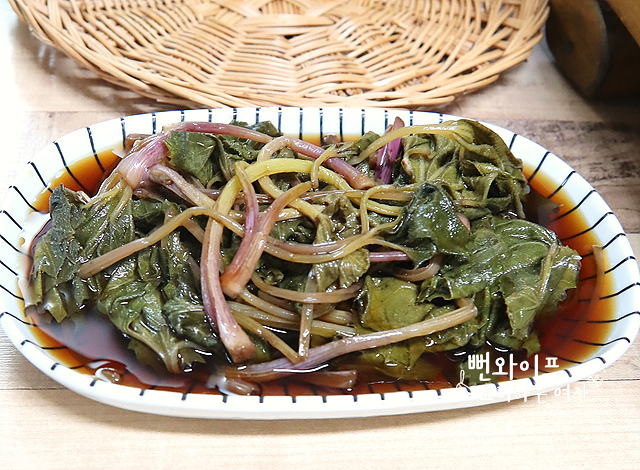
Young butterbur shoots are tender, so you can eat everything from the stem to the leaf.
Trim off the ends of the stems with a knife.
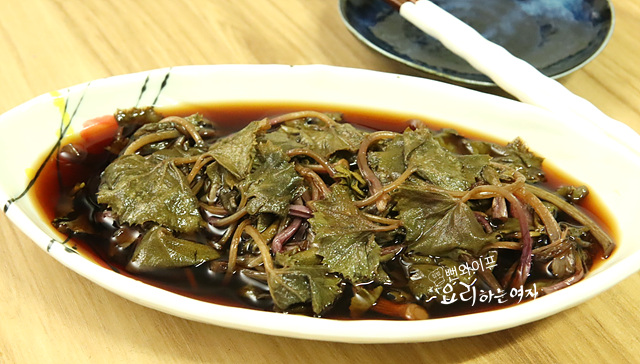
They have a lot of dirt on them, so soak them in water for about 30 minutes, then wash them three or four times under running water.
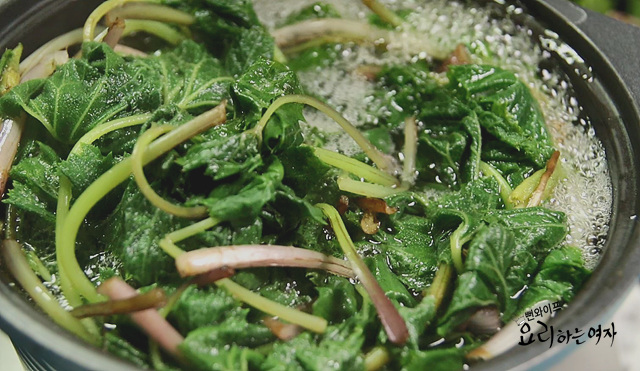
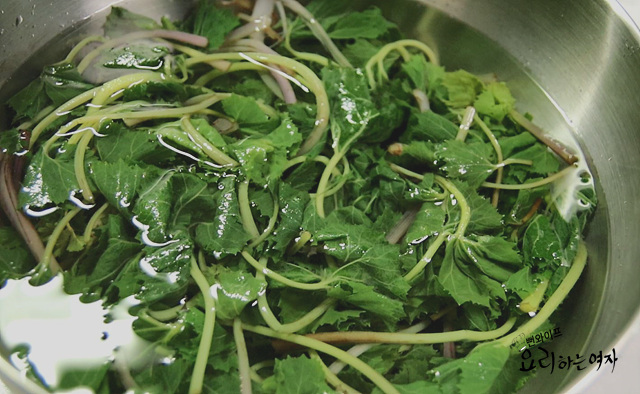
Add 1 to 2 tbsp of salt to boiling water, add the butterbur shoots, and blanch them gently for about 1 minute.
Soaking them in cold water will help remove some of the bitterness.
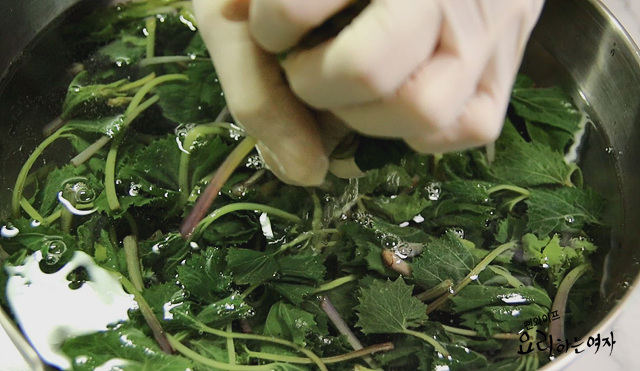
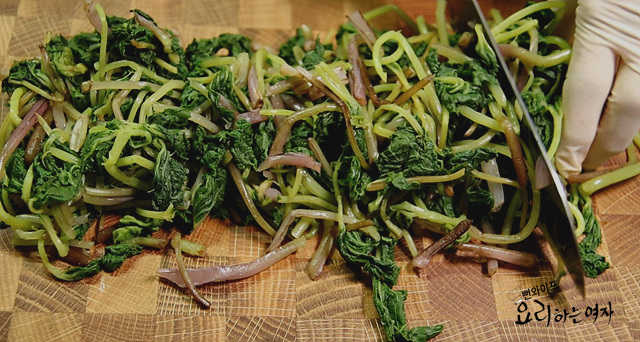
Squeeze out the water thoroughly and cut them into bite-sized lengths.
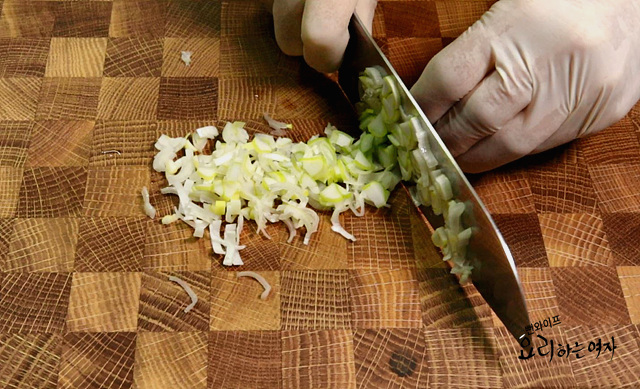
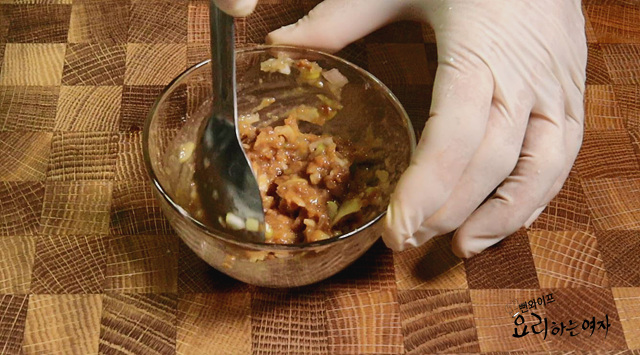
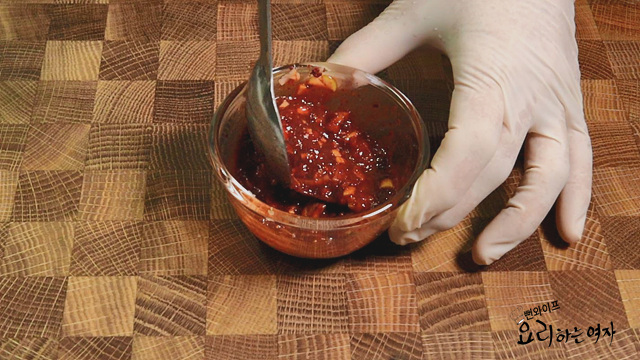
Finely mince the large green onion needed for the seasonings.
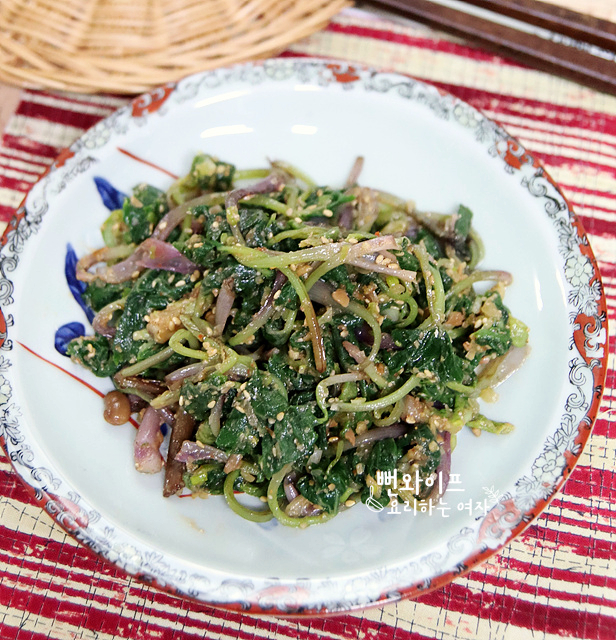
Add all the doenjang seasoning ingredients—1 1/2 tbsp commercial doenjang (Korean soybean paste), 1 tbsp corn syrup (mulyeot), 1 tsp minced garlic, 1 tbsp minced green onion, and 2 tbsp water—and mix well.
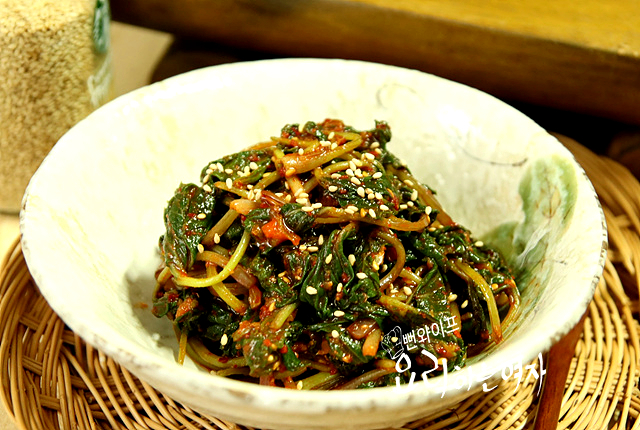
Add all the chogochujang seasoning ingredients—1 1/2 tbsp gochujang (Korean red chili paste), 1 tbsp gochugaru (Korean chili flakes), 1 tbsp corn syrup (mulyeot), 1 tsp minced garlic, 1 tbsp minced green onion, and 1 tbsp vinegar—and mix well.
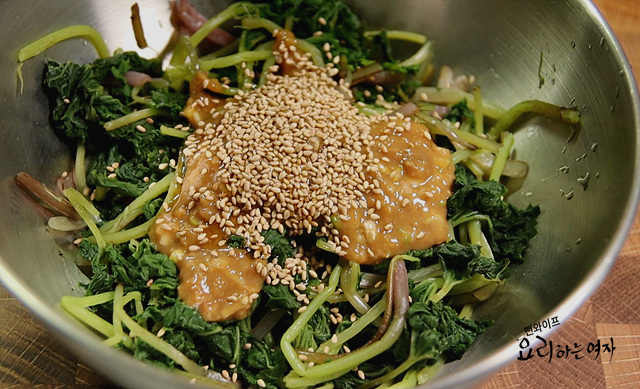
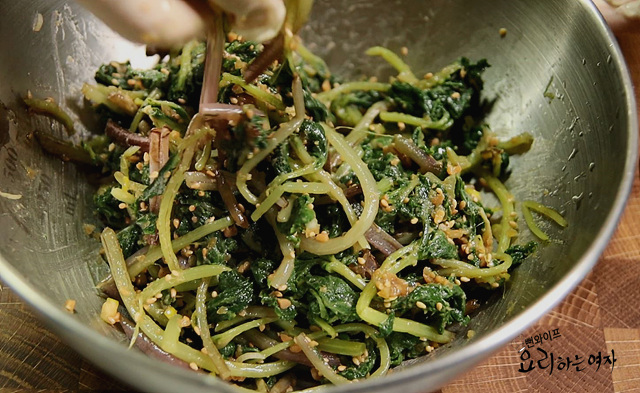
Add the doenjang seasoning to 200g of blanched and squeezed butterbur shoots, and toss gently with the toasted sesame seeds and toasted sesame oil to finish the doenjang butterbur namul.
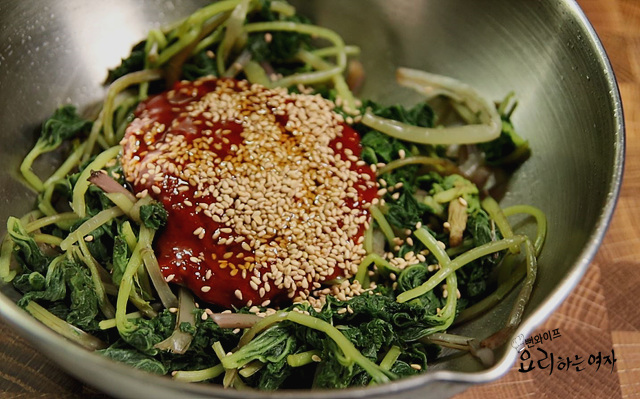
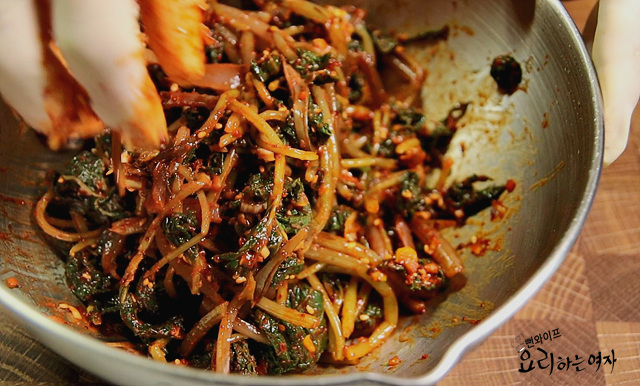
Add the chogochujang seasoning to 200g of blanched and squeezed butterbur shoots, and toss gently with the toasted sesame seeds and toasted sesame oil to finish the chogochujang butterbur namul.
 Ppunwife's tips
- Soaking them in cold water after blanching helps remove some of the bitterness.
FAQ
How can I reduce the strong bitterness of butterbur?
Blanch the butterbur in boiling water with salt, then soak it in cold water to reduce the bitter taste.
Do I need to peel the stems when preparing butterbur?
Tender young butterbur shoots in spring do not need to be peeled; you can eat everything from the stems to the leaves.
What is the best way to wash muddy butterbur shoots?
Trim the ends of the stems, soak them in water for about 30 minutes, and rinse them three or four times under running water to clean them thoroughly.
How long should I blanch young butterbur shoots in boiling water?
Add 1 to 2 tbsp of salt to rolling boiling water, put in the butterbur shoots, and blanch them gently for about 1 minute.