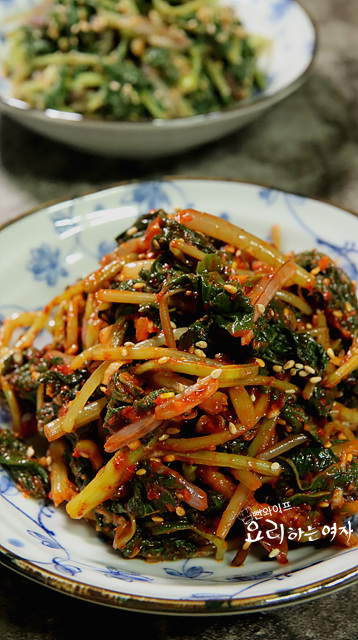
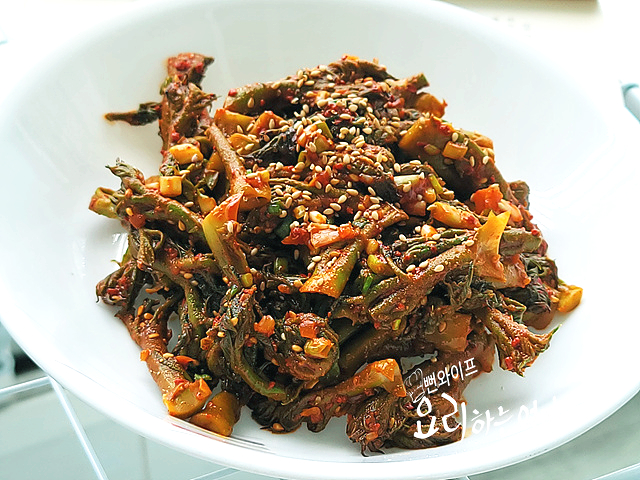
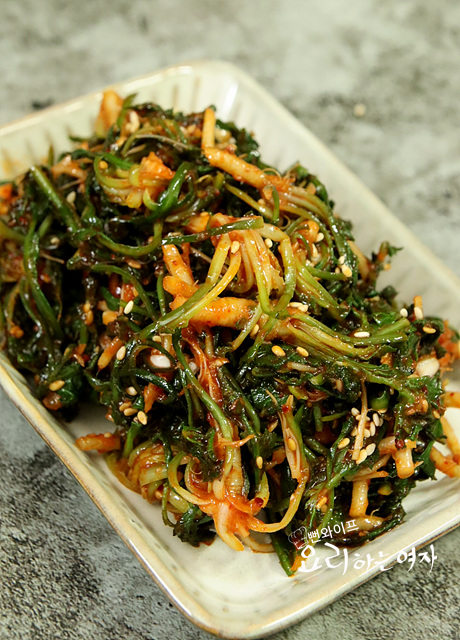
Bittersweet, Spicy Meowi Namul Muchim (Seasoned Butterbur Leaves)
A spring side dish of blanched tender young butterbur shoots tossed in a sweet, tangy, and spicy gochujang sauce to highlight their pleasant bittersweet flavor.
Translated from Korean by AI and not yet checked by a native speaker. Amounts and numbers are taken directly from the original recipe. Read the Korean original →
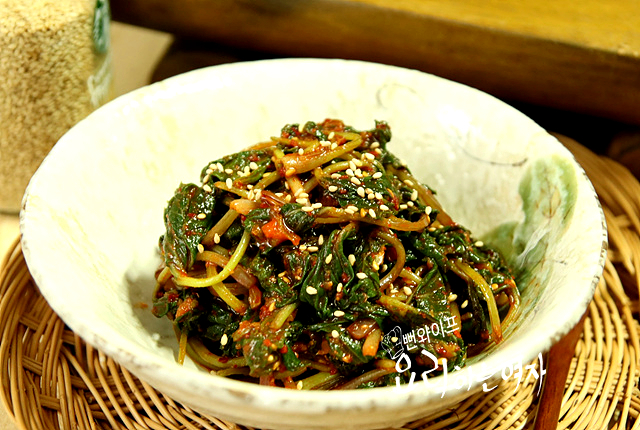
This spring side dish briefly blanches tender young butterbur shoots to keep their texture, then tosses them in a sweet and tangy gochujang dressing. Paired with butterbur's signature bittersweet aroma, it stimulates the appetite and comes together easily with simple ingredients.
- Servings
- 3–4 servings
- Difficulty
- Easy
- Spiciness
- Mildly spicy
Ingredients
Ingredients
- Butterbur (meowi)200 g (after cleaning)
Seasoning
- Gochugaru (Korean chili flakes)1 tbsp
- Gochujang (Korean red chili paste)1 1/2 tbsp
- Corn syrup (mulyeot)1 tbsp
- Minced garlic1/2 tbsp
- Minced green onion2 tbsp
- Vinegar1 tbsp
- Toasted sesame oil1 tbsp
- Toasted sesame seeds1 tbsp
- Pick out foreign debris like straw or fallen leaves, and remove any wilted or yellowed leaves.
- Butterbur shoots have a lot of dirt on them, so soak them in water for at least 10 minutes to loosen and shed the dirt. Swish them gently by hand and rinse several times until no grit settles at the bottom.
Steps
Clean the butterbur
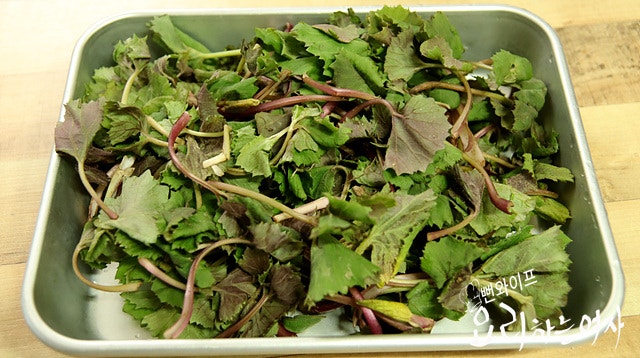
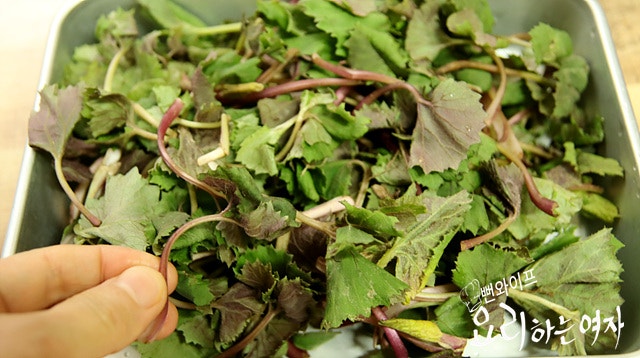
The slender stems and small leaves of butterbur shoots are tender enough to eat whole.
Pick out foreign debris like straw or fallen leaves, and remove any wilted or yellowed leaves.
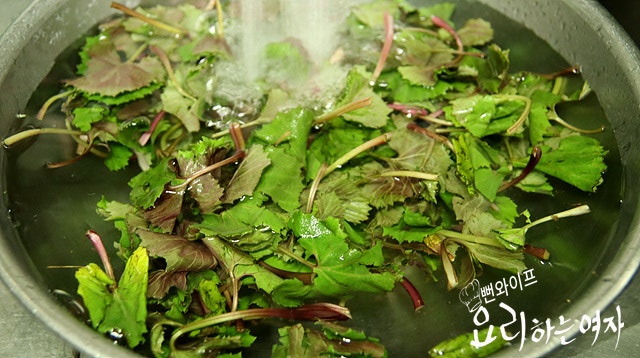
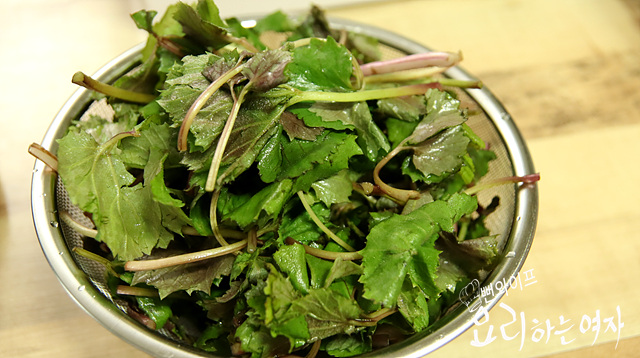
Butterbur shoots have a lot of dirt on them, so soak them in water for at least 10 minutes to loosen and shed the dirt.
Swish them gently by hand and rinse several times until no grit settles at the bottom.
Blanch the butterbur
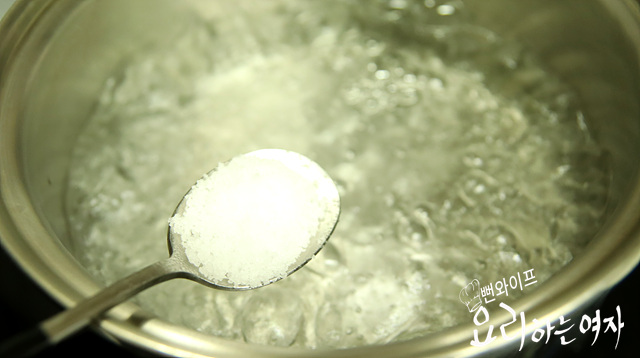
Bring water to a rolling boil and add 1 tbsp of salt.
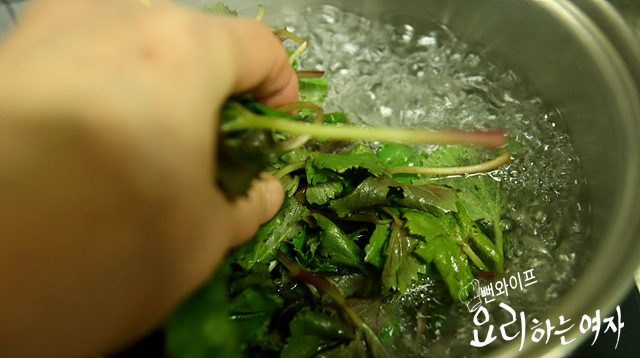
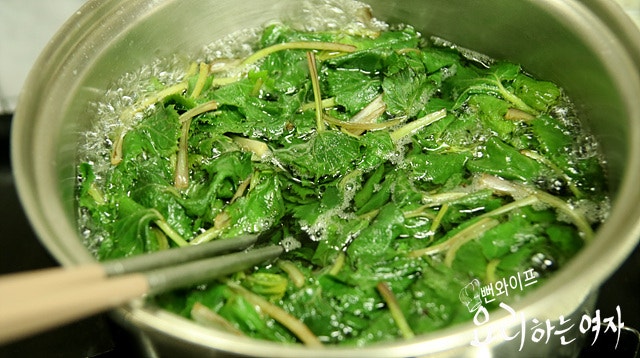
Add the butterbur and blanch for about 20 seconds.
They are so tender that they wilt the moment they hit boiling water, so take them out as soon as the stems soften.
Adjust the blanching time depending on the condition of your greens.
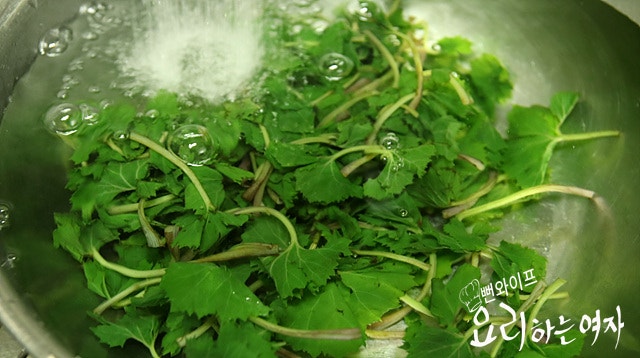
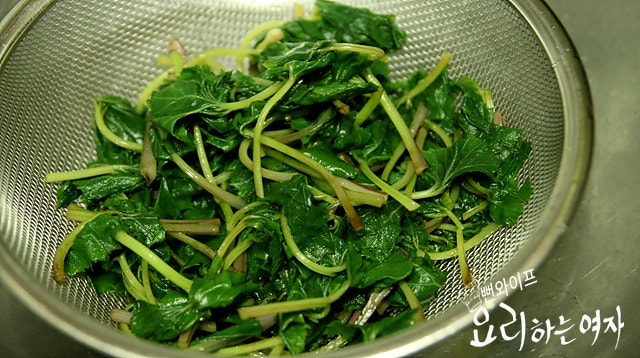
Plunge them into cold water to cool them down, and if they still taste quite bitter, soak them for a bit to draw out some of the bitterness.
Drain in a colander, then squeeze out the remaining water firmly with your hands.
Make the seasoning
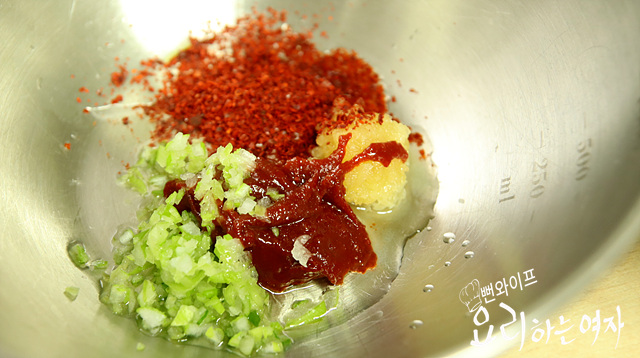
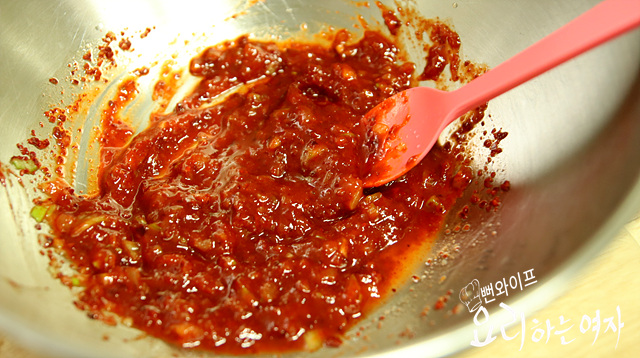
Mix all the seasoning ingredients together first, leaving out only the toasted sesame oil and sesame seeds, so the flavors blend well.
Toss and season
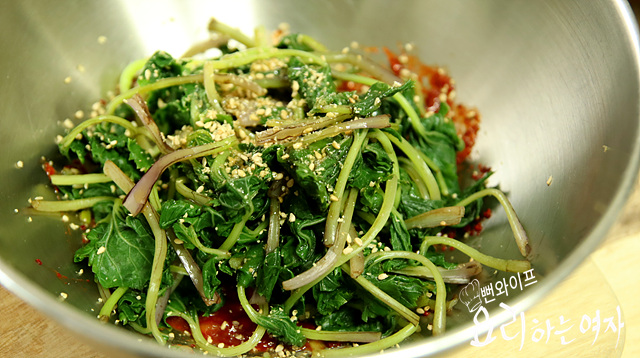
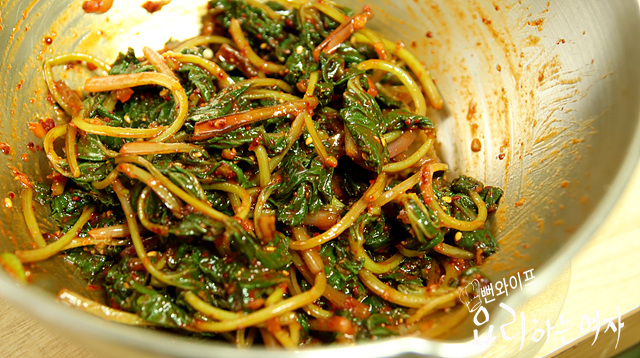
They were so small that I didn't cut them, but you can chop them into bite-sized pieces, then gently toss with the seasoning, toasted sesame oil, and toasted sesame seeds.
Adjust the saltiness with salt, and tweak the tangy flavor with sugar or vinegar.
Serve
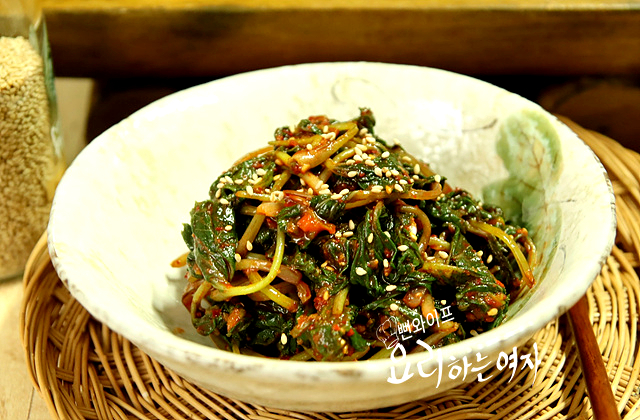
Today I tossed the butterbur in a gochujang dressing.
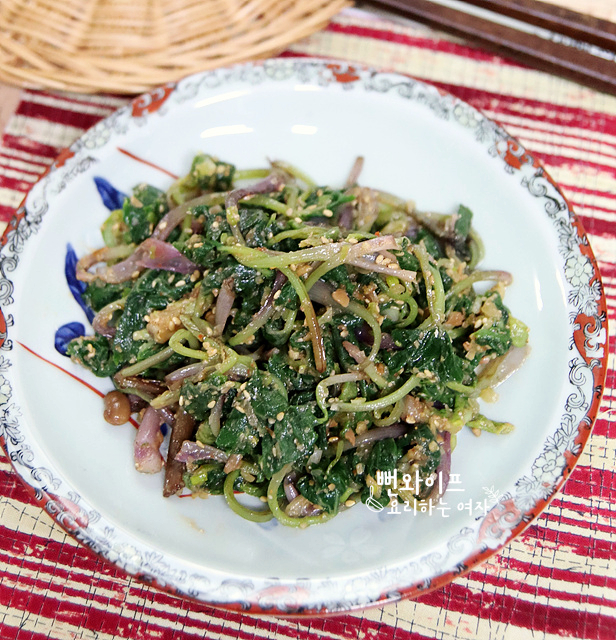
It is also delicious when prepared with a savory doenjang (Korean soybean paste) seasoning.
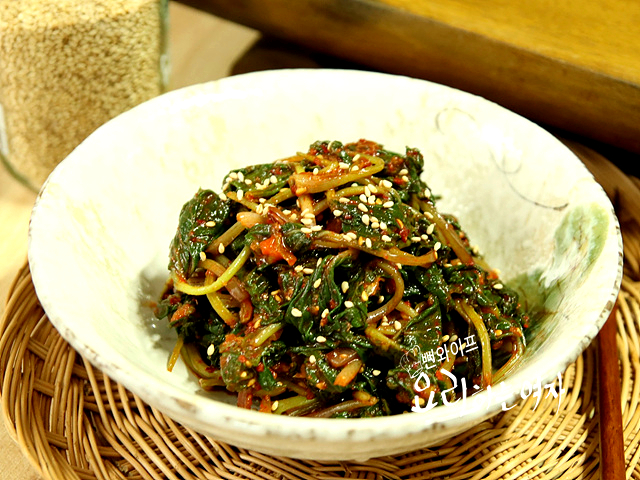
Among bitter butterbur greens, the tender young shoots that appear in spring are soft, have a rich fragrance, and feel packed with nutrients.
Though it is a simple seasoned greens dish, it feels like natural medicine when you eat it.
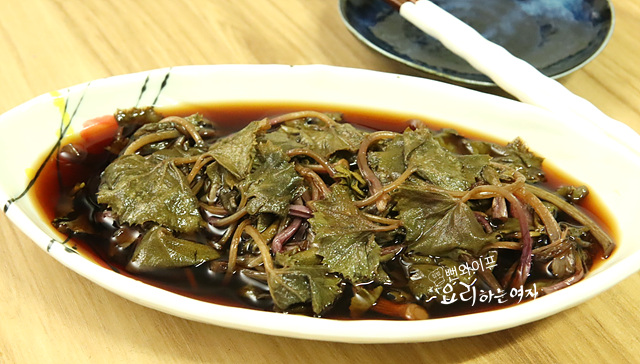
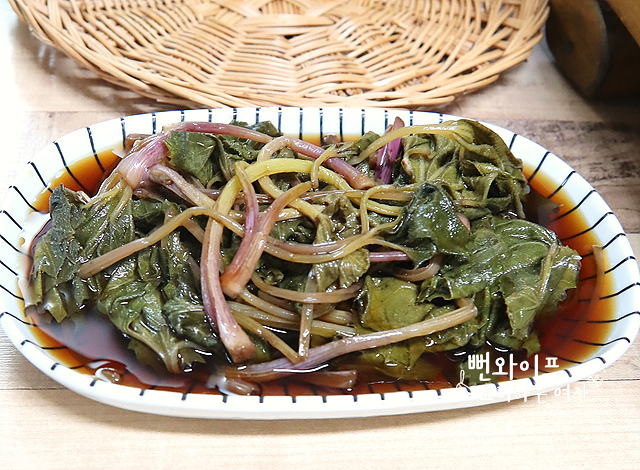
Making jangajji (pickles) with butterbur shoots is also truly delicious.
I made some last year to share, and my acquaintances showered me with compliments.
Related post on the blog (Korean)blog.naver.com/ppunwife/223396198880
 Ppunwife's tips
- They are so tender that they wilt the moment they hit boiling water, so take them out as soon as the stems soften.
- Plunge them into cold water to cool them down, and if they still taste quite bitter, soak them for a bit to draw out some of the bitterness.
- Adjust the saltiness with salt, and tweak the tangy flavor with sugar or vinegar.
FAQ
How long should I blanch the butterbur shoots in boiling water?
Because the leaves and stems are very tender, blanch them briefly for only about 20 seconds in salted boiling water. It is best to remove them as soon as the stems soften.
How can I reduce the bitterness of butterbur?
After blanching, submerge them in cold water to cool down, and let them soak for a short while depending on their bitterness to help draw it out.
Can I season them with something other than gochujang dressing?
Depending on your preference, they also pair nicely with a savory doenjang (Korean soybean paste) seasoning or sweet-and-sour cho-gochujang.