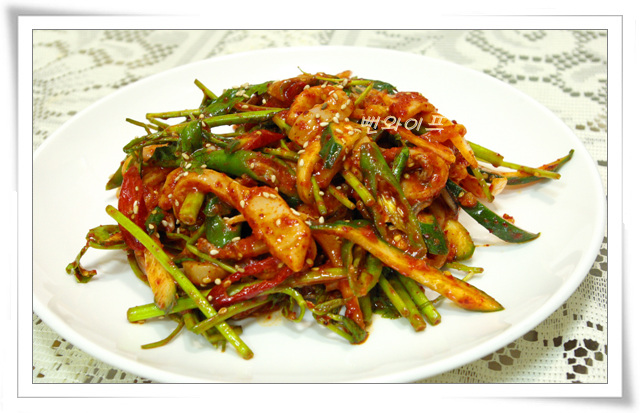
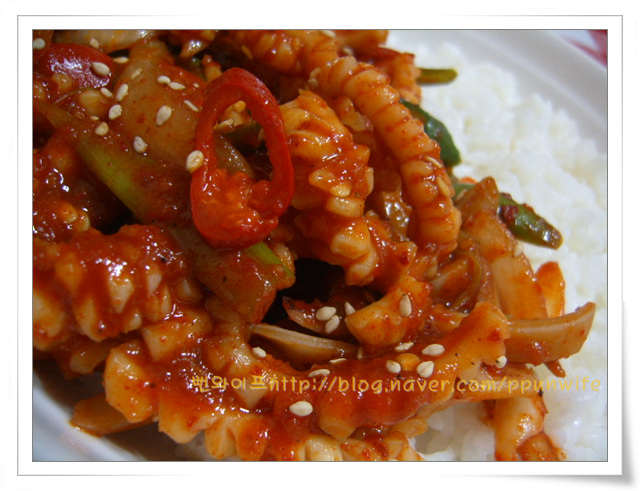
Chungmu Kimbap (Plain Mini Seaweed Rice Rolls) with Spicy Squid
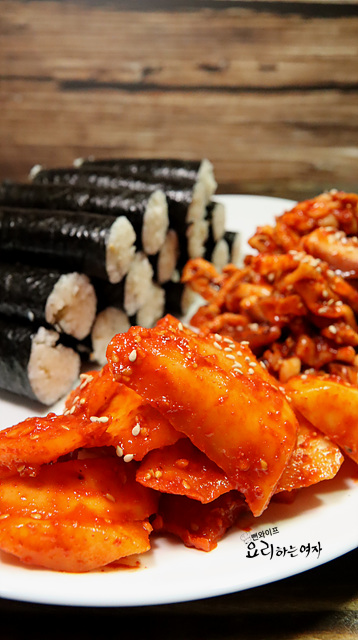
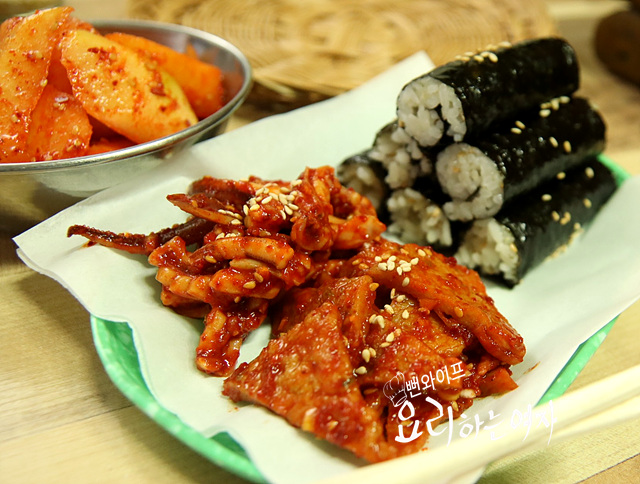
Chungmu kimbap served alongside sweet-and-sour radish kimchi and spicy seasoned squid.
Translated from Korean by AI and not yet checked by a native speaker. Amounts and numbers are taken directly from the original recipe. Read the Korean original →
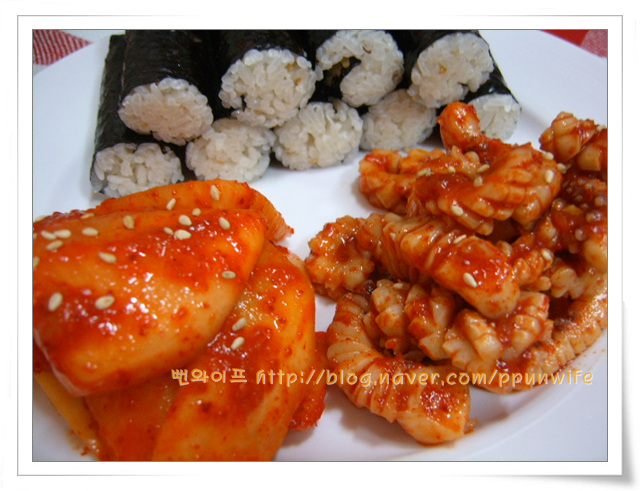
Chungmu kimbap served with pickled, drained sweet-and-sour radish kimchi and lightly blanched squid tossed in a spicy seasoning. Because no excess moisture seeps from the seasonings, it is great for lunchboxes or as a neat special meal.
- Servings
- about 2 servings
- Difficulty
- Hard
- Spiciness
- Spicy
Ingredients
Ingredients
- Cooked rice2 bowls
- Dried seaweed sheets (gim)2 sheets
- Squid1 whole
- Large Korean radish (mu)1/3, 400 g
Rice seasoning
- Salt0.5 tsp
- Toasted sesame oila little
- Toasted sesame seeds
Radish pickling liquid
- Salt2 tbsp
- Vinegar2/3 cup
- Sugar5 tbsp
- Water2 cups
Radish seasoning
- Coarse gochugaru (Korean chili flakes)1 tbsp
- Fine gochugaru (Korean chili flakes)1 tbsp
- Salted fermented shrimp (saeujeot)1 tsp
- Minced garlic1 tsp
- Ginger powdera little
Squid seasoning
- Gochugaru (Korean chili flakes)1.5 tbsp
- Vinegar1 tbsp
- Corn syrup (mulyeot)1 tbsp
- Sugar1 tsp
- Regular soy sauce (jin-ganjang)1 tbsp
- Mirin (cooking rice wine)0.5 tbsp
- Minced garlic1 tsp
- Salta little of each
- Toasted sesame oila little of each
- Pickle the sliced radish for about 3-4 hours.
- This is 1/3 of a large Korean radish (400 g); for a small one, use about half.
Steps
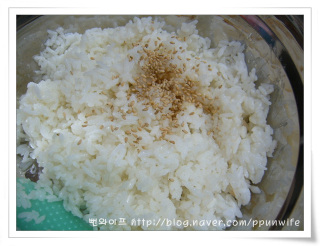
Add salt, toasted sesame oil, and toasted sesame seeds to freshly cooked, fluffy rice and mix together.
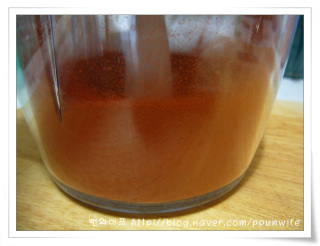
If you grind coarse gochugaru finely in a blender and mix it half-and-half with coarse gochugaru for seasoned salads or stir-fries, the color turns out much prettier.
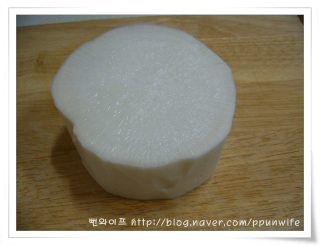
This is 1/3 of a large Korean radish (400 g). A small one will be about half.
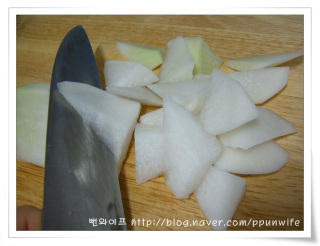
I cut the radish with rough, shaved-like knife cuts, but slice it however you like.
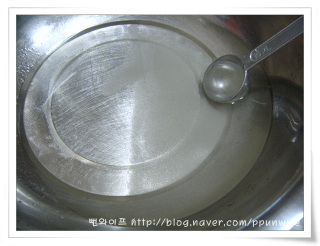
Add 2 tbsp salt, 2/3 cup vinegar, 5 tbsp sugar, and 2 cups water, then stir until the salt and sugar dissolve.
Add the sliced radish and pickle it. It depends on the thickness of the radish, but pickling for about 3-4 hours is enough.
As it pickles, a lot of moisture will draw out from the radish.
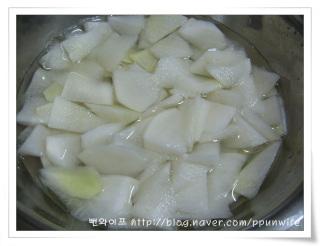
Discard the pickling liquid and drain the radish without rinsing. It is even better to pat it roughly dry with a paper towel or a dry dishcloth.
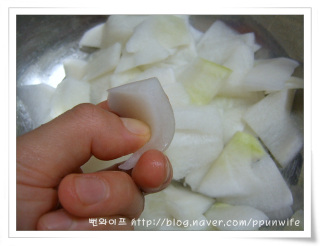
If it tastes not too salty and bends easily, it is well pickled.
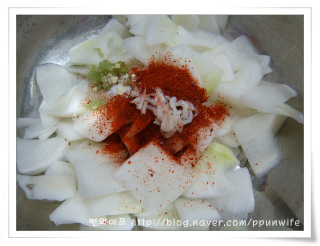
Place the radish in a bowl and toss with 1 tbsp coarse gochugaru, 1 tbsp fine gochugaru, 1 tsp salted fermented shrimp (saeujeot), 1 tsp minced garlic, a little sugar, and a little ginger powder.
I seasoned the radish right away, but it is even better if you first color the radish with the gochugaru before adding the seasonings.
(Adjust the amount of sugar and vinegar to your taste.)
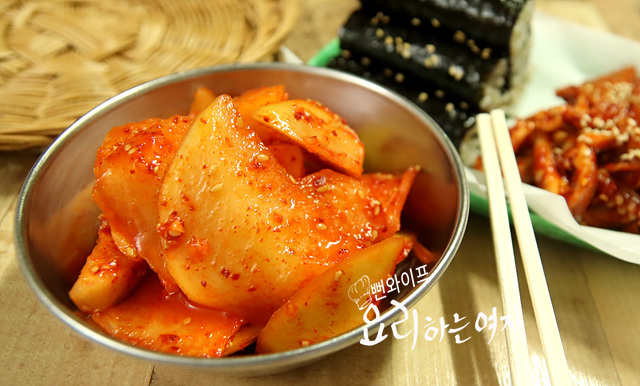
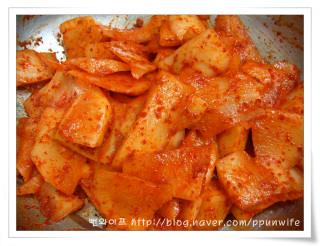
Here is the tossed radish. Because pickling thoroughly drew out the moisture from the radish, hardly any liquid forms after seasoning.
I made a slightly generous amount compared to the kimbap to eat as a side dish with rice.
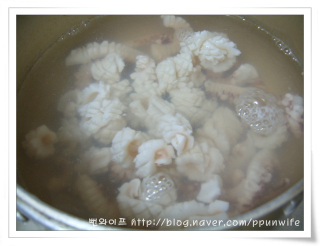
Score the inside of the squid with shallow cuts and blanch lightly in boiling water. Immediately rinse in cold water and drain.
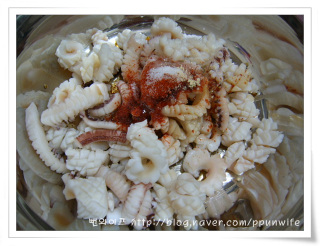
Place the blanched squid in a bowl and add 1.5 tbsp gochugaru, 1 tbsp vinegar, 1 tsp corn syrup, 1 tsp sugar, 1 tbsp regular soy sauce, 0.5 tbsp mirin,
1 tsp minced garlic, and a little salt and toasted sesame oil, then toss until the seasoning is well combined.
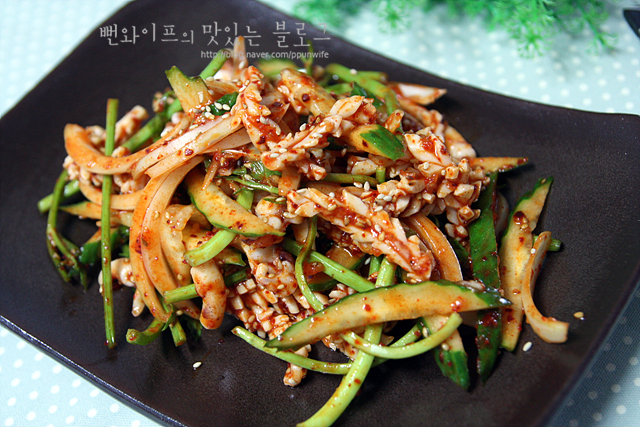
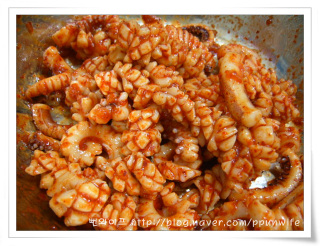
Because this is also blanched once before tossing, hardly any water forms.
Lightly toast the dried seaweed sheets, then cut them in half...
Spread the rice evenly over the sheet, leaving just a little space at the end, and roll it up.
Cut the rolled kimbap to your desired length.
 Ppunwife's tips
- If you grind coarse gochugaru finely in a blender and mix it half-and-half with coarse gochugaru for seasoned salads or stir-fries, the color turns out much prettier.
- Discard the pickling liquid and drain the radish without rinsing. It is even better to pat it roughly dry with a paper towel or a dry dishcloth.
- It is even better if you first color the radish with the gochugaru before adding the seasonings.
FAQ
Should I rinse the pickled radish in water before seasoning?
Just pour off the pickling liquid and drain without rinsing in water. Patting it dry with a paper towel or dry dishcloth helps even more to remove excess moisture.
How can I tell if the radish is properly pickled?
When you taste it, if it is not too salty and bends softly and easily in your hand, it is nicely pickled.
Is there a way to give the radish kimchi a prettier color?
Mixing half coarse gochugaru and half finely ground gochugaru, or coating the radish with gochugaru first before seasoning, will give it a brighter, more vivid color.
How do I prevent water from forming in the seasoned squid?
Score the squid, blanch it briefly in boiling water, rinse in cold water, shake off all the water completely, and toss with the seasoning—hardly any liquid will form.