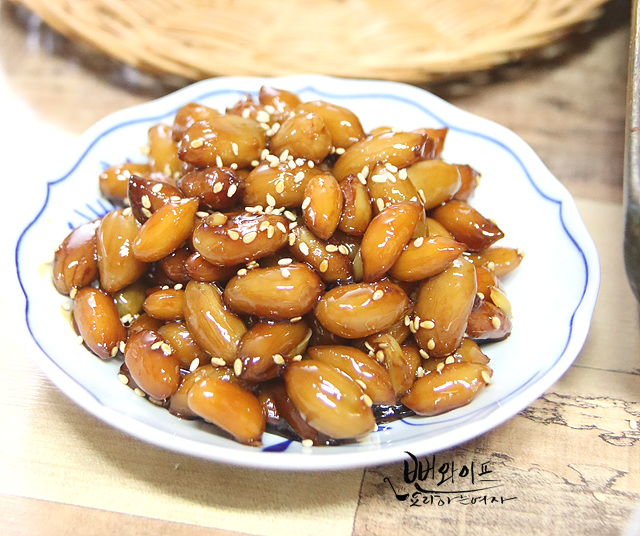
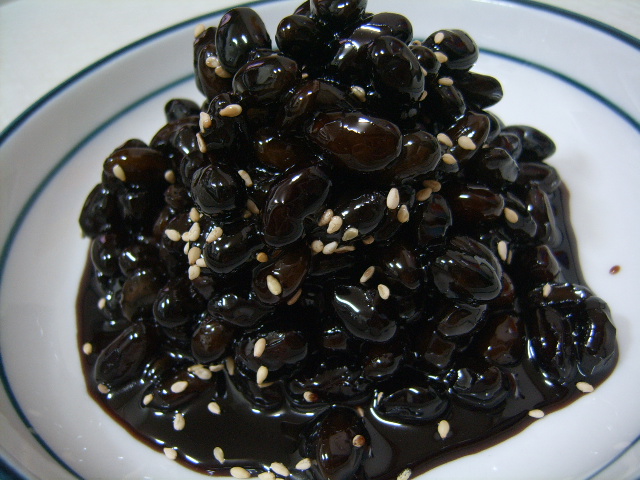
Moist and Nutty Ttangkkong Jorim (Braised Peanuts in Soy Sauce)
A side dish made by blanching raw peanuts in boiling water to remove bitterness, then braising them until moist in a soy sauce seasoning.
Translated from Korean by AI and not yet checked by a native speaker. Amounts and numbers are taken directly from the original recipe. Read the Korean original →
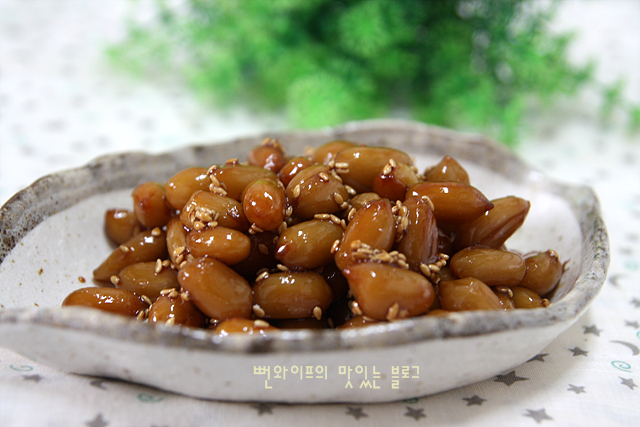
Briefly blanching the peanuts in boiling water to remove their characteristic bitterness and impurities is key. Simmer over low heat until the soy sauce seasoning is reduced, leaving a little liquid so they stay moist and do not harden once cooled. Rich in protein and unsaturated fatty acids, it is great as an everyday side dish or for lunch boxes.
- Servings
- about 3–4 servings
- Difficulty
- Easy
- Spiciness
- Not spicy
Ingredients
Ingredients
- Raw peanuts100 g (1 cup)
Braising sauce
- Water2/3 cup
- Regular soy sauce (jin-ganjang)2 tbsp
- Corn syrup (mulyeot)2 tbsp
- Mirin (cooking rice wine)1 tbsp
- Sugar1/2 tbsp
- Toasted sesame oil
- Toasted sesame seeds
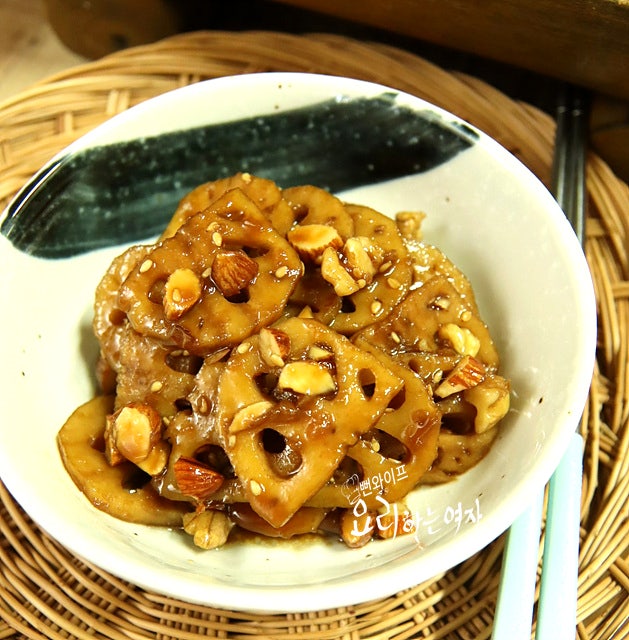
- It is also delicious if you add walnuts or your favorite nuts along with the peanuts.
- You do not need to peel the inner papery skins because they soften substantially during braising, so you will barely feel any texture from them.
Steps
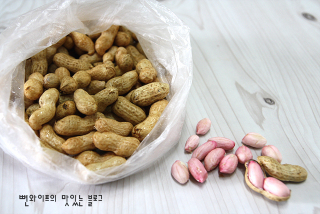
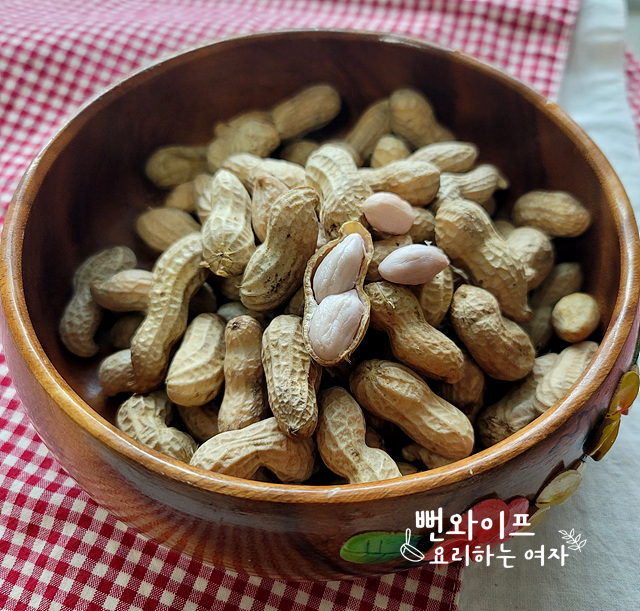
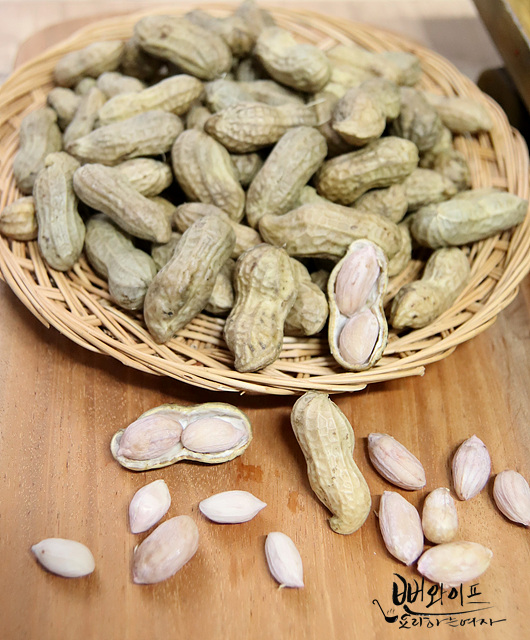
1. The peanut shells had some dirt on them, so I washed them in water, drained them roughly, and shelled them.
After peeling the outer shells, the inner skins had a reddish tint, perhaps because they were freshly harvested peanuts.
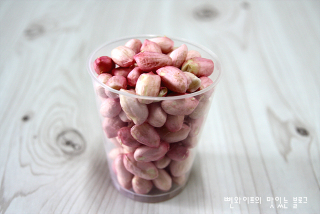
2. A 200 ml cup filled to the brim with shelled peanuts comes to about 100 g.
There is no need to peel off the thin inner skins.
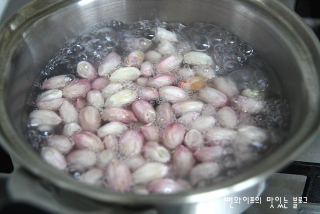
3. Pour enough water to submerge the peanuts (1 cup) into a pot, and once it comes to a rolling boil,
add the peanuts and blanch for 1 to 2 minutes.
Blanching them in water like this removes the astringency and impurities, making them much cleaner-tasting and nuttier.
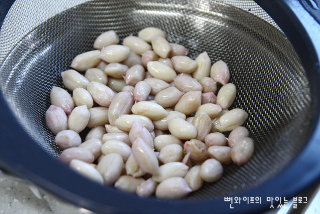
4. Rinse in cold water and drain in a strainer.
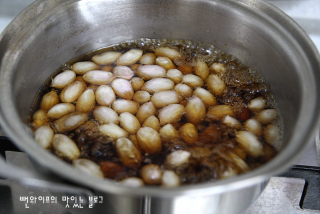
5. Add all of the braising sauce ingredients and the peanuts to a pot, and once it begins to boil, simmer over low heat.
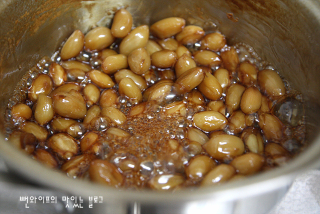
6. As the braising liquid simmers down, the color deepens and it thickens.
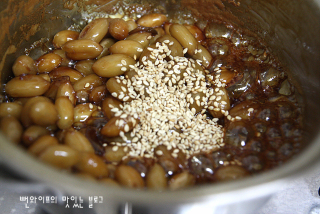
Do not boil it down completely until dry; instead, when about 2 to 3 tbsp of liquid remains,
add the toasted sesame oil and toasted sesame seeds, mix them in, and finish up.
If you boil it down completely, it hardens like candied sweet potatoes once cooled and becomes inconvenient to eat, so leave a little liquid to keep it moist.
 Ppunwife's tips
- Blanching them in water like this removes the astringency and impurities, making them much cleaner-tasting and nuttier.
- If you boil it down completely, it hardens like candied sweet potatoes once cooled and becomes inconvenient to eat, so leave a little liquid to keep it moist.
FAQ
Do I need to peel off all the red inner skins from the peanuts before braising?
You do not need to peel off the inner skins. As they braise in the seasoning, the skins soften, so you will hardly feel them when eating.
Why do you blanch them in boiling water before braising?
Briefly blanching the peanuts in boiling water for about 1 to 2 minutes reduces bitterness and clears away impurities, giving the finished dish a cleaner, nuttier flavor.
Should I braise them until the sauce is completely gone?
If you reduce the sauce completely, they will harden as they cool and become unpleasant to eat. It is best to turn off the heat while about 2 to 3 tbsp of shallow liquid remains.
Can I add other nuts besides peanuts?
Yes, adding walnuts or other nuts of your choice to braise together works wonderfully.