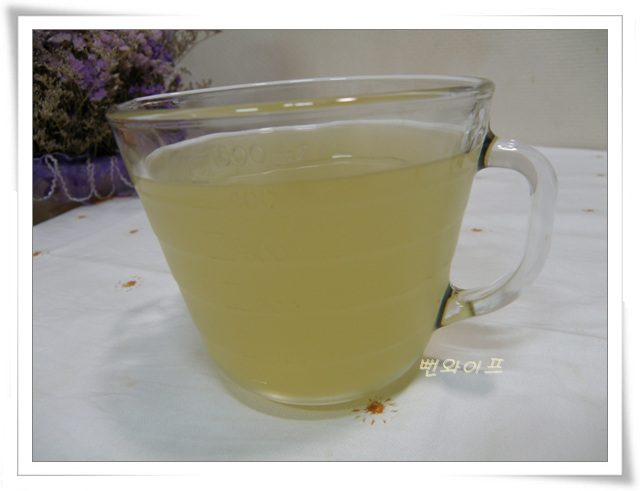
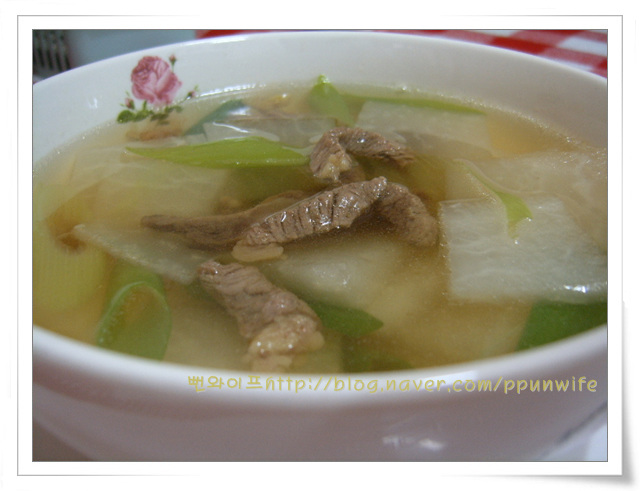
Rich and Deep Dipori Yuksu (Large Anchovy Stock)
A rich foundational stock made by toasting dried large-eyed herring in a dry pan and simmering them with vegetables.
Translated from Korean by AI and not yet checked by a native speaker. Amounts and numbers are taken directly from the original recipe. Read the Korean original →
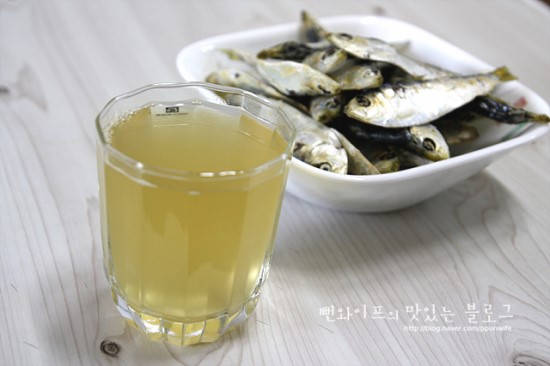
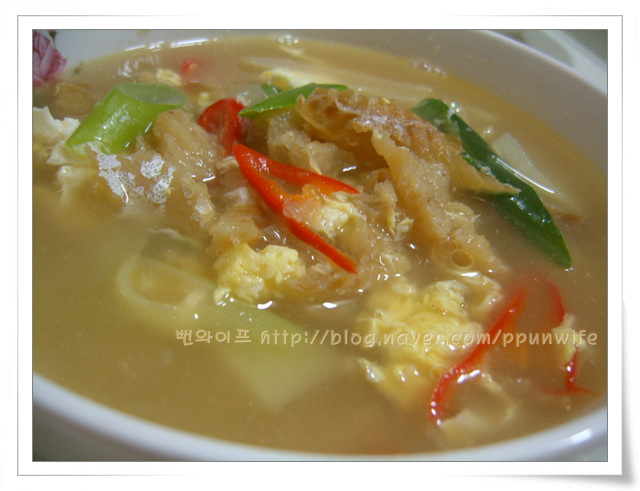
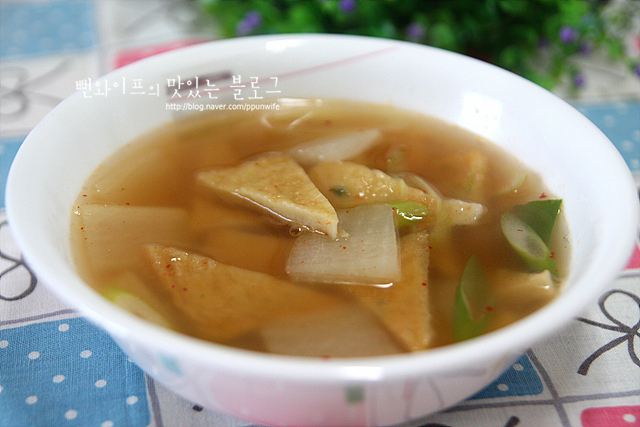
This deep stock is made by toasting whole dried large-eyed herring with their innards intact in a dry pan, then simmering them with vegetables. Scooping out the kelp 10 minutes after it starts boiling and skimming off any foam leaves you with a clean flavor free of fishiness. It makes an excellent base stock for a wide variety of soups and stews.
- Servings
- about 4–5 servings
- Cook time
- 20 minprep not included
- Difficulty
- Easy
- Spiciness
- Not spicy
Ingredients
- Dried large-eyed herring (dipori)8 whole
- Dried kelp (dasima)2 sheets (10 cm square)
- Korean radish (mu)1/5, 200 g
- Onion1/2 (medium)
- Large green onion (daepa)1/2 stalks
- Water10 cups
- Like dried anchovies, it is best when the scales cling well across the entire body and the fish are properly dried without feeling damp.
- If they are not sufficiently dry, you can spread them out to dry crisp in the sun before storing.
- The innards of dipori are very small and do not significantly affect the flavor of the broth, so you can use them whole without removing them.
Steps
Now let me show you how to brew a delicious dipori stock.
As mentioned above, the innards of dipori are very small and do not significantly affect the flavor of the stock,
so you can use them as is without removing them.
Because they have more of a fishy taste compared to dried anchovies, even well-dried ones are best toasted thoroughly in a dry pan like this before simmering.
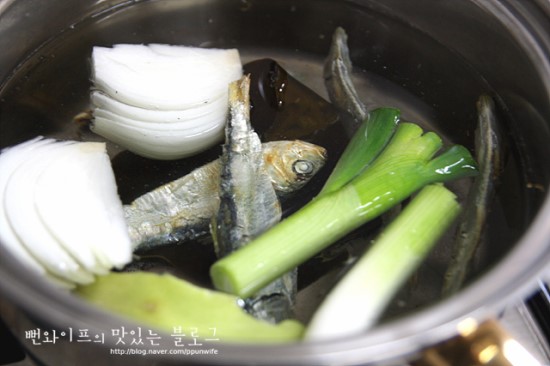
8 dried large-eyed herring (dipori), 2 sheets dried kelp (dasima, 10 cm square), 200 g Korean radish (mu, 1/5 piece), 1/2 onion (medium), 1/2 stalk large green onion (daepa), 10 cups water
Add all the ingredients and simmer just like making anchovy broth.
Remove the kelp 10 minutes after it starts boiling, then simmer for at least 10 minutes more.
Skimming off the foam that forms while it boils gives you a clean broth without any fishiness.
You can make anchovy broth using the exact same method.
Making anchovy broth is here ⇒ http://blog.naver.com/ppunwife/140090439314
 Ppunwife's tips
- Because they have more of a fishy taste compared to dried anchovies, even well-dried ones are best toasted thoroughly in a dry pan before simmering.
- Skimming off the foam that forms while it boils gives you a clean broth without any fishiness.
FAQ
Do I need to remove the innards when prepping dipori?
The innards of dipori are very small relative to their size and do not significantly affect the broth's flavor, so you can use them whole without removing them.
Is there a way to reduce the fishy taste when brewing stock?
Toasting the dipori thoroughly in a dry pan before cooking and carefully skimming off the foam that forms as it comes to a boil will help reduce the fishy flavor.
How do I adjust the count when using dipori instead of dried anchovies?
When making stock that calls for 20 dried anchovies, using about 7 to 8 dipori produces a well-balanced stock.