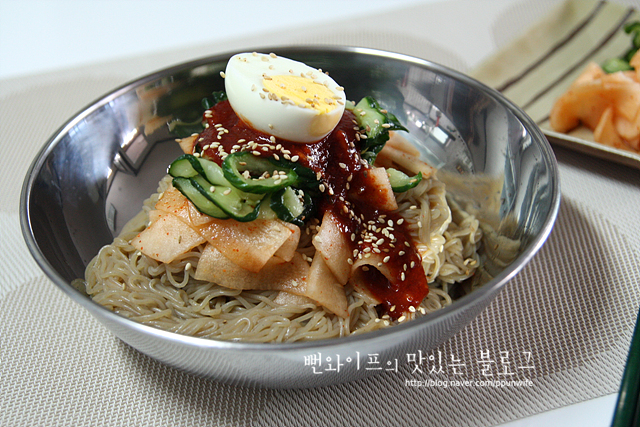
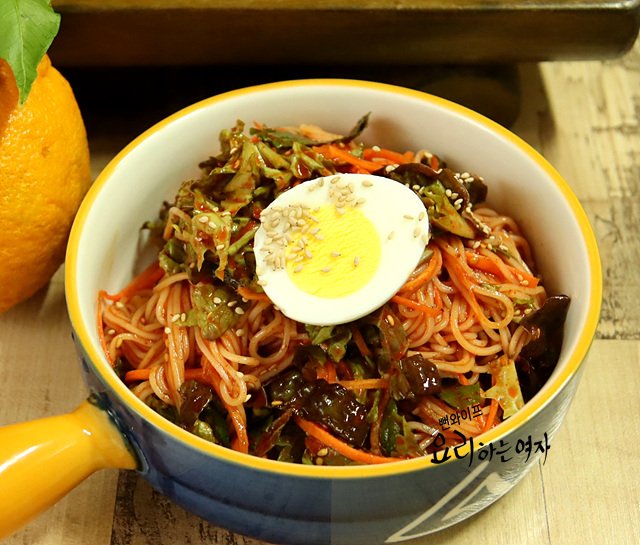
Sweet, Spicy, Refreshing Mul Bibim Guksu (Cold Spicy Broth Noodles)
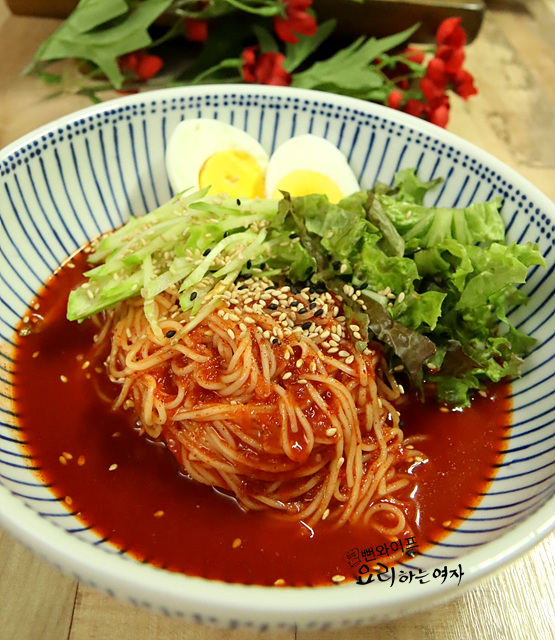
Mul bibim guksu (cold spicy broth noodles) enjoyed refreshingly cold by pouring broth over aged seasoning sauce made with apple juice.
Translated from Korean by AI and not yet checked by a native speaker. Amounts and numbers are taken directly from the original recipe. Read the Korean original →
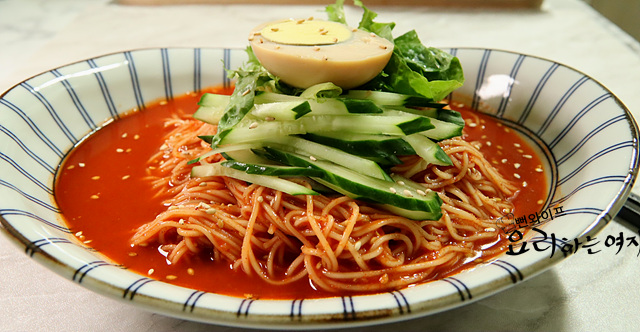
This special noodle dish uses an aged seasoning sauce enriched with apple juice for a deep savory flavor. Adding anchovy broth creates a shallow pool of soup, allowing you to enjoy sweet, spicy, and tangy flavors in a cold and refreshing way. It is a wonderful one-bowl meal that revives your appetite in the sweltering heat.
- Servings
- 3–4 servings
- Difficulty
- Medium
- Spiciness
- Spicy
Ingredients
Ingredients
- Thin wheat noodles (somyeon) or medium wheat noodles (jungmyeon)100 g
- Cucumbera little of each
- Chicorya little of each
- Lettucea little of each
- Boiled egga little of each
Bibim Seasoning Sauce
- Gochujang (Korean red chili paste)4 tbsp
- Vinegar3 tbsp
- Fine gochugaru (Korean chili flakes)2 tbsp
- Minced garlic1 tbsp
- Corn syrup (mulyeot)2 tbsp
- Mirin (cooking rice wine)2 tbsp
- Sugar1 tbsp
- Regular soy sauce (jin-ganjang) or brewed soy sauce (yangjo-ganjang) (or brewed soy sauce (yangjo-ganjang))1 tbsp
- Apple juice3 tbsp
- Ground black peppera little
- If you do not have fine gochugaru, coarse gochugaru works too.
- Prepare the vegetables according to whatever you have in the fridge.
- You can use either thin wheat noodles (somyeon) or medium wheat noodles (jungmyeon) for the bibim noodles.
- If you do not have anchovy broth (or kelp broth), you can substitute water.
Steps
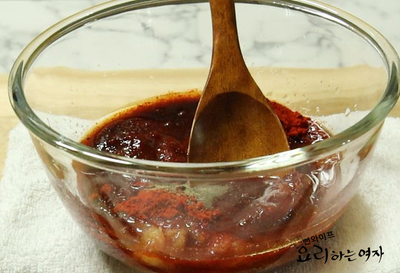
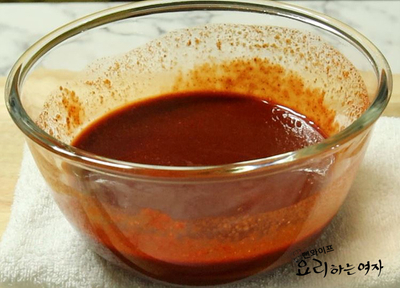
Add all the seasoning sauce ingredients and mix them together.
If you do not have fine gochugaru, coarse gochugaru works too.
Because gochugaru makes the sauce thick, I added apple juice to adjust the consistency, which also helps develop deep flavor as the sauce ages.
If you let it age in the refrigerator for at least overnight or about 3 days before eating,
it transforms into a mellow and truly delicious sauce.
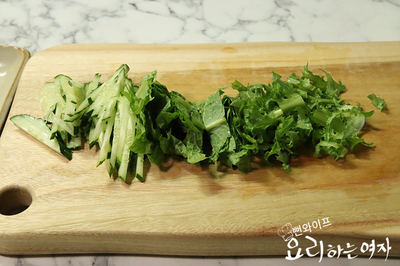
Prepare vegetables according to what you have in the fridge and cut them into bite-sized pieces.
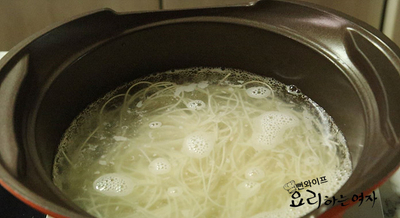
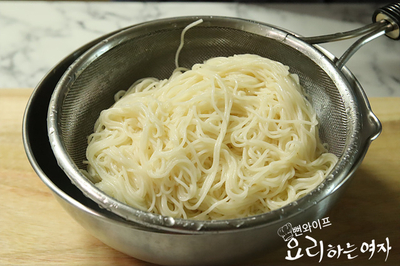
You can use either thin wheat noodles (somyeon) or medium wheat noodles (jungmyeon).
You can follow the boiling time written on the package,
or let me share the most common way to boil chewy noodles.
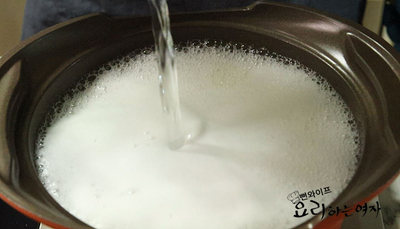
Add the noodles to boiling water, and just before it boils over, pour in a cup of cold water.
Just before it boils over again, pour in cold water.
Repeat this three times, then rub the noodles with your hands under running cold water as you rinse, and drain the water.
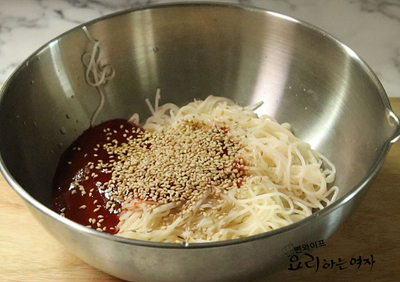
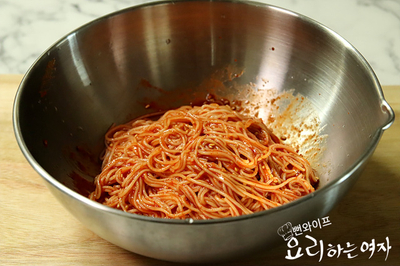
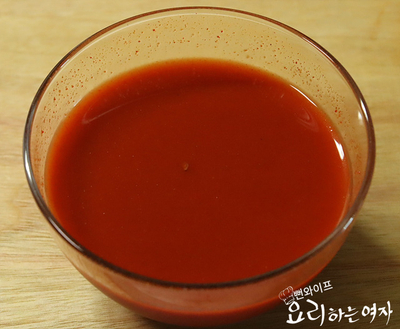
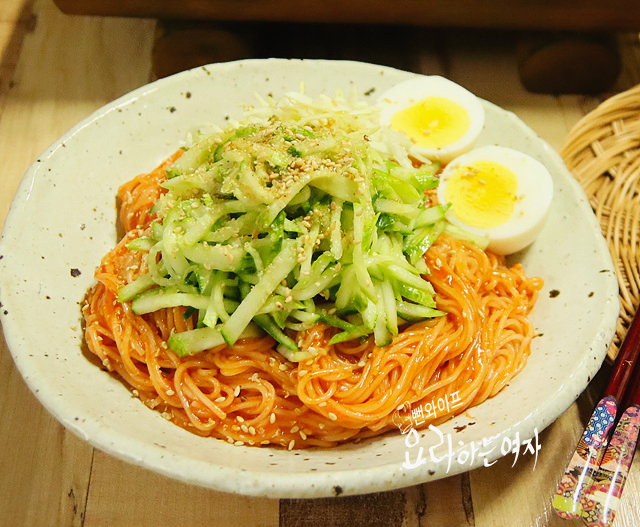
Place 100 g of boiled noodles in a bowl, add 3 tbsp of bibim seasoning sauce, a little toasted sesame oil, and toasted sesame seeds, then toss evenly.
I wanted to recreate the feel of Manghyang-style noodles,
so I made broth by pouring 1/2 cup of anchovy broth (or kelp broth) over 2 tbsp of bibim seasoning sauce.
If you do not have broth, you can substitute water.
It is great to make it in advance and keep the broth cold in the refrigerator.
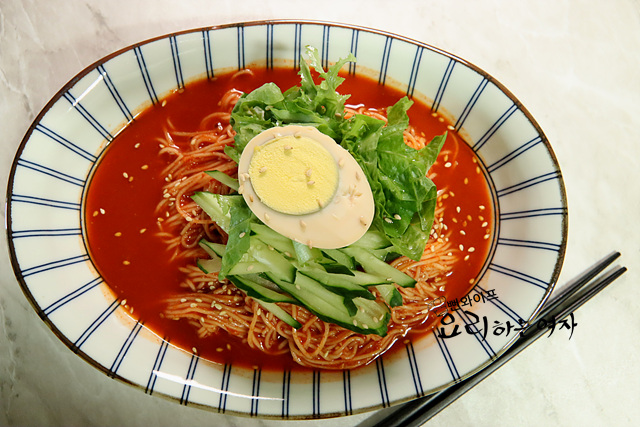
Pour in the tossed thin wheat noodles along with the bibim broth,
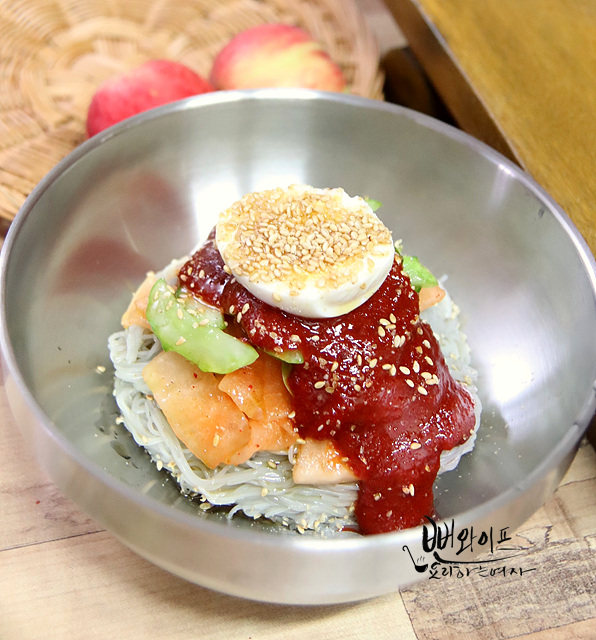
then top with vegetables and half a boiled egg to finish.
Mine was a baked egg, so the color looks a bit different.
 Ppunwife's tips
- If you let the sauce age in the refrigerator for at least overnight or about 3 days before eating, it transforms into a mellow and truly delicious sauce.
- It is great to make the bibim broth in advance and keep it cold in the refrigerator.
FAQ
Can I use regular gochugaru instead of fine gochugaru in the seasoning sauce?
If you do not have fine gochugaru, it is completely fine to use coarse gochugaru.
What should I do if I do not have broth for the bibim broth?
If you do not have anchovy or kelp broth ready, you can substitute plain water.
Is there a secret to boiling noodles so they stay chewy?
Add the noodles to boiling water, repeat the process of pouring in cold water right before it boils over three times, and then rub and rinse them under running cold water for a chewy texture.