Spicy Dak Maeuntang (Spicy Chicken Soup) with Sujebi
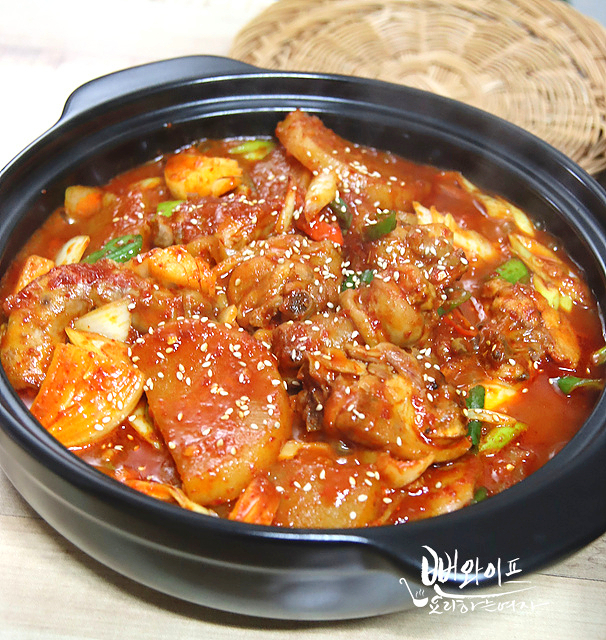
A spicy dak maeuntang (spicy chicken soup) simmered with refreshing Korean radish, aromatic greens, and chewy torn sujebi dough flakes.
Translated from Korean by AI and not yet checked by a native speaker. Amounts and numbers are taken directly from the original recipe. Read the Korean original →
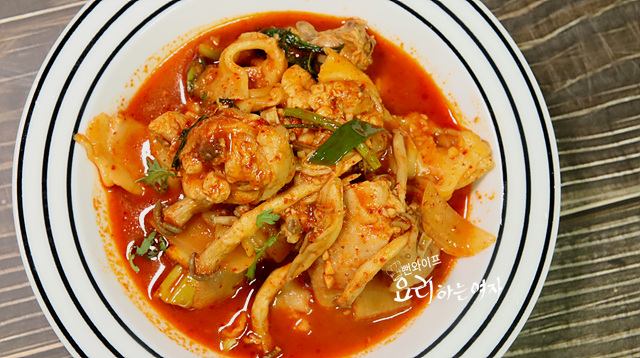
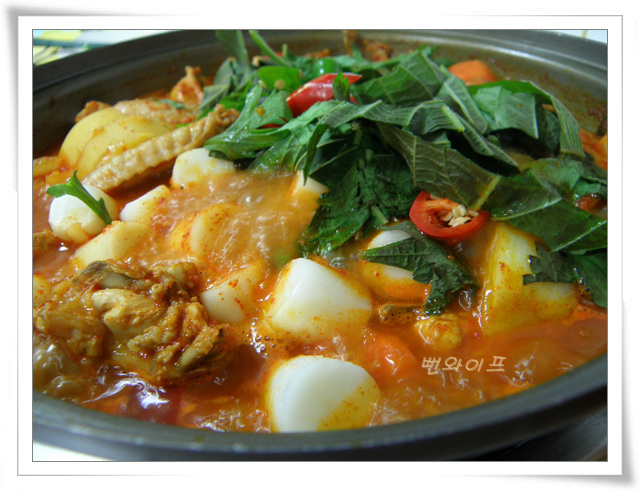
This is a spicy, comforting soup boiled with chicken and Korean radish for a clean yet fiery broth. Enhanced with chewy aged hand-torn dough flakes (sujebi) and fragrant crown daisy and perilla leaves, it makes a hearty dinner or a satisfying dish to accompany drinks.
- Servings
- 3–4 servings
- Difficulty
- Hard
- Spiciness
- Spicy
Ingredients
Ingredients
- Chicken1 whole, 1 kg
- Korean radish (mu)200 g
- Onion1 (small)
- Large green onion (daepa)1/2 stalk
- Cheongyang chili pepper (hot green chili)2
- Ssukgat (crown daisy)a little
- Perilla leaves10 leaves
- Baby oyster mushrooms1/2 pack
- Cheongyang chili pepper (hot green chili)1
- Anchovy broth7 cups
Seasoning
- Gochugaru (Korean chili flakes)3 tbsp
- Gochujang (Korean red chili paste)4 tbsp
- Commercial doenjang (Korean soybean paste)1 tbsp
- Minced garlic3 tbsp
- Soup soy sauce (guk-ganjang)2 tbsp
- Mirin (cooking rice wine)2 tbsp
- Minced ginger1 tsp
- Ground black pepper1/2 tsp
Sujebi
- Flour1 cup
- Water4 tbsp
- Salt1/3 tsp
- Cooking oil1/2 tbsp
- Cut a 1 kg whole chicken into bite-sized pieces, trim off excess fat, and rinse thoroughly. To eliminate gamey odors, you can soak the chicken in milk mixed with water or briefly blanch it in rolling boiling water before using.
- You can use potatoes instead of Korean radish.
- After bringing the dough together and kneading it with your hands, place it in a plastic bag so the surface does not dry out, and let it rest in the refrigerator for at least 30 minutes.
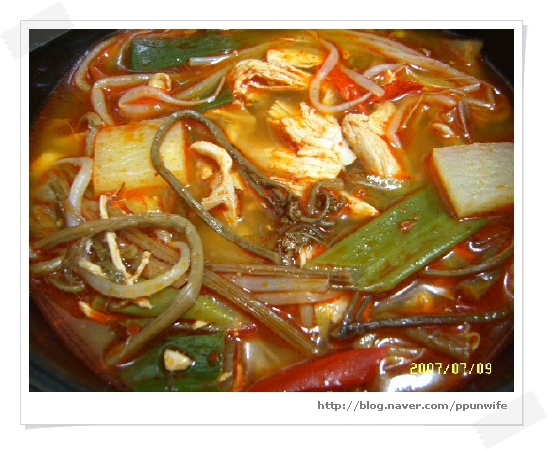
- Depending on your preference or what is in your fridge, you can also add vegetables like squash or soybean sprouts.
Steps
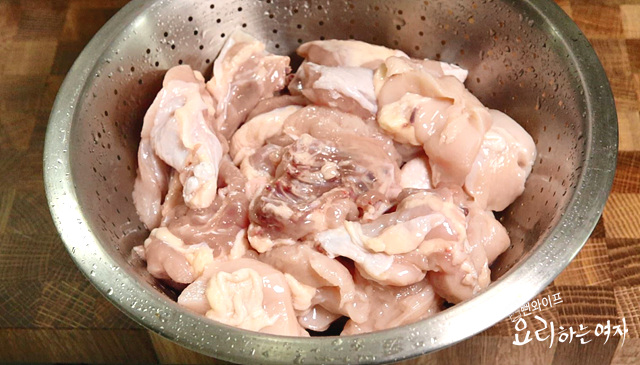
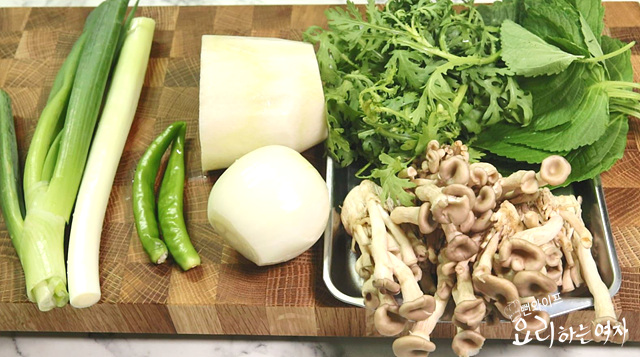
I cut a 1 kg whole chicken into bite-sized pieces, trimmed away the excess fat, and washed it clean.
To remove gamey odors from the chicken, you can soak it in milk mixed with water or briefly blanch it in rolling boiling water.
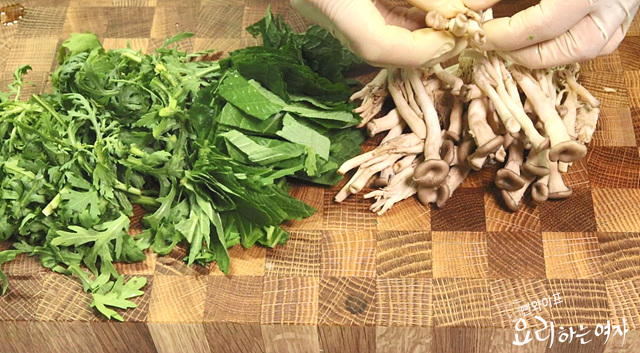
To give it that maeuntang flavor, I prepared Korean radish along with aromatic greens like crown daisy and perilla leaves.
Potatoes work great in place of radish too.
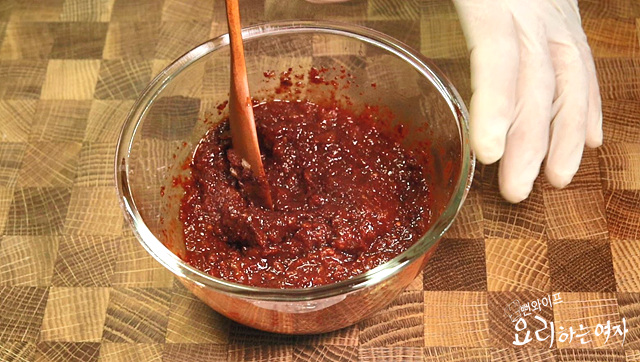
Mix all the seasoning ingredients together ahead of time so the flavors meld.
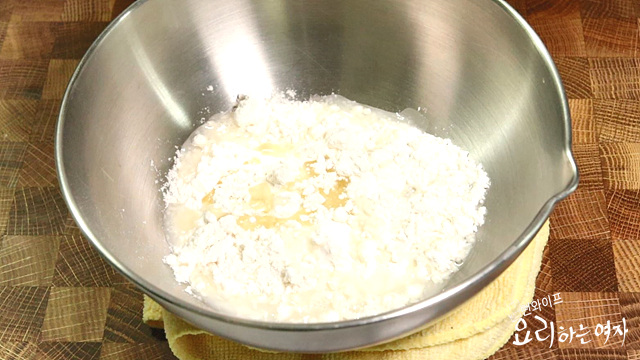
Eating chewy sujebi in a fiery, spicy soup is half the fun.
Since it needs resting time, I recommend making the dough first.
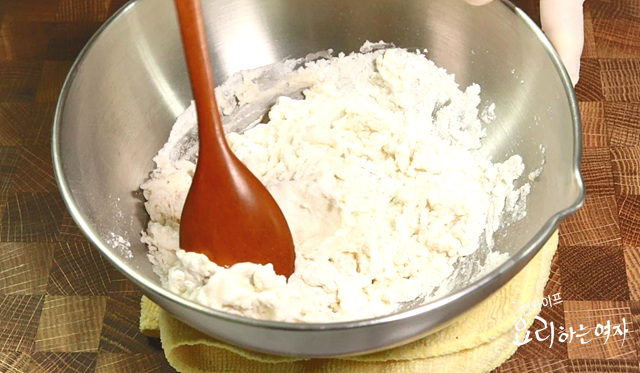
Add the flour, water, salt, and cooking oil all together, and roughly mix.
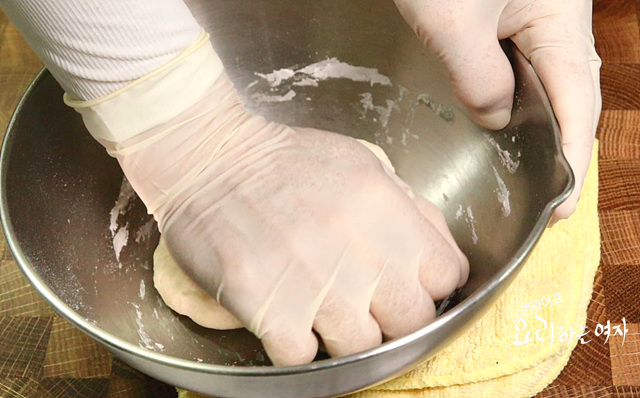
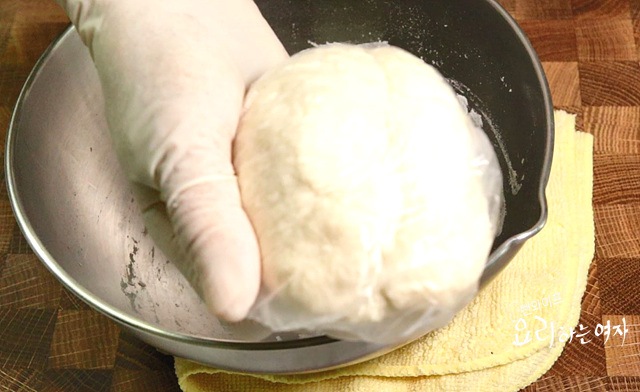
Bring it together with your hands and knead until the surface turns smooth.
To keep the surface from drying out, place it in a plastic bag and let it rest in the refrigerator for at least 30 minutes.
Aging it this way makes the sujebi tender yet delightfully chewy.
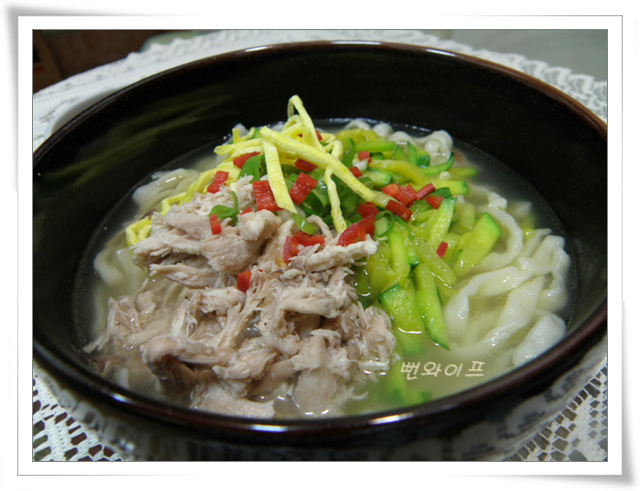
If you roll it out thin and wide, roll it up, and slice it, you get kalguksu noodles.
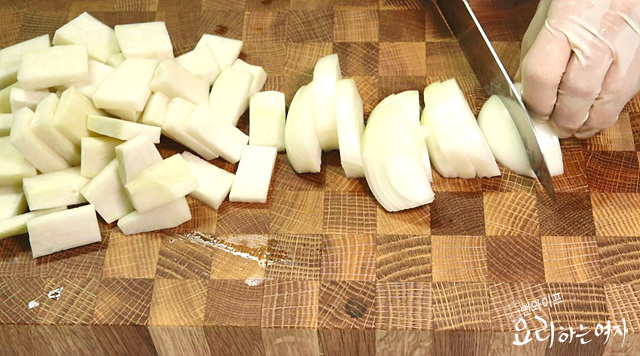
I added Korean radish for a refreshing taste, but potatoes are fine too.
Cut the radish into bite-sized square flats of moderate thickness, and thickly slice the onion.
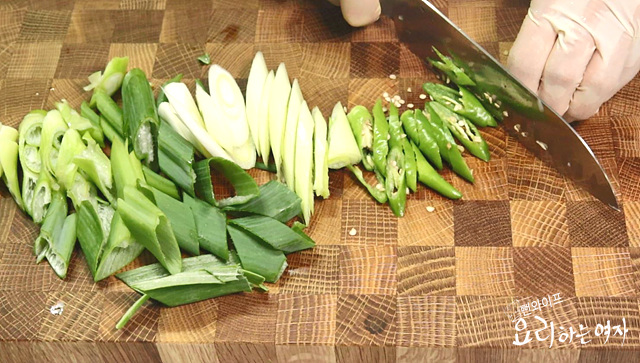
Diagonally slice the large green onion and Cheongyang chili peppers, cut the perilla leaves and crown daisy into easy-to-eat lengths, and tear the mushrooms apart.
Besides these, vegetables like squash or soybean sprouts are also great recommendations depending on your taste or what is in your fridge.
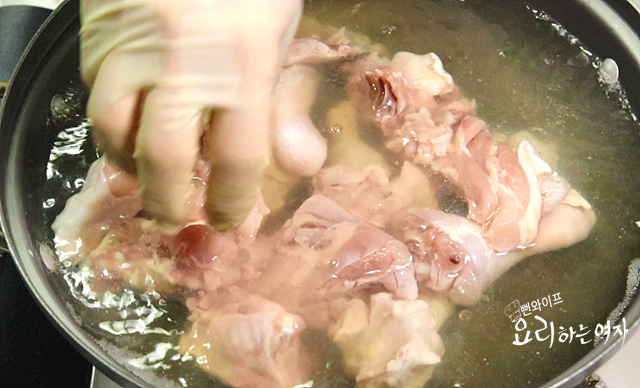
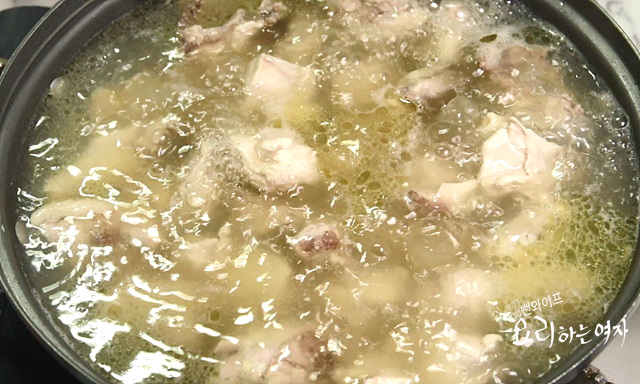
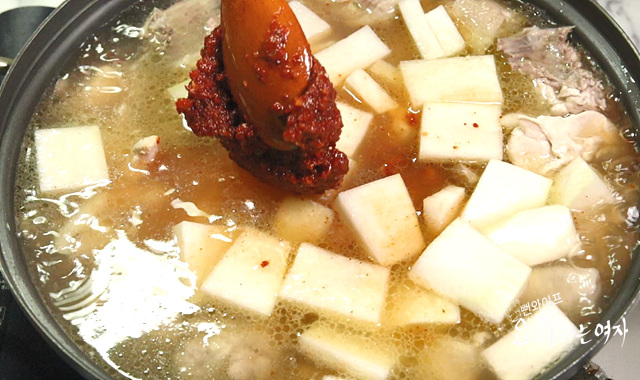
When the anchovy broth (or kelp broth) comes to a rolling boil, add the prepped chicken.
Skim off any impurities or fat that float to the top, then add the seasoning paste and the radish, and boil until both the chicken and radish are fully cooked through.
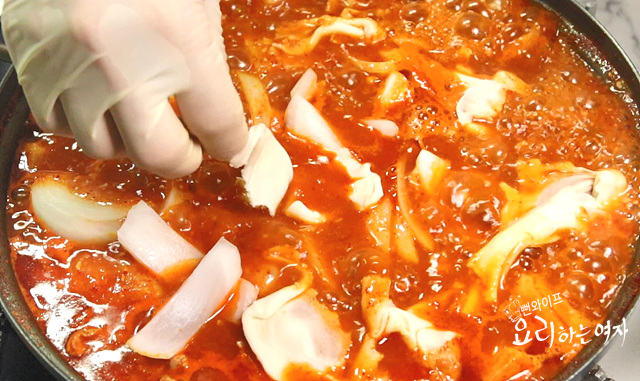
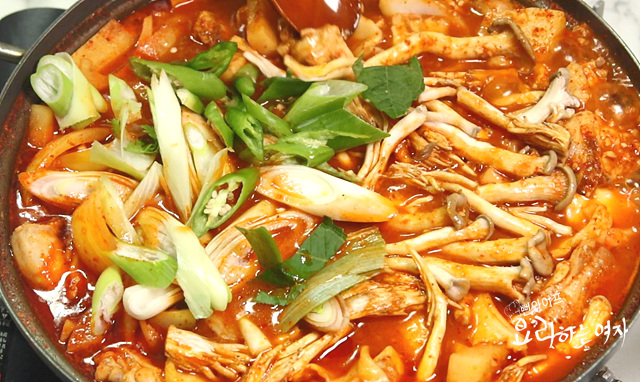
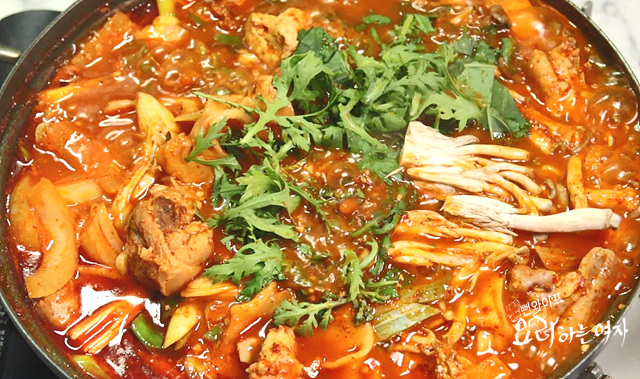
Once the meat is fully cooked, taste the broth and adjust the seasoning with salt, then drop in the sliced onion and tear bite-sized pieces of the sujebi dough directly into the pot.
Add the large green onion, Cheongyang chili peppers, and mushrooms; once they have wilted, finish with the crown daisy and perilla leaves, and it is done.
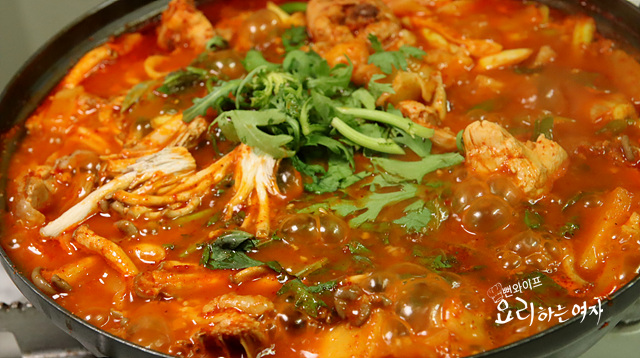
Because this has more broth than dakbokkeumtang,
you can eat it while keeping it simmering so the flavors soak into the chicken, tearing in sujebi as you go.
You can also cook and fish out kalguksu or thin wheat noodles, and it tastes even richer once the broth boils down.
 Ppunwife's tips
- Because sujebi dough needs time to rest, I recommend preparing it first.
- Putting the dough in a plastic bag and resting it in the refrigerator for at least 30 minutes makes the sujebi tender and pleasantly chewy.
- Because it has more broth than dakbokkeumtang, it is best enjoyed while simmering, eating the flavor-soaked chicken and cooked sujebi, then adding kalguksu or thin wheat noodles as the soup reduces.
- Mixing rice into the leftover broth at the very end is also two thumbs up.
FAQ
How should I prep the chicken to remove gamey odors?
Soaking the chicken in milk or briefly blanching it in boiling water before cooking helps reduce unwanted gamey smells.
Can I substitute other vegetables for the Korean radish?
Potatoes work wonderfully in place of Korean radish, and adding vegetables like squash or soybean sprouts to suit your taste or fridge inventory also pairs very well.
Is there a trick to making the sujebi dough extra chewy?
Knead the dough until smooth, seal it in a plastic bag so it does not dry out, and let it rest in the refrigerator for at least 30 minutes.
Can I add other noodle additions besides sujebi?
Yes, you can roll out the dough thinly and cut it into kalguksu noodles, or add glass noodles or thin wheat noodles to boil in the flavorful broth.