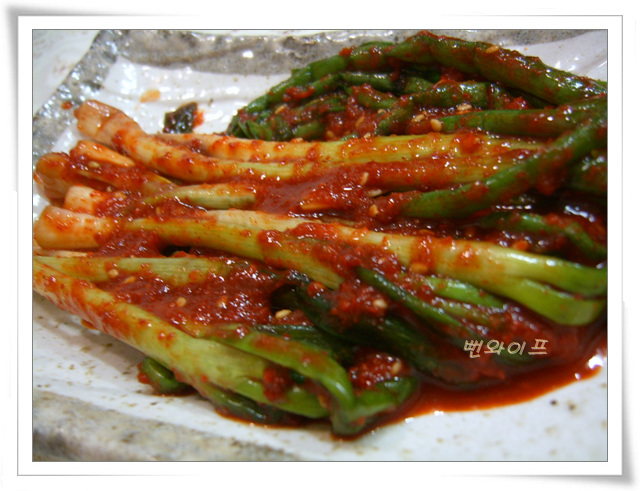
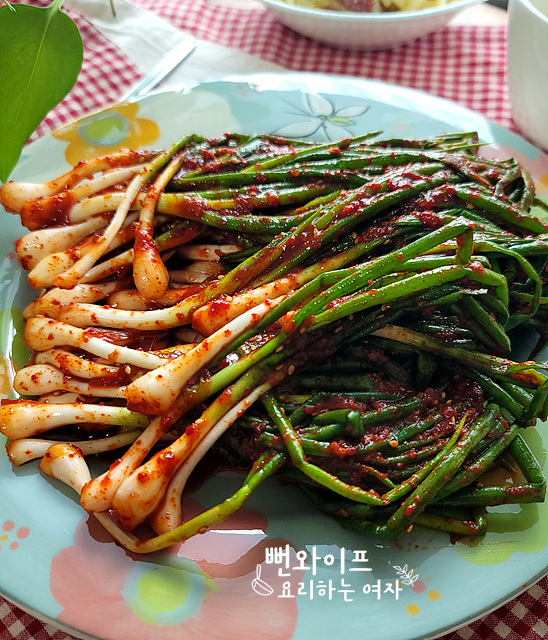
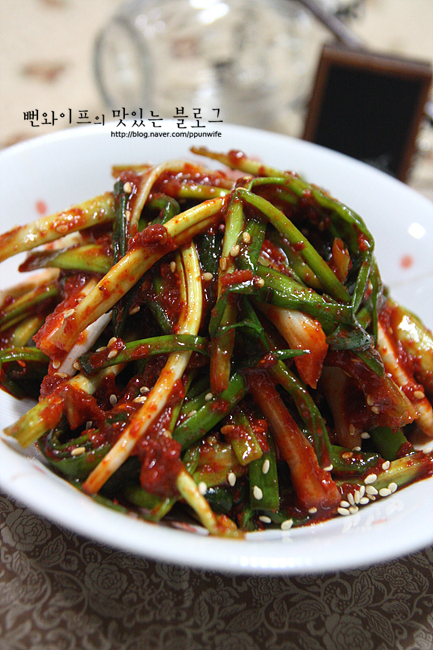
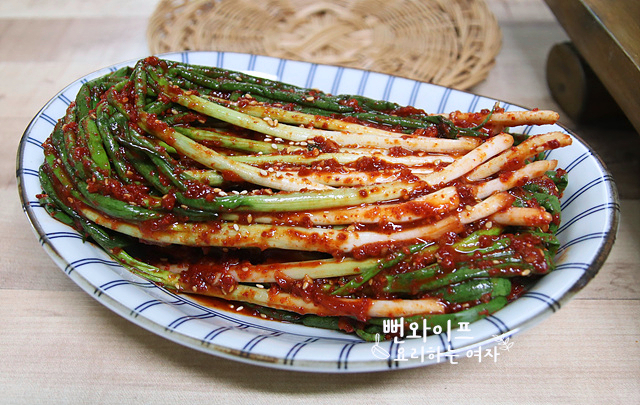
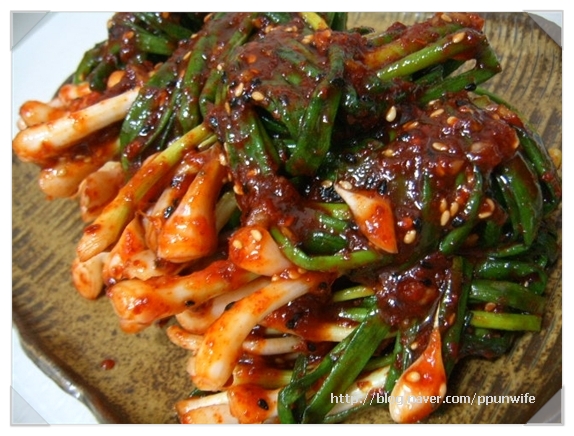
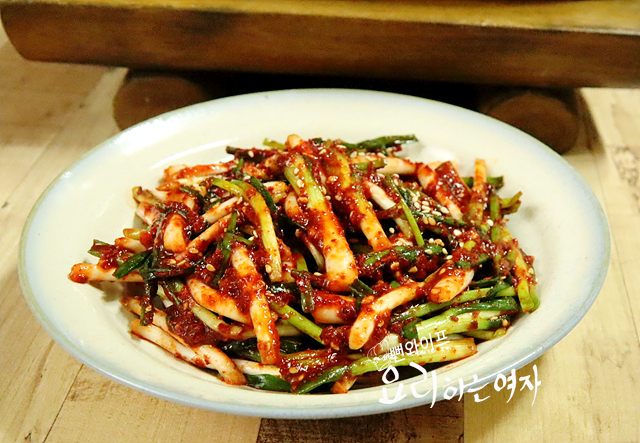
Pa Kimchi (Green Onion Kimchi) with Anchovy Broth
A scallion kimchi side dish made with rich anchovy broth instead of glutinous rice paste for a clean, deep flavor.
Translated from Korean by AI and not yet checked by a native speaker. Amounts and numbers are taken directly from the original recipe. Read the Korean original →
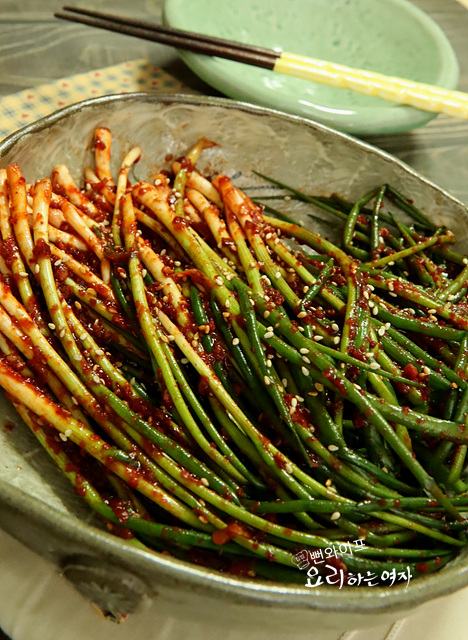
This scallion kimchi skips the hassle of making glutinous rice paste and uses rich anchovy broth to bring out deep umami. Salting the white root ends in fish sauce first before coating them in seasoning helps retain a crisp texture and rich flavor. It pairs wonderfully with grilled meat or a bowl of warm rice.
- Servings
- about 10–12 servings
- Difficulty
- Medium
- Spiciness
- Spicy
Ingredients
Ingredients
- Scallions (jjokpa)2 bunches (2 kg)
- Anchovy broth2 cups
Seasoning
- Gochugaru (Korean chili flakes)3 cups
- Sand lance fish sauce (or dried anchovies)1 1/2 cups
- Minced garlic2 tbsp
- Corn syrup (mulyeot) (or green plum syrup (maesil-cheong), oligosaccharide syrup (oligodang))4 tbsp
- Sugar2 tbsp
- Toasted sesame seeds6 tbsp
- When making pa kimchi or buchu kimchi, I use rich anchovy broth instead of glutinous rice paste. It is great to brew a rich broth by adding dried pollock or dried pollack heads, dried shrimp, leftover aromatic vegetables, or dried shiitake mushrooms along with the dried anchovies.
- If the aroma of fish sauce alone is too strong, you can use half fish sauce and half salted fermented shrimp (saeujeot), or use only salted fermented shrimp. Using glutinous rice paste instead of broth will make the seasoning milder and smoother.
Steps
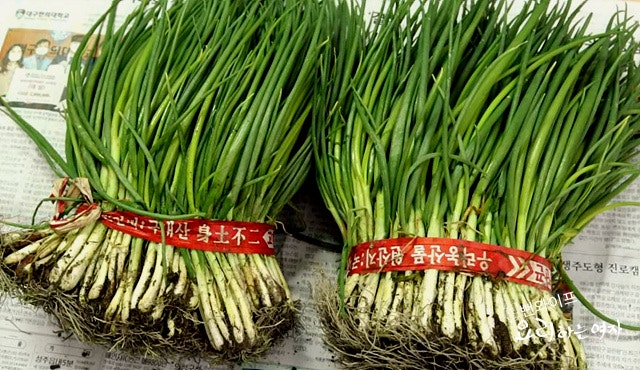
Here are 2 bunches of scallions (jjokpa).
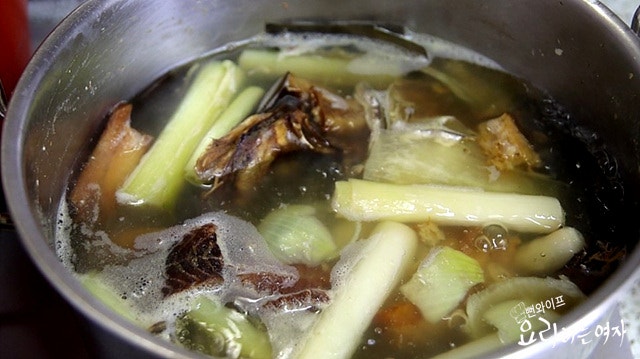
When making pa kimchi or buchu kimchi, I use rich anchovy broth instead of glutinous rice paste.
I like to enjoy pa kimchi and buchu kimchi fresh, with their unfermented aroma and crisp texture.
For kimchi meant to be eaten fresh without aging, making a rich broth by adding more ingredients—just like making broth for seasonal kimchi-making (gimjang)—makes the kimchi taste much better.
Dried pollock or dried pollack heads work well, dried shrimp can be added with dried anchovies, and if you have leftover aromatic vegetables or dried shiitake mushrooms, toss them in and simmer thoroughly.
Roasting the dried seafood until crisp in an air fryer, oven, or dry pan removes any fishy odor and gives you a deep, savory broth.
Even if you do use glutinous rice paste, cooking the paste with this broth enhances the umami of the kimchi.
For fermented kimchis like chonggak kimchi, kkakdugi, or cabbage kimchi, you do not necessarily need to make the paste with anchovy broth because the seasoning deepens naturally as it ferments. Using broth is better, but keep in mind that it is not strictly required.
As an aside, when it feels like too much work to cook paste, blending warm white rice with water in a blender turns it into a porridge-like consistency. It works great as an easy substitute for paste.
Prepare the scallions

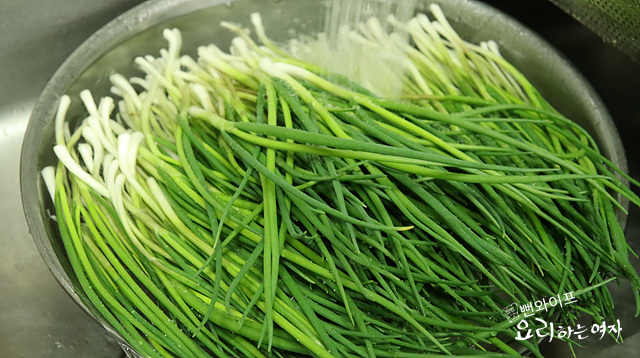
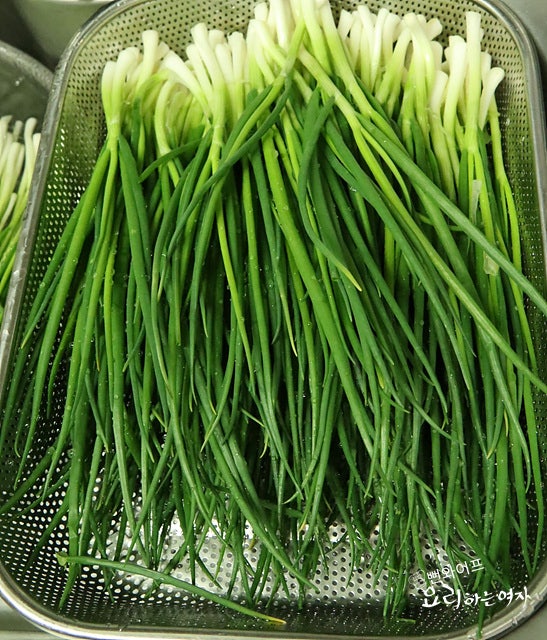
Cut off the roots and pull down one outer scallion leaf from the top; it strips away easily.
The total weight of the trimmed scallions is 2 kg. You can adjust the amount of seasoning to match the weight of your trimmed scallions.
Rinse them roughly in water once, then leave them submerged in water so any dried dirt or sand loosens and sinks to the bottom.
Rinse several times under running water until no debris remains, then drain in a colander.
Salt in fish sauce
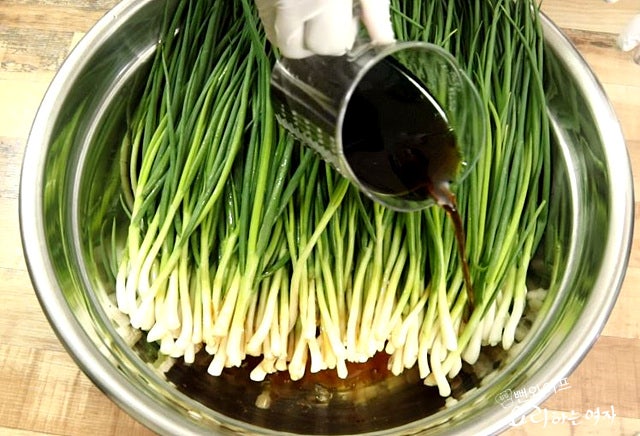
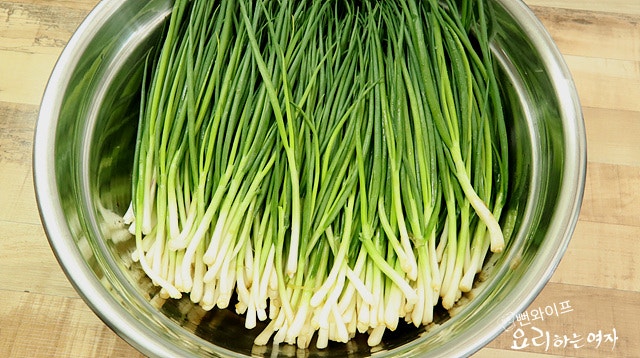
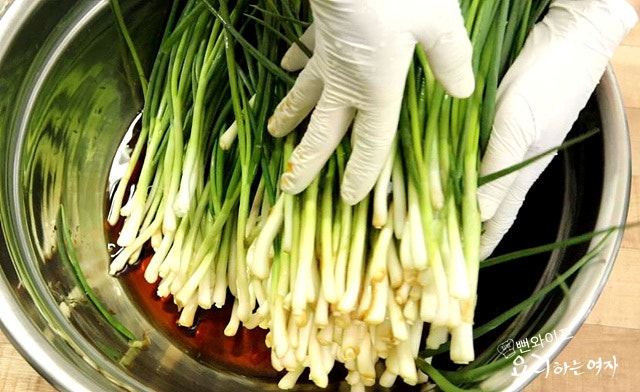
Arrange the scallions neatly in a bowl and pour the fish sauce only over the thick root ends so they salt first.
Tilt the bowl slightly so the root ends sit lower, allowing the fish sauce to coat only the roots.
Turn them over after 30 minutes so they salt evenly, and salt for about 30 minutes more.
If the scallion roots are very thick and firm, increase the time; if they are thin and small, you can skip salting them.
Season
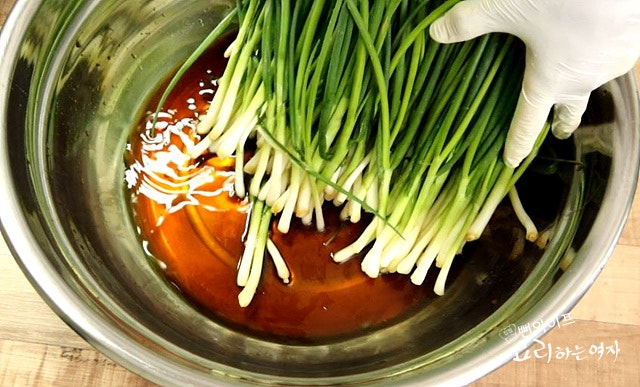
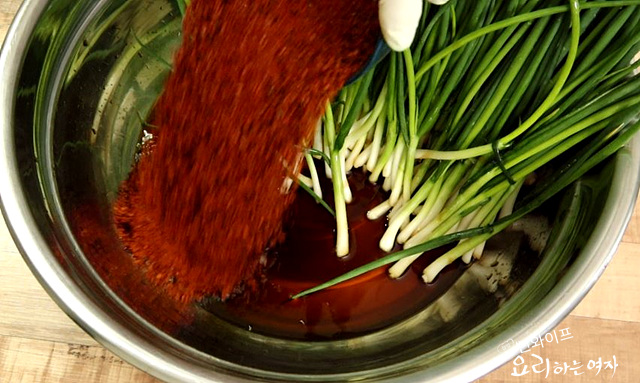
Once the root ends have softened from salting, prop the scallions up and tilt the bowl so the fish sauce gathers on one side.
Pour in 3 cups of gochugaru (Korean chili flakes)...
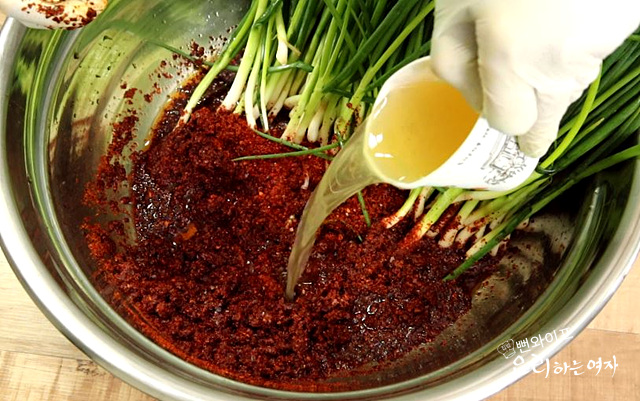
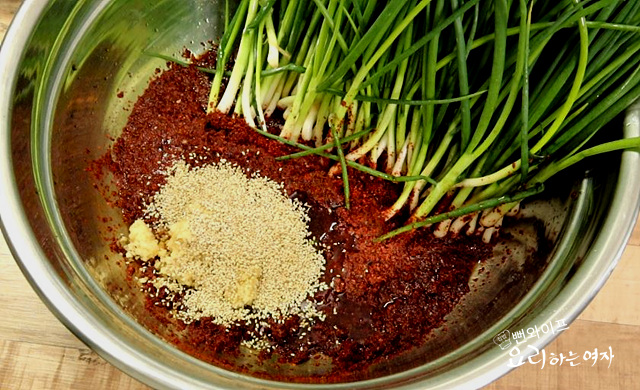
Add 2 cups of anchovy broth, 2 tbsp of minced garlic, 4 tbsp of corn syrup (mulyeot) or green plum syrup, 2 tbsp of sugar, and 6 tbsp of toasted sesame seeds.
If the scent of fish sauce alone feels too strong, you can use half fish sauce and half salted fermented shrimp (saeujeot), or use only salted fermented shrimp. Using glutinous rice paste instead of broth makes the seasoning softer and milder. It may become a bit bland, so adjust the seasoning by adding a small amount of fish sauce.
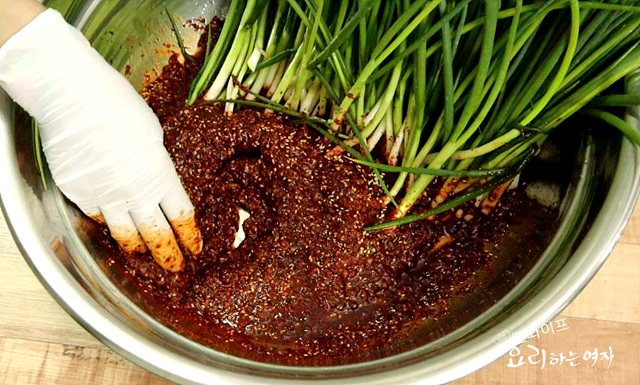
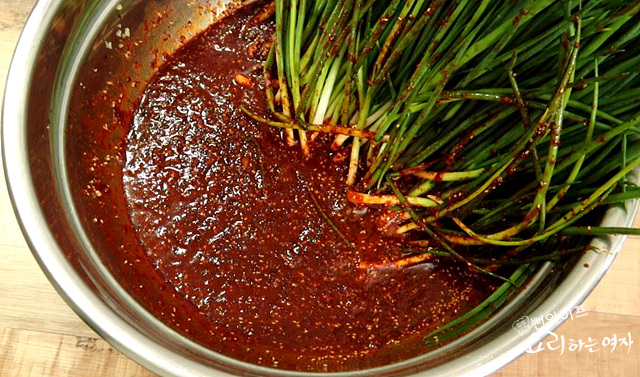
Mix thoroughly and let it sit for a short time so the seasonings meld and the gochugaru takes on a vibrant color, then spread the paste.
Adjust the thickness with broth so it spreads easily, taste the seasoning, and add more fish sauce if needed so it is not bland.
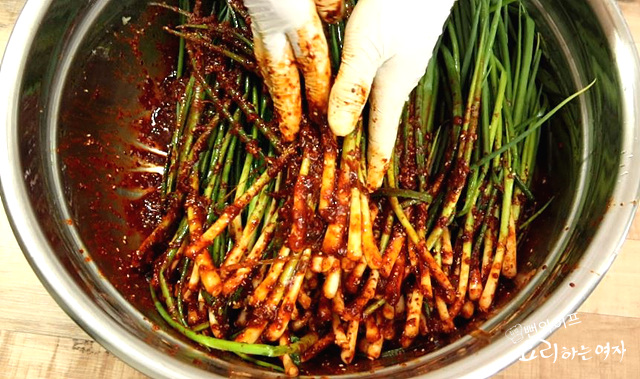
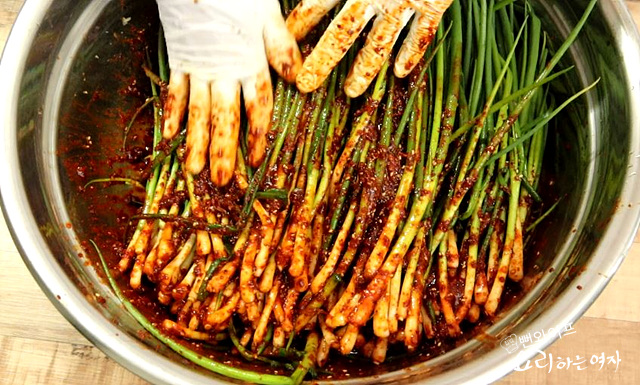
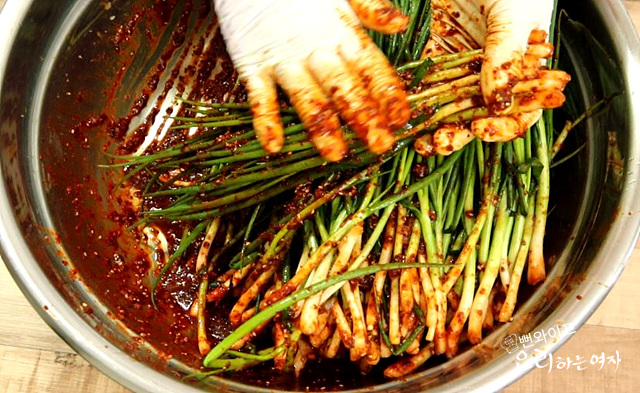
Since there is a large quantity of scallions, turn them over from top to bottom with both hands to coat them roughly all over with the seasoning.
Take about a handful at a time, arrange them neatly, and spread the seasoning evenly over them.
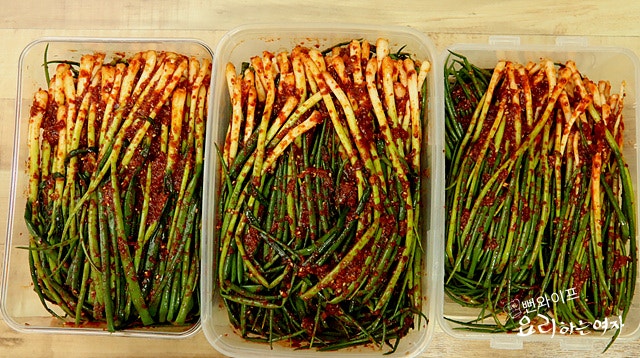
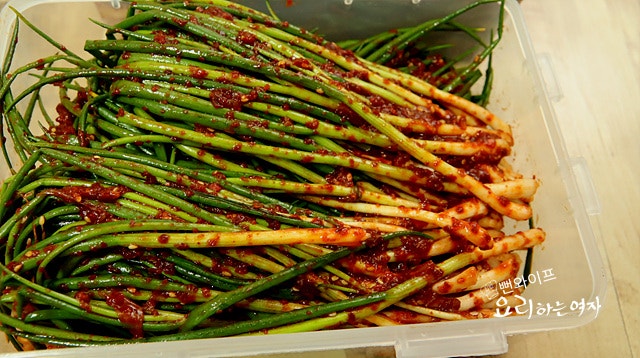
I packed them into a container; you can see the pa kimchi on the far right looks quite thin.
Because the thickness was uneven during trimming, I set the thin ones aside and simply tossed them in the seasoning at the very end.
If the stems and leaves are very thin, you can skip salting them and mix them right away, as they wilt quickly.
Even though trimming them takes work, making it like this and taking a bite melts in your mouth. It really melts.
 Ppunwife's tips
- Roasting the dried seafood until crisp in an air fryer, oven, or dry pan removes any fishy odor and gives you a deep, savory broth.
- Tilt the bowl slightly so the root ends sit lower, allowing the fish sauce to coat only the roots.
- If the stems and leaves are very thin, you can skip salting them and mix them right away, as they wilt quickly.
- Leaving it in the refrigerator overnight allows it to wilt down gently and soften, making it even more delicious.
FAQ
Why use anchovy broth instead of glutinous rice paste?
It lets you enjoy the fresh, unfermented aroma and crisp texture, while boosting the umami of the kimchi.
How can I adjust the seasoning if the fish sauce smell is too strong?
You can mix half fish sauce and half salted fermented shrimp (saeujeot), or use salted fermented shrimp alone. Adding glutinous rice paste instead of broth also makes the seasoning much milder.
Do thin or small scallions also need a long salting time?
If the roots are thin and small or the stems are slender, you can skip the salting step and toss them straight into the seasoning, as they wilt easily.