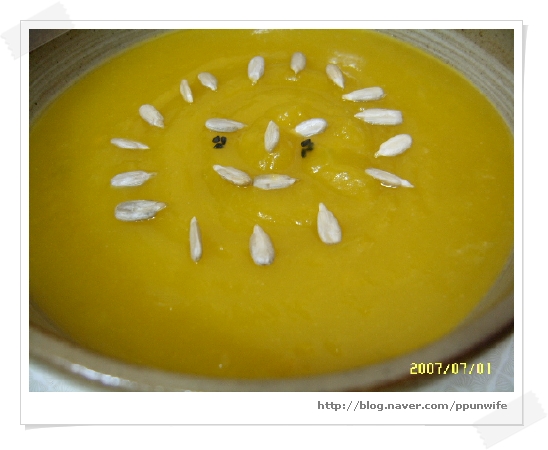
Two-Flavor Sikhye (Sweet Rice Punch) with Kabocha
A traditional Korean sweet drink made by fermenting barley malt water with rice in an electric rice cooker, served two ways by adding sweet kabocha squash.
Translated from Korean by AI and not yet checked by a native speaker. Amounts and numbers are taken directly from the original recipe. Read the Korean original →
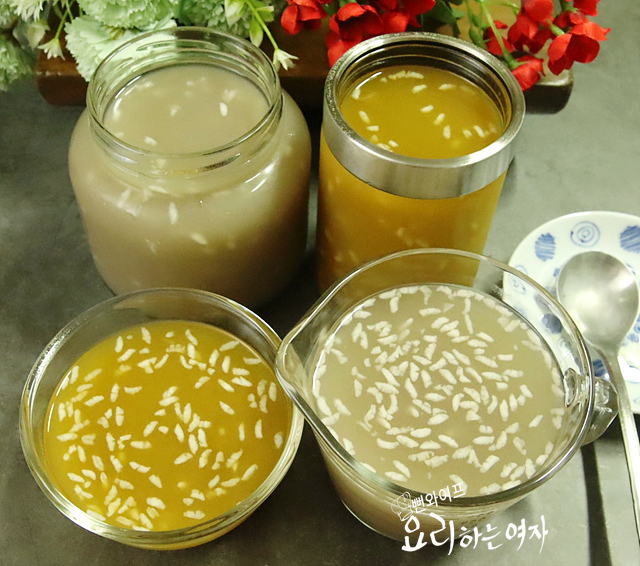
This Sikhye is easily fermented using an electric rice cooker and made rich and deeply savory by including the barley malt sediment. After boiling the base sikhye, blending in steamed kabocha squash gives you fragrant kabocha sikhye all in one go. It makes the perfect refreshing, palate-cleansing dessert after rich holiday foods.
- Servings
- about 10–12 servings
- Difficulty
- Medium
- Spiciness
- Not spicy
- Keeps
- 5 days
Ingredients
- Barley malt powder (yeotgireum)3 cups
- Cold cooked rice1 bowl, 150 g
- Kabocha squash1/2, 200 g (cooked)
- Bottled water3 L
- Sugar1 1/3 cups
- Salt1/2 tsp
- If you don't have cold cooked rice, you can use freshly cooked rice that isn't too wet.
- Pour 3 cups of barley malt powder into a bowl, add 10 cups of water, and let it steep for about 30 minutes for the first extraction.
- Kabocha squash is hard and tough to cut, so microwaving it for 1 to 2 minutes makes slicing it easy.
- Do not keep it in the refrigerator for too long; if storing for more than 5 days, I recommend freezing it.
Steps
Prepare the ingredients
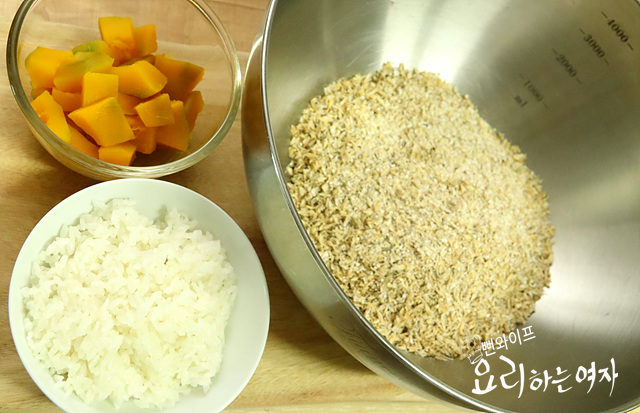
Prepare 3 cups of barley malt powder, 1 bowl of cold cooked rice, and 1/2 kabocha squash that has been peeled and cooked in the microwave.
Refer to the prep method for the kabocha squash below.
If you don't have cold cooked rice, you can use freshly cooked rice that isn't too wet.
Steep the barley malt powder
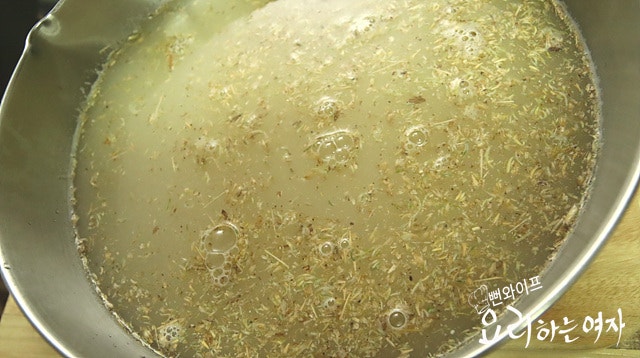
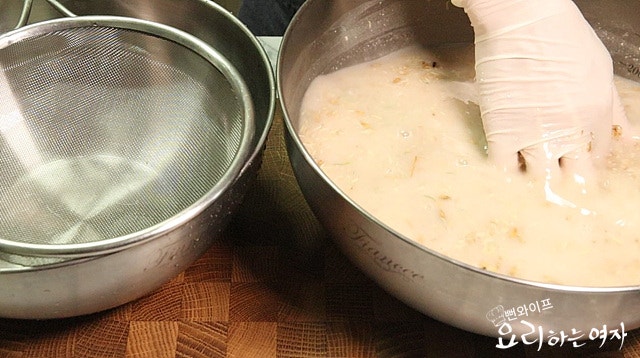
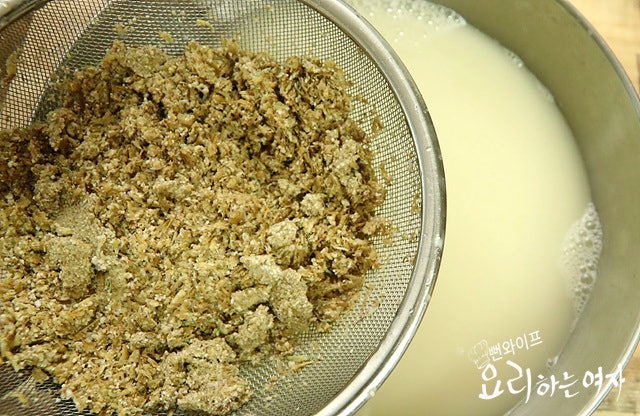
Pour 3 cups of barley malt powder into a bowl, add 10 cups of water, and let it steep for about 30 minutes for the first extraction.
It infuses better in slightly warm or lukewarm water, so you can boil some water, mix it with cold water to make it warm, and pour it in.
Rub the mixture with your hands until the liquid turns milky white, then strain it through a fine mesh sieve to collect the water.
Place the strained barley malt solids into another bowl, pour in 5 cups of water for the second extraction, and then discard the dregs.
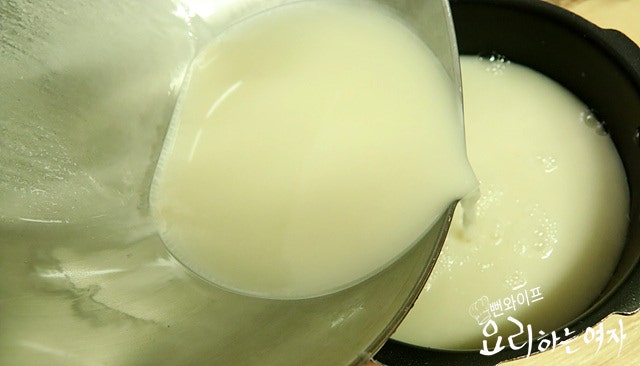
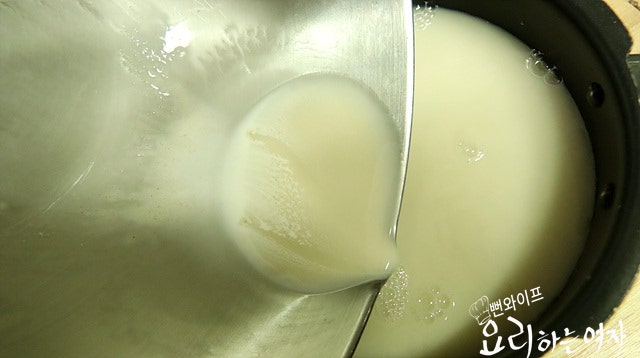
Pour an appropriate amount of the steeped barley malt water from the first and second extractions into the rice cooker, including all of the sediment.
Discard any remaining coarse residue if you see it at the end.
Keep the leftover barley malt water that does not fit into the rice cooker aside for later.
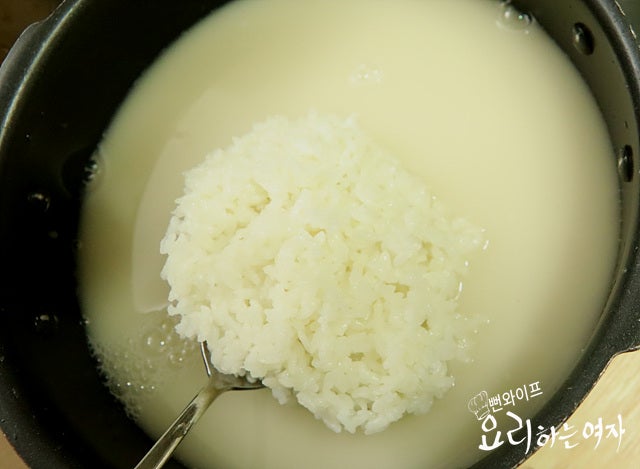
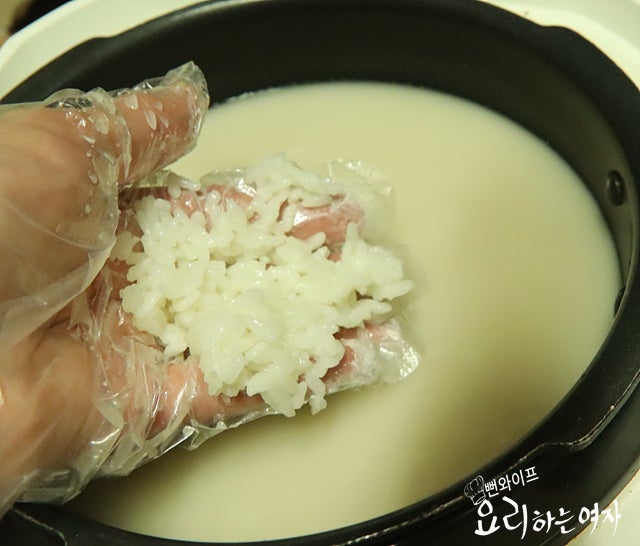
Add a bowl of rice as well.
Gently break up the clumped rice grains without mashing them, and leave the rice cooker on the keep-warm setting for 2 to 3 hours.
Prepare the kabocha squash
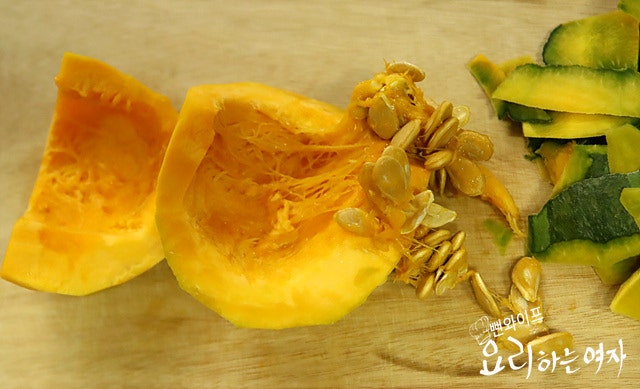
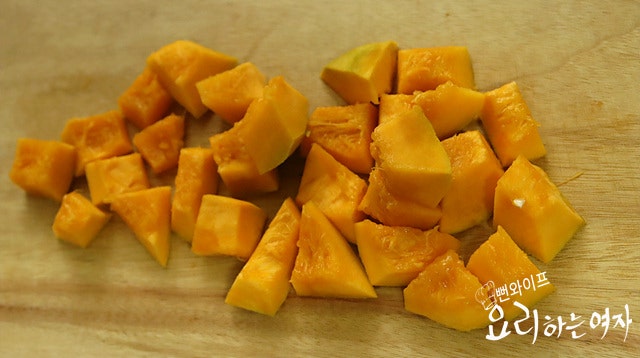
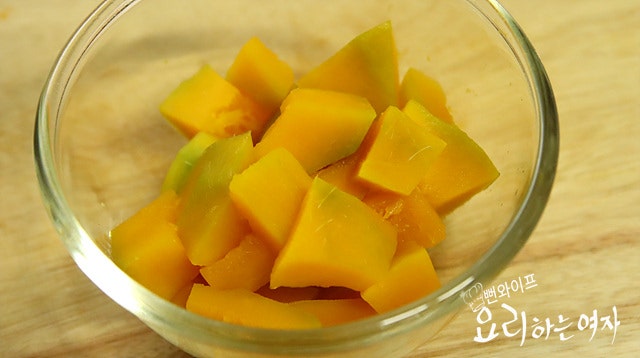
Peel the kabocha squash, remove the seeds, and roughly cut it into cubes.
It is hard and difficult to cut, so microwaving it for 1 to 2 minutes makes it easier to slice.
Microwave the kabocha for 3 to 4 minutes until it is cooked through.
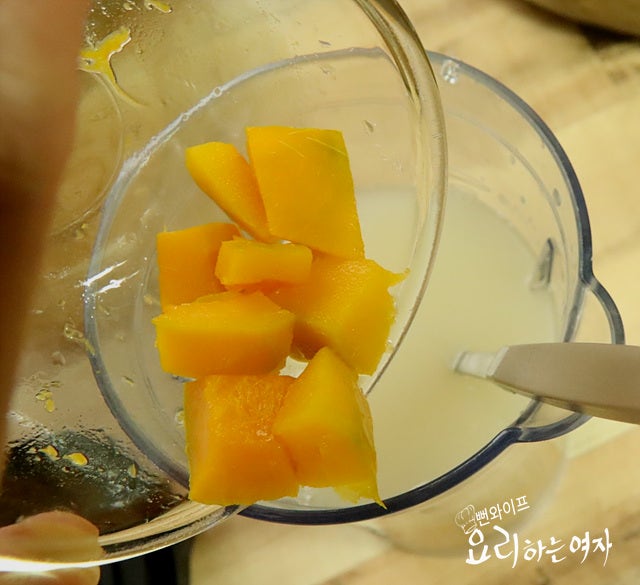

Pour in 2 to 3 cups of the reserved steeped barley malt water and blend until smooth in a blender.
Ferment the rice
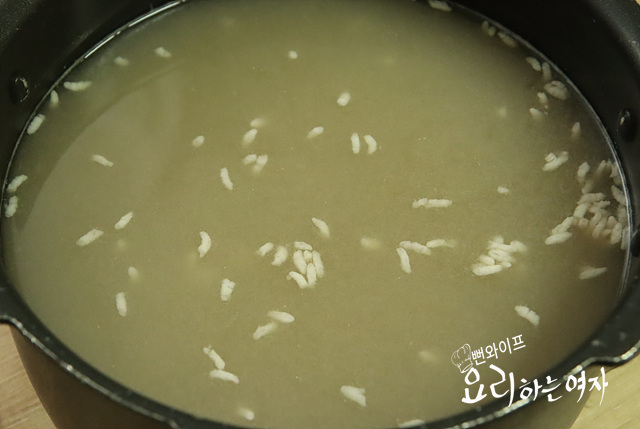
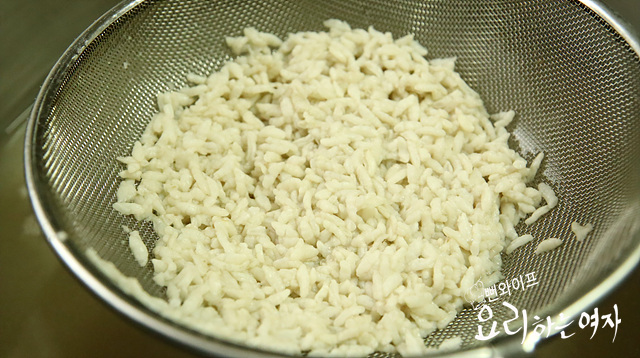
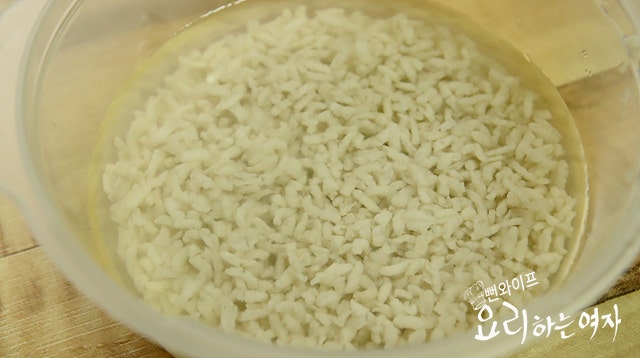
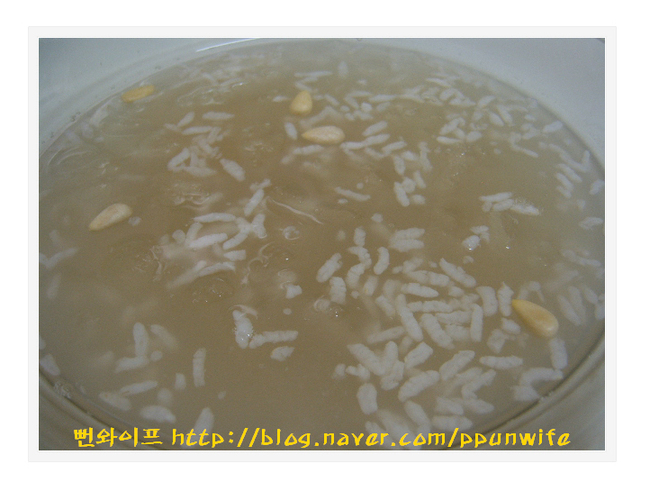
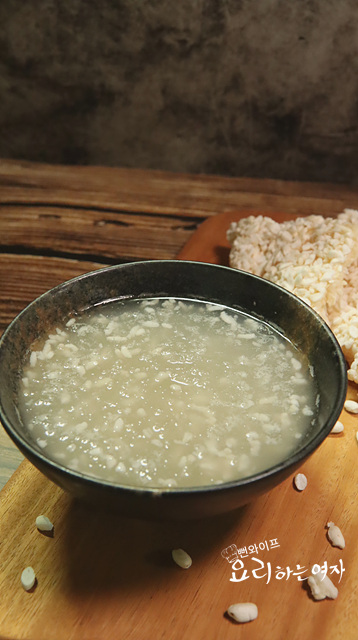
After about 2 hours and 30 minutes, many rice grains have floated to the surface.
Taste a grain of rice that hasn't floated; if it chews softly with no hard core, it is done.
To make the rice grains float nicely when serving sikhye, scoop out a portion before boiling, rinse them in cold water, and store them straight in the refrigerator.
Boil
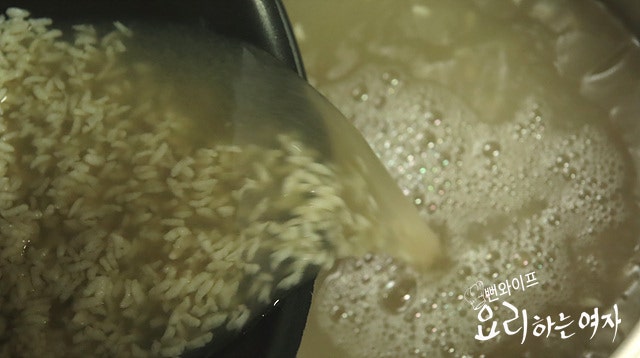
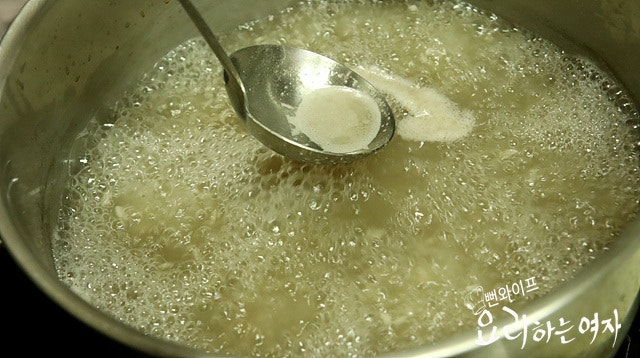
Pour the fermented barley malt water from the rice cooker into a pot, and pour in the reserved barley malt water as well.
Turn the heat to high, and once it comes to a rolling boil, neatly skim off any foam that rises to the top.
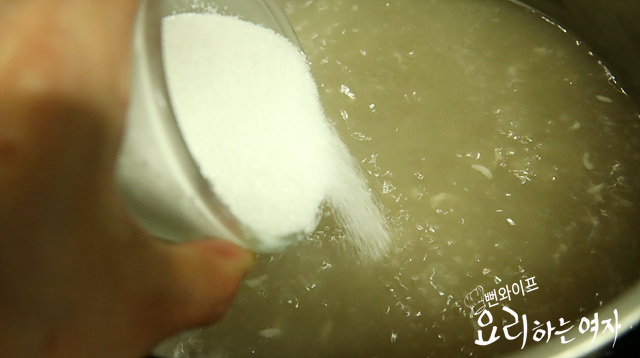
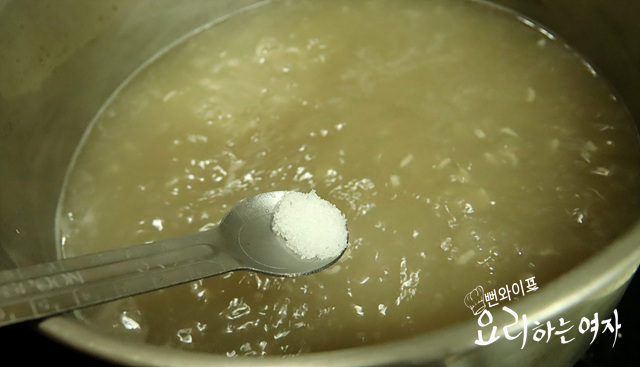
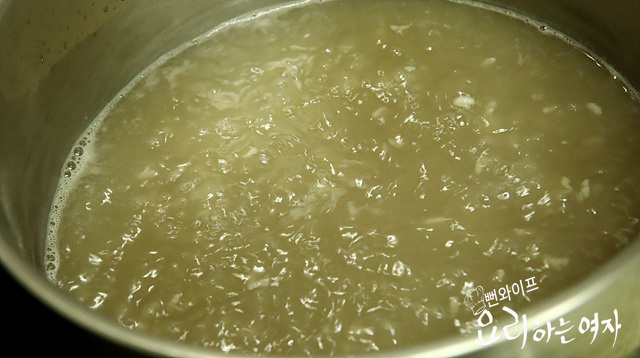
Add 1 1/3 cups of sugar and 1/2 tsp of salt, then taste.
Adjust by adding more sugar to your liking, and simmer gently for about 8 minutes so the raw barley malt smell disappears.
Make kabocha sikhye
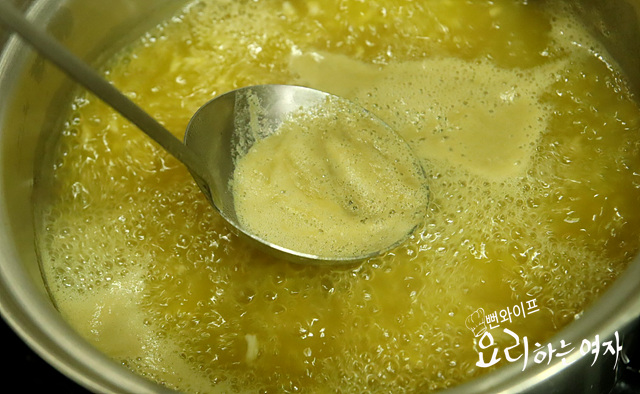
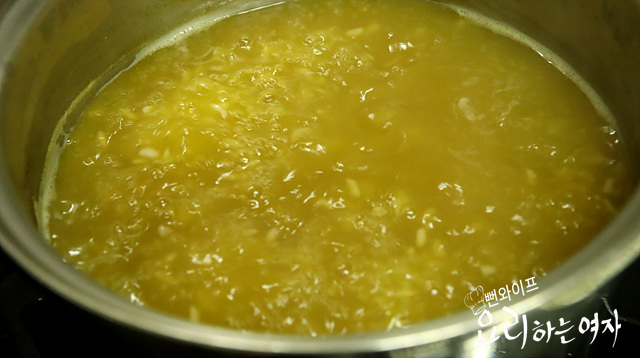
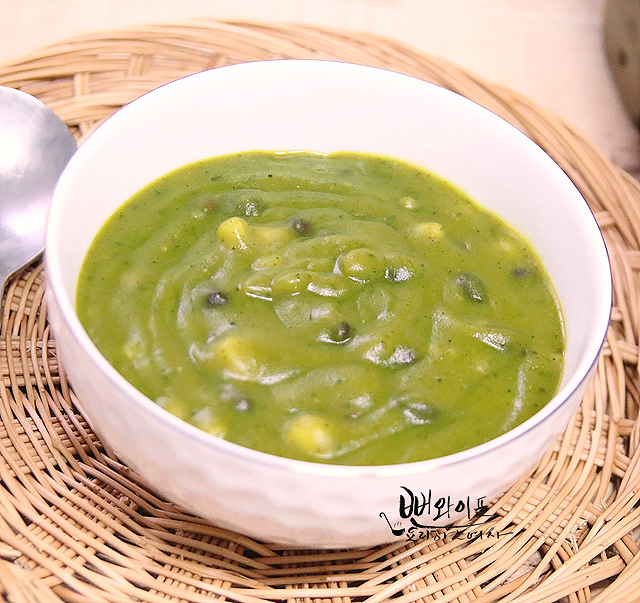
Ladle out half of the boiled sikhye, pour in the blended kabocha squash, and boil for 2 to 3 minutes longer to finish a super simple kabocha sikhye.
Since no sweetness was added to the barley malt water used for blending the squash, it might taste a bit bland. Just add a little extra sugar and boil it a bit more.
Finish
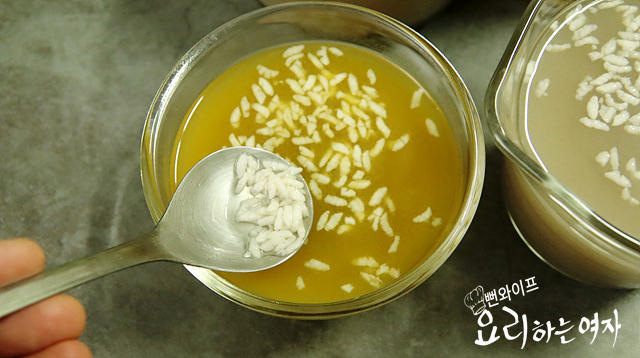
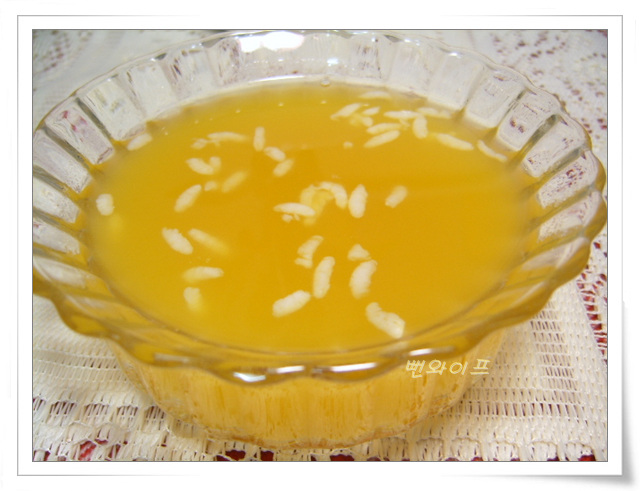
Before drinking the sikhye, float the fermented rice kept in the refrigerator on top, and it will drift beautifully on the surface.
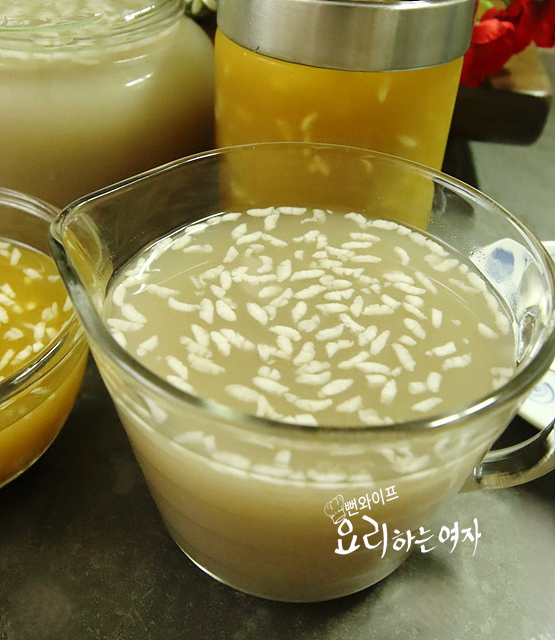
Sikhye made using the sediment as is has a deep flavor and color, offering an exceptional, rich and nutty taste.
It tastes just like the old-fashioned sikhye mom used to make.
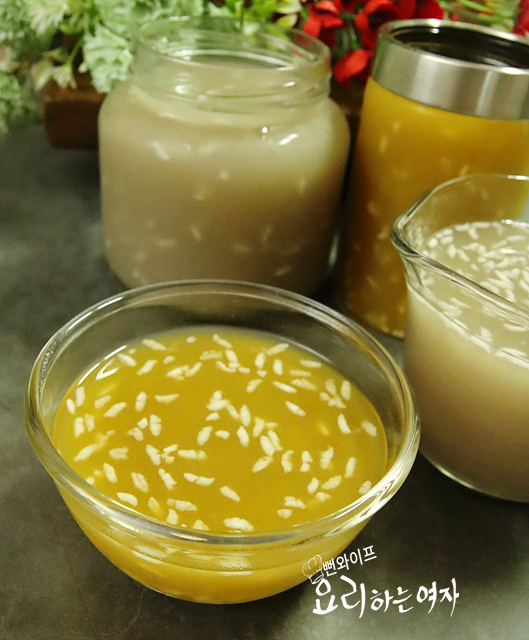
The aroma and flavor of the kabocha squash feel so unique, and the color of the kabocha sikhye is truly gorgeous.
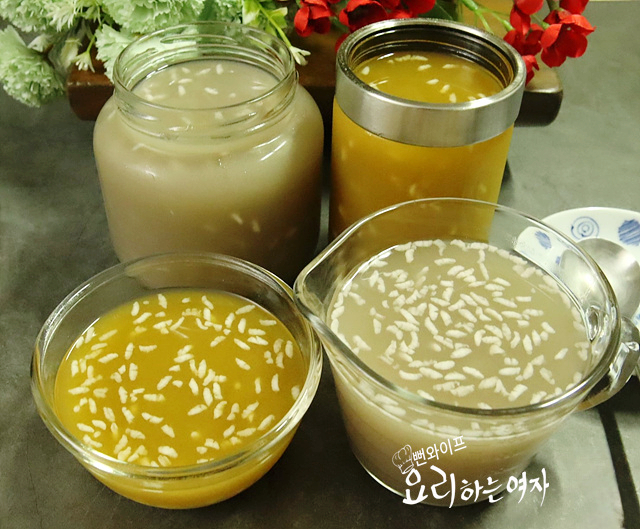
Once you make barley malt sikhye and quickly blend kabocha into half of it at the end, you get two styles of sikhye in no time.
Making it without waiting for the sediment to settle makes it so effortless and convenient.
Do not keep it in the refrigerator for too long; if storing for more than 5 days, I recommend freezing it.
Homemade sikhye made with your own hands without additives is wonderfully cool and delicious.
 Ppunwife's tips
- It infuses better in slightly warm or lukewarm water, so you can boil some water, mix it with cold water to make it warm, and pour it in.
- To make the rice grains float nicely when serving sikhye, scoop out a portion before boiling, rinse them in cold water, and store them straight in the refrigerator.
- Since no sweetness was added to the barley malt water used for blending the squash, it might taste a bit bland. Just add a little extra sugar and boil it a bit more.
FAQ
How do you make the rice grains float on top of sikhye?
After fermenting in the rice cooker and before boiling the whole batch, scoop out a portion of the rice grains, rinse them in cold water, and keep them refrigerated. Float them on top right when serving.
How long can you store and drink sikhye?
It is best not to keep it in the refrigerator for too long. If you plan to store it for more than 5 days, freezing it is recommended.
What kind of rice should I use if I do not have cold cooked rice?
If you do not have cold cooked rice ready, you can use freshly cooked rice that is slightly firm and not too wet.
What is the difference when you include the barley malt sediment instead of letting it settle?
If you let the sediment settle and use only the clear upper liquid, the sikhye turns out clear and clean. If you include the sediment, the liquid becomes richer, with a heavier, deeper, and more savory flavor.