Sweet Sikhye (Sweet Rice Punch) for the Holidays
A sweet and clean-tasting traditional drink made by fermenting leftover cold cooked rice and barley malt water in a rice cooker, then boiling it.
Translated from Korean by AI and not yet checked by a native speaker. Amounts and numbers are taken directly from the original recipe. Read the Korean original →
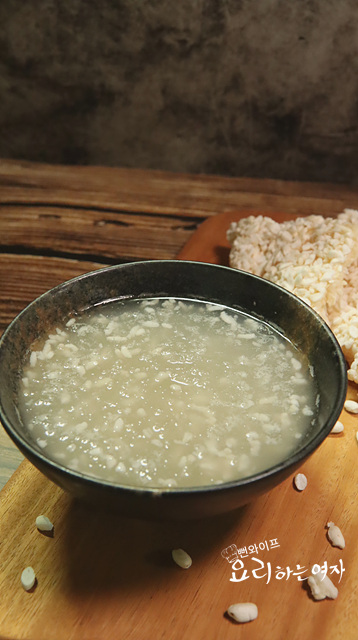
This traditional drink is made by adding cold cooked rice to water steeped with barley malt powder, fermenting it using the keep-warm function of an electric rice cooker, and then boiling it. Letting the sediment settle properly gives it a clear, clean flavor, and because it is not overly sweet, it is wonderfully refreshing after a rich holiday meal.
- Servings
- about 8–10 servings
- Cook time
- 10 minprep not included
- Difficulty
- Medium
- Spiciness
- Not spicy
Ingredients
- Barley malt powder (yeotgireum)3 cups (240 g)
- Cold cooked rice1 bowl
- Bottled water3 L
- Sugar1 1/2 cups
- Salt1/2 tsp
- Pour 10 cups of bottled water over the barley malt powder and soak for 30 minutes to 1 hour so the milky liquid is extracted.
- Rice cooked on the drier, firmer side ferments better for sikhye, but any rice is fine as long as it is not too sticky or wet.
Steps
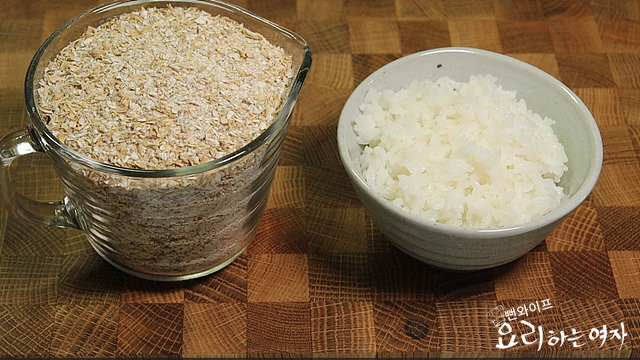
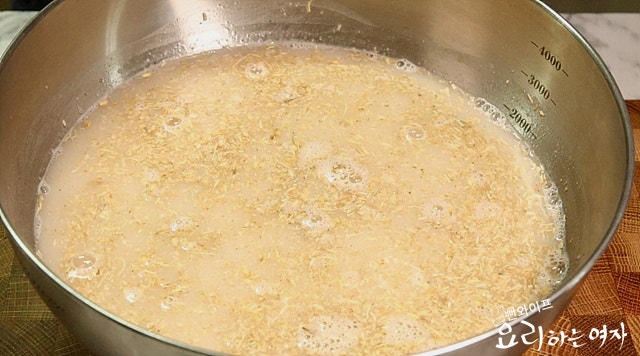
I prepared 3 cups of barley malt powder (yeotgireum) and 1 bowl of cold cooked rice.
Rice cooked on the drier, firmer side ferments better for sikhye, but any rice is fine as long as it is not too wet.
Rice that has sat for a while loses some moisture, which I find makes it great for sikhye.
First, let's extract the barley malt water.
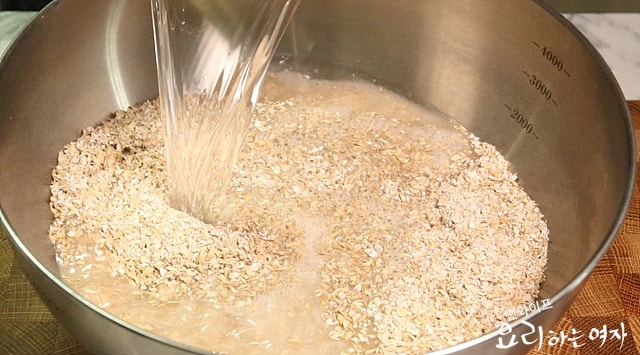
Pour 10 cups of bottled water over the barley malt powder and let it soak so the milky liquid comes out.
Soak for 30 minutes to 1 hour; using lukewarm water extracts it even better.
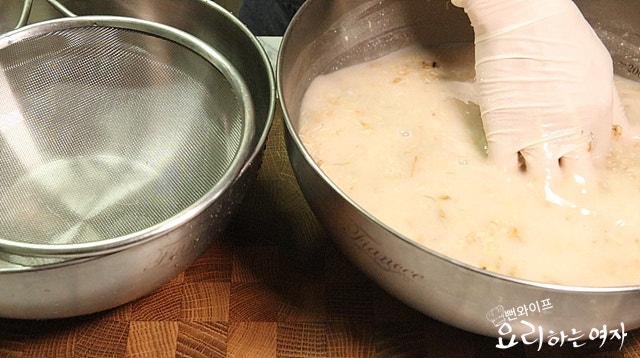
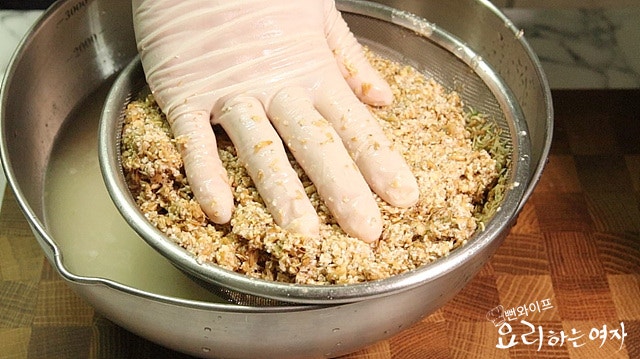
Strain through a fine mesh strainer or cotton cloth, pressing lightly to collect the barley malt water.
Do not throw away the barley malt powder because we will extract it once more.
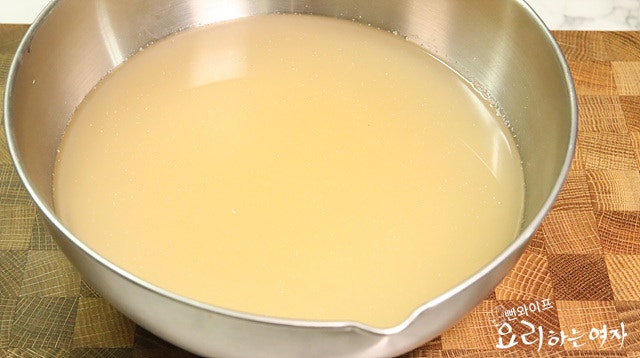
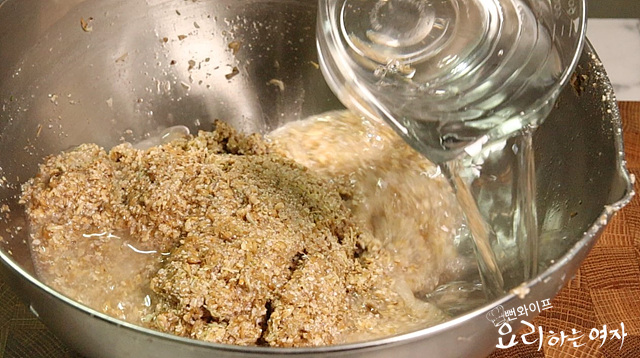
Let it sit undisturbed for about 30 minutes so the sediment settles to the bottom.
For the second extraction, pour in 5 cups of bottled water and let it steep.
Steep this for about 30 minutes as well, strain it through a sieve, and then leave it still so the sediment settles.
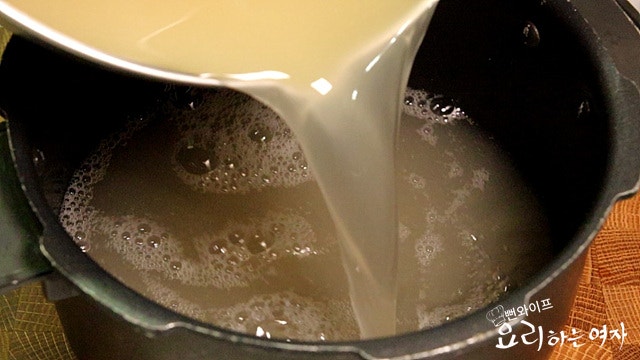
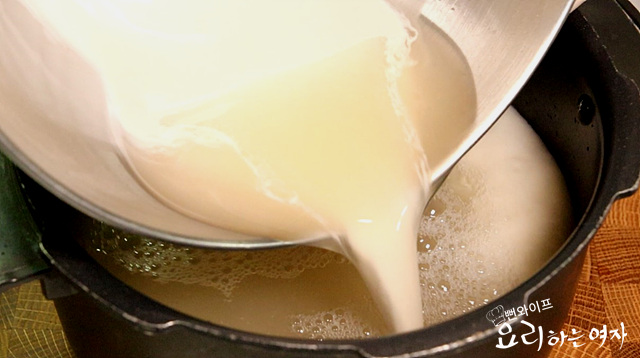
Pour the first batch of barley malt water into the rice cooker, pouring carefully so the settled sediment does not go in.
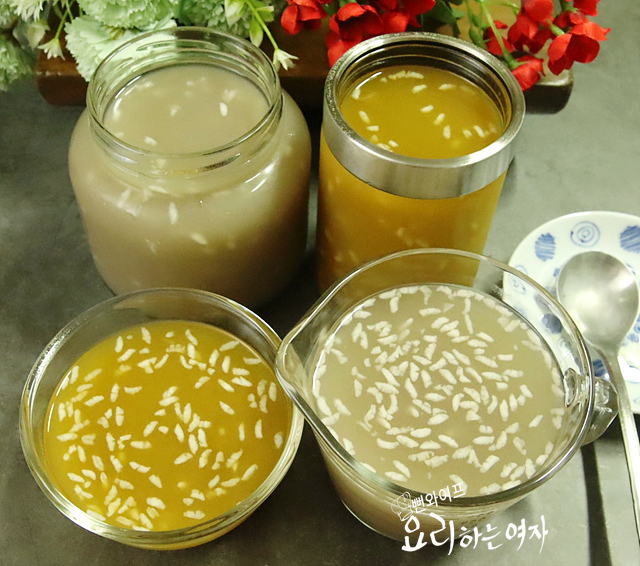
If you want a clear, translucent sikhye, try to keep the sediment out as much as possible.
If you prefer a nutty and richer sikhye flavor, you can let some of the sediment in.
Adding too much will make it taste chalky and look murky, so only add up to the sediment that naturally trails in.
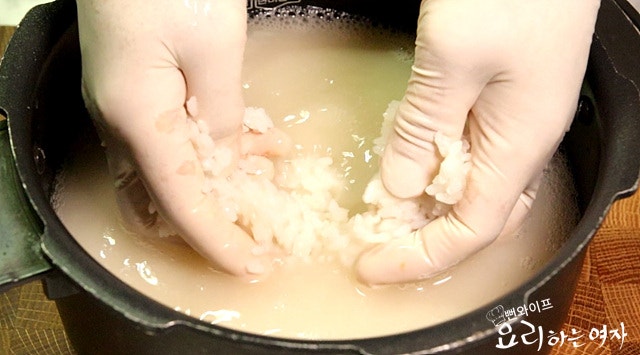
Add the rice and break up the clumps.
Pour in the second batch of barley malt water as well, and set aside any barley malt water that does not fit if your rice cooker is small.
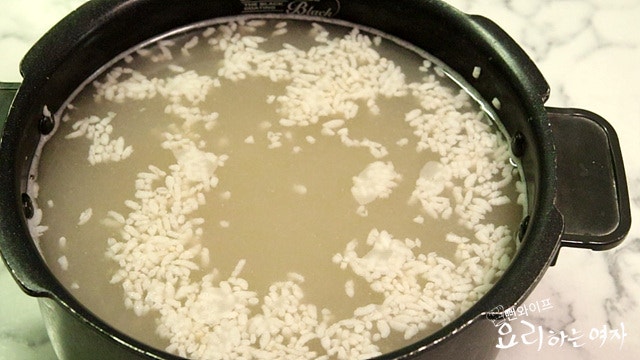
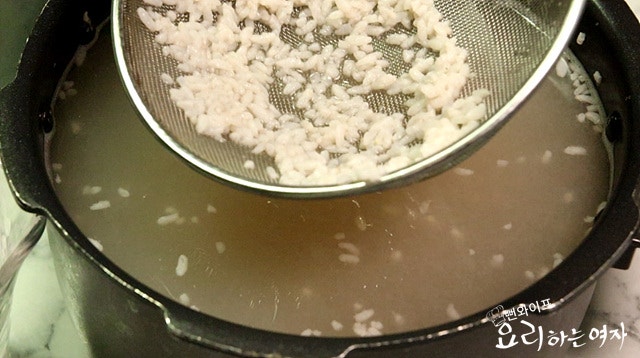
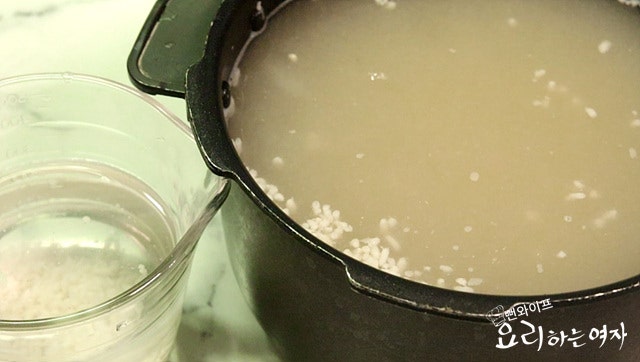
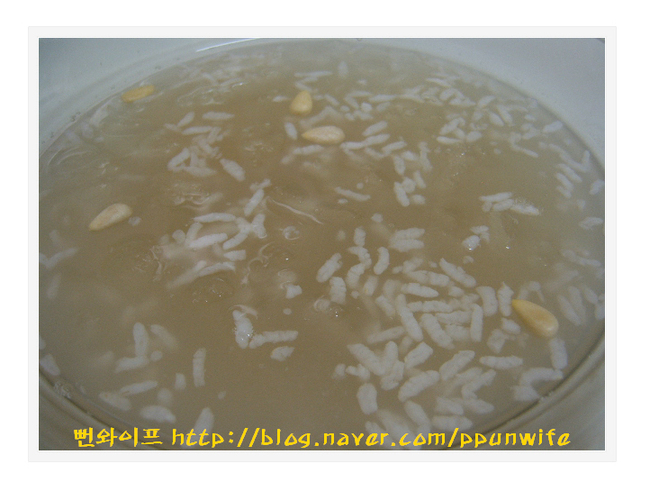
Set the rice cooker to the keep-warm function, and in about 2 hours 30 minutes to 3 hours, grains of rice will float to the top as shown in the picture.
When this happens, the rice grains are almost completely fermented.
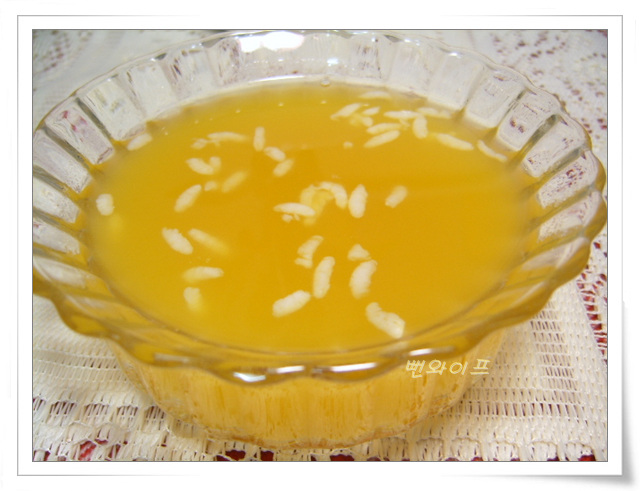
If you want the rice grains to float nicely when serving, scoop them out, rinse them in cold water, and float them on top just before drinking.
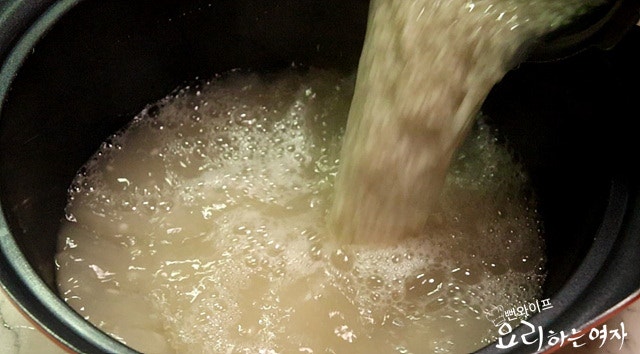
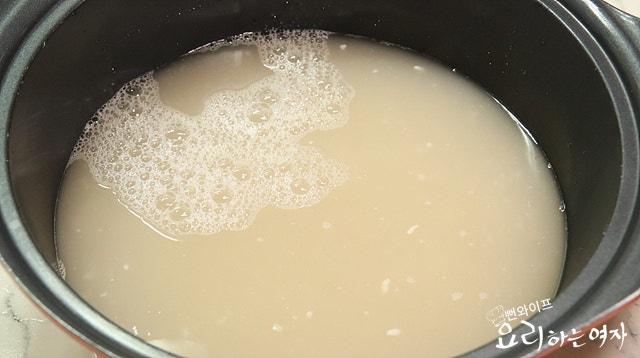
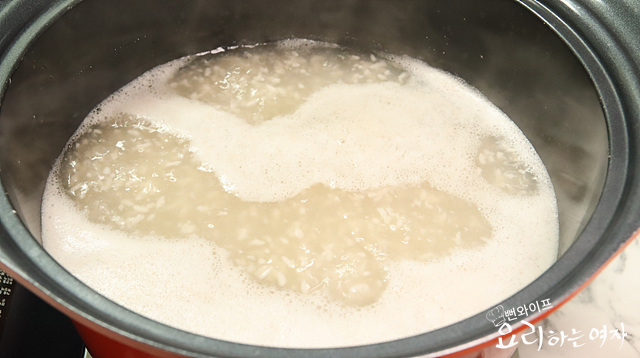
Pour the fermented barley malt water from the rice cooker and all the leftover barley malt water from the second extraction into a pot, and bring to a rolling boil.
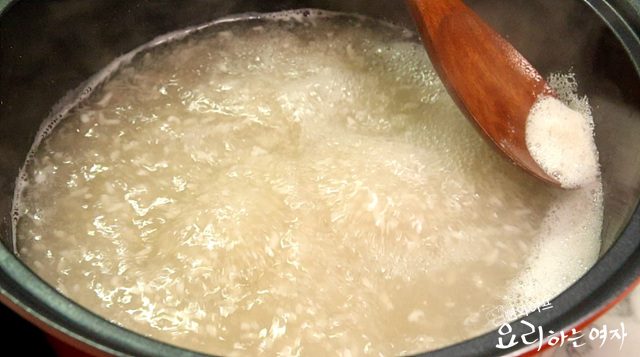
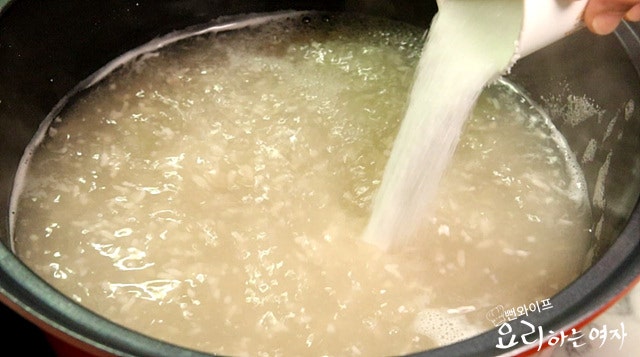
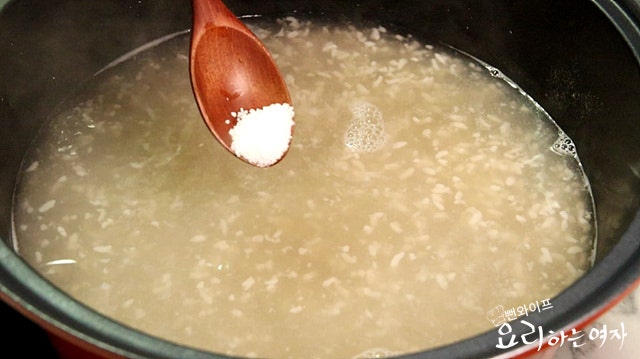
Skim off the foam that forms while boiling, and adjust the sweetness by adding sugar and a little salt.
A very small amount of salt helps enhance the sweetness.
Simmer gently over low heat for 5 minutes to 10 minutes so there is no raw malt smell, and it is done.
 Ppunwife's tips
- Using lukewarm water extracts the barley malt powder even better when soaking.
- If you want a clear, translucent sikhye, keep the sediment out as much as possible; if you prefer a nutty and rich sikhye flavor, you can add some sediment.
- To make the rice grains float, scoop them out, rinse them in cold water, and float them on top right when serving the sikhye.
- A very small amount of salt helps enhance the sweetness.
FAQ
How do I make the rice grains float?
Scoop out the fermented rice grains from the rice cooker in advance, rinse them in cold water, and float them on top of the finished sikhye right before serving.
How do I adjust between a clear sikhye and a rich, nutty sikhye?
Pour only the clear top liquid without the settled sediment for a clear drink, or mix in some sediment if you want a richer, nutty flavor.
Why is salt added during the boiling step when sweetening?
Adding a small pinch of salt along with the sugar helps bring out and enhance the sweetness.
What kind of rice is best for making sikhye?
Rice that is slightly dry or firm ferments well because it has lost excess moisture, so using cold cooked rice that is not too wet works best.