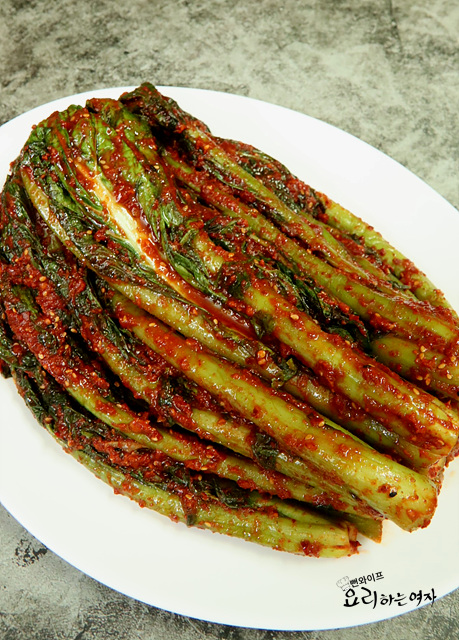
Godeulppaegi Kimchi (Bitter Lettuce Kimchi)
An autumn kimchi made by fermenting bitter lettuce in brine to mellow its bitterness, then tossing it in a sweet and savory seasoning.
Translated from Korean by AI and not yet checked by a native speaker. Amounts and numbers are taken directly from the original recipe. Read the Korean original →
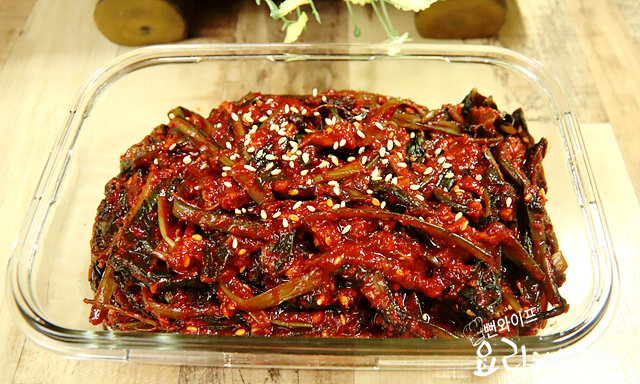
Ferment in-season godeulppaegi (crepidiastrum) in brine to soften its harsh bitterness, then toss it in a sweet and savory seasoning. Instead of glutinous rice paste, rich anchovy broth is used to bring out savory depth while preventing sour notes from developing through fermentation. Age it in the refrigerator for about a day, and the seasoning will soak in thoroughly to make a wonderful autumn side dish.
- Servings
- about 10–12 servings
- Difficulty
- Medium
- Spiciness
- Spicy
Ingredients
Ingredients
- Godeulppaegi (crepidiastrum)3 bunches, 3 kg
- Coarse sea salt3 cups
- Water30 cups
Seasoning
- Anchovy broth4 cups
- Gochugaru (Korean chili flakes)5 cups
- Sand lance fish sauce (or dried anchovies)2 cups
- Minced garlic1 1/2 cups
- Minced ginger2 tbsp
- Rice syrup (jocheong) (or corn syrup (mulyeot), green plum syrup (maesil-cheong))2 cups
- Sugar1/3 cup
- Toasted sesame seeds1/2 cup
- You can also add about half a bunch of scallions (jjokpa).
- If you bought one bunch, reduce the ingredients and seasoning to 1/3.
Steps
Clean the bitter lettuce
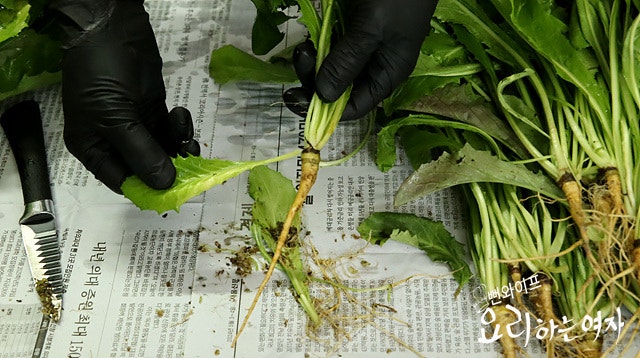
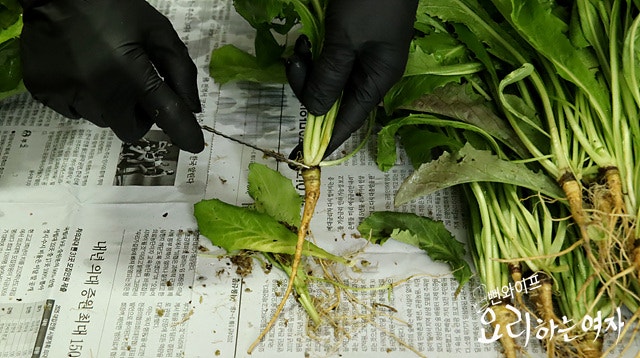
Remove any yellowed outer leaves and scrape down the root surface.
The junction between the stems and roots especially gathers a lot of dark dirt and debris. Scrape or trim it away with a knife.
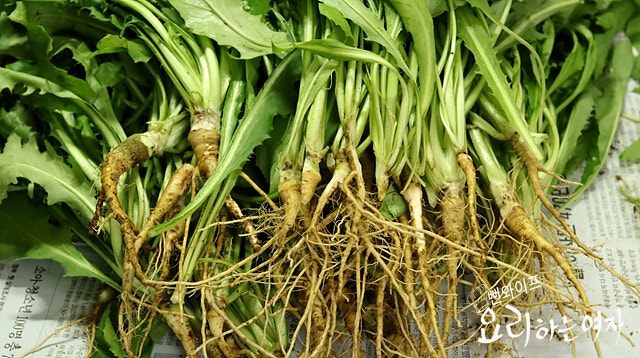
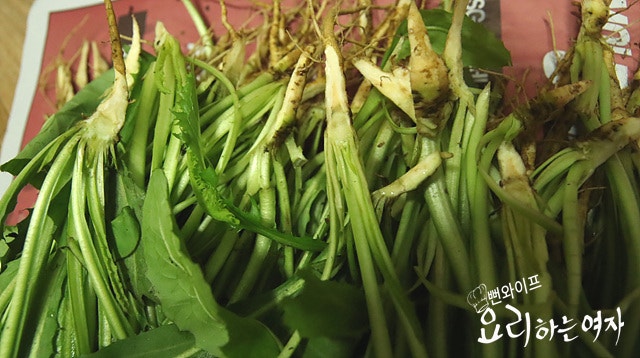
A milky sap comes out of the trimmed roots, which is said to contain saponin, like ginseng, and inulin, which is good for diabetes.
It will turn black as time passes, but that is perfectly fine.
Split thick roots lengthwise into bite-size pieces.
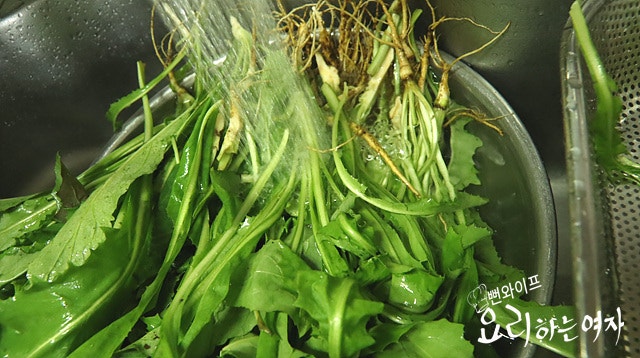
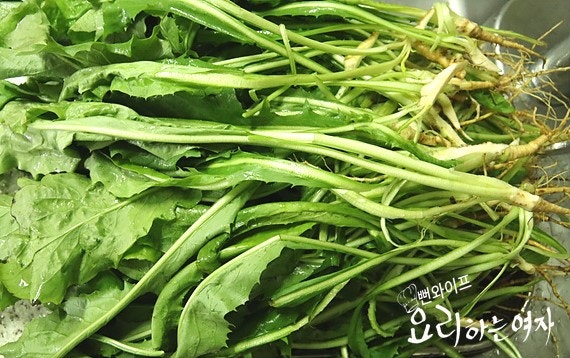
Soak in water for about 10 minutes so any remaining debris loosens and dissolves, then rinse thoroughly under running water and drain in a colander.
Ferment in brine

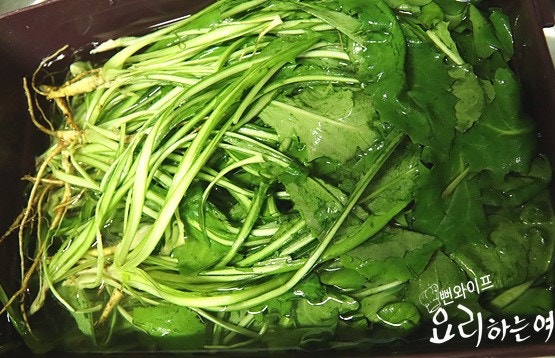
Dissolve 3 cups coarse sea salt in 30 cups water.
When the weather is warm, it must ferment in strong brine so it does not spoil.
Add the bitter lettuce and spread it evenly so it does not clump to one side.
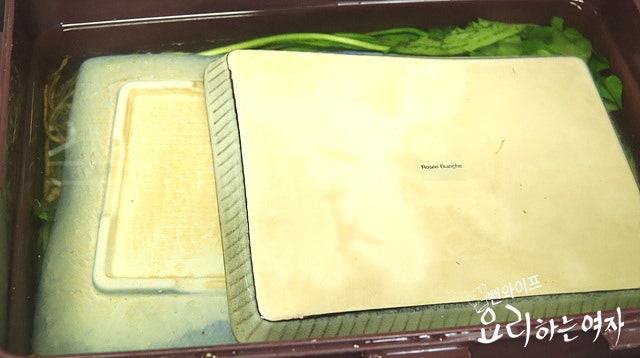
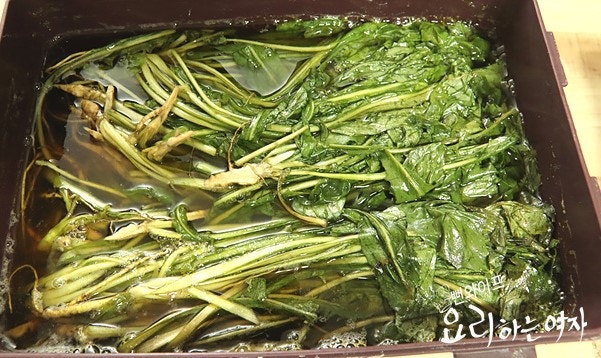
Place a plate or stone on top so the godeulppaegi does not float above the brine.
As it ferments at room temperature for 3 days, the bitterness leaches out and the water turns dark.
It is very important to check during fermentation that nothing has surfaced above the brine.
If part of the godeulppaegi spoils, it will affect the water and ruin the whole batch.
You do not necessarily have to ferment it for 3 days; if you chew a piece after a day or two and find the bitterness is just right, rinse it right away and make the kimchi.
Desalt
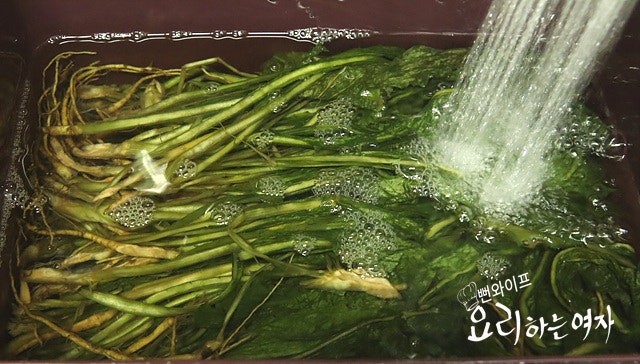
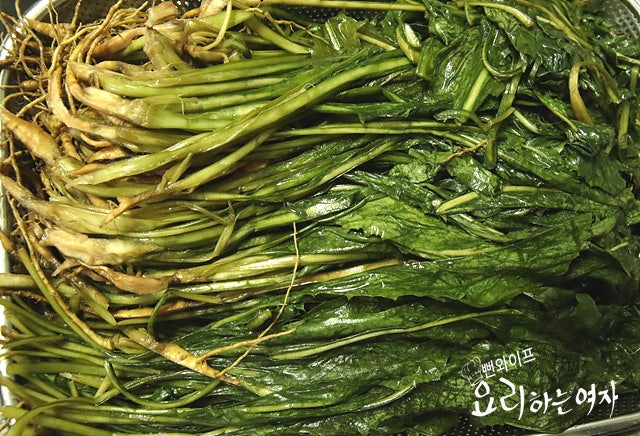
Once the bitterness has sufficiently leached out, rinse multiple times in fresh water to remove excess salt.
Soak in water for 30 minutes or longer until it tastes pleasantly mild when chewed, letting the salt drain away.
Drain roughly in a colander, then press firmly with your hands to squeeze out almost all remaining moisture.
If too much water remains, it will dilute the seasoning and reduce its shelf life.
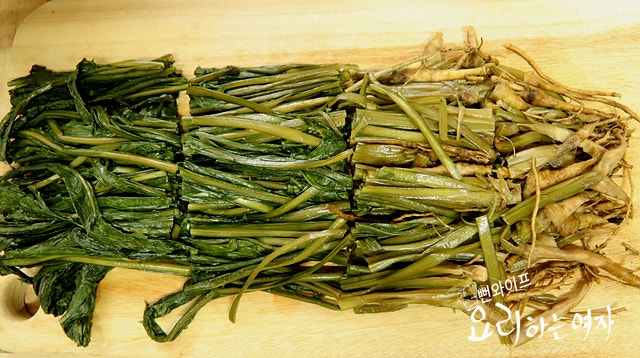
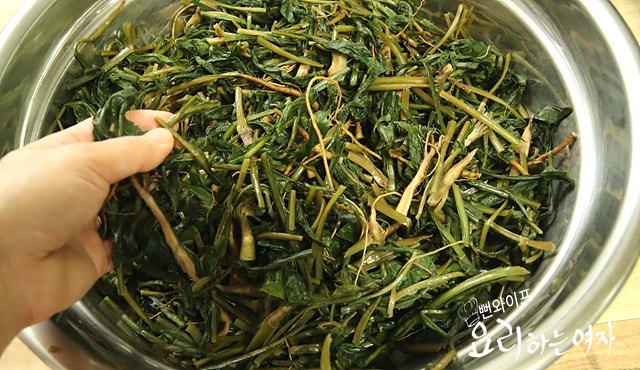
Cut into bite-size lengths and shake apart any clumped leaves.
Make the seasoning
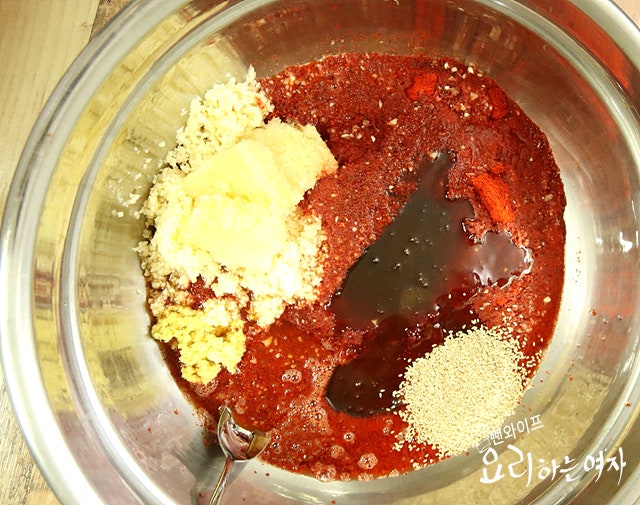
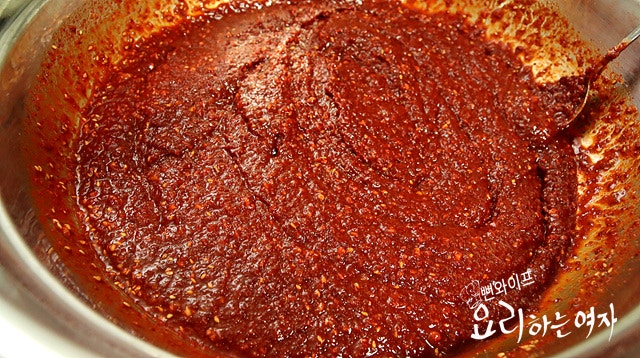
Combine all the seasoning ingredients and let sit for about 30 minutes so the flavors meld.
Mixing in a little fine gochugaru (Korean chili flakes) gives the paste a nicer color and helps it coat more smoothly.
If you do not have fine flakes, grind regular gochugaru finely in a blender, or simply let the mixed seasoning sit longer to hydrate.
Dip a bit of bitter lettuce into the seasoning to taste it. If it tastes sweet and savory without being bland when chewed, the seasoning is ready.
Adjust the amount of fish sauce based on how much salt remains in your bitter lettuce.
Toss with the seasoning
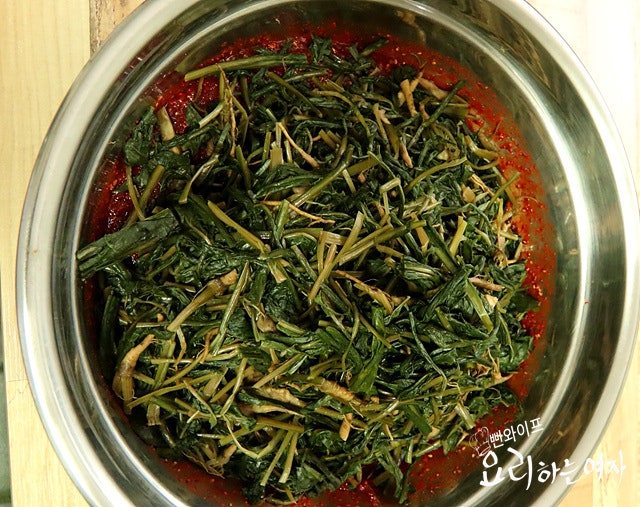
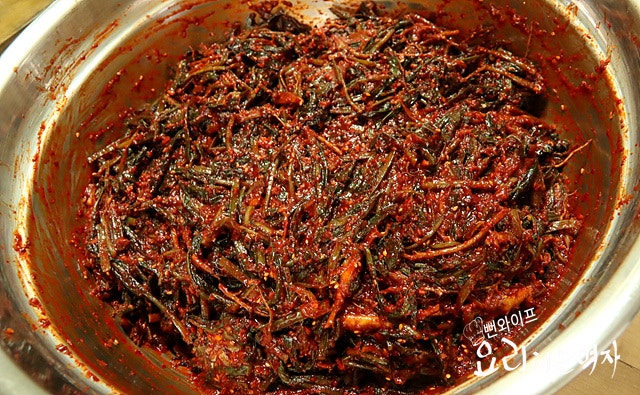
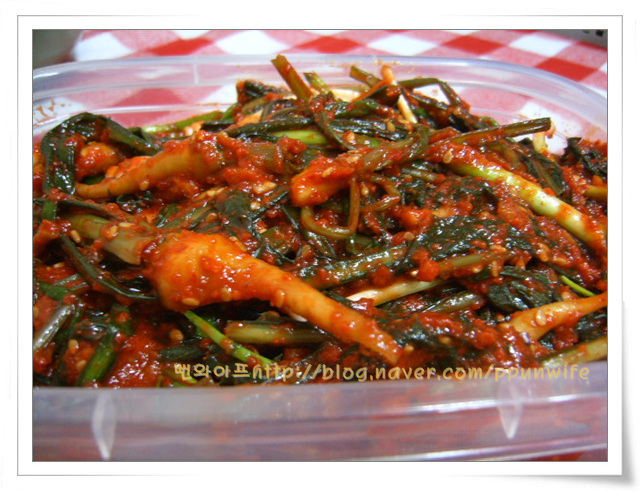
Add the bitter lettuce to the prepared seasoning and coat everything evenly.
The seasoning should cling tightly to the greens, leaving them slightly moist.
If it feels too thick and you want to add more anchovy broth, adjust the fish sauce or sugar accordingly to balance the seasoning.
Finish
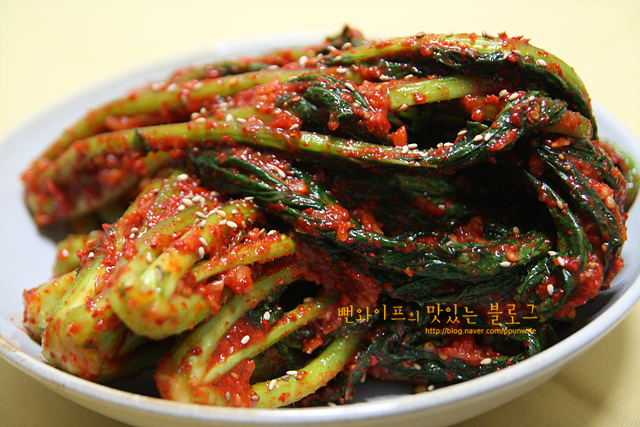
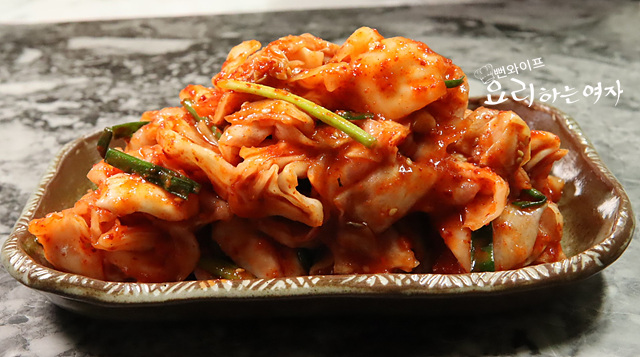
I plated this right after making it, but if you eat it right away, the greens and seasoning feel a bit separate.
Let it sit in the refrigerator for a day before eating, and the seasoning will cling perfectly for delicious godeulppaegi kimchi.
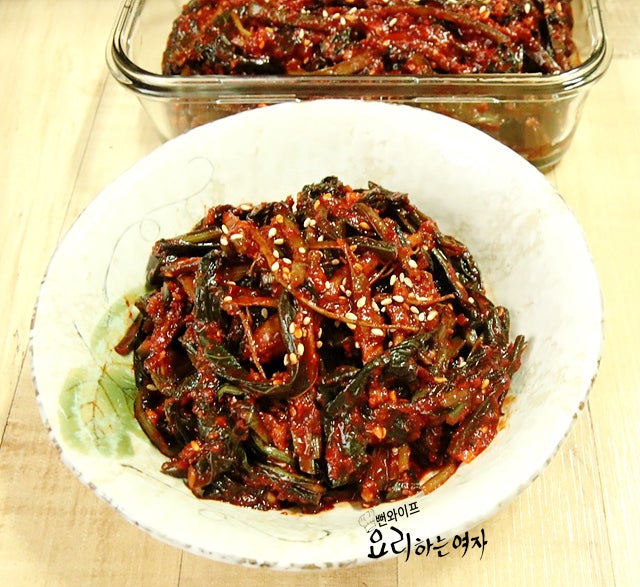
The bitterness of the bitter lettuce stimulates the appetite and pairs wonderfully with the sweet and savory kimchi seasoning.
Because developing a sour flavor from prolonged fermentation ruins its distinct taste, make it with a rich anchovy broth instead of glutinous rice paste to minimize souring.
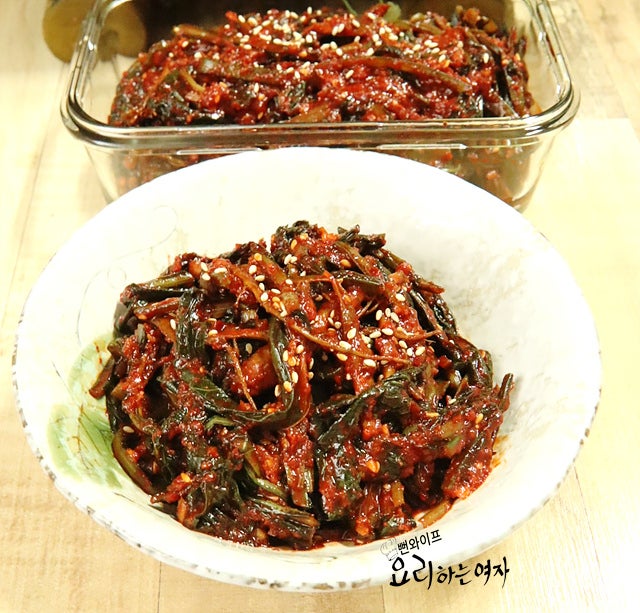
I always end up talking much more when sharing kimchi recipes than other side dishes or soups.
Many people find kimchi intimidating, so when readers take the leap to try it, I worry they might fail.
Everything seems hard the first time, but once you do it, it is really nothing at all.
If you come across in-season bitter lettuce, do not pass it by; bring it home happily and be sure to make this delicious kimchi.
 Ppunwife's tips
- Weigh down the bitter lettuce with a plate or a clean stone so it does not float above the brine, and check regularly to make sure nothing has surfaced.
- Press firmly with your hands to remove excess moisture so the seasoning does not get diluted and shorten its shelf life.
- Because sourness from aging spoils its signature flavor, use a rich anchovy broth instead of glutinous rice paste to minimize fermentation.
FAQ
How many days should I ferment the bitter lettuce to remove its bitterness?
It is usually fermented in brine at room temperature for about 3 days, but you can taste a piece after a day or two and rinse it right away to make kimchi if the bitterness has pleasantly mellowed.
Why isn't glutinous rice paste used in the kimchi seasoning?
Godeulppaegi kimchi loses its unique character once it turns sour from fermentation, so rich anchovy broth is used instead of glutinous rice paste to slow the fermentation process.
Can I eat it right after making it?
Right after tossing, the seasoning and greens may feel slightly separate, so it is best to let it rest in the refrigerator for about a day so the seasoning absorbs thoroughly before eating.
What should I do if I don't have fine gochugaru?
You can grind regular gochugaru finely in a blender, or simply let the mixed seasoning rest a bit longer so the flakes hydrate and spread more smoothly.