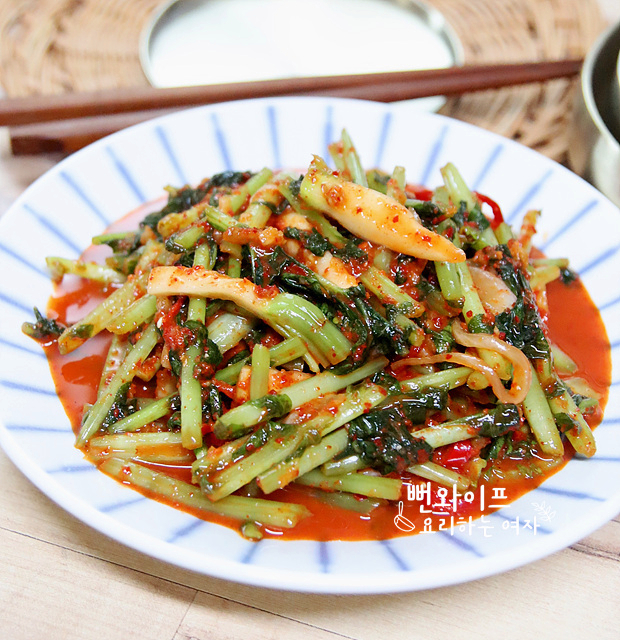
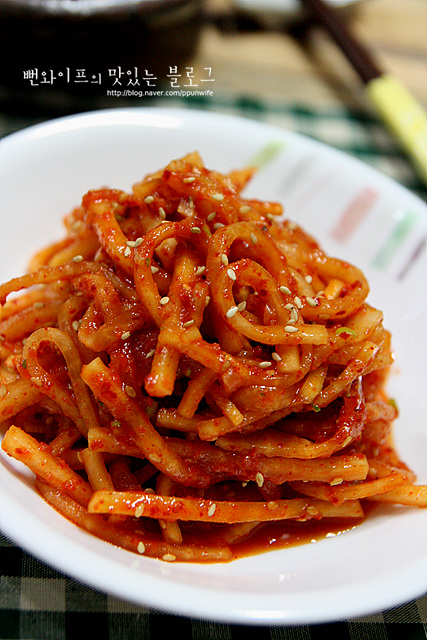
Chonggak Kimchi (Ponytail Radish Kimchi) Without Rice Paste
A crunchy chonggak kimchi tossed easily by blending cold cooked rice instead of cooking glutinous rice paste.
Translated from Korean by AI and not yet checked by a native speaker. Amounts and numbers are taken directly from the original recipe. Read the Korean original →
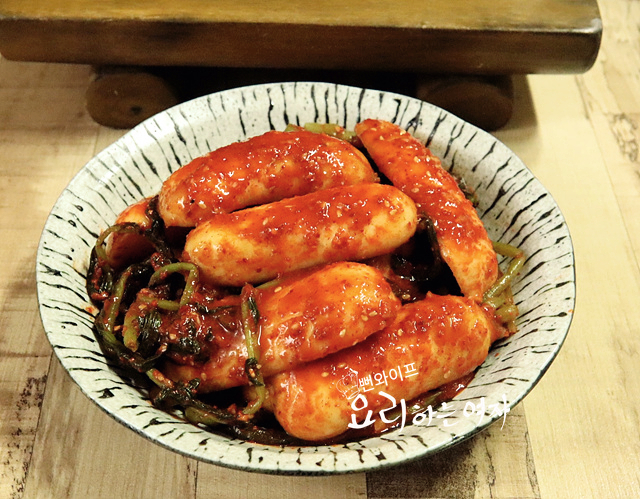
Firm, fresh autumn ponytail radishes are salted with their skins intact to keep a delightfully crisp, crunchy texture. The secret is blending cold cooked rice with water for the seasoning, skipping the hassle of cooking glutinous rice paste. Once nicely fermented, it turns pleasantly spicy and refreshing, making a dependable side dish.
- Servings
- about 10–12 servings
- Difficulty
- Medium
- Spiciness
- Spicy
Ingredients
Ingredients
- Chonggak radish (ponytail radish)3 bunches (1.5 kg × 3 bunches)
- Coarse sea salt1 1/2 cups
Seasoning
- Cold cooked rice1 1/2 bowls
- Water6 cups
- Gochugaru (Korean chili flakes)4 cups
- Dried anchovies (or sand lance fish sauce)1 cup
- Minced garlic8 tbsp
- Minced ginger2 tbsp
- Sugar (or green plum syrup (maesil-cheong))2 tbsp
- When buying radishes, always choose ones that feel firm and heavy, with fresh stems and leaves. If the stems and leaves are yellowed or dried out, the radishes have lost a lot of moisture.
- If you don't have cold cooked rice and need to make glutinous rice paste, pour 6 cups of water over 8 tbsp of glutinous rice flour, boil until thickened, and let it cool.
- If the aroma of fish sauce is too strong for you, use half saeujeot (salted fermented shrimp) and half fish sauce.
Steps
Prepare the ponytail radishes
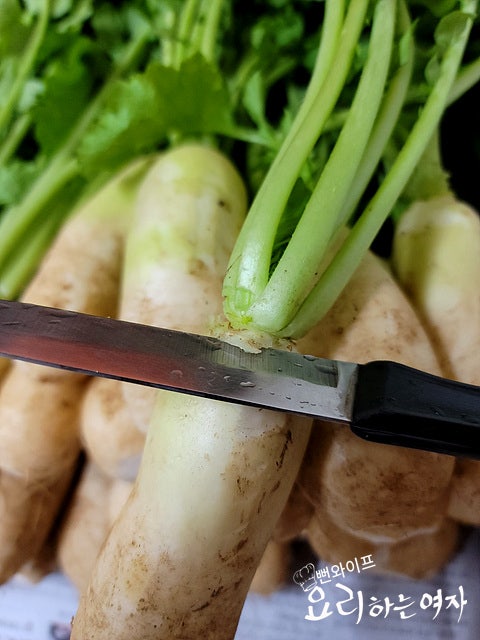
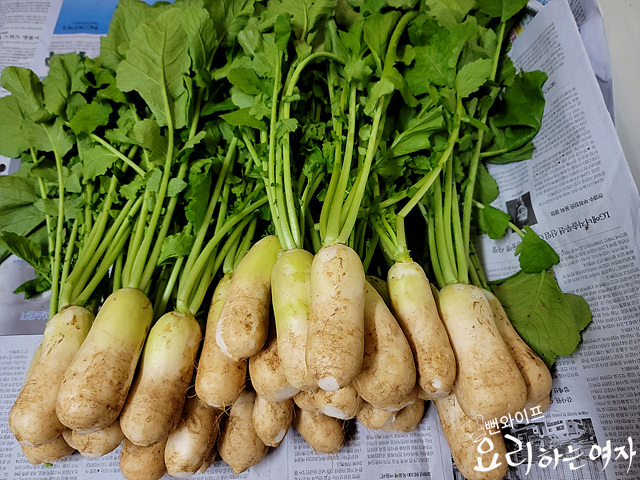
Remove any tough or yellowed leaves first, and use a knife to trim away dirty areas between the radish and the stems.
Scrape off the root tips and the fine roots along the body with a knife, and the cleaning is done.
Wash
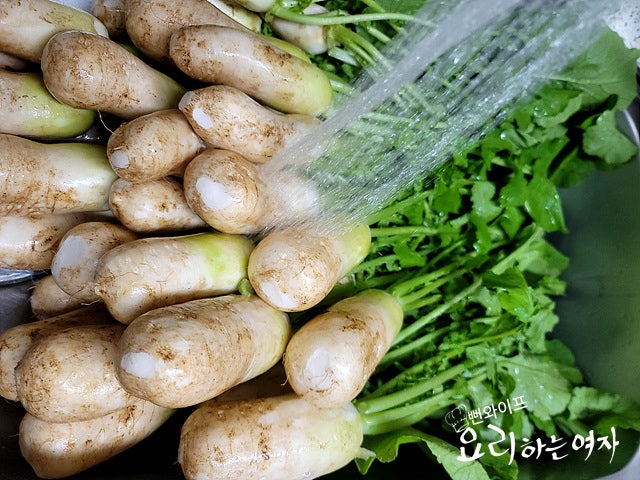
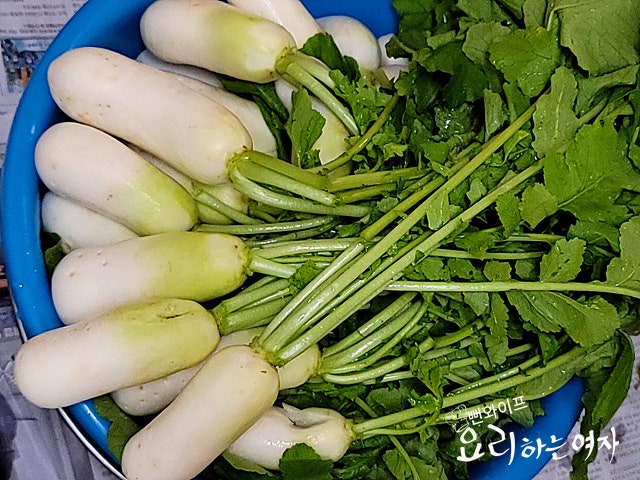
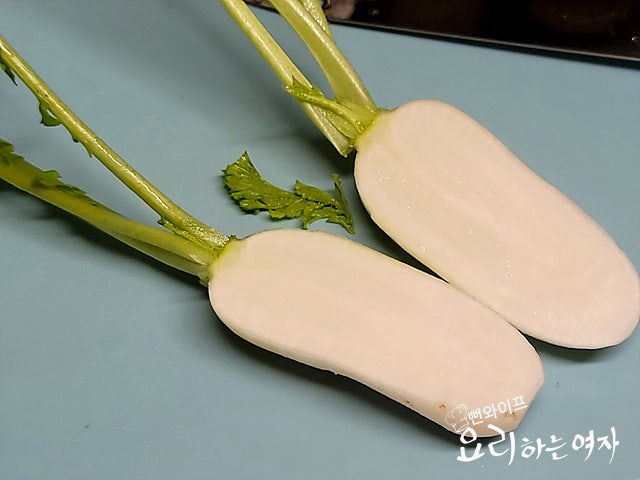
Ponytail radishes that start coming out in autumn have tender, non-pungent skins, so you do not need to peel them.
To help them keep well, making dongchimi or kimchi without peeling the skins keeps them from getting mushy and gives them a nice crunchy texture.
Soak them in running water and scrub gently with a soft scrubber so you do not damage them.
Radishes about as thick as two thumbs can be left whole, while overly thick ones can be halved or cut into 4.
Salt
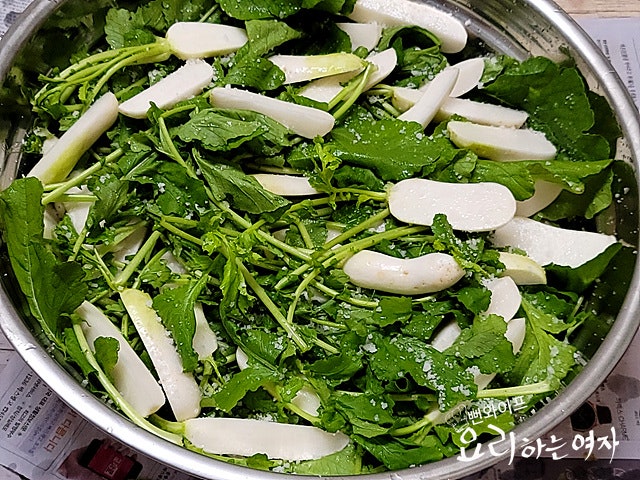
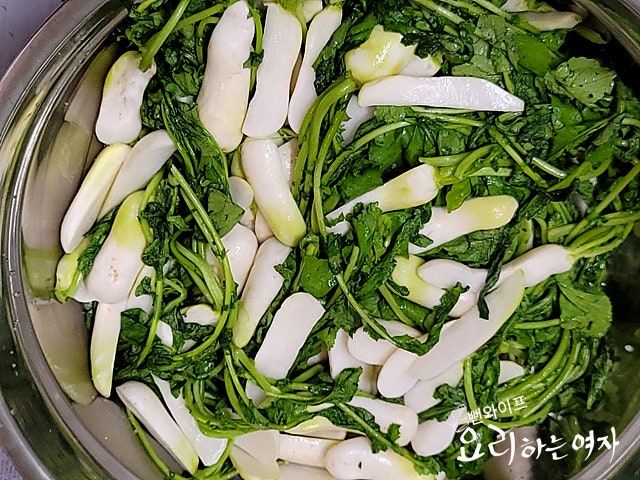
Lay a layer of ponytail radishes in a large bowl, sprinkle about 2 tbsp of coarse sea salt evenly over them, and lightly scatter a little water over the top.
Repeat this process to salt all 3 bunches.
Salting time varies depending on the temperature, but in current weather, usually salt them for about 2 hours to 3 hours, flip them after 1 hour to 1 hour 30 minutes, and salt for 1 more hour.
Adjust the time while checking how well they are salted.
Rinse
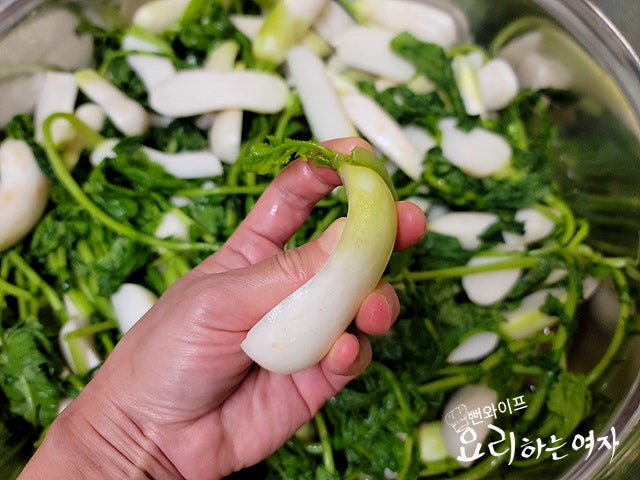
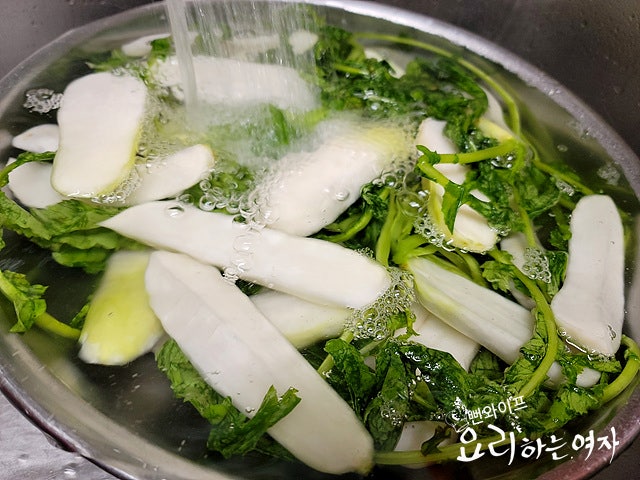
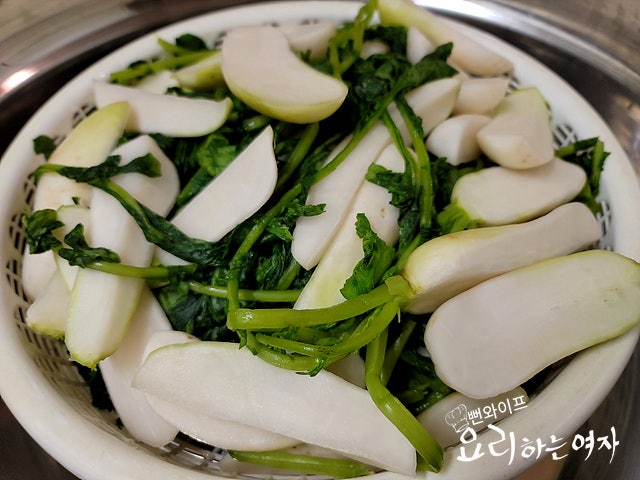
Once the stiff radishes are salted enough to bend slightly, rinse one in water and taste a bite to check that it is not overly salty.
Salting ponytail radishes is meant to wilt them slightly for easy eating, so adjust the time carefully as you salt.
Rinse just once in water, or rinse several times to draw out excess salt if they taste too salty, then drain well in a colander.
If you only casually drain the water, the seasoning will slide off instead of sticking, and it will become diluted and under-seasoned.
Make the seasoning
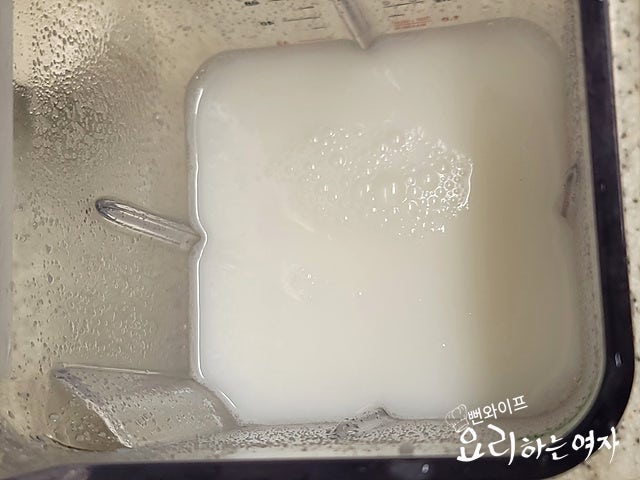
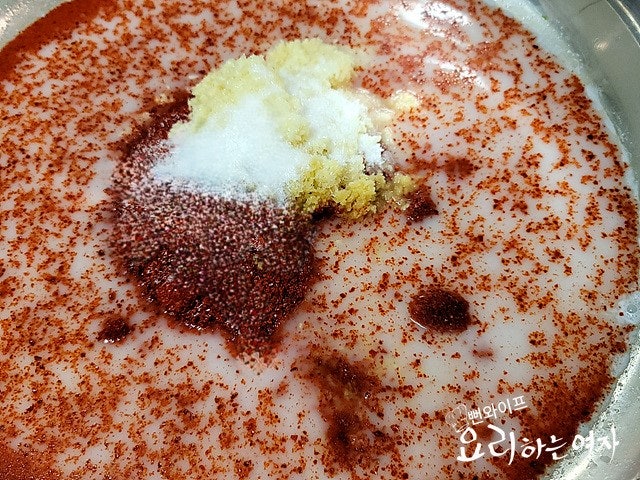
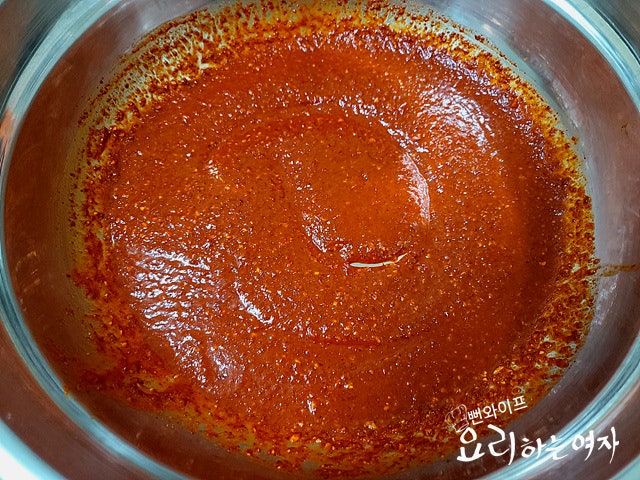
Blending 1 1/2 bowls of cold cooked rice with 6 cups of water works just like cooking glutinous rice paste.
If you don't have cold cooked rice and need to make glutinous rice paste, pour 6 cups of water over 8 tbsp of glutinous rice flour, boil until thickened, and let it cool.
When blending in a blender, it is convenient to blend whole ginger, garlic, or saeujeot along with it.
Add 4 cups of gochugaru (Korean chili flakes), 1 cup of sand lance fish sauce, 8 tbsp of minced garlic, 2 tbsp of minced ginger, and 2 tbsp of sugar (or green plum syrup), then mix well.
Making the seasoning while the radishes are salting allows the flavors to meld and gives the sauce a prettier color.
I like ponytail kimchi with a distinct fish sauce flavor, so I season it only with fish sauce, but if the aroma is too strong for you, use half saeujeot and half fish sauce.
Coat with seasoning
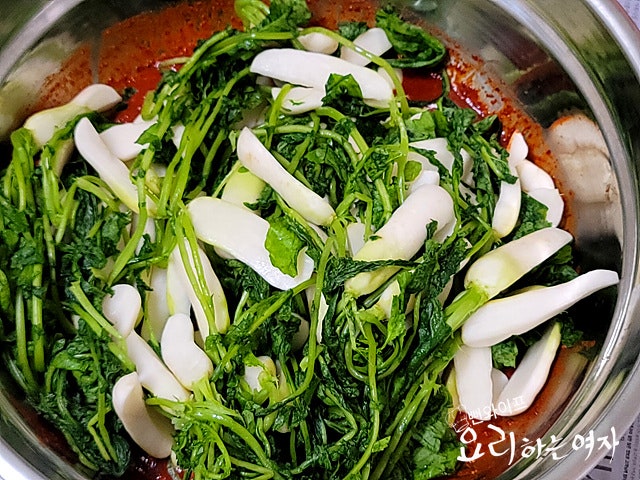
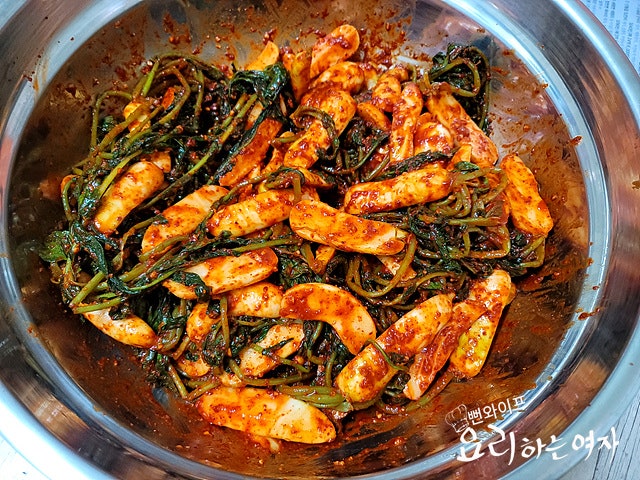
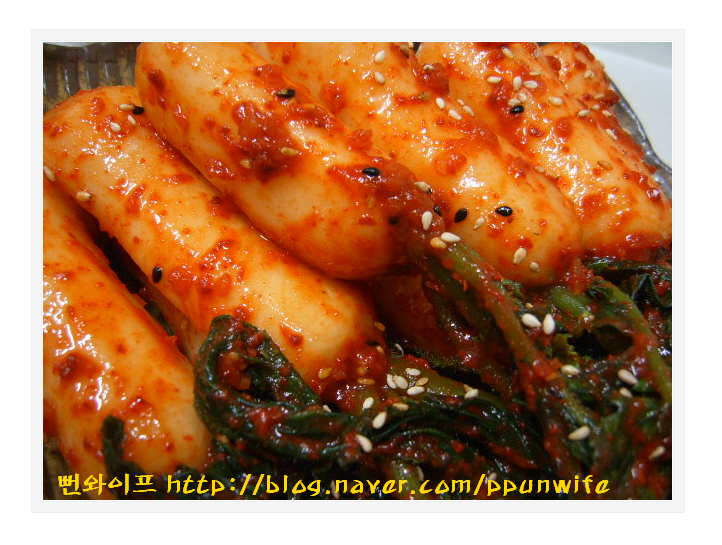
Coat the well-drained ponytail radishes evenly with the seasoning.
Taste the radish and add more fish sauce, salt, or sugar to suit your preference.
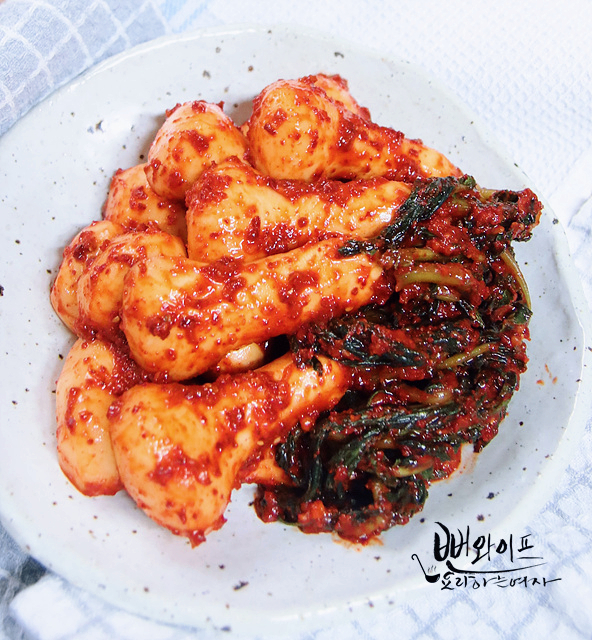
Complete
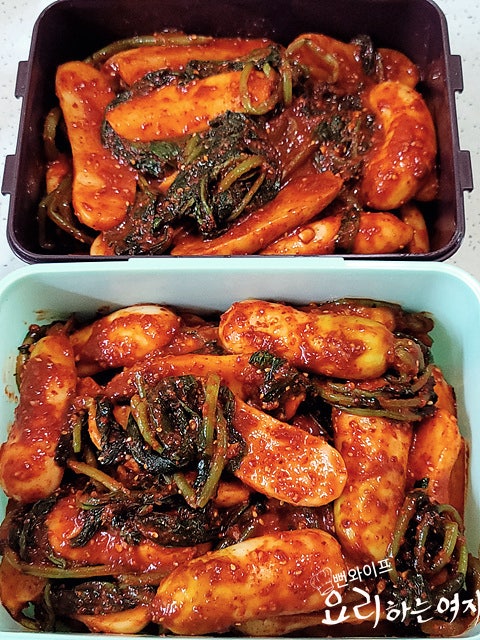
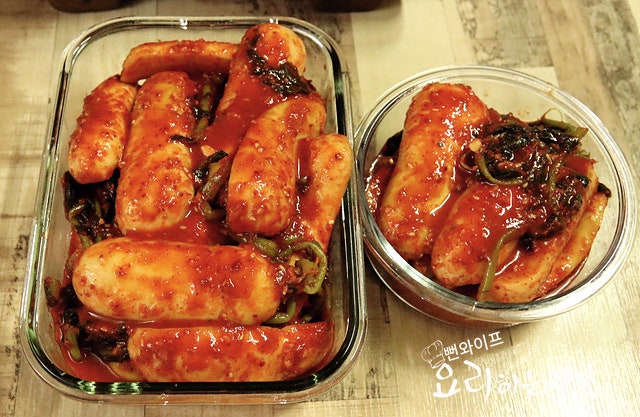
Making kimchi is so easy, isn't it.
On the left is freshly made.
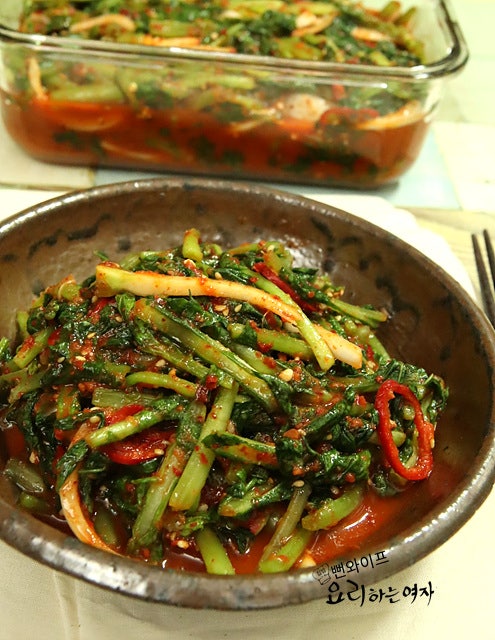
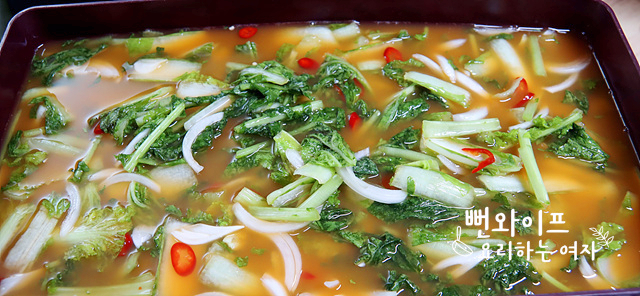
On the right, it fermented at room temperature for 24 hours, so it is nicely ripe and moist juice has formed.
In current temperatures, it ferments deliciously in a day or two, so be careful not to let it ferment too long.
Keep it chilled in the refrigerator to enjoy, and dividing it into small portions lets you enjoy it for a long time without changes in flavor.
 Ppunwife's tips
- To help autumn ponytail radishes keep well, making dongchimi or kimchi without peeling the skins keeps them from getting mushy and gives them a nice crunchy texture.
- If you only casually drain the water, the seasoning will slide off instead of sticking, and it will become diluted and under-seasoned.
- Making the seasoning while the radishes are salting allows the flavors to meld and gives the sauce a prettier color.
- Keep it chilled in the refrigerator to enjoy, and dividing it into small portions lets you enjoy it for a long time without changes in flavor.
FAQ
How do you prepare cold cooked rice when using it instead of glutinous rice paste?
Pour 6 cups of water over one and a half bowls of cold cooked rice and blend it finely in a blender, and it will serve the same role as cooked paste.
Can I use the ponytail radishes as they are without peeling the skin?
Autumn ponytail radishes have tender, non-pungent skins, so leaving them unpeeled keeps the kimchi from turning mushy and preserves its crunchy texture.
How can I adjust the flavor if the distinct aroma of fish sauce is too strong?
Rather than using only anchovy fish sauce or sand lance fish sauce, it is good to season by mixing equal parts saeujeot (salted fermented shrimp) and fish sauce.
How long should it ferment at room temperature after making?
In current temperatures, it is best to ferment it at room temperature for one to two days before storing it in the refrigerator.