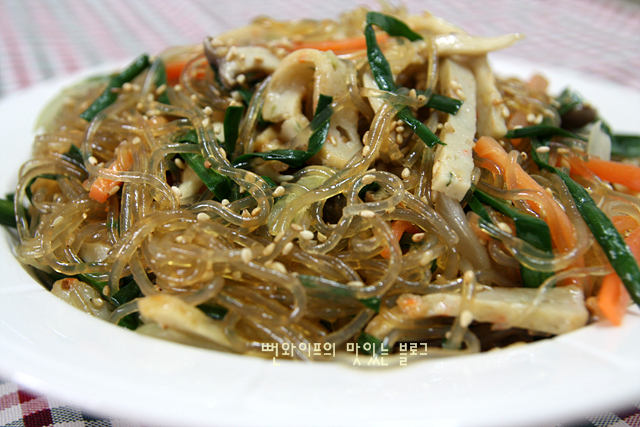
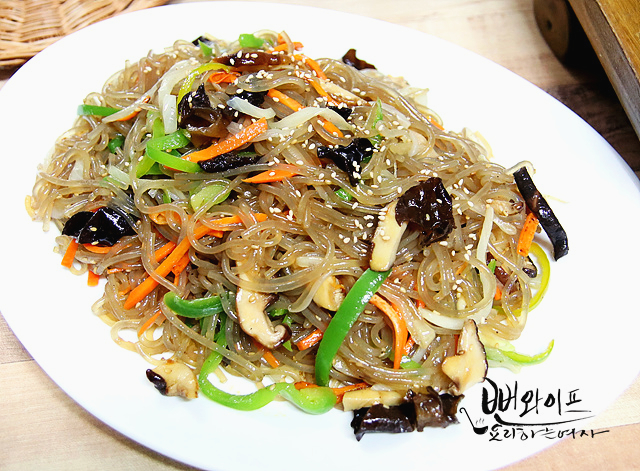
Mushroom Japchae (Stir Fried Glass Noodles with Mushrooms)
A light japchae made with plenty of fish cake and mushrooms instead of meat, keeping a bouncy texture even when cold.
Translated from Korean by AI and not yet checked by a native speaker. Amounts and numbers are taken directly from the original recipe. Read the Korean original →
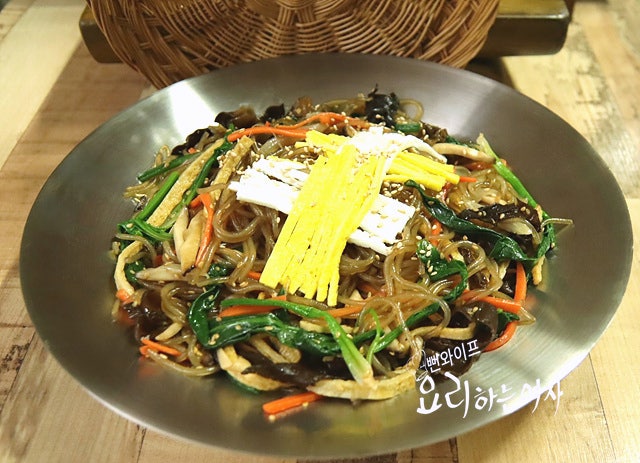
This meatless japchae gets its savory flavor and chewy texture from fish cakes, shiitake mushrooms, and wood ear mushrooms. Boiling the sweet potato glass noodles slightly less and stir-frying them with seasoning keeps them springy without getting soggy, even after cooling. Making a generous 10 servings, it is perfect for clean, elegant serving on Lunar New Year or for guests.
- Servings
- 10 servings
- Difficulty
- Medium
- Spiciness
- Not spicy
Ingredients
Ingredients
- Sweet potato glass noodles (dangmyeon)500 g
- Square fish cake (eomuk)4 sheets
- Spinach200 g
- Shiitake mushrooms4
- Onion1/2 (1, large)
- Carrot1 (small)
- Dried wood ear mushrooms20 g
- Cooking oil5 tbsp
Glass noodle seasoning
- Regular soy sauce (jin-ganjang)5 tbsp
- Oyster sauce2 tbsp
- Sugar2 tbsp
Japchae seasoning
- Regular soy sauce (jin-ganjang) (or brewed soy sauce (yangjo-ganjang))2 tbsp
- Toasted sesame oil5 tbsp
- Toasted sesame seeds5 tbsp
- Dried wood ear mushrooms take about 30 minutes to rehydrate, so soak them in water first.
- If you want to rehydrate them quickly, soak them in warm water. Since they expand to more than 3 times their volume, pour in plenty of water so they soften properly.
- Gently rub the wood ear mushrooms as you wash them to remove any foreign particles. Because they are dried, they can have a slightly musty smell, so rinse them in water several times. Trim the tough base slightly and cut them into bite-sized pieces.
Steps
Prepare the ingredients
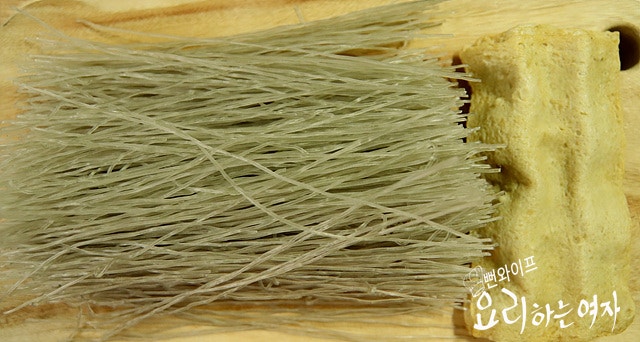
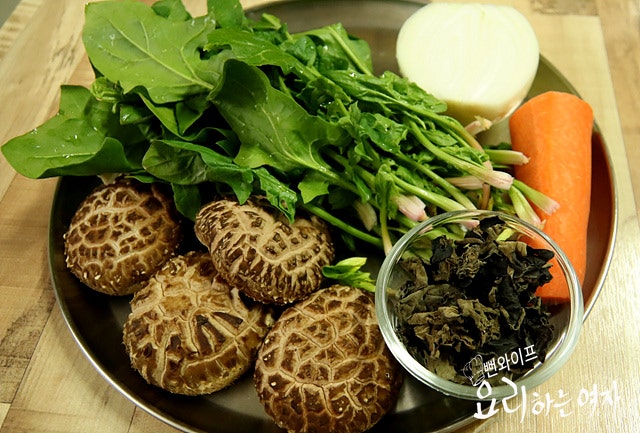
Instead of adding meat to today's japchae, I prepared plenty of fish cakes and mushrooms.
You need 1 bag (500 g) of sweet potato glass noodles (dangmyeon), 4 sheets of square fish cake (eomuk), 4 shiitake mushrooms, 200 g of spinach, 1/2 large onion (1 medium onion), 1 small carrot, and 20 g of dried wood ear mushrooms.
Prepare the dried wood ear mushrooms
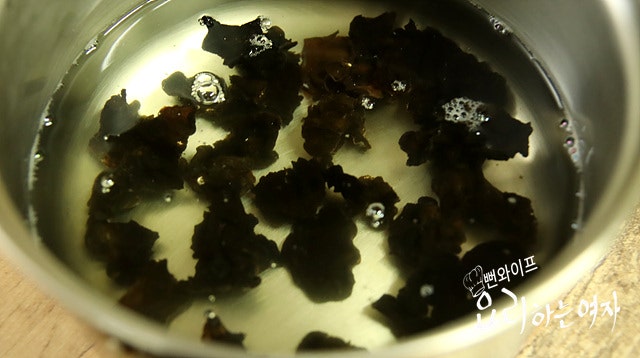
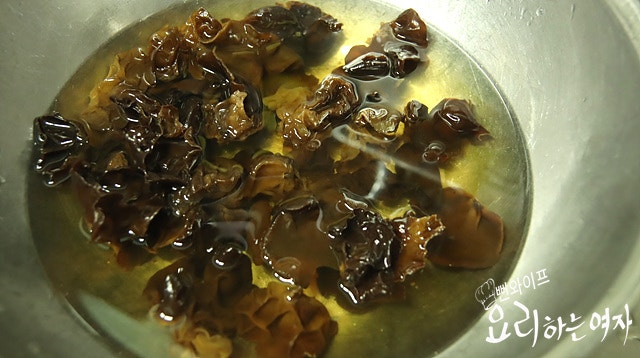
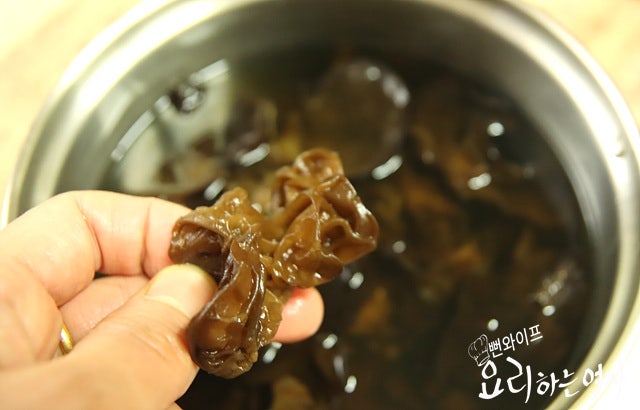
Dried wood ear mushrooms take about 30 minutes to rehydrate, so soak them in water first.
If you want to rehydrate them quickly, soak them in warm water.
Since they expand to more than 3 times their volume, pour in plenty of water so they soften properly.
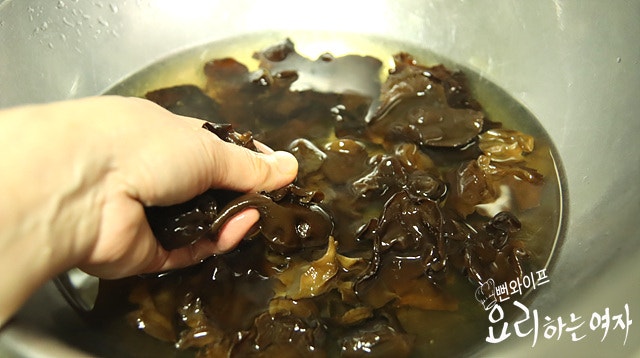
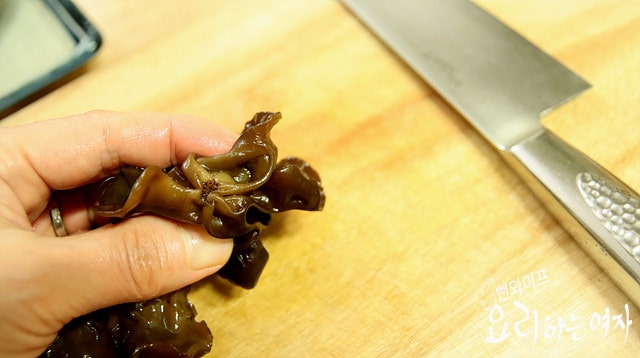
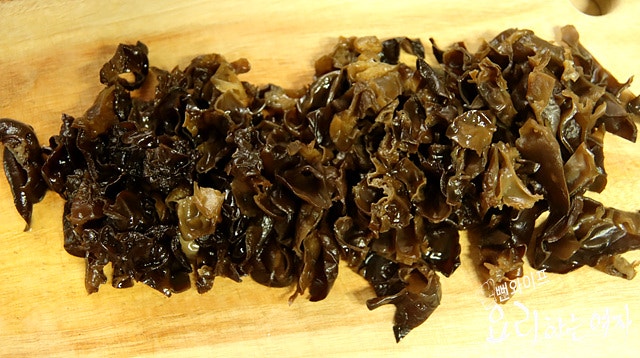
Gently rub the wood ear mushrooms as you wash them to remove any foreign particles. Because they are dried, they can have a slightly musty smell, so rinse them in water several times.
Trim the tough base slightly and cut them into bite-sized pieces.
Slice the ingredients
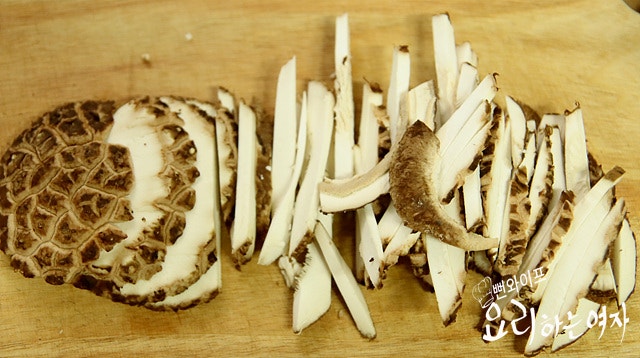
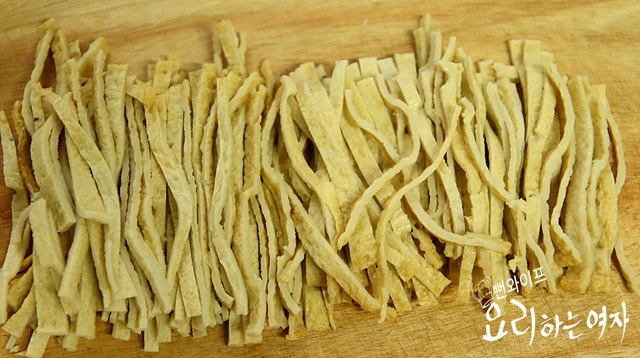
Shiitake mushrooms are thick, so slice them first and then julienne them thickly.
Cut the square fish cakes into strips of a similar thickness.
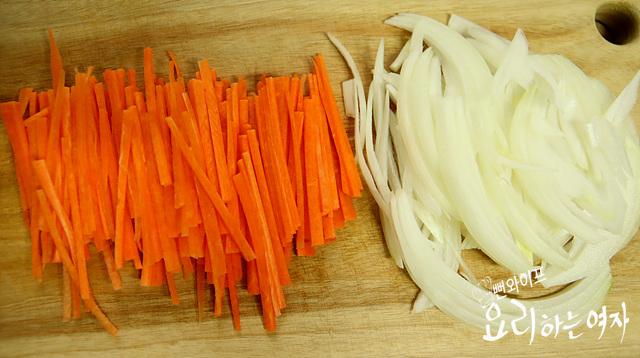
Julienne the carrot and onion not too finely so they do not become too limp when stir-fried.
Blanch the spinach
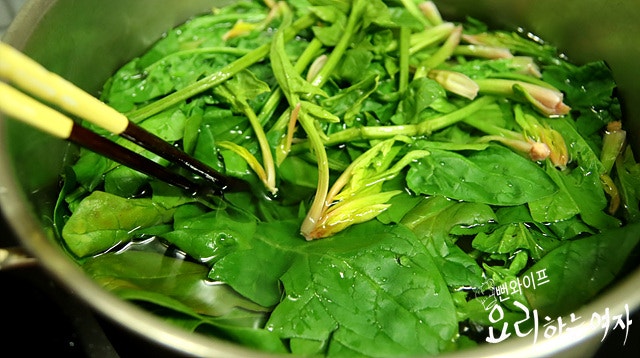
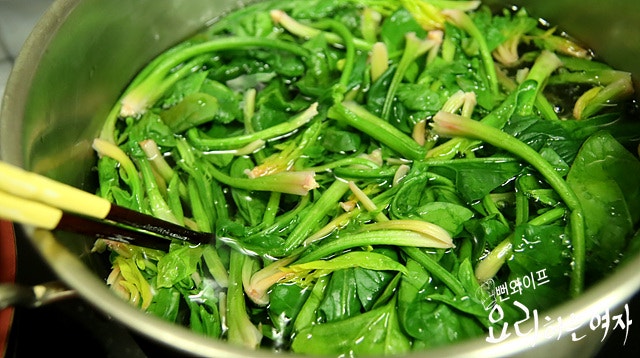
Add a little salt to rolling boiling water, blanch the spinach for about 30 seconds, immediately rinse it in cold water, and squeeze out the moisture.
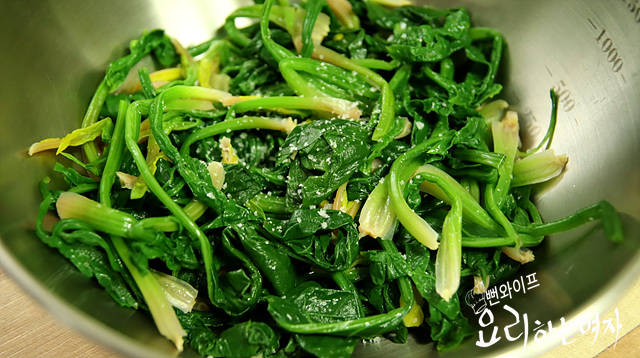
Season it lightly by mixing in 1/2 tsp of salt.
Stir-fry the ingredients
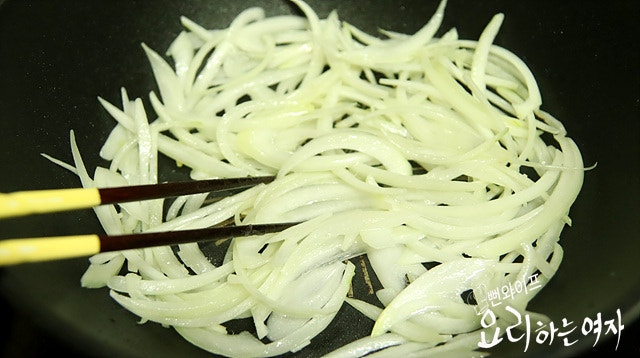
Heat cooking oil in a heated pan, add the onion with a pinch of salt, and stir-fry so it retains its texture without turning too soft. Spread it out on a separate plate to cool.
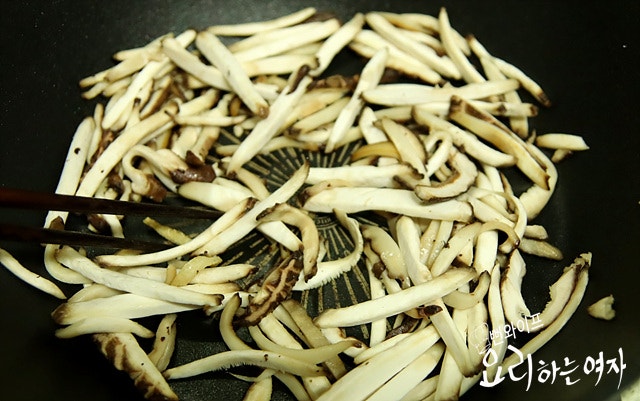
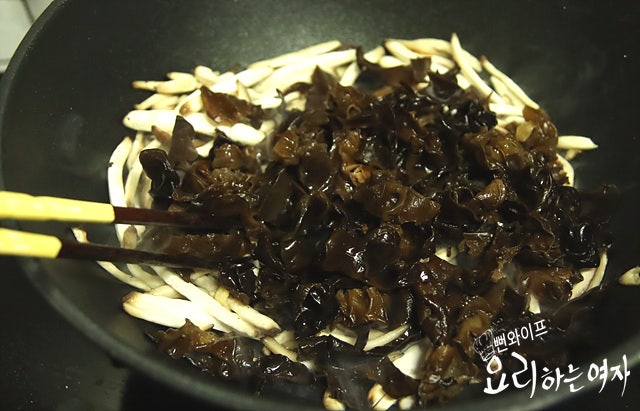
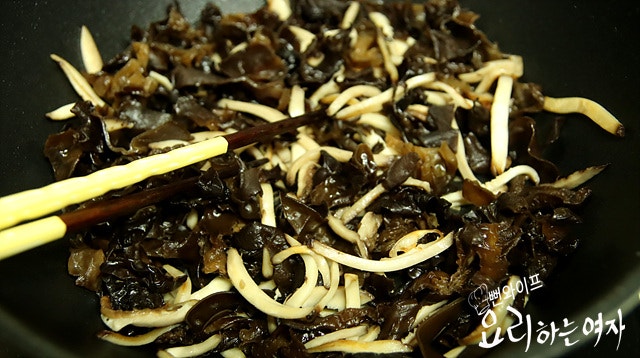
Heat the pan, add cooking oil, add the shiitake mushrooms, and stir-fry briefly. Add the wood ear mushrooms, season with a little salt, and give them a quick stir-fry.
If you stir-fry wood ear mushrooms too long, they lose their springiness, so add them near the end.
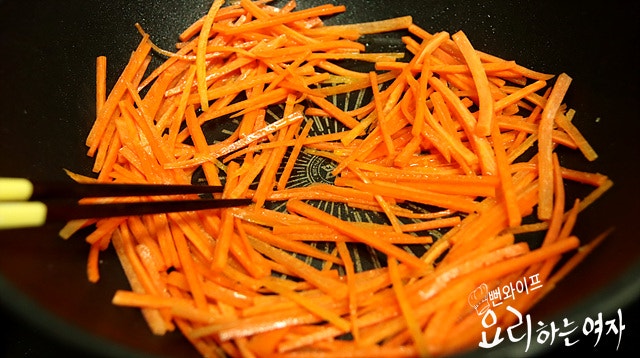
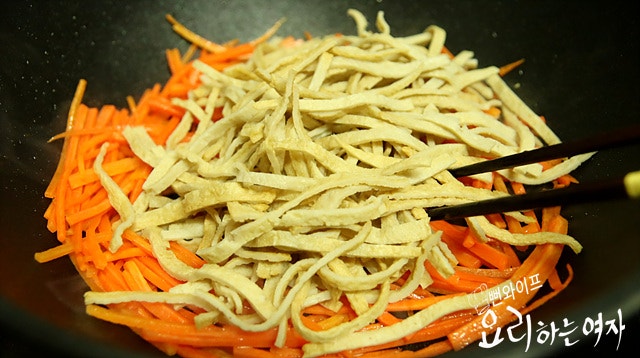
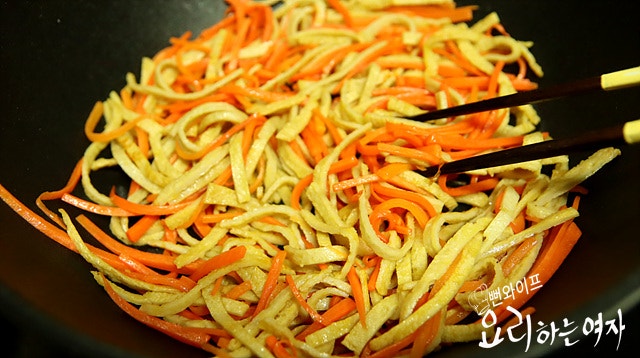
Stir-fry the carrot first with a little salt, then add the fish cakes and stir-fry until the carrot softens and the fish cakes turn slightly crisp on the edges.
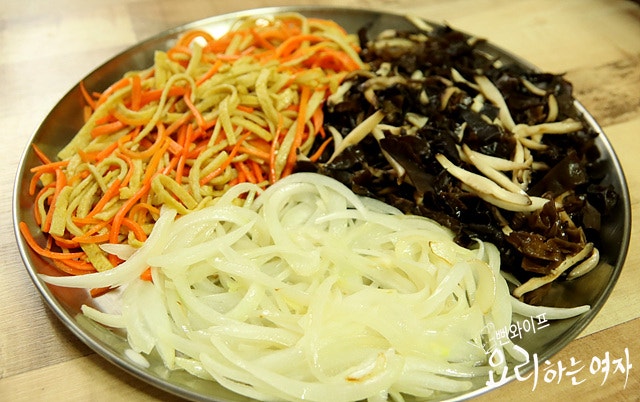
Spread the stir-fried ingredients on a wide tray to cool slightly so they do not keep cooking in residual heat.
Stir-frying two or three ingredients with similar textures or colors with a slight time gap is much easier than cooking each one individually.
Boil the glass noodles
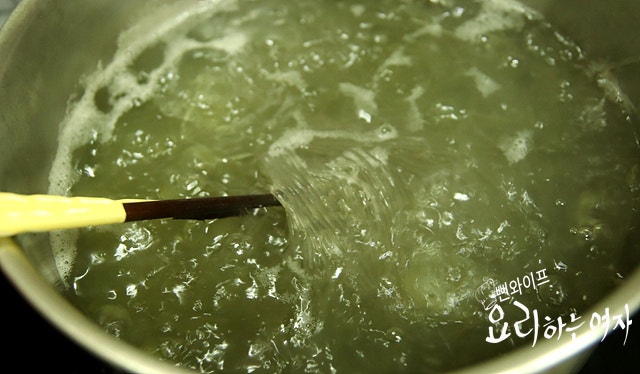
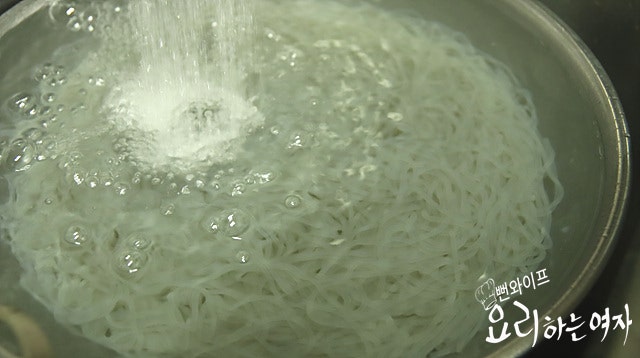
Add the sweet potato glass noodles to rolling boiling water and boil them.
It is convenient to boil the noodles directly in the water used to blanch the spinach.
Boil them for about 1 to 2 minutes less than the package instructions, then rinse in cold water.
Undercooking the noodles slightly allows them to finish cooking completely while being stir-fried with seasoning, keeping them springy.
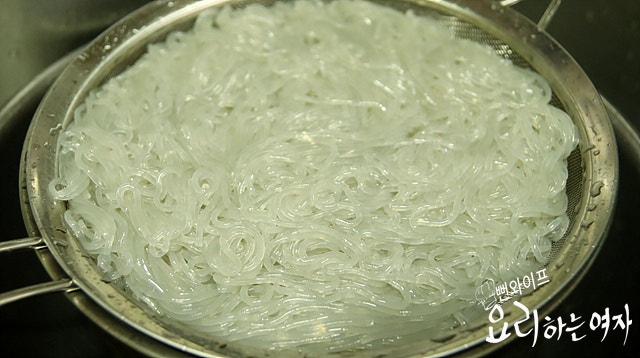
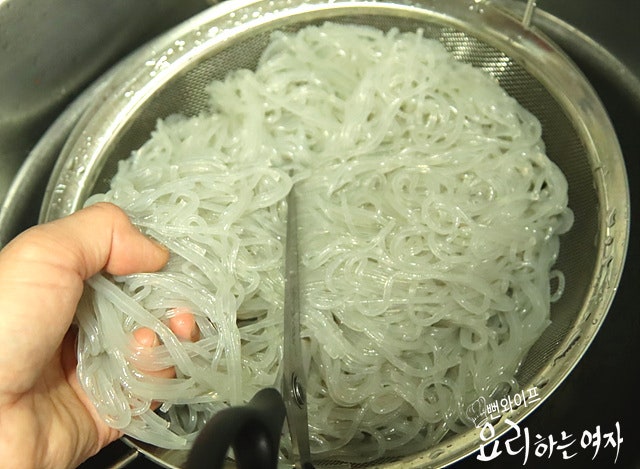
Drain the water completely and cut the noodles into manageable lengths.
Tossing the noodles with cooking oil keeps them from sticking together.
Season the glass noodles
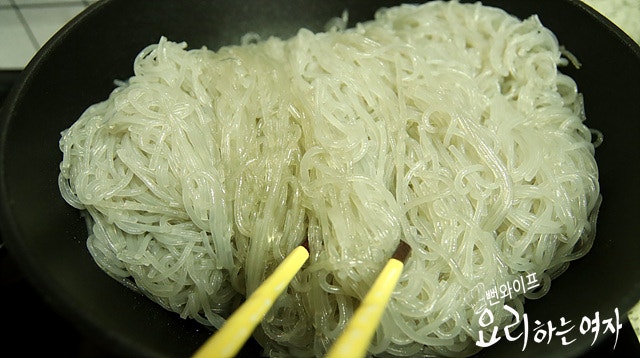
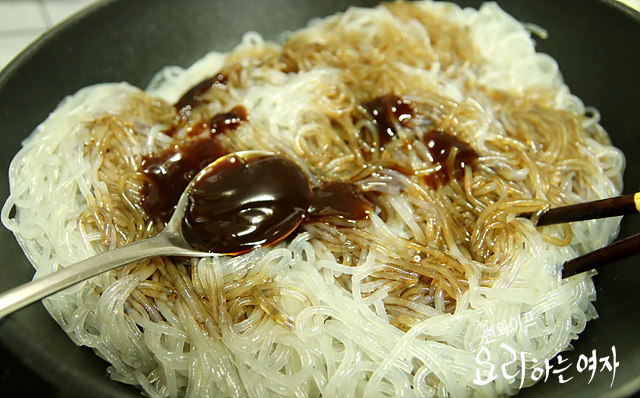
Add a generous 5 tbsp of cooking oil to the pan and stir-fry the noodles over low heat so they get coated in oil and look glossy without scorching.
Add 5 tbsp of regular soy sauce (jin-ganjang), 2 tbsp of oyster sauce, and 2 tbsp of sugar, then mix evenly so the seasoning absorbs.
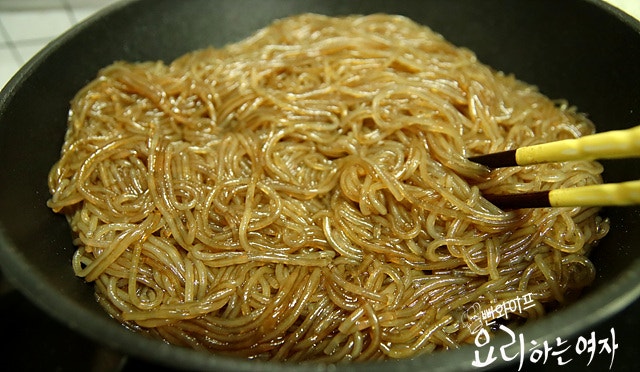
Once the seasoning is evenly distributed throughout, spread the noodles out in another bowl to cool so they do not bloat from the heat.
Season the japchae
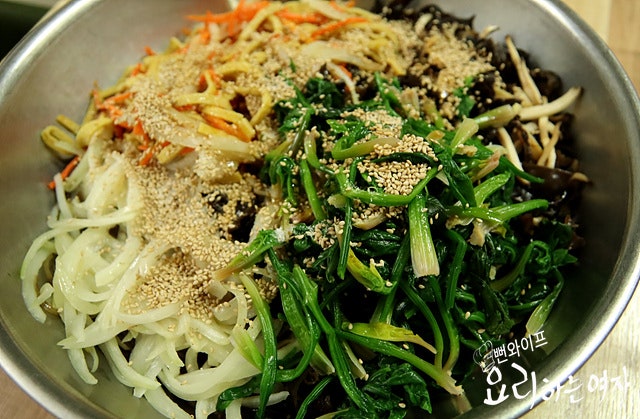
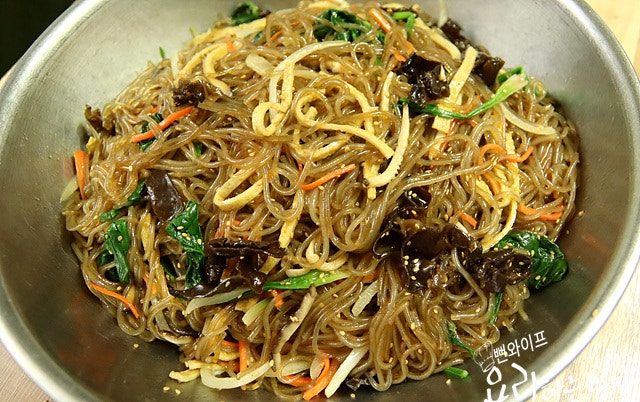
In a large mixing bowl, combine the seasoned noodles, all the stir-fried ingredients, and the spinach. Add 2 tbsp of regular soy sauce (jin-ganjang), 5 tbsp of toasted sesame oil, and 5 tbsp of toasted sesame seeds, then mix everything thoroughly.
Once the ingredients are well mixed, taste and adjust with salt or sugar to your liking.
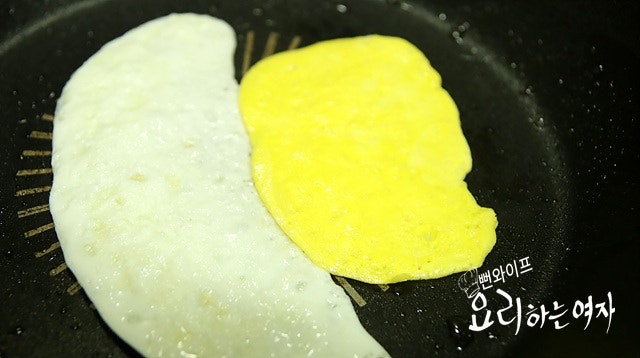
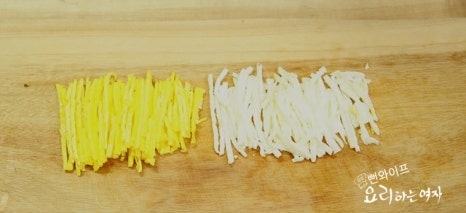
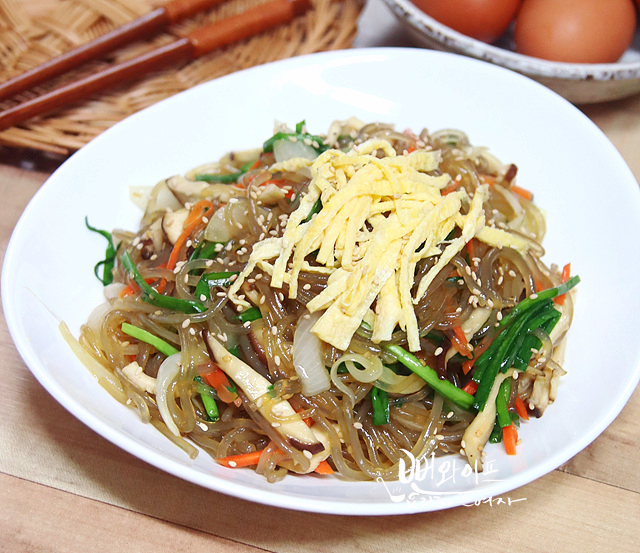
To give the japchae richer color, it is nice to garnish it with egg ribbons (jidan).
Separate the whites and yolks of 2 eggs, fry thin egg sheets, and julienne them finely.
Finish
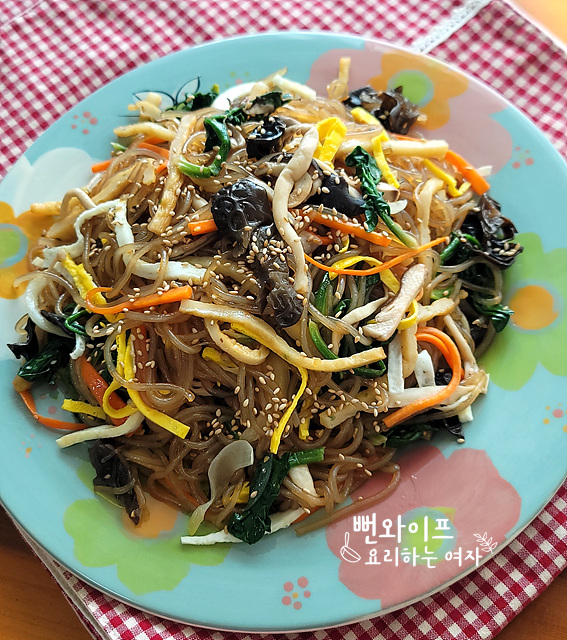
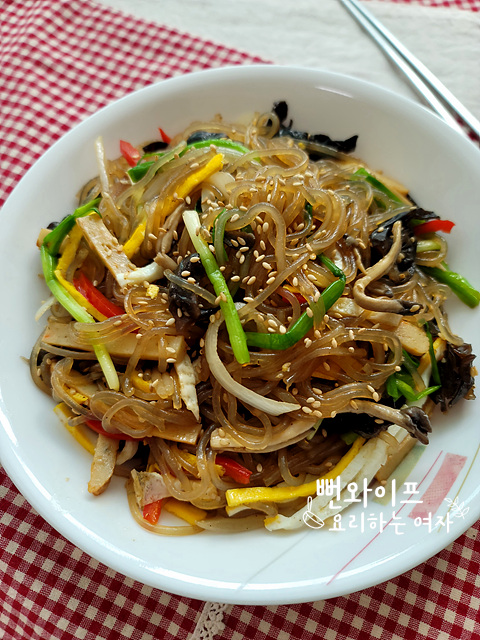
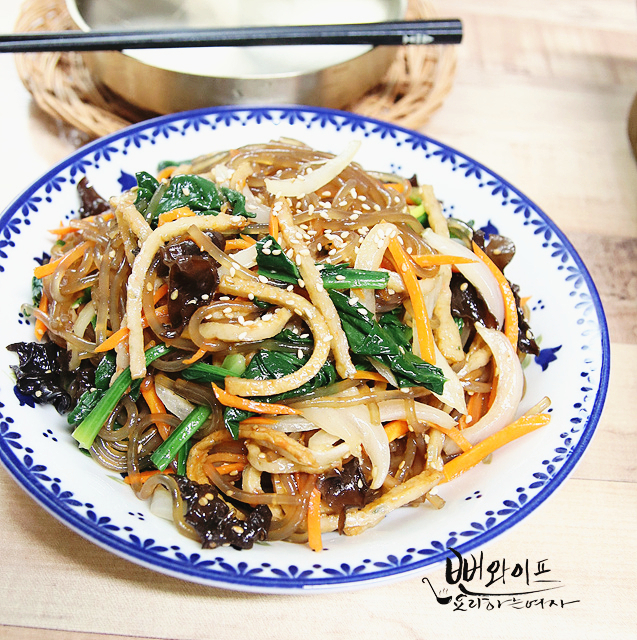
It feels like all the nutrition and flavor are packed into this one bowl of japchae.
Once cooled down, the texture of the japchae turns even springier, making it taste much more delicious.
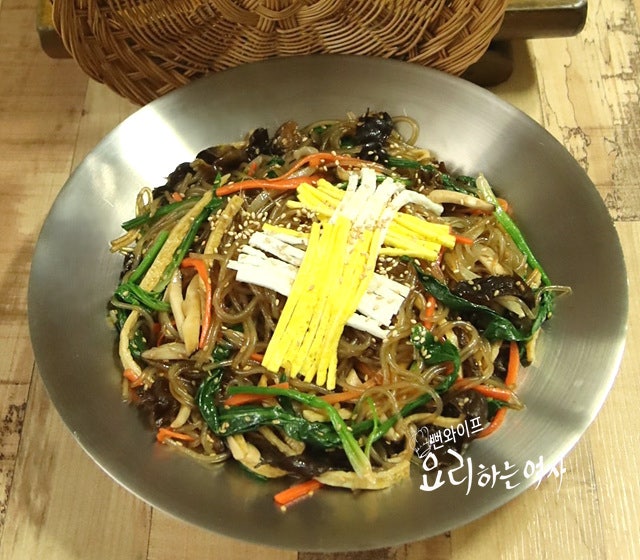
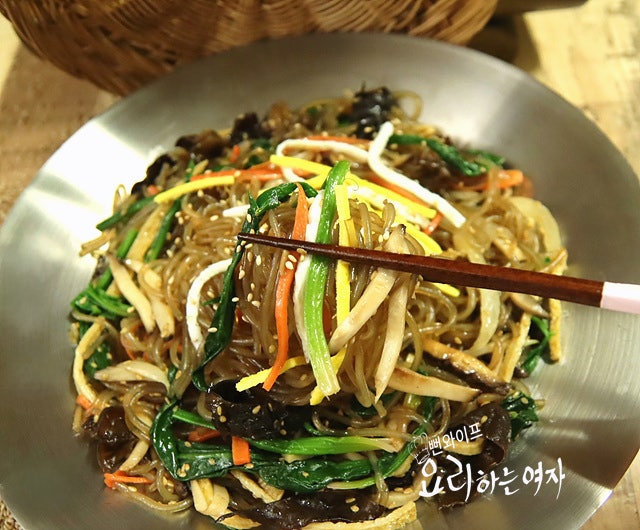
If you do not like meat in japchae, making it without meat like this is a great idea.
The spinach, which provides the green color in the japchae, brings a lovely fresh note and is truly sweet and delicious.
This visually stunning, colorful japchae will surely be a staple for this Lunar New Year table.
Give it a try and enjoy.
 Ppunwife's tips
- Julienne the carrot and onion not too finely so they do not become too limp when stir-fried.
- If you stir-fry wood ear mushrooms too long, they lose their springiness, so add them near the end.
- Spread the stir-fried ingredients on a wide tray to cool slightly so they do not keep cooking in residual heat.
- Stir-frying two or three ingredients with similar textures or colors with a slight time gap is much easier than cooking each one individually.
- It is convenient to boil the noodles directly in the water used to blanch the spinach.
- Boil them for about 1 to 2 minutes less than the package instructions, then rinse in cold water. Undercooking the noodles slightly allows them to finish cooking completely while being stir-fried with seasoning, keeping them springy.
- Tossing the noodles with cooking oil keeps them from sticking together.
- Once the seasoning is evenly distributed throughout, spread the noodles out in another bowl to cool so they do not bloat from the heat.
FAQ
What is the secret to boiling glass noodles so they stay springy without bloating?
Boil them for about 1 to 2 minutes less than the time indicated on the package, rinse in cold water, and finish cooking them while stir-frying in oil and seasonings. This keeps them springy and prevents sogginess.
How should I rehydrate dried wood ear mushrooms?
It takes about 30 minutes in cold water. When you want to speed up the process, using lukewarm water can shorten the soaking time.
How do you reheat refrigerated japchae?
Stir-fry it lightly in a skillet to revive the oil coating, restoring the chewy texture of the noodles.