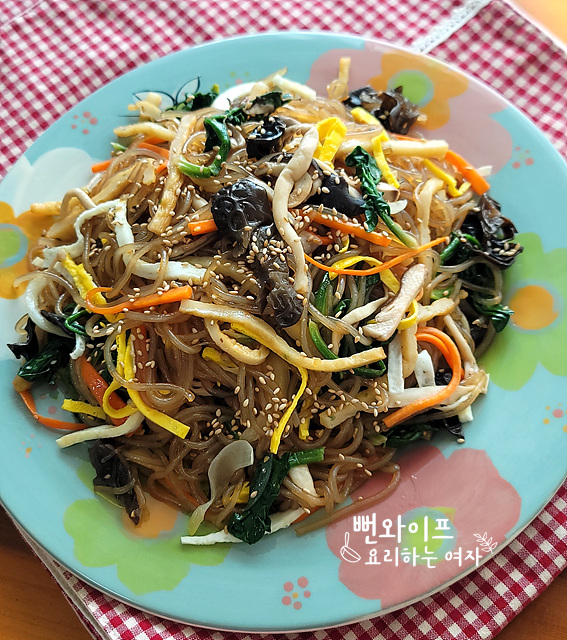
Savory Eomuk Japchae (Stir-Fried Glass Noodles with Fishcakes)
A clean, bouncy, and satisfying one-dish japchae made with fishcakes and wood ear mushrooms instead of meat.
Translated from Korean by AI and not yet checked by a native speaker. Amounts and numbers are taken directly from the original recipe. Read the Korean original →
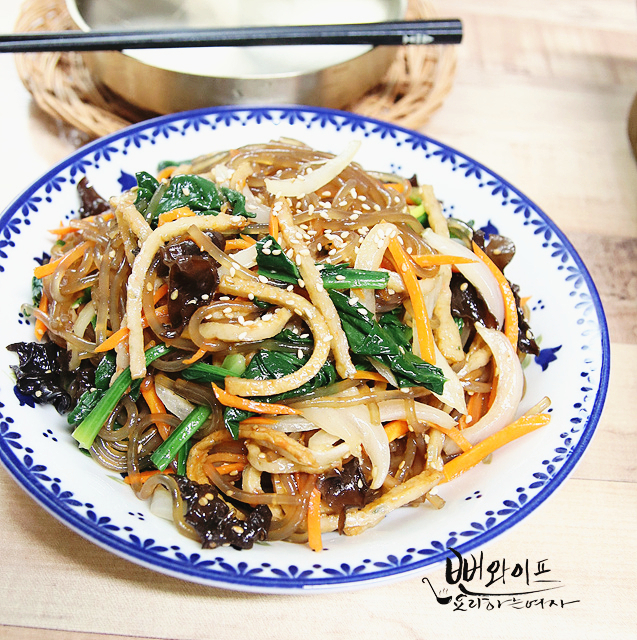
This meat-free, clean-tasting dish uses fishcakes and wood ear mushrooms to add a chewy texture and savory depth. Boiling the glass noodles 2 minutes less than the package instructions and stir-frying them with the sauce keeps them bouncy and prevents them from getting soggy over time. It makes a generous spread perfect for entertaining or special occasions.
- Servings
- 5–6 servings
- Difficulty
- Medium
- Spiciness
- Not spicy
Ingredients
Ingredients
- Sweet potato glass noodles (dangmyeon)300 g
- Spinach200 g
- Square fish cake (eomuk)3 sheets
- Carrot1 (small)
- Onion1
- Dried wood ear mushrooms20 g
Glass noodle seasoning
- Regular soy sauce (jin-ganjang) (or brewed soy sauce (yangjo-ganjang))3 tbsp
- Oyster sauce1 tbsp
- Sugar1–2 tbsp
- Cooking oil2 tbsp
Seasoning
- Regular soy sauce (jin-ganjang) (or brewed soy sauce (yangjo-ganjang))1–2 tbsp
- Toasted sesame oil3 tbsp
- Toasted sesame seeds3 tbsp
- Ground black peppera little
- For mushrooms, dried shiitake (or fresh shiitake), oyster mushrooms, or king oyster mushrooms work well too.
- Pour plenty of water over the dried wood ear mushrooms and soak for about 30 minutes until soft. Using lukewarm water will hydrate them faster.
Steps
Prepare the wood ear mushrooms
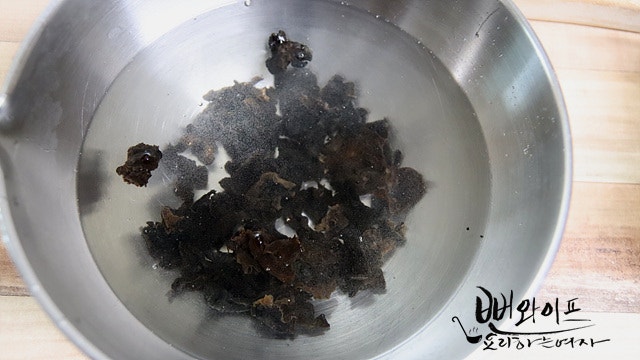
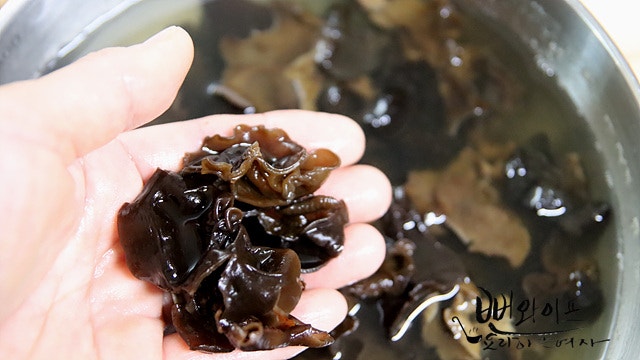
Pour plenty of water over the dried wood ear mushrooms and soak for about 30 minutes until soft.
Using lukewarm water will hydrate them faster.
They expand to more than three times their volume, so be sure to add generous amounts of water.
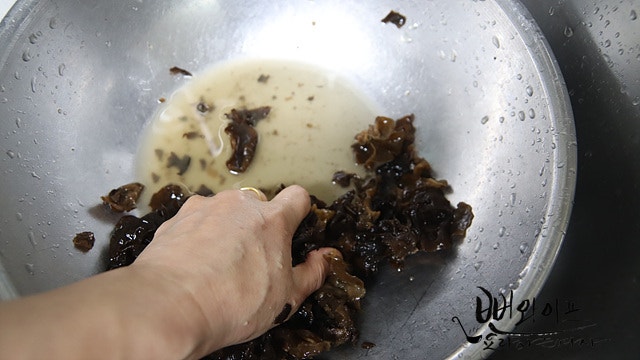
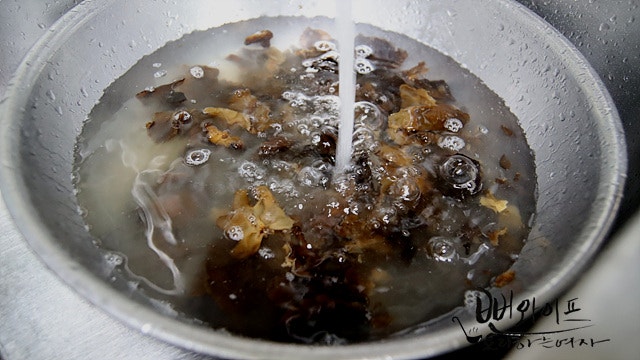
Since there is often debris sticking to the surface of the wood ear mushrooms, rinse them multiple times while rubbing or gently massaging them with your hands.
Repeat until no debris comes out in the water.
Cut the ingredients
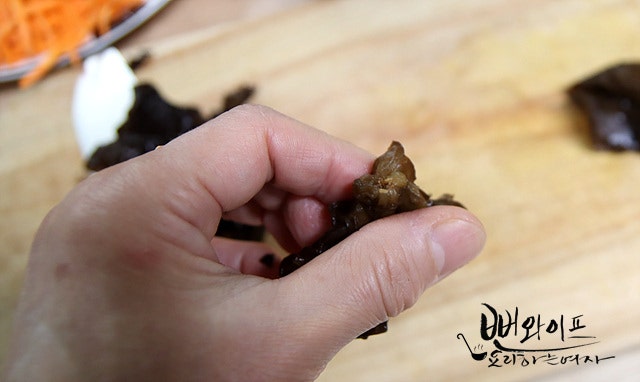
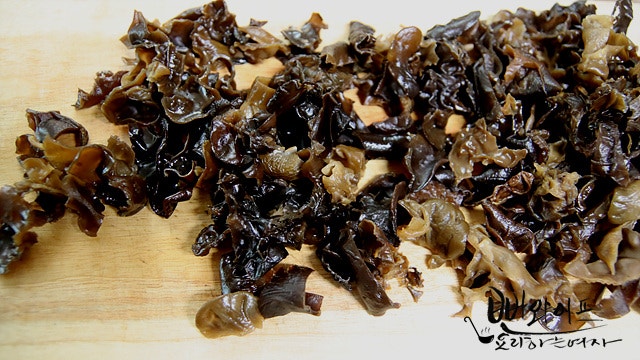
Cut away the tough stem near the center of each wood ear mushroom, then slice them into bite-sized pieces.
While the wood ear mushrooms are soaking, you can cut the other ingredients and blanch the spinach and glass noodles, which cuts the japchae prep time down drastically.
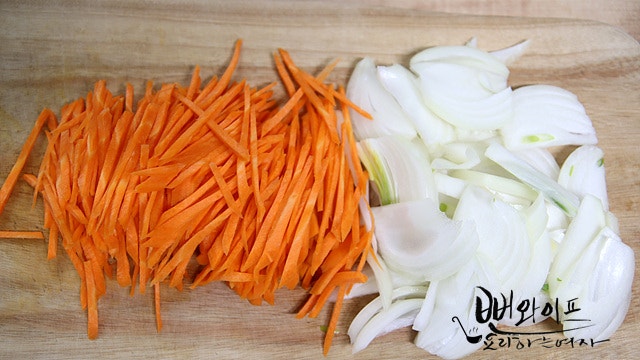
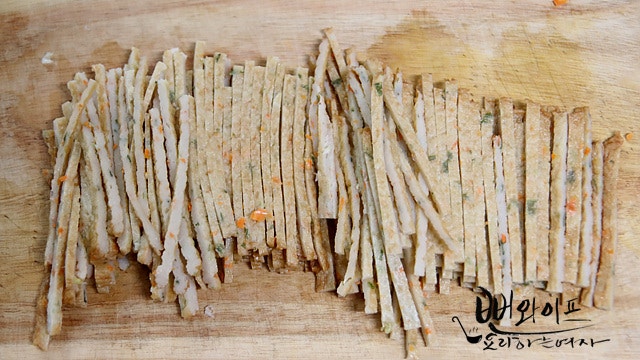
Julienne the carrot and onion so they are not too thin, and thinly slice the fishcakes.
Blanch the spinach
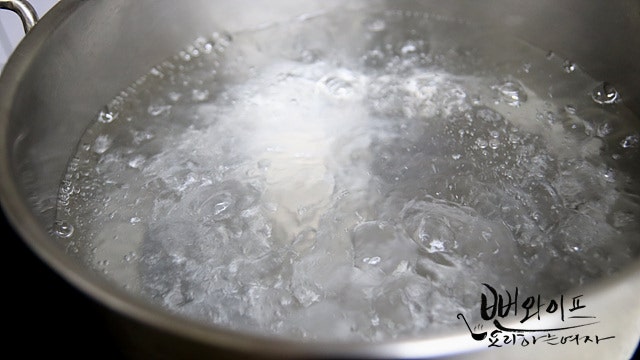
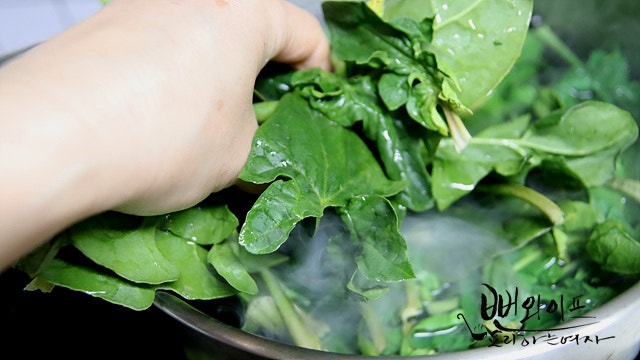
Pour plenty of water into a pot, add a little salt (about 1 tbsp), and once it reaches a rolling boil, add the spinach...
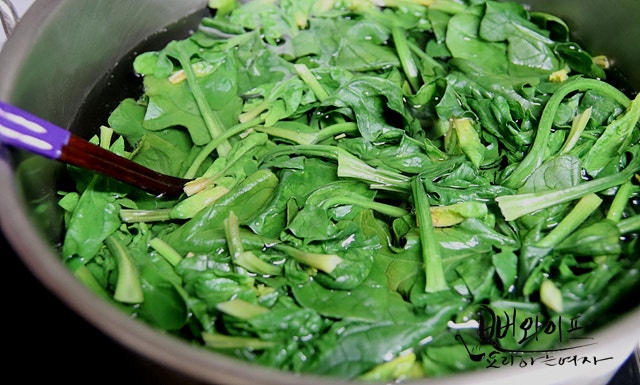
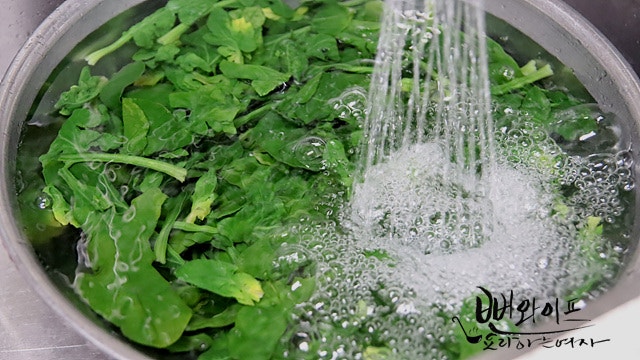
Toss and turn it for about 30 seconds so it wilts evenly, then rinse immediately in cold water to cool off the heat.
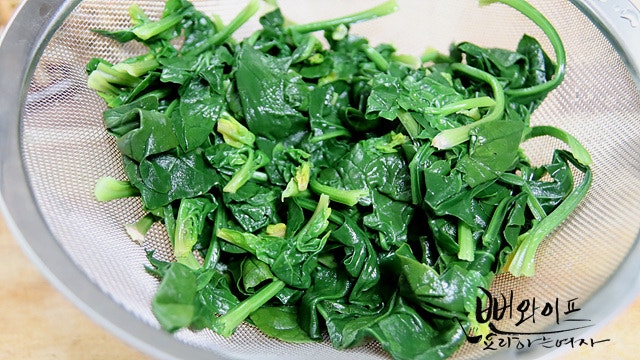
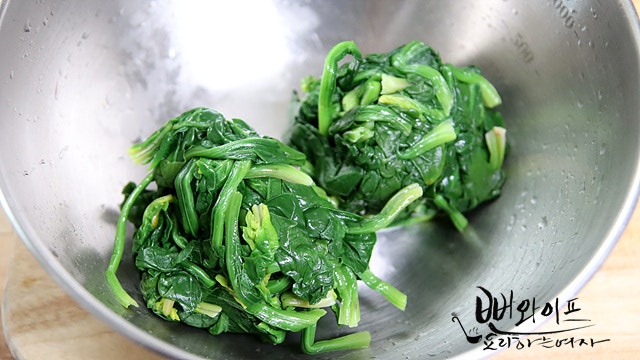
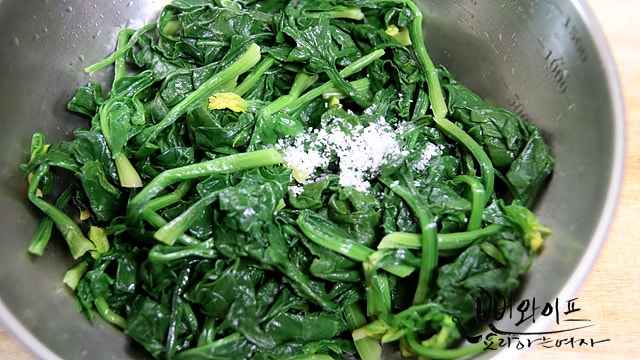
Squeeze out the moisture thoroughly, then season lightly with about 1/2 tsp of salt.
Boil the glass noodles
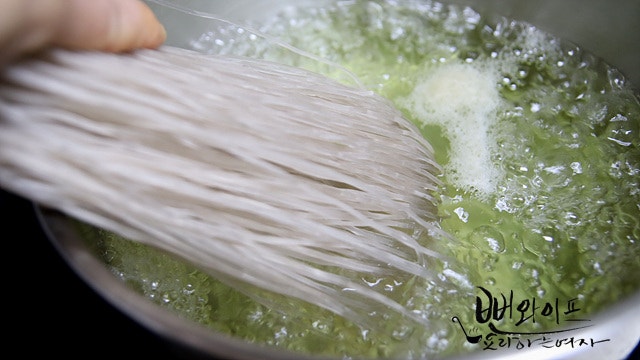
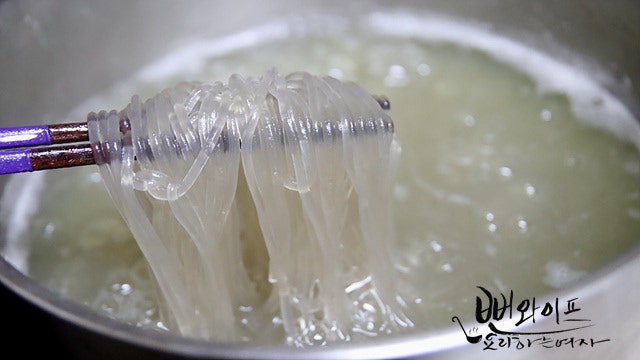
Add the glass noodles to the water used for blanching the spinach and boil for about 2 minutes less than the time indicated on the package.
Since they will be cooked once more when stir-frying with the seasoning later, reducing the boiling time gives you bouncy japchae that does not become soggy.
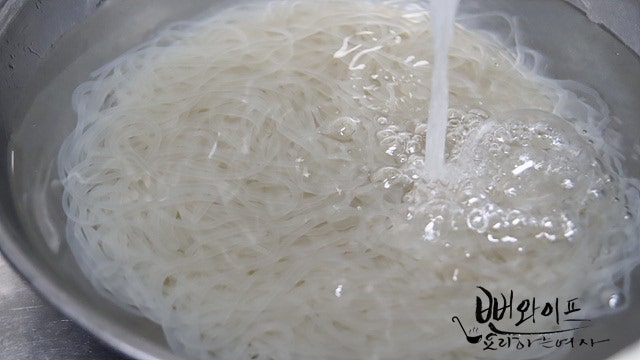
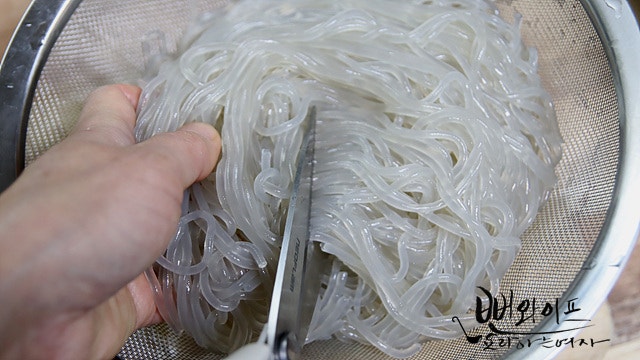
Rinse in cold water, drain in a sieve, and cut into comfortable lengths to eat.
Stir-fry the ingredients
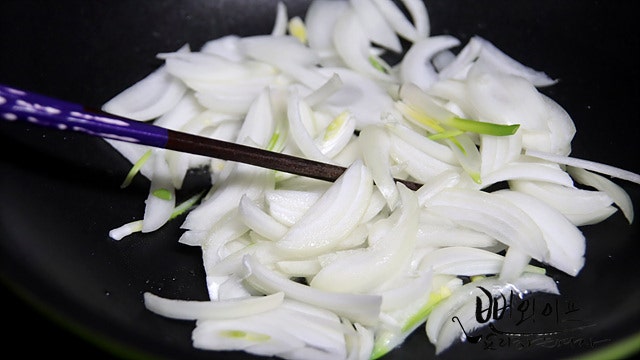
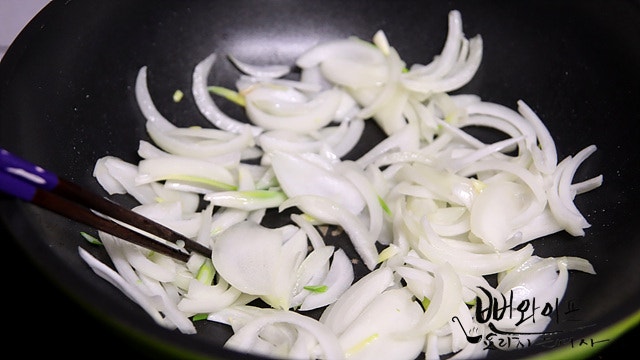
Heat a little cooking oil in a preheated pan, season the onion with a pinch of salt, and stir-fry.
Stir-fry while retaining some of its crisp texture, then transfer to a plate.
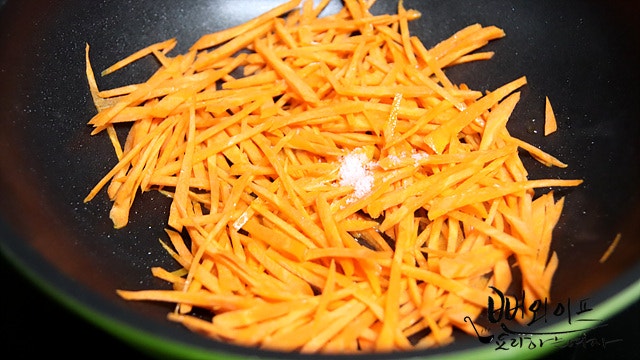
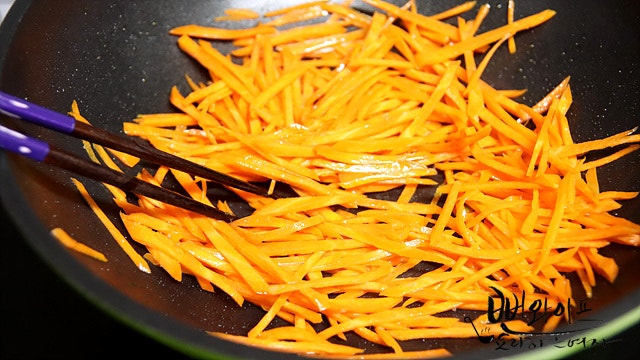
Stir-fry the carrot as well with a pinch of salt until it is about half-cooked...
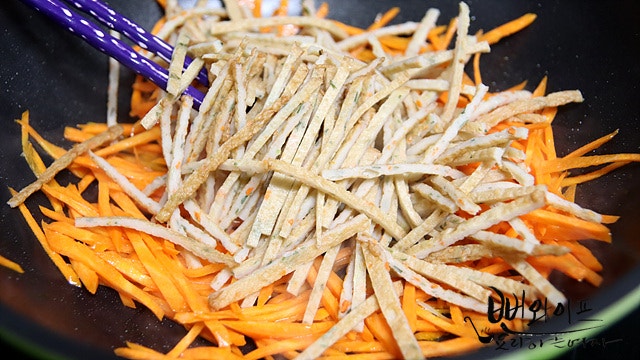
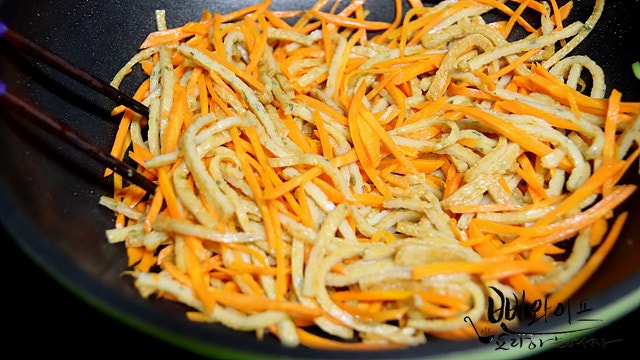
Add the fishcakes and stir-fry them together.
It is much more efficient to stir-fry ingredients with similar textures or colors together in stages.
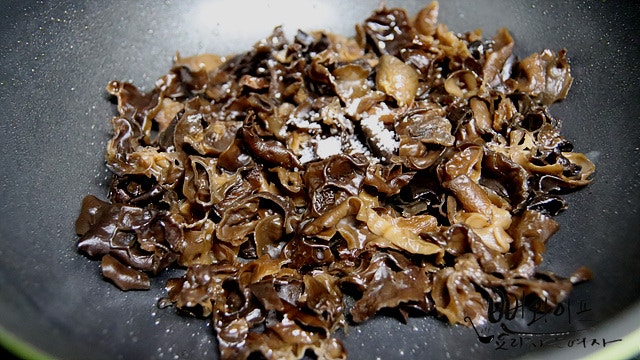
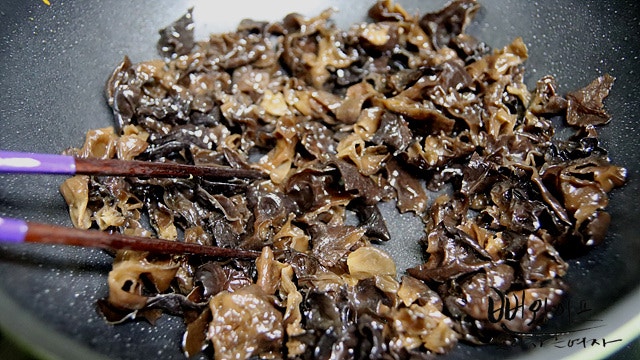
For the wood ear mushrooms as well, oil the pan, add a little salt, and stir-fry them briefly until they turn bouncy.
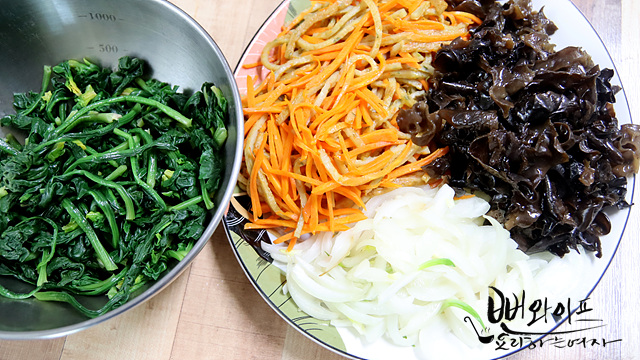
Here are the stir-fried ingredients and the seasoned spinach.
Season the glass noodles
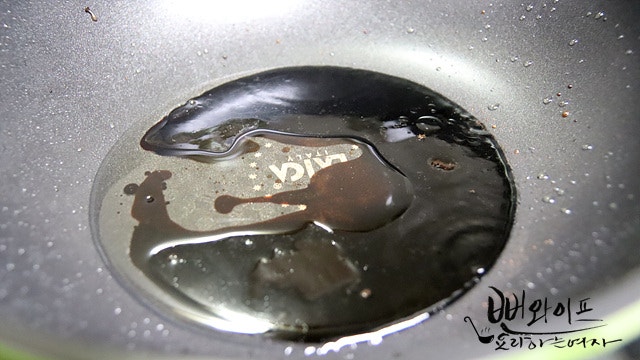
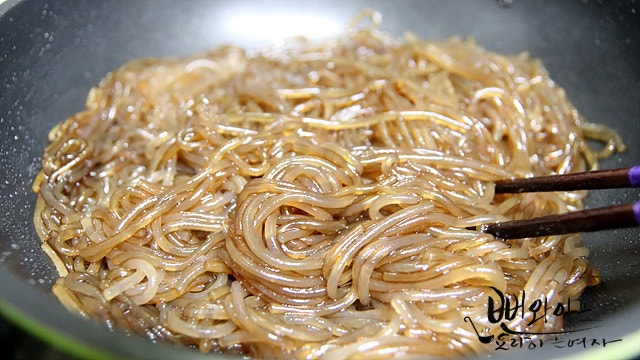
Add 3 tbsp of regular soy sauce (jin-ganjang), 1 tbsp of oyster sauce, 1 tbsp of sugar, 2 tbsp of cooking oil, and the glass noodles to the pan; as you stir-fry, the seasoning coats evenly, and the slightly undercooked glass noodles turn bouncy and cook through completely.
Toss the japchae
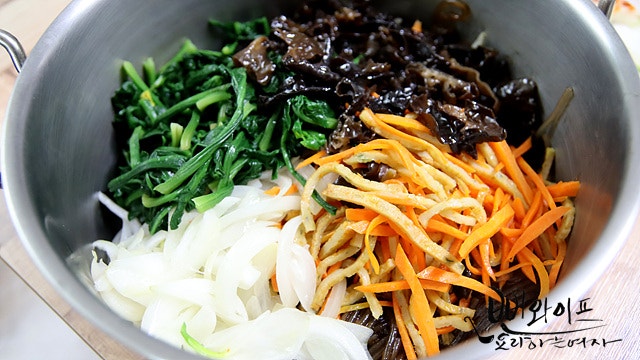
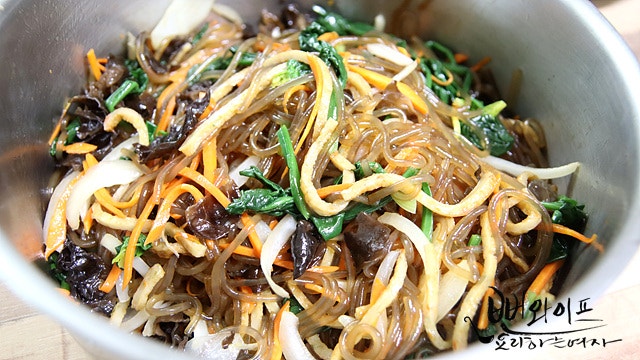
Add the stir-fried ingredients and the glass noodles together, then mix.
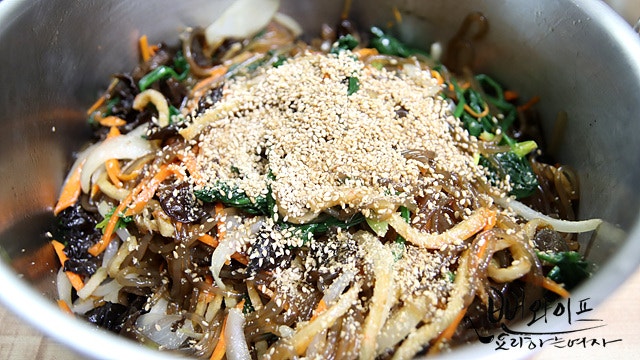
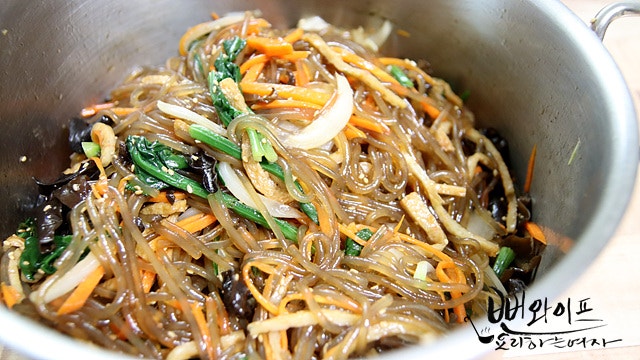
Adjust the final seasoning by adding 1 to 2 tbsp of soy sauce to taste, then finish by mixing in 3 tbsp of toasted sesame oil, 3 tbsp of toasted sesame seeds, and a little ground black pepper.
Done
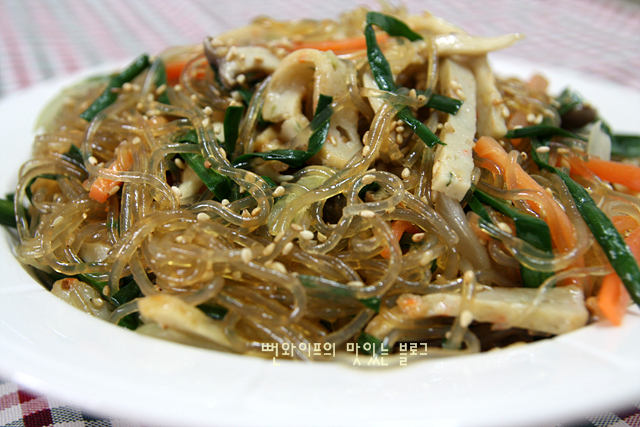
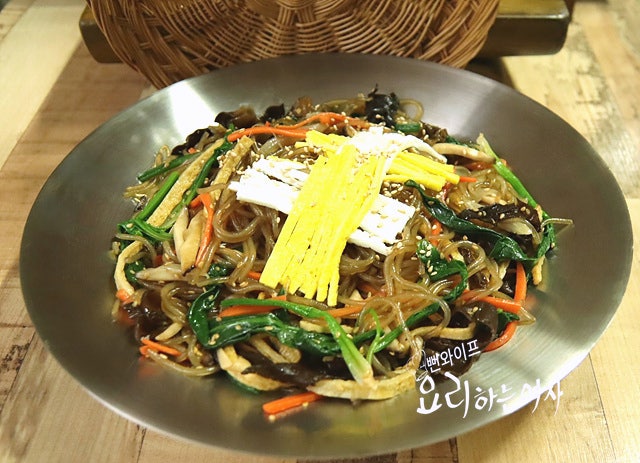
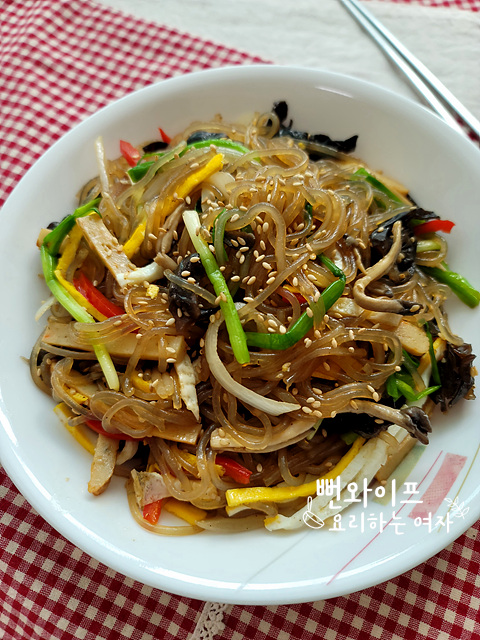
The japchae is complete.
The process seems long because of the detailed explanation, but there is not much to it.
If anything needs soaking, put it in water first, quickly slice the ingredients...
While boiling or blanching, stir-fry the ingredients right alongside, and you will be done in no time.
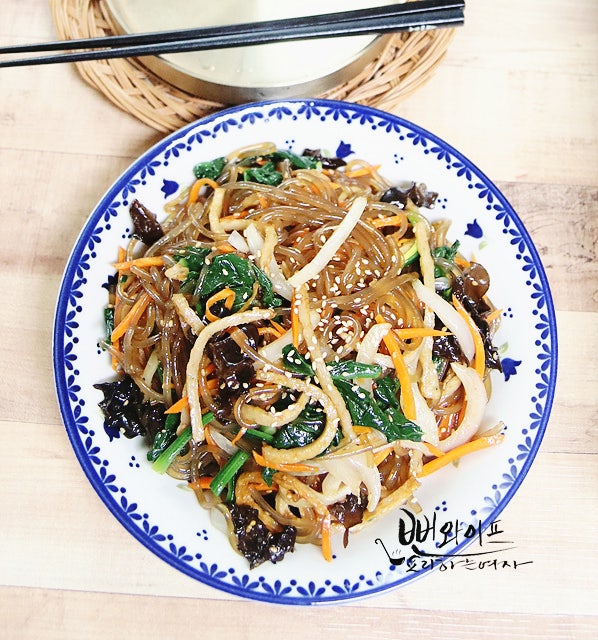
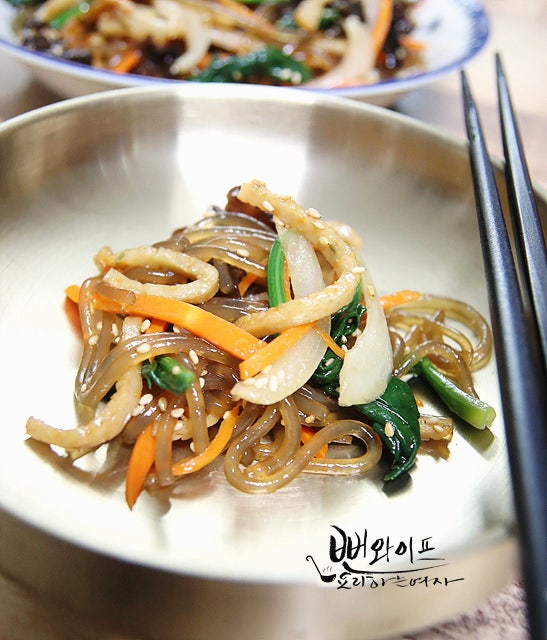
I wonder why I always crave japchae even though I make it so often.
It must be delicious because of the rich flavor created when ingredients of different tastes and textures come together.
In the past, japchae always had to contain meat, but as I get older, I often use mushrooms instead, which leave no unpleasant smell even after cooling down.
 Ppunwife's tips
- They expand to more than three times their volume, so be sure to add generous amounts of water.
- Since there is often debris sticking to the surface of the wood ear mushrooms, rinse them multiple times while rubbing or gently massaging them with your hands.
- Since they will be cooked once more when stir-frying with the seasoning later, reducing the boiling time gives you bouncy japchae that does not become soggy.
- It is much more efficient to stir-fry ingredients with similar textures or colors together in stages.
FAQ
What is the secret to keeping the glass noodles bouncy without getting soggy?
Removing the glass noodles from the water about 2 minutes earlier than the package instructions and finishing them by stir-frying with the soy sauce and oyster sauce seasoning keeps them chewy without becoming overly soft.
Can I use other mushrooms instead of wood ear mushrooms?
You can substitute various mushrooms to your liking, such as shiitake mushrooms (dried or fresh), oyster mushrooms, or king oyster mushrooms.
Is there a way to soak dried wood ear mushrooms quickly?
Pouring plenty of lukewarm water over them will rehydrate them faster. Since they expand to more than three times their volume, make sure to prepare plenty of water.
Can I use beef or pork instead of fishcakes? AI-generated
Cutting beef or pork sirloin into strips, seasoning lightly, and stir-frying it as typically done for japchae works wonderfully as well.