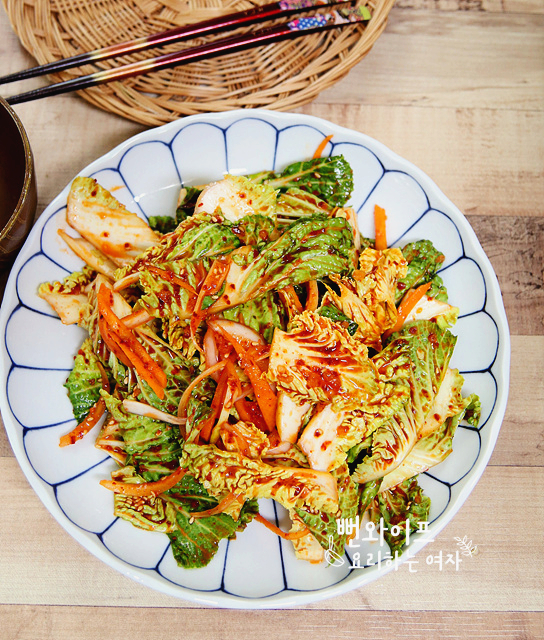
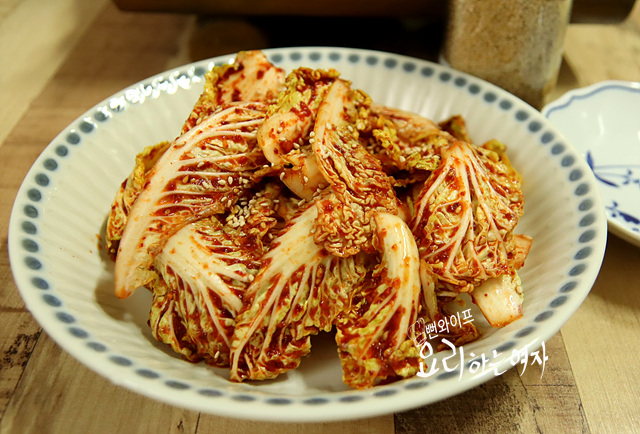
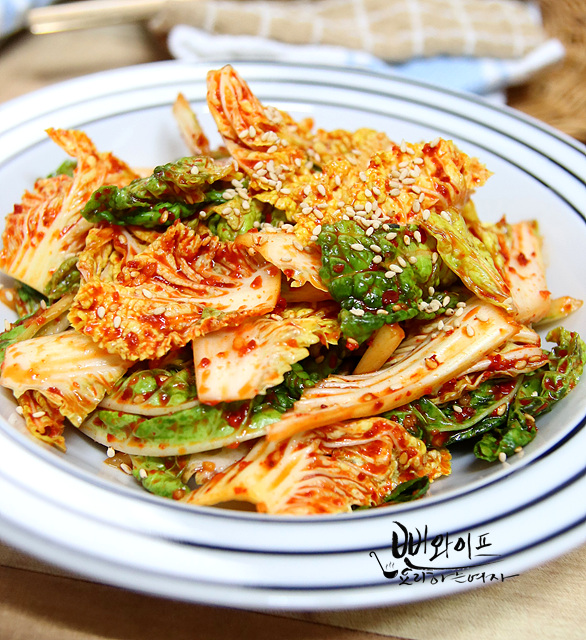
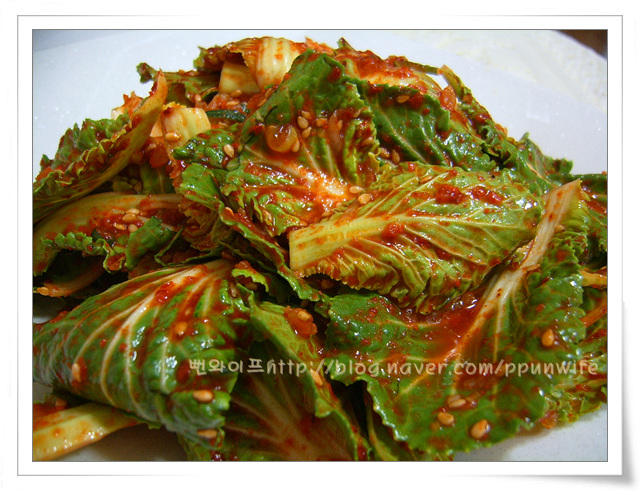
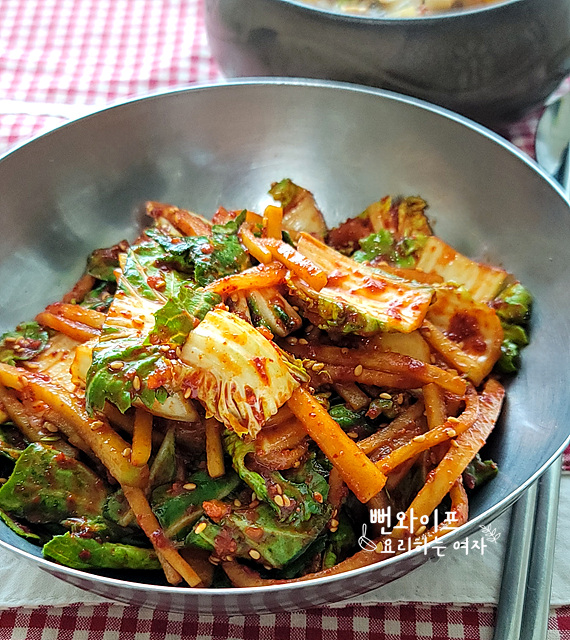
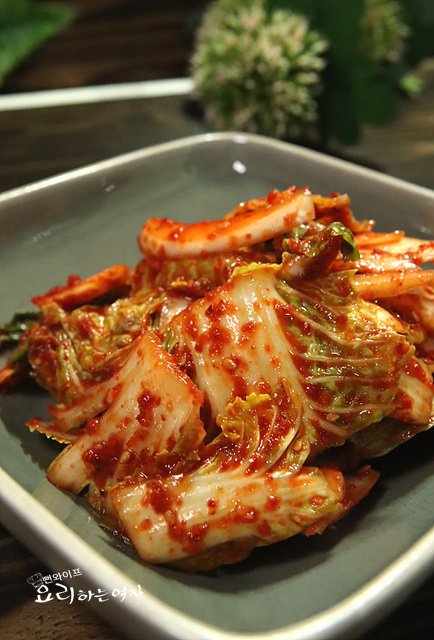
Crisp Bomdong Geotjeori (Fresh Spring Cabbage Salad)
A quick fresh geotjeori side dish made by lightly tossing unpickled bomdong (spring napa cabbage) with seasoning to highlight its crisp texture.
Translated from Korean by AI and not yet checked by a native speaker. Amounts and numbers are taken directly from the original recipe. Read the Korean original →
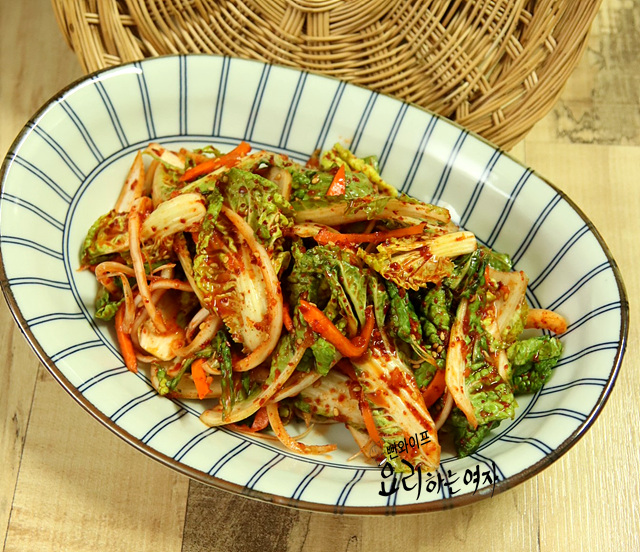
This side dish skips the salting process and is tossed right away, preserving the unique crunchy texture and nutty flavor of bomdong (spring napa cabbage). Because bomdong itself has little moisture, adding a splash of water or fruit juice keeps it pleasantly moist. Made with simple everyday ingredients, it is the perfect pairing for grilled meats or bibimbap.
- Servings
- 3–4 servings
- Difficulty
- Easy
- Spiciness
- Mildly spicy
Ingredients
Ingredients
- Bomdong (spring napa cabbage)150 g
- Onion1/4
- Carrota little
Seasoning
- Gochugaru (Korean chili flakes)2 tbsp
- Sand lance fish sauce (or dried anchovies)1 tbsp
- Minced garlic1 tbsp
- Minced ginger1/2 tsp
- Vinegar1 tbsp
- Sugar (or green plum syrup (maesil-cheong))1/2 tbsp
- Salta little
- Toasted sesame oila little
- Toasted sesame seedsa little
- Water3 tbsp
- Use the center leaves, which are the most tender and flavorful. If the cabbage is large, save the small, yellowish inner leaves for seasoned salads or fresh geotjeori, use the middle leaves for savory pancakes, and use the thick outer leaves for doenjang soup or blanch them for namul.
- Hold the bomdong (spring napa cabbage) and trim off the root base to separate the individual leaves. Because it grows close to the ground, it tends to hold a lot of dirt, so wash each leaf thoroughly on both front and back, then drain well.
Steps
Prepare the ingredients
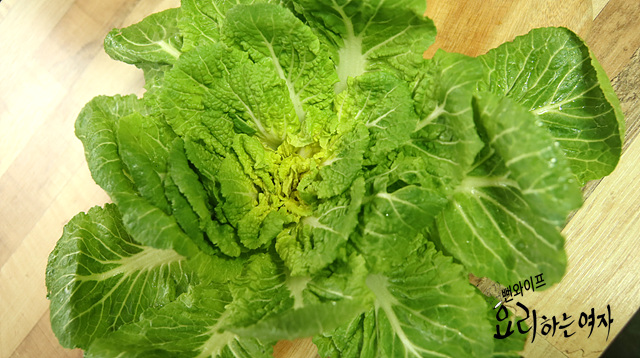
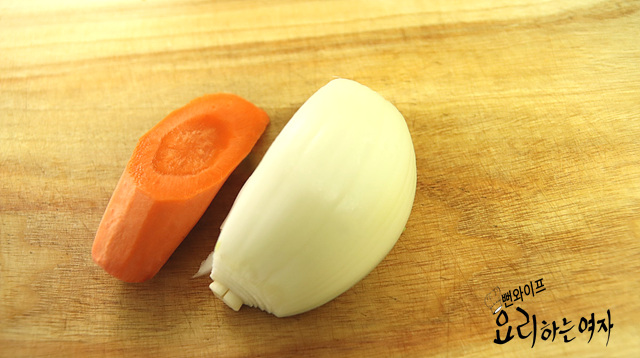
Here is one head of bomdong (spring napa cabbage).
I will use the center leaves, which are the most tender and flavorful.
I also prepared a little bit of onion and carrot.
Clean the bomdong
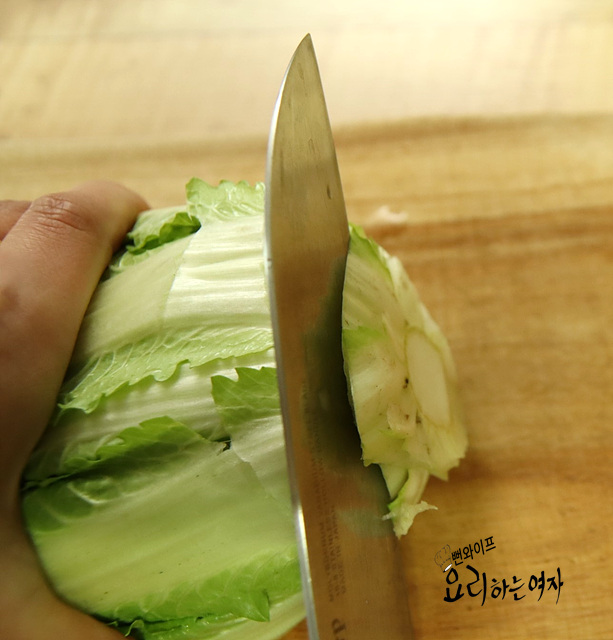
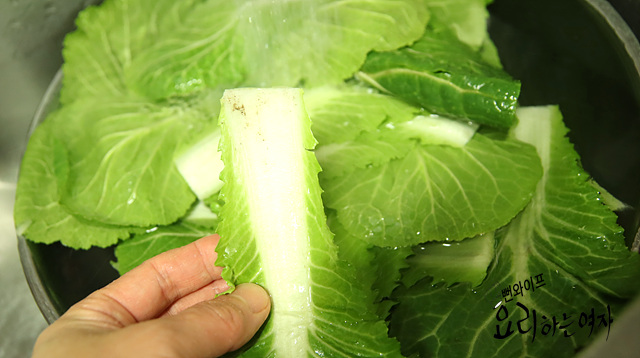
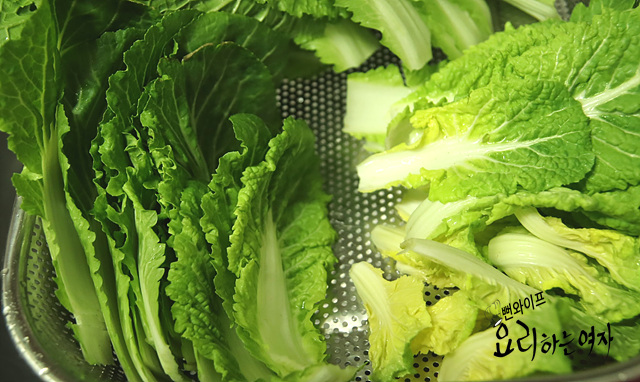
Hold the bomdong and slice off the root base to separate the leaves.
Because it grows close to the ground, a lot of dirt clings to it, so wash each leaf thoroughly on both sides.
Drain the washed bomdong lightly.
If the bomdong is large, use the small, yellowish inner leaves for tossed salads or geotjeori...
The middle leaves are great for pancakes, and the thick outer leaves work well in doenjang soup or blanched and seasoned.
Cut the ingredients
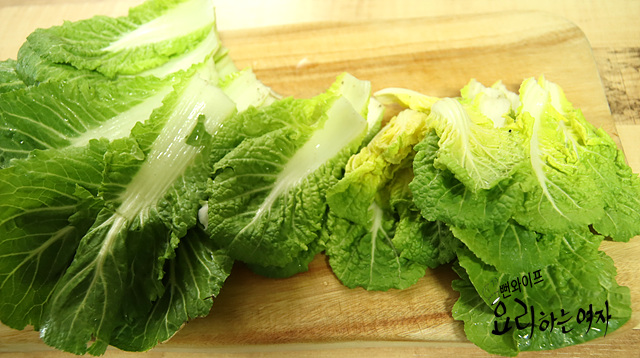
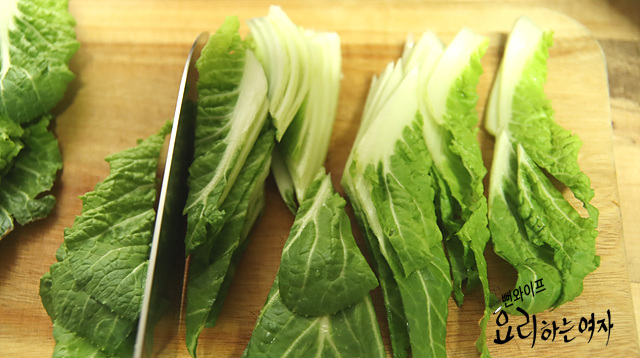
Leave small washed bomdong leaves whole; cut larger ones in half and slice diagonally into bite-size pieces.
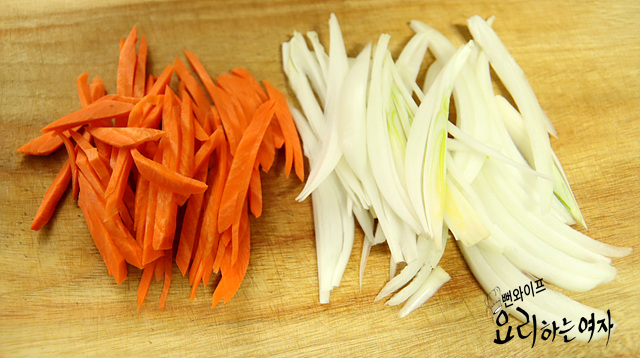
Julienne the onion and carrot.
Season the salad
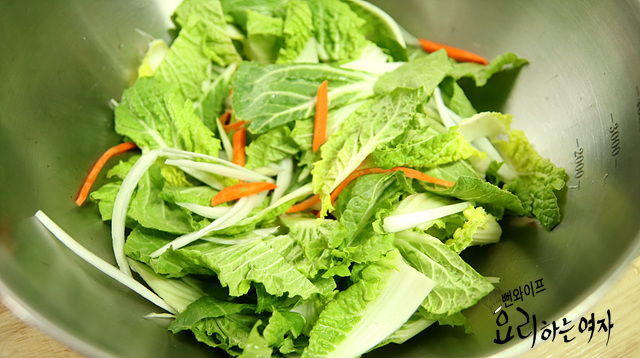
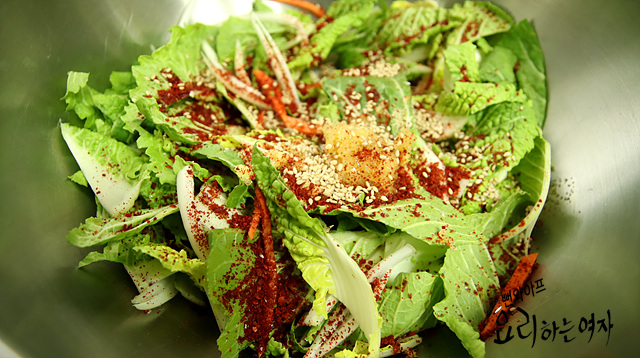
Add the bomdong, onion, and carrot together and toss evenly, then...
Scatter each seasoning ingredient evenly over the top.
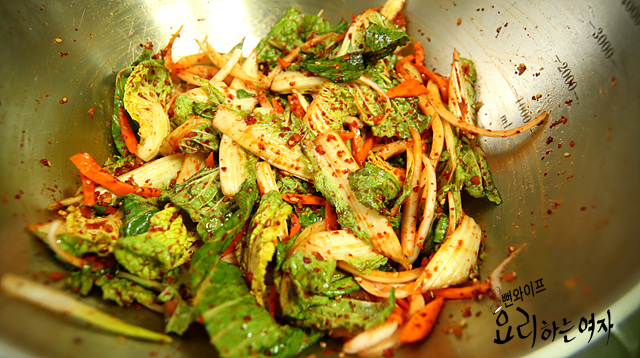
Toss gently until evenly coated, and adjust the final seasoning with salt.
Even though this is geotjeori, I added a little vinegar for a refreshing kick today, which you can adjust to your taste.
Bomdong naturally has little moisture, so adding water or fruit juice when tossing helps keep it nicely moist.
Finish
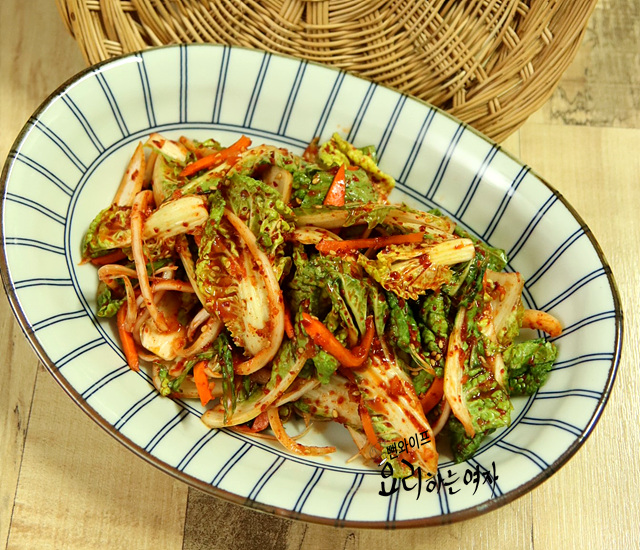
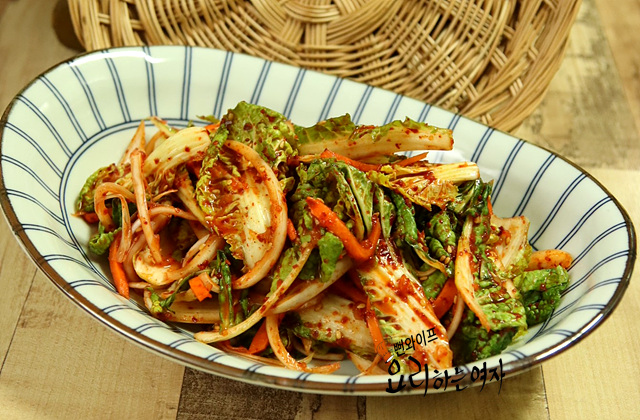
Bomdong has a distinct charm that sets it apart from baby napa cabbage.
Its nutty flavor and delightfully crunchy bite every time you chew are truly wonderful.
 Ppunwife's tips
- Bomdong naturally has little moisture, so adding water or fruit juice when tossing helps keep it moist and juicy.
FAQ
How can I use the different parts of bomdong?
The yellow inner leaves are tender and nutty, making them ideal for fresh geotjeori or tossed salads; the middle leaves work well in pancakes, and the thick outer leaves are best blanched and seasoned or simmered in doenjang soup.
Why do you add water to the seasoning?
Bomdong has relatively little natural moisture, so adding water or fruit juice to the dressing keeps the sauce from clumping and coats the leaves moistly.
Can I use anchovy fish sauce instead of sand lance fish sauce?
Yes, anchovy fish sauce works as a direct substitute for sand lance fish sauce, so you can use whichever you prefer.
Is there anything to keep in mind when washing bomdong?
Because it grows flat against the soil, it collects a lot of dirt. Trim the root end to separate every leaf, then wash both the front and back of each leaf thoroughly.