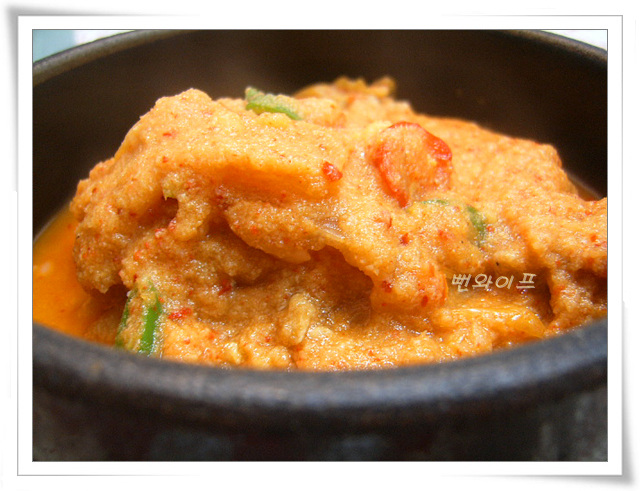
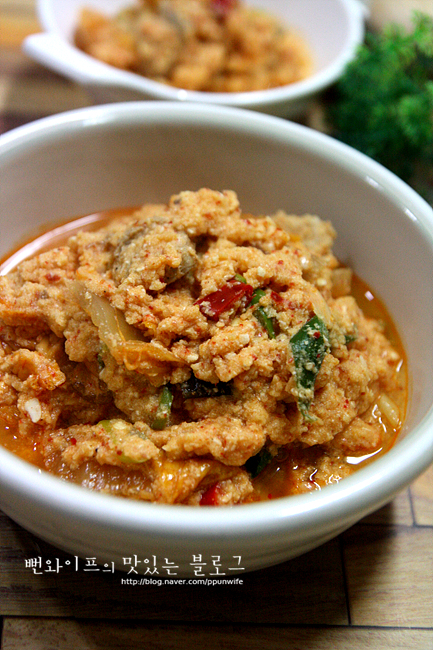
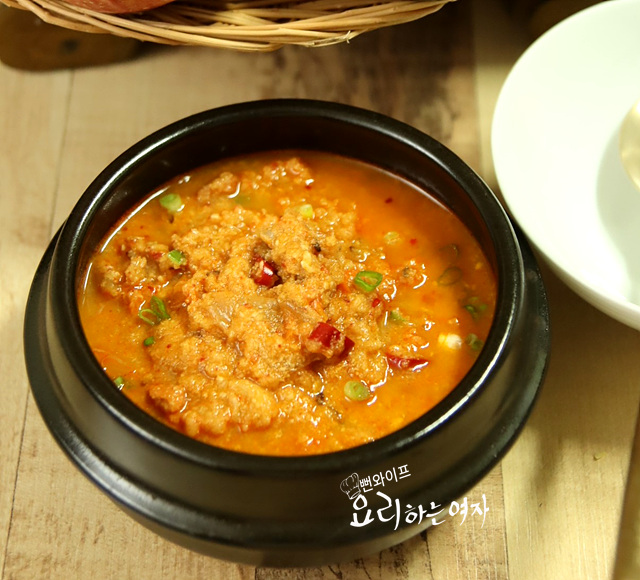
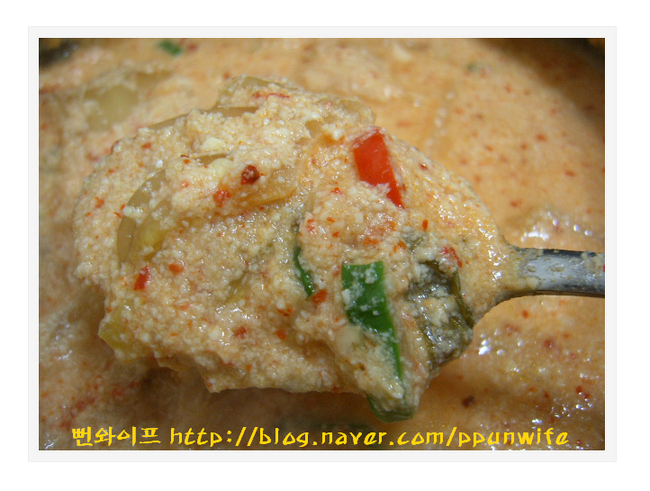
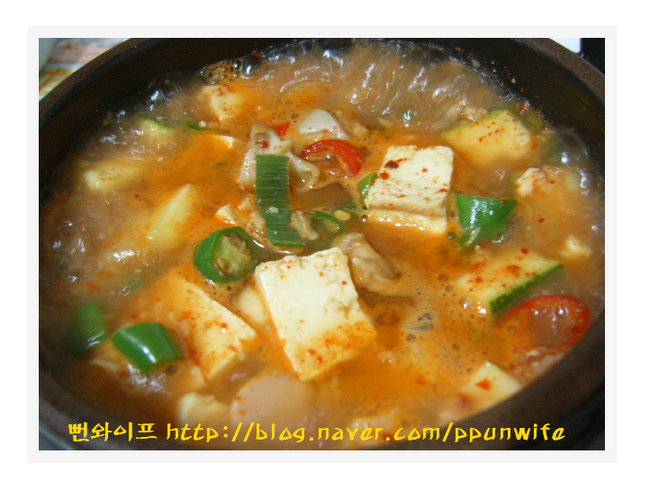
Savory and Mild Doenjang Biji Jjigae (Soybean Paste Pureed Soybean Stew)
A savory stew made without meat or kimchi, combining soybean curd residue with a doenjang-seasoned broth.
Translated from Korean by AI and not yet checked by a native speaker. Amounts and numbers are taken directly from the original recipe. Read the Korean original →
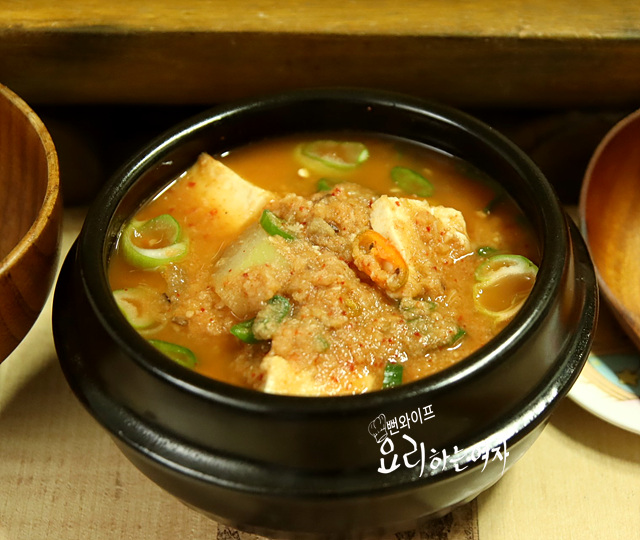
This comforting stew is made by simmering homemade doenjang and Korean radish in anchovy broth, then adding soybean curd residue and tofu for a clean, mild finish. Even without meat or kimchi, it yields a deep, savory umami that makes for an easy, soothing meal.
- Servings
- 3–4 servings
- Difficulty
- Easy
- Spiciness
- Mildly spicy
Ingredients
Ingredients
- Soybean curd residue (kongbiji)350 g
- Korean radish (mu)100 g
- Tofu100 g
- Large green onion (daepa)1/2 stalk
- Cheongyang chili pepper (hot green chili)2
- Homemade doenjang (Korean soybean paste)2 tbsp
- Anchovy broth2 1/2 cups
Seasoning
- Gochugaru (Korean chili flakes)1 tbsp
- Minced garlic1/2 tbsp
- Salta little
- You can also prepare a small amount of mushrooms or Korean zucchini.
- If using commercial doenjang instead of homemade doenjang, you will need to add more to get the seasoning right.
Steps
Cut the ingredients
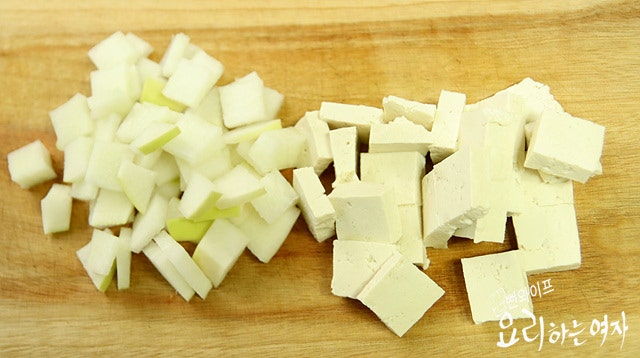
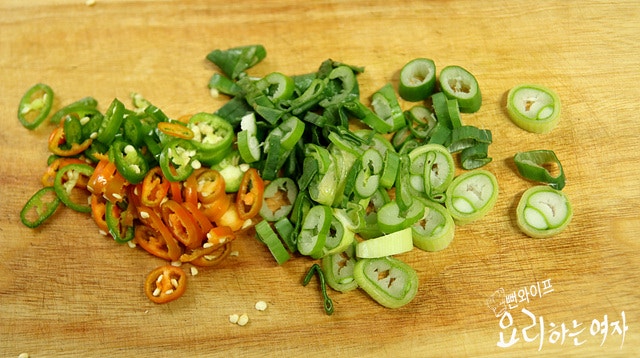
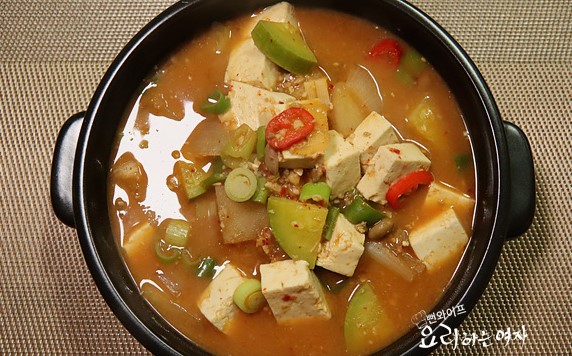
Cut the tofu and Korean radish into small thin squares or cubes so they are easy to scoop up, and finely slice the large green onion and Cheongyang chili peppers.
Boil the stew
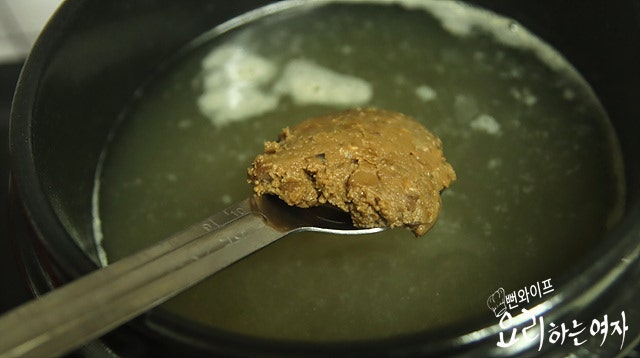
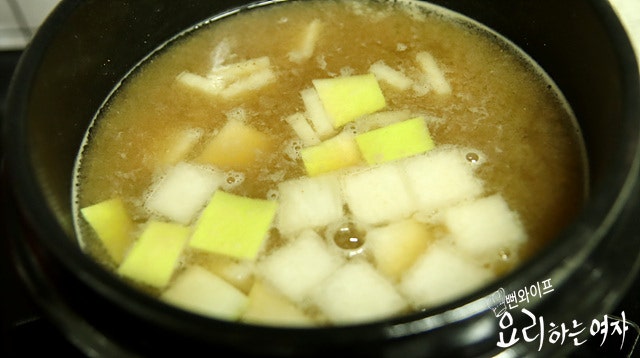
Add 2 tbsp doenjang and the Korean radish to the anchovy broth.
I used homemade doenjang; if you use commercial doenjang, you will need to add more to season it properly.
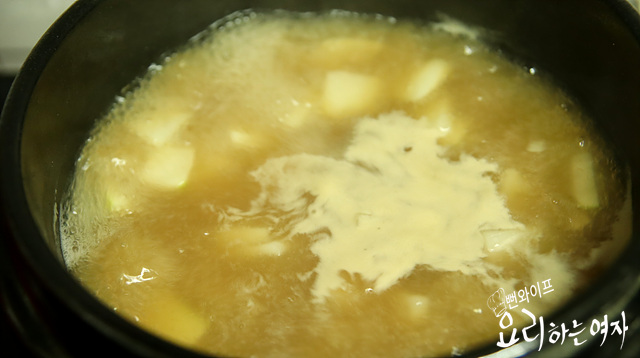
Simmer until the Korean radish is cooked through.
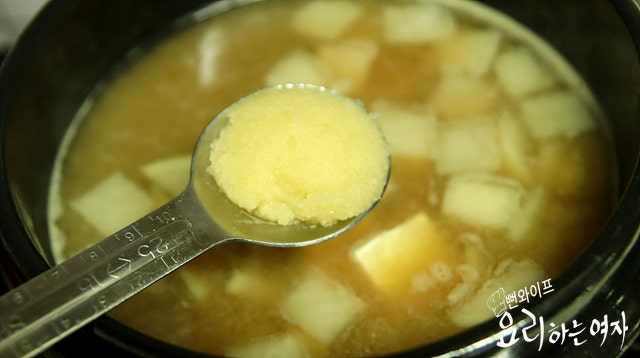
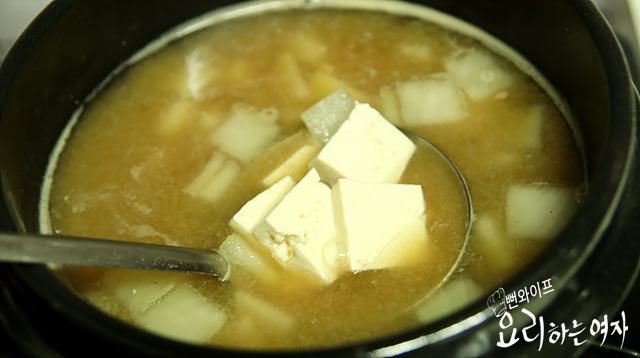
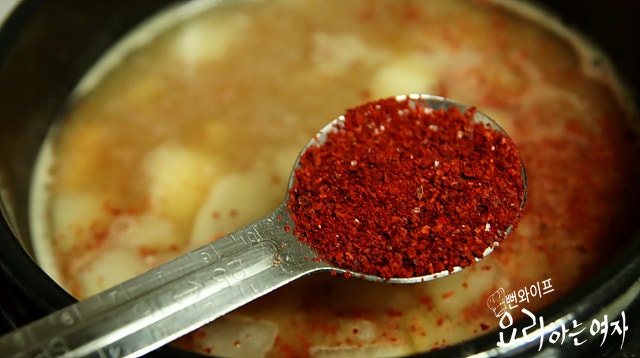
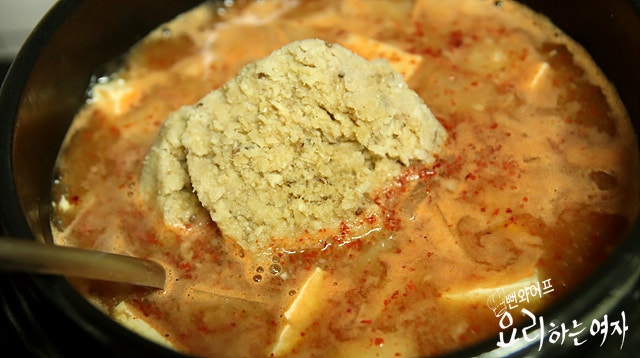
Add 1/2 tbsp minced garlic, the tofu, 1 tbsp gochugaru, and the soybean curd residue.
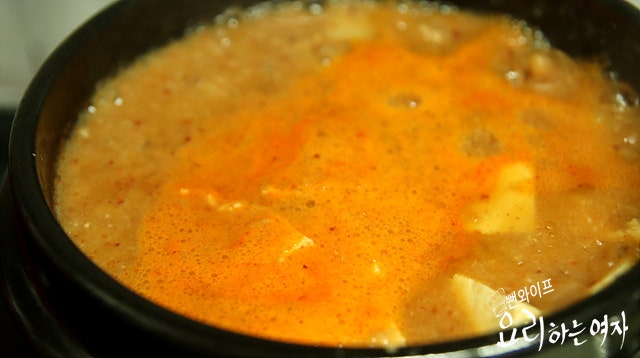

Simmer briefly so the seasonings and ingredients cook through and blend together; if it tastes bland, adjust the seasoning with salt.
Finish by adding the large green onion and Cheongyang chili peppers at the end.
Finish
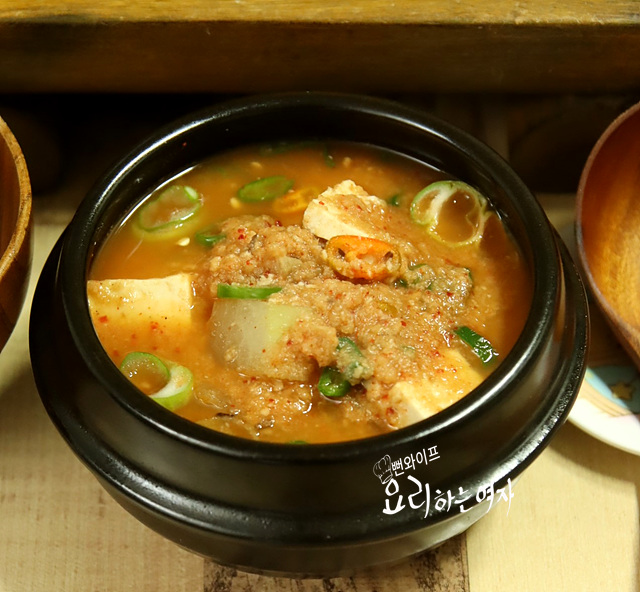
Just by adding soybean curd residue at the end of making doenjang jjigae, your Doenjang biji jjigae is done.
It is so simple.
All I did was add soybean curd residue, so why is this so delicious?
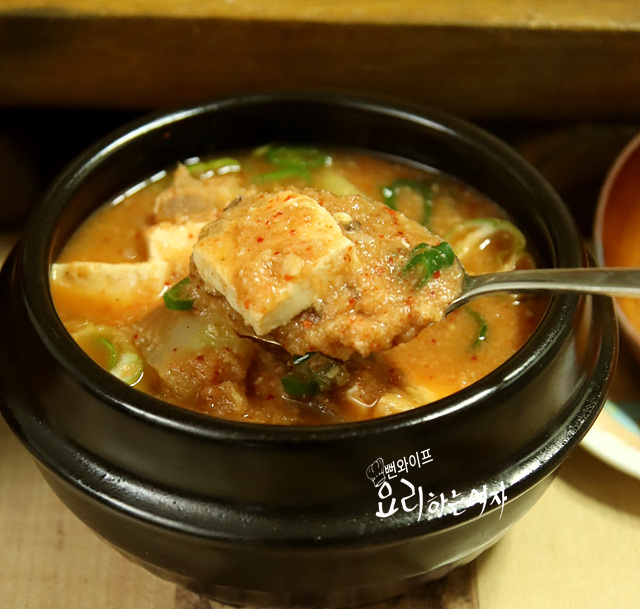
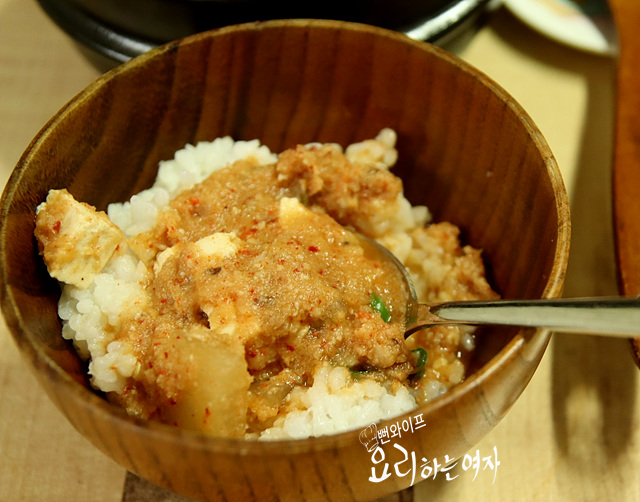
Both the seasonings and ingredients are much simpler than biji stew made with meat and kimchi, and this has a charm of its own.
Because the ingredients are practically all made from soybeans, you get a massive boost of protein, and the savory flavor is doubled.
It is delicious just like this, but if you want more chew, mushrooms can easily take the place of meat.
Simmer this soybean curd residue stew mildly, whip up a quick batch of radish salad or fresh lettuce salad, and mix generous spoonfuls into your rice—it is pure heaven in your mouth.
 Ppunwife's tips
- If using commercial doenjang, add more than the amount of homemade doenjang to get the right seasoning.
- If you miss having something to chew on, mushrooms can easily replace the meat.
FAQ
How should I adjust the amount when using commercial doenjang?
Commercial doenjang is usually less salty than homemade doenjang, so it is best to increase the amount to taste to get the seasoning right.
Are there other vegetables that are good to add beyond the base ingredients?
You can add a little mushroom or Korean zucchini according to your taste; mushrooms are especially good for adding a chewy texture.
What should I use for the final seasoning?
After simmering until the ingredients come together, taste the stew and add a little salt if it seems bland.