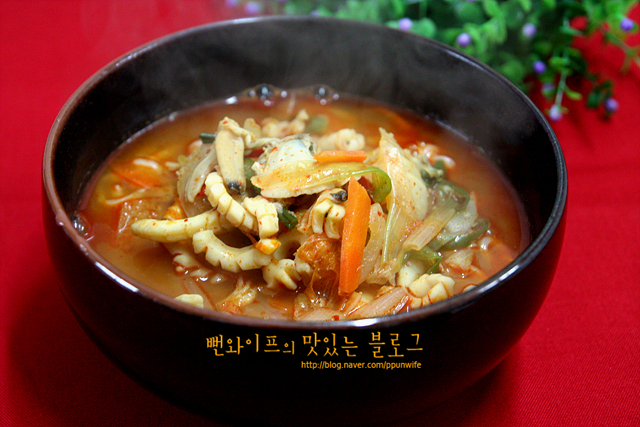
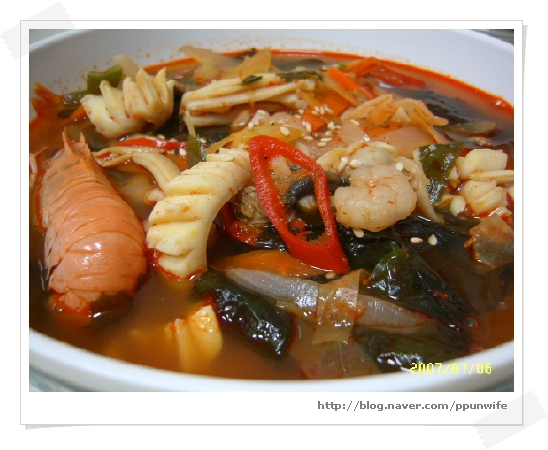
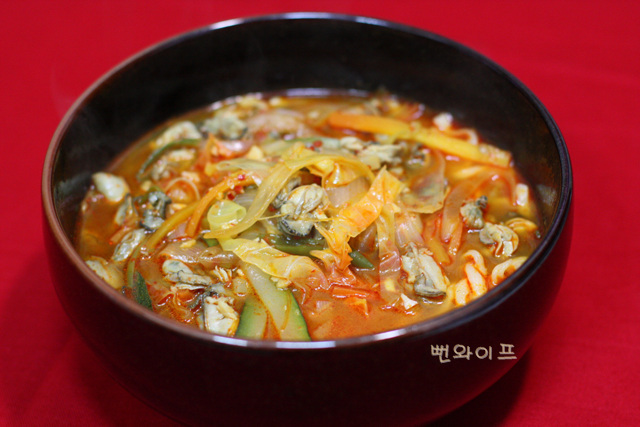
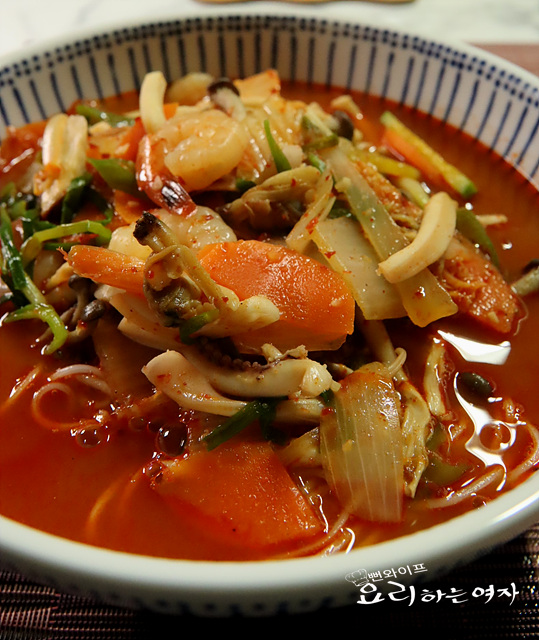
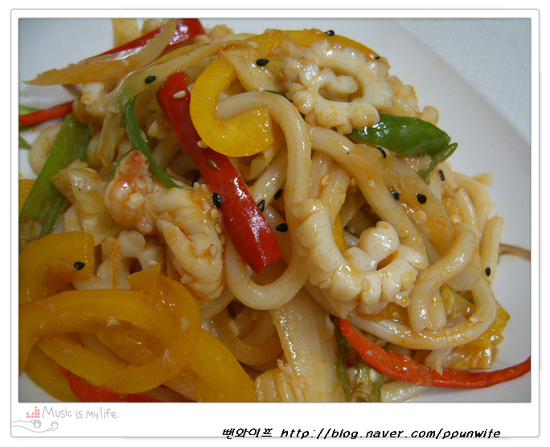
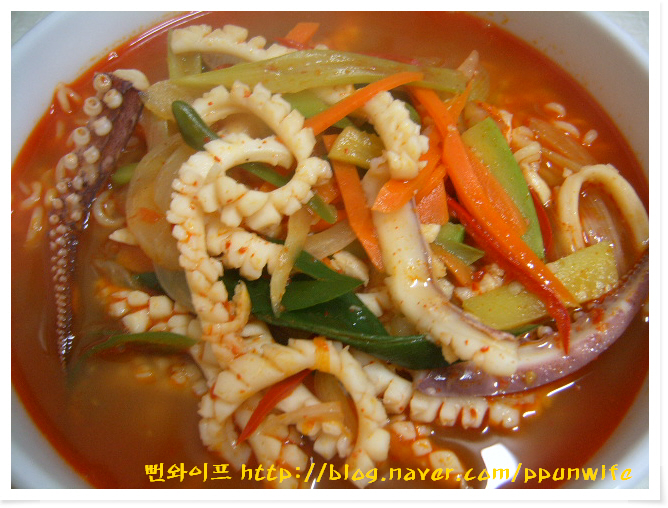
Spicy, Savory Bokkeum Jjamppong (Stir-Fried Spicy Seafood Noodles)
A spicy Chinese-Korean stir-fried noodle dish featuring seafood and vegetables quickly tossed over high heat with oyster sauce.
Translated from Korean by AI and not yet checked by a native speaker. Amounts and numbers are taken directly from the original recipe. Read the Korean original →
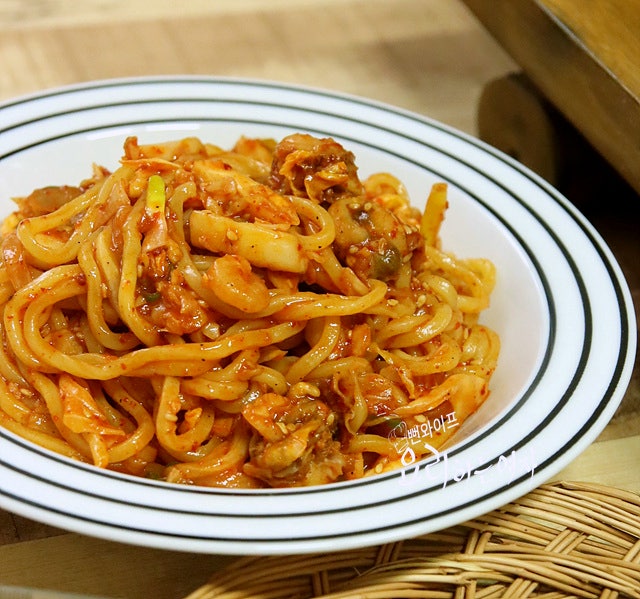
This is a 2-serving noodle dish made with mixed seafood and Chinese-style noodles stir-fried spicy in an oyster sauce seasoning. Cooking over high heat with aromatic chili oil evaporates excess moisture, keeping the vegetables and seafood pleasantly textured. Rich in savory umami, it makes a wonderfully hearty one-bowl meal.
- Servings
- 2 servings
- Difficulty
- Medium
- Spiciness
- Spicy
Ingredients
Ingredients
- Mixed seafood1 1/2 cups
- Cabbage1 handful (sliced)
- Onion (or 1/2 medium)1/4 (large)
- White part of large green onion (daepa)
- Cheongyang chili pepper (hot green chili)2
- Chinese-style noodles (or udon noodles)
Seasoning
- Minced garlic1 1/2 tbsp
- Minced ginger1 tsp
- Gochugaru (Korean chili flakes)2 tbsp
- Regular soy sauce (jin-ganjang) (or brewed soy sauce (yangjo-ganjang))2 tbsp
- Oyster sauce2 tbsp
- Corn syrup (mulyeot)1 tbsp
- Mirin (cooking rice wine)2 tbsp
- Water1/2 cup
- Toasted sesame oil1 tbsp
- Toasted sesame seeds1 tbsp
- Ground black peppera little
- You can also use baby napa cabbage, Korean zucchini (aehobak), carrots, mung bean sprouts, or mushrooms.
Steps
Prepare the ingredients
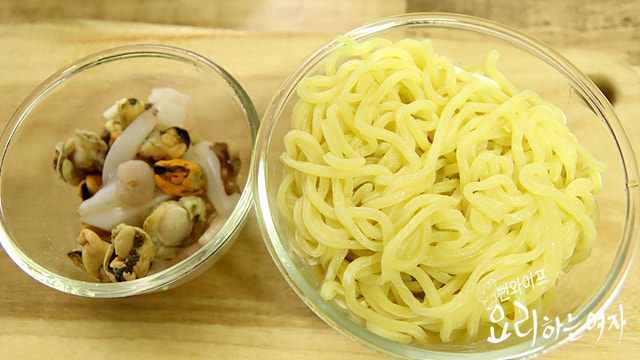
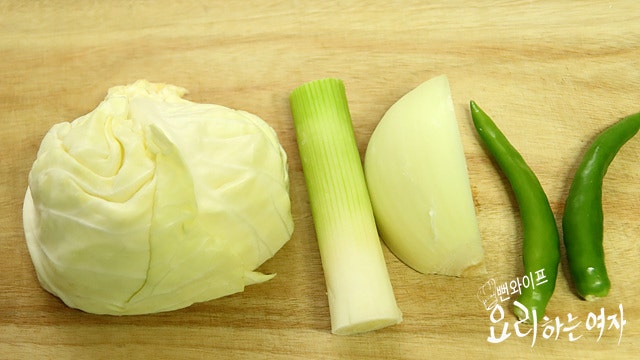
Prepare 1 1/2 cups of mixed seafood and 2 servings of Chinese-style noodles.
For vegetables, cabbage, the white part of a large green onion, onion, and Cheongyang chili peppers are enough.
You can also use baby napa cabbage, Korean zucchini (aehobak), carrots, mung bean sprouts, or mushrooms.
Make the jjamppong sauce and slice the vegetables
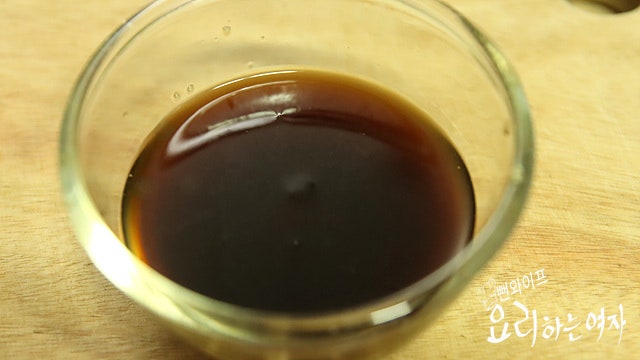
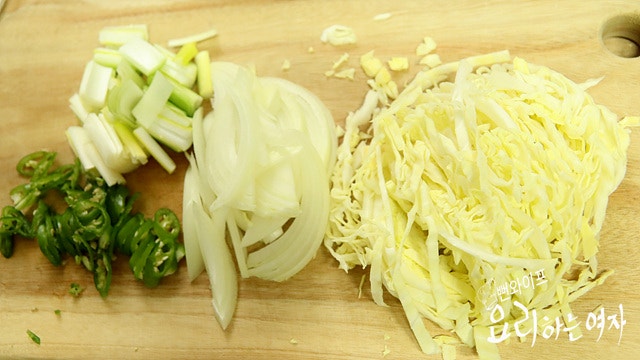
Mix 2 tbsp regular soy sauce (jin-ganjang), 2 tbsp oyster sauce, 1 tbsp corn syrup (mulyeot), and 1/2 cup water together to make the jjamppong sauce in advance.
Slice the cabbage, onion, green onion, and Cheongyang chili peppers not too thinly.
Parboil the noodles
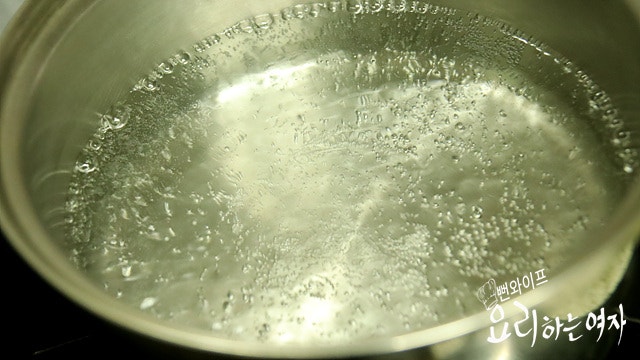
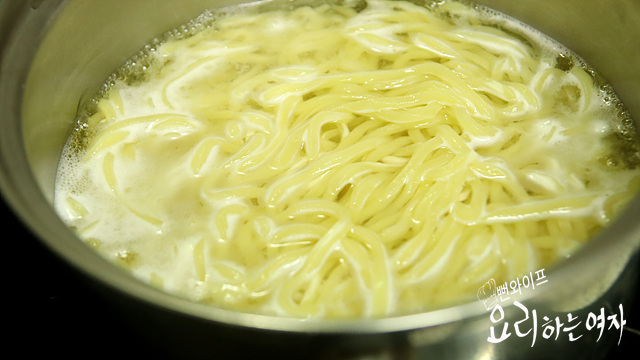
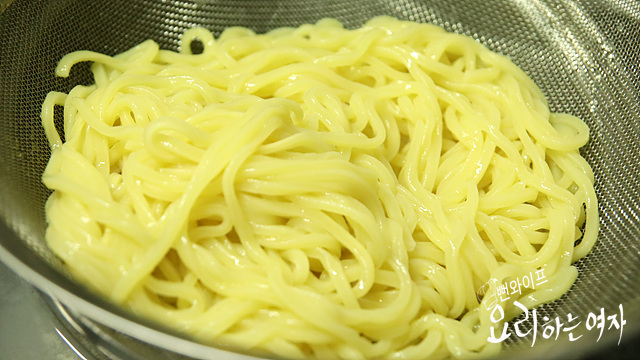
Add the noodles to rolling boiling water, and once they loosen and become tender, rinse them in cold water to make them springy and drain well.
Make aromatic chili oil
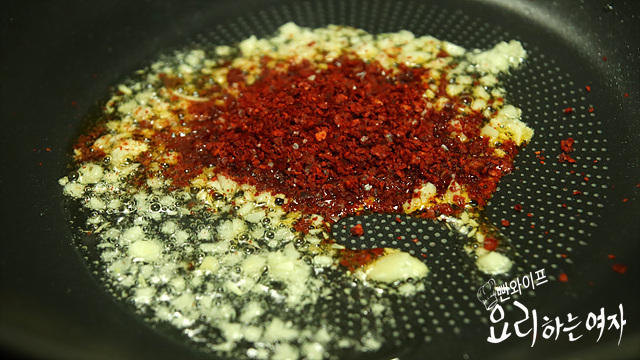
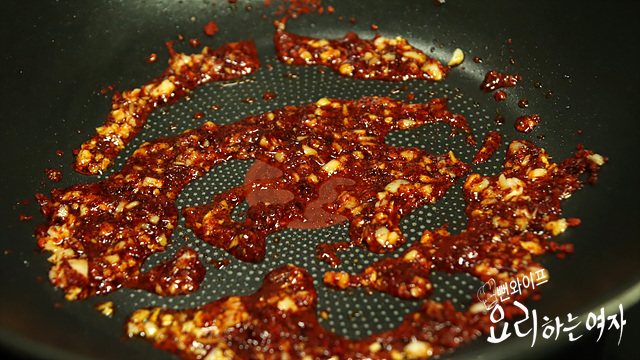
Heat 3 tbsp cooking oil in a pan, add 1 1/2 tbsp minced garlic, 1 tsp minced ginger, and 2 tbsp gochugaru (Korean chili flakes), then stir-fry gently without burning...
Add the seafood and stir-fry
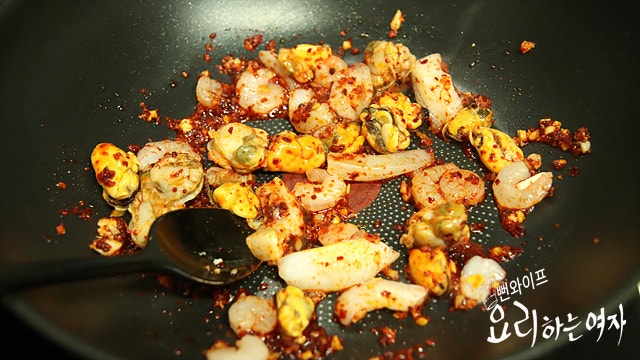
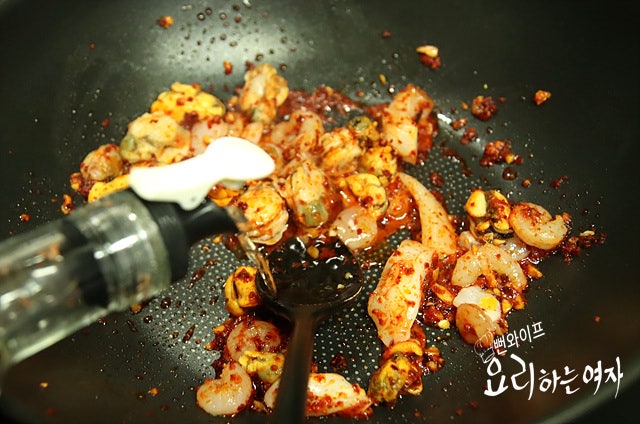
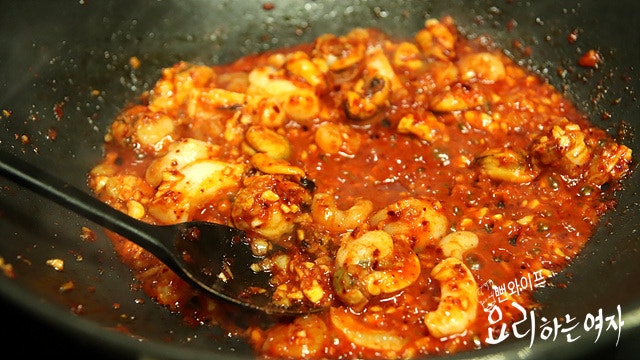
Add the seafood along with 2 tbsp mirin (cooking rice wine) to remove any fishy smell, and stir-fry.
Add vegetables, sauce, and noodles, then finish
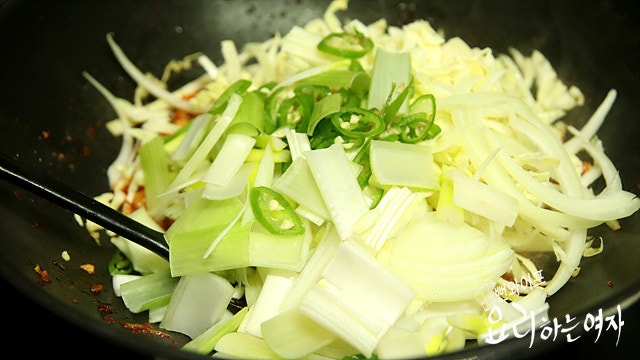
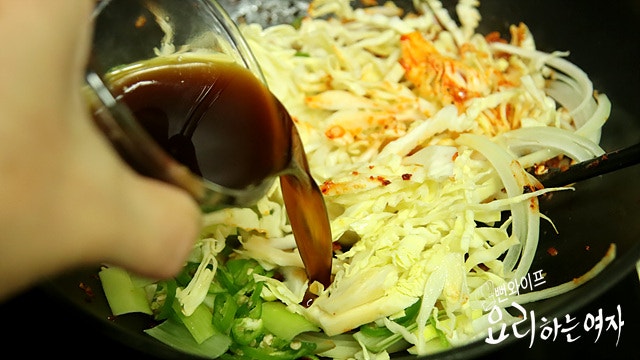
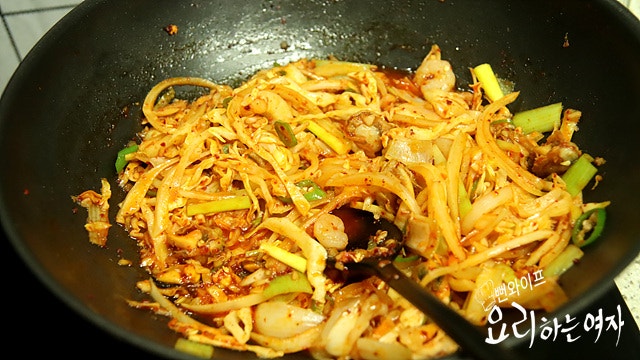
From the moment the vegetables go in, raise the heat to high and stir-fry quickly.
Add all the prepared vegetables, pour in the sauce, and toss a few times so the seasoning blends in...
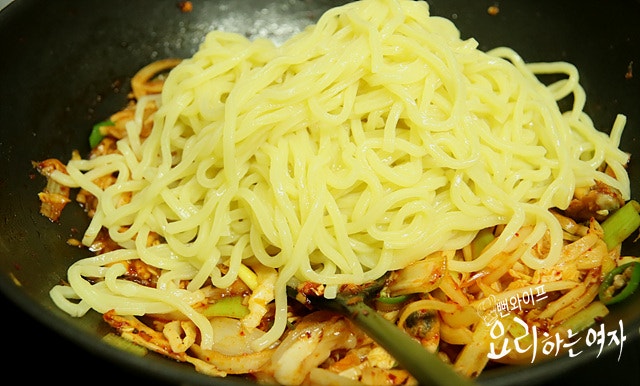
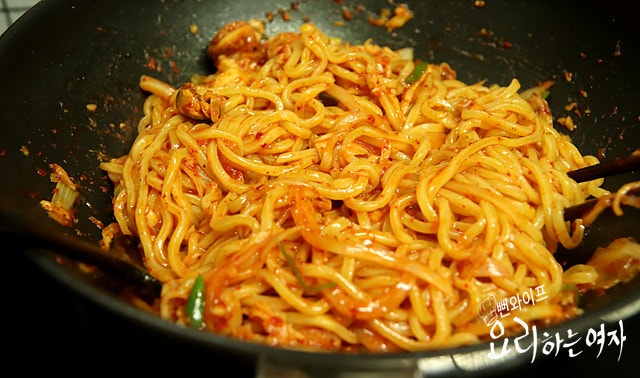
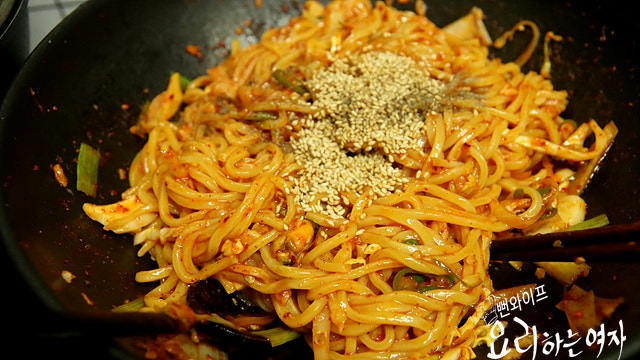
Add the noodles, toss well so the seasoning coats evenly, and adjust any missing seasoning with salt.
Turn off the heat and finish with toasted sesame oil, toasted sesame seeds, and a little ground black pepper.
Complete
Because this is a brothless jjamppong, you must stir-fry it quickly over high heat to keep the texture of the seafood and vegetables alive and evaporate moisture.
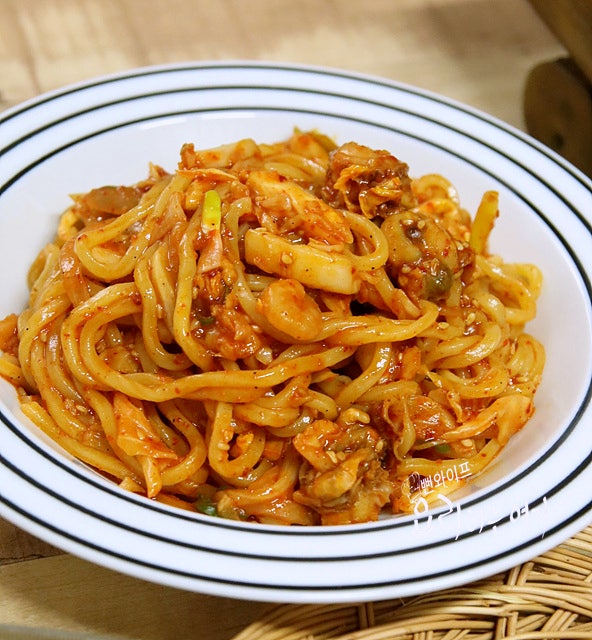
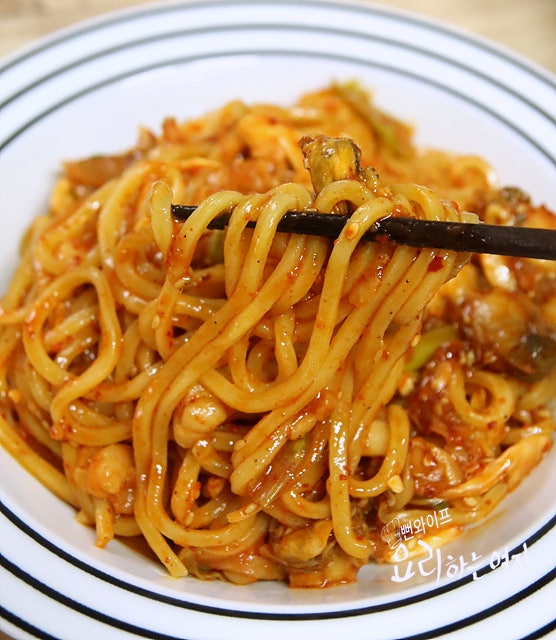
With springy noodles and the savory umami from the oyster sauce and seafood, you will finish a whole bowl in no time.
Bokkeum jjamppong is delicious with seafood, but stir-frying it with savory beef brisket is also wonderful.
 Ppunwife's tips
- From the moment the vegetables go in, raise the heat to high and stir-fry quickly.
- Because this is a brothless jjamppong, you must stir-fry it quickly over high heat to keep the texture of the seafood and vegetables alive and evaporate moisture.
FAQ
Can I use other noodles instead of Chinese-style noodles?
You can use udon noodles instead of Chinese-style noodles.
Are there other ingredients that go well in addition to the basic vegetables?
Adding baby napa cabbage, Korean zucchini (aehobak), carrots, mung bean sprouts, or mushrooms also works very well.
How should I control the heat when stir-frying the vegetables?
To prevent liquid from forming, stir-fry quickly over high heat from the moment you add the vegetables so their texture stays crisp.
Can I use another main ingredient instead of seafood?
Stir-frying with rich beef brisket instead of mixed seafood is also a great pairing.