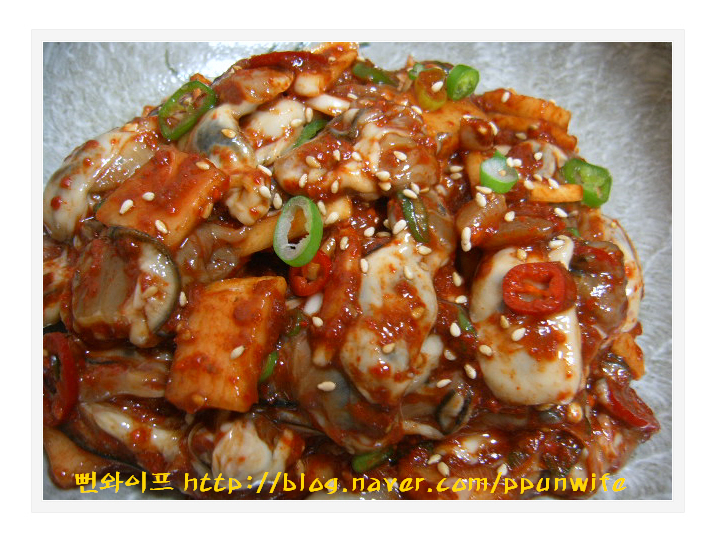
Sweet and Spicy Gul Muchim (Seasoned Fresh Oysters)
A seasonal delicacy side dish of fresh raw oysters washed in salt water, tossed with salted julienned radish and seasonings.
Translated from Korean by AI and not yet checked by a native speaker. Amounts and numbers are taken directly from the original recipe. Read the Korean original →
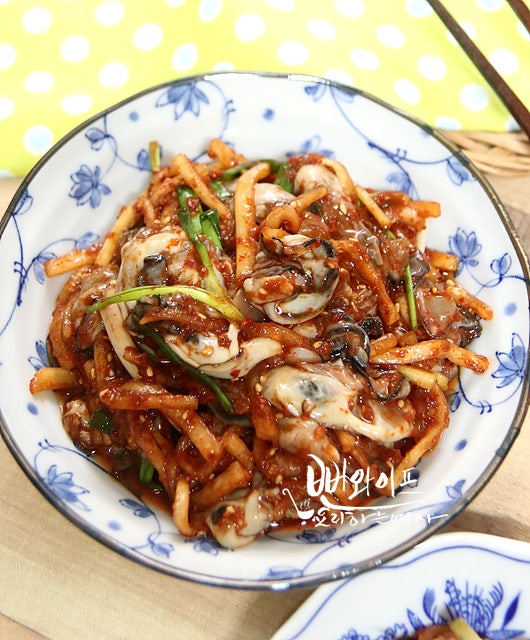
This gul muchim is made by washing fresh raw oysters in salt water at seawater salinity to preserve their natural texture and flavor. Tossing julienned salted radish with fine gochugaru first ensures the seasoning adheres evenly rather than sliding off. It makes a wonderful side dish for rice, as well as a great pairing for makgeolli or wrapped in fresh cabbage leaves.
- Servings
- about 3–4 servings
- Difficulty
- Easy
- Spiciness
- Mildly spicy
Ingredients
Ingredients
- Raw oysters300 g
- Korean radish (mu)300 g
- Salt1 tsp
- Scallions (jjokpa)10 stalks
Salt water
- Water10 cups
- Coarse sea salt3 tbsp
Seasoning
- Gochugaru (Korean chili flakes)2 tbsp
- Fish sauce (or dried anchovies)1 tbsp
- Minced garlic1 tbsp
- Minced ginger1/2 tsp
- Sugar (or 1 tbsp green plum syrup (maesil-cheong))1/2 tbsp
- Toasted sesame seeds1 tbsp
- You can use the white part of a large green onion instead of scallions.
- Add 1 tsp salt to the radish and salt it for about 20 minutes.
Steps
Prepare the ingredients
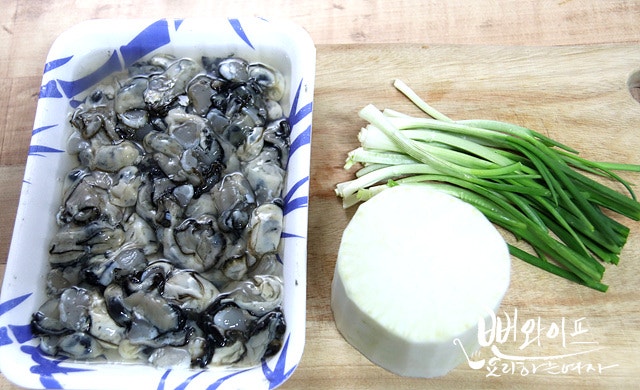
Here is 1 pack of raw oysters (300 g excluding the liquid weight).
Prepare the Korean radish and scallions. You can also use the white part of a large green onion instead of scallions.
Slice the ingredients
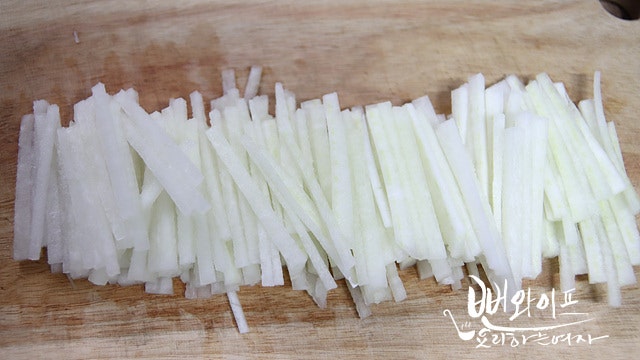
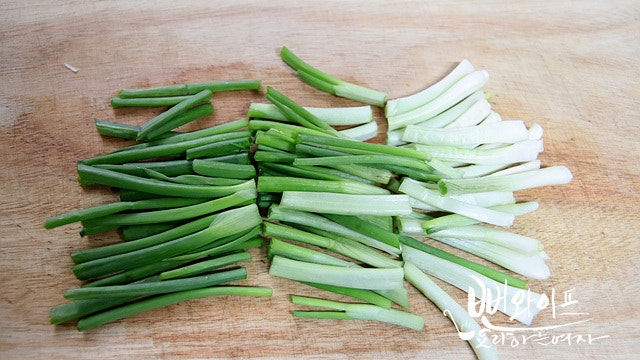
Julienne the radish not too thinly so it retains some crunch, and cut the scallions a bit shorter than the radish.
Washing the oysters
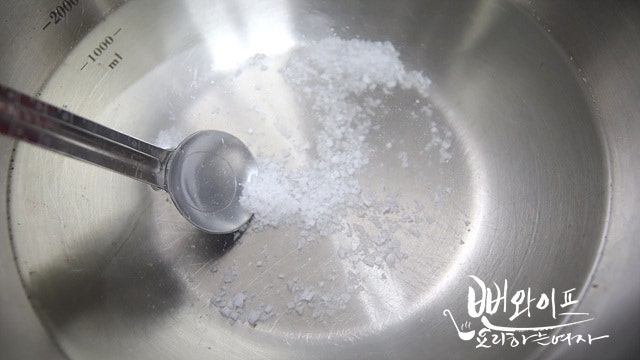
Make plenty of salt water and wash the oysters several times.
Dissolve about 3 tbsp coarse sea salt in about 10 cups water.
To maintain the flavor and texture of the oysters, wash them in water with a salinity similar to seawater.
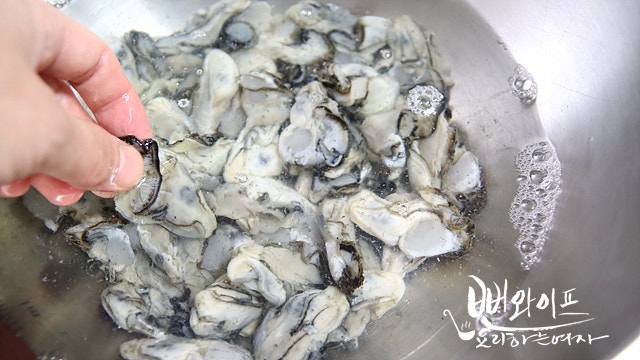
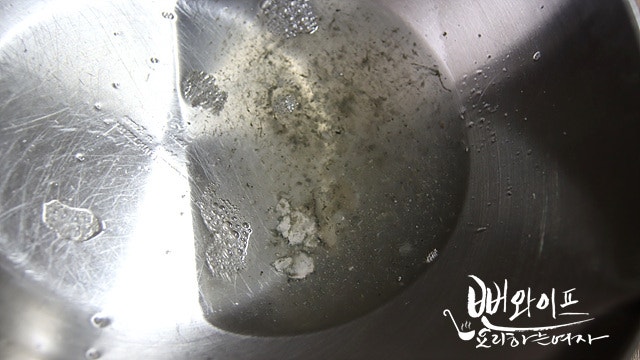
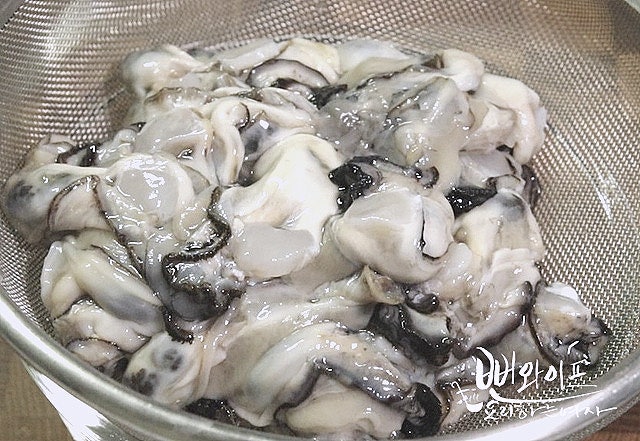
If you do not wash oysters properly, you will end up chewing on oyster shell fragments and it becomes a real mess.
Once you have prepared plenty of salt water, you will divide it into three portions to use.
Place the oysters in the salt water and gently swirl them so they do not tear, letting shell pieces and debris fall away.
After rinsing once, quite a bit of residue comes out like this. Repeat two more times in the remaining salt water, then drain them in a strainer.
Salting the radish
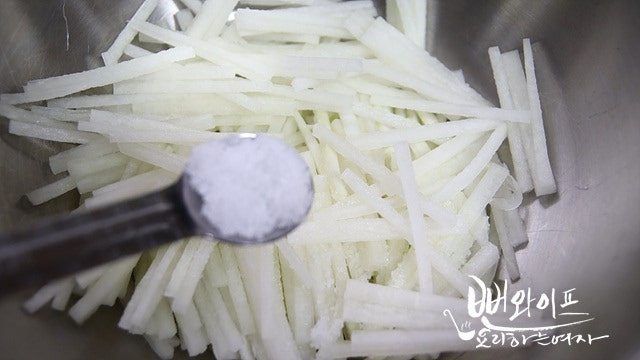
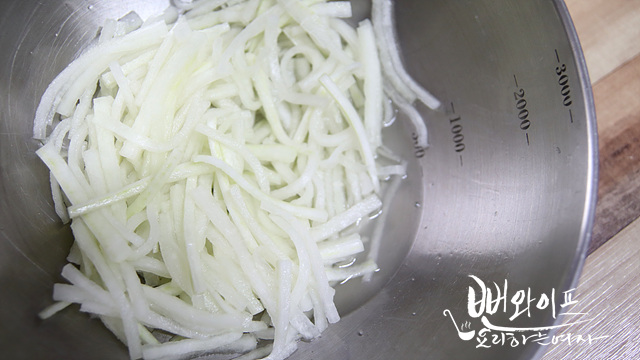
Add 1 tsp salt to the radish and let it sit for about 20 minutes; it will wilt and release moisture.
Since you need a little moisture for a juicy texture when tossing, do not squeeze it out too firmly—just drain off the liquid.
Seasoning and tossing
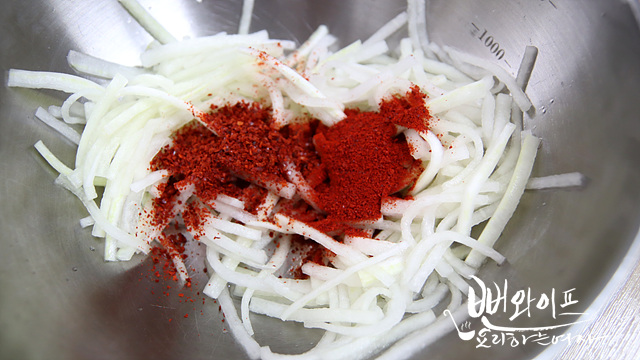
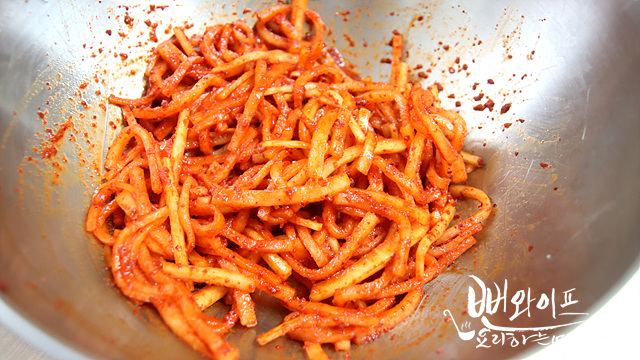
Add 2 tbsp gochugaru to the julienned radish to color it.
Because oysters are slippery, gochugaru does not cling easily to them, but using about half fine gochugaru gives a pretty color and allows it to adhere well to the oysters.
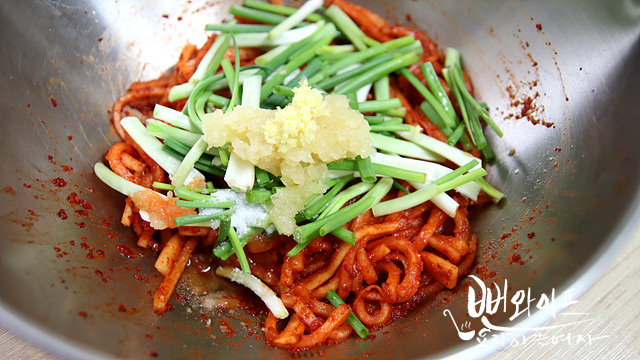
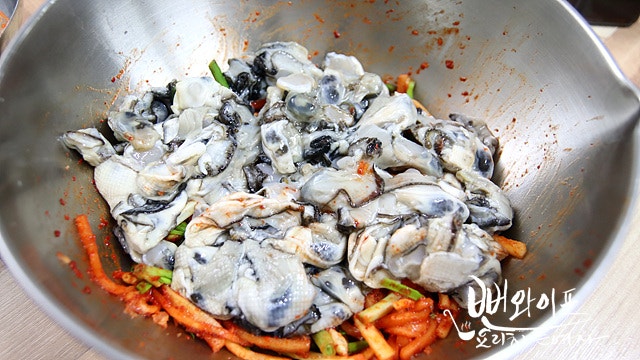
Now add the scallions and the remaining seasonings: 1 tbsp fish sauce, 1 tbsp minced garlic, 1/2 tsp minced ginger, and 1/2 tbsp sugar or green plum syrup, then toss gently.
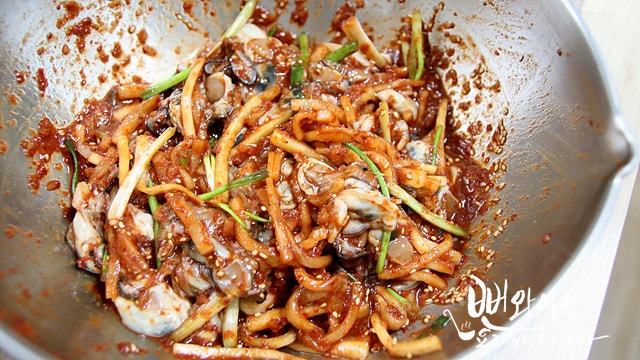
Once tossed evenly, taste and adjust the seasoning with salt, and adjust the sweetness to your liking.
Finish by adding the toasted sesame seeds.
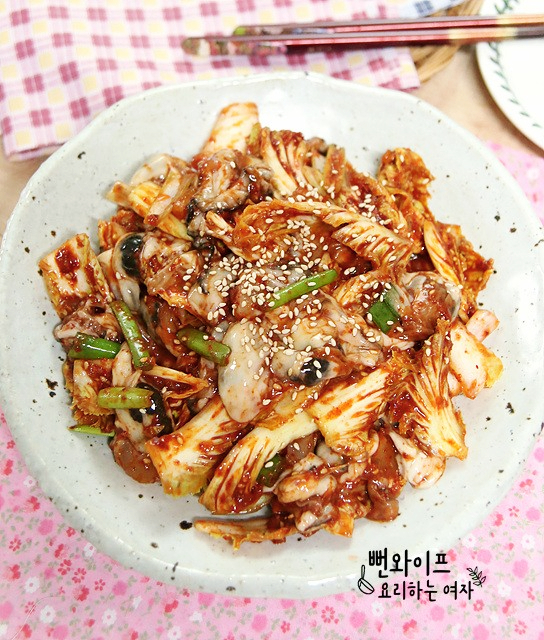
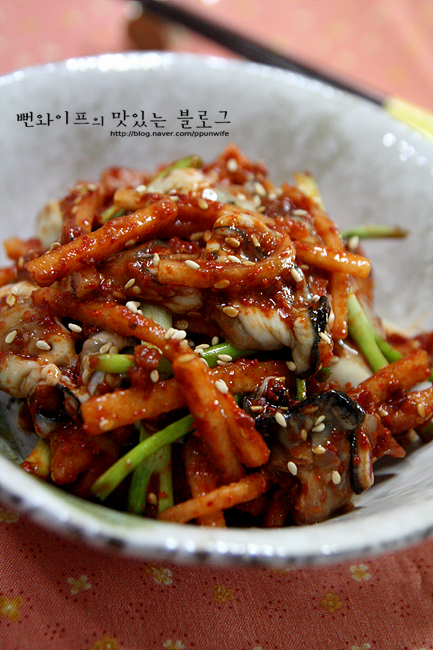
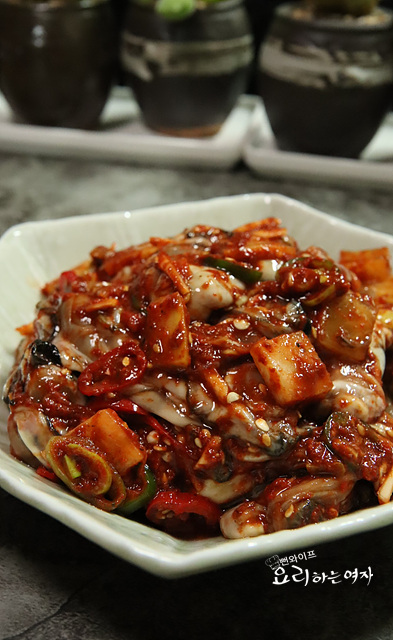
Finished dish
When you season oysters this way, it tastes just like the radish filling from kimchi-making day, making it truly delicious.
Alongside the fragrant oysters, the sweet and juicy radish gives a refreshing flavor, and the pungent scallions are great for stimulating the appetite.
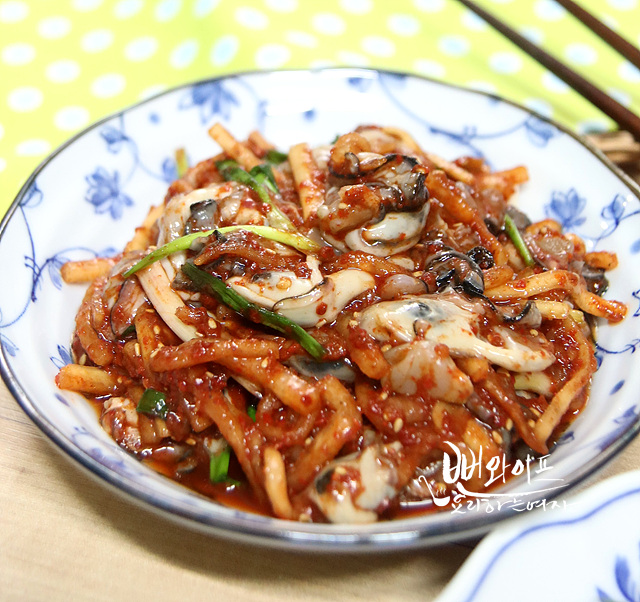
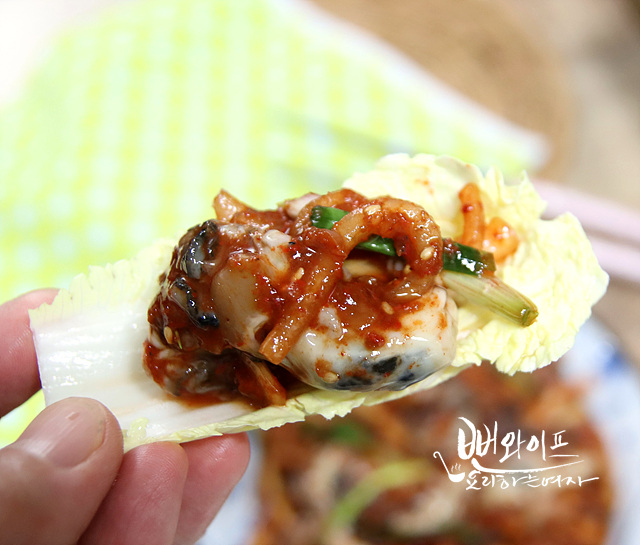
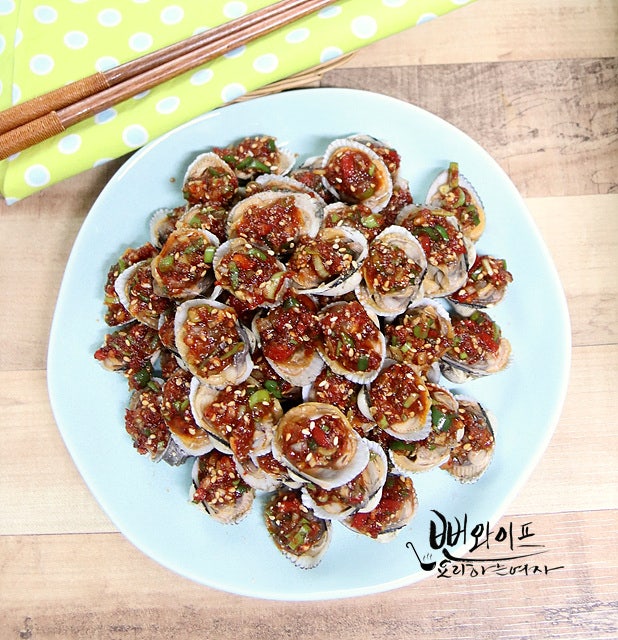
Wrapping it in raw or lightly salted tender inner yellow cabbage leaves tastes fantastic.
Among all raw oyster dishes, this gul muchim is my absolute favorite, and then there are oyster soup with rice, oyster pancakes...
There is so much to make and enjoy with in-season oysters ahead.
 Ppunwife's tips
- To maintain the flavor and texture of the oysters, wash them in water with a salinity similar to seawater.
- Since you need a little moisture for a juicy texture when tossing, do not squeeze it out too firmly—just drain off the liquid.
- Because oysters are slippery, gochugaru does not cling easily to them, but using about half fine gochugaru gives a pretty color and allows it to adhere well to the oysters.
FAQ
What kind of water should be used to wash raw oysters to maintain their texture and flavor?
Dissolve 3 tbsp coarse sea salt in 10 cups water to make salt water at a salinity similar to seawater, then gently swirl and rinse them.
How do you make the seasoning cling well to the slippery surface of the oysters?
Toss the salted julienned radish with fine gochugaru first to coat it with color; this prevents the seasoning from sliding off and helps it permeate the oysters evenly.
Can I replace scallions with another ingredient if I do not have them?
You can slice and use the white part of a large green onion instead of scallions.
Should I squeeze out all the moisture from the salted radish?
You need a little moisture to finish with a juicy texture, so it is best not to squeeze it dry and simply pour off the drained liquid.