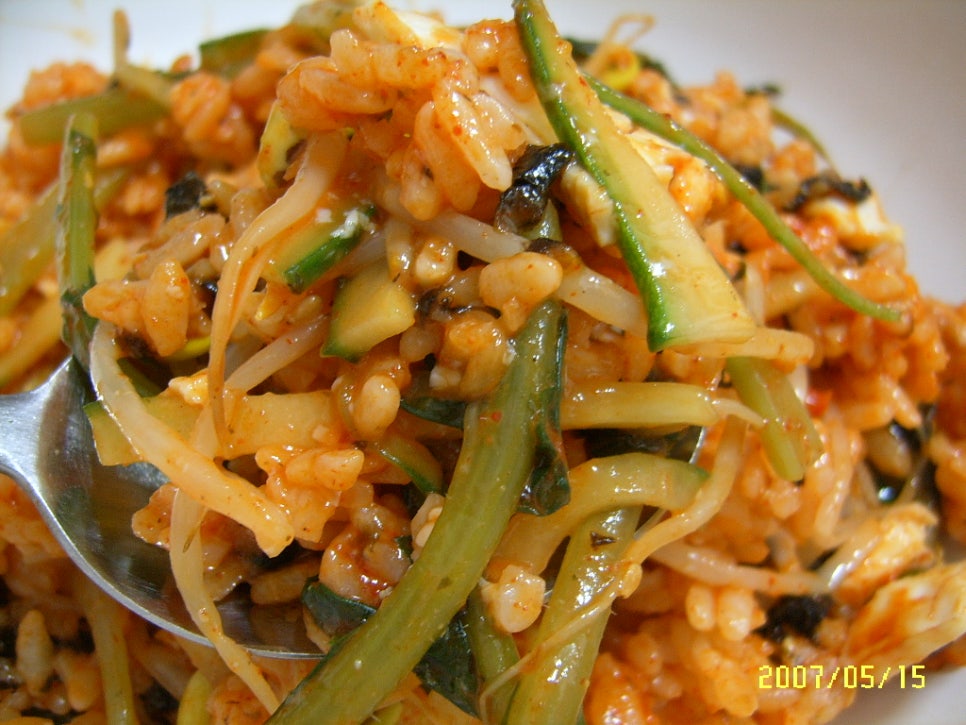
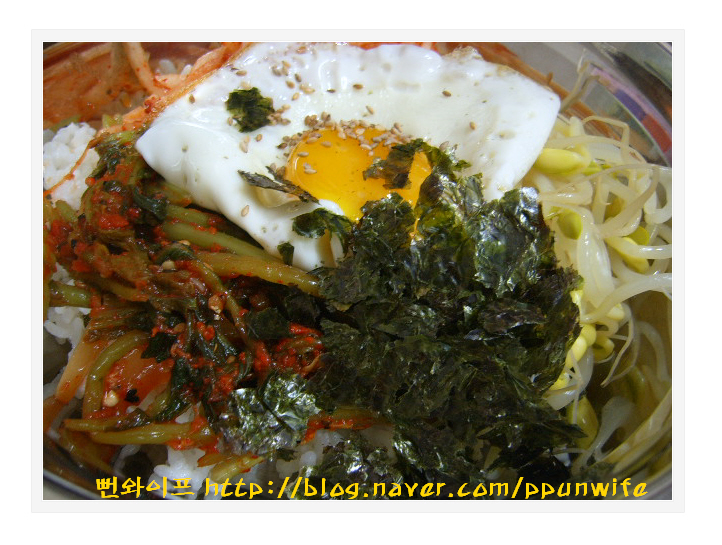
Sunjae Monk Bibimbap (Mixed Rice with Vegetables)
Temple-style vegetable bibimbap flavored with thick doenjang sauce and braised chili soy sauce.
Translated from Korean by AI and not yet checked by a native speaker. Amounts and numbers are taken directly from the original recipe. Read the Korean original →
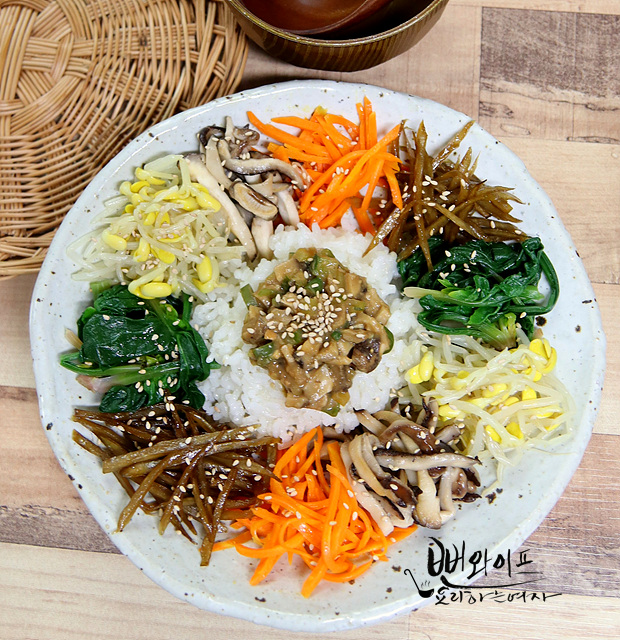
This temple-style bibimbap brings out the natural flavors of various vegetables by stir-frying and blanching them, then mixing everything with savory, thick doenjang sauce and seasoned chili soy sauce. Even without heavy seasonings, the two sauces harmonize to deliver deep umami. With its clean, mild, and gently spicy flavors, it makes for a wonderful, wholesome one-bowl meal.
- Servings
- about 4–5 servings
- Difficulty
- Medium
- Spiciness
- Mildly spicy
Ingredients
Ingredients
- Spinach300 g
- Soybean sprouts300 g
- Carrot2 (small)
- Burdock root1 roots, 200 g
- Regular soy sauce (jin-ganjang)2 tbsp
- Rice syrup (jocheong)3 tbsp
- Kelp broth1/3 cup
- Shiitake mushrooms6
- Salta little of each
- Toasted sesame oil (or perilla oil)
- Dried kelp (dasima) broth2 cups
Thick doenjang sauce
- Korean zucchini (aehobak)1
- Shiitake mushrooms3
- Mushroom stems6
- Cheongyang chili pepper (hot green chili) (or unripe)8
- Doenjang (Korean soybean paste)3 tbsp
- Dried kelp (dasima) broth1 cup
Chili sauce
- Green chili pepper10
- Regular soy sauce (jin-ganjang) (or brewed soy sauce (yangjo-ganjang))3 tbsp
- Dried kelp (dasima) broth1/3 cup
- The original recipe calls for baby napa cabbage, but I substituted soybean sprouts; you can use any vegetables suitable for bibimbap.
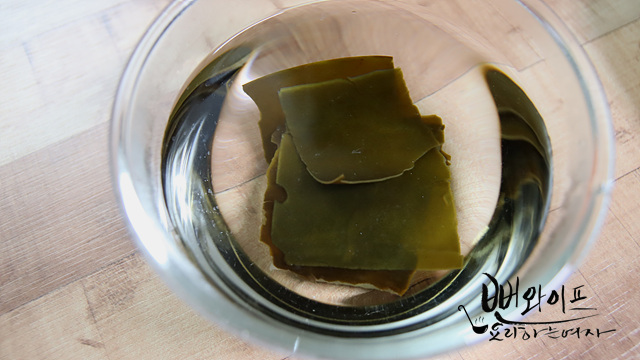
- Soak the dried kelp (dasima) in about 2 cups of water for at least 10 minutes to make the broth.
Steps
Prepare the ingredients
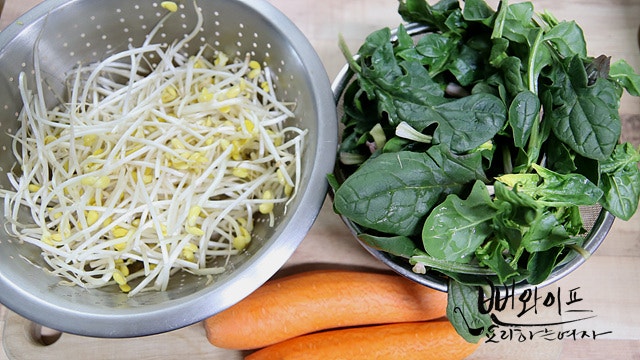
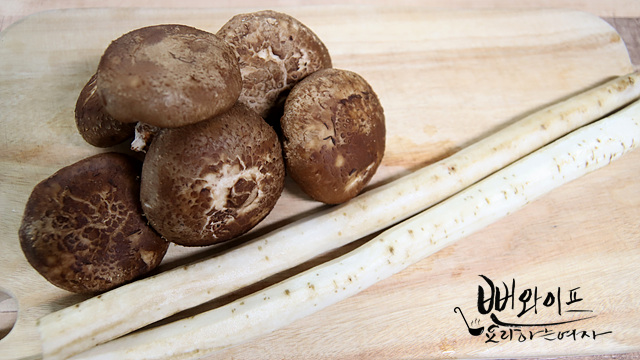
The bibimbap ingredients are spinach, carrot, soybean sprouts, shiitake mushrooms, and burdock root.
The original recipe calls for baby napa cabbage, but I substituted soybean sprouts.
You can use any ingredients that work well in bibimbap.
Slice the ingredients
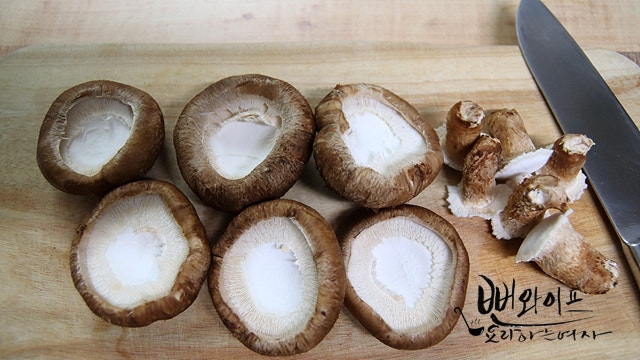
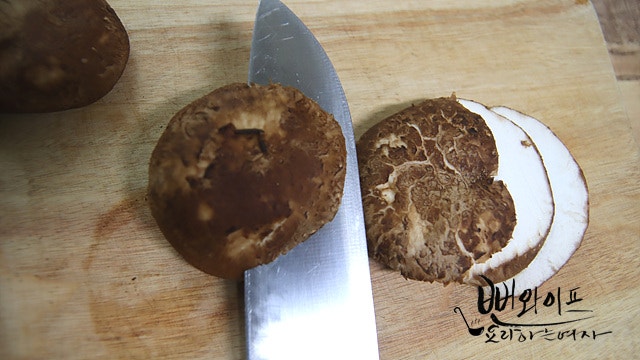
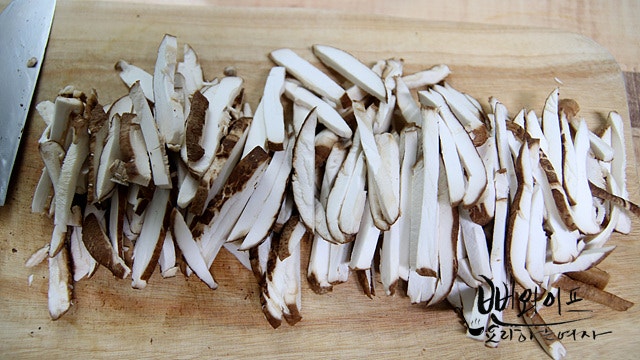
Separate the caps from the stems of the shiitake mushrooms. Since the caps are thick, slice them twice to make them thinner, then julienne them thinly.
The mushroom stems will be used in the doenjang seasoning sauce.
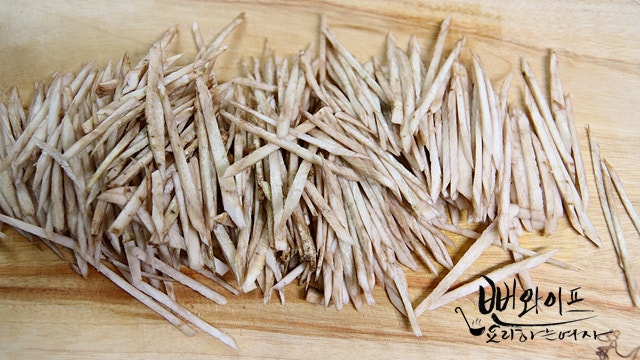
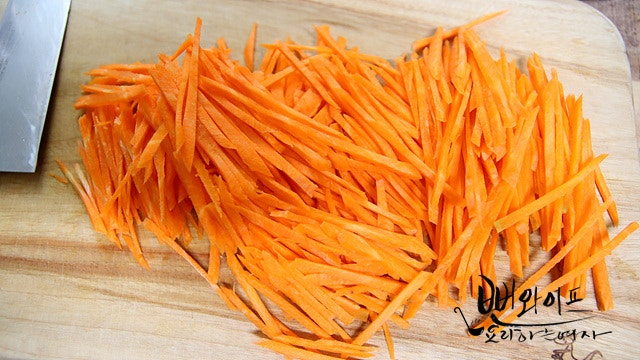
Finely julienne the peeled burdock root and carrot.
Stir-fry the ingredients
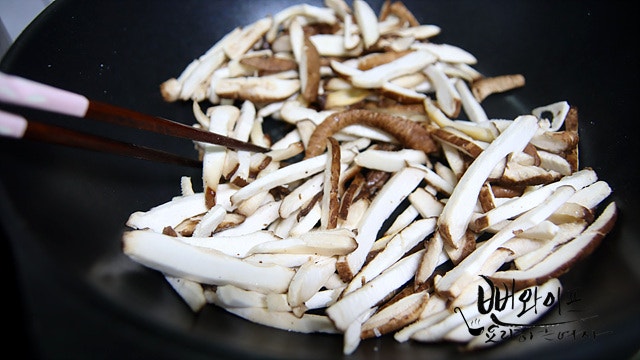
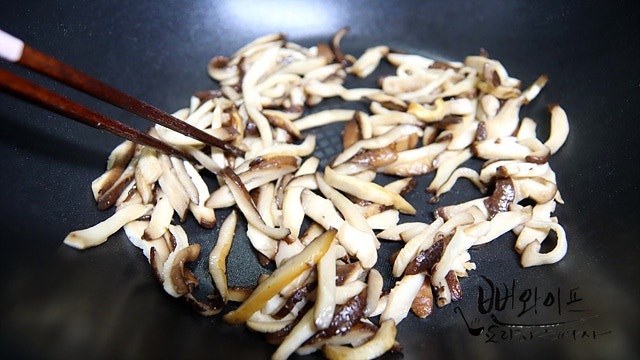
Heat a little oil in a pan, add the mushrooms and about two pinches of salt to lightly season, and stir-fry.
Do not cook them for too long; cook just until wilted to preserve their chewy texture.
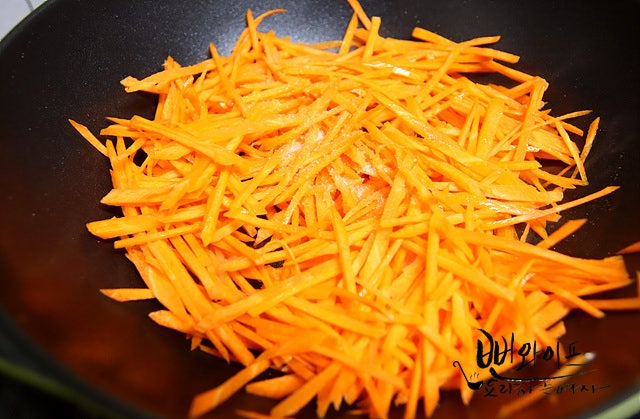
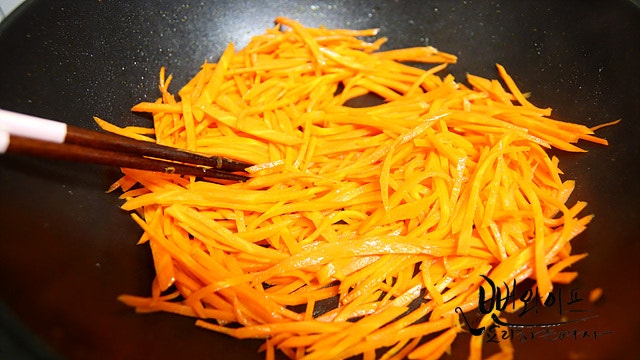
Add about two pinches of salt to the carrot as well and stir-fry until softened.
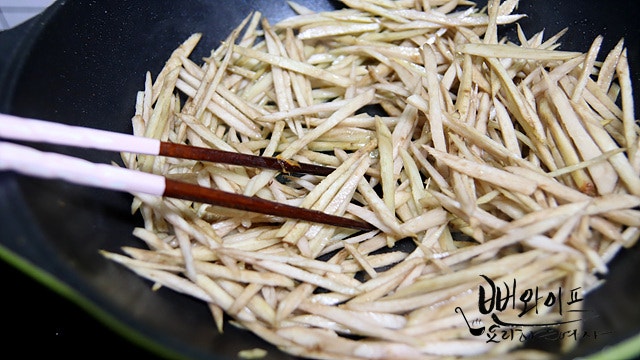
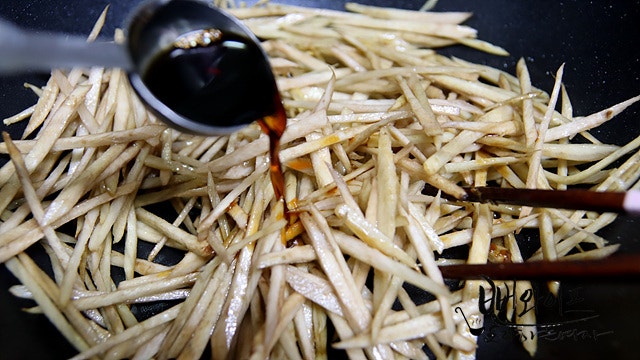
Heat oil in the pan, add the burdock root, stir-fry briskly, and add 2 tbsp of regular soy sauce (jin-ganjang) or brewed soy sauce along with 3 tbsp of rice syrup (jocheong).
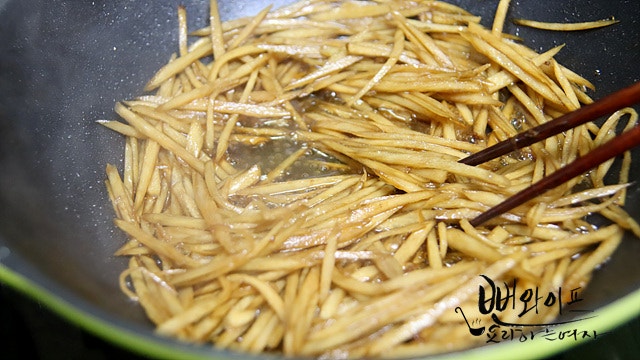
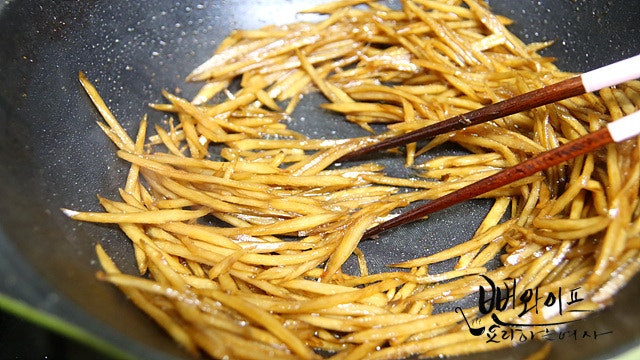
Pour in 1/3 cup of water so the burdock root simmers until tender, cover with a lid, and once cooked through, open the lid and simmer down until all liquid evaporates.
If you want more shine or sweetness, you can finish by adding 1 tbsp of corn syrup (mulyeot) at the end.
Blanch the ingredients
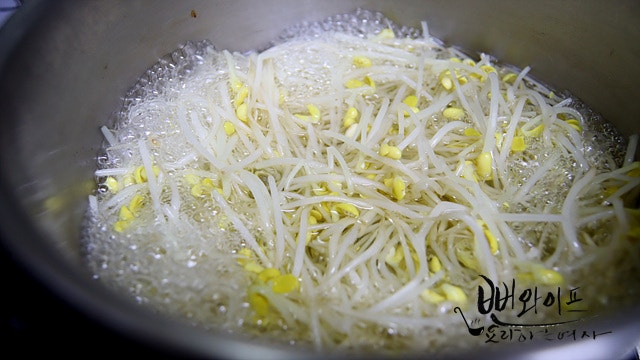
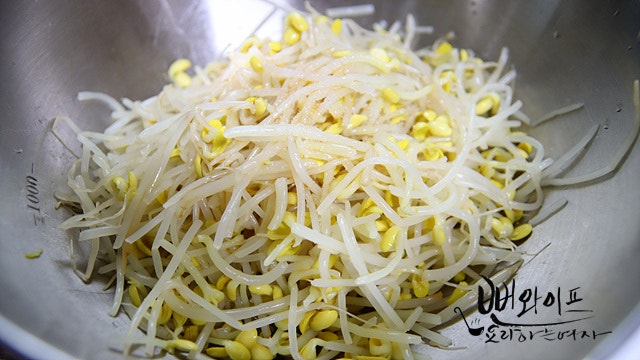
Lightly blanch the soybean sprouts in boiling water, drain well, and season lightly with 1/2 tsp of salt so they taste slightly under-salted.
Since these are toppings for bibimbap and not a side dish, season them mildly.
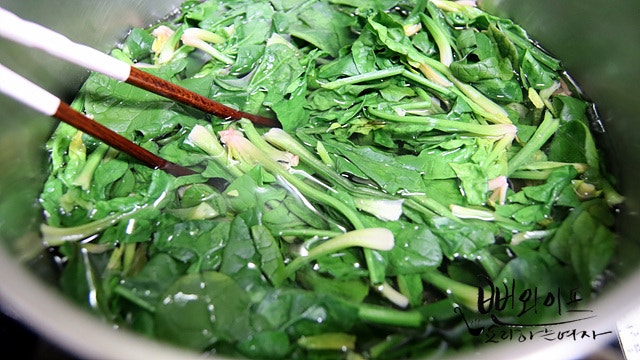
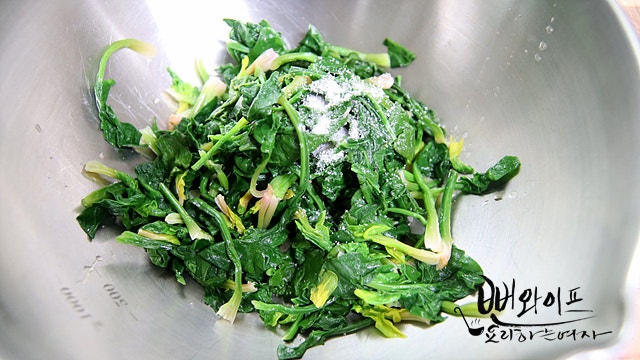
Place the spinach into the same water used to blanch the sprouts, blanch for about 30 seconds, rinse in cold water, squeeze out the moisture, and season mildly with about 1/3 tsp of salt.
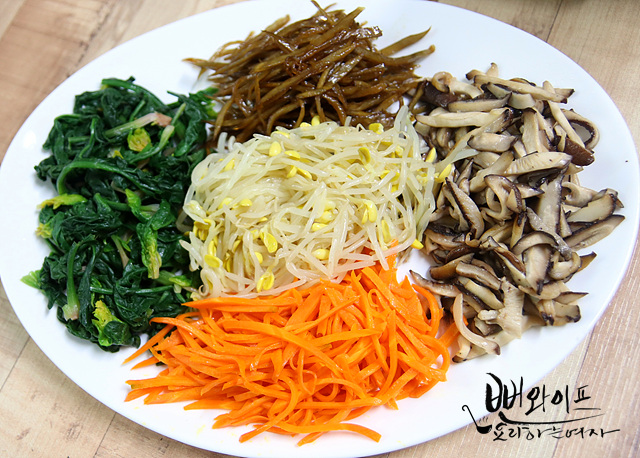
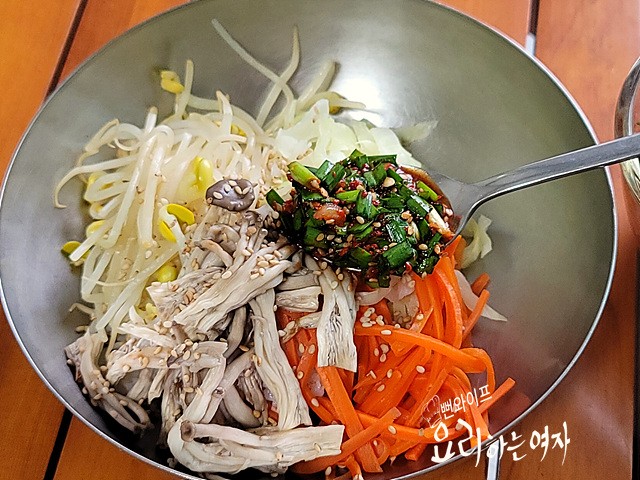
Here are the prepared stir-fried and seasoned vegetables.
Make the thick doenjang sauce
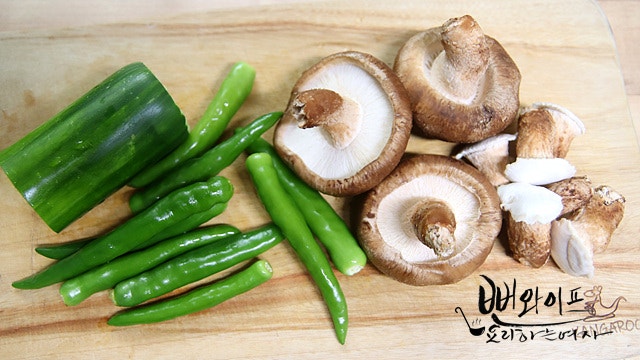
Here are the Korean zucchini (aehobak), green chili peppers, and shiitake mushrooms for the thick doenjang sauce.
The mushroom stems trimmed earlier will also go into this sauce.
Soak the dried kelp (dasima) in about 2 cups of water for at least 10 minutes to use as broth.
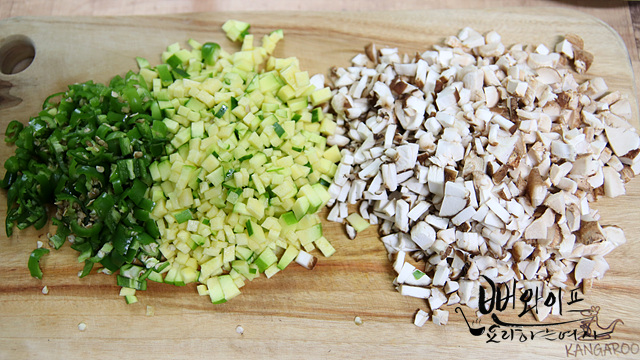
Finely chop the mushrooms, Korean zucchini, and chili peppers.
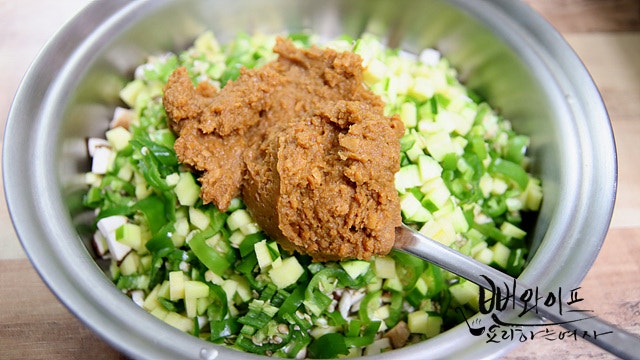
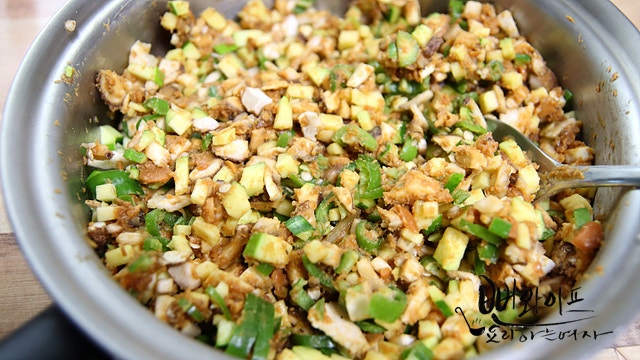
Add 3 tbsp of doenjang (Korean soybean paste) and mix well.
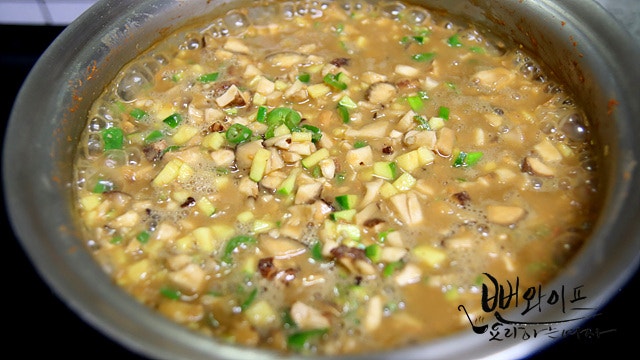
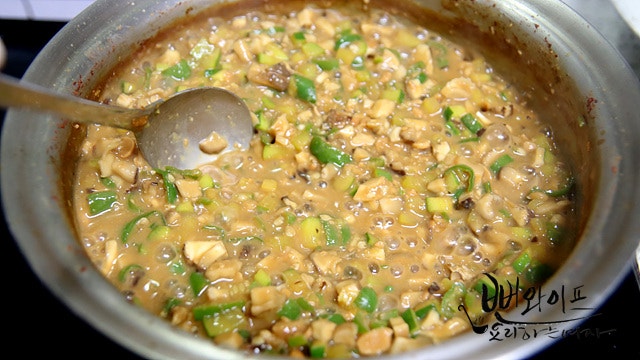
Pour in 1 cup of dried kelp (dasima) broth and bring to a rolling boil.
Cook until all the ingredients are tender and pleasantly moist with a bit of remaining liquid.
If you prefer a softer texture, add more kelp broth and extend the simmering time.
Make the soy sauce seasoning
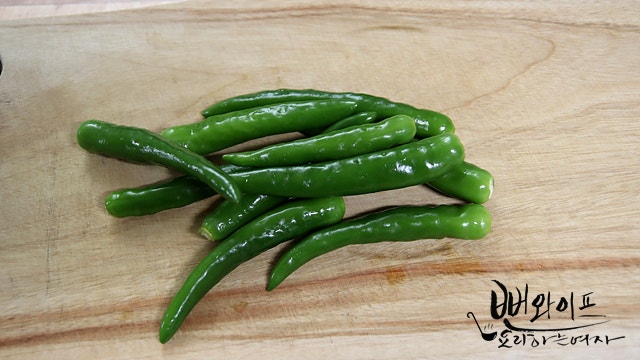
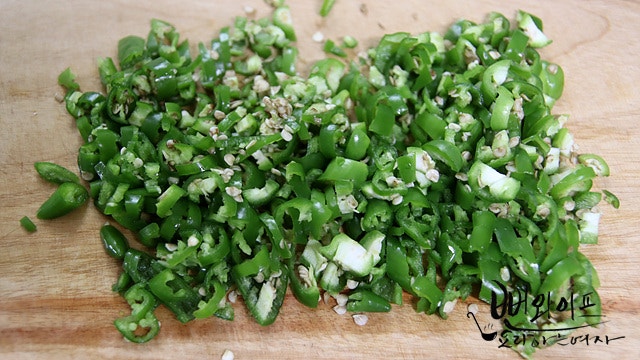
Prepare 10 green chili peppers or Cheongyang chili peppers and chop them finely.
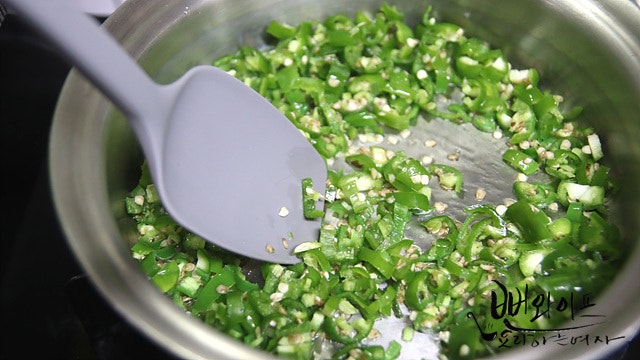
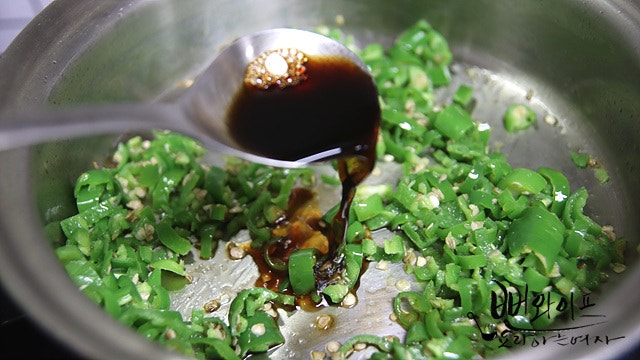
Heat 1 tbsp of toasted sesame oil and 1 tbsp of cooking oil, stir-fry briskly, then add 3 tbsp of regular soy sauce (jin-ganjang) and braise.
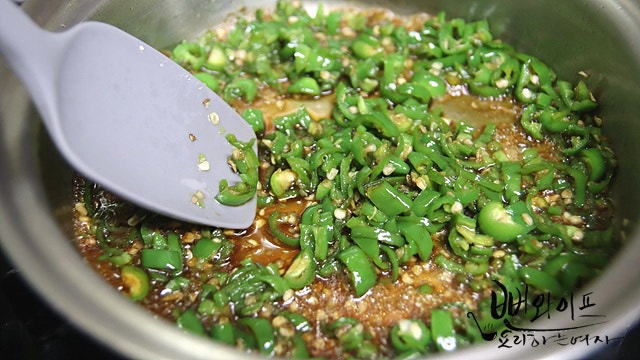
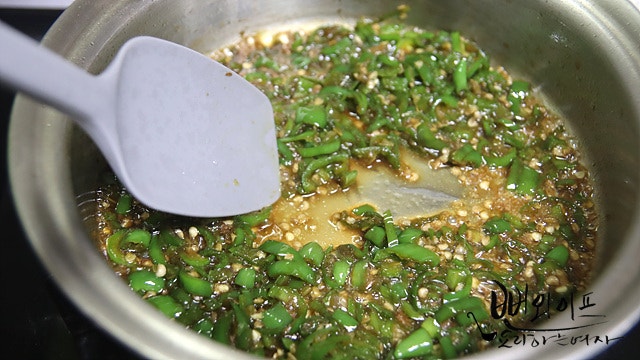
Simmer while adding 3 to 4 tbsp of dried kelp (dasima) broth so the chilies become tender.
Finish simmering until they are soft and slightly saucy.
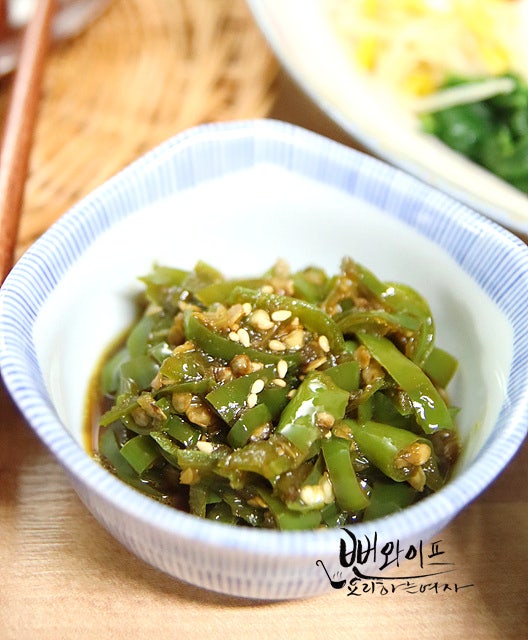
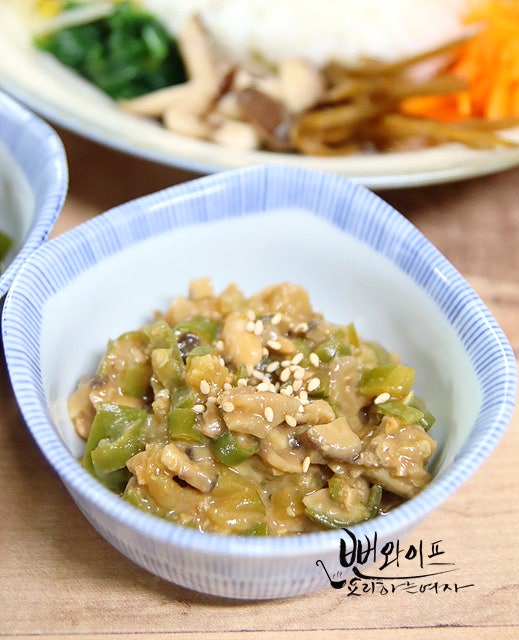
Here are the savory, clean chili soy sauce and the rich, comforting thick doenjang sauce.
Assemble and serve
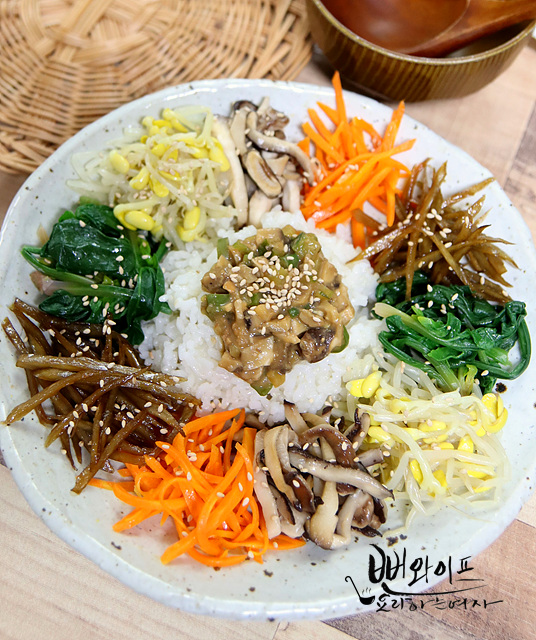
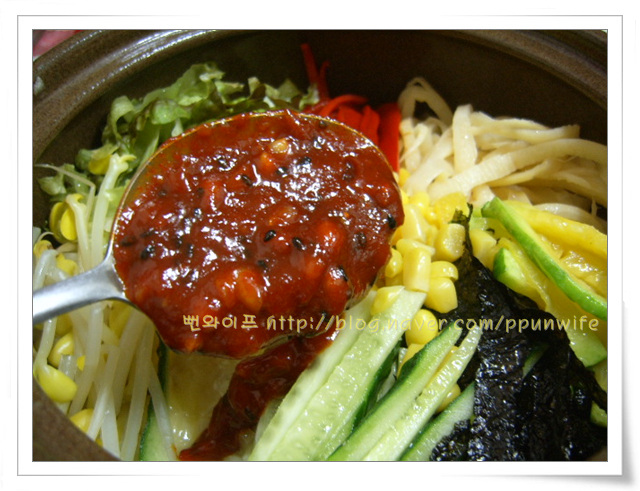
Place a portion of each prepared garnish over a bowl of warm rice, then top with the doenjang sauce to finish.
For each bowl, add 1/2 to 1 tbsp of chili soy sauce, 1 to 2 tbsp of doenjang sauce, a generous amount of toasted sesame oil or perilla oil, and mix together.
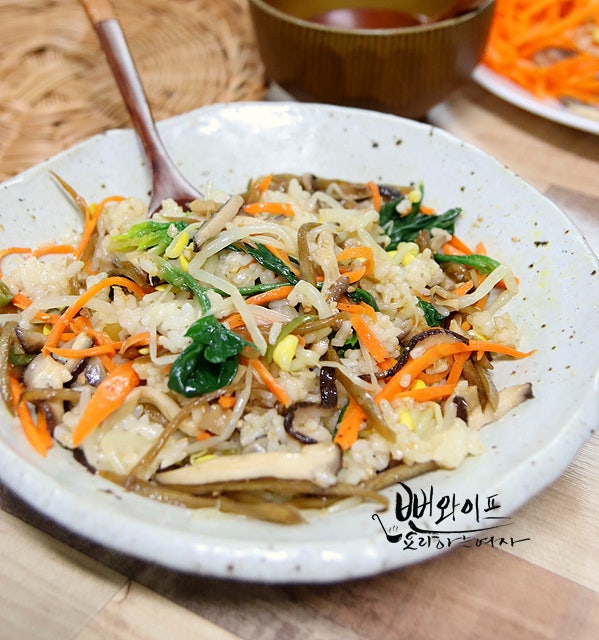
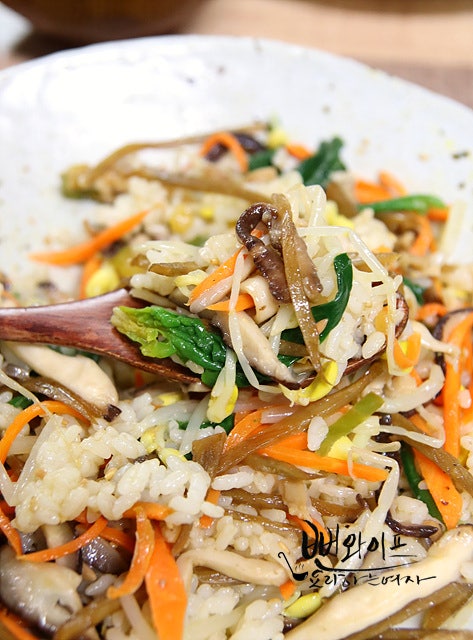
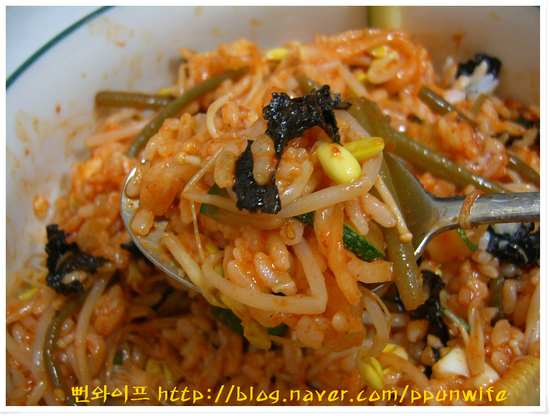
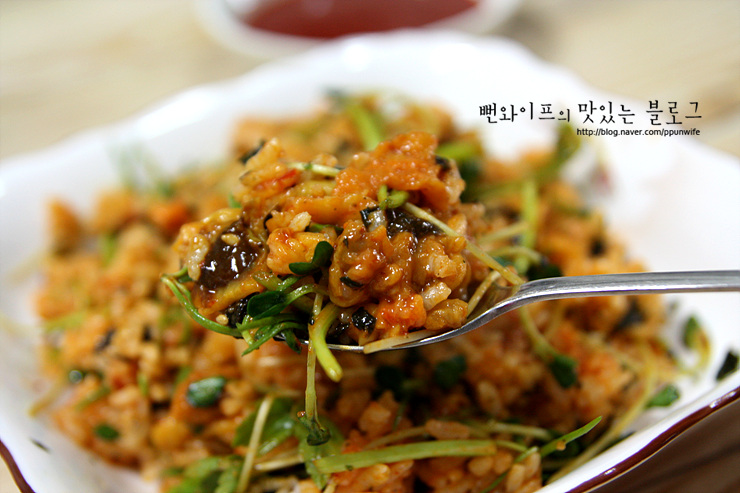
Even after mixing with the sauces, the vibrant colors of the ingredients shine through.
The deep doenjang sauce harmonizes with all the vegetables to create an explosion of umami without any artificial seasoning.
The texture and taste of each ingredient are truly wonderful.
It is such a healthy, deeply satisfying flavor that leaves you feeling great after eating.
 Ppunwife's tips
- Stir-fry the shiitake mushrooms just until wilted to preserve their chewy texture, rather than cooking them for too long.
- If you want extra shine or sweetness for the burdock root, you can finish by adding 1 tbsp of corn syrup (mulyeot) at the end.
- Since these are bibimbap toppings rather than standalone side dishes, season them mildly.
- If you want the ingredients in the doenjang sauce to be softer, add more dried kelp (dasima) broth and simmer longer.
FAQ
Can I use other vegetables instead of the baby napa cabbage from the original recipe?
I used soybean sprouts instead of baby napa cabbage. Feel free to substitute any vegetables that suit bibimbap to your taste.
Why should the seasoned vegetables be seasoned mildly?
Since these are mixed into rice along with doenjang sauce and chili soy sauce rather than eaten as standalone side dishes, they are seasoned lightly to keep the overall dish from becoming too salty.
Do I have to add corn syrup when stir-frying the burdock root?
No, after simmering it down with rice syrup and soy sauce, adding 1 tbsp of corn syrup at the end is entirely optional if you want extra gloss and sweetness.
What should I do if I want the ingredients in the thick doenjang sauce cooked softer?
Simply add a little more dried kelp broth and increase the simmering time until the ingredients reach your desired tenderness.