Light Kongnamul Japchae (Glass Noodles with Soybean Sprouts)
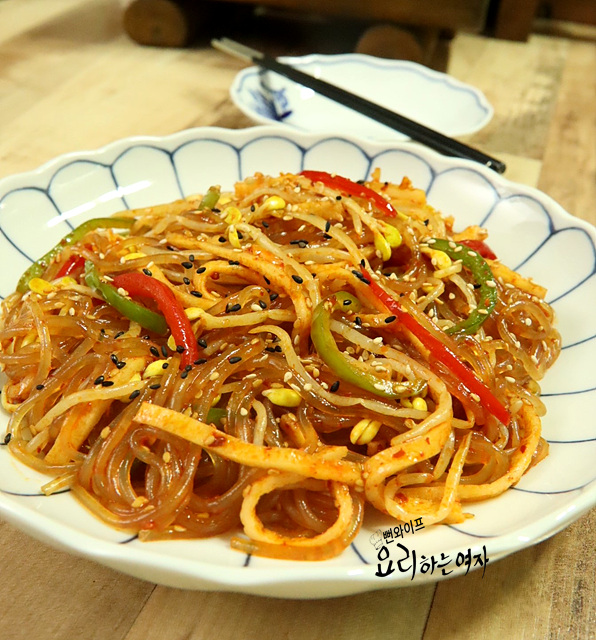
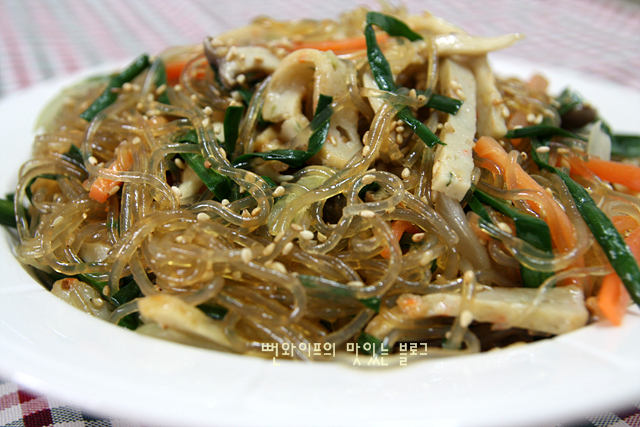
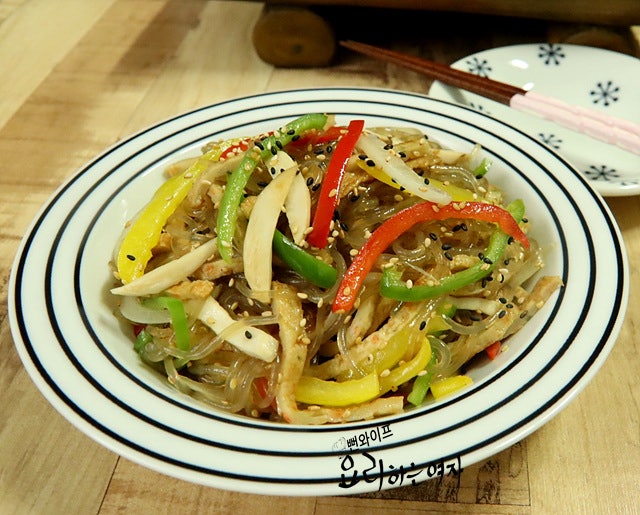
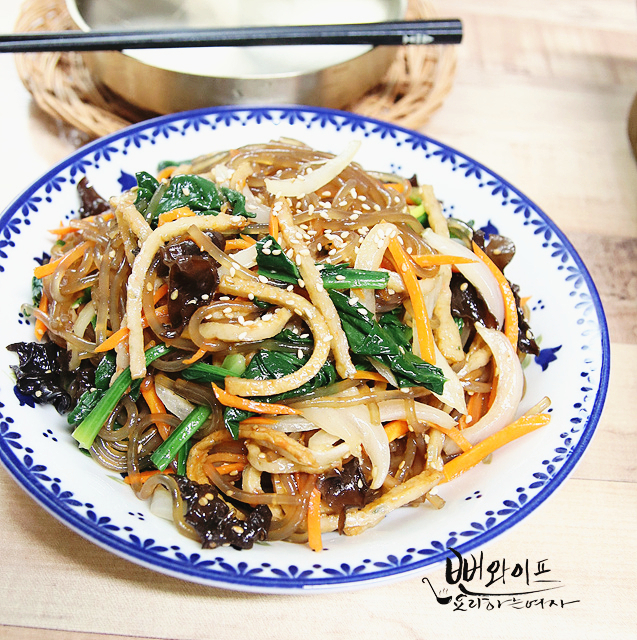
A light japchae dish made by tossing blanched soybean sprouts, sweet potato glass noodles, and fish cake with seasoning without any oil.
Translated from Korean by AI and not yet checked by a native speaker. Amounts and numbers are taken directly from the original recipe. Read the Korean original →
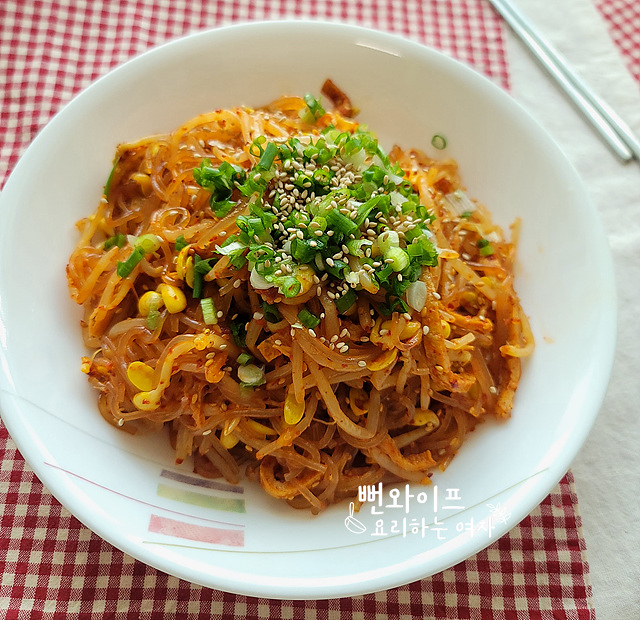
This light dish is made by gently tossing three basic ingredients—soybean sprouts, sweet potato glass noodles, and fish cake—without stir-frying them in oil. The crunchy soybean sprouts and springy noodles come together nicely, making it great to enjoy like a refreshing cold salad. Made with simple, accessible ingredients, it is a spicy, appetizing special side dish.
- Servings
- 3–4 servings
- Difficulty
- Easy
- Spiciness
- Mildly spicy
Ingredients
Ingredients
- Soybean sprouts200 g
- Sweet potato glass noodles (dangmyeon)200 g
- Fish cake (eomuk)150 g
- Salt1/2 tbsp
- Water3 cups
Seasoning
- Gochugaru (Korean chili flakes)2 tbsp
- Minced garlic1 tbsp
- Minced green onion3 tbsp
- Regular soy sauce (jin-ganjang)2 tbsp
- Salta little (for final seasoning)
- Toasted sesame oil1 tbsp
- Toasted sesame seeds2 tbsp
- If you want to enjoy it spicy, you can prepare 2–3 Cheongyang chili peppers (hot green chilies).
Steps
Stir-fry the fish cake
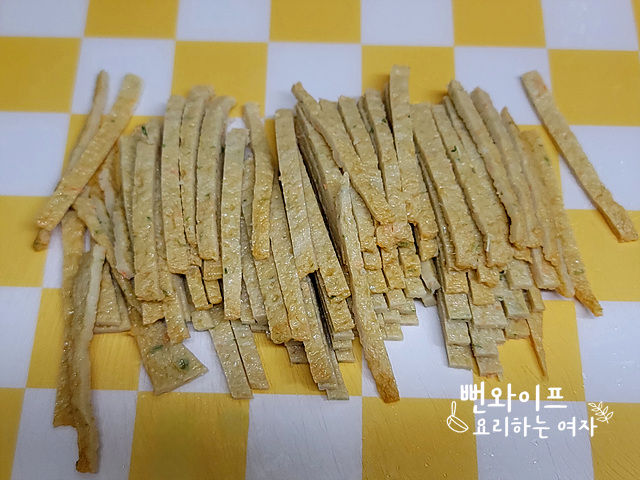
Cut the fish cake into bite-sized strips.
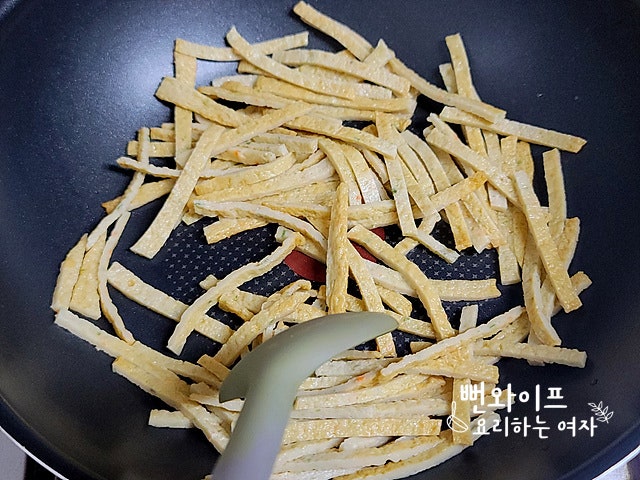
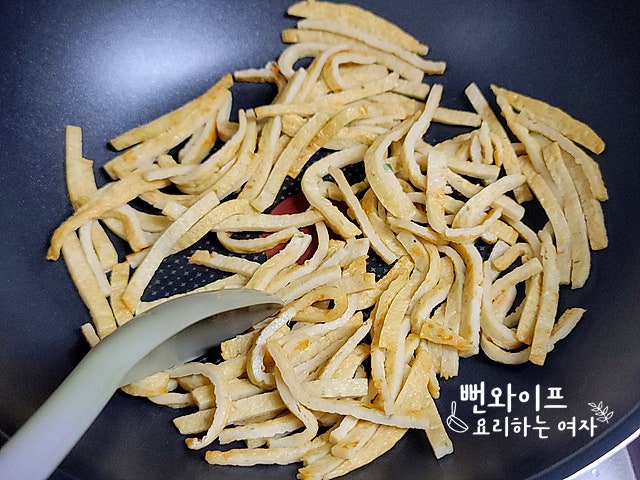
You can skip this step, but it is added for the texture of the fish cake.
Stir-fry without oil until the surface is lightly browned and crisp.
Lightly stir-frying it in a dry pan like this keeps it from getting soggy and makes it bouncy once tossed.
Even if you lightly blanch the fish cake to remove additives, stir-frying it like this makes it much tastier.
Blanch the soybean sprouts
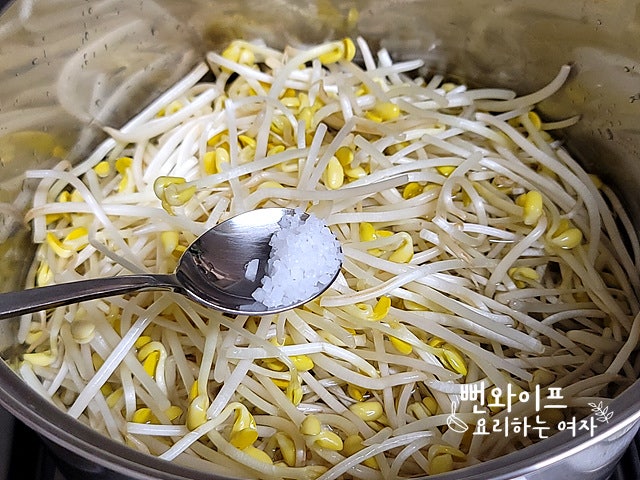
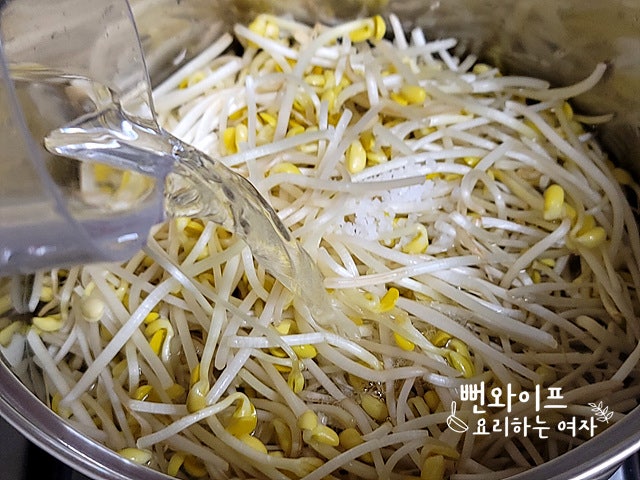
Place the washed soybean sprouts in a pot, pour in 1/2 tbsp salt and 3 cups water, and blanch them.
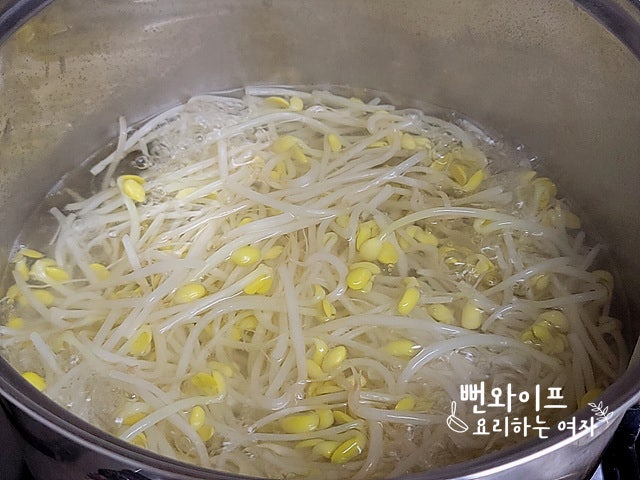
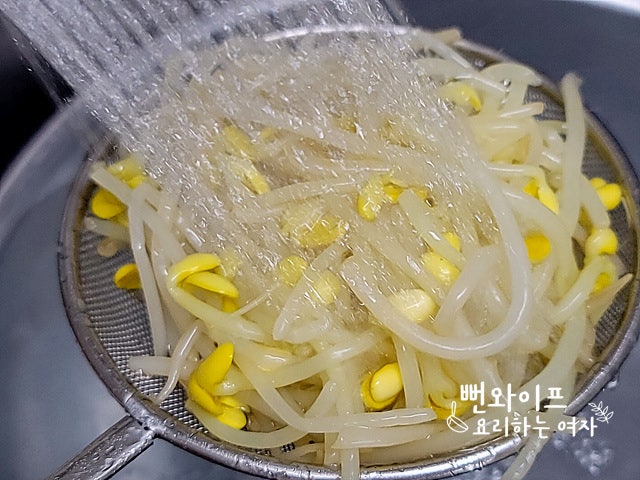
Once the soybean sprouts start boiling vigorously, stir them once halfway through. Cook until the raw fishy smell is gone, then rinse in cold water and drain.
Boil the sweet potato glass noodles
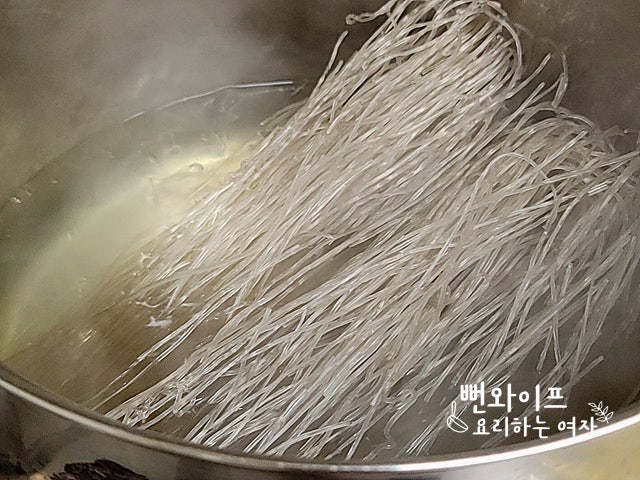
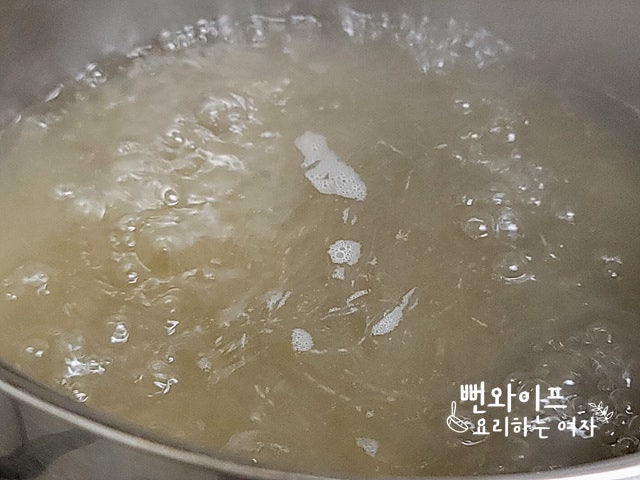
Add the sweet potato glass noodles to the water used to blanch the soybean sprouts and boil according to the package instructions.
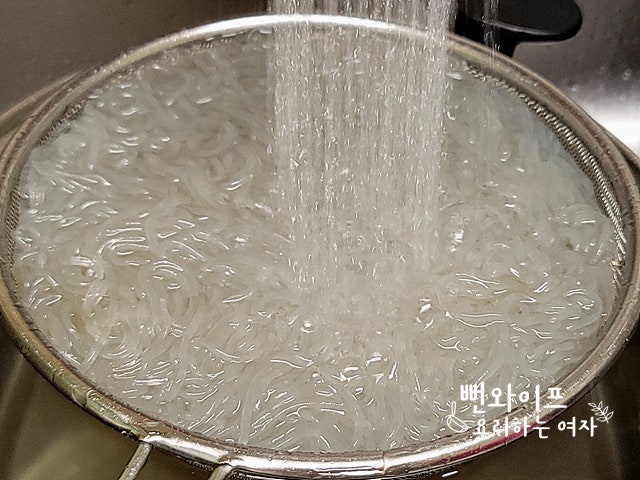
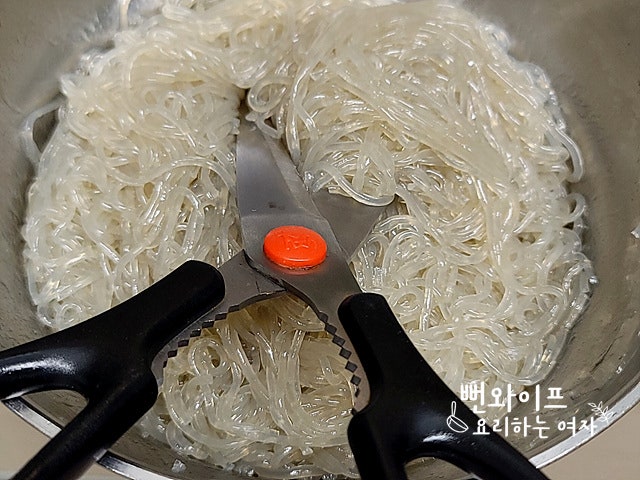
Rinse immediately in cold water, drain, and cut into bite-sized lengths.
Season the ingredients
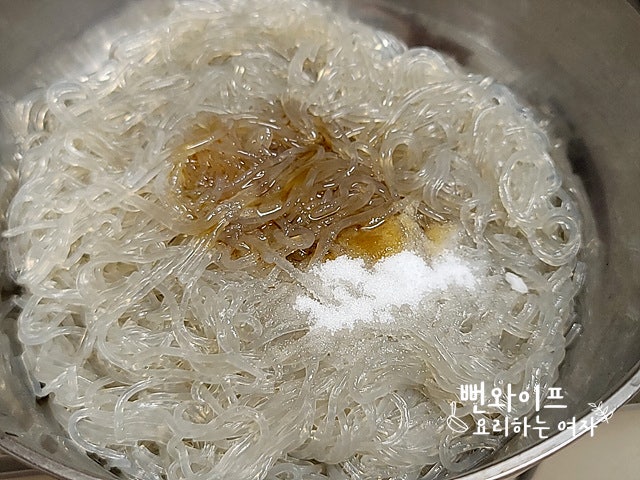
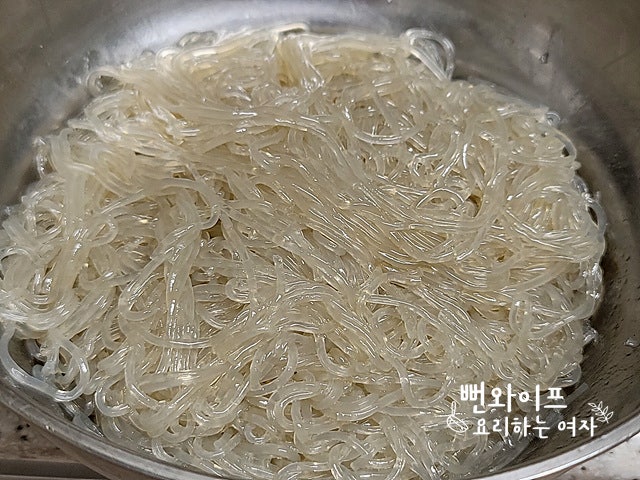
Add 1/2 tsp salt, 1 tbsp sugar, and 2 tbsp toasted sesame oil to the sweet potato glass noodles and mix.
Because the noodles are not stir-fried in oil, coating them with sesame oil prevents them from swelling, and using salt rather than watery soy sauce seasons them properly.
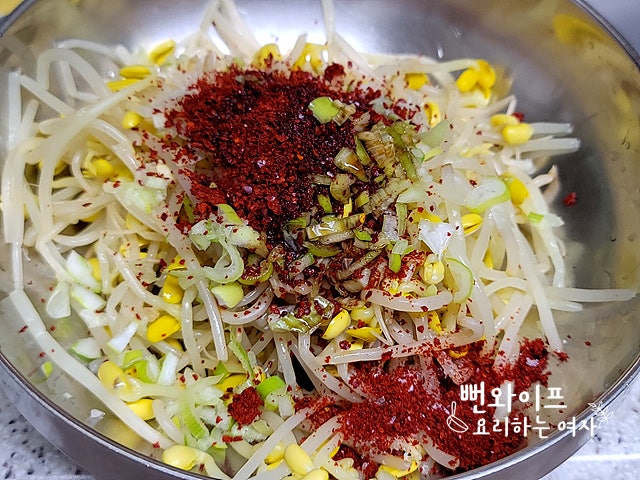
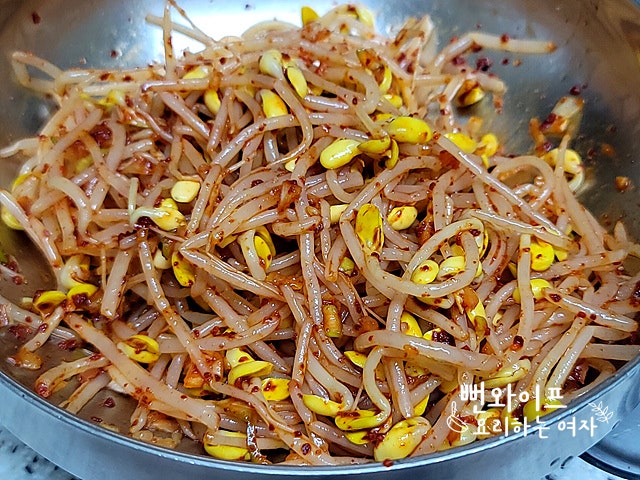
Add 2 tbsp gochugaru (Korean chili flakes), 1 tbsp minced garlic, 3 tbsp minced green onion, and 2 tbsp regular soy sauce (jin-ganjang) to the soybean sprouts and toss.
Finish the japchae
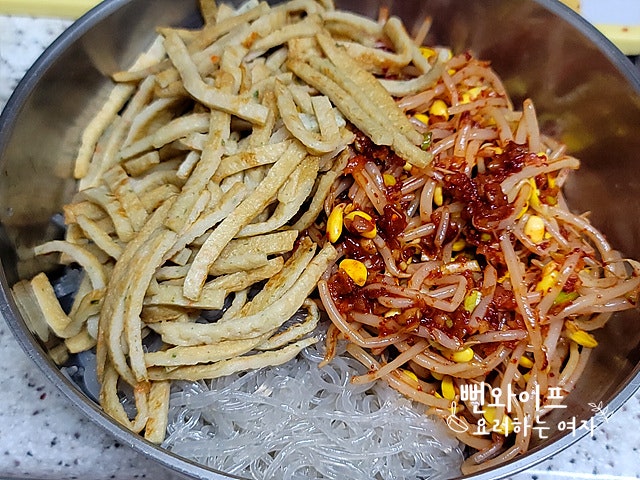
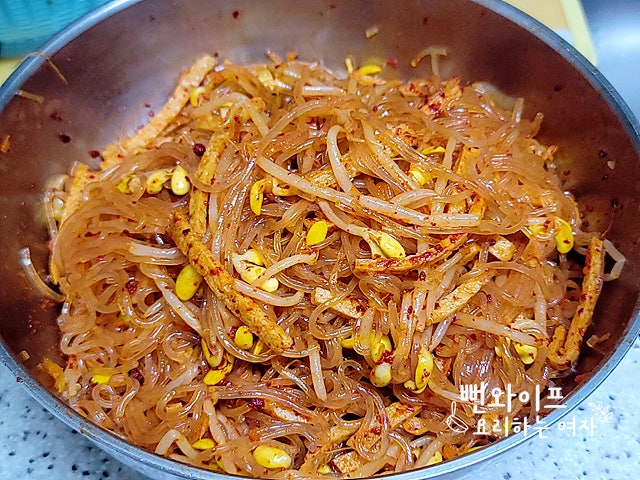
Combine all the ingredients together, mix well, then taste and adjust the seasoning with salt if it is bland.
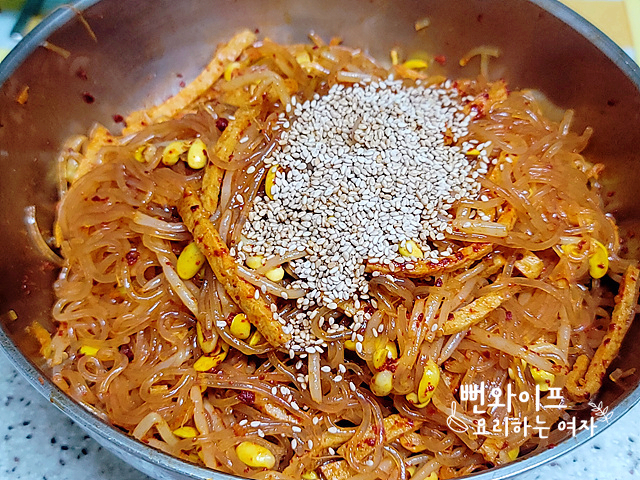
Finish by adding 1 tbsp toasted sesame oil and 2 tbsp toasted sesame seeds, then mix.
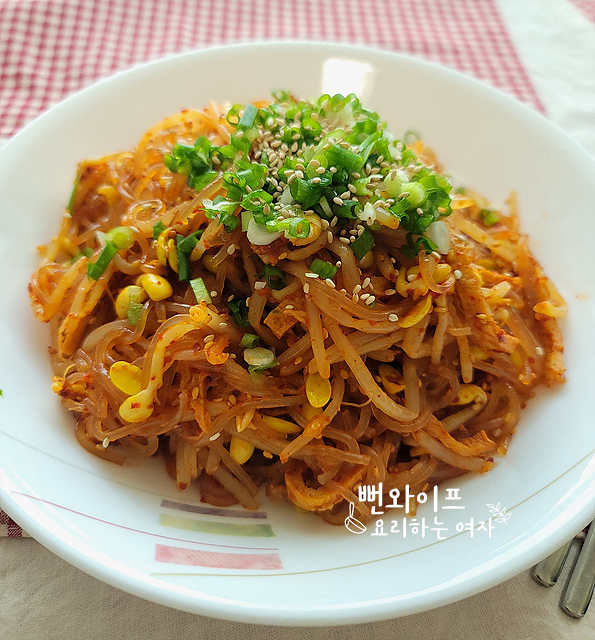
The simple kongnamul japchae is complete.
It is a side dish-style japchae tossed lightly without stir-frying in oil.
Of course, it is also great as a meal replacement.
 Ppunwife's tips
- Lightly stir-frying in a dry pan without adding oil keeps it from getting soggy and makes it bouncy once tossed.
- Because the sweet potato glass noodles are not stir-fried in oil, coating them with toasted sesame oil prevents them from swelling, and using salt rather than watery soy sauce seasons them properly.
FAQ
Why do you stir-fry the fish cake in a dry pan without oil?
Stir-frying it in a dry pan until lightly golden keeps it from becoming soggy when tossed later with the seasoning and preserves its bouncy texture.
Why do you add salt and toasted sesame oil to the sweet potato glass noodles first instead of soy sauce?
Because this recipe does not stir-fry the noodles in oil, coating them in toasted sesame oil prevents them from swelling, and using salt instead of watery soy sauce prevents excess moisture while seasoning.
What ingredient should I add if I want a spicier kick?
You can slice 2 to 3 Cheongyang chili peppers (hot green chilies) and add them according to your taste for an extra spicy flavor.