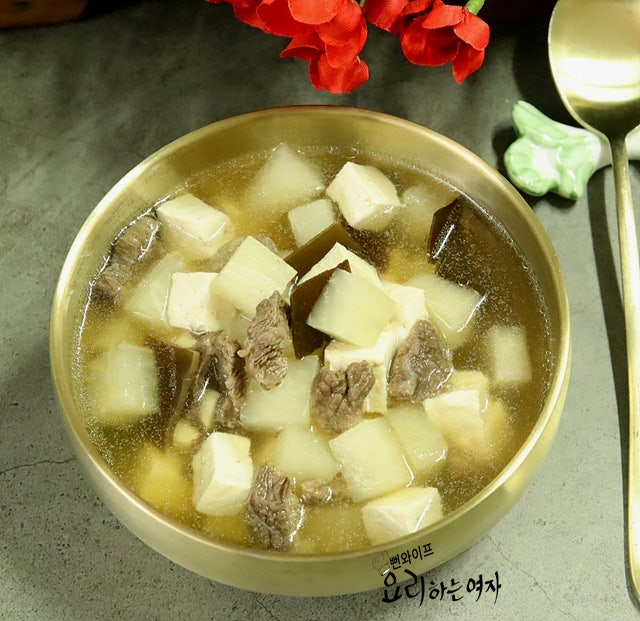
Clean-Tasting Toran Tang (Taro Soup) with Beef Broth
A clear Korean holiday soup made with beef, kelp broth, and taro boiled in rice-washing water to remove its astringency.
Translated from Korean by AI and not yet checked by a native speaker. Amounts and numbers are taken directly from the original recipe. Read the Korean original →
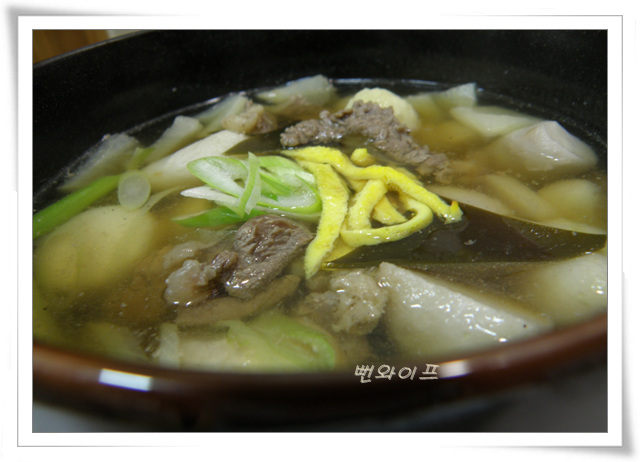
A clear and refreshing soup that is wonderful to enjoy for the Chuseok holiday. Using kelp broth and water from washing rice neatly removes the characteristic astringent taste and slipperiness of taro. Sautéing seasoned beef and simmering it with Korean radish creates a deep, savory umami.
- Servings
- 2–3 servings
- Difficulty
- Hard
- Spiciness
- Not spicy
Ingredients
Ingredients
- Taro300 g
- Beef100 g (for soup)
- Korean radish (mu)100 g
- Large green onion (daepa)1/2 stalks
- Kelp broth5 cups
- Toasted sesame oil1 tbsp
For boiling taro
- Water from washing rice4 cups
- Coarse sea salt1 tbsp
Meat marinade
- Soup soy sauce (guk-ganjang)1 tsp
- Cheongju (Korean rice wine) (or mirin (cooking rice wine))1 tbsp
- Minced garlic1 tsp
- Ground black peppera little
Seasoning
- Soup soy sauce (guk-ganjang)1 tbsp
- Salt1/2 tsp
- Soak the dried kelp in cold water for about 1 hour to infuse.
- Peeled and pre-cleaned taro is said to be treated with chemicals, so even if it is a bit troublesome, it is best to buy unpeeled taro.
- If you have sensitive skin, handling it with bare hands can cause itching or stinging, so wear disposable gloves while prepping.
Steps
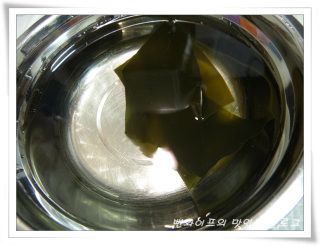
1. Before prepping the ingredients, prepare the kelp broth first, as it takes some time.
The broth that gives toran tang its deep umami is this kelp-infused water.
Soak the dried kelp in cold water for about 1 hour to infuse.
2. While the kelp is infusing in the water, prep the taro.
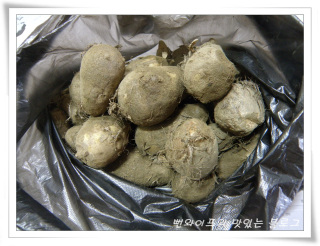
If you go to a traditional market, they sell taro with its skin on and covered in dirt.
Peeled and pre-cleaned taro is said to be treated with chemicals, so even if it is a bit troublesome, it is best to buy unpeeled taro.
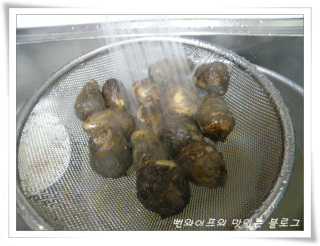
3. Since there is a lot of dirt on them, rinse them roughly under running water.
Large taro weigh around 50g, medium ones are 20 to 30g, and small ones are under 15g.
I have 14 in total, counting both medium and small ones.
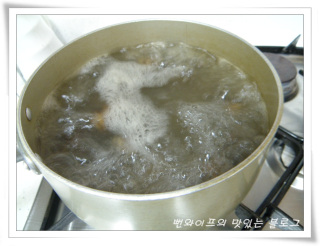
4. Drop the taro into enough boiling water to submerge them and blanch for 2 to 3 minutes.
This is just to help peel off the skin, so do not leave them in for long.
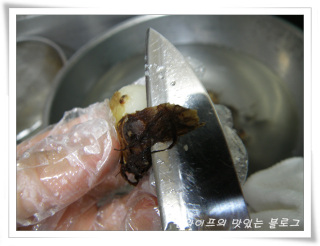
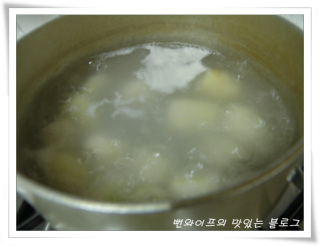
5. Drain the blanched taro and peel off the skin.
The skin slips off easily, so instead of shaving it with a peeler, just peel it away using a knife to lift the skin.
If you have sensitive skin, handling it with bare hands can cause itching or stinging, so wear disposable gloves while prepping.
6. Add salt to water from washing rice, bring it to a boil, then add the taro and boil for at least 5 minutes.
The reason for boiling it this way is to remove the taro's characteristic astringent, stinging taste and slipperiness.
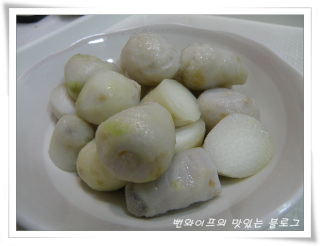
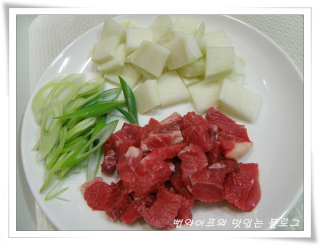
7. Drain the fully prepped taro and cut it into bite-sized pieces. I cut mine into large pieces.
8. Cut the other ingredients as shown in the picture.
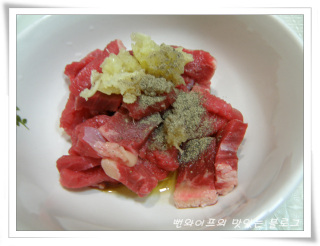
10
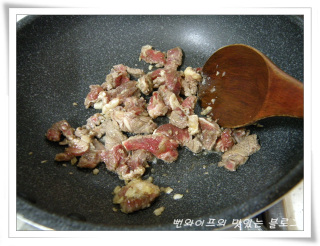
9. Add all the seasoning ingredients to the beef and mix well by hand.
10. Drizzle toasted sesame oil in a heated pan, add the seasoned beef, and stir-fry.
11
12
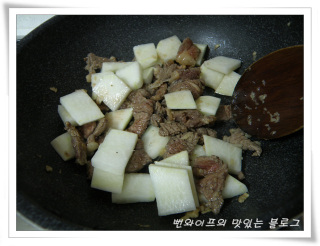
11. When the beef turns white and is cooked through, add the thinly sliced Korean radish and stir-fry until translucent...
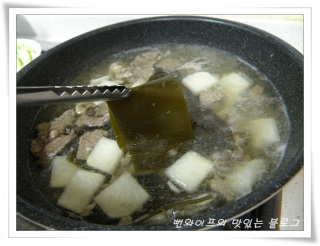
12. Pour in the kelp broth and bring to a boil. Simmer briefly until the kelp is tender, then take the kelp out...
13
14
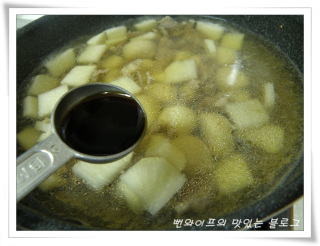
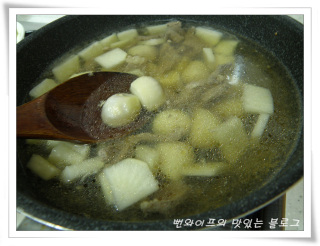
13. Add the taro and simmer until the inside of the taro is cooked through.
14. Season with soup soy sauce and salt...
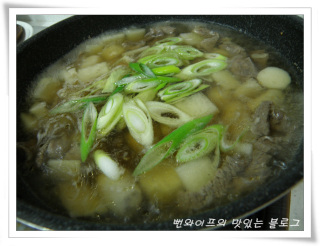
Finally, add the large green onion and simmer briefly before serving.
 Ppunwife's tips
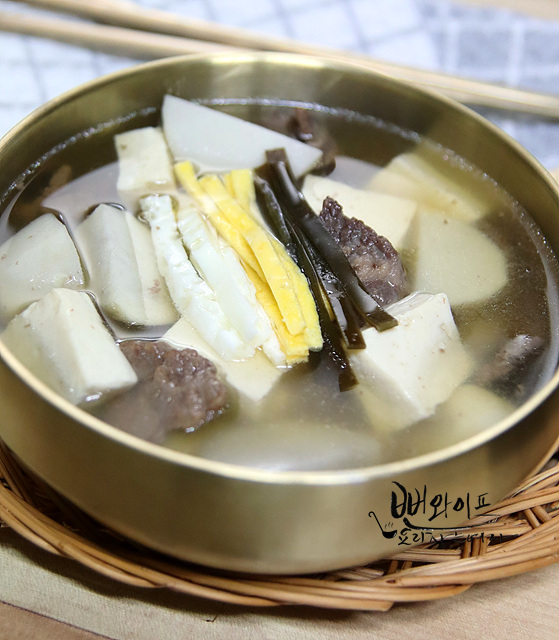
- When serving, garnish nicely with egg, kelp, and shredded scallions.
FAQ
How can I prevent my hands from itching when prepping raw taro?
Handling taro with bare hands can cause itching or stinging, so it is best to wear disposable plastic gloves while working with it.
How do you get rid of the astringent taste and slipperiness of taro?
Bringing water from washing rice with coarse sea salt to a boil, adding the taro, and boiling it for at least 5 minutes will reduce its astringent flavor and mucilage.
How do you prepare the kelp broth?
Place 1 piece of dried kelp measuring 10 cm on each side into 5 cups of cold water and soak for about 1 hour to infuse thoroughly before using as broth.
Can I use other cuts of beef instead of stew beef? AI-generated
Yes, you can season and use other beef cuts well suited for soups, such as brisket or shank.