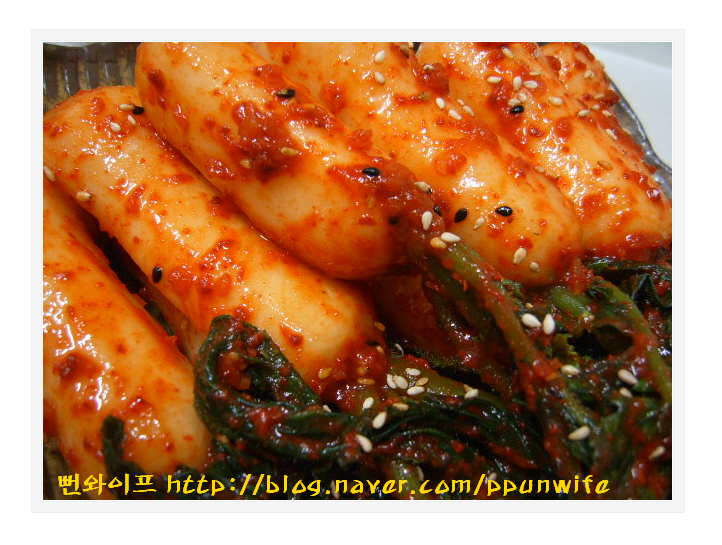
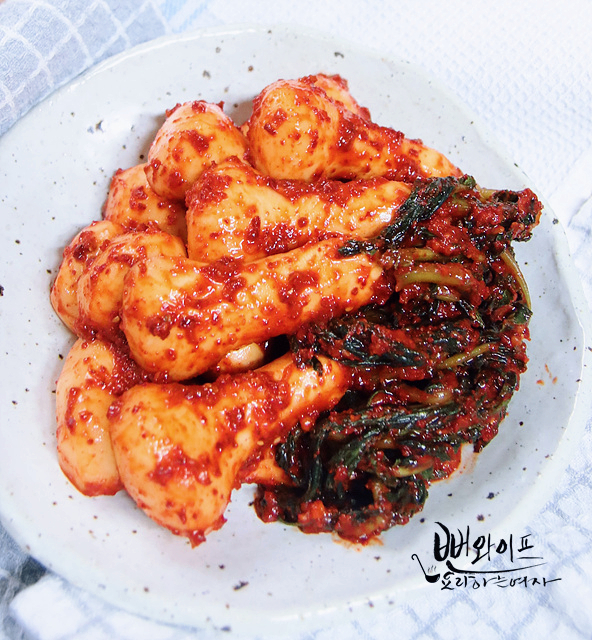
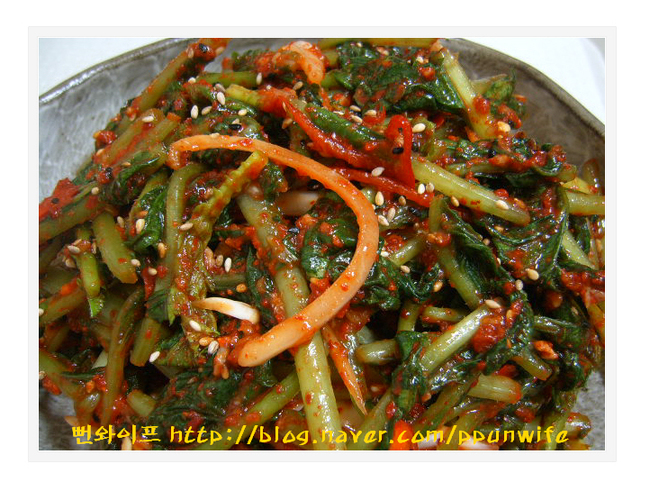
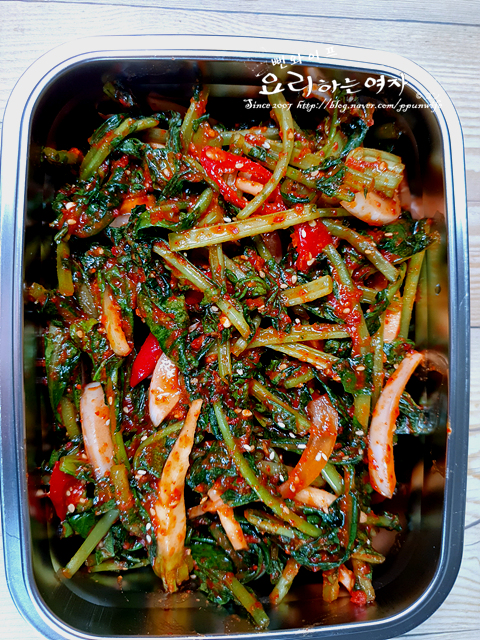
Crisp and Spicy Altari Mu Kimchi (Ponytail Radish Kimchi)
A crisp kimchi made by salting altari radishes and tossing them with glutinous rice paste and a basic seasoning mix.
Translated from Korean by AI and not yet checked by a native speaker. Amounts and numbers are taken directly from the original recipe. Read the Korean original →
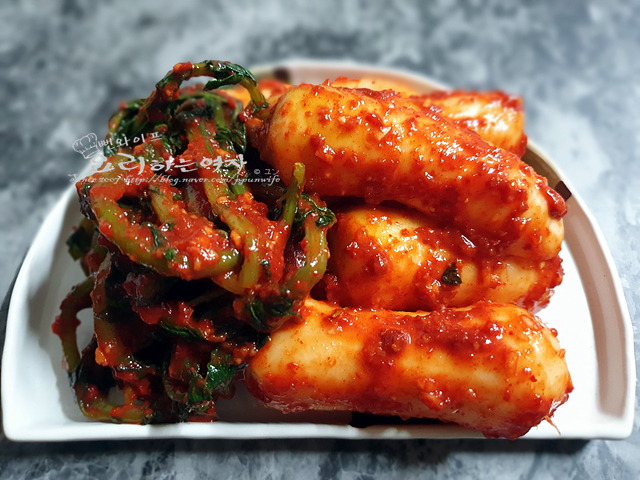
This satisfying kimchi is easy to make using basic seasonings and altari radishes. Cooking a glutinous rice paste and mixing it with gochugaru yields a beautiful red color that coats easily. Flipping the radishes from top to bottom halfway through salting ensures they season evenly and turn out delicious.
- Servings
- about 10–12 servings
- Difficulty
- Medium
- Spiciness
- Spicy
Ingredients
Ingredients
- Altari radish (ponytail radish)2 bunches
- Coarse sea salt1 cup
Seasoning
- Gochugaru (Korean chili flakes)2 cups
- Anchovy fish sauce (or sand lance fish sauce) (or sand lance fish sauce)6 tbsp
- Minced garlic4 tbsp
- Sugar1 tbsp
- Minced ginger1 tbsp
Glutinous rice paste
- Water3 cups
- Glutinous rice flour4 tbsp
- If the altari radishes are too pungent or peppery, salting them with a generous amount of saccharin sweetener (New Sugar) or regular sugar will help neutralize that sharp bite.
- Salt the altari radishes for about 2 to 3 hours.
Steps
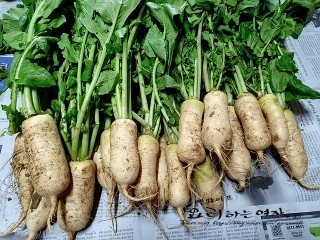
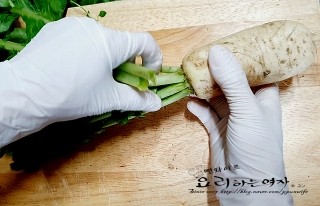
1. Around this time of year when you start to tire of winter gimjang kimchi, making fresh batches of chive kimchi, cucumber kimchi, or yeolmu kimchi is always such a treat.
Today I spotted some sturdy, lovely looking altari radishes and quickly grabbed two bunches.
2. As you can see in the preparation video above, it is not difficult, just a bit of repetitive work.
Trim away any tough or spoiled stems, and peel the skin using a peeler or knife.
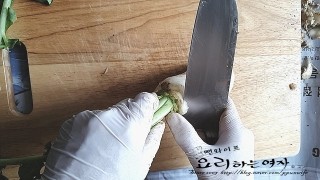
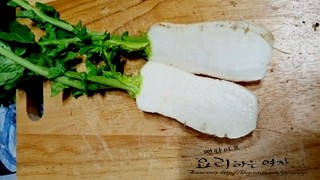
3. This crown area is the dirtiest part, so clean it with extra care.
4. I usually prefer to pickle them whole in large pieces, but cut any overly large ones in half or into 4 wedges.
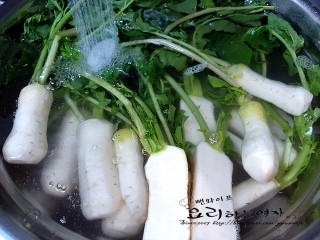
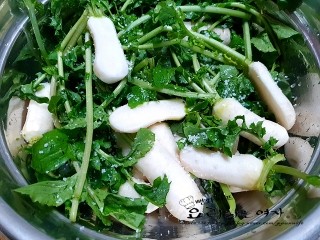
5. Rinse thoroughly in water...
6. Layer the altari radishes, sprinkling 1 to 2 tbsp of salt evenly over each layer, and repeat to salt them.
There have been times when I bought the wrong radishes and the kimchi turned out uncomfortably sharp and pungent;
salting them with a generous amount of saccharin sweetener (New Sugar) or sugar helps neutralize the sharp radish bite, and much of that sharpness will also fade as it ferments.
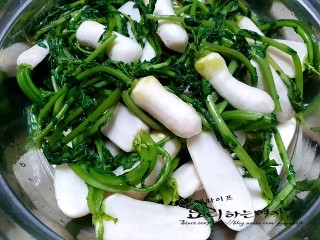
7. While the altari radishes are salting,
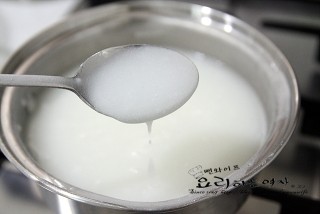
combine 3 cups of water and 4 tbsp of glutinous rice flour, whisking to prevent lumps,
then simmer over low heat until thickened without scorching, and let cool.
8. So that they salt evenly for about 2 to 3 hours,
flip the top and bottom layers halfway through.
10
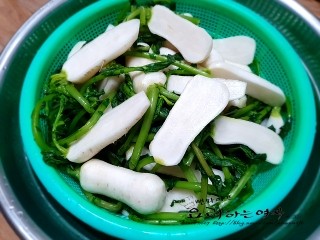
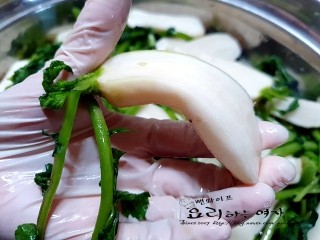
9. When it bends gently and pliable like this,
and tastes properly seasoned without being salty after a rinse in water, it is salted just right.
If you salted them for too long and they turn out salty, soak them in water to draw out the excess salt.
10. Rinse about 2 times in running water, roughly drain the excess moisture...
11
12

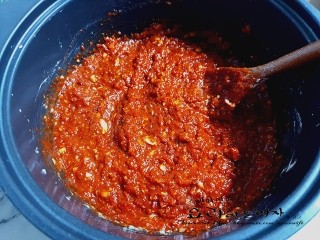
11. Add all the seasoning ingredients to the cooled glutinous rice paste and mix well,
allowing the flavors to meld and the gochugaru to develop a rich, vibrant color.
12. Add the seasoning paste and toss gently and evenly to finish...
Taste it, and if it feels too bland, adjust with a little salt.
 Ppunwife's tips
- Flip the top and bottom layers halfway through the salting time.
- If you salted them for too long and they turn out salty, soak them in water to draw out the excess salt.
- Taste it, and if it feels too bland, adjust with a little salt.
FAQ
What should I do if the altari radishes are too sharp and spicy?
Adding a generous amount of New Sugar (saccharin) or regular sugar while salting helps reduce the sharpness of the altari radishes.
How can I tell if the altari radishes are salted properly?
They are salted just right when the radish bends gently with a slight give and does not taste overly salty after rinsing in water.
What should I do if the radishes were salted too long and became overly salty?
Simply soak them in water for a little while to draw out the excess salt.
What should I add if the seasoning tastes too bland after tossing?
Taste the mixture, and if it needs more saltiness, adjust by adding a small pinch of salt.