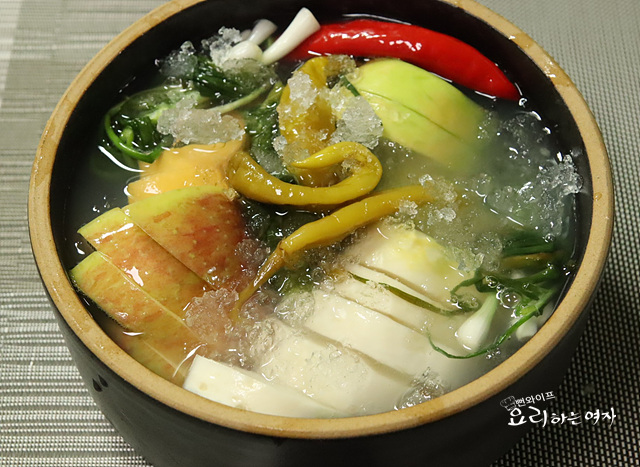
Crisp, Tangy Winter Dongchimi (Radish Water Kimchi)
A refreshing winter dongchimi cleanly infused with firm altari radishes and fermented chili peppers.
Translated from Korean by AI and not yet checked by a native speaker. Amounts and numbers are taken directly from the original recipe. Read the Korean original →
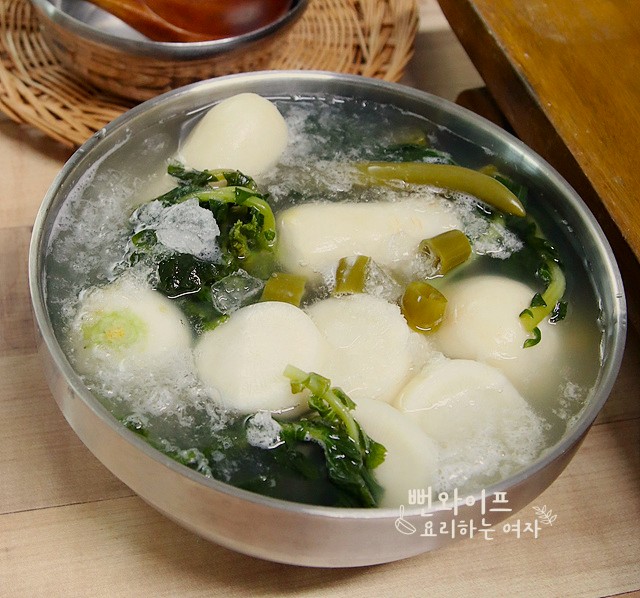
A winter delicacy made without cooking a flour paste, seasoned simply with salt water and green plum syrup for a clean finish. Small, firm altari radishes are used to shorten salting time while keeping a wonderfully crisp texture. Fermented chili peppers and sea staghorn add a cooling depth, yielding a sparkling, tangy broth.
- Servings
- about 10–12 servings
- Difficulty
- Medium
- Spiciness
- Mildly spicy
Ingredients
Ingredients
- Altari radish (ponytail radish)2 bunches, 4 kg
- Coarse sea salt1 1/2 cups
- Fermented chili peppersabout 10
- Dried sea staghorn seaweed (cheonggak)50 g
- Peeled garlic15 cloves
- Ginger2 knobs
Dongchimi broth
- Bottled water30 cups
- Coarse sea salt2/3 cup
- Green plum syrup (maesil-cheong)2/3 cup
- Sugar1/2 cup
- Choose radishes that are firm, clean, and unblemished, with tender greens.
- If you do not have fermented chili peppers, prepare an equal mix of green chili peppers and Cheongyang chili peppers.
- If using fresh fruit like apples or pears instead of green plum syrup, core 2 to 3 fruits and slice them with the skin on before adding. If using New Sugar (saccharin blend), add about 1 tsp.
Steps
Prepare the ingredients
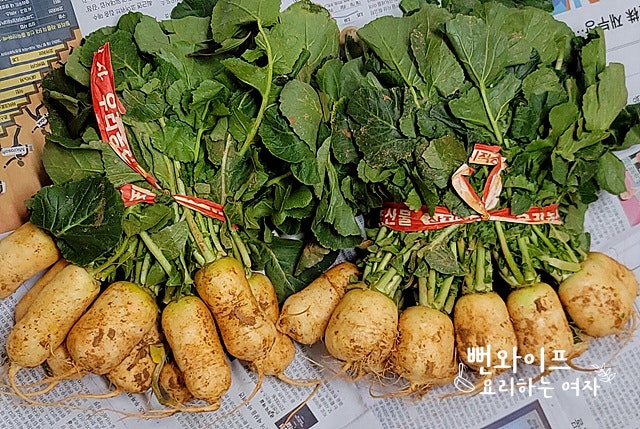
Here are 2 bunches of altari radish.
Choose radishes that are firm, clean, and free of blemishes, with tender greens.
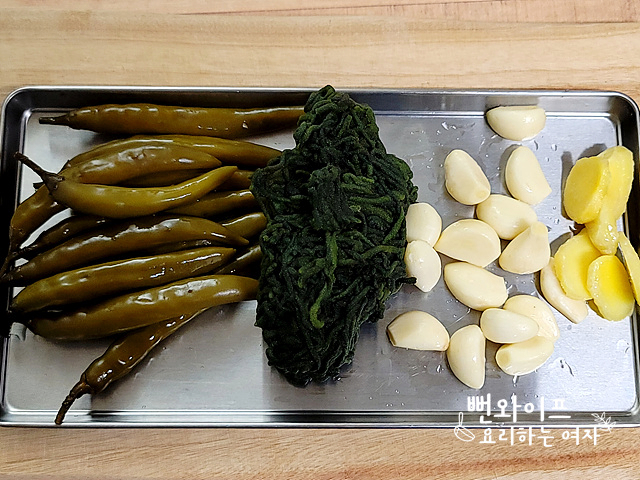
Here are the secondary ingredients responsible for the flavor of the dongchimi broth: fermented chili peppers, soaked and washed sea staghorn, peeled garlic, and ginger.
There are not many ingredients, so it is best to include the fermented chili peppers and sea staghorn if possible. (If you do not have fermented chili peppers, prepare an equal mix of green chili peppers and Cheongyang chili peppers.)
Related post on the blog (Korean)blog.naver.com/ppunwife/224067781318Detailed instructions on how to clean sea staghorn can be found in the kimjang recipe, so please refer to that.
Trim the altari radishes
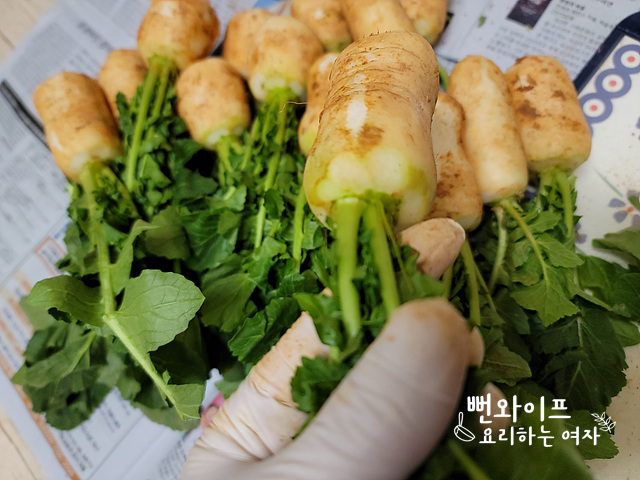
Remove any yellowed or tough radish greens, and neatly trim away any dirt around the junction where the radish meets the stem using a knife.
Also scrape off any small root hairs clinging to the radishes with a knife.
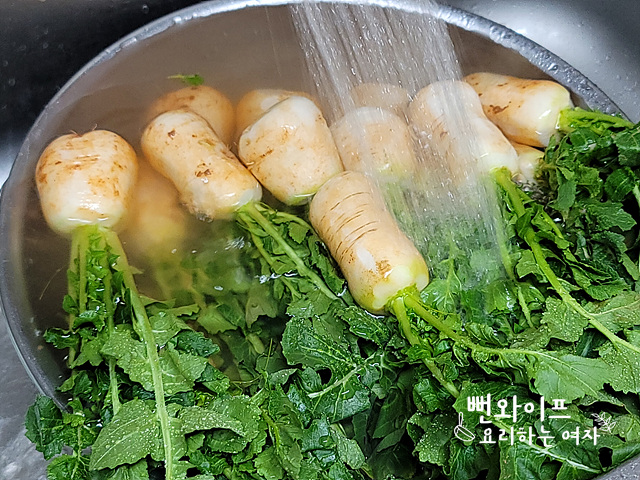
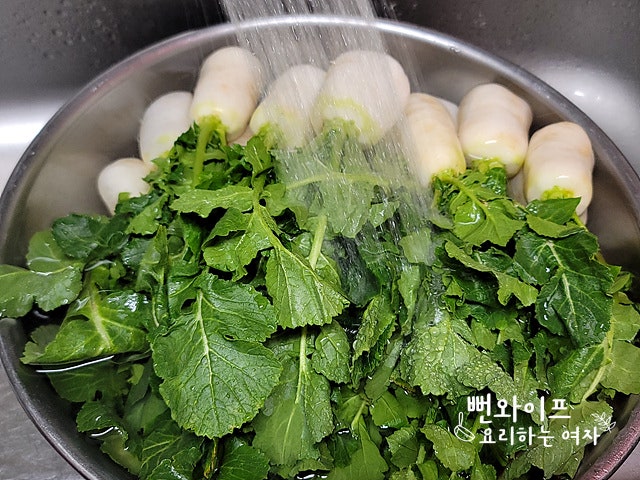
Rinse once or twice in water to wash off loose dirt, then let them soak in water so any dried dirt or debris softens up.
After this, scrub the radishes with a soft scouring sponge to get them completely clean.
Rinse several times until no dirt remains at the bottom, and then they are ready to be salted.
Salt the altari radishes
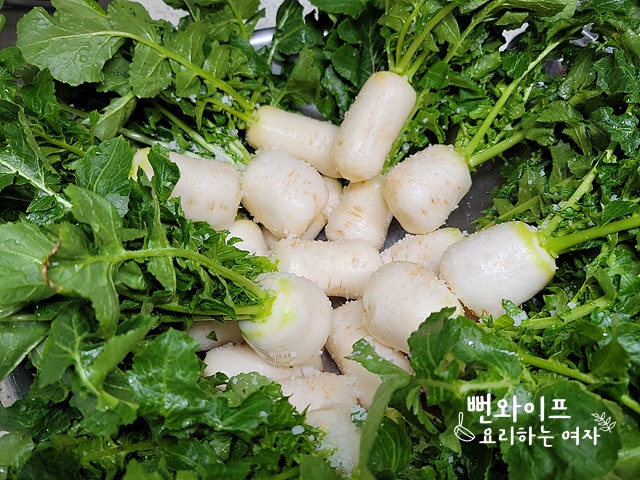
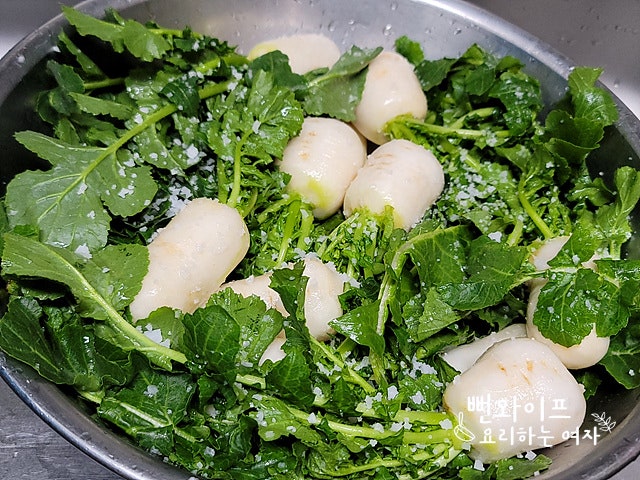
You can cut the radishes before salting, or salt them whole as I did.
First, sprinkle 1 cup of coarse sea salt over just the radish root portions to begin salting. After about 1 hour 30 minutes, flip the radishes once, sprinkle the remaining 1/2 cup coarse sea salt evenly over the greens, and let everything salt for about 1 hour.
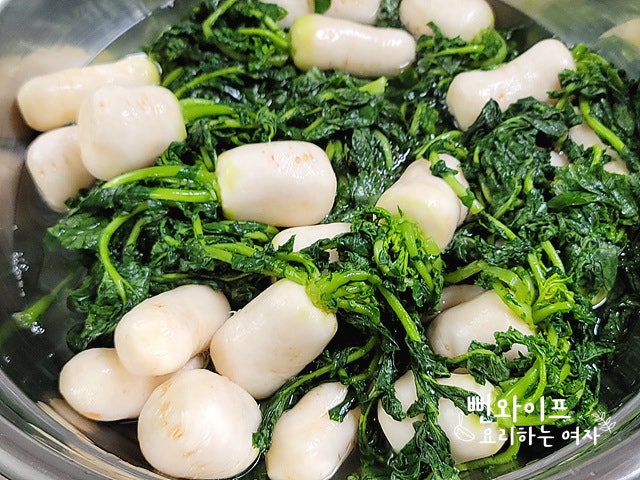
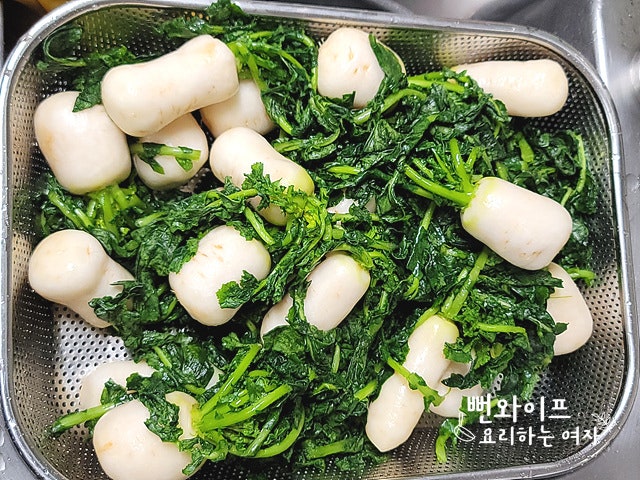
Salt until the radish yields slightly when pressed, then drain the salt brine through a sieve without rinsing the radishes.
Make the seasoning pouch
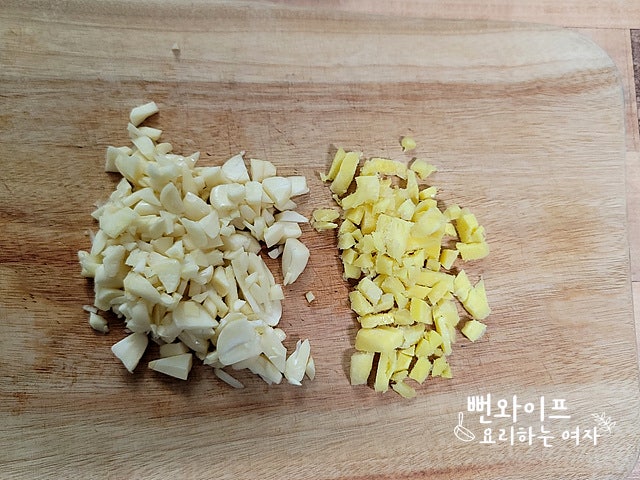
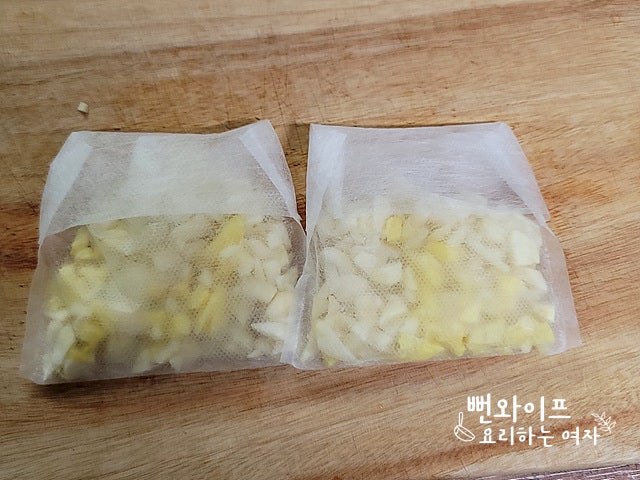
Finely slice the garlic and ginger so their flavors infuse well into the brine, then place them in a pouch.
If you mince garlic and ginger, juices release that make the broth cloudy or muddy the flavor.
Make the dongchimi broth
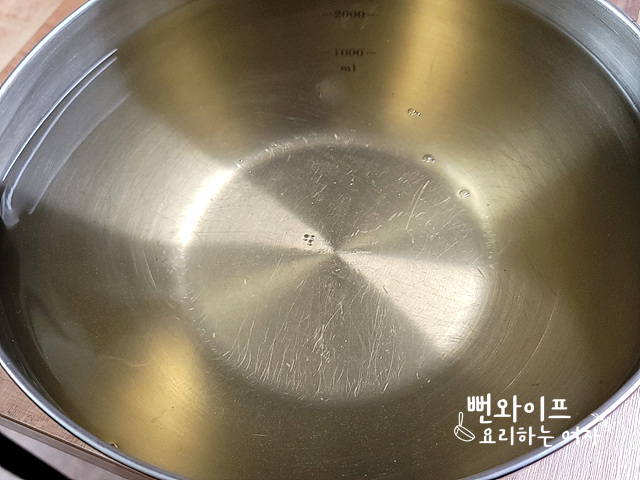
For the dongchimi broth, combine 30 cups bottled water, 2/3 cup coarse sea salt, 2/3 cup green plum syrup, and 1/2 cup sugar, then stir well. (If using New Sugar, about 1 tsp should do.)
Taste the broth to ensure it is nicely salted rather than bland; this prevents white mold (golmaji) from forming during fermentation.
I used green plum syrup instead of apples or pears, but if using fresh fruit, core 2 to 3 fruits and slice them with the skin on before adding.
Assemble in the container
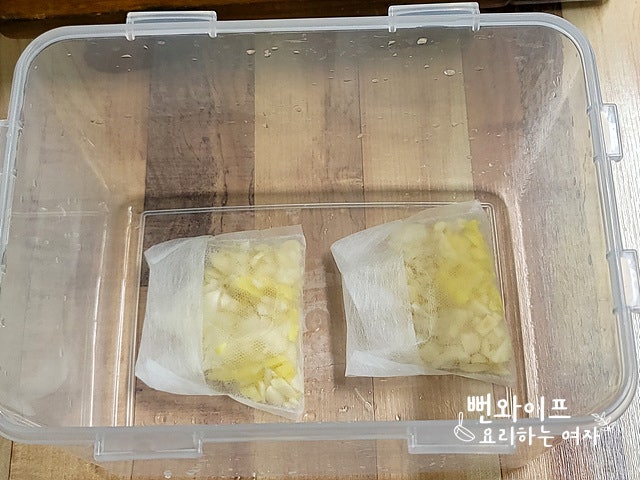
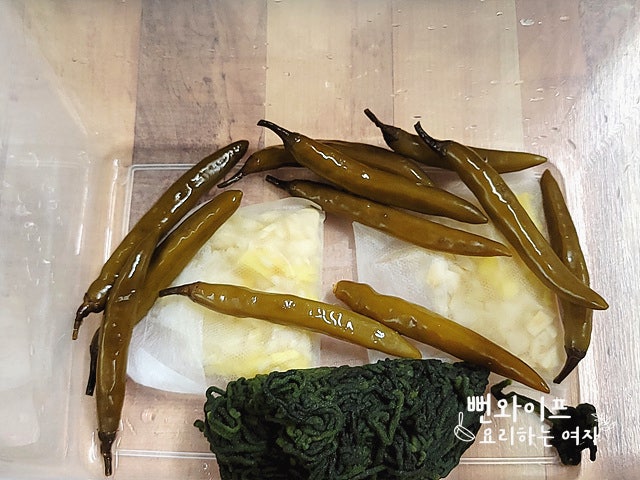
Place the seasoning pouch at the bottom of the container so it does not float, and arrange the rest of the secondary ingredients.
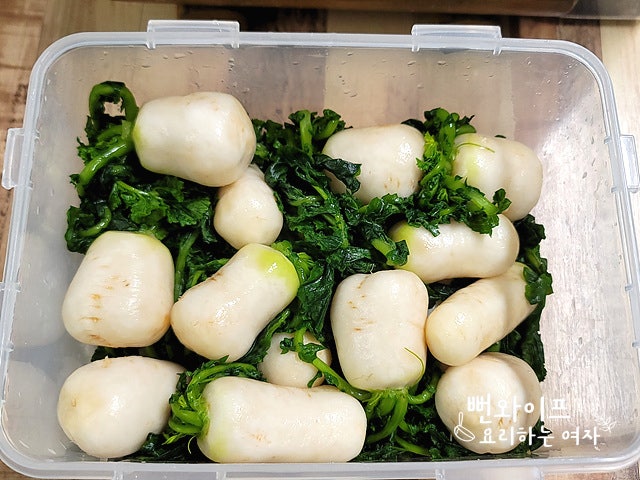
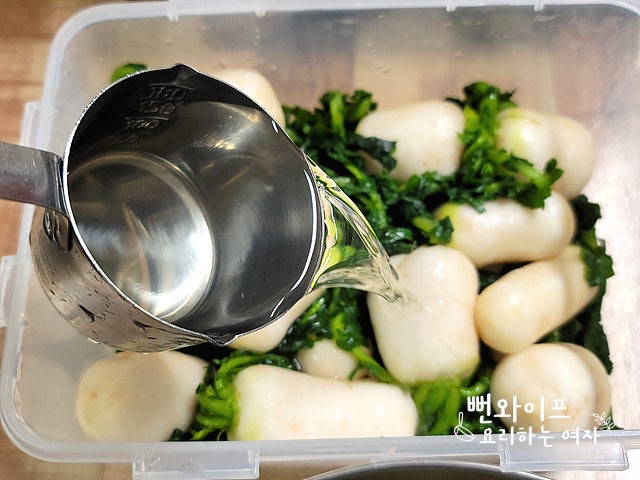
Place all the salted altari radishes on top and pour in the seasoned brine.
Ferment
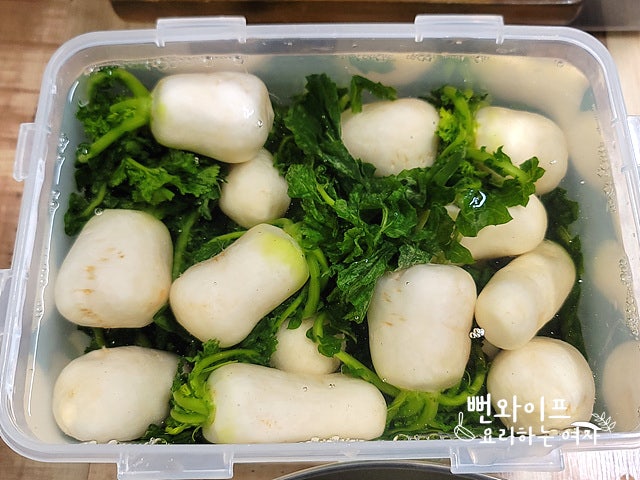
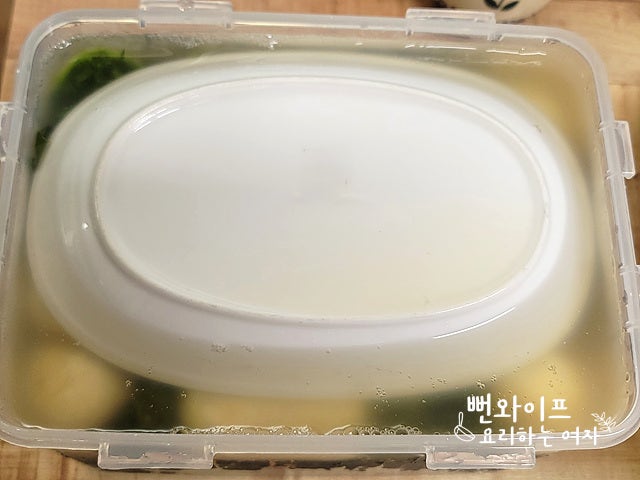
Press down with a plate so the ingredients do not float and stay fully submerged in the broth.
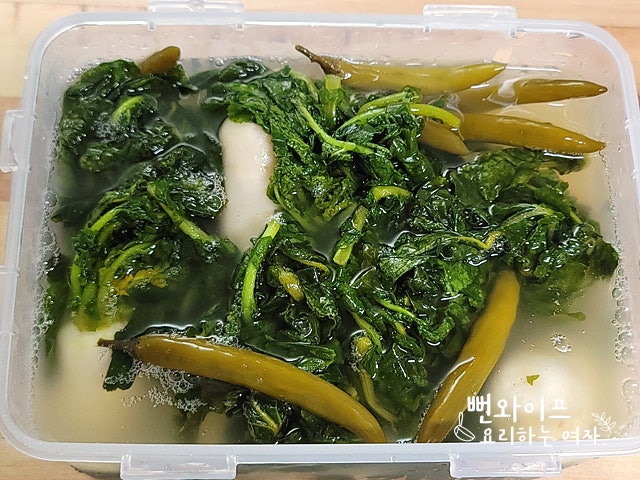
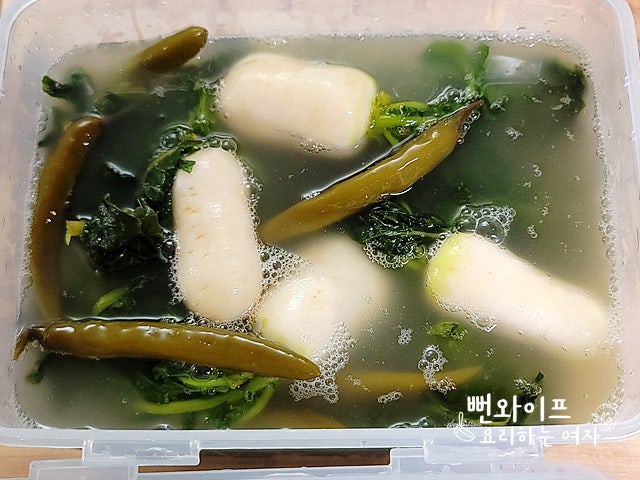
Water kimchi and pickles are fermented at room temperature.
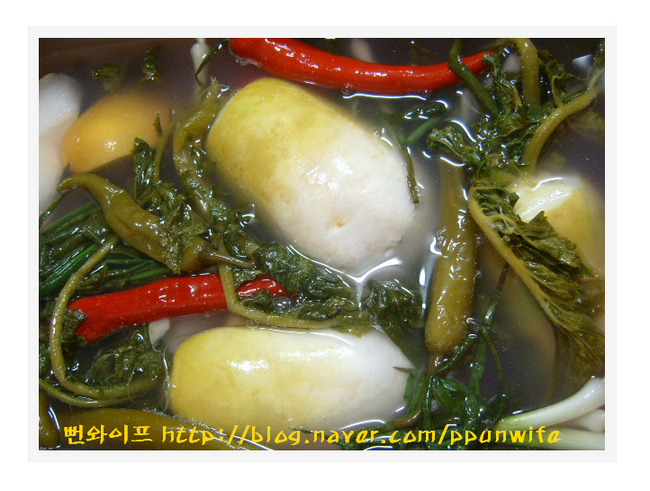
Keep the container out of direct sunlight and let it ferment until tiny bubbles form and a sour aroma develops.
During seasons like now when temperatures drop below freezing, it takes about a week to 10 days.
In my case, bubbles appeared and it took on a sour flavor after a week, so I moved it to the refrigerator.
When ladled frequently from a single large container, temperature shifts can accelerate souring. Dividing it into several smaller containers before refrigerating keeps the flavor clean and fresh for a long time.
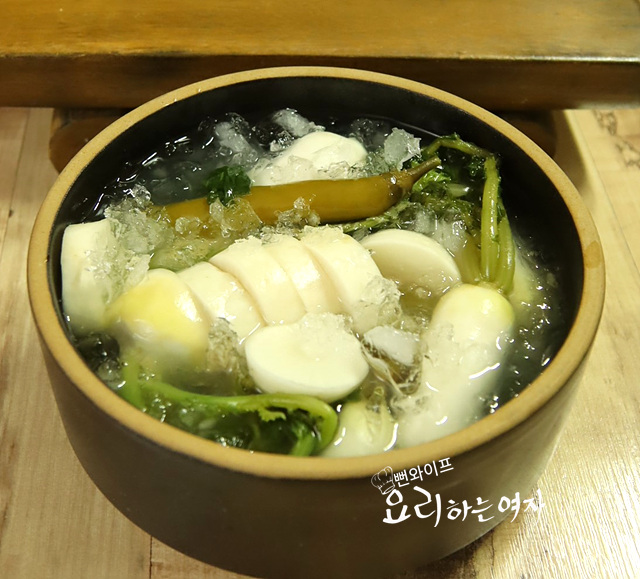
Finished dish
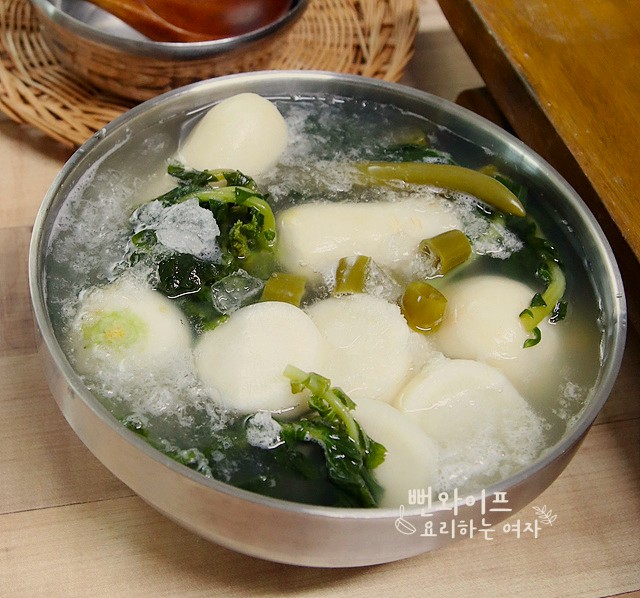
This dongchimi broth is on a completely different level from summer water kimchi that has fermented for just one night.
Dongchimi fermented slowly in cold temperatures offers a sparkling, soda-like tang and a wonderfully refreshing broth.
It also aids digestion very well.
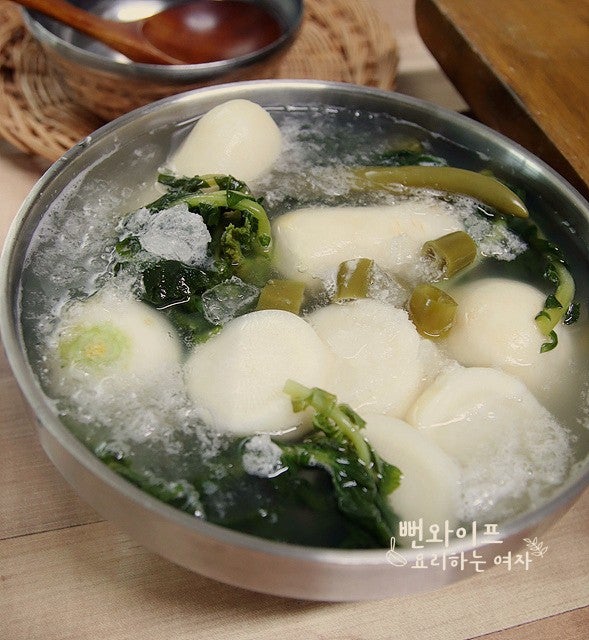
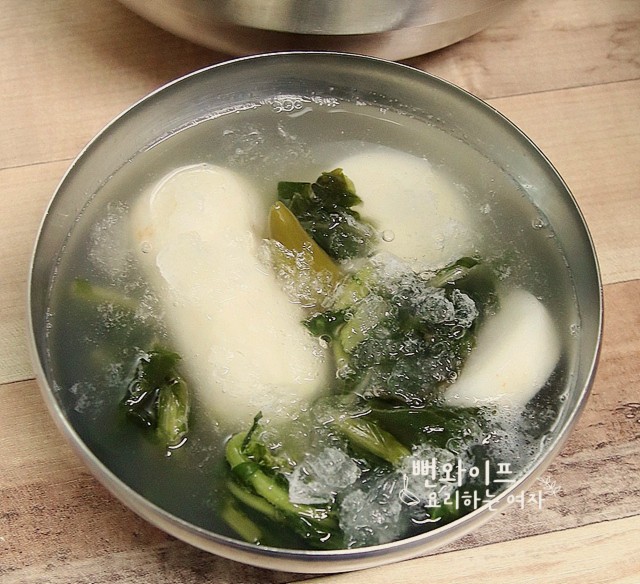
Making dongchimi is not difficult at all, and there really is not much to it.
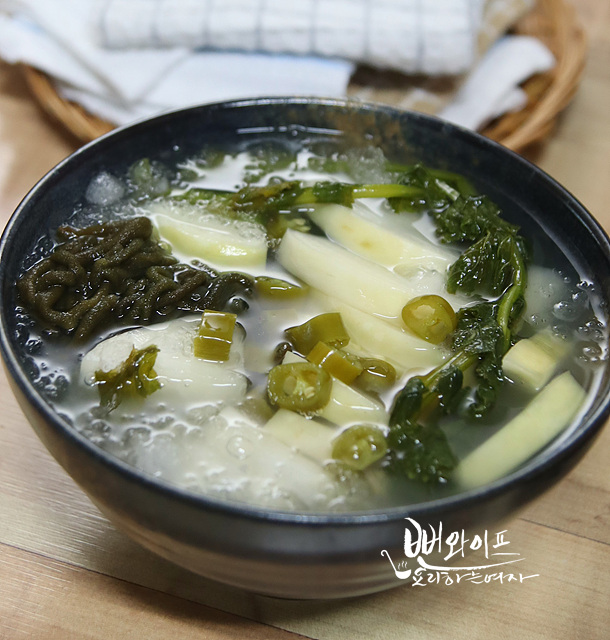
Be sure to make it during winter when radishes are at their firmest and tastiest. It pairs wonderfully with roasted sweet potatoes or grilled meats, and is also delicious served like naengmyeon with thin wheat noodles rolled into the broth.
 Ppunwife's tips
- If you mince garlic and ginger, juices release that make the broth cloudy and muddy the flavor, so slice them finely and place them in a seasoning pouch.
- Taste the broth to ensure it is nicely salted rather than bland; this prevents white mold from forming as it ferments.
- Lading repeatedly from a large container can cause temperature shifts that accelerate souring. Dividing it into several smaller containers before refrigerating preserves its clean taste for a long time.
FAQ
How can I substitute fermented chili peppers if I do not have them?
If you do not have fermented chili peppers, you can use a half-and-half mixture of green chili peppers and Cheongyang chili peppers instead.
Can I mince the garlic and ginger before adding?
Mincing garlic and ginger releases juices that can make the broth thick and cloudy, so it is much cleaner to slice them finely and infuse them inside a seasoning pouch.
Can I use fresh fruit instead of green plum syrup?
If using apples or pears, prepare 2 to 3 fruits, remove the seeded core, and slice them with the skin on before adding to the broth.
Should I rinse the altari radishes after salting?
Once the radishes are salted enough that the surface indents slightly when pressed, do not rinse them in water; simply place them in a sieve to drain the salt brine naturally.