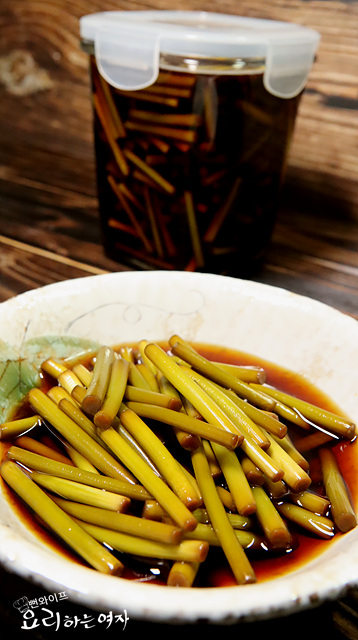
Crunchy Maneuljjong Jangajji (Pickled Garlic Scapes)
A long-lasting garlic scapes side dish made by adding soju to boiled pickling liquid so you never need to reboil it.
Translated from Korean by AI and not yet checked by a native speaker. Amounts and numbers are taken directly from the original recipe. Read the Korean original →
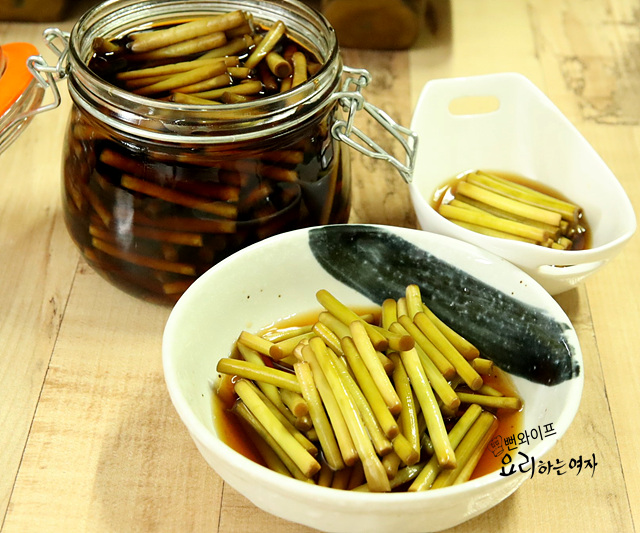
This preserved side dish is made by pouring hot soy brine over garlic scapes, letting it cool, and stirring in soju. It keeps for a long time in the refrigerator without the hassle of reboiling and repouring the brine later. Using thin, tender garlic scapes allows the flavors to absorb quickly, giving you a wonderful crunchy texture.
- Servings
- about 8–10 servings
- Difficulty
- Easy
- Spiciness
- Not spicy
- Keeps
- 365 days
Ingredients
Ingredients
- Garlic scapes2 bunches, 900 g
Soy brine
- Water3 cups
- Regular soy sauce (jin-ganjang) (or brewed soy sauce (yangjo-ganjang))3 cups
- Vinegar2 cups
- Sugar2 cups
- Soju1 cup
- Pickle young, tender garlic scapes before their fibrous cores develop so they stay pleasant to eat over time; choose thin, pale, and soft stems.
- Aligning the flower bud sections in a row makes trimming quick and easy, then cut the scapes into bite-sized lengths of 3 to 4 cm.
Steps
Prepare and cut the ingredients
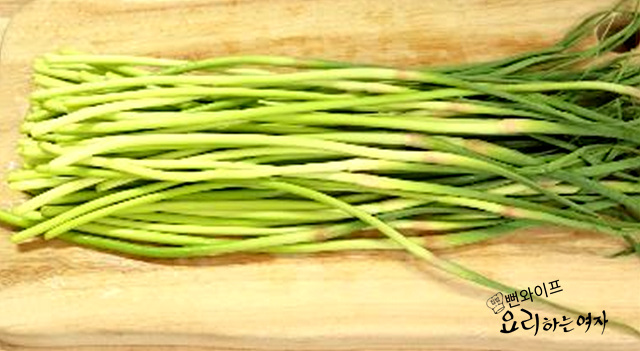
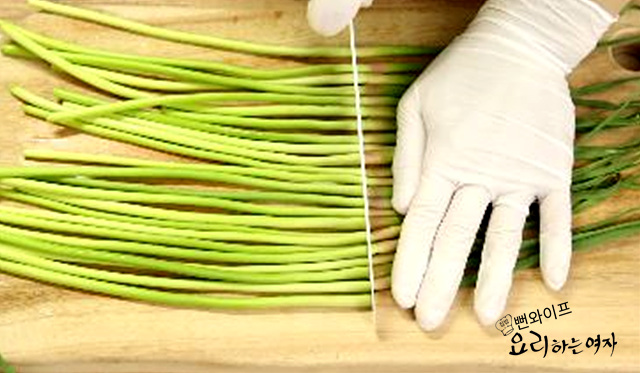
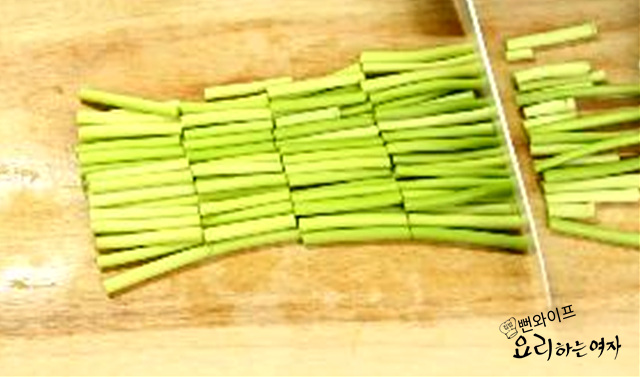
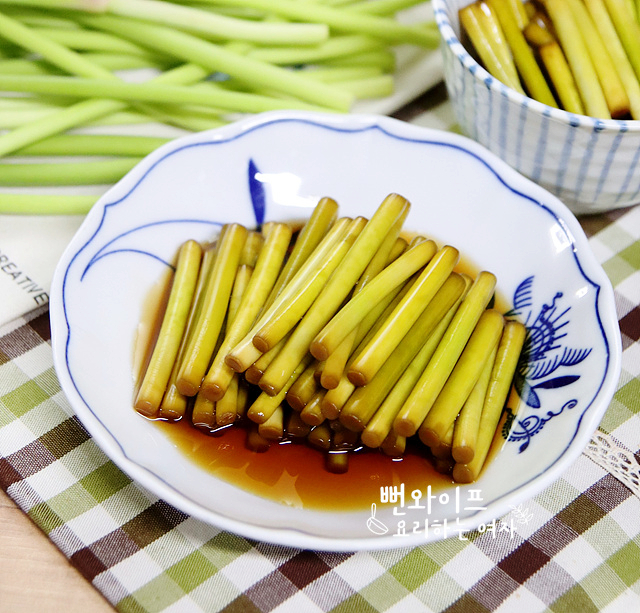
For pickles, it is best to use garlic scapes that are thin, pale, and tender.
Because they sit in soy brine for a long time, moisture draws out and they can turn tough.
Aligning the flower bud sections in a row makes them easy to cut all at once.
Cut them into bite-sized lengths of 3 to 4 cm.
Making the soy brine
Make the soy brine
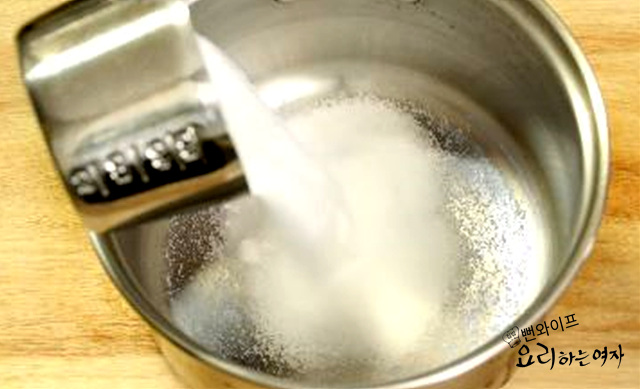
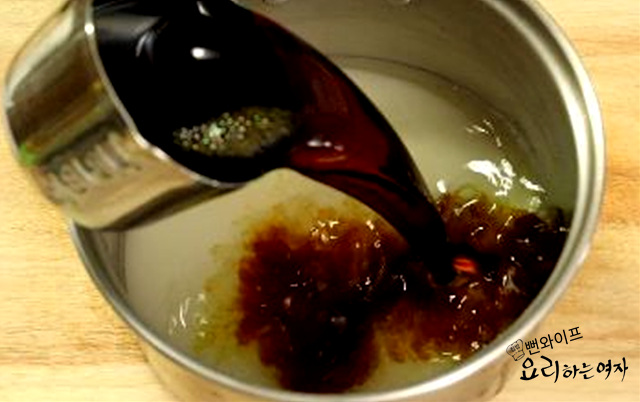
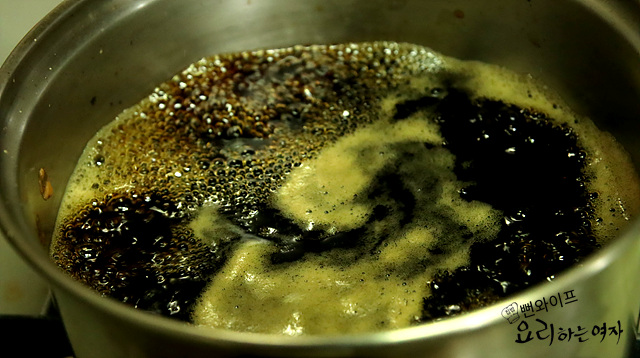
Add 2 cups sugar, 2 cups vinegar, 3 cups regular soy sauce (jin-ganjang), and 3 cups water all together, and bring to a rolling boil.
Let it boil vigorously for about 30 seconds, then...
Pouring the soy brine
Pour the soy brine
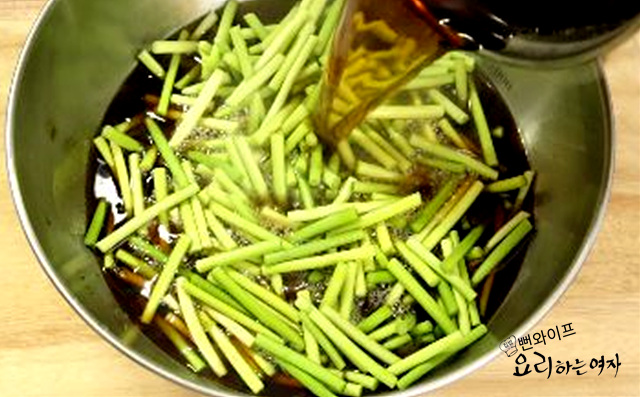
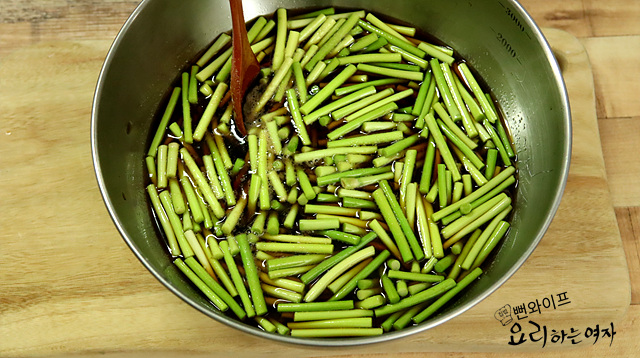
Pour it right over the bowl of garlic scapes.
Do not let it cool down first; take it off the heat as soon as it boils and pour it right in.
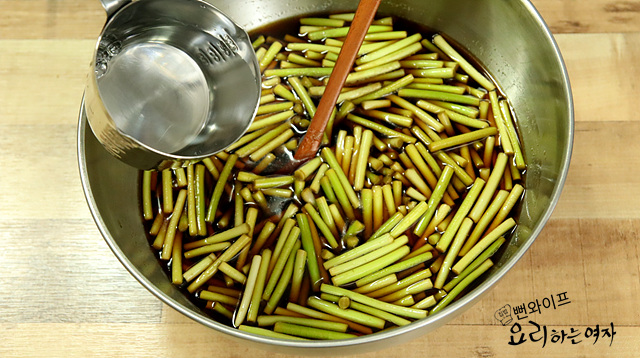
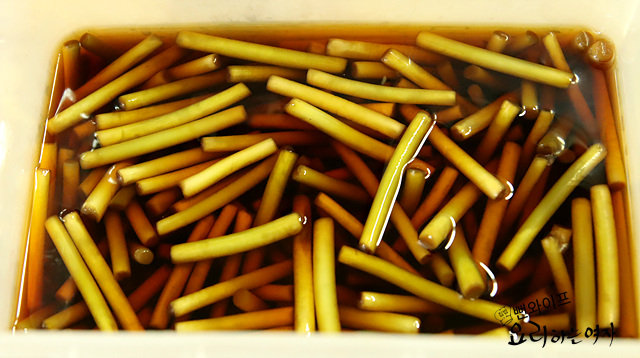
Once the soy brine cools down, pour in 1 cup soju, stir, transfer to a container, and let it ferment at room temperature for 3 to 5 days.
Adding soju sterilizes and disinfects, acting as a preservative.
Once the color turns yellowish and the flavor sets in, store it in the refrigerator.
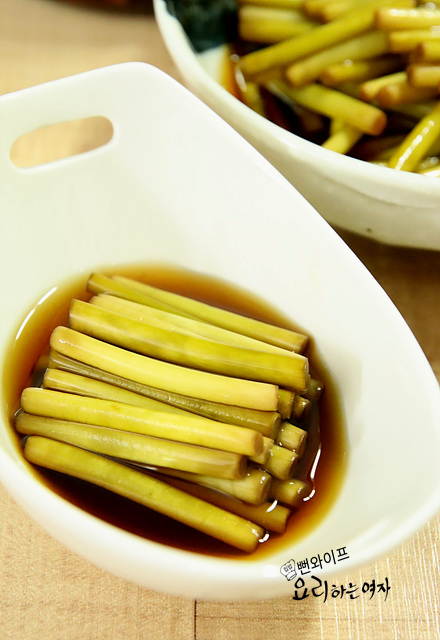
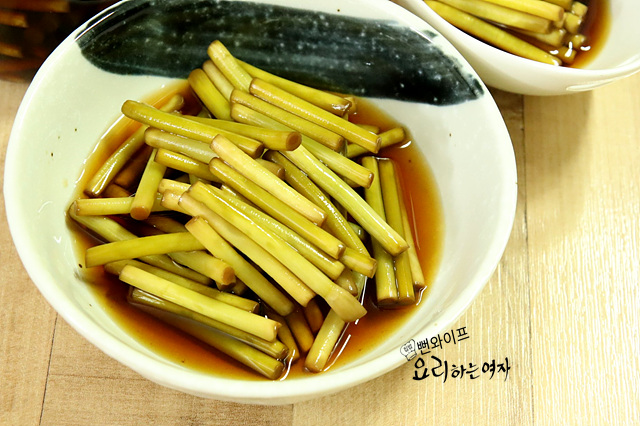
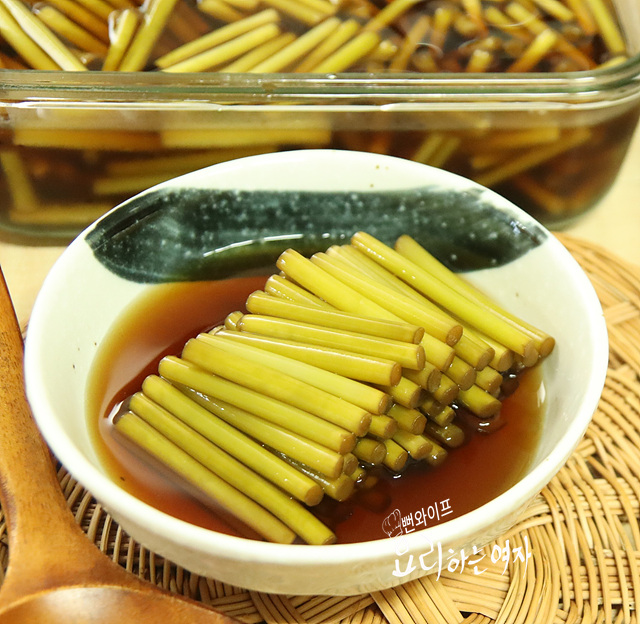
Using tender, light-green garlic scapes gives them such a pretty yellowish color.
Because the stems are thin, the flavor absorbed faster than expected.
Fermentation time varies depending on the room temperature, so check on them regularly before moving them to the refrigerator.
 Ppunwife's tips
- Do not let it cool down first; take it off the heat as soon as it boils and pour it right in.
- Adding soju sterilizes and disinfects, acting as a preservative.
- Fermentation time varies depending on the room temperature, so check on them regularly before moving them to the refrigerator.
FAQ
Should I let the soy brine cool before pouring it?
Bring the soy brine to a rolling boil and pour it immediately over the garlic scapes while it is still hot, right after taking it off the heat.
Why is soju added to the pickling liquid?
It provides a sterilizing and disinfecting effect that works as a preservative, so stir the soju in after the soy brine cools down.
How many days should the pickles ferment at room temperature?
Ferment them at room temperature for 3 to 5 days, and once the color turns yellowish and the flavor develops, transfer them to the refrigerator.
What kind of garlic scapes are best for pickling?
Choose scapes that are thin, pale, and soft so that they do not turn tough even after sitting in soy sauce for a long time.