Spicy Kkotgetang (Spicy Blue Crab Stew)
A refreshing stew made by simmering in-season blue crab and Korean radish in a doenjang and gochujang broth.
Translated from Korean by AI and not yet checked by a native speaker. Amounts and numbers are taken directly from the original recipe. Read the Korean original →
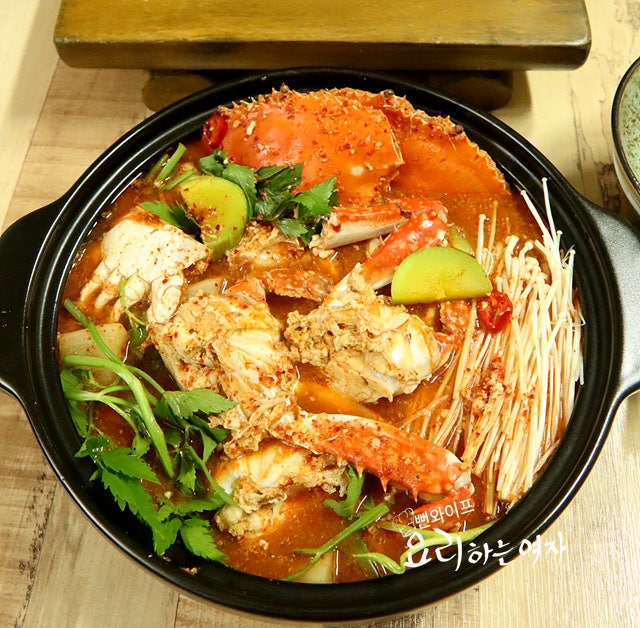
Simmered with in-season male blue crab and refreshing Korean radish as main ingredients, the broth turns out sweet and rich. Adding equal parts doenjang and gochujang removes any seafood fishiness and brings out deep savory flavor. The key is not to simmer it too long so the crab meat stays tender.
- Servings
- 3–4 servings
- Difficulty
- Medium
- Spiciness
- Spicy
Ingredients
Ingredients
- Male blue crab3, 1 kg (large ones)
- Korean radish (mu)300 g
- Korean zucchini (aehobak)1/4
- Onion1/2
- Water dropwort (minari)1/2 bunch
- Red Cheongyang chili pepper2
- Enoki mushrooms1 pack
- Large green onion (daepa)1/2 stalk
- Water8 cups
- Broth tablet3 tablets
Seasoning
- Commercial doenjang (Korean soybean paste)1 1/2 tbsp
- Gochujang (Korean red chili paste)1 1/2 tbsp
- Soup soy sauce (guk-ganjang)2 tbsp
- Minced garlic2 tbsp
- Minced ginger1 tsp
- Gochugaru (Korean chili flakes)3 tbsp
- Salt1 tsp
- Ground black peppera little
- If using medium-sized blue crabs sold at markets, prepare about 4 to 5 crabs.
- Crown daisy (ssukgat), perilla leaves, or soybean sprouts can be used instead of water dropwort.
- For the vegetables, having just radish, onion, large green onion, and chili peppers is plenty.
- If you rinse the crabs after cleaning and cutting them, their flavorful juices will wash away, so scrub them thoroughly all over with a toothbrush or cleaning brush under running water first.
- Traditional homemade doenjang has a stronger aroma and higher saltiness, so reduce the amount by about 1 tbsp.
Steps
Cut the vegetables
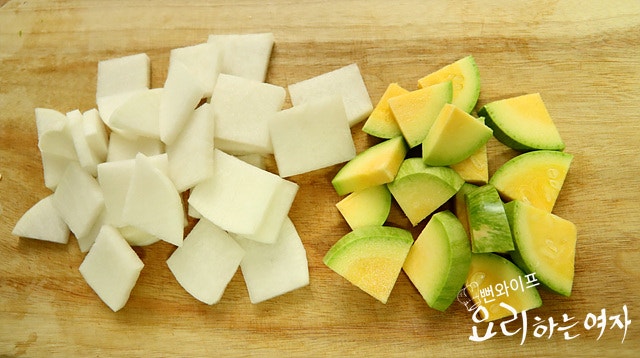
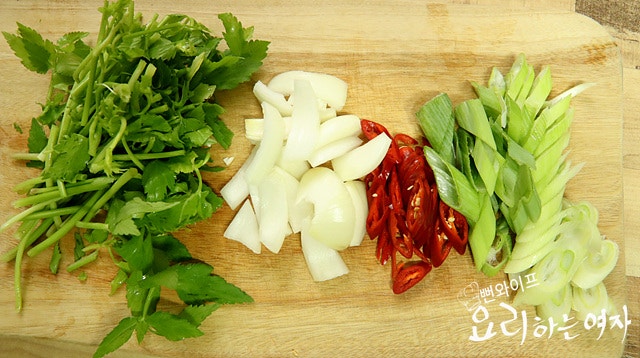
Slice the Korean radish and Korean zucchini into bite-sized flat squares, and cut the onion, large green onion, water dropwort, and red chili peppers into appropriate bite-sized pieces.
Clean the blue crabs
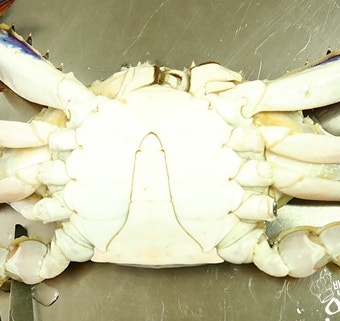
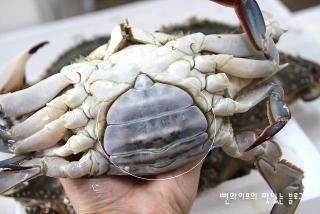
You can tell male and female blue crabs apart by the shape of the flap on the center of the abdomen, which looks clearly different.
The long, pointed shape on the left is a male blue crab. If it has a round shape like the one on the right, it is a female blue crab.
Plump male blue crabs packed with meat are caught mostly in autumn and used to make yangnyeom-gejang (spicy marinated raw crab), while female blue crabs filled with roe harvested in spring are used to make ganjang-gejang (soy-marinated raw crab).
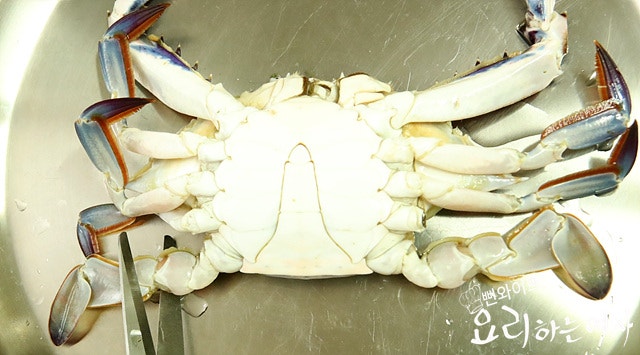
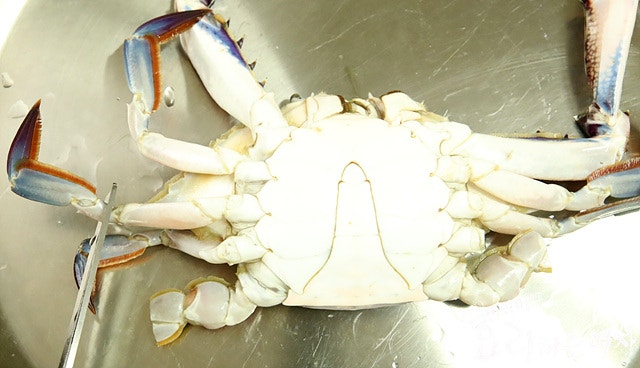
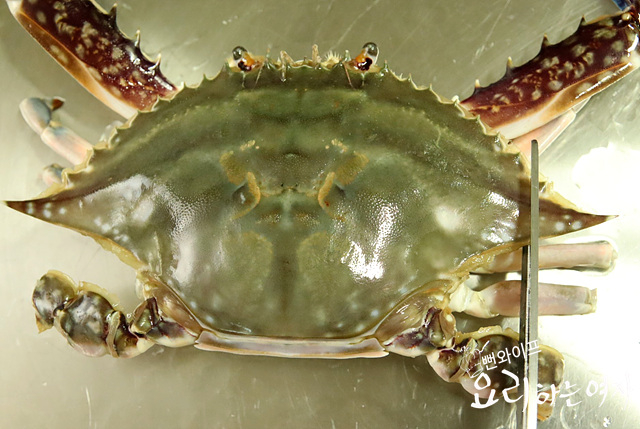
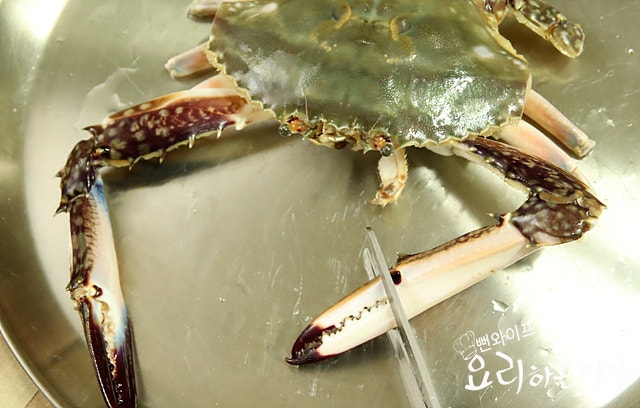
The cleaning method is the same regardless of sex.
First, scrub the front and back of the blue crabs thoroughly under running water using a toothbrush or brush.
This is because if you rinse them after cutting, the delicious flavors of the crab will wash away.
First, cut off the fleshless pointed tips of the legs with kitchen shears.
Trim off the sharp points on both sides of the carapace as well, and snip off the large claws.
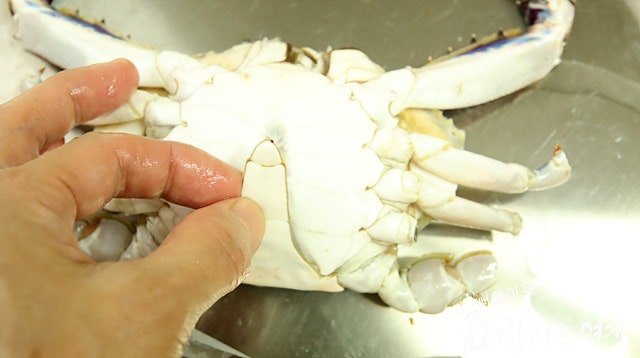
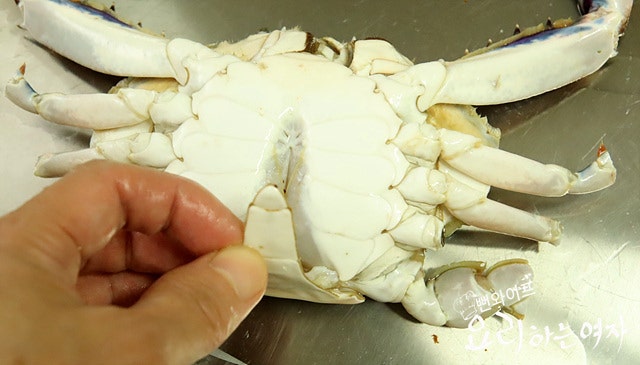
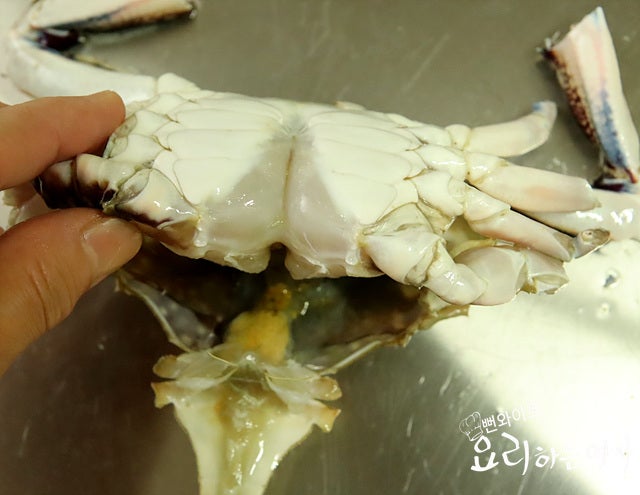
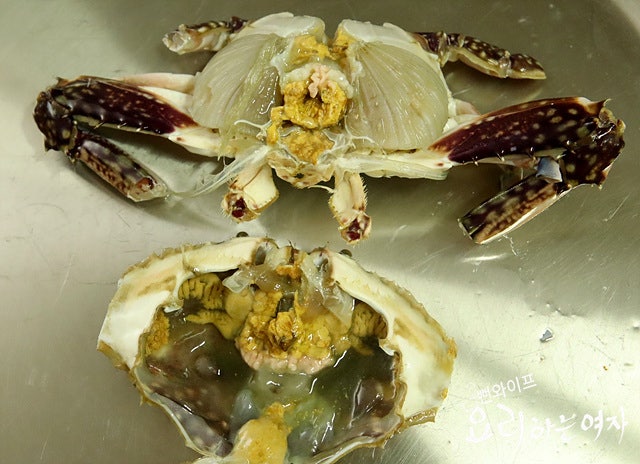
Pull up the pointed flap on the belly and bend it backward to create an opening, then use both hands to pull firmly in opposite directions to pry the top shell apart from the body.
Now the body and the top shell are separated.
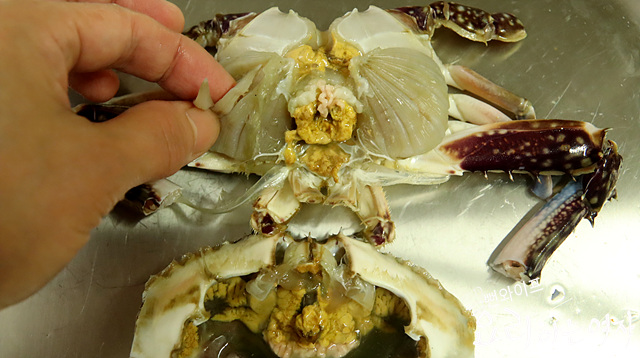
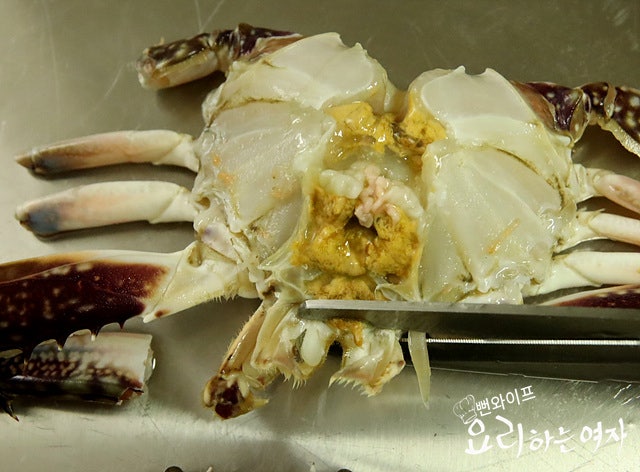
Use your hands to cleanly pluck off the spongy gills attached to both sides, and cut away the sand sac attached below.
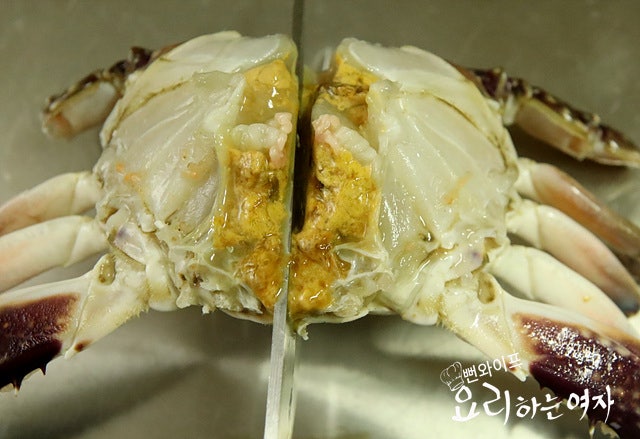
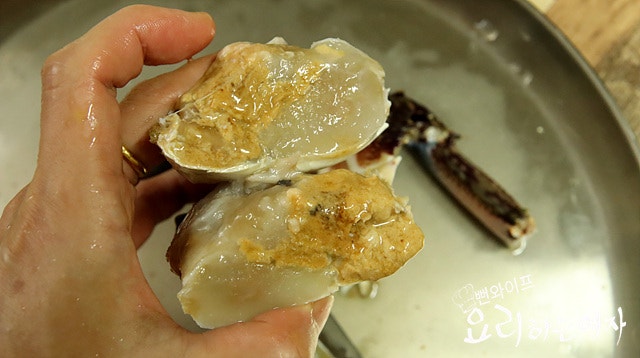
Cut it in half for easy eating, and you will see it packed full of plump meat like this.
Blue crabs cleaned like this can be used to make kkotgetang or seasoned to make yangnyeom-gejang.
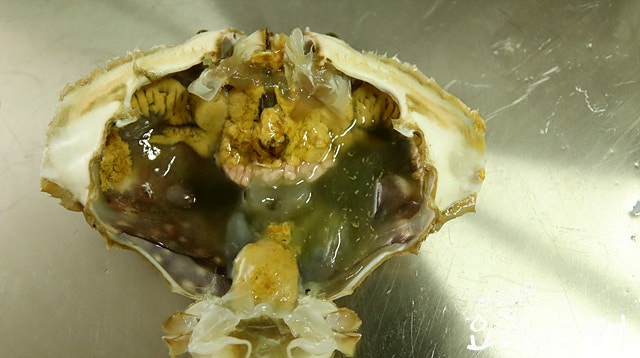
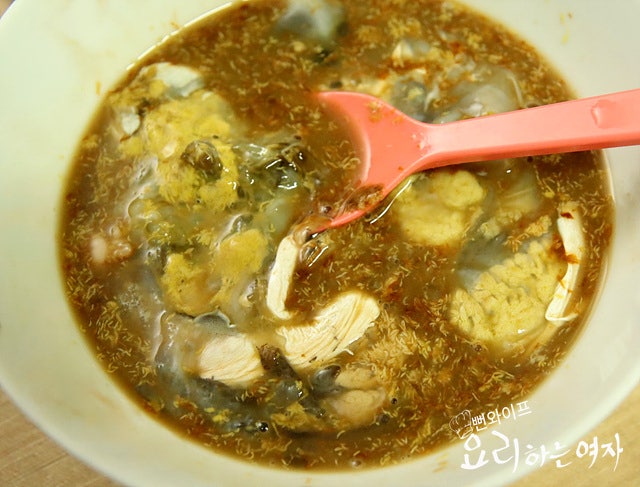
Scrape together the tomalley and meat clinging to the top shell, set them aside, and add them at the very end when making kkotgetang.
Season the broth
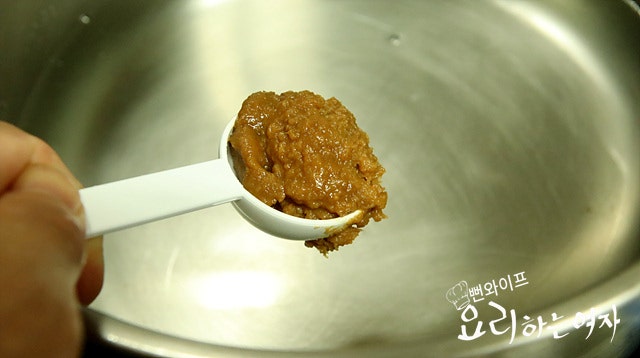
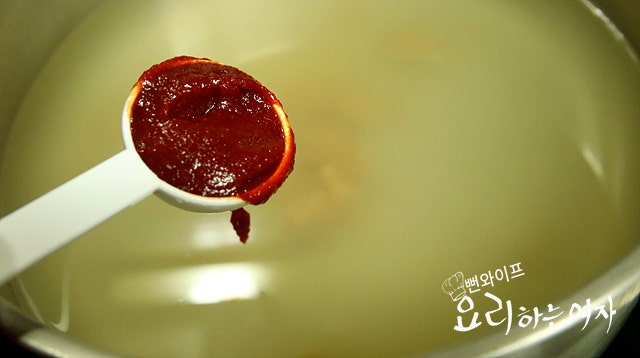
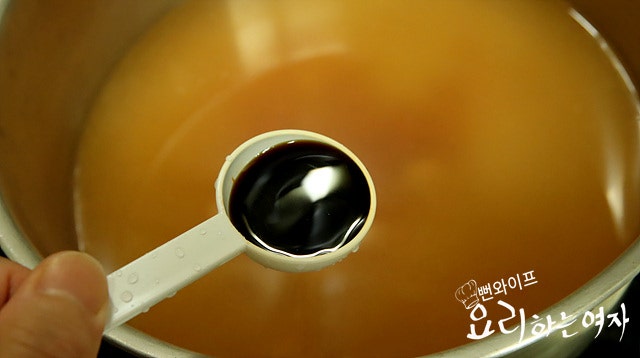
To 8 cups of water, add 1 1/2 tbsp commercial doenjang, 1 1/2 tbsp gochujang, and 2 tbsp soup soy sauce, then drop in 3 broth tablets.
Traditional homemade doenjang has a stronger aroma and saltiness, so reduce the amount by about 1 tbsp.
Simmer
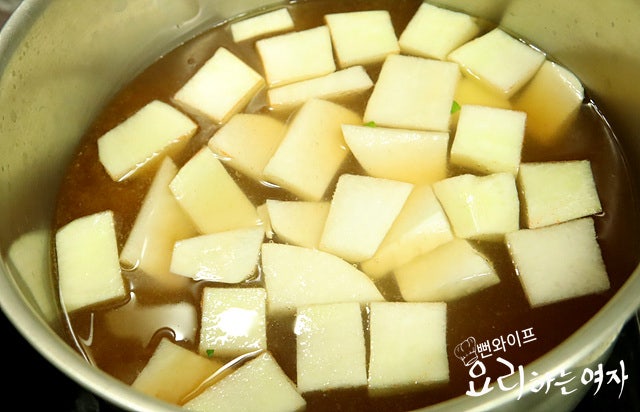
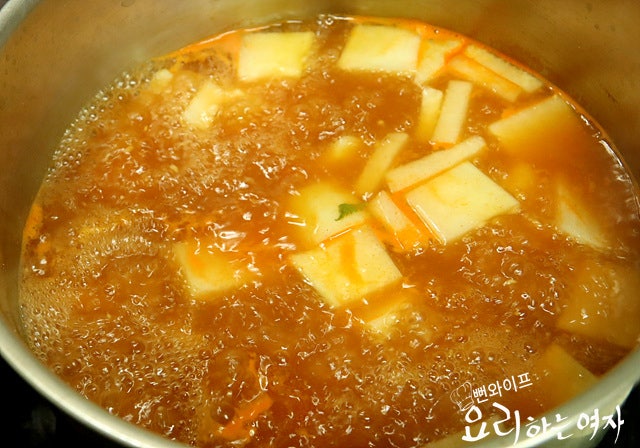
Add the radish and bring to a boil; once it looks about halfway cooked...
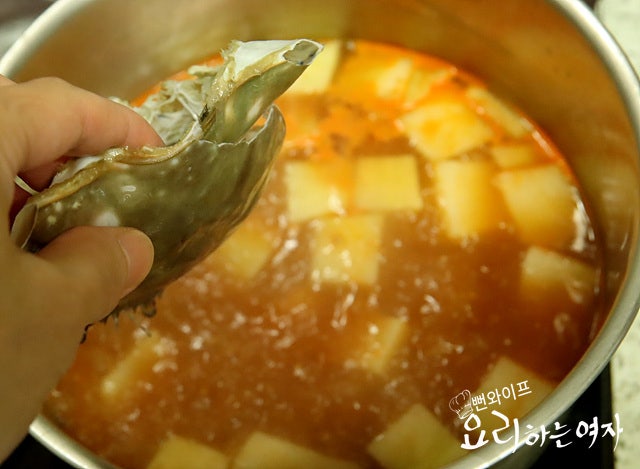
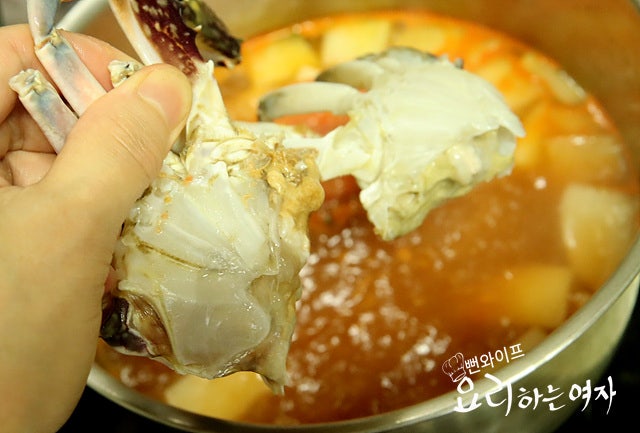
Add the cleaned blue crabs and the top shells.
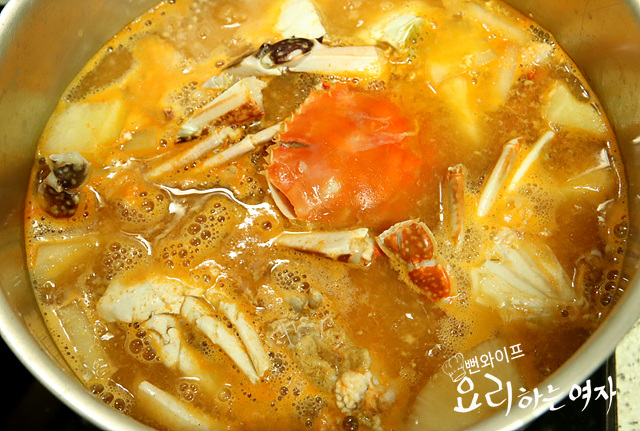
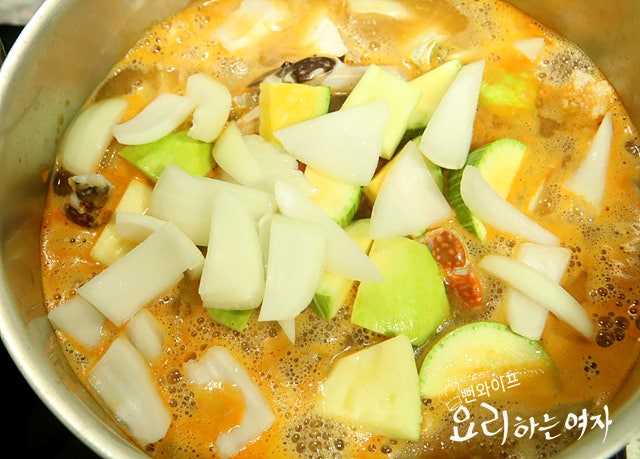
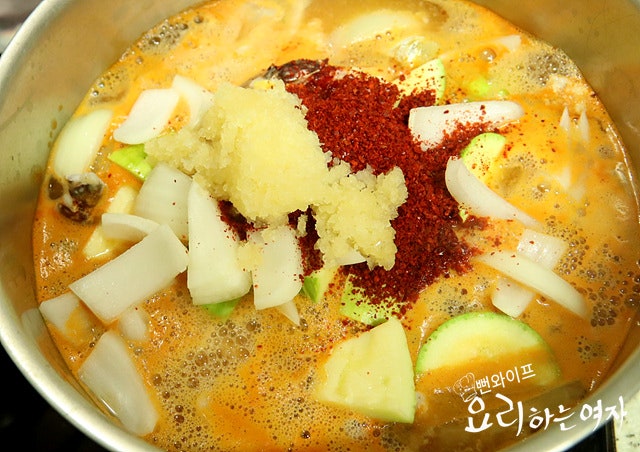
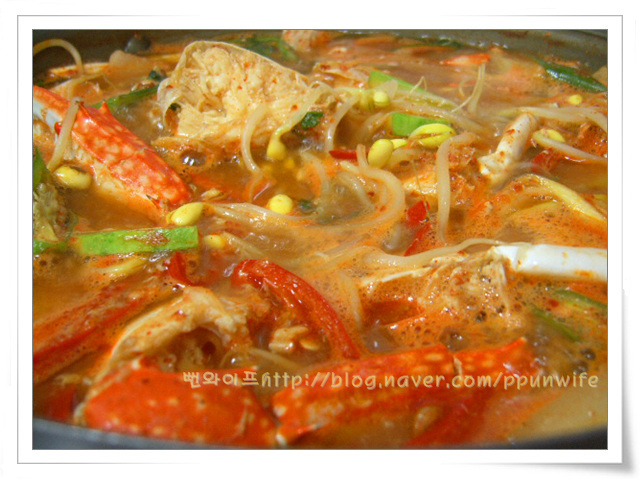
Once the top shells turn red and the pot comes to a quick rolling boil, take the shells out.
They take up too much room and get in the way, and since their flavorful essence has already infused into the broth, you do not need them anymore.
Add the onion, zucchini, 2 tbsp minced garlic, and 3 tbsp gochugaru.
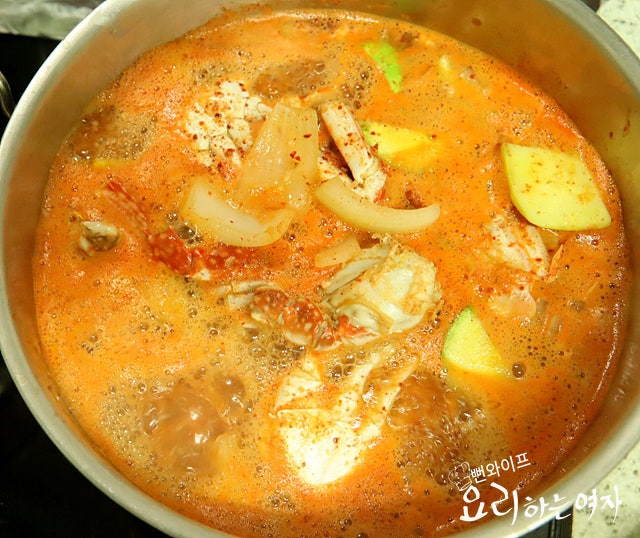
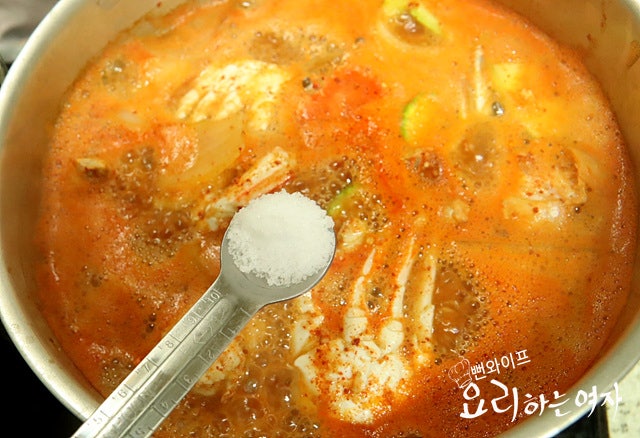
Except for the radish, the blue crabs and all the vegetables cook quickly, so there is no need to simmer for long.
Once the crab and vegetables are fully cooked, season to taste with 1 tsp salt and a little ground black pepper.
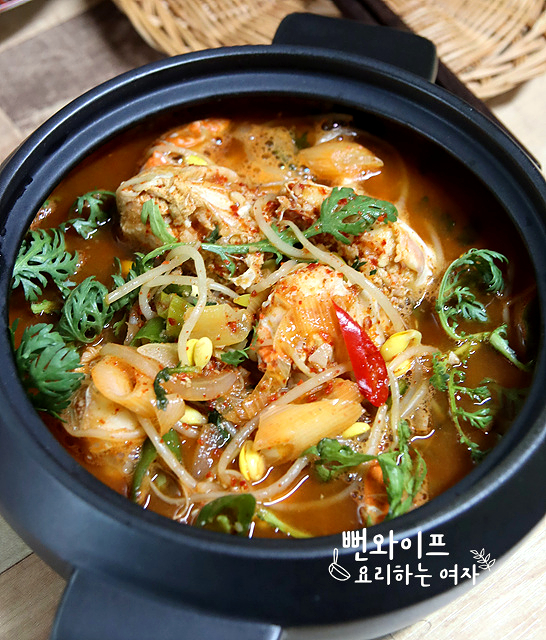
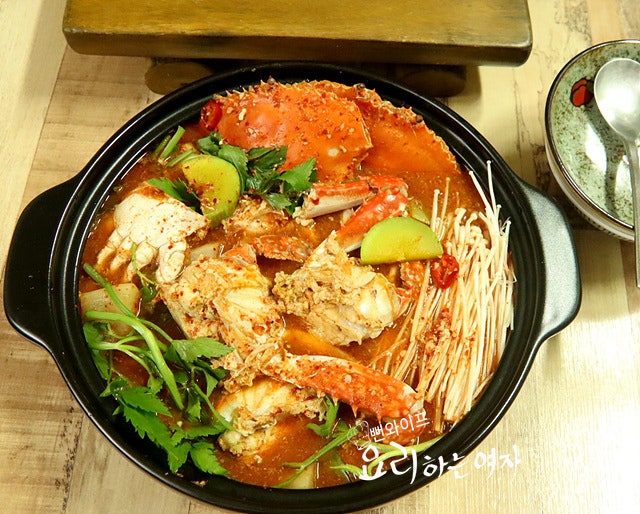
You can also use fish sauce according to your preference. To keep it warm while eating, I transferred it to an earthenware pot and brought it to a brief simmer with the enoki mushrooms and water dropwort on top.
Finish
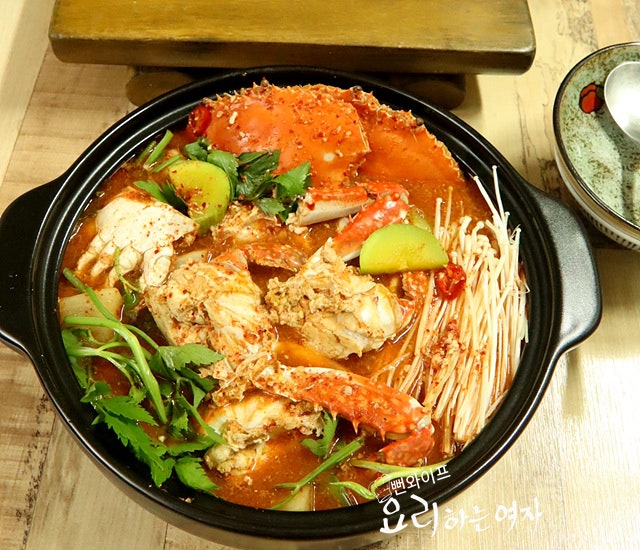
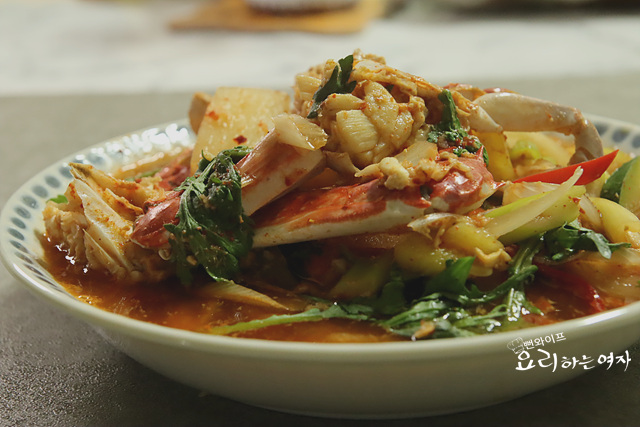
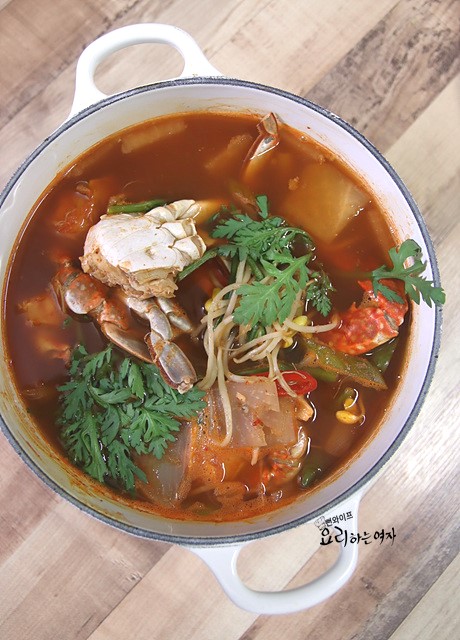
I made a generous pot of kkotgetang with this year's first live blue crabs, and our home feels just like a famous kkotgetang restaurant.
The deliciously rich broth comes almost entirely from using fresh, live blue crabs.
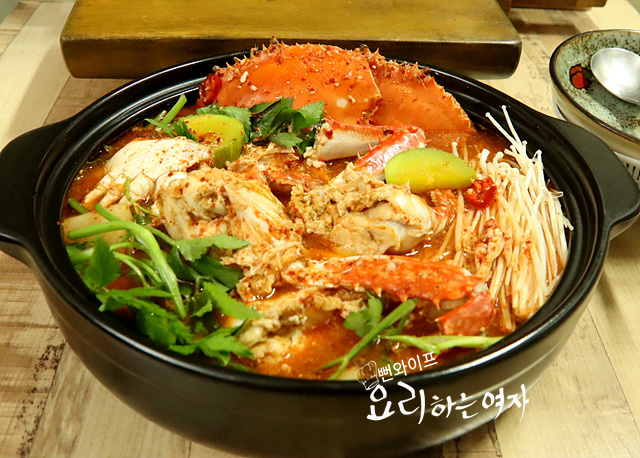
Adding half doenjang and half gochujang is my secret to eliminating any fishy taste while boosting savoriness.
The broth infused with dissolved crab meat is so rich and precious that you cannot bear to waste a single drop.
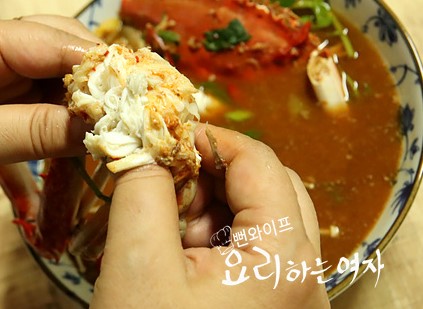
The packed meat is not dry or crumbly at all, but incredibly tender and pleasantly chewy.
When pressed, the crab meat blossoms out like popping popcorn.
It is so delicious words are unnecessary, or rather, you will be so busy picking out the meat that you will not even have time to talk.
 Ppunwife's tips
- Do not simmer the blue crab meat too long so it stays tender and pleasantly chewy.
- Once the top shells turn red and come to a quick boil, remove them. They take up a lot of space and get in the way, and all their good flavors have already leached into the broth.
- Using equal parts doenjang and gochujang is the secret to eliminating fishiness while boosting savory umami.
FAQ
Is there anything to keep in mind when using homemade or traditional doenjang?
Traditional homemade doenjang has a stronger flavor and saltiness than commercial doenjang, so it is best to reduce the amount by about 1 tbsp.
Should blue crabs be washed before or after cleaning and cutting?
They must be scrubbed with a brush first before cutting or removing the carapace. If you rinse them after cutting, their flavorful juices can be washed away.
What can I substitute if I do not have water dropwort?
Aromatic crown daisy (ssukgat) or perilla leaves, or soybean sprouts for an extra refreshing crunch, make great substitutes.
Should the crab top shells be left in the broth the whole time?
Take them out once they turn red and the broth comes to a boil. After their flavor has fully infused into the soup, they only take up room, so removing them keeps the pot tidy.