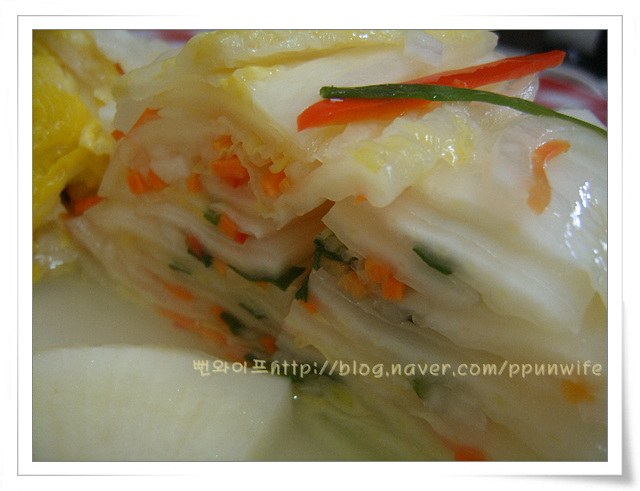
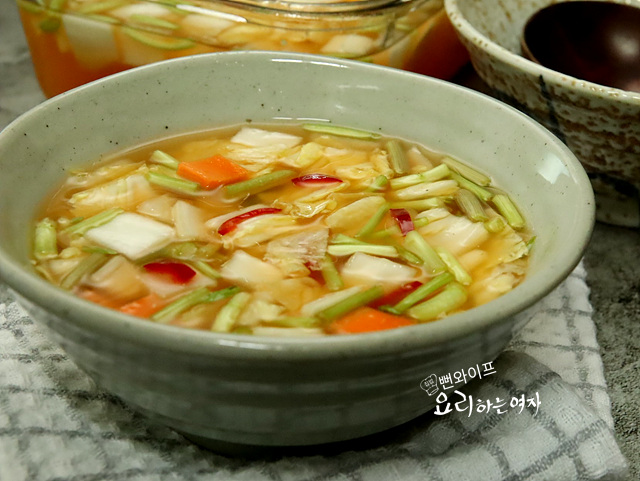
Crisp Yangbaechu Mulkimchi (Cabbage Water Kimchi)
A crisp summer cabbage water kimchi made clean and refreshing without any heaviness by using blended fresh red chili peppers.
Translated from Korean by AI and not yet checked by a native speaker. Amounts and numbers are taken directly from the original recipe. Read the Korean original →
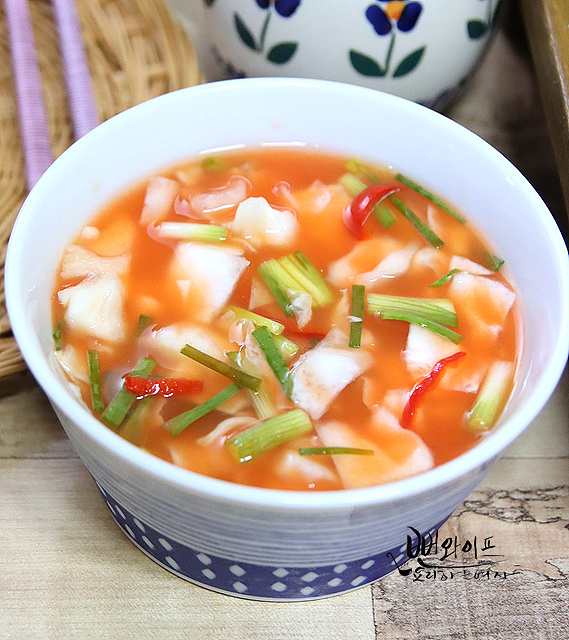
This water kimchi features a clean, cool, and mildly spicy broth made by blending red chili peppers with cold cooked rice, leaving no heavy aftertaste. The cabbage retains its distinct crunchy texture for a long time, making it an easy side dish for hot summer days or holiday meals.
- Servings
- about 8–10 servings
- Difficulty
- Easy
- Spiciness
- Mildly spicy
Ingredients
Ingredients
- Cabbage1/2 head, 1 kg
- Scallions (jjokpa)10 (about)
- Red chili pepper2
- Coarse sea salt3 tbsp
Kimchi broth
- Bottled water15 cups
- Cold cooked rice1/2 bowl
- Red chili pepper3
- Garlic10 cloves
- Minced ginger (or ginger)1/2 tbsp
- Coarse sea salt2–3 tbsp
- Green plum syrup (maesil-cheong)3 tbsp
- Sugar1 tbsp
- To make it kid-friendly, you can use beets instead of red chili peppers for color.
- When water dropwort (minari) is in season, using it in place of or alongside scallions adds great aroma.
- Toss the cabbage with coarse sea salt and let it wilt for about 1 hour.
- If using small red chili peppers, you will need about 5 to get a vibrant color.
Steps
Prepare the ingredients
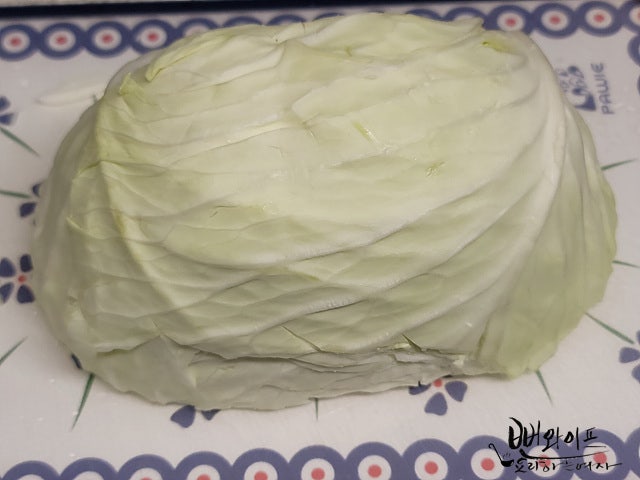
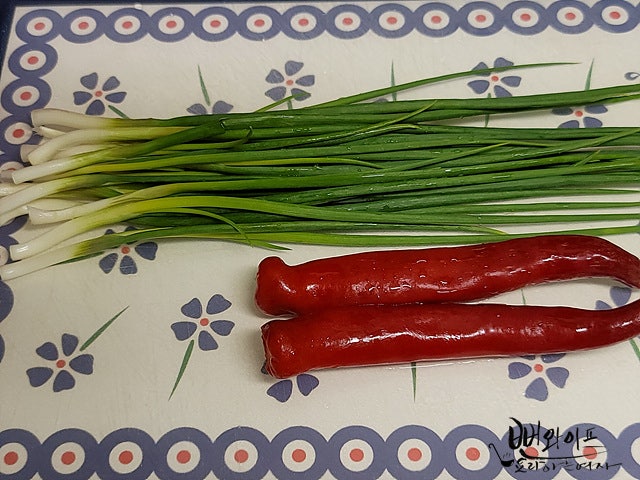
Prepare 1/2 head of cabbage, 1 kg.
About 10 scallions and 2 red chili peppers are garnishes used for color.
When water dropwort (minari) is in season, using it instead of or together with scallions gives a wonderful aroma.
Slice the ingredients
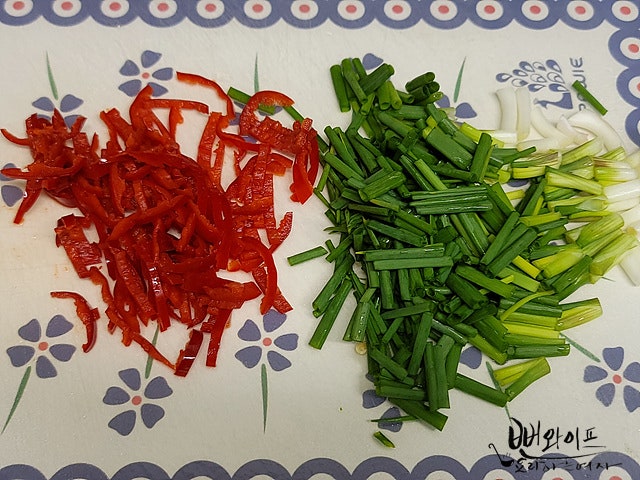
Cut the scallions into lengths of about 2 cm, and remove the seeds from the red chili peppers and slice them thinly into strips.
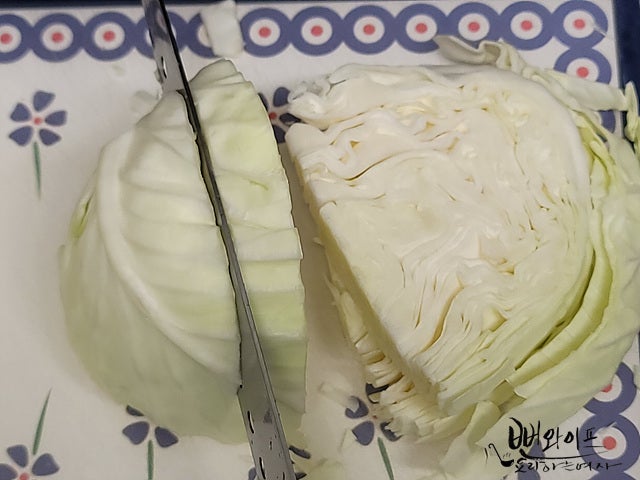
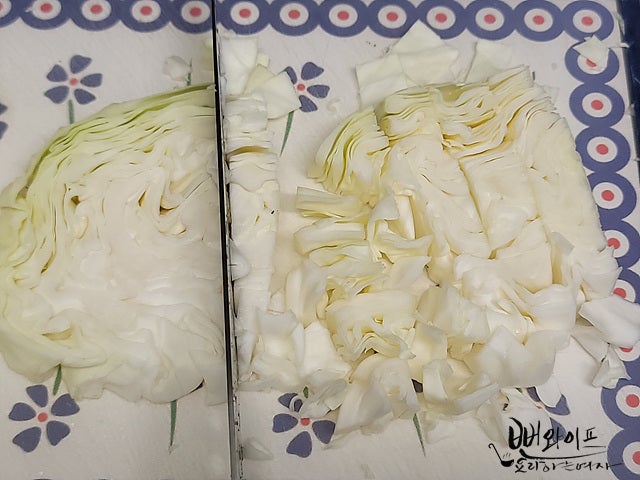
Chop the cabbage into bite-sized pieces of about 2 cm on each side.
Cutting all the ingredients to similar lengths makes the finished dish look neat.
Salt the cabbage
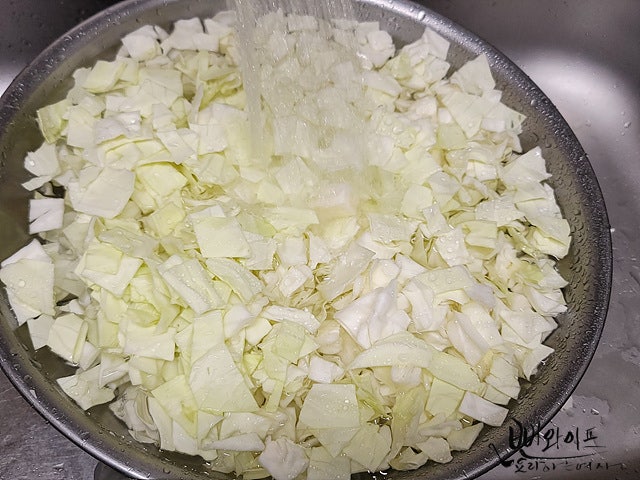
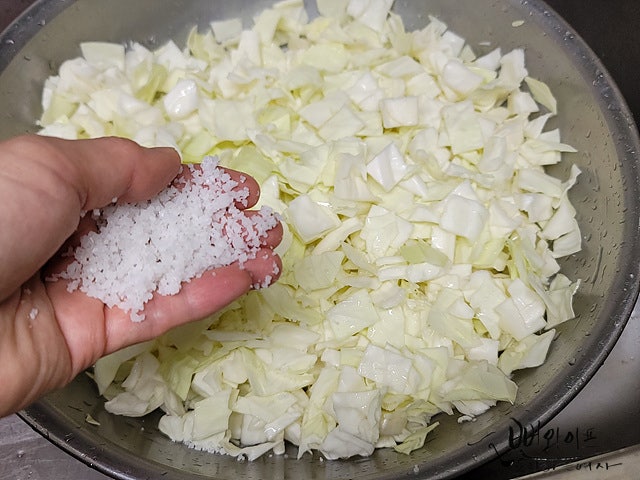
Rinse the cabbage in water, drain it, and while it is still quite wet, immediately toss it with 3 tbsp of coarse sea salt to pickle.
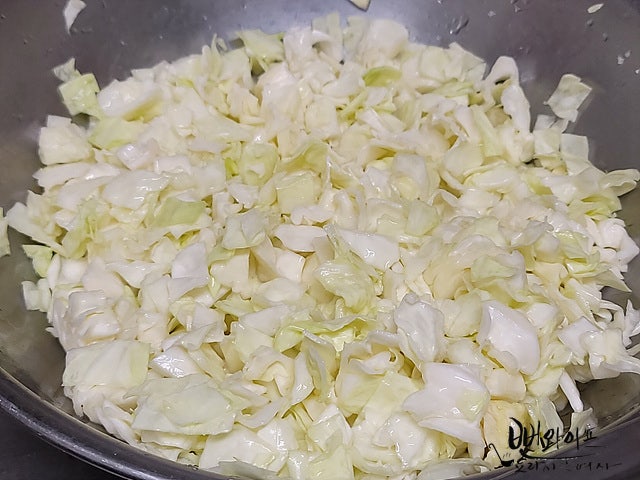
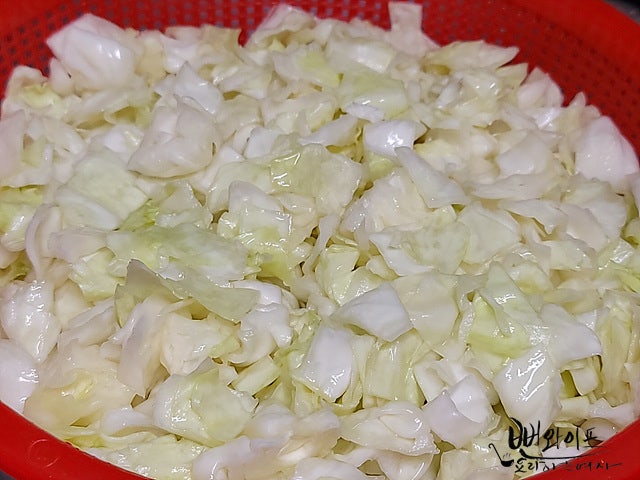
Let it pickle for about 1 hour until wilted, turning it over halfway through; if it still feels too stiff, extend the time.
Drain it in a colander without rinsing.
If the cabbage tastes too salty, you can rinse it once or twice in water.
Make the kimchi broth
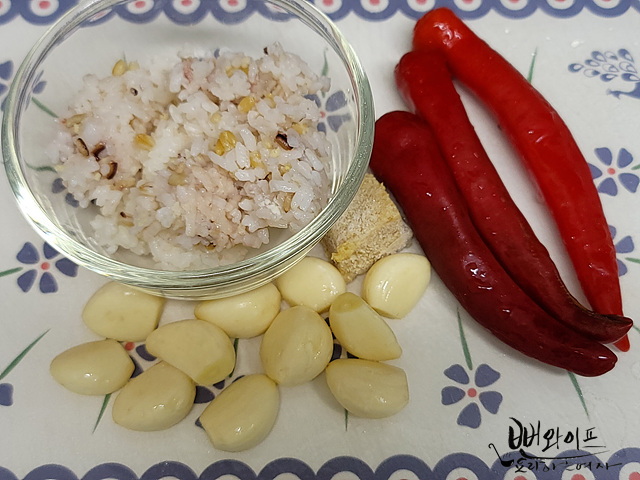
These are the seasoning ingredients for the cabbage water kimchi broth.
1/2 bowl of cold cooked rice, 3 large red chili peppers—though if they are small, you will need about 5 to get a pretty color.
About 10 cloves of peeled garlic (about 3 tbsp minced garlic), and 1/2 tbsp of minced ginger.
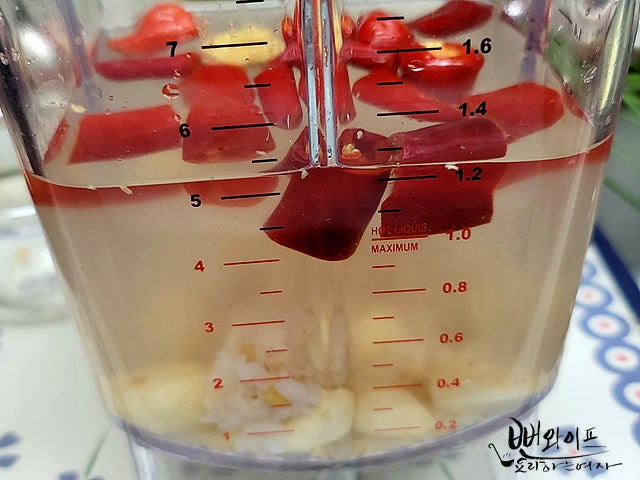
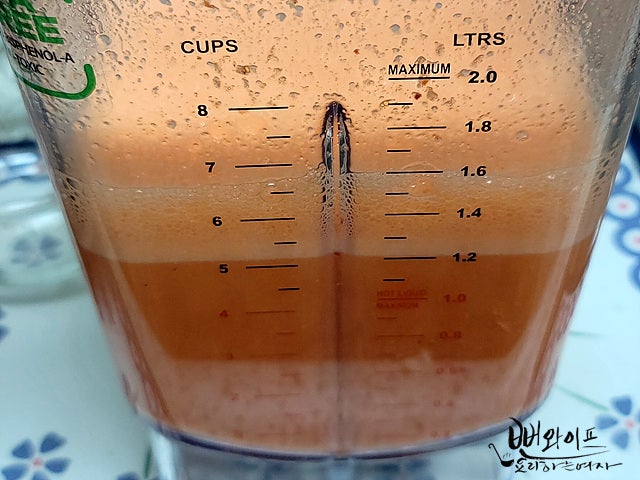
Roughly chop the red chili peppers so they blend easily, add everything, and blend finely.
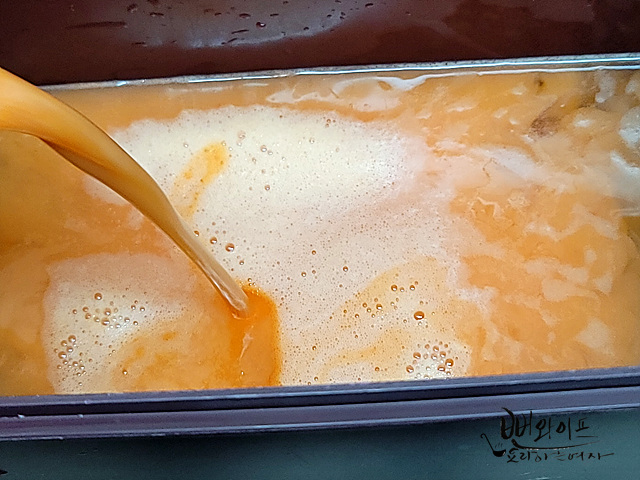
Pour 15 cups of bottled water into a kimchi container and stir in the blended seasoning.
Once the flavors infuse into the broth, you may strain the solids through a sieve to keep the broth clear.
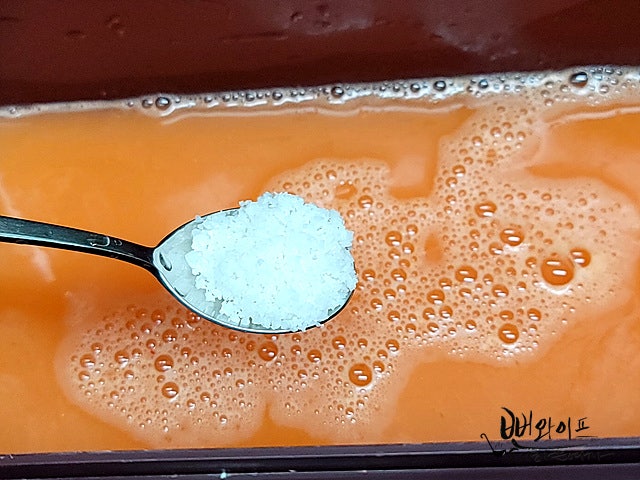
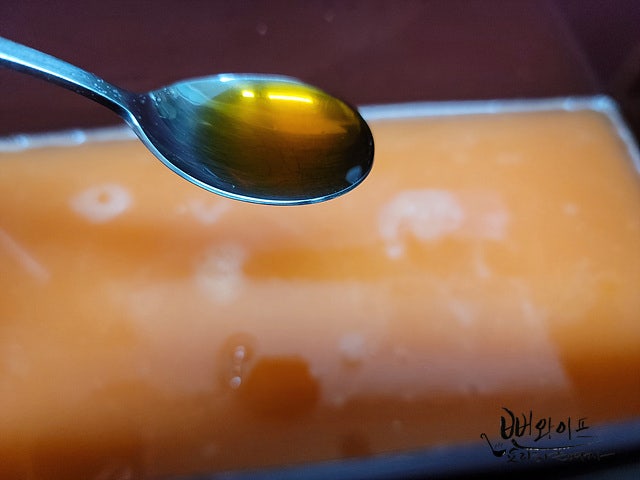
Add 2 to 3 tbsp of coarse sea salt, 3 tbsp of green plum syrup (maesil-cheong), and 1 tbsp of sugar, then stir well to season.
Plum syrup alone did not bring out enough sweetness, so I also added 1 tbsp of sugar. If it tastes bland, add more salt, and adjust the sweetness to your taste.
Since the cabbage is not salted deeply, the broth needs to be slightly salty or the cabbage may stiffen up again; it is best to season it a bit on the salty side.
You can always taste the broth after fermentation and dilute it with bottled water.
Combine the ingredients
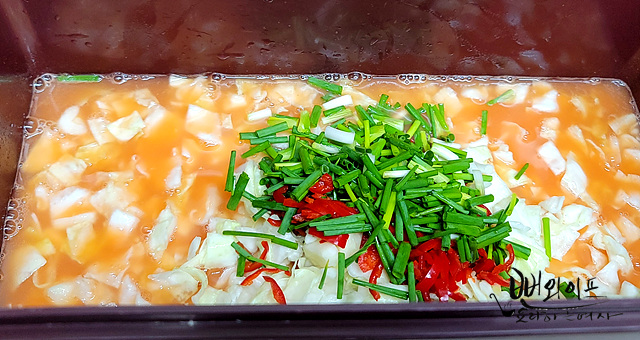
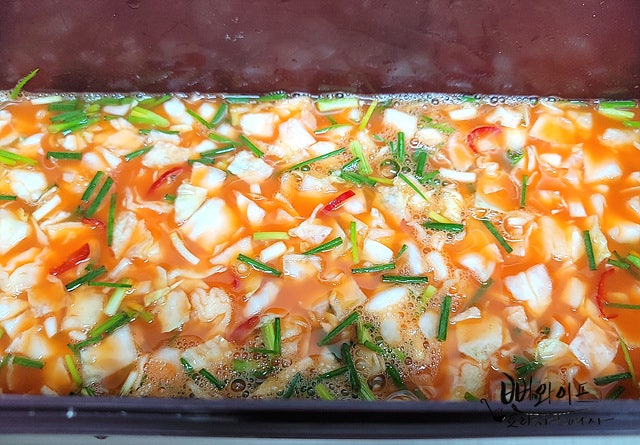
Add the pickled cabbage, scallions, and red chili peppers to the broth and mix. Let it ferment at room temperature overnight in the summer...
In cooler autumn weather, let it ferment for 24 hours or more before moving it to the refrigerator.
Finish
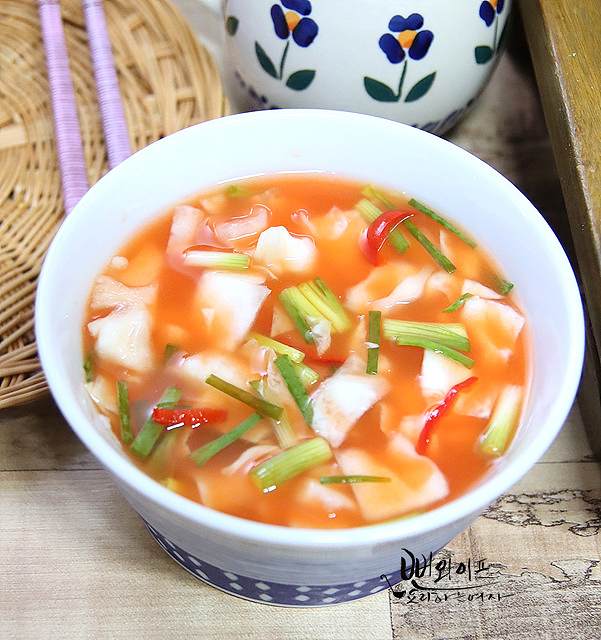
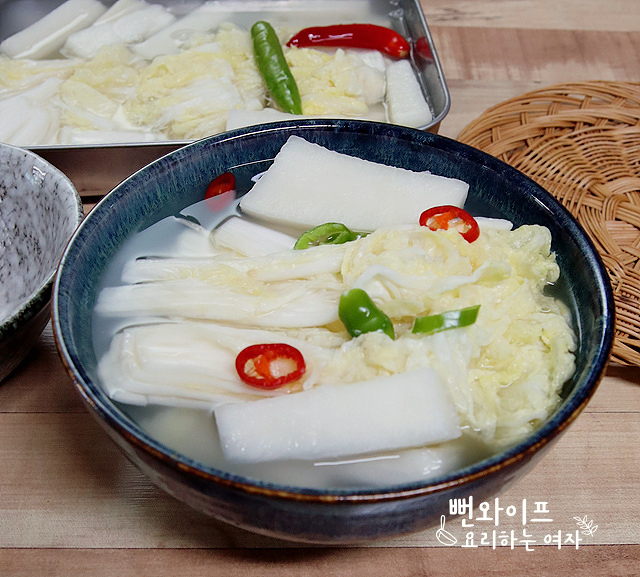
This photo was taken 2 weeks later while we were already eating it.
Once placed in the kimchi refrigerator, both the flavor and the crispness of the ingredients stay perfectly delicious.
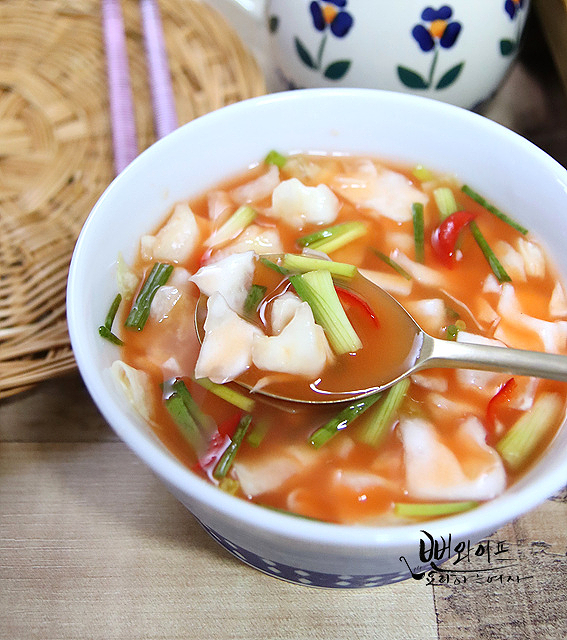
 Ppunwife's tips
- Cutting all ingredients to similar lengths makes the finished dish look clean and neat.
- Once the seasoning infuses into the broth, you can strain the solids through a sieve to keep the broth clear.
- Because the cabbage is not completely seasoned through, it may turn stiff again if the broth is bland. Season the broth slightly on the salty side; you can always dilute it with bottled water after fermentation.
FAQ
How can I make this suitable for children who cannot eat spicy food?
You can use beets instead of red chili peppers for color to make a completely mild version.
Can I use other aromatic greens instead of scallions?
When water dropwort (minari) is in season, using it in place of or along with scallions enhances the aroma wonderfully.
What should I do if the pickled cabbage tastes too salty?
If it tastes too salty after pickling, simply rinse it lightly in water once or twice and drain.
Is there anything to keep in mind when seasoning the kimchi broth?
If the cabbage is not deeply salted, a weak broth can cause it to become stiff again, so make the broth slightly salty at first and adjust with bottled water after fermentation.