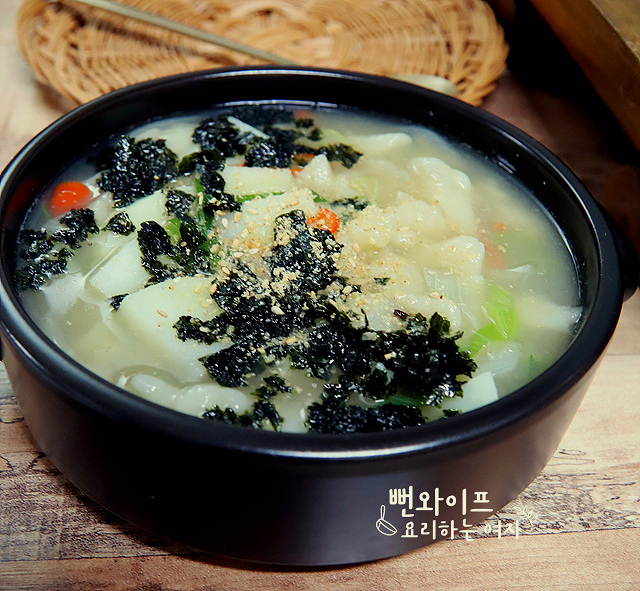
Sujebi (Hand-Torn Noodle Soup) with Carrot Juice and Anchovy Broth
A clear hand-torn noodle soup made by simmering chewy, carrot juice-tinted dough pieces in an anchovy broth.
Translated from Korean by AI and not yet checked by a native speaker. Amounts and numbers are taken directly from the original recipe. Read the Korean original →
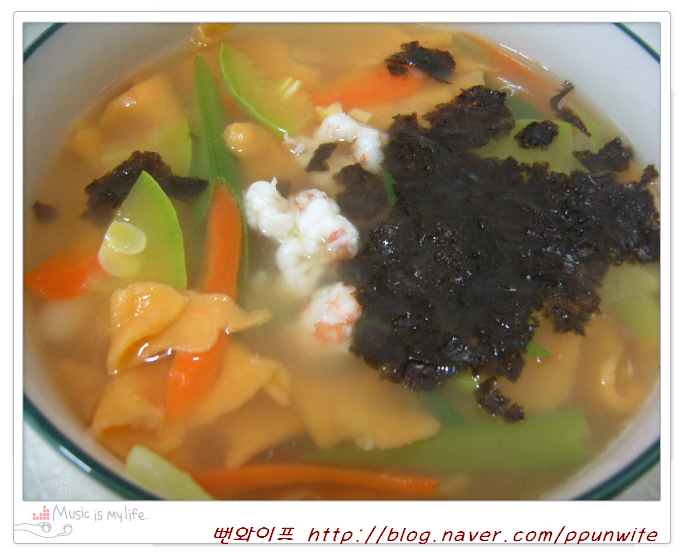
This dish features vibrant orange hand-torn noodles kneaded with carrot juice and simmered in a savory broth made from toasted anchovies and kelp. Blanching the dough pieces briefly in boiling water keeps the broth clean and light instead of thick, making it also wonderful as a soothing hangover meal.
- Servings
- 2 servings
- Cook time
- 10 minprep not included
- Difficulty
- Medium
- Spiciness
- Not spicy
Ingredients
Ingredients
- Dried kelp (dasima)5-6 pieces
- Dried anchovies1 handful
- Water7 cups
- Squash1/3
- Carrot1/3
- Large green onion (daepa)2 stalks
- Shredded dried seaweed sheets (gim)
Dough
- Flour2 cups
- Carrot juice3/2 cups
- Salt0.5 tsp
Seasoning
- Garlic1 tbsp
- Salt1 tsp
- Ground black peppera little
- Steep the dried kelp in cold water for about 1 hour.
- Resting the gathered dough in the refrigerator for about 1 hour makes it chewier and more delicious.
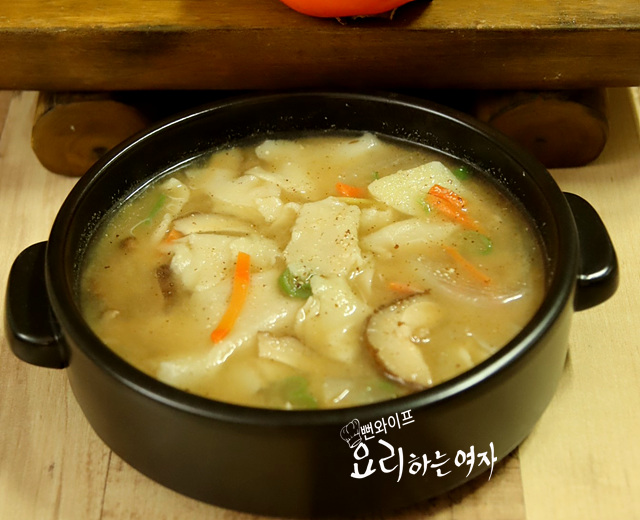
- You can also add potatoes, onions, or mushrooms to taste as additional ingredients.
Steps
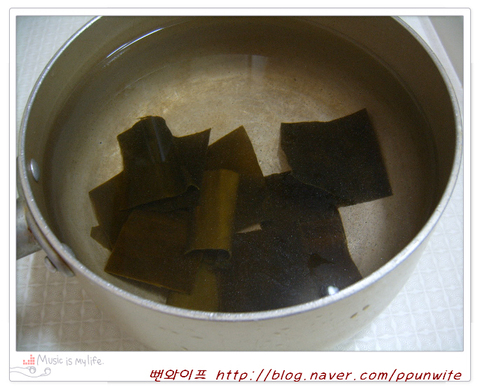
To prepare the broth, first steep the dried kelp (dasima) in cold water for about 1 hour.
I poured in 7 cups of water using a paper cup. This is an amount for 2 servings.
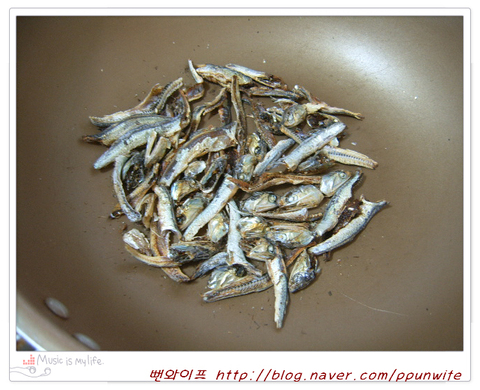
Toast the dried anchovies in a skillet without oil, add them to the water steeped with dried kelp for an hour, and boil for about 10 minutes. Remove the dried kelp before it boils.
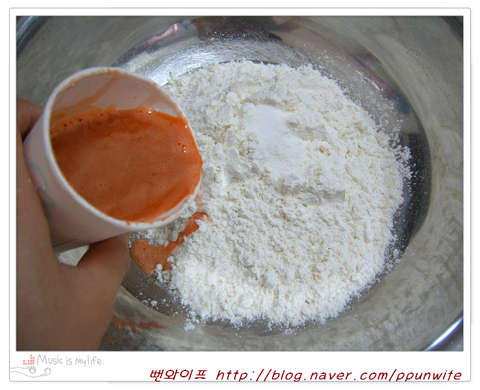
For the dough, combine 2 cups of flour with a little salt, then gradually pour in 2/3 cup of carrot juice while gathering the flour together with a spatula.
Making hot-water dough makes it chewy and delicious, so it is great to knead with warm or boiling liquid. I just used regular juice today.
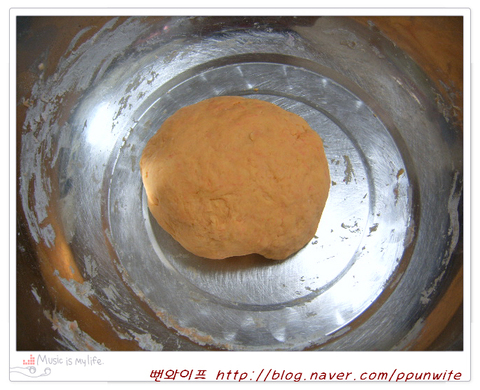
Letting the dough gathered like this rest in the refrigerator for about 1 hour makes it chewier and more delicious.
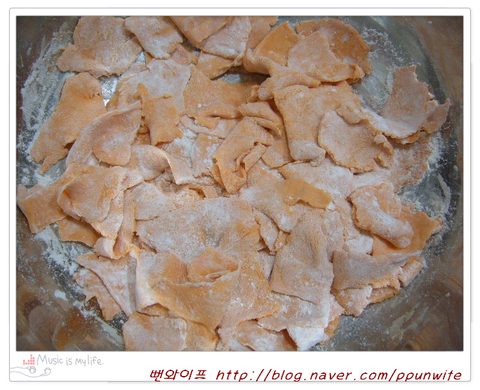
If you tear and drop the dough directly into the broth, the pieces cook at different speeds, leaving some soggy and some chewy, so I tore them all in advance.
I dusted them with a little flour so they would not stick together.
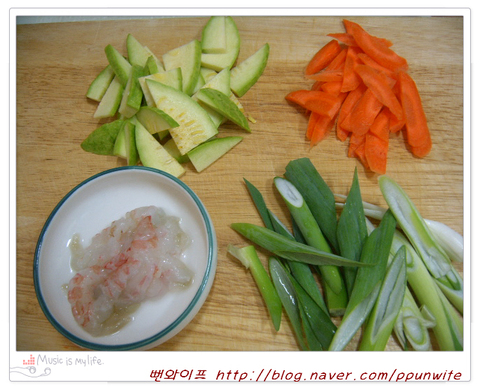
For the vegetables, prepare squash, carrot, large green onion (daepa), and any leftover shrimp meat.
If you like potatoes, potatoes are great, and onions or mushrooms work nicely too.
My husband really dislikes potatoes in noodles.
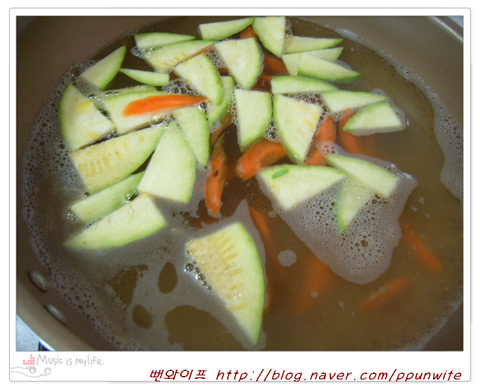
Once the broth comes to a boil, add the carrot and squash, and wait until it boils again.
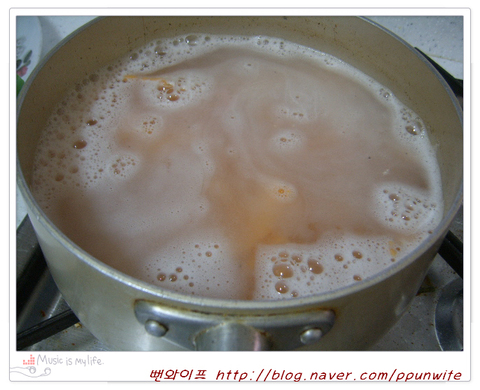
Meanwhile, bring plain water to a boil in another pot and blanch the torn dough once.
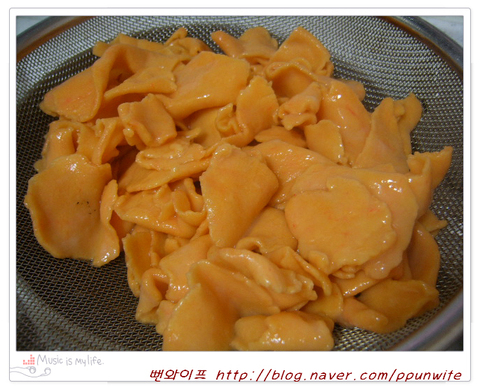
Drain through a strainer.
Because there is flour dusted on the dough, boiling it directly in the broth would make it thick and pasty; doing it this way gives you a clean broth.
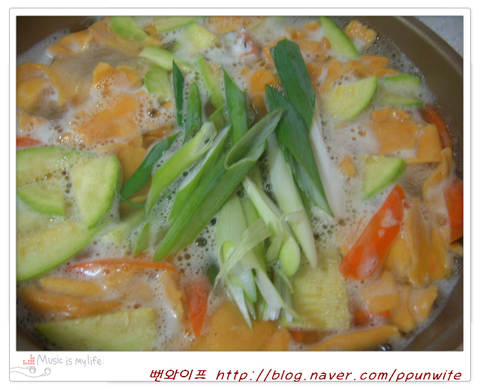
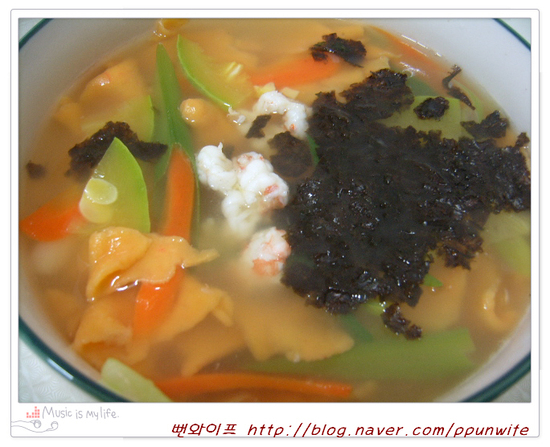
Add the blanched dough, large green onion, and shrimp meat to the boiling broth with the squash and carrot.
Season with garlic and salt, and once it comes to a boil, it is ready.
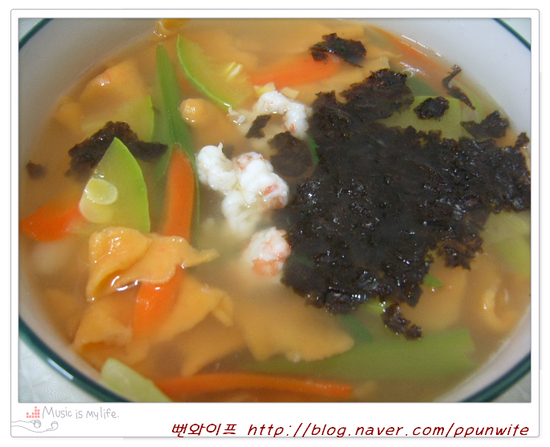
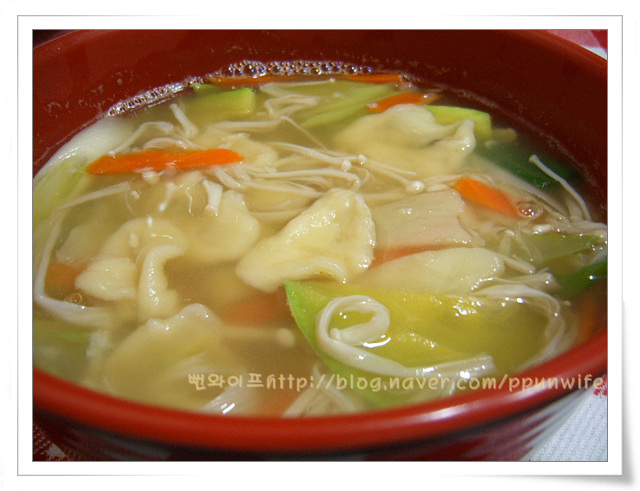
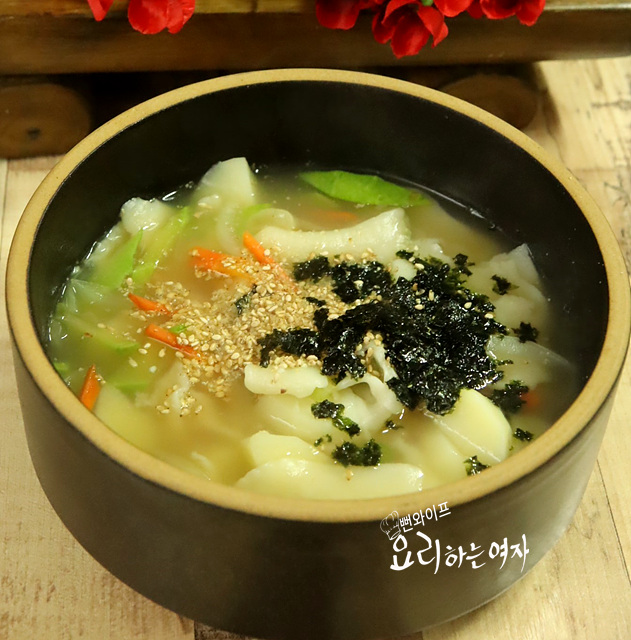
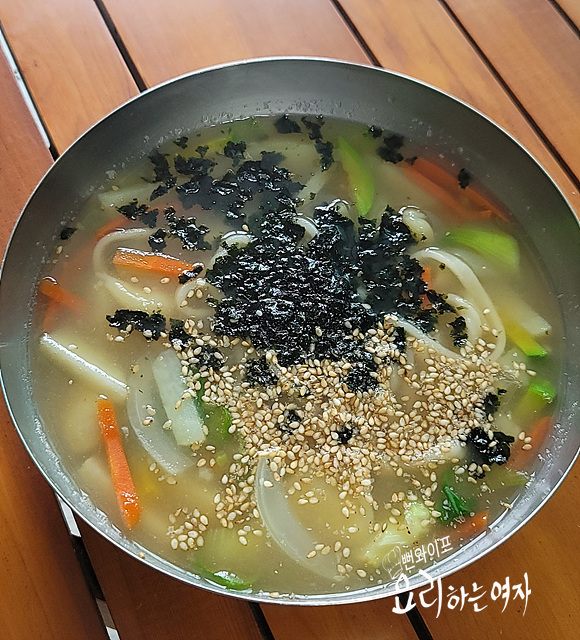
Ladle into a bowl and top with shredded dried seaweed sheets (gim) to finish.
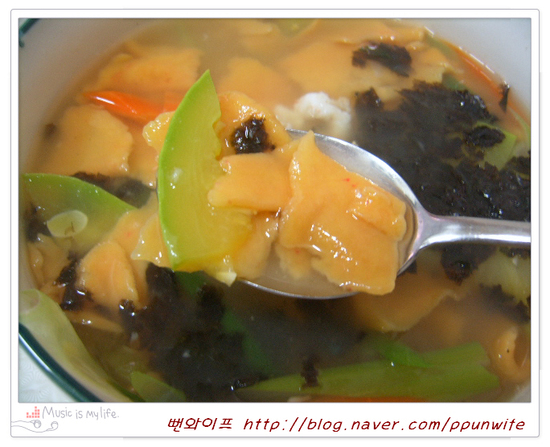
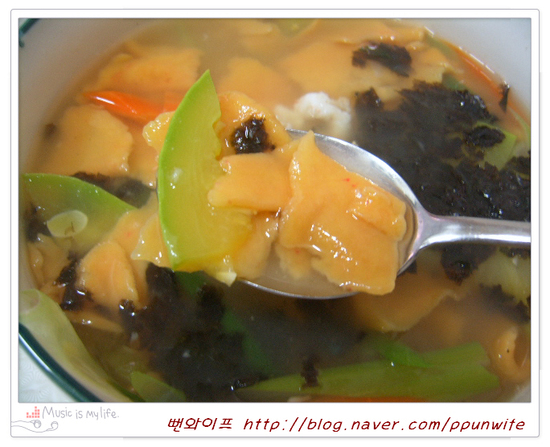
The color of the dough kneaded with fresh carrot juice is truly lovely.
Making the dough is not difficult at all, so it would be even nicer to use various vegetable juices to create colorful dumpling wrappers or make kalguksu.
 Ppunwife's tips
- Hot-water dough makes it chewy and delicious, so it is great to knead the dough with warm or boiling liquid.
- Because there is flour dusted on the dough, boiling it directly in the broth makes it thick and pasty; blanching it once in another pot of boiling water lets you enjoy a clean broth.
- Tearing dough directly into the broth makes it cook at different rates, so tear it all out ahead of time and dust lightly with flour so the pieces do not stick together.
FAQ
Why do you blanch the hand-torn noodle dough in boiling water beforehand?
It prevents the excess flour on the dough from making the soup thick and pasty, keeping the broth clear and clean.
Is there a trick to making the dough chewier?
Kneading with warm or boiling water, or letting the gathered dough rest in the refrigerator for about 1 hour, will make it much chewier.
Can I add vegetables other than squash and carrots?
Potatoes, onions, or mushrooms also pair well depending on your preference.
Can I use ingredients other than carrot juice to add color? AI-generated
Spinach juice, beet juice, or sweet pumpkin powder are commonly used to make dough in a variety of vibrant colors.