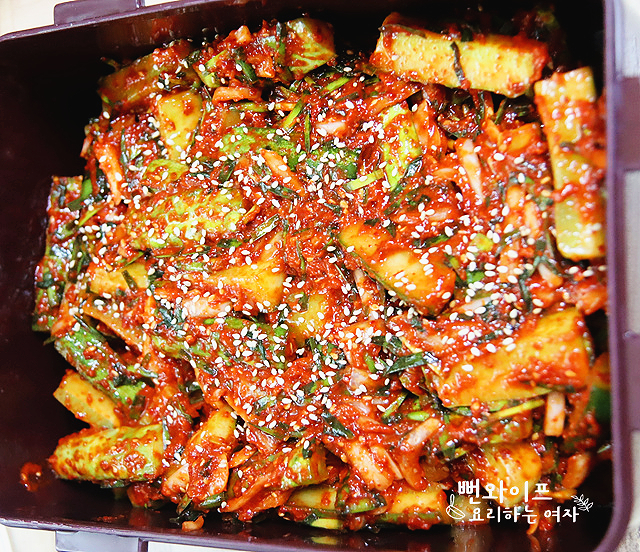
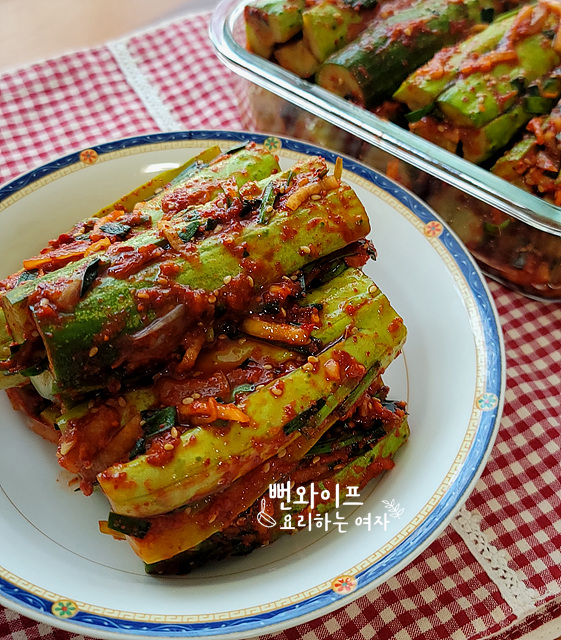
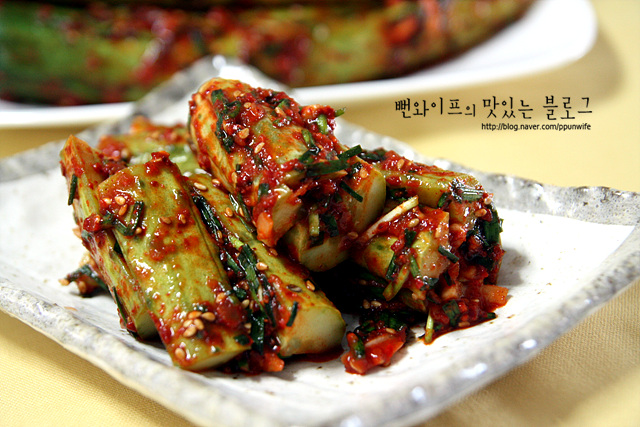
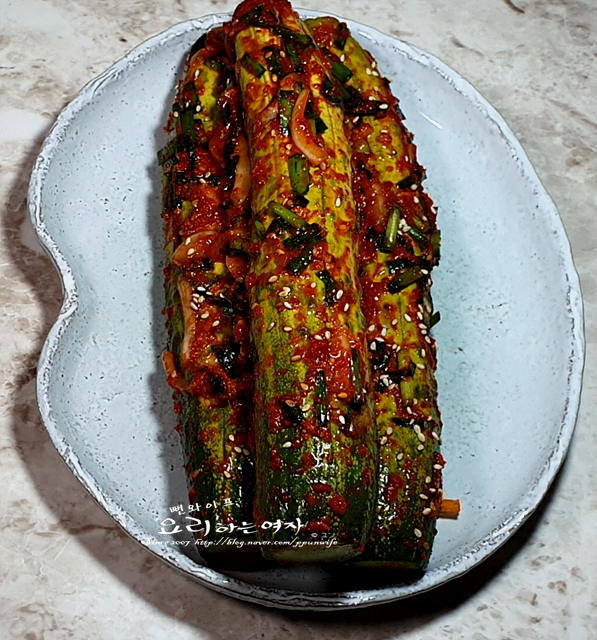
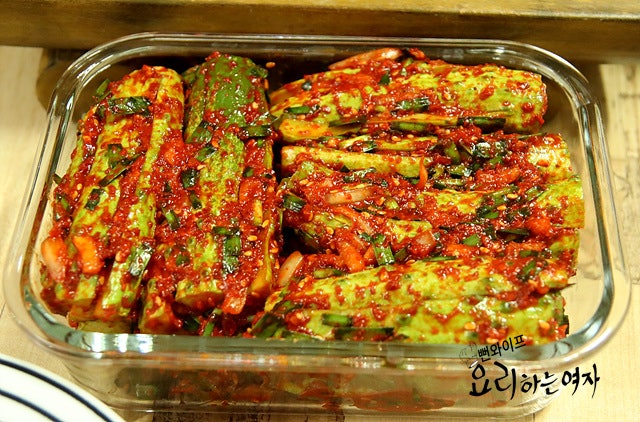
Crisp and Refreshing Oi Sobagi (Stuffed Cucumber Kimchi)
Oi sobagi (stuffed cucumber kimchi) salted with boiling brine for an extra-crispy texture and seasoned using a paste made from cold cooked rice.
Translated from Korean by AI and not yet checked by a native speaker. Amounts and numbers are taken directly from the original recipe. Read the Korean original →

This spring side dish gets its signature crisp crunch by pouring boiling brine straight over the cucumbers to salt them. Instead of the hassle of making glutinous rice porridge, cold cooked rice and broth are blended in a mixer for quick seasoning. Paired with shredded radish and garlic chives, it delivers a clean, refreshing taste.
- Servings
- about 8–10 servings
- Difficulty
- Medium
- Spiciness
- Mildly spicy
Ingredients
Ingredients
- White cucumber10
- Garlic chives (buchu)200 g
- Korean radish (mu)150 g
- Onion1/2 (medium)
- Coarse sea salt1 cup
- Water10 cups
Seasoning
- Anchovy broth (or water)1 cup
- Cold cooked rice4 tbsp
- Gochugaru (Korean chili flakes)1 cup
- Sugar (or green plum syrup (maesil-cheong))2 tbsp
- Salted fermented shrimp (saeujeot)2 tbsp
- Sand lance fish sauce (or dried anchovies)2 tbsp
- Minced garlic3 tbsp
- Minced ginger1/2 tbsp
- Toasted sesame seeds2 tbsp
- For oi sobagi, white cucumber (Joseon cucumber) with firm flesh and few seeds is best; if using gasi cucumber (cheong-oi), choose small, firm ones.
- You can adjust the stuffing to your liking, such as using more onion instead of radish or adding red chili pepper.
- Instead of glutinous rice porridge, cold cooked rice is blended with anchovy broth; if using glutinous rice flour, boil 2 tbsp glutinous rice flour in 1 cup anchovy broth (or water).
Steps
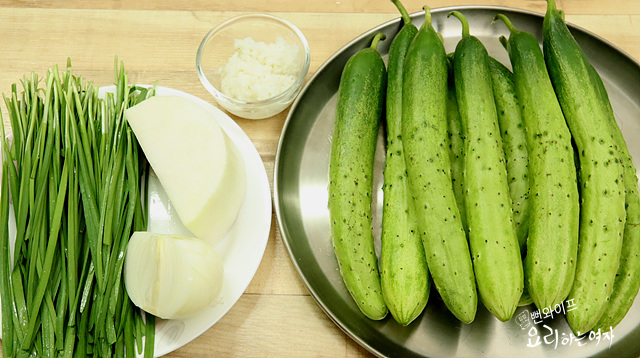
For oi sobagi, white cucumber (Joseon cucumber) with firm flesh and few seeds is best. If using gasi cucumber (cheong-oi), choose small, firm ones.
For the stuffing, I prepared about a handful of garlic chives, 1/2 onion, and 150 g Korean radish (mu) shredded to add a refreshing taste.
Radish is delicious in winter so I prepared it here, but in an earlier oi sobagi recipe I increased the onion instead of radish and added red chili pepper.
You can adjust the stuffing ingredients according to your situation.
Today, instead of making glutinous rice porridge, I will blend cold cooked rice with anchovy broth to use as the paste.
Prepare the cucumbers

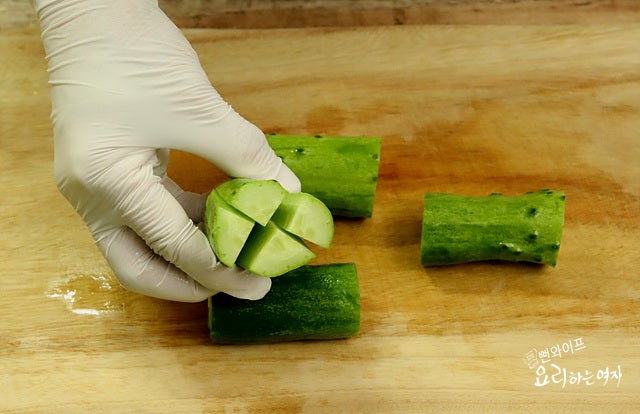
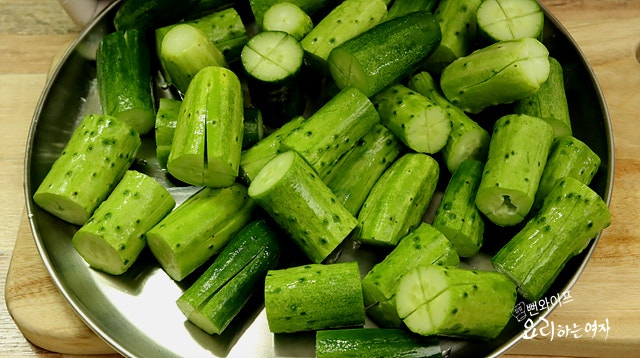
Rub the cucumbers with salt to remove surface prickles and debris, then wash them. Rub gently so you do not bruise them.
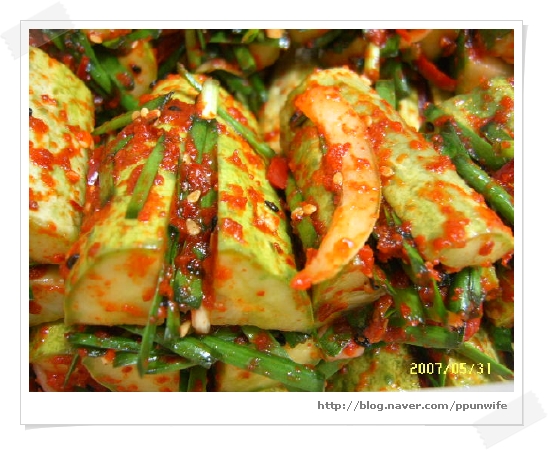
Cut the cucumbers into 4 or 3 pieces depending on their length, then cut a crosswise slit down the center of each piece, leaving the bottom intact.
Salt the cucumbers
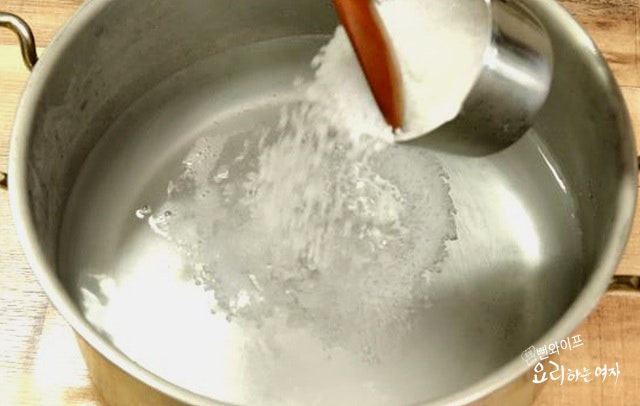
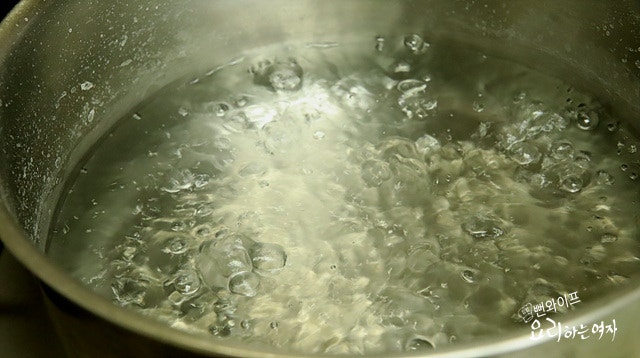
Now make the brine to salt the cucumbers.
Add 1 cup coarse sea salt to 10 cups water and bring it to a rolling boil.
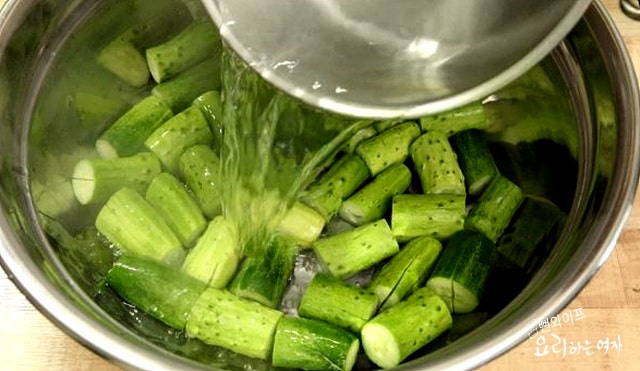
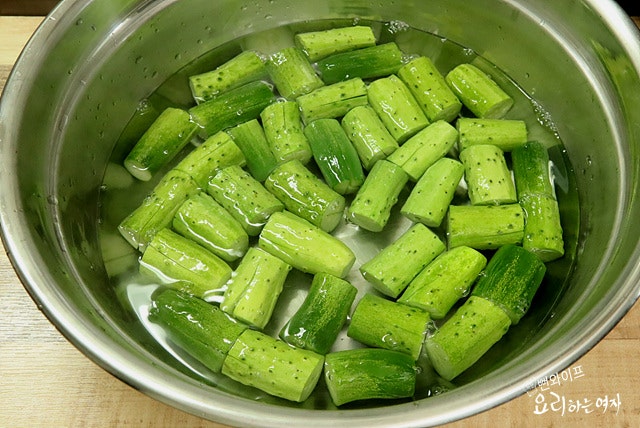
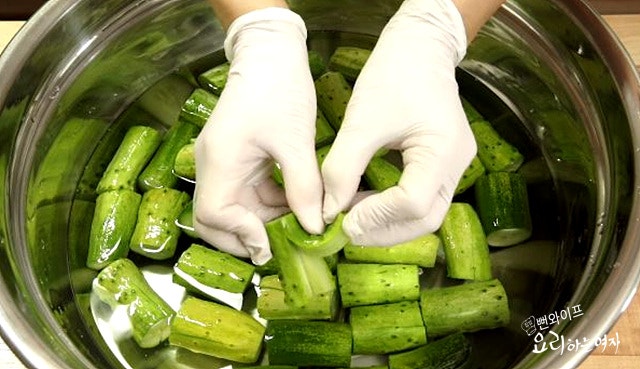
Pour the boiled brine directly over the cucumbers right away. Lay the cucumbers down so they stay well submerged in the brine, or press them down with a plate.
Depending on the thickness of the cucumbers, salt them for 40 minutes to 1 hour.
Pouring the boiled water directly keeps the texture crisp, and salting them quickly seems to keep more of the cucumber's delicious flavor from leaking out.
The cucumbers are properly salted when they bend smoothly and have a pleasant, mild saltiness that is good to eat as is.
Salting with boiling brine is my personal preference, so keep that in mind as you make it.
Slice the stuffing ingredients
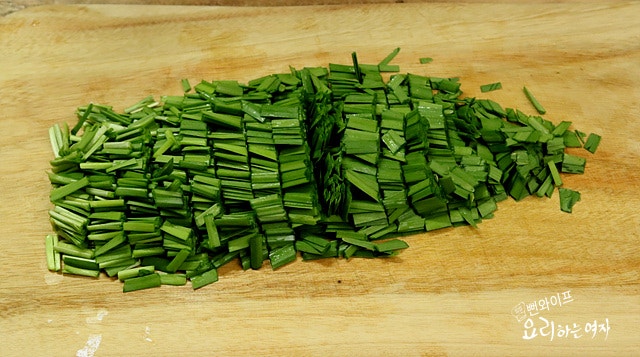
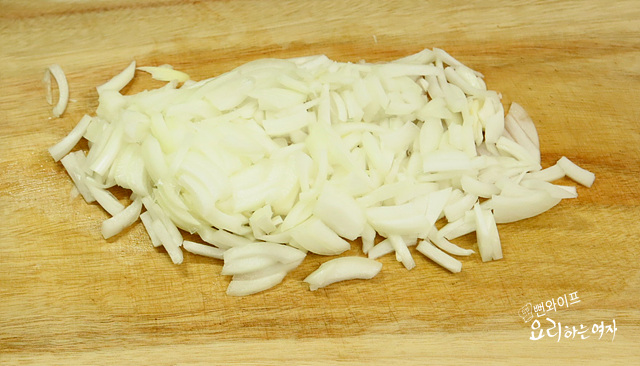
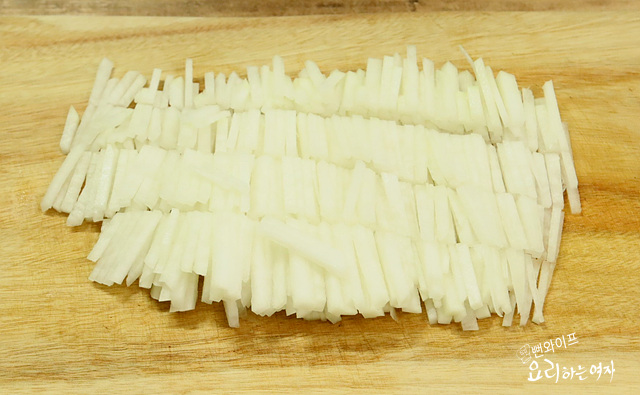
Finely chop the garlic chives and onion to about 1 cm.
If the stuffing ingredients are too long, stuffing the cucumbers is troublesome and looks messy.
Shred the radish thinly and cut it to a similar length.
Salt the shredded radish
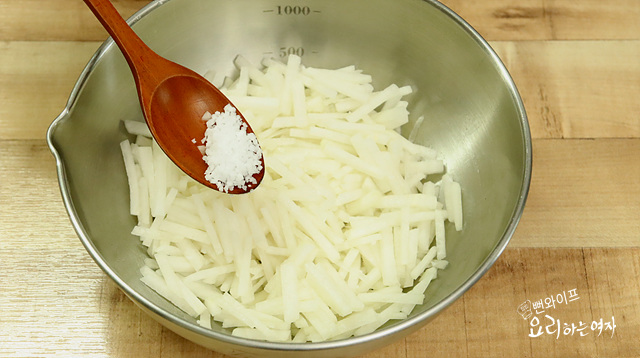
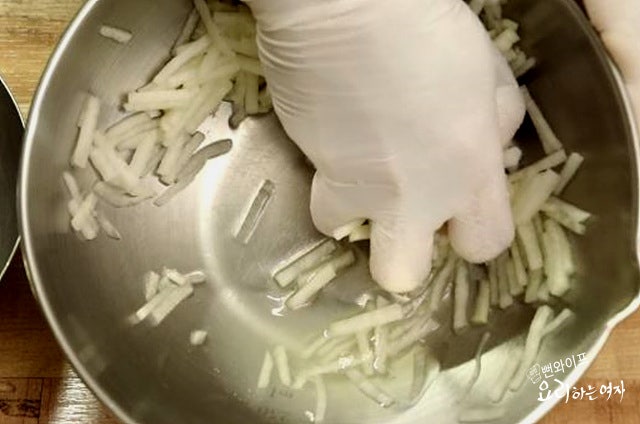
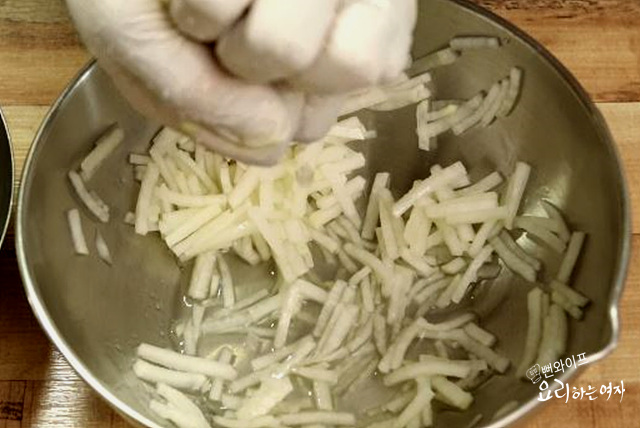
Add 1 tsp salt to the shredded radish, let it sit for 20 minutes to wilt, and squeeze out the moisture thoroughly.
Make the seasoning paste
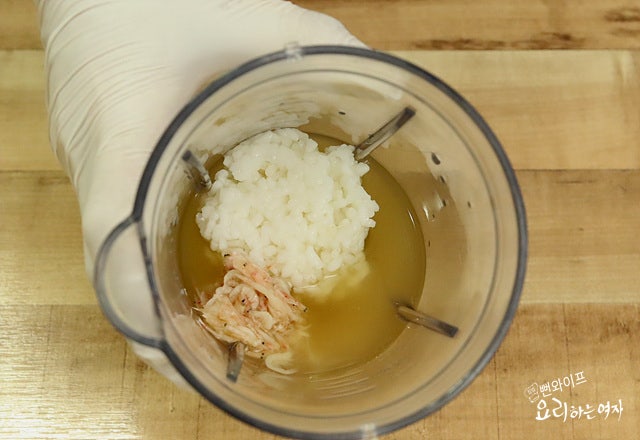
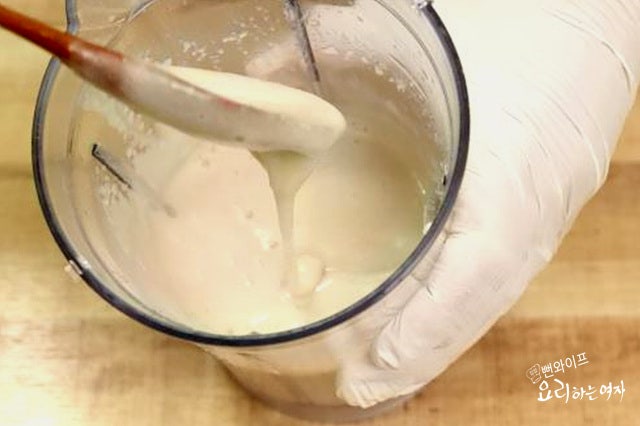
In 1 cup anchovy broth or water, add 4 tbsp cold cooked rice and the chunky salted fermented shrimp (saeujeot) from the seasoning, and blend until fine.
Instead of minced garlic, you can also toss whole garlic cloves or ginger straight into the blender.
If using glutinous rice flour, boil 2 tbsp glutinous rice flour in 1 cup anchovy broth (=water) until thickened.
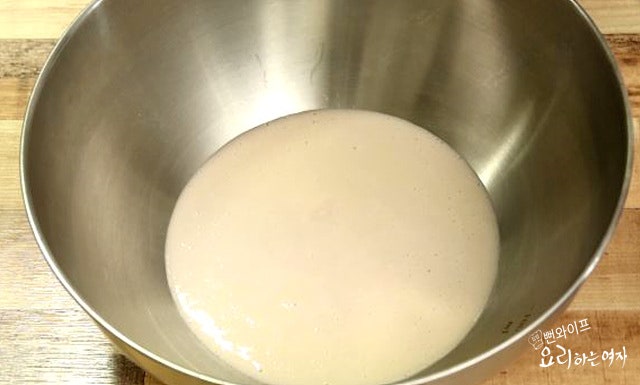
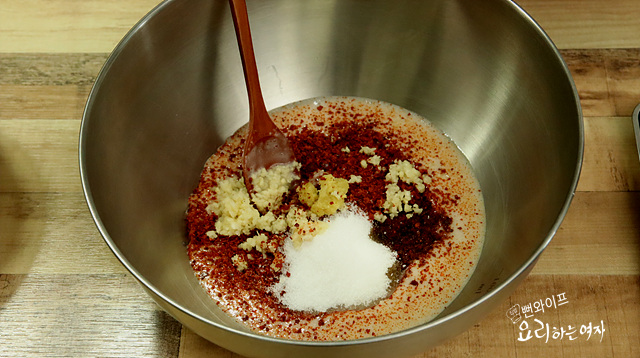
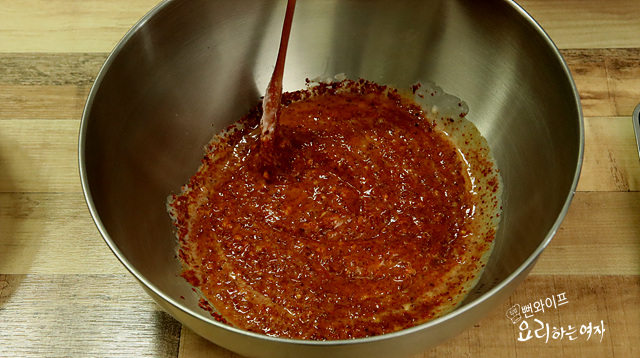
Pour out the blended paste and mix in 1 cup gochugaru (Korean chili flakes), 3 tbsp minced garlic, 1/2 tbsp minced ginger, 2 tbsp sugar (=green plum syrup), and 2 tbsp sand lance fish sauce.
Because of the paste, the red color of the chili flakes may not look bright right away.
If you let it rest for a moment so the seasonings marry, the color becomes much prettier.
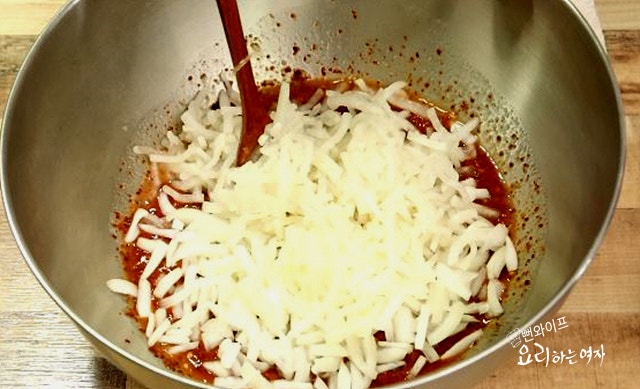
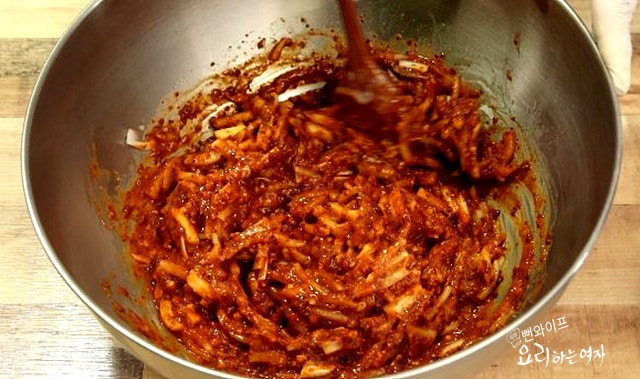
Add the shredded radish and onion to the seasoning and mix first. Let the color of the seasoning coat the radish and onion evenly, and then...
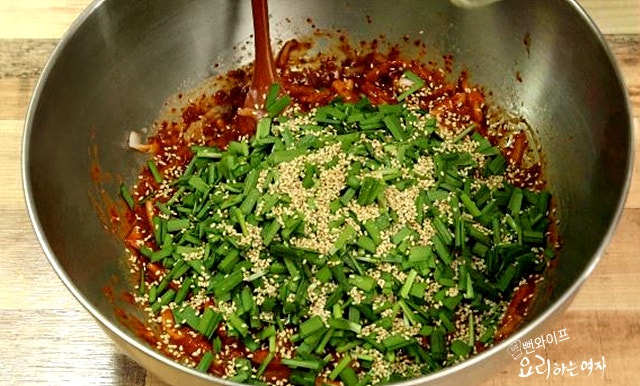
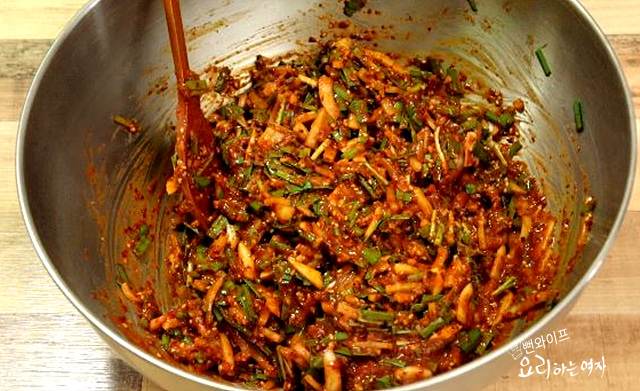
Add the chopped garlic chives and toasted sesame seeds, and toss gently.
Garlic chives develop an unpleasant raw grassy smell if kneaded too long, which is why I do not add them from the beginning.
Once evenly mixed, coat a piece of salted cucumber with it to taste-test, and adjust any missing seasoning with sugar or salt.
Finish
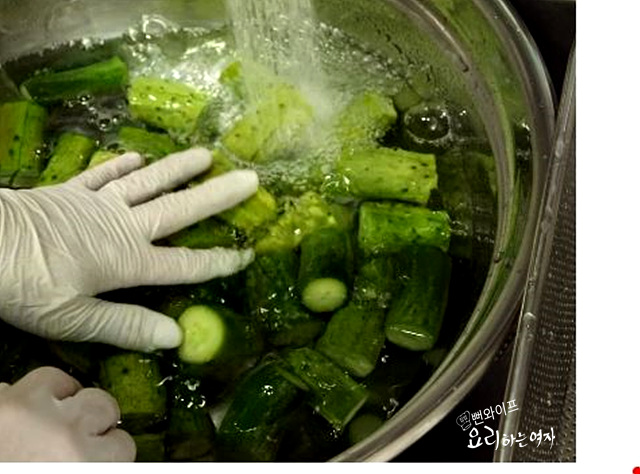
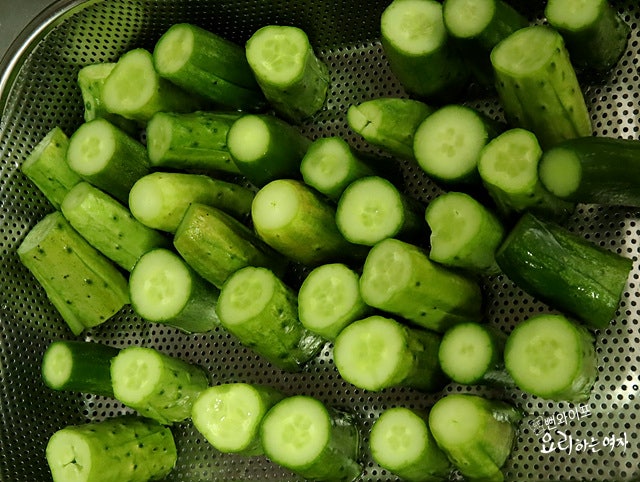
Rinse the salted cucumbers once in water and place them in a colander for about 30 minutes to drain.
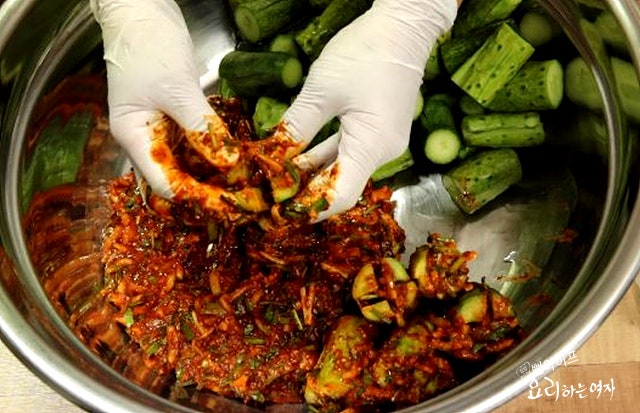
Place the cucumbers and seasoning together in a bowl, stuff the slits thoroughly with the filling, and rub seasoning over the outside as well.
 Ppunwife's tips
- Pouring boiling brine straight over the cucumbers keeps their texture crisp and salts them quickly, preserving more of their natural flavor.
- When the paste dulls the color of the chili flakes, letting the seasoning rest a moment to marry will make the color much richer and brighter.
- Garlic chives can develop an unpleasant grassy smell if handled too much, so toss them in gently at the very end rather than mixing them from the start.
- If you like fresh kimchi, put it in the refrigerator right away and eat it a day later; if you prefer it fermented, leave it at room temperature overnight before refrigerating.
FAQ
How do you make the paste using cold cooked rice instead of glutinous rice porridge?
Place 4 tbsp cold cooked rice and salted fermented shrimp into 1 cup anchovy broth or water, blend finely in a blender, and use it as your seasoning paste.
Why are the cucumbers salted directly with boiling brine?
Pouring boiling brine directly over them produces a crisp crunch and shortens salting time, preventing the cucumber's flavorful juices from leeching out.
Why are the garlic chives added last when mixing the seasoning?
If garlic chives are kneaded from the start for too long, they tend to turn grassy, so mix the seasoning with the shredded radish and onion first before gently folding in the chives at the end.
How should finished oi sobagi be ripened and eaten?
If you prefer fresh kimchi, store it directly in the refrigerator after finishing and eat a day later; if you want a ripened taste, it is good to let it ferment at room temperature overnight before keeping it in the refrigerator.