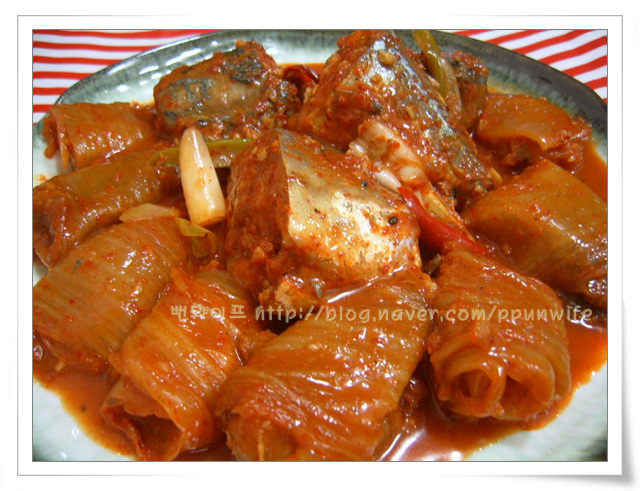
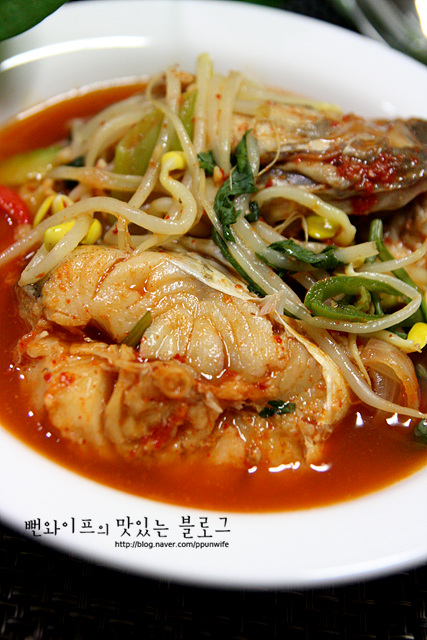
Rich Godeungeo Chueotang (Mackerel Soup) Without Fishiness
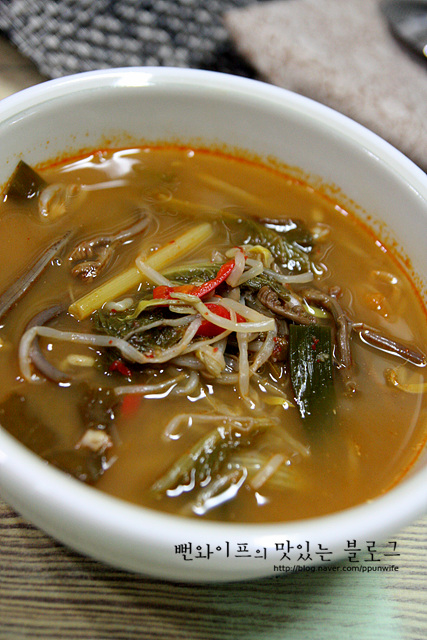
A hearty soup made by simmering seasoned vegetables in a milky broth made from boiled, strained mackerel.
Translated from Korean by AI and not yet checked by a native speaker. Amounts and numbers are taken directly from the original recipe. Read the Korean original →
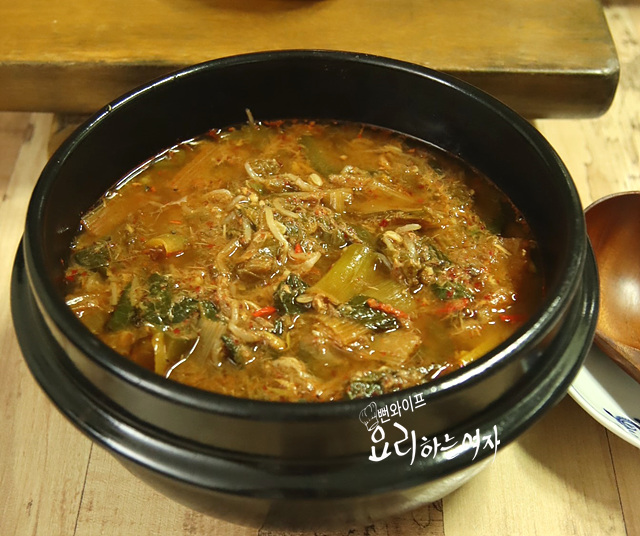
This soup uses fresh mackerel instead of pond loach, boiled thoroughly and strained into a rich broth, then simmered with dried cabbage leaves and mung bean sprouts. Peeling the skin and using aromatic seasonings removes any fishiness, while spicy seasonings and sancho pepper powder add deep flavor, making it a warming and nourishing dish perfect for cold days.
- Servings
- 4–5 servings
- Cook time
- 20 minprep not included
- Difficulty
- Medium
- Spiciness
- Spicy
Ingredients
Ingredients
- Fresh mackerel1 whole, 650 g (large)
- Dried cabbage leaves (ugeoji)300 g
- Mung bean sprouts300 g
- Perilla leaves20 leaves
- Large green onion (daepa)2 stalks
- Cheongyang chili pepper (hot green chili)2
- Red chili pepper1
- Ginger1 clove
- Whole black peppercorns1 tbsp
- Soju1/2 cup
- Water10 cups
Seasoning
- Gochugaru (Korean chili flakes)3 tbsp
- Doenjang (Korean soybean paste)2 tbsp
- Soup soy sauce (guk-ganjang)2 tbsp
- Mirin (cooking rice wine)2 tbsp
- Minced garlic2 tbsp
- Tuna extract sauce (chamchi-aek)2 tbsp
- Sancho (Sichuan pepper) powder or jepi (Korean pepper) powder (or jepi (Korean pepper))1/2–1 tbsp
- Ground black peppera little
- If cleaning and boiling fresh mackerel feels like too much work, you can easily use canned mackerel instead.
- Taro stems, bracken fern (gosari), or mushrooms also make great additions to chueotang. You can substitute Korean mint (bang-a) for the perilla leaves, and perilla seed powder for the sancho (jepi) pepper powder if you prefer.
- Peeling the thin skin off the surface of the mackerel helps eliminate any fishy odor, and since the fish is boiled until completely tender and falling apart, removing it beforehand works wonderfully. Soaking the fish in rice water also helps remove fishiness.
Steps
Prepare the ingredients
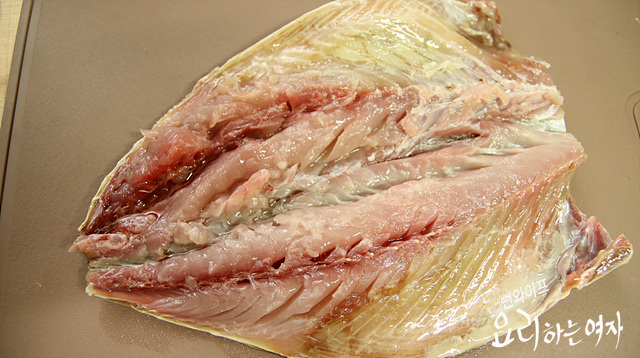
Remove the head, tail, and fins from the fresh mackerel, and debone as much as possible.
Any remaining fine bones will be strained out after boiling.
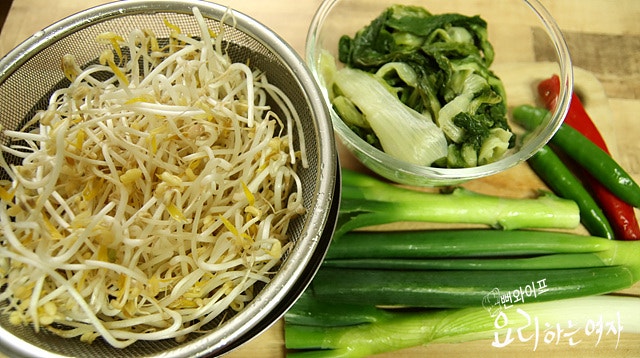
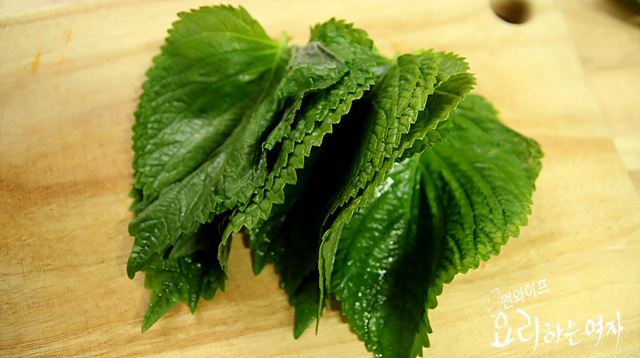
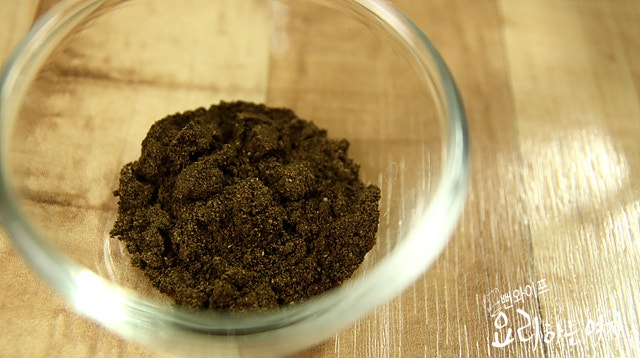
You will need boiled winter cabbage (eolgari baechu), mung bean sprouts, plenty of large green onion (daepa) (2 stalks), Cheongyang chili peppers, a red chili pepper, plenty of perilla leaves, and sancho (Sichuan pepper) powder or jepi (Korean pepper) powder.
Taro stems, bracken fern (gosari), or mushrooms also make great additions to chueotang. You can substitute Korean mint (bang-a) for the perilla leaves, and perilla seed powder for the sancho (jepi) pepper powder if you prefer.
Cut the vegetables
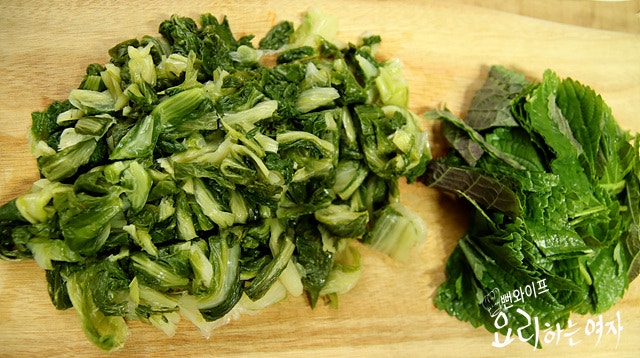
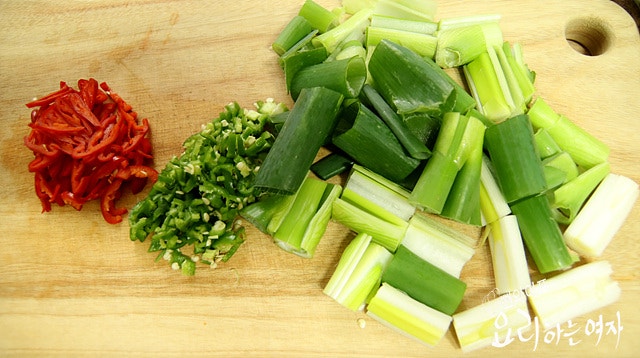
Cut all the vegetables into bite-sized pieces.
If you want to use Cheongyang chili peppers both in the soup and as a final garnish, finely mince 2 more.
Blanch the mung bean sprouts
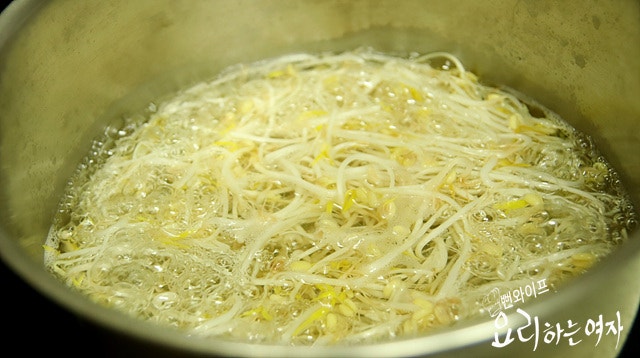
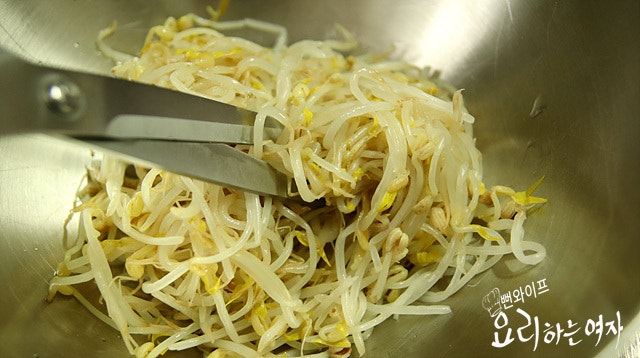
Blanch in rolling boiling water for about 3 minutes, let cool, and cut into comfortable bite-sized lengths.
Boil the mackerel
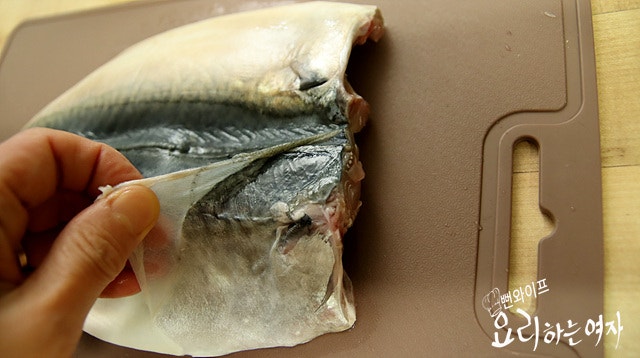
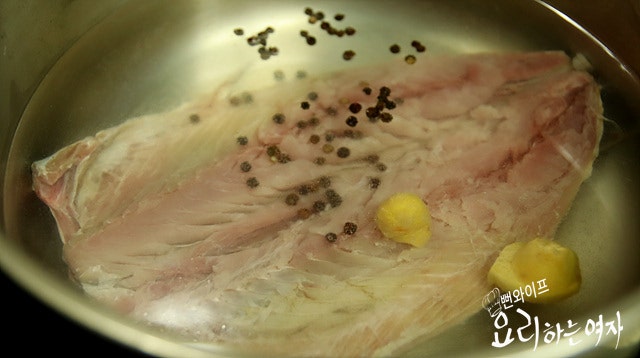
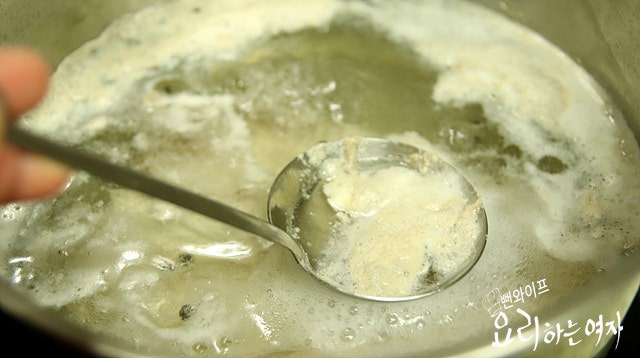
Peeling the thin skin off the surface of the mackerel helps eliminate any fishy odor, and since the fish will be boiled until it breaks down, removing it beforehand is great.
Soaking it in rice water also helps remove fishiness.
Add 1 clove ginger, 1 tbsp whole black peppercorns, and 1/2 cup soju to 10 cups cold water, and bring to a rolling boil.
Skim off any foam that rises as it boils to keep it clean.
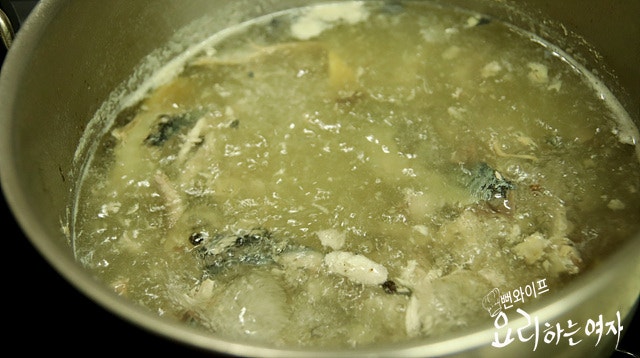
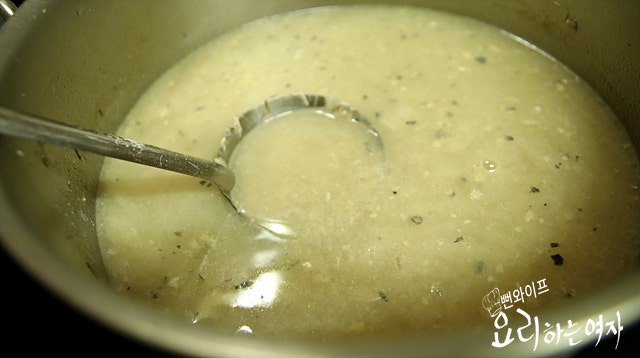
When the mackerel meat is tender enough to crush easily, stop boiling and pour through a fine strainer to catch the ginger, whole black peppercorns, and any remaining bones.
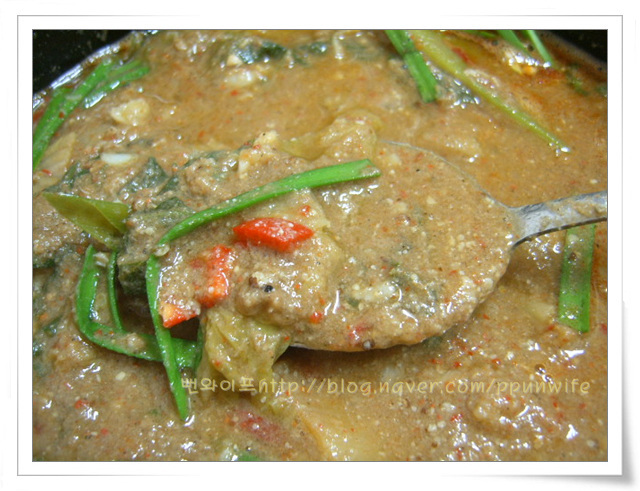
Once strained, you will have a milky-white broth that looks just like beef bone soup.
Toss the vegetables in seasoning
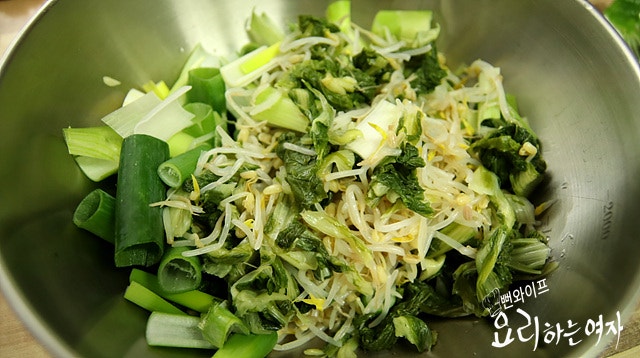
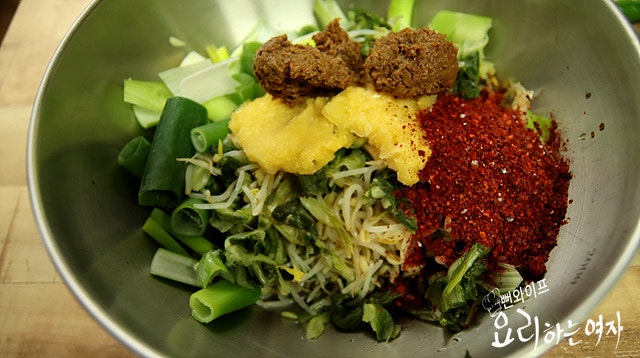
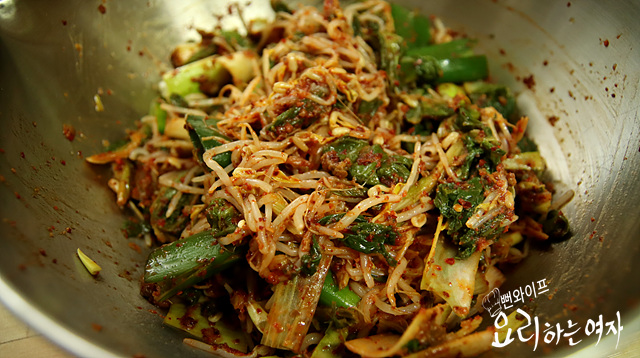
Place all the vegetables in a bowl, add 3 tbsp gochugaru (Korean chili flakes), 2 tbsp doenjang (Korean soybean paste), 2 tbsp soup soy sauce (guk-ganjang), 2 tbsp mirin (cooking rice wine), and 2 tbsp minced garlic, then mix gently with your hands to season.
You can do this in advance while the mackerel is boiling.
Simmer the soup
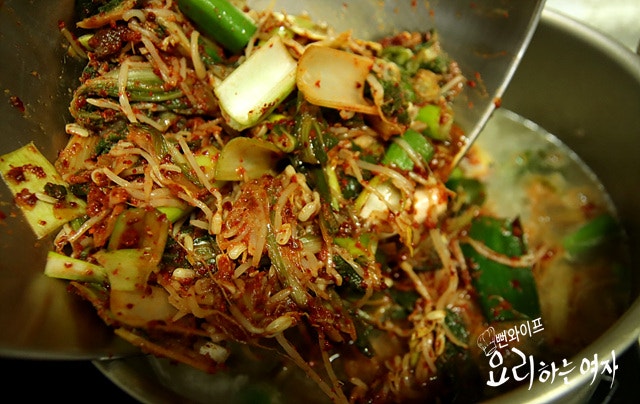
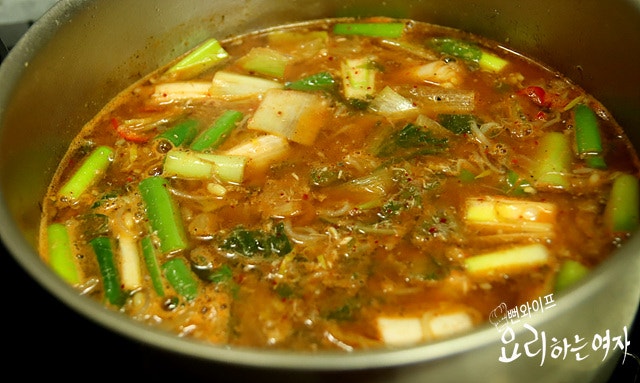
Add all the seasoned vegetables into the pot with the mackerel broth.
As the broth reduced during boiling, I replenished it with about 2 cups of water.
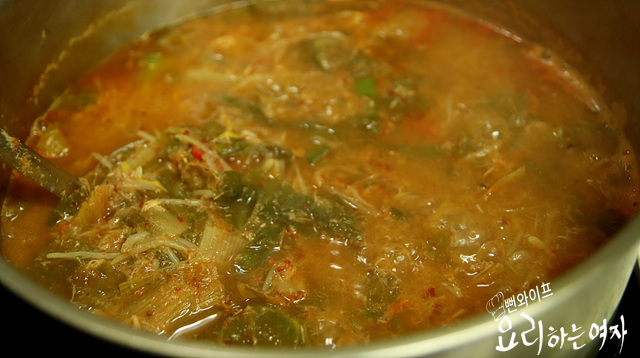
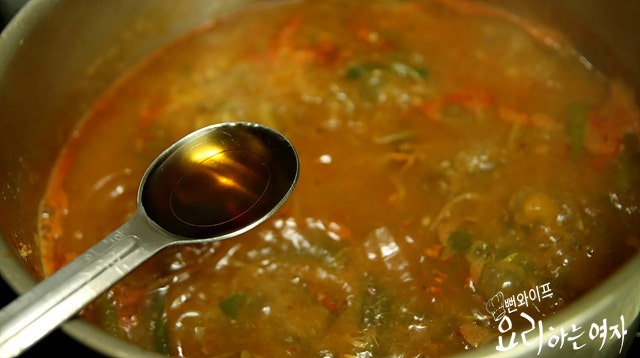
Simmer gently over low heat for at least 20 minutes so all the ingredients turn tender. If it tastes a bit bland, adjust the seasoning with 2 tbsp tuna extract sauce (chamchi-aek).
You can also season with soup soy sauce or salt.
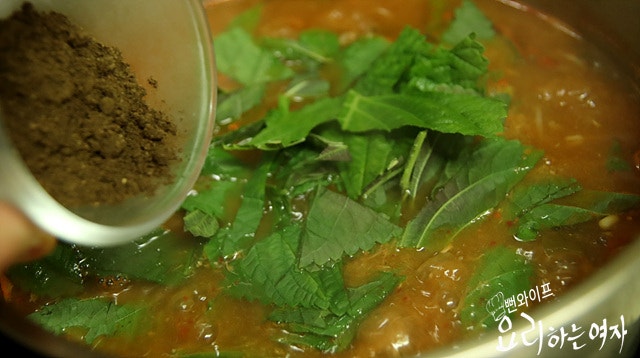
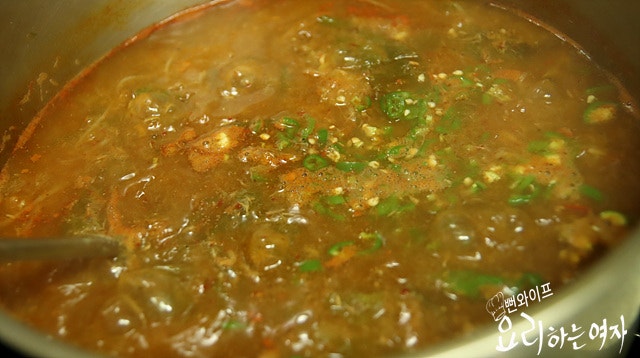
At the very end, add 1 tbsp sancho powder, the perilla leaves, minced Cheongyang chili pepper, and ground black pepper to add heat and aromatic fragrance, then finish.
Sancho powder is a matter of personal preference, so feel free to add just a tiny amount or serve it on the side to add right before eating.
Serve
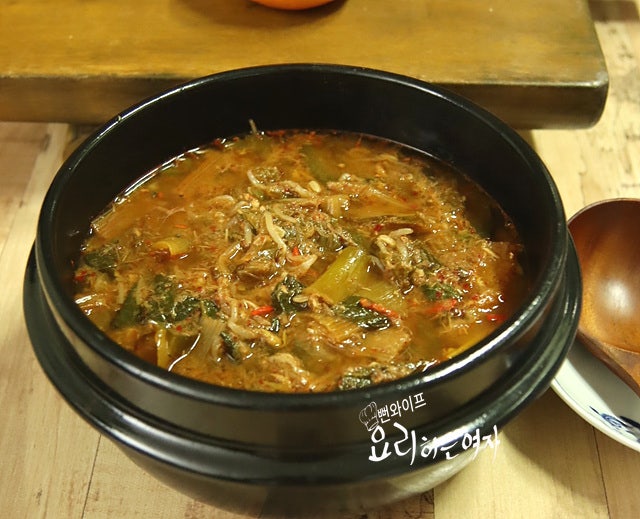
It is wonderful to serve this in an earthenware pot (ttukbaegi) and bring it to a quick simmer so it stays hot throughout the entire meal.
I tasted it both while simmering and as I ladled it out just in case, and there was not a trace of fishiness—just pure, deep, rich flavor.
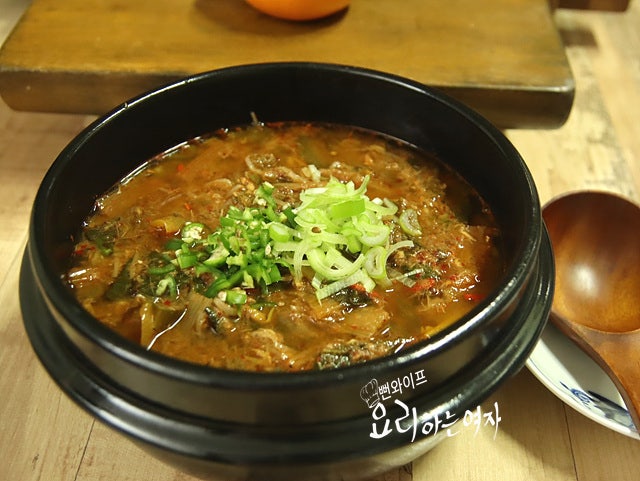
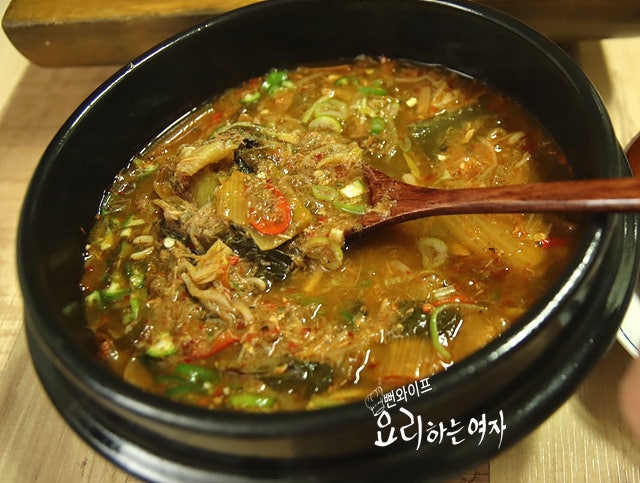
I added more Cheongyang chili peppers, chopped scallions, and black pepper, then mixed it with rice. With some well-ripened kkakdugi or kimchi, you will empty the whole bowl in no time.
Finishing a bowl will make you feel energized, just like after having an energizing tonic meal.
If you like perilla seed powder, add some for extra nuttiness.
I delivered some to an acquaintance who loves chueotang, and rumor has it their face was practically buried in the bowl.
 Ppunwife's tips
- Skim off any foam that rises as it boils to keep the broth clean.
- Sancho powder is a matter of personal preference, so add just a tiny amount or add it right before eating.
- Serving this in an earthenware pot (ttukbaegi) and bringing it to a brief simmer keeps it hot throughout the entire meal.
FAQ
Is there a good substitute if prepping fresh mackerel is too much work?
If cleaning and boiling fresh mackerel is cumbersome, you can use canned mackerel for a much quicker and easier soup.
How can I reduce the fishy smell of mackerel?
Peeling off the outer skin or soaking the fish in rice water before cooking helps reduce unwanted odors. Boiling it with ginger, soju, and whole black peppercorns is also very effective.
Can I substitute other ingredients for the sancho powder or perilla leaves?
You can use Korean mint (bang-a) instead of perilla leaves, or swap the sancho powder for perilla seed powder if you prefer a savory, nutty taste.
What other vegetables go well in this soup besides dried cabbage leaves and mung bean sprouts?
Depending on your preference, taro stems, bracken fern (gosari), or various mushrooms make wonderful additions to the soup.