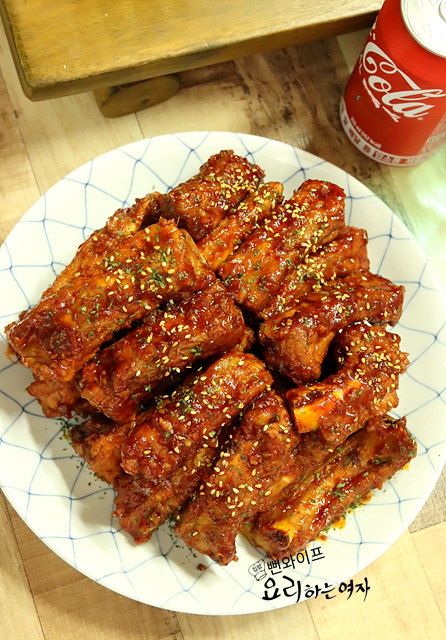
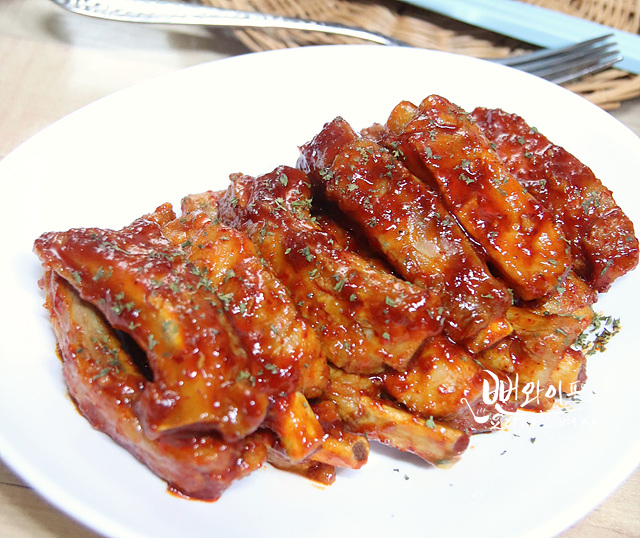
Tender Deunggalbi Kimchi Jjim (Braised Back Ribs with Kimchi)
A hearty braised dish made by simmering seasoned baby back ribs with aged sour kimchi and broth until tender.
Translated from Korean by AI and not yet checked by a native speaker. Amounts and numbers are taken directly from the original recipe. Read the Korean original →
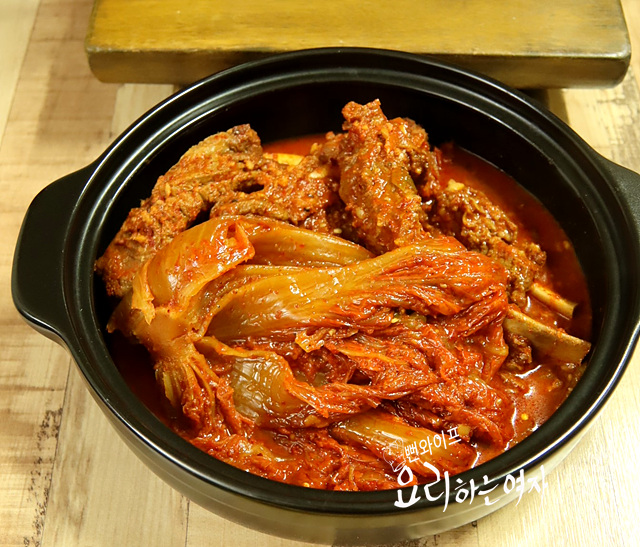
A standout dish made by simmering chewy pork baby back ribs gently with well-ripened aged sour kimchi. The ribs are parboiled to remove any gamey odor and pre-seasoned, while a bed of onions at the bottom of the pot adds a subtle sweetness. It is great for a family of 3 to 4 to enjoy a hearty, spicy meal on a weekend evening.
- Servings
- 3–4 servings
- Cook time
- 30 minprep not included
- Difficulty
- Medium
- Spiciness
- Spicy
Ingredients
Ingredients
- Baby back ribs1 kg
- Aged sour kimchi1/2 head (2 cloves)
- Onion1/2 (large)
- Large green onion (daepa)1/2 stalk
- Cheongyang chili pepper (hot green chili)2
- Kimchi brine1 cup
- Anchovy broth (or water from washing rice, beef bone broth)3 cups
Rib seasoning
- Minced garlic2 tbsp
- Minced ginger1 tsp
- Soup soy sauce (guk-ganjang)1 tbsp
- Regular soy sauce (jin-ganjang)2 tbsp
- Mirin (cooking rice wine)2 tbsp
- Corn syrup (mulyeot)2 tbsp
Seasoning
- Gochugaru (Korean chili flakes)2 tbsp
- Sugar (or green plum syrup (maesil-cheong))1 tbsp
- Ground black peppera little
- Toasted sesame oil (or perilla oil)1–2 tbsp
- Well-fermented kimchi goes best with braised ribs and kimchi, so prepare mukeunji (aged kimchi) or aged sour kimchi.
- If there is seasoning paste inside, shake it off.
- To remove the gamey odor from the ribs, they need to be parboiled with 1/2 cup soju, 1 tbsp whole black peppercorns, 5 to 6 bay leaves, and 1 knob ginger (10g).
- You can also substitute doenjang (Korean soybean paste), green onion roots, or sliced garlic for the parboiling ingredients.
Steps
Prepare the ingredients
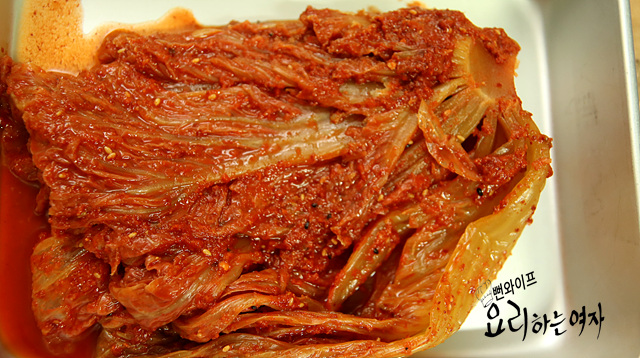
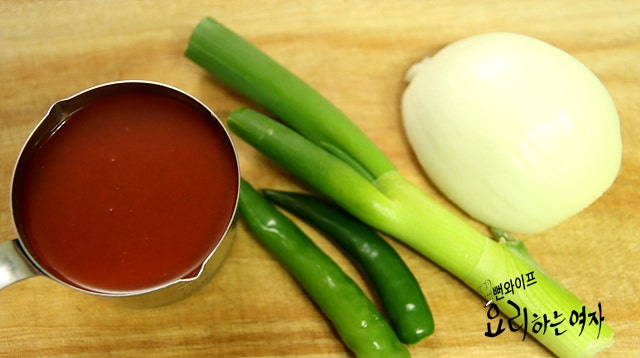
Well-fermented kimchi goes best with braised ribs and kimchi, so prepare mukeunji (aged kimchi) or aged sour kimchi.
If there is seasoning paste inside, shake it off.
Prepare 1 cup kimchi brine, 1 large onion (or 1 medium), large green onion, and Cheongyang chili peppers.
Chop ingredients and make rib seasoning
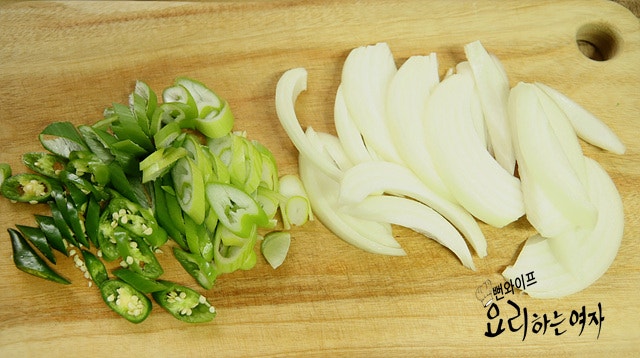
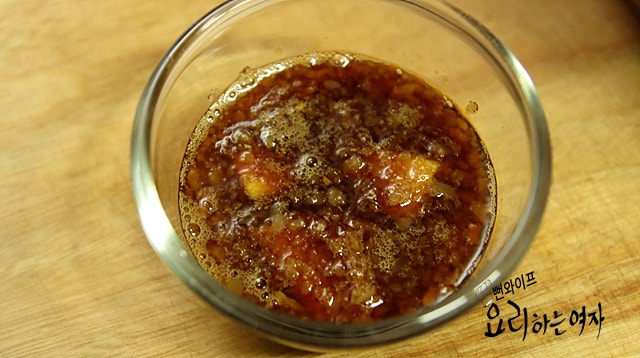
Thickly slice the onion, diagonally slice the green onion and chili peppers, and mix together all the ingredients for the rib seasoning.
Prepare and pre-season the ribs
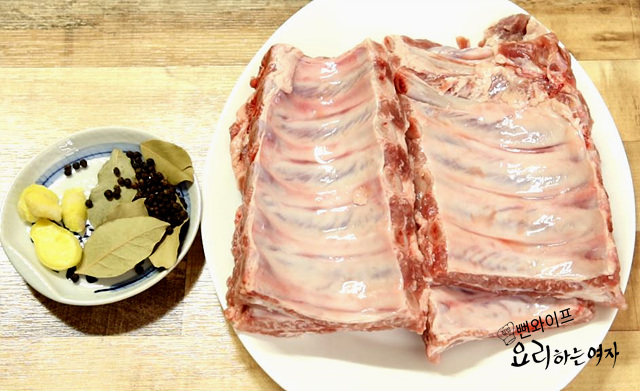
To remove the gamey odor from the ribs, they need to be parboiled with 1/2 cup soju, 1 tbsp whole black peppercorns, 5 to 6 bay leaves, and 1 knob ginger (10g).
You can also substitute doenjang (Korean soybean paste), green onion roots, or sliced garlic for the parboiling ingredients.
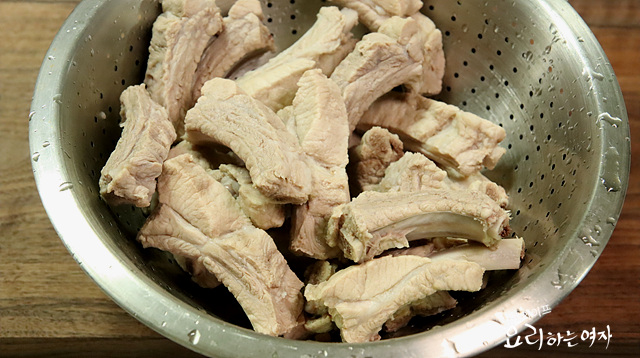
This is how the ribs look after finishing the preparation.
Related post on the blog (Korean)blog.naver.com/ppunwife/223499047580Since preparing ribs has been introduced several times, I will refer you to the recently posted one.
It is detailed in the recipe above the braised ribs, so you can refer to that.
Layer the ingredients
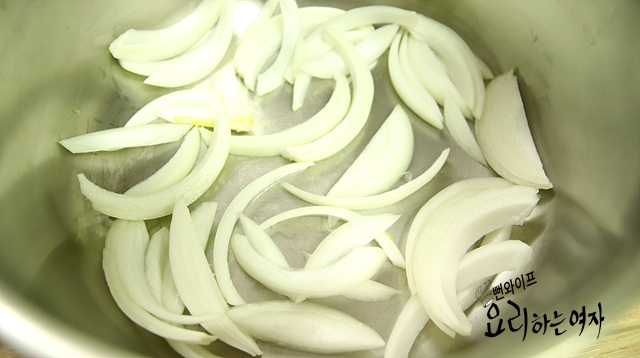
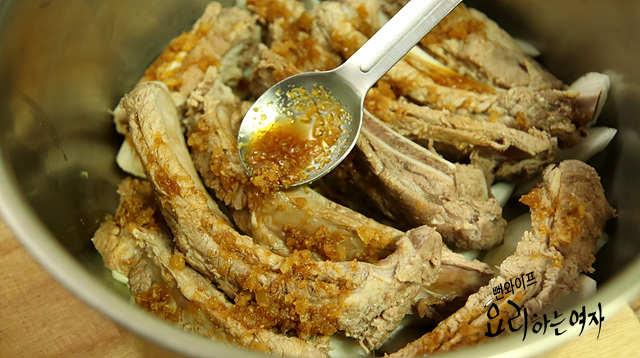
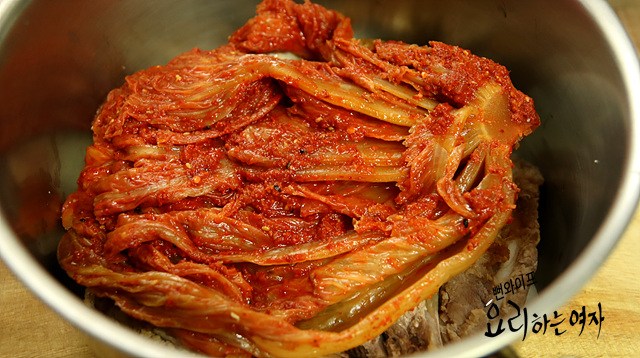
First, spread the onion evenly across the bottom of the pot.
Arrange the prepared ribs side by side on top, pour the seasoning evenly over them, and let them marinate so the flavor soaks in.
Spread the kimchi on top.
Simmer
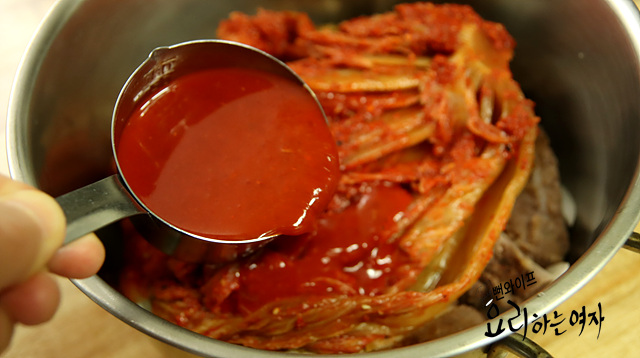
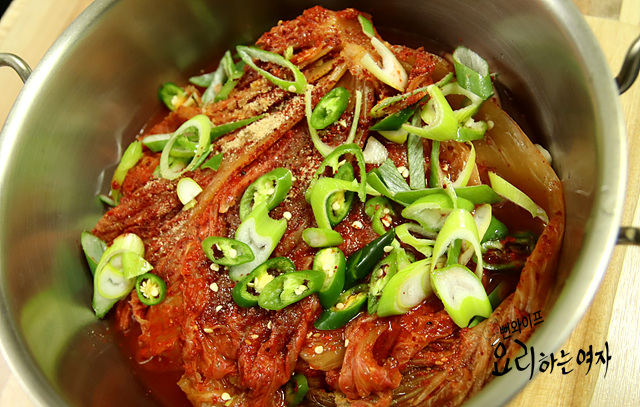
Pour in 1 cup kimchi brine and 3 cups broth, adding just enough so the kimchi is not completely submerged.
If you feel there is not enough broth while cooking, you can add more as you simmer.
Add 2 tbsp gochugaru (Korean chili flakes), 1 tbsp sugar to neutralize the sourness (or 2 tbsp if it is very sour), sprinkle a little ground black pepper, and add the green onion and chili peppers.
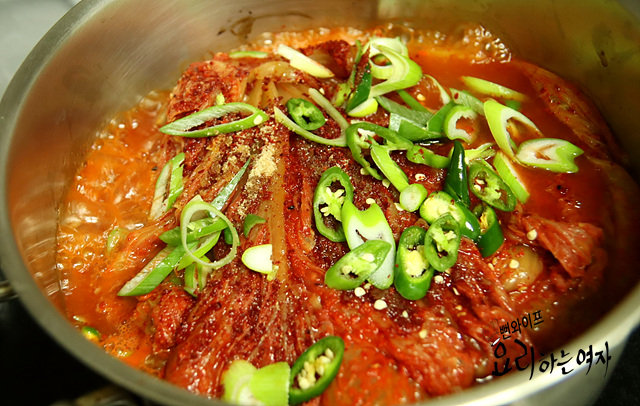
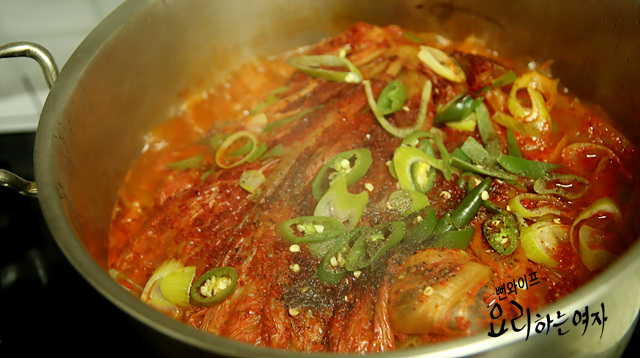
Once it comes to a rolling boil over high heat, simmer gently for about 20 minutes.
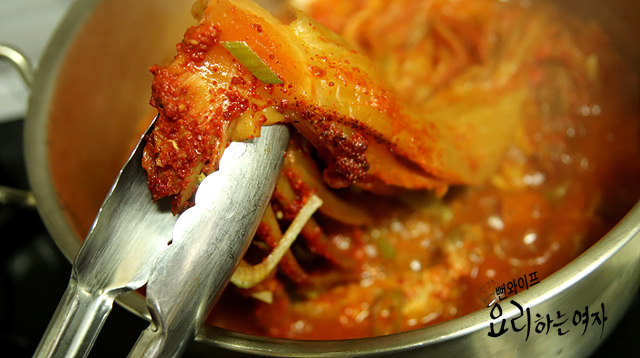
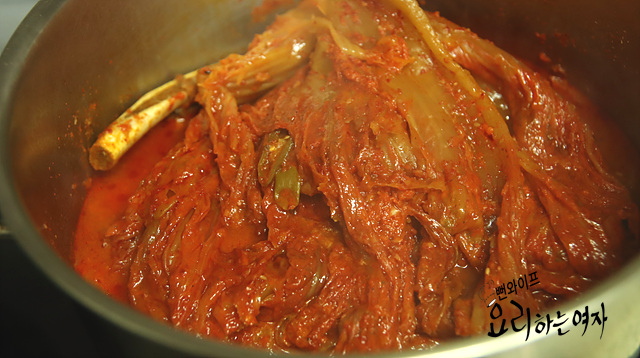
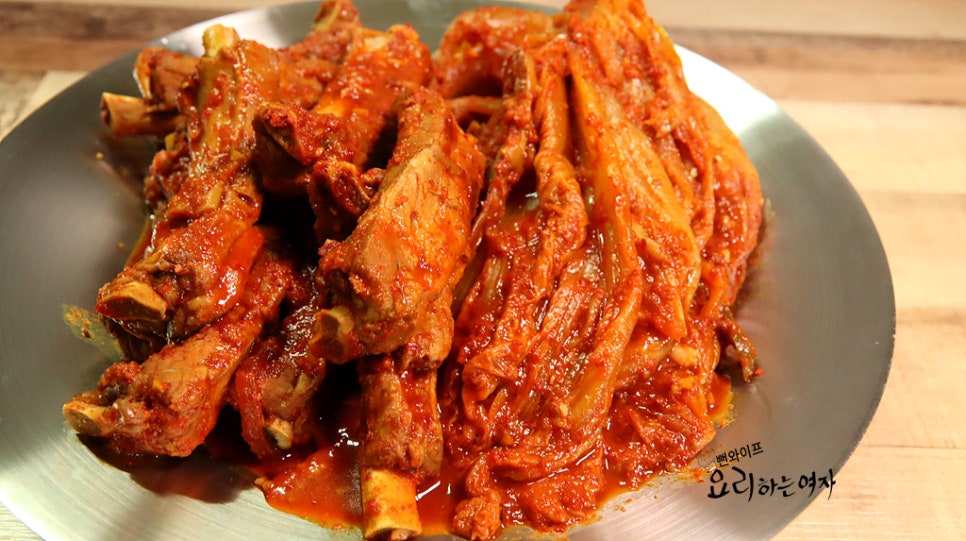
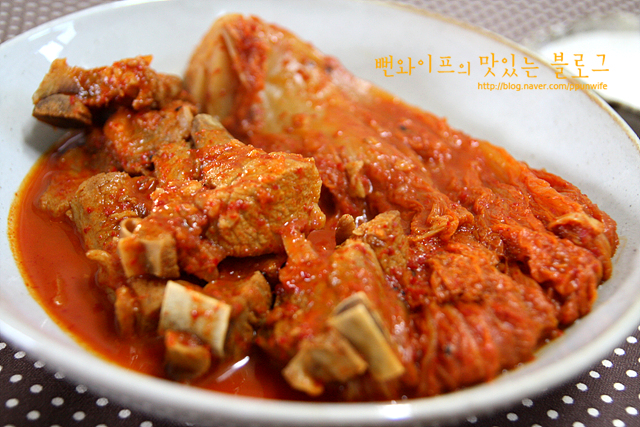
Turn it over and simmer for about 10 minutes until the liquid reduces and the kimchi becomes tender.
Taste the kimchi, and if it is bland or too sour, add any missing seasonings and braise down.
Because the kimchi brine and seasoning are thick, check occasionally to make sure the bottom does not scorch as it simmers.
Finish
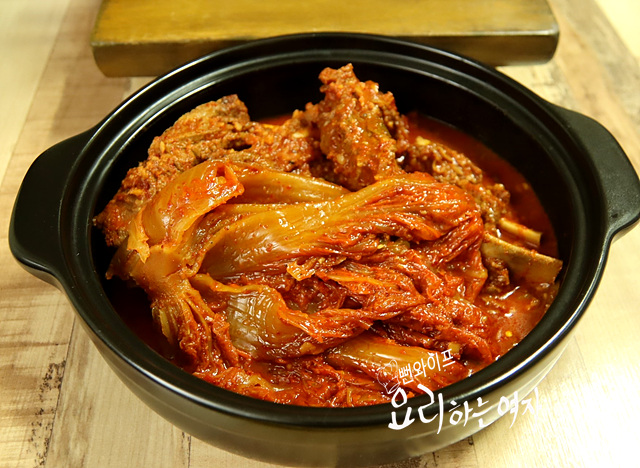
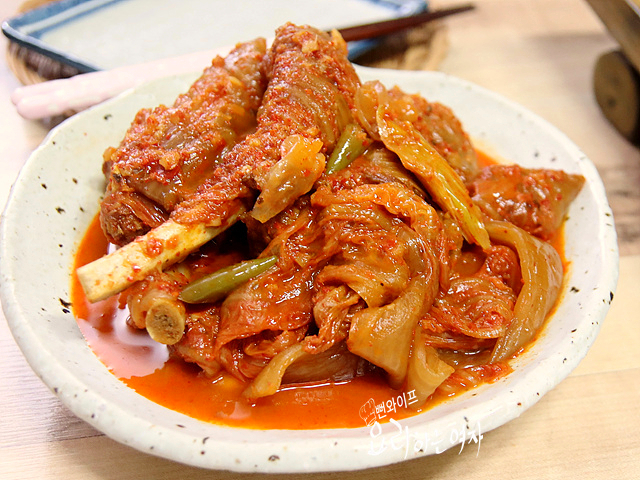
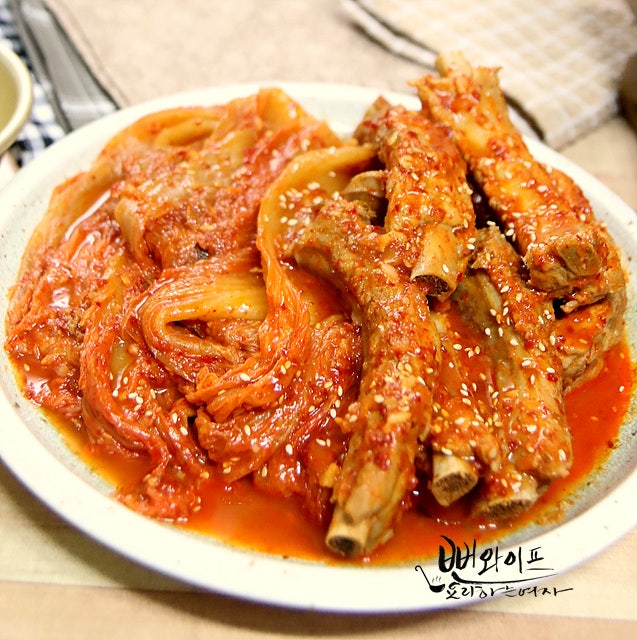
Tearing the kimchi into long strips and eating it topped with the meat is the true way to enjoy it.
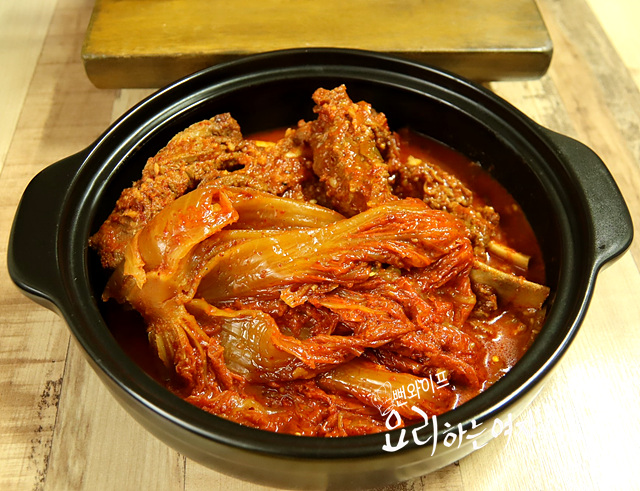
Take out some well-ripened gimjang kimchi and braise it down thoroughly with meat.
Without needing any other side dishes, a meal the whole family can deliciously enjoy will come together in no time.
The weather has warmed up a lot, making it much easier to get around.
Have a happy and wonderful weekend.
 Ppunwife's tips
- Pour in 1 cup kimchi brine and 3 cups broth, adding just enough so the kimchi is not completely submerged.
- Because the kimchi brine and seasoning are thick, check occasionally to make sure the bottom does not scorch as it simmers.
FAQ
Is there a broth I can use instead of anchovy broth?
Instead of anchovy broth, you can prepare and use an equal amount of rice-washing water or beef bone broth.
How do I adjust it if the kimchi is too sour?
To neutralize the sourness, you can increase the sugar from 1 tbsp up to 2 tbsp according to your taste to gently balance the acidity.
What are the ingredients for parboiling to remove the gamey smell from the ribs?
Boil with soju, whole black peppercorns, bay leaves, and ginger; according to preference, you may also blanch them with doenjang, green onion roots, or sliced garlic instead.
How do I keep the liquid from burning or sticking during cooking?
Because the kimchi brine and seasoning are thick, check the bottom of the pot occasionally, and braise while adding more broth if moisture runs low.