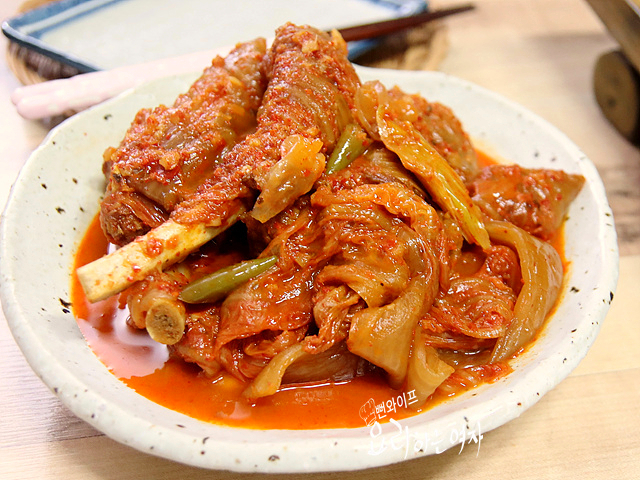
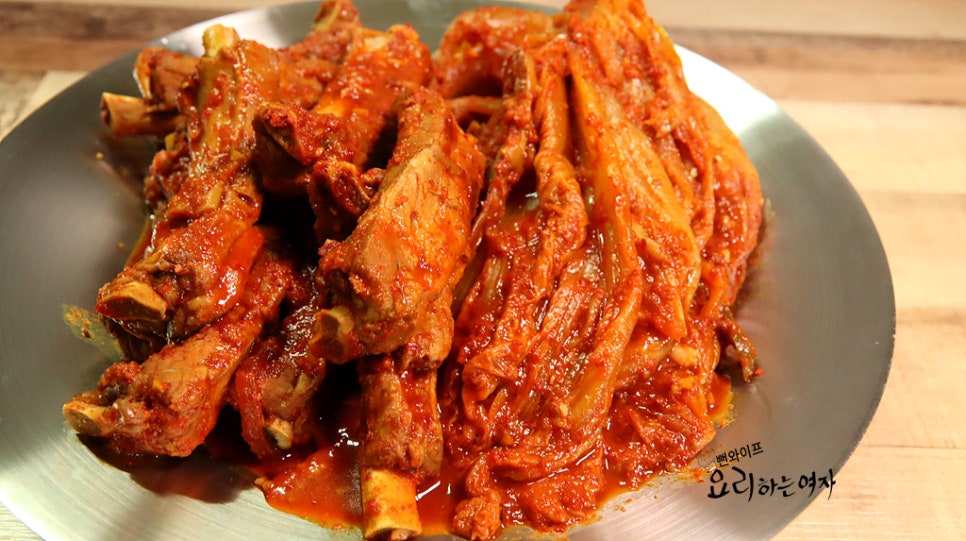
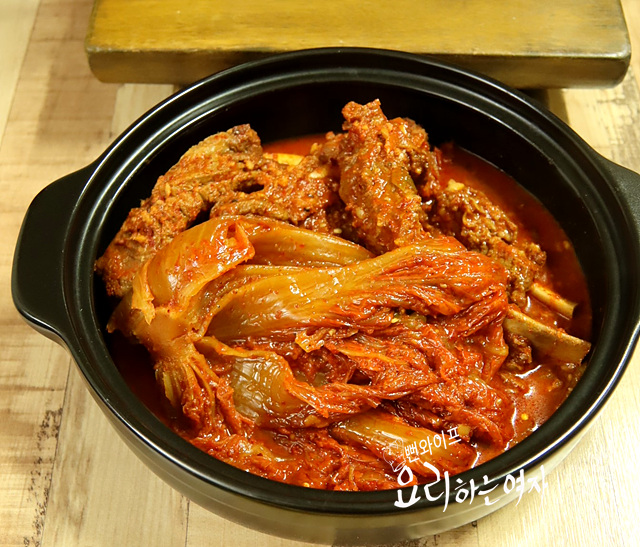
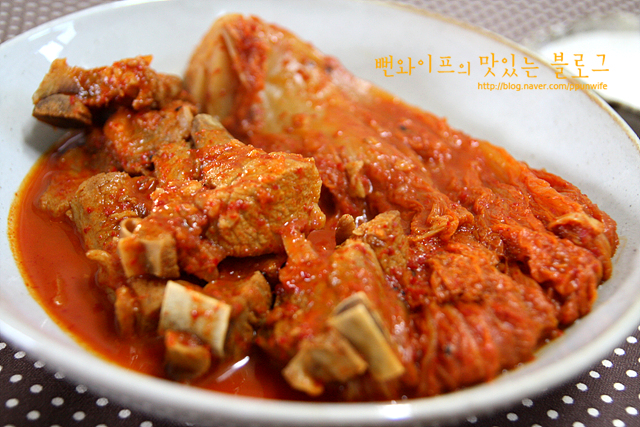
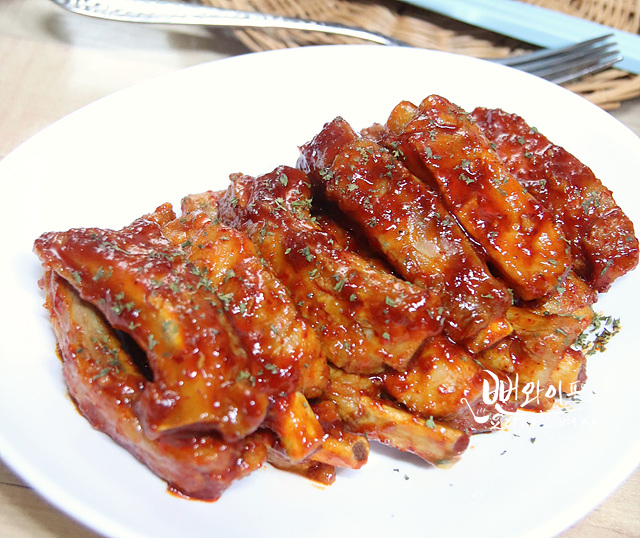
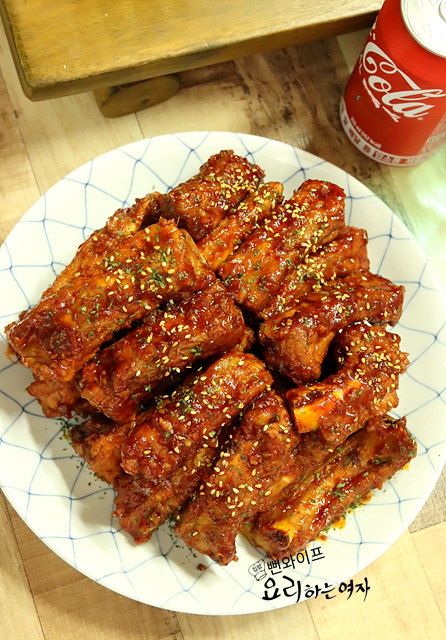
Deunggalbi Kimchi Jjim (Braised Pork Ribs with Kimchi)
A one-dish meal for 2 to 3 people made by parboiling and seasoning pork back ribs, then braising them thoroughly with aged sour kimchi.
Translated from Korean by AI and not yet checked by a native speaker. Amounts and numbers are taken directly from the original recipe. Read the Korean original →
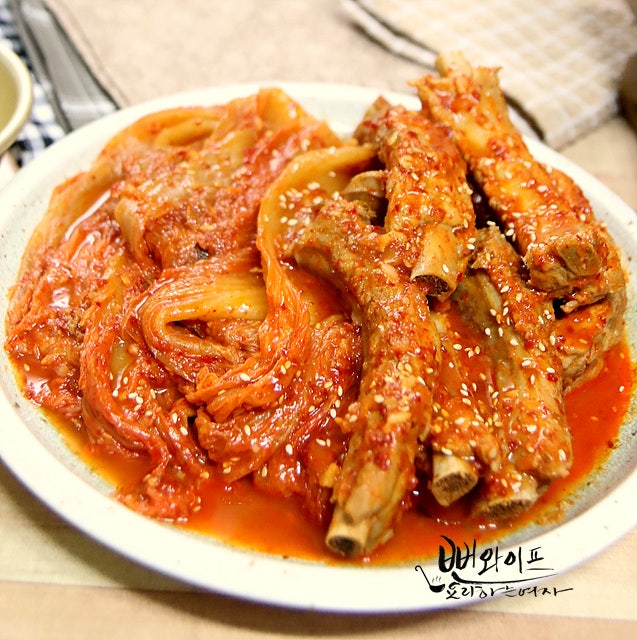
Blood is drained from the pork ribs and parboiled with aromatics to cleanly eliminate any meaty odor. Seasoning the meat beforehand keeps the flavors balanced alongside the sour kimchi, and slow braising makes the tender meat fall right off the bone. Combined with sour kimchi and Cheongyang chili peppers, it makes a wonderfully spicy side dish for rice or a great pairing with drinks.
- Servings
- 2–3 servings
- Cook time
- 30 minprep not included
- Difficulty
- Medium
- Spiciness
- Spicy
Ingredients
Ingredients
- Pork baby back ribs600 g
- Bay leaves3–4 sheets
- Whole black peppercorns1 tbsp
- Ginger1/2 clove
- Soju1/3 cup
- Aged sour kimchi (or aged kimchi (mugeonji))1 clove (1/4 head)
- Large green onion (daepa)1/2 stalk
- Cheongyang chili pepper (hot green chili)2
- Anchovy broth3 cups
- Kimchi brine1/2 cup
Rib Marinade
- Minced garlic1 tbsp
- Minced ginger1/2 tsp
- Regular soy sauce (jin-ganjang) (or brewed soy sauce (yangjo-ganjang))2 tbsp
- Mirin (cooking rice wine)2 tbsp
- Ground black peppera little
Seasoning
- Green plum syrup (maesil-cheong) (or sugar)1–2 tbsp
- Perilla oil (or toasted sesame oil)1 tbsp
- Soak the ribs in cold water for about 30 minutes to draw out the blood so they do not smell gamey.
- Leave the seasoned ribs in the pan for about 30 minutes to let the flavors absorb.
- Add green plum syrup or sugar depending on how sour your kimchi is.
- Since I poured in the kimchi brine as is without straining it through a sieve, I did not add extra chili flakes, but you may add about 1 tbsp of gochugaru.
Steps
Prepare the ingredients
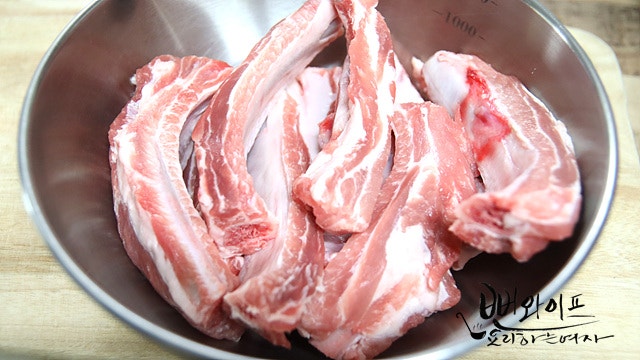
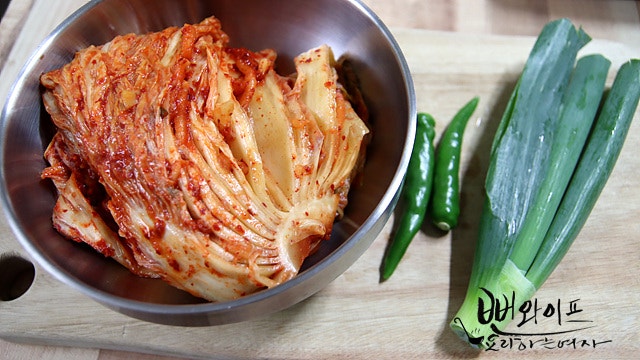
Here is 1 rack of pork baby back ribs, 600 g.
Also 1/4 head of aged sour kimchi, large green onion, and Cheongyang chili peppers.
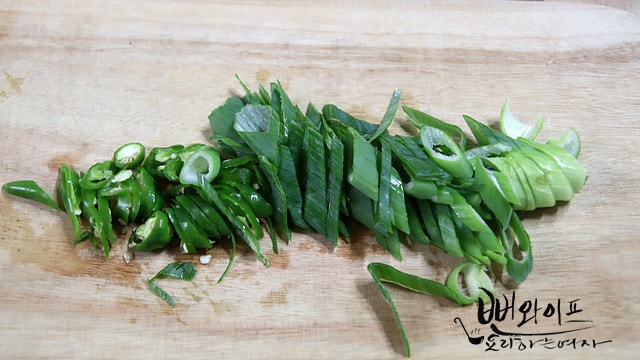
Diagonally slice the green onion and Cheongyang chili peppers.
Prepare the ribs
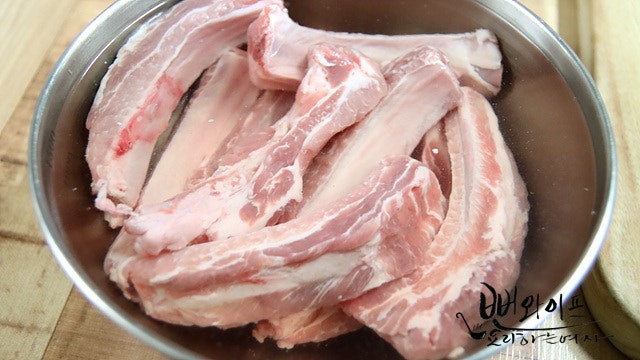
Soak the ribs in cold water for about 30 minutes to draw out the blood so they do not smell gamey.
Change the water if it turns cloudy.
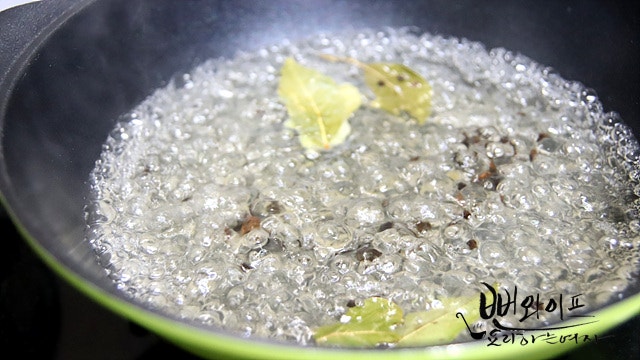
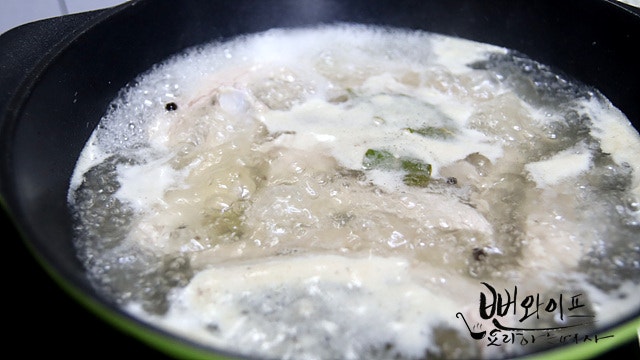
Once the blood is drawn out, the pork ribs need to be parboiled.
Pour in enough water to submerge the ribs, add 3 to 4 bay leaves, 1 tbsp whole black peppercorns, 1/2 thumb of ginger, and 1/3 cup soju. When it comes to a rolling boil, add the ribs and parboil. Once the murky scum rises to the surface, rinse them.
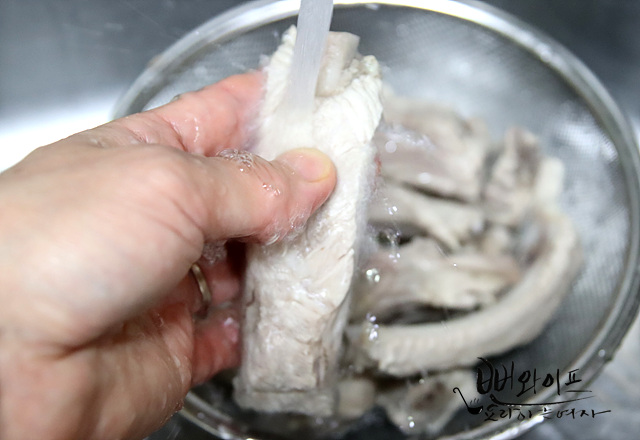
Rinse thoroughly under running water, washing away any clotted impurities.
Place ingredients in the pan
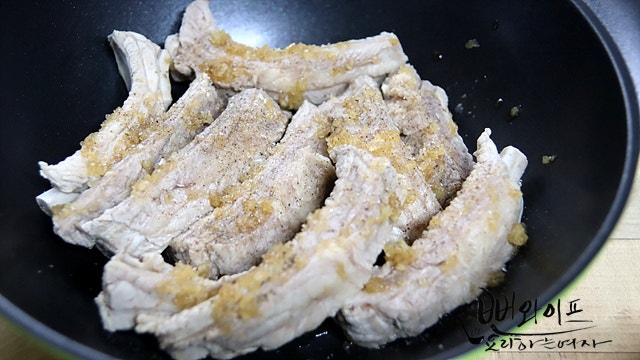
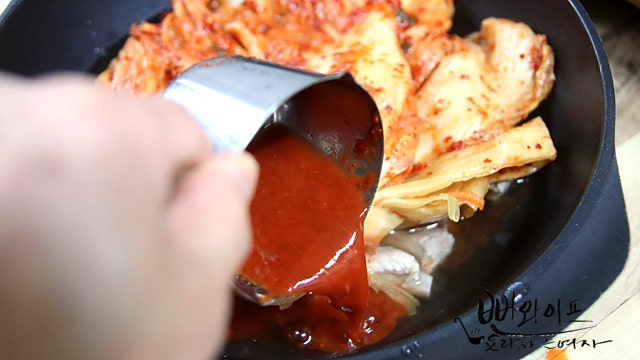
Place the ribs in the pan and season evenly with 1 tbsp minced garlic, 1/2 tsp minced ginger, 2 tbsp regular soy sauce, 2 tbsp mirin, and a little ground black pepper.
Seasoning the meat beforehand not only completely eliminates any meaty odor, but also balances the saltiness with the kimchi so the flavors do not clash when eaten.
Leave it for about 30 minutes to let the flavors absorb, then...
Place the kimchi on top of the ribs, pour in 3 cups of anchovy broth and 1/2 cup of kimchi brine, and add green plum syrup or sugar depending on how sour your kimchi is.
Simmer
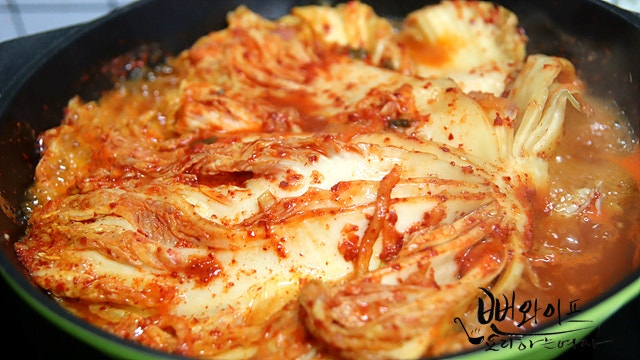
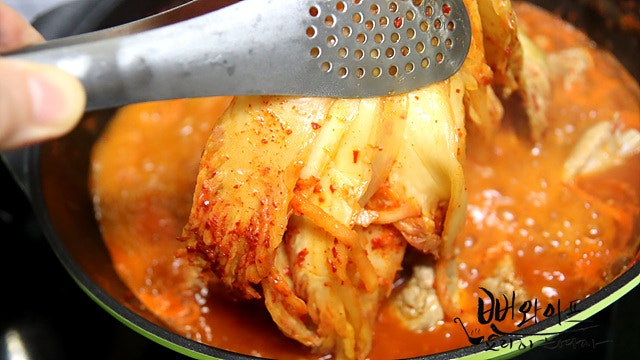
Today, I poured in the kimchi brine as is without straining it through a sieve, so I did not add extra gochugaru, but you can add about 1 tbsp of gochugaru.
Bring to a boil over high heat, then let it simmer gently for about 30 minutes until the kimchi becomes tender and the liquid reduces.
Flipping the kimchi once halfway through will help it cook through evenly.
Finish
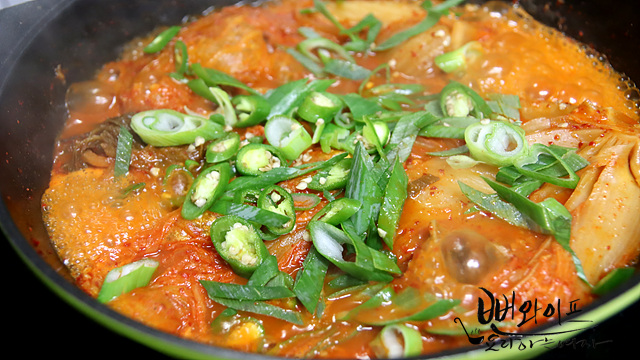
If the meat and kimchi feel undercooked, add water as needed and extend the braising time.
Finish by adding the green onion, Cheongyang chili pepper, and a light drizzle of perilla oil (or sesame oil), then let it simmer briefly so the aromas infuse evenly.
Finish
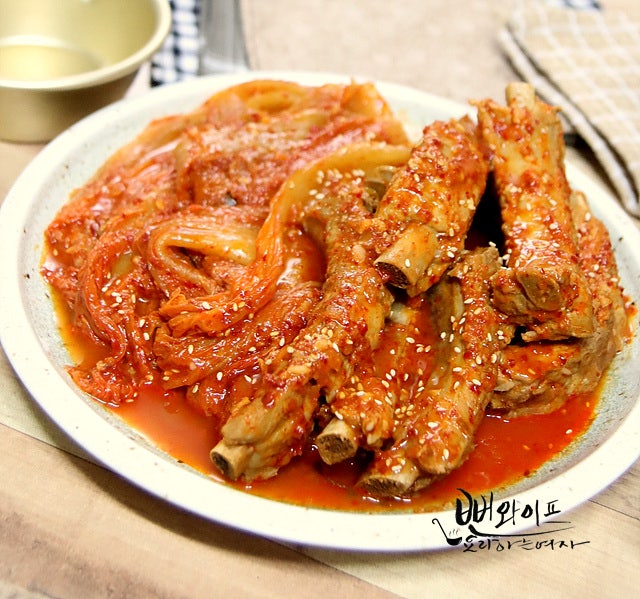
I had a lot of aged kimchi to use up and kimchi jjim immediately came to mind, so I whipped it up quickly.
Pork ribs are always the right choice.
 Ppunwife's tips
- Seasoning the meat beforehand not only completely eliminates any meaty odor, but also balances the saltiness with the kimchi so the flavors do not clash when eaten.
- Flipping the kimchi once halfway through will help it cook through evenly.
- If the meat and kimchi feel undercooked, add water as needed and extend the braising time.
FAQ
Why do you season the meat separately first?
It helps remove any gaminess from the meat and balances the seasoning with the kimchi so the flavors blend well together.
Can I use gochugaru instead of kimchi brine?
If you are not adding unstrained kimchi brine, you can add about 1 tbsp of gochugaru instead.
What should I do if the meat or kimchi is not tender enough while simmering?
If the ingredients feel undercooked, add extra water while simmering and extend the cooking time.
Can I substitute another oil if I do not have perilla oil?
Yes, toasted sesame oil can be used as a substitute as noted in the recipe.