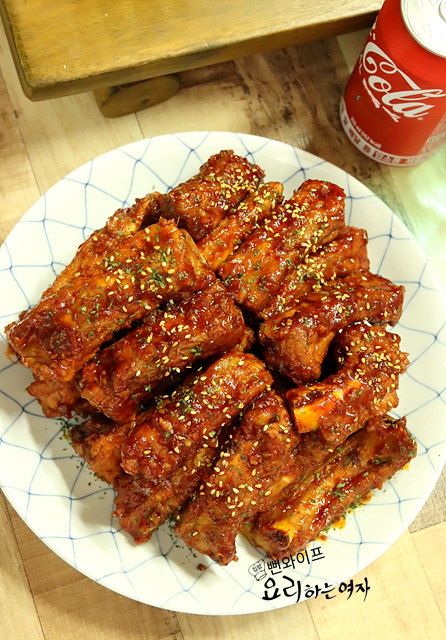
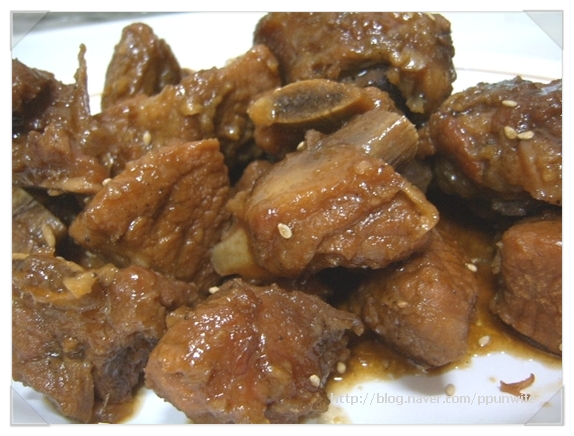
Tender Deunggalbi Jjim (Braised Pork Ribs)
A hearty main dish of pork baby back ribs braised until tender in a sweet and savory sauce gently sweetened with pear juice and pineapple.
Translated from Korean by AI and not yet checked by a native speaker. Amounts and numbers are taken directly from the original recipe. Read the Korean original →
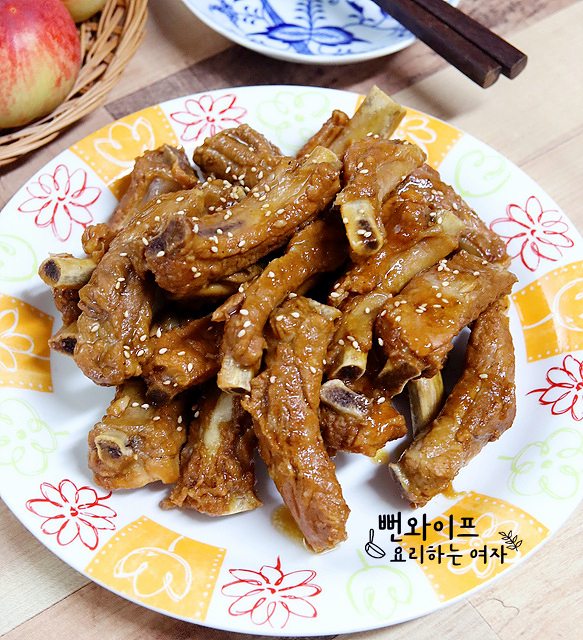
Pork baby back ribs are parboiled with aromatics, and any clotted blood clinging to the bones is washed away thoroughly to eliminate unwanted meat odors. Marinated in a soy sauce mixture blended with pear juice and pineapple, then simmered slowly, the ribs become tender enough for the meat to slip right off the bone. The mild sweet and savory glaze makes it a great dish for the whole family to enjoy together.
- Servings
- 6 servings
- Difficulty
- Medium
- Spiciness
- Not spicy
Ingredients
Ingredients
- Pork baby back ribs2 kg
- Ginger1 knobs
- Bay leaves6 leaves
- Whole black peppercorns1 tbsp
- Soju1/2 cup
- Water10 cups
Seasoning
- Pineapple4 cloves (canned)
- Onion2 (1, small, medium)
- Ginger1 knobs
- Pear juice (or pear drink)2 cups
- Regular soy sauce (jin-ganjang) (or brewed soy sauce (yangjo-ganjang))2/3 cup
- Mirin (cooking rice wine)5 tbsp
- Corn syrup (mulyeot)4 tbsp
- Minced garlic3 tbsp
- Minced ginger1 tsp
- Ground black pepper1/2 tsp
- Water2 cups
- Pour in plenty of water and soak the ribs for about 30 minutes to 1 hour, changing the water occasionally, to draw out the blood.
- You can easily separate the baby back ribs individually by slicing between the bones.
- You can leave out the pineapple if you don't have it, but since it might lack sweetness, just increase the amount of corn syrup. If you have kiwi or pear instead of pineapple, you can blend that in instead.
Steps
Prepare the ingredients
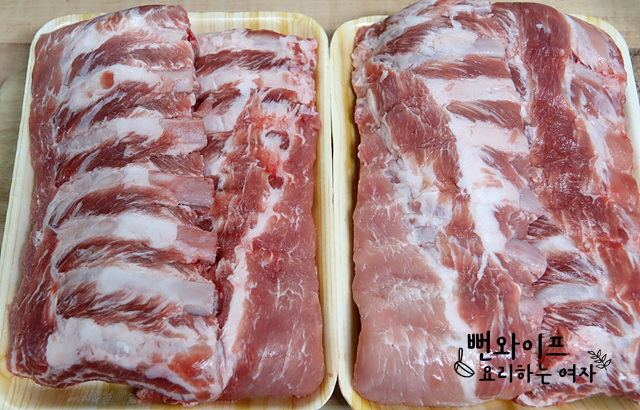
Here are two packs of pork baby back ribs.
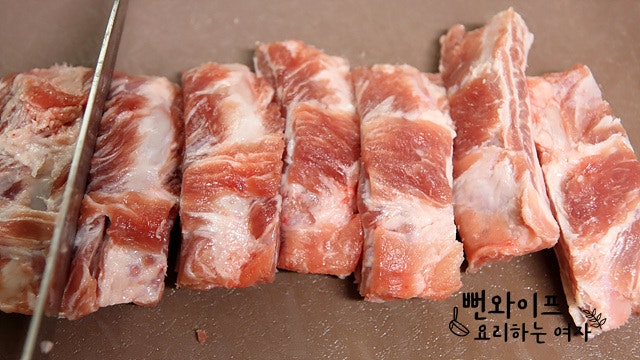
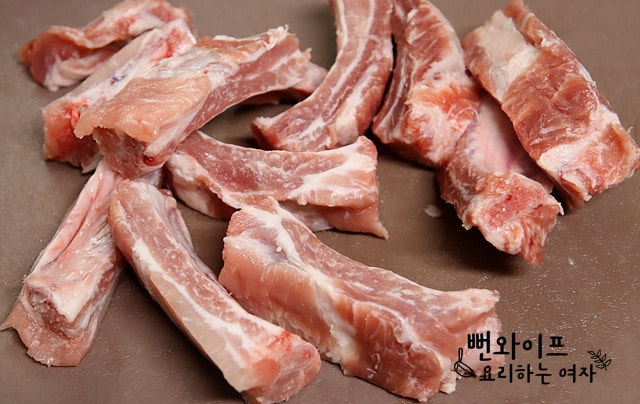
You can easily separate the baby back ribs individually by slicing between the bones.
Draw out the blood from the ribs
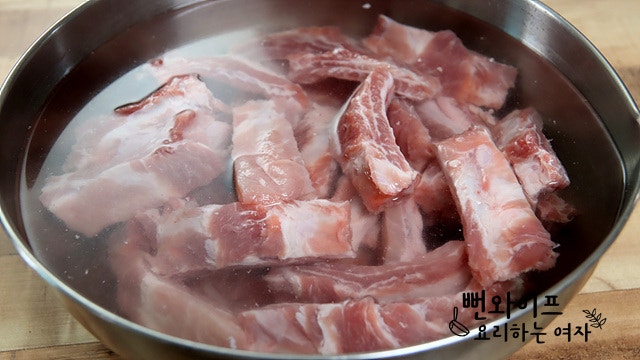
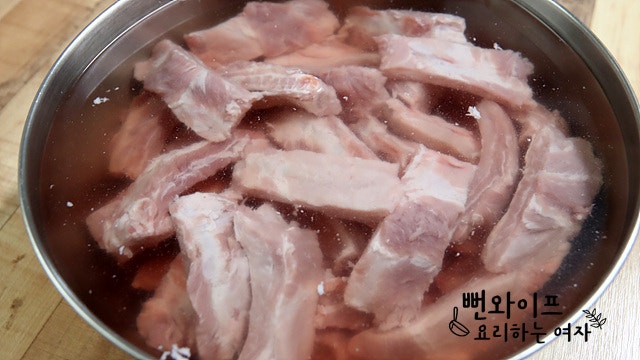
Pour in plenty of water and soak the ribs for about 30 minutes to 1 hour, changing the water occasionally, to draw out the blood.
Parboil the ribs
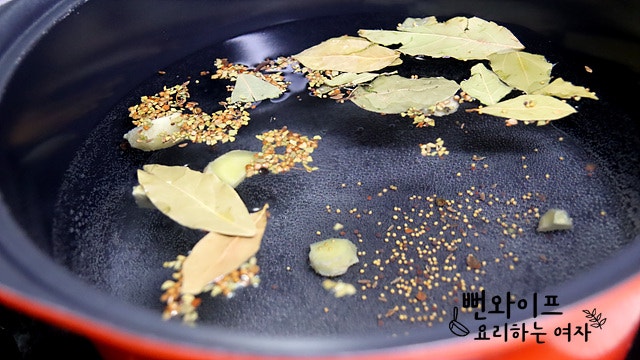
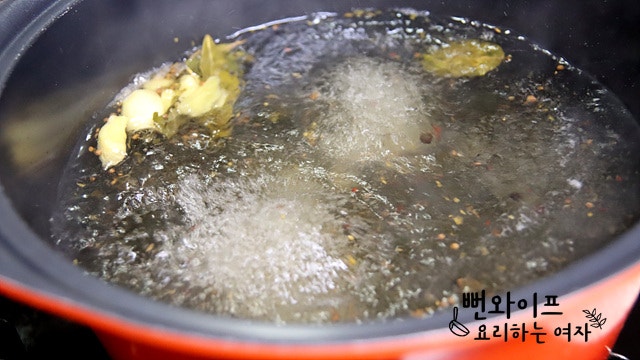
Pour in enough water to submerge the pork ribs, add 1 knob ginger, 6 bay leaves, 1 tbsp whole black peppercorns, and 1/2 cup soju, then bring to a brief boil to infuse the aromatics.
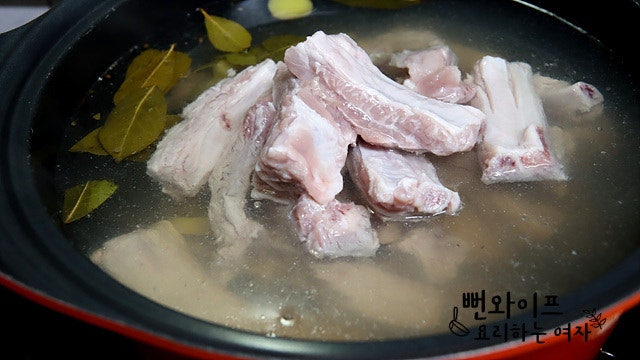
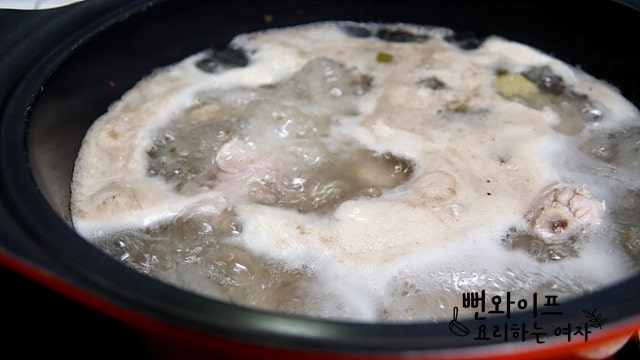
Add the baby back ribs and raise the heat to high.
As it begins to boil vigorously, messy foam, fat, and other impurities will start coming out in large amounts.
Skim them off as you boil for about 5 minutes.
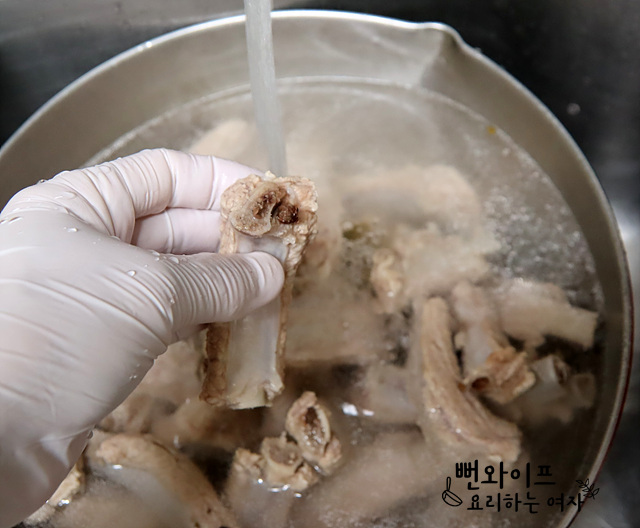
Rinse them under running water.
Don't just rinse them loosely...
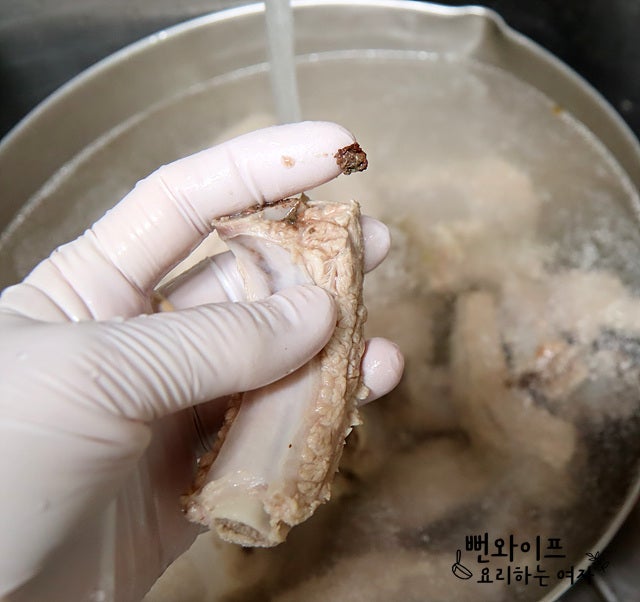
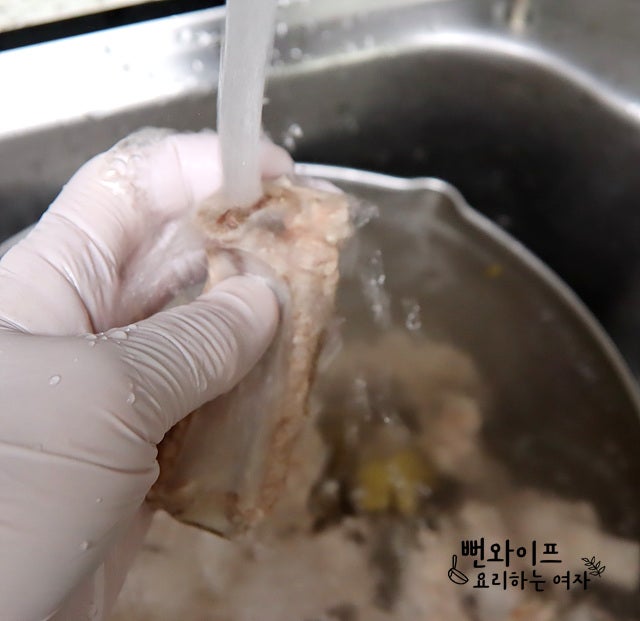
Cooked blood clots stick to the bones, so rub them thoroughly with your hands to wash them clean.
Make the marinade for the braised ribs
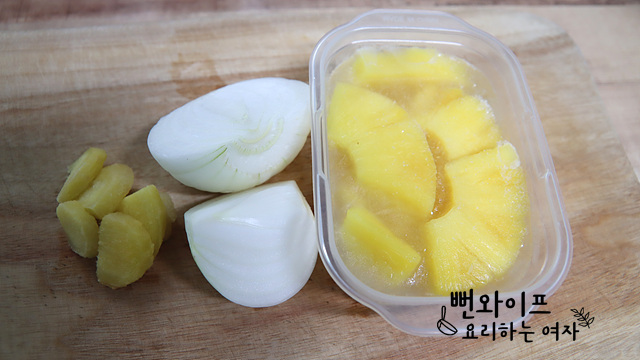
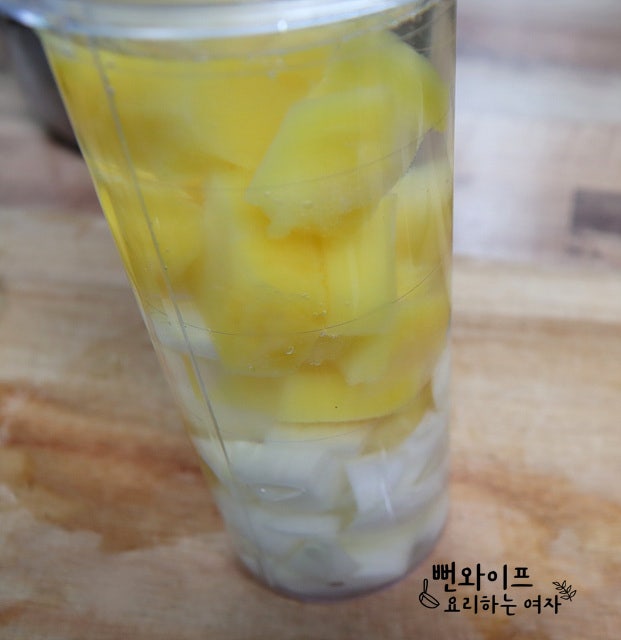
The onion is about 1 medium onion, and I blend it together with 4 slices of canned pineapple along with the juice that I had kept frozen.
You can leave out the pineapple if you don't have it, but since it might lack sweetness, just increase the amount of corn syrup.
Of the 2 knobs of ginger, one knob went into parboiling and the rest was blended into the sauce.
If you have kiwi or pear instead of pineapple, you can blend that in instead.
One thing to be careful of when marinating meat is that if you add too much pineapple or kiwi, the meat can tenderize excessively and dissolve.
Do not add more than the proper amount so you can enjoy soft, tender meat.
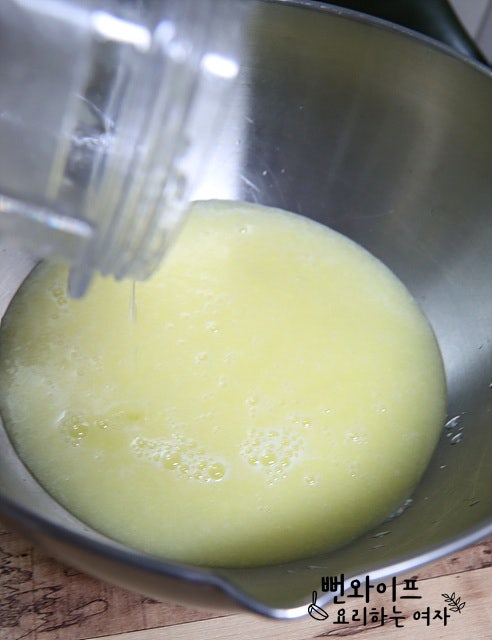
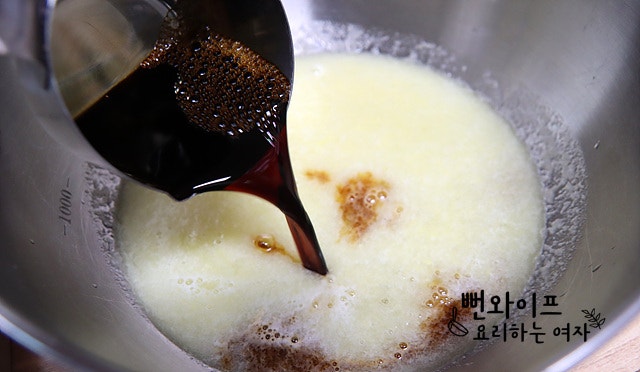
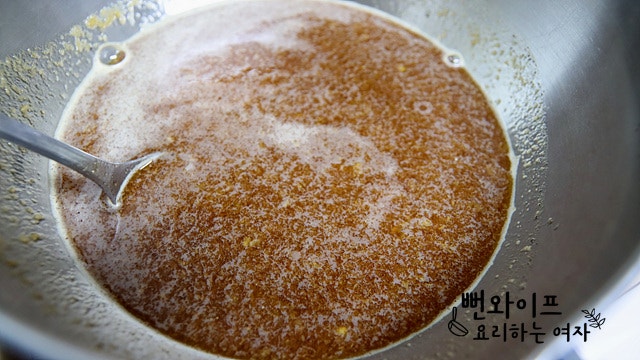
Blend until smooth, pour into a bowl, and mix in 2/3 cup regular soy sauce (jin-ganjang), 5 tbsp mirin (cooking rice wine), 4 tbsp corn syrup (mulyeot), 3 tbsp minced garlic, 1/2 tsp ground black pepper, 2 cups pear juice (pear drink), and 2 cups water to finish the soy sauce marinade for the ribs.
Marinate the ribs
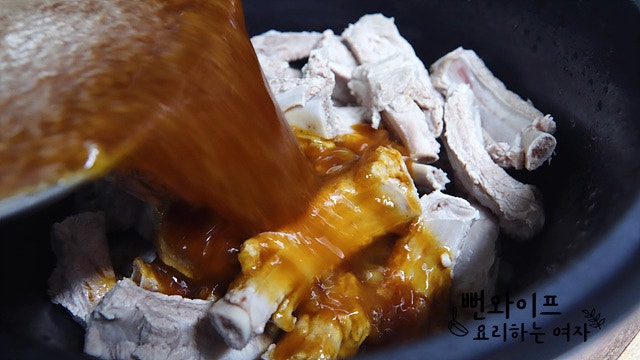
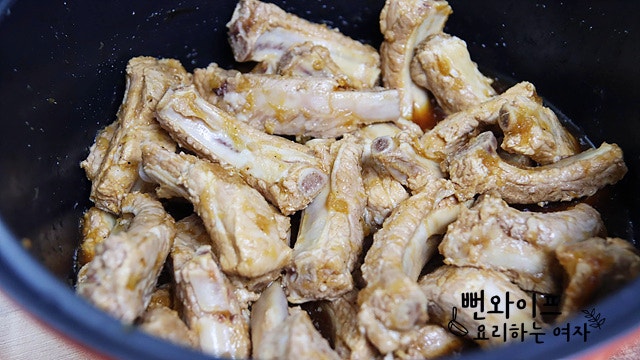
Pour the marinade over the ribs and marinate overnight or for at least 2 hours.
Braise the ribs
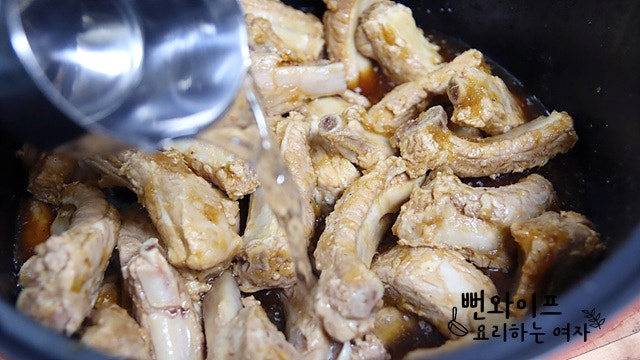
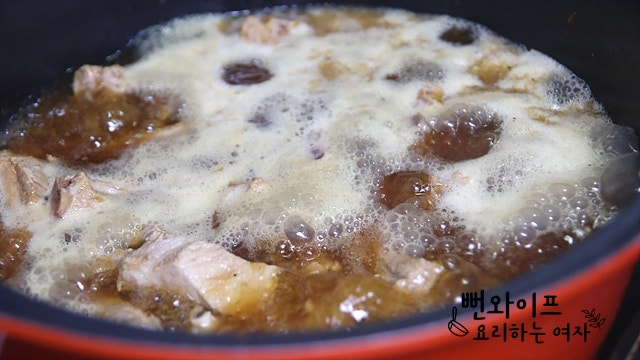
Now bring the ribs to a boil and braise them down.
Pour in enough water to submerge the ribs well (about 3 cups) and raise the heat to high.
(If making this in a pressure cooker, do not add extra water; simply close the lid, cook for at least 5 minutes, let the pressure release, then open the lid and reduce the sauce down.)
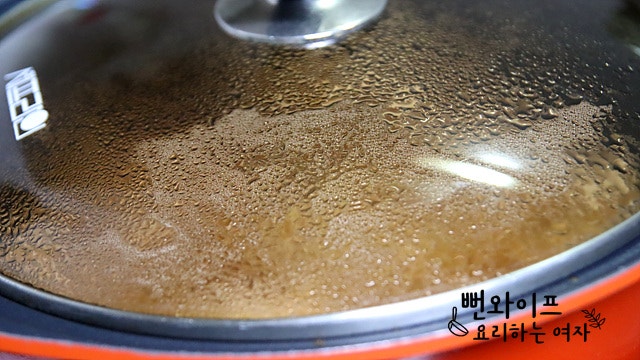
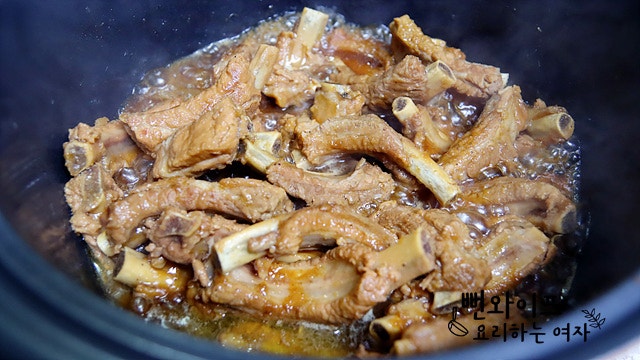
Once it begins to boil vigorously, reduce the heat to medium-low, cover with a lid, and cook until tender.
Stir occasionally, and once the liquid has reduced by more than half after at least 20 minutes, remove the lid and braise down.
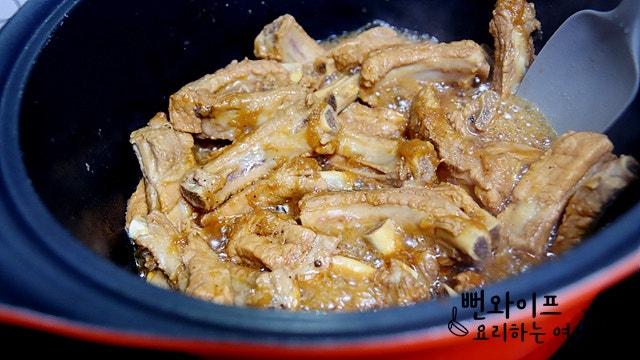
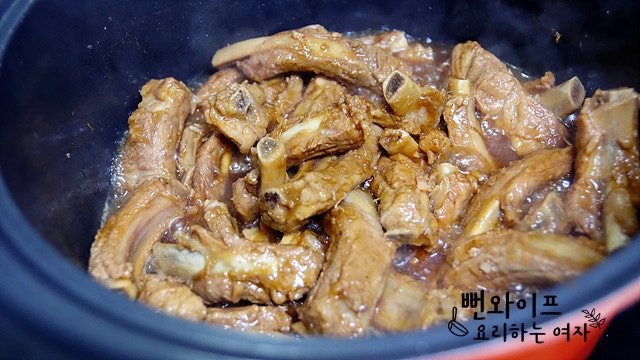
Finish braising until the liquid is shallow and the sauce turns deep in color and glossy.
Depending on the tenderness of the meat, if you want to braise it longer, just add a bit more water and extend the cooking time.
Finish
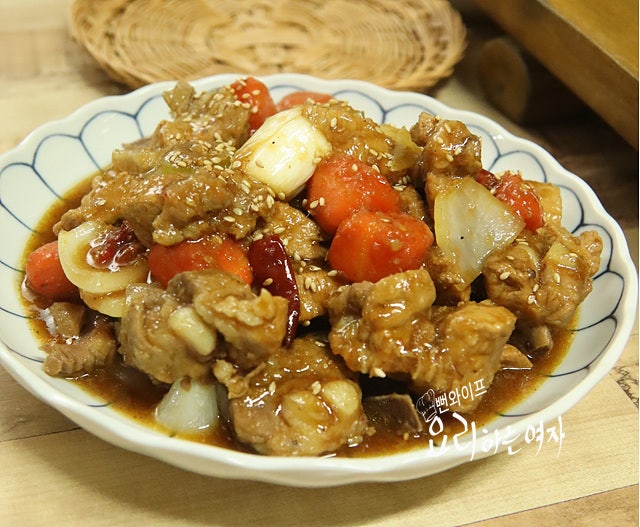
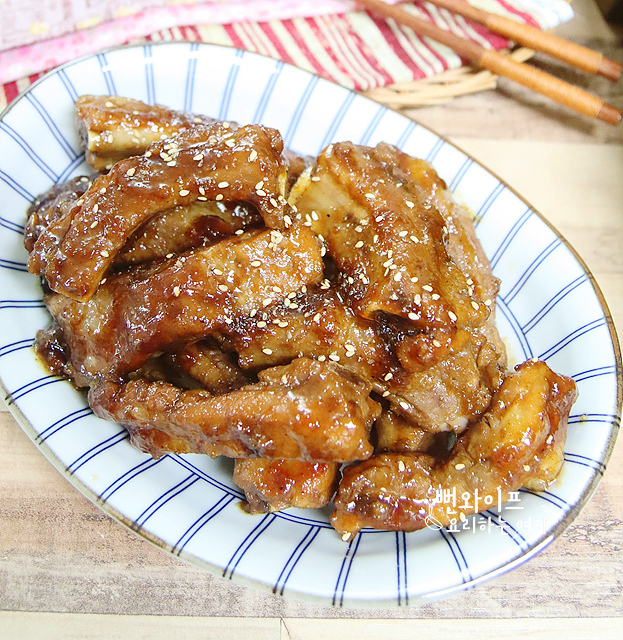
The deunggalbi jjim is done.
Braising it down tight made the sauce cling right to the meat.
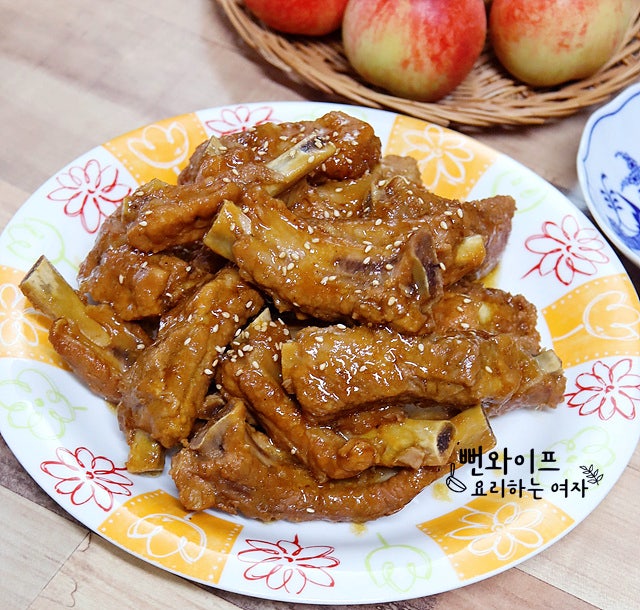
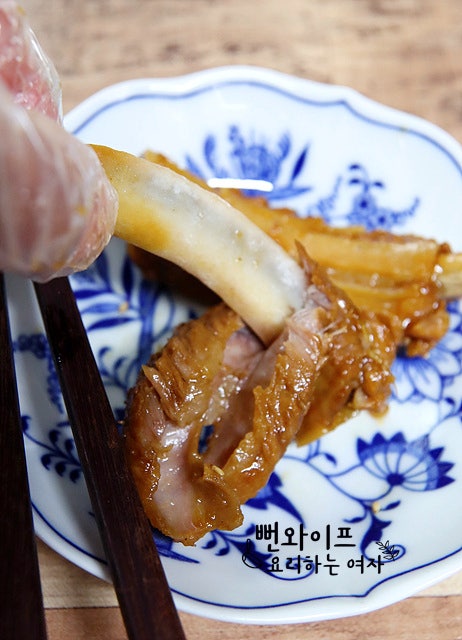
The ribs have their signature chewiness while also being tender enough that the bone slips out cleanly.
Adding sweetness with pear juice and pineapple gives it a gentle sweetness that isn't cloying.
This sauce is so delicious.
 Ppunwife's tips
- Cooked blood clots stick to the bones, so rub them thoroughly with your hands to wash them clean.
- One thing to be careful of when marinating meat is that if you add too much pineapple or kiwi, the meat can tenderize excessively and dissolve. Do not add more than the proper amount so you can enjoy soft, tender meat.
- Depending on the tenderness of the meat, if you want to braise it longer, just add a bit more water and extend the cooking time.
FAQ
Can I use other ingredients instead of the pineapple in the marinade?
You can blend in kiwi or pear instead of pineapple, and if you leave it out altogether, you can balance the sweetness by increasing the amount of corn syrup.
How do I cook this in a pressure cooker instead of a pot?
When using a pressure cooker, do not add extra water; cover with the lid, cook for at least 5 minutes, let the pressure release, and then open the lid to braise and reduce the sauce until finished.
What should I pay attention to during prep to reduce unwanted gamey odor in the ribs?
It is important to soak them in water long enough to draw out the blood, parboil them with aromatics, and thoroughly wash away any coagulated blood sticking to the bones by hand.