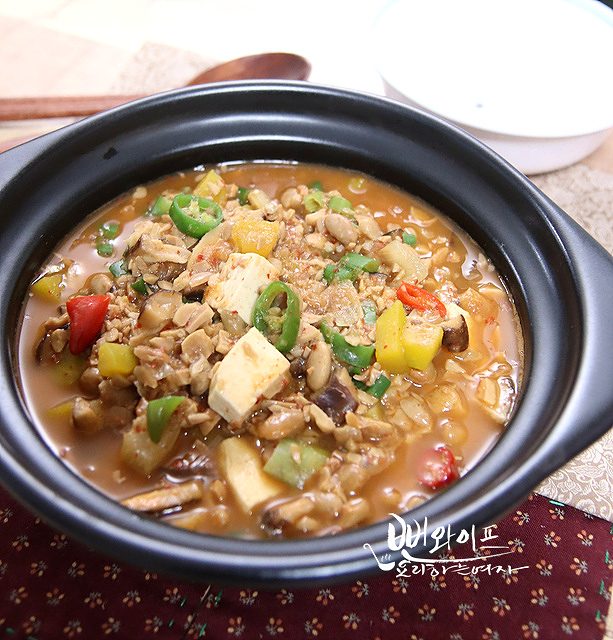
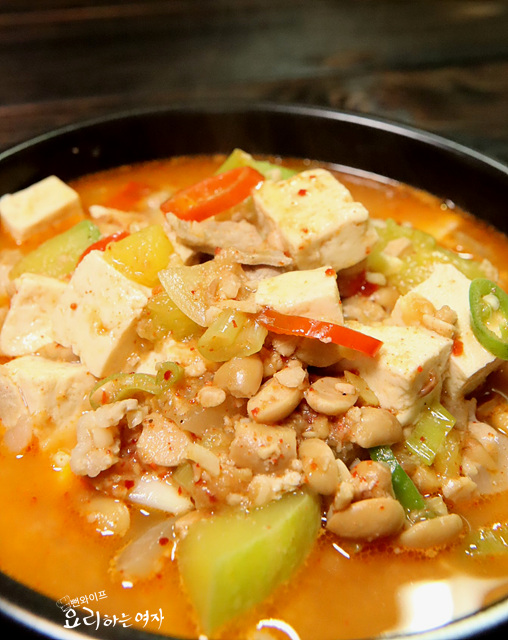
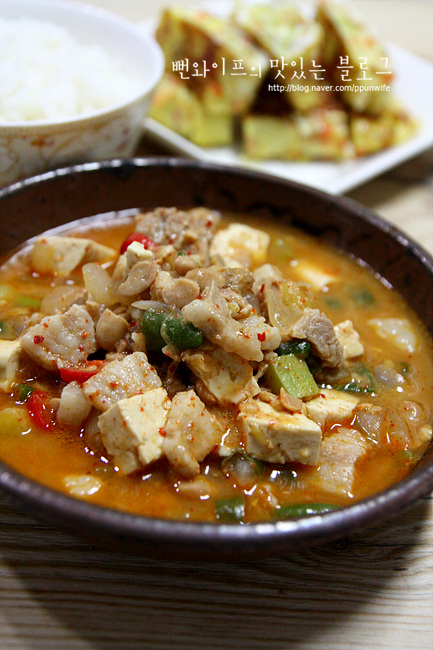
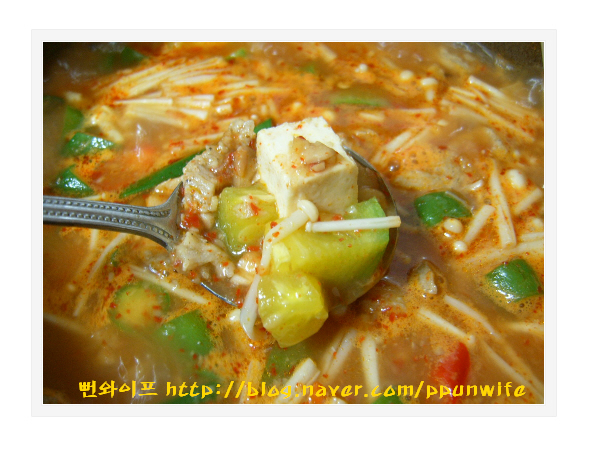
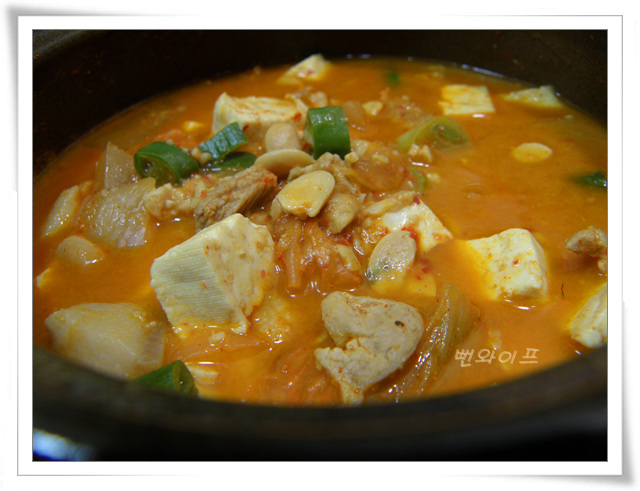
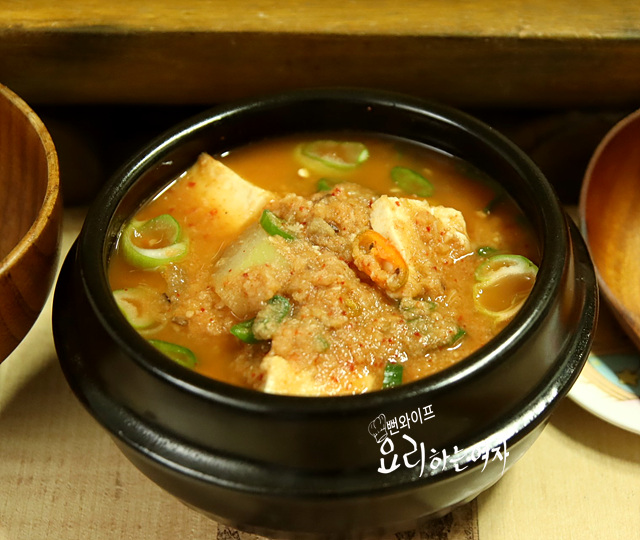
Rich and Savory Cheonggukjang Jjigae (Fermented Soybean Paste Stew)
A savory fermented soybean paste stew simmered without meat, packed with shiitake mushrooms, tofu, and fresh vegetables.
Translated from Korean by AI and not yet checked by a native speaker. Amounts and numbers are taken directly from the original recipe. Read the Korean original →
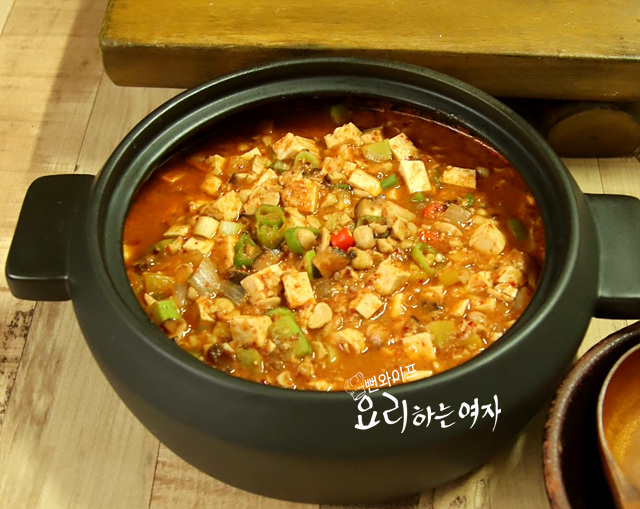
This Cheonggukjang jjigae skips the meat and kimchi to showcase the naturally deep, savory flavor of mushrooms and vegetables. Simmering dried anchovies and dried kelp in water from washing rice builds a rich, comforting broth, while the stew is cooked just until the ingredients turn tender. It makes a warming, satisfying meal on chilly winter days.
- Servings
- 3–4 servings
- Cook time
- 10 minprep not included
- Difficulty
- Medium
- Spiciness
- Mildly spicy
Ingredients
Ingredients
- Cheonggukjang (fermented soybean paste)200 g
- Shiitake mushrooms2
- Tofu200 g
- Onion1/4
- Squash1/4
- Large green onion (daepa)1/2 stalk
- Cheongyang chili pepper (hot green chili)2
- Water from washing rice5 cups
- Dried soup anchovies15
- Dried kelp (dasima)2 sheets (5 cm square)
Seasoning
- Gochugaru (Korean chili flakes)1 tbsp
- Minced garlic1 tbsp
- Salt1 tsp
- Ground black peppera little
- I used shiitake mushrooms instead of meat for this cheonggukjang jjigae.
- The broth tastes better when the soybeans in the cheonggukjang are partly crushed, so press them with a spoon without mashing them too finely.
Steps
Prepare the ingredients
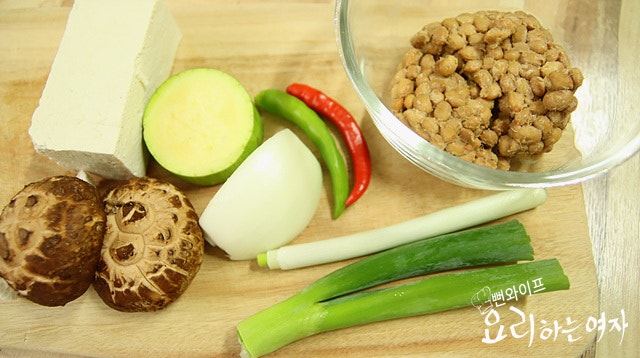
I used shiitake mushrooms instead of meat for this cheonggukjang jjigae.
The secondary ingredients are tofu, Korean zucchini, onion, large green onion, and Cheongyang chili pepper.
Chop the ingredients
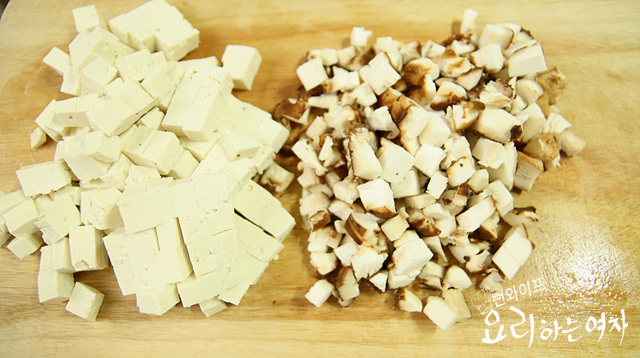
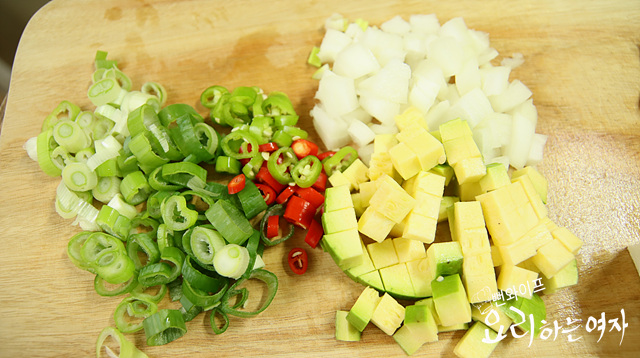
Cut all the ingredients into small dice so they are easy to eat with a spoon.
Thinly slice the large green onion and Cheongyang chili pepper.
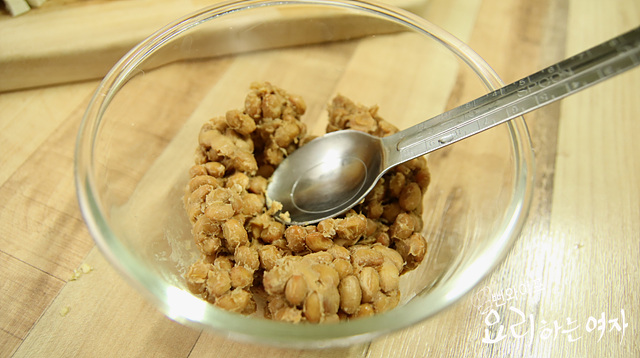
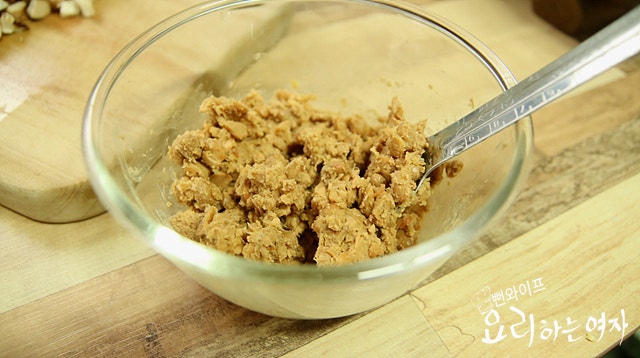
The broth tastes better when the soybeans in the cheonggukjang are partly crushed, so press them with a spoon without mashing them too finely.
Simmer
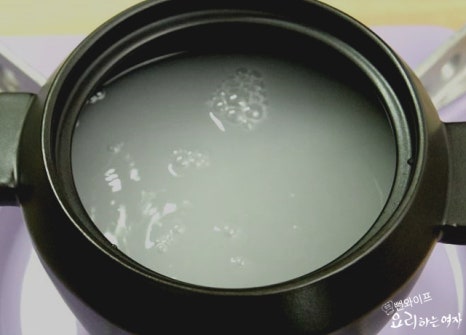
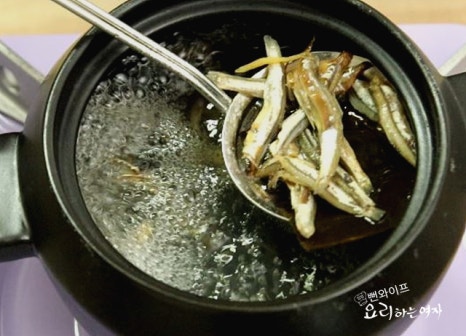
Combine 5 cups of water from washing rice, 15 dried soup anchovies, and 2 sheets of dried kelp, then boil for about 10 minutes to make the broth.
Making broth with rice water and dried anchovies also gives doenjang jjigae a much deeper, nuttier flavor.
Remove both the anchovies and kelp.
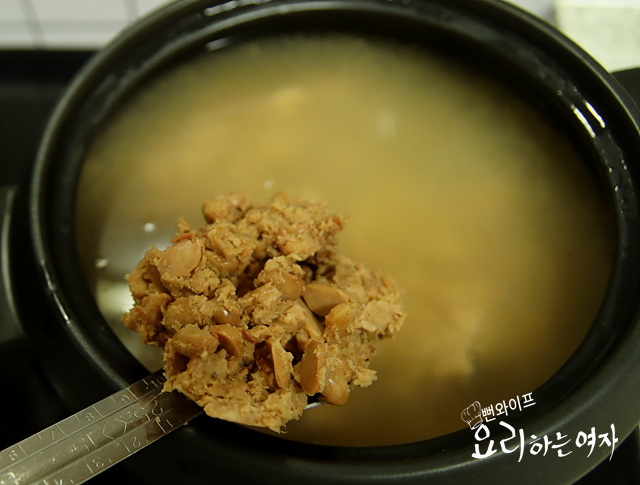
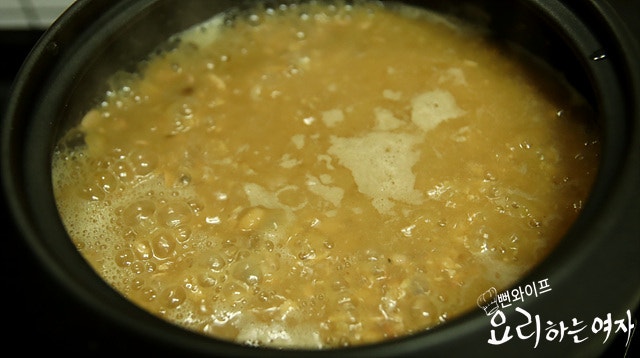
Add the cheonggukjang, and once it comes to a bubbling boil...
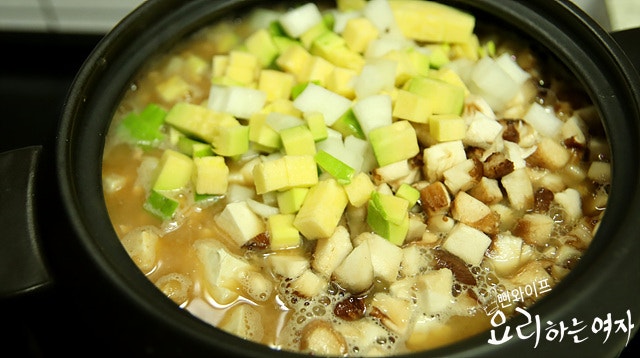
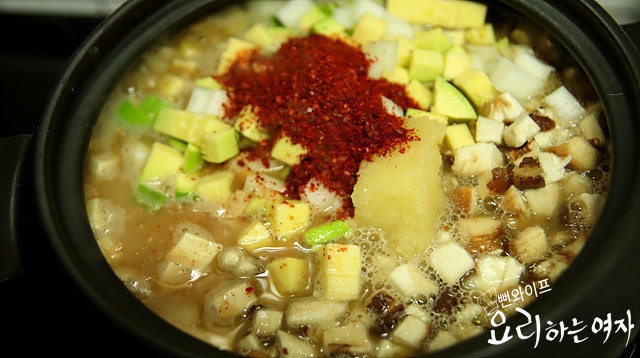
Add the tofu, squash, mushrooms, onion, 1 tbsp gochugaru, and 1 tbsp minced garlic, then simmer until the ingredients are cooked through.
Do not simmer cheonggukjang for too long; just cook it until the ingredients become tender.
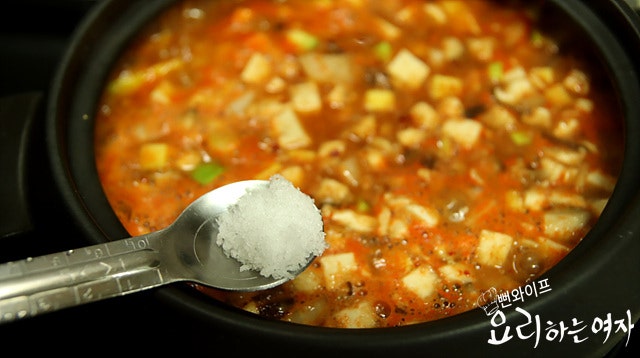
Taste the broth and add 1 tsp salt, but because the saltiness of cheonggukjang varies, start with 1/2 tsp and add more little by little.
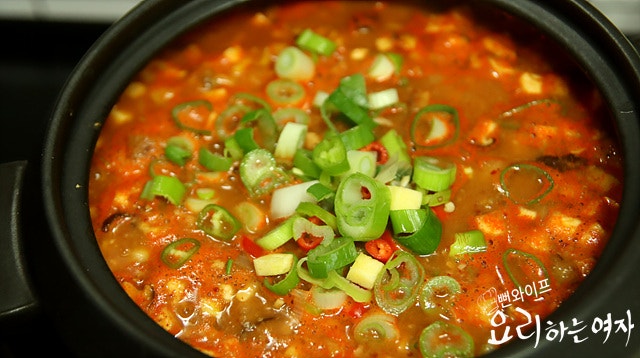
Finish by adding the large green onion, Cheongyang chili pepper, and a little ground black pepper.
Serve
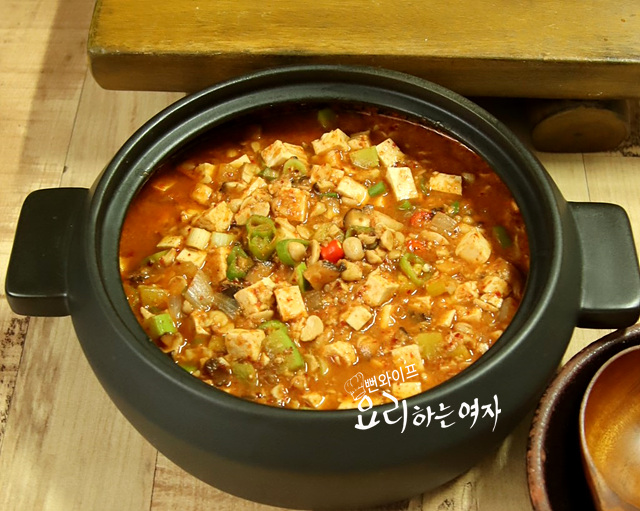
I find that cheonggukjang is best when made with plenty of hearty ingredients, even more so than doenjang jjigae.
It tastes wonderful even without any meat.
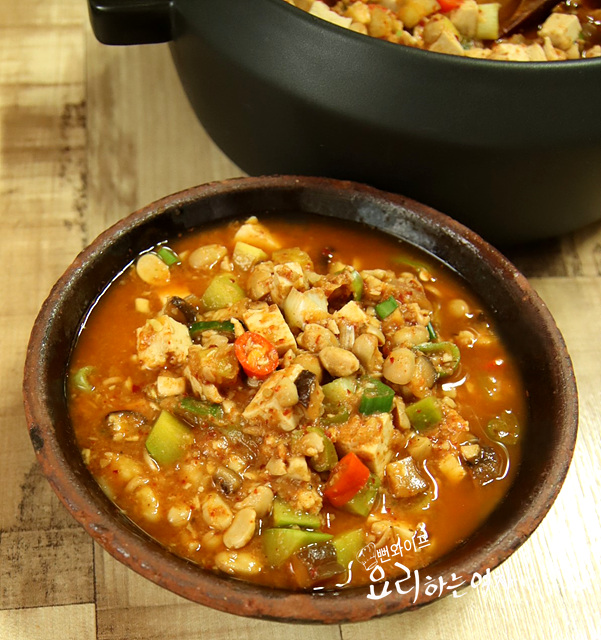
While making the cheonggukjang jjigae, I also made fresh radish salad and enjoyed a meal mixing them together.
If you mix your rice with the seasoning from the radish salad instead of adding gochujang, the flavor is just right.
Cheonggukjang jjigae suits chilly winter days much better than summer, so enjoy a warm, hearty meal.
 Ppunwife's tips
- Making broth with water from washing rice and dried anchovies also gives doenjang jjigae a much deeper, nuttier flavor.
- Do not simmer cheonggukjang for too long; just cook it until the ingredients become tender.
- Taste the broth and add 1 tsp salt, but because the saltiness of cheonggukjang varies, start with 1/2 tsp and add more little by little.
FAQ
Why do you lightly mash the beans in the cheonggukjang?
The flavor infuses into the broth much better when the beans are slightly crushed. It is best to press them gently with a spoon without mashing them too finely.
What should I keep in mind when boiling cheonggukjang?
It is best not to boil it for a long time, but rather simmer it lightly just until the added ingredients are cooked through.
How much salt should I add to season it?
Because the saltiness varies by brand of cheonggukjang, do not add all of it at once; start with about 1/2 tsp, taste, and add more gradually.
What can I use if I do not have water from washing rice? AI-generated
You can make an equally delicious broth simply by simmering the dried anchovies and dried kelp in plain water.