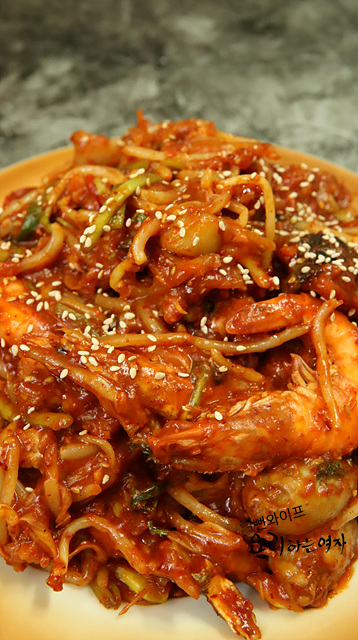
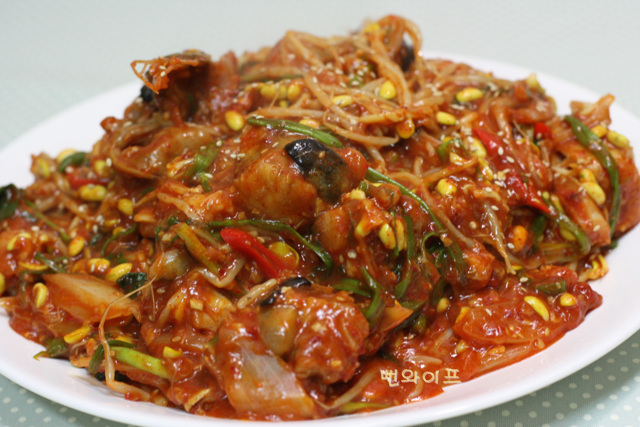
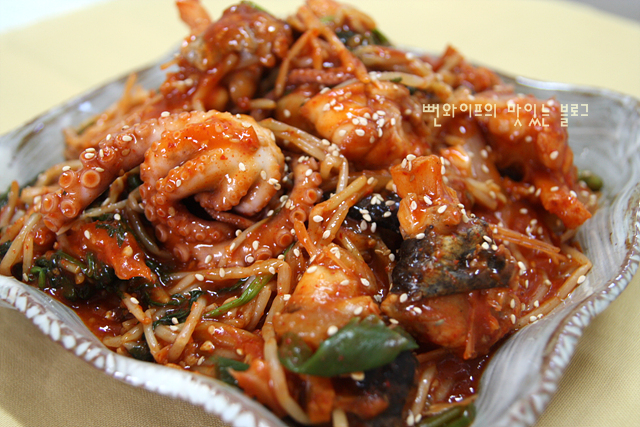
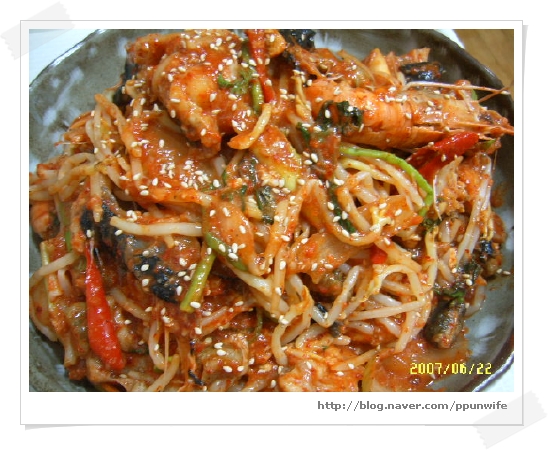
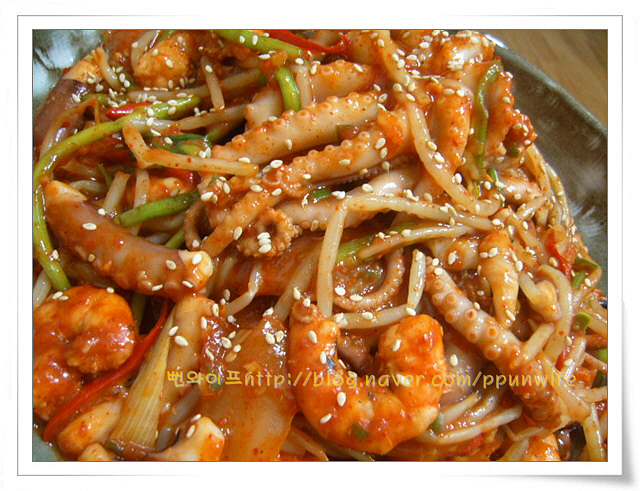
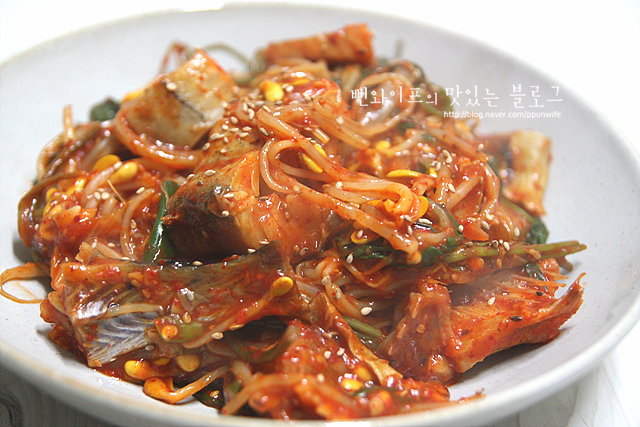
Spicy Agwi Jjim (Braised Spicy Anglerfish)
A seafood dish of blanched soybean sprouts and monkfish stir-fried quickly over high heat in a spicy seasoning.
Translated from Korean by AI and not yet checked by a native speaker. Amounts and numbers are taken directly from the original recipe. Read the Korean original →
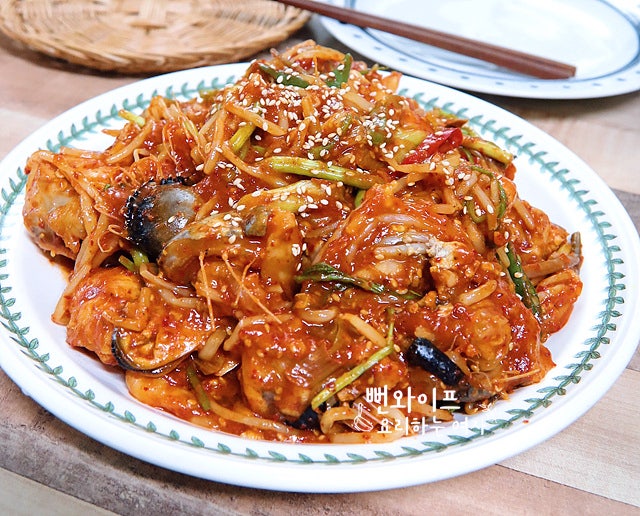
This hearty specialty combines chewy monkfish with mixed seafood and crunchy soybean sprouts. Blanch the soybean sprouts lightly and season them beforehand, then toss them quickly over high heat at the very end so they stay crisp and don't turn mushy. The deep, spicy seasoning pairs wonderfully with dinner or drinks.
- Servings
- 3–4 servings
- Difficulty
- Medium
- Spiciness
- Spicy
Ingredients
Ingredients
- Monkfish (agwi)1 kg
- Mixed seafood1 cup (200 g)
- Thick soybean sprouts for braising3 handfuls, 400 g
- Water dropwort (minari)150 g
- Large green onion (daepa)1/2 stalk
- Cheongyang chili pepper (hot green chili)2
- Red chili pepper1
- Potato starch slurry4 tbsp
- Water from boiled soybean sprouts1/2 cup (anchovy broth or water)
Seasoning
- Gochugaru (Korean chili flakes)7 tbsp
- Regular soy sauce (jin-ganjang) (or brewed soy sauce (yangjo-ganjang))3 tbsp
- Tuna extract sauce (chamchi-aek)2 tbsp
- Minced garlic3 tbsp
- Minced ginger1/2 tbsp
- Ground black pepper1/2 tsp
- Toasted sesame oil1–2 tbsp
- Toasted sesame seeds1 tbsp
- Instead of mixed seafood, you can use the same amount of stalked sea squirt (mideodeok) or warty sea squirt (omandung-i).
Steps
Prepare the ingredients
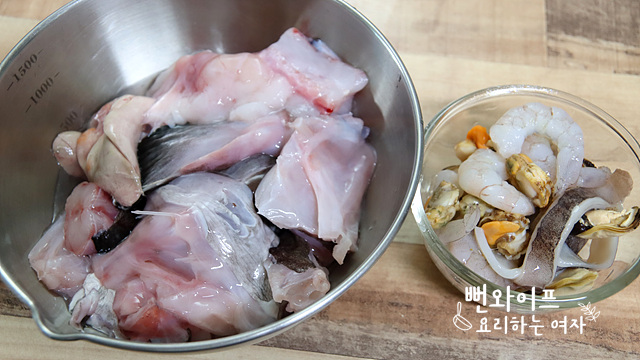
This is one whole large cleaned monkfish (agwi).
About a cup of mixed seafood containing squid, shrimp, and mussels to add savory flavor.
Instead of this, you can prepare the same amount of stalked sea squirt (mideodeok) or warty sea squirt (omandung-i).
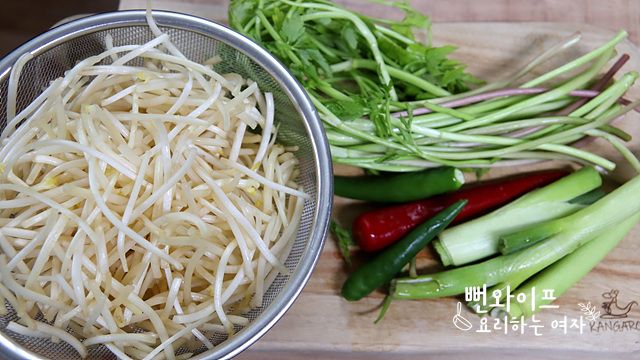
Remove the heads from the plump soybean sprouts for braising and wash them. You will also need about half a handful of water dropwort (minari), large green onion (daepa), and chili peppers.
Cut the vegetables
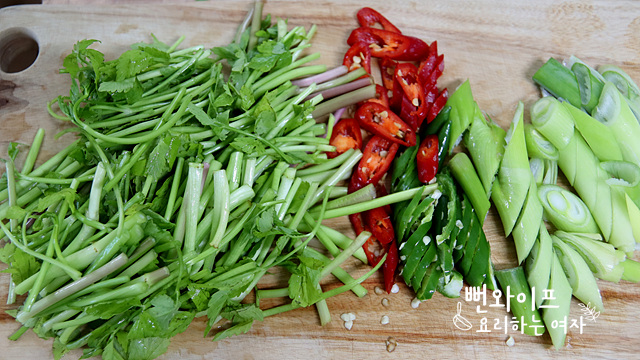
Cut the water dropwort to the same length as the soybean sprouts, and slice the large green onion and chili peppers diagonally.
Season the monkfish
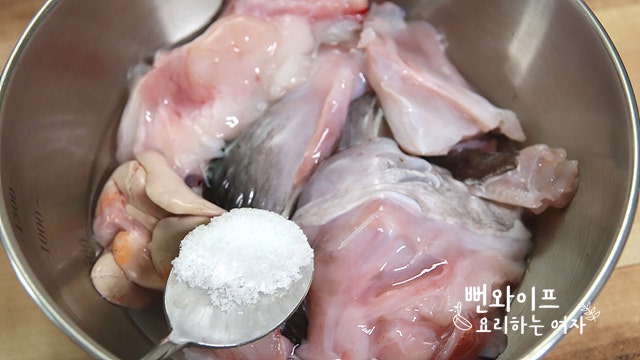
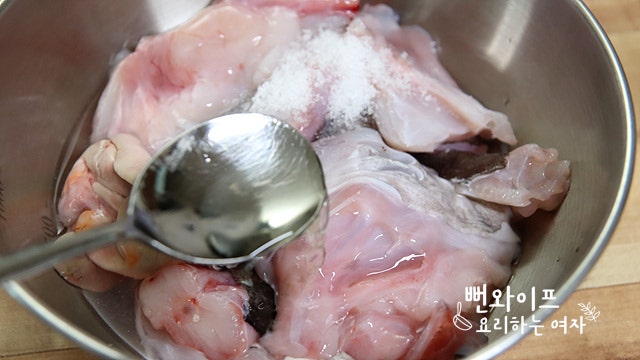
Cut any large monkfish pieces into bite-sized portions, then mix with 1 tbsp salt and 2 tbsp mirin (cooking rice wine) to pre-season the fish and eliminate any fishy odor.
Blanch the soybean sprouts
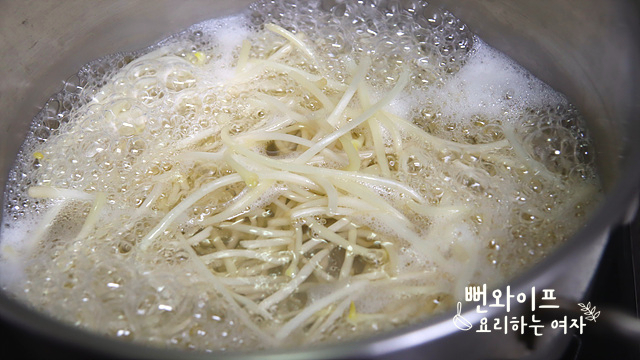
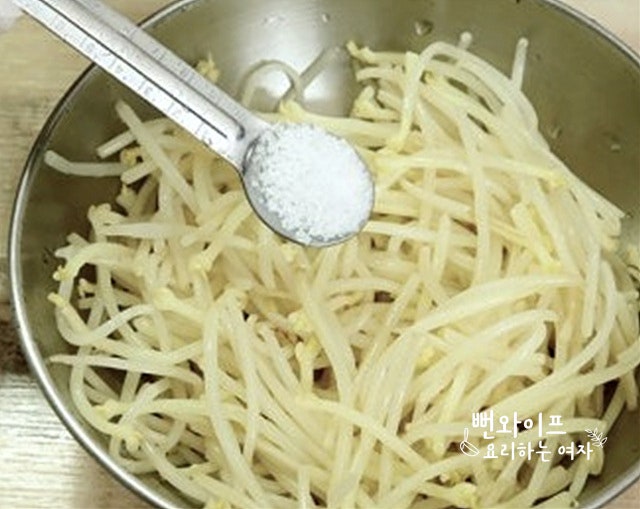
Blanch the thick soybean sprouts briefly in a small amount of water, rinse in cold water, drain, and mix with about 1/2 tbsp salt to pre-season them.
Rather than stir-frying them from raw, I find they stay much crispier and tastier when blanched first and tossed in at the end.
Make the seasoning
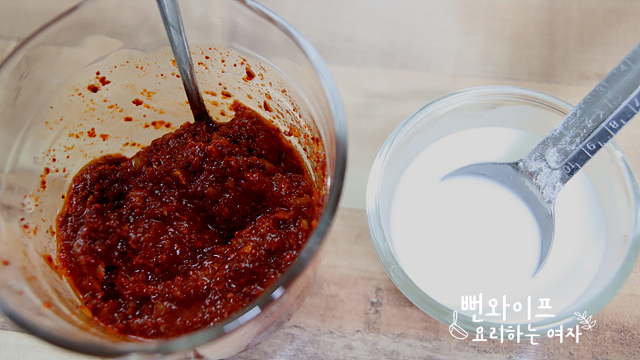
Mix the seasoning ingredients: 7 tbsp gochugaru (Korean chili flakes), 3 tbsp regular soy sauce (jin-ganjang), 2 tbsp tuna extract sauce (chamchi-aek), 3 tbsp minced garlic, 1/2 tbsp minced ginger, and a little ground black pepper.
Mix in the water from boiled soybean sprouts a little at a time so that the gochugaru swells sufficiently and the seasoning turns moist.
For the potato starch slurry, mix 4 tbsp potato starch and 4 tbsp water in equal proportions in advance.
Cook the monkfish in seasoning
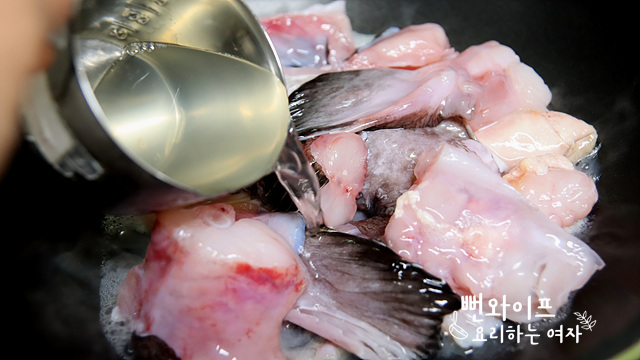
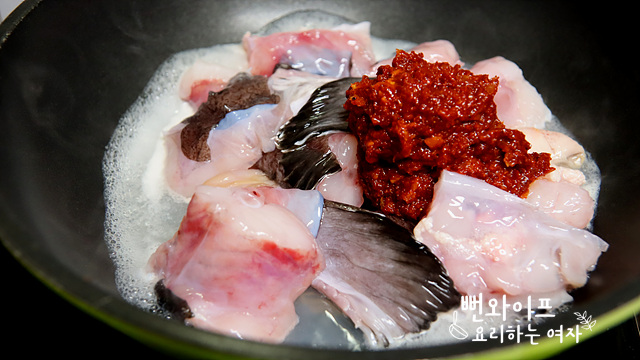
Add the monkfish to a pan along with 1/2 cup of the water from boiling the soybean sprouts and half of the seasoning sauce, then mix together.
Once the thickest parts of the monkfish meat are fully cooked...
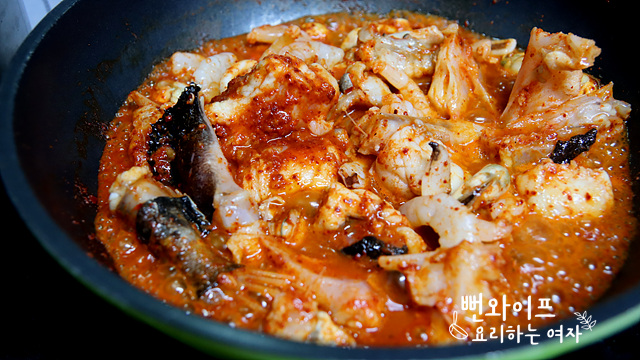
Add the mixed seafood and simmer until cooked thoroughly.
As all the added seafood cooks through, a rich, flavorful broth will develop.
Add vegetables and stir-fry
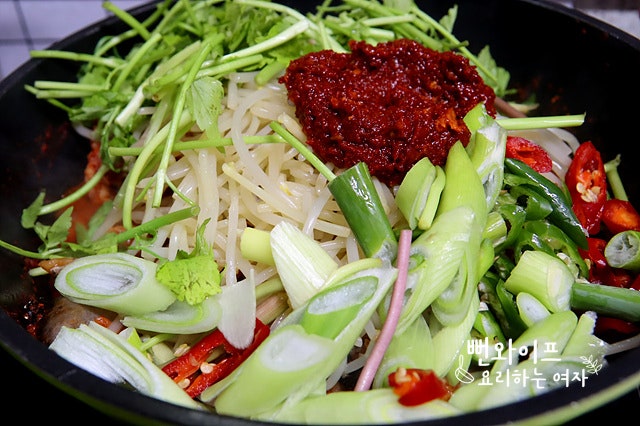
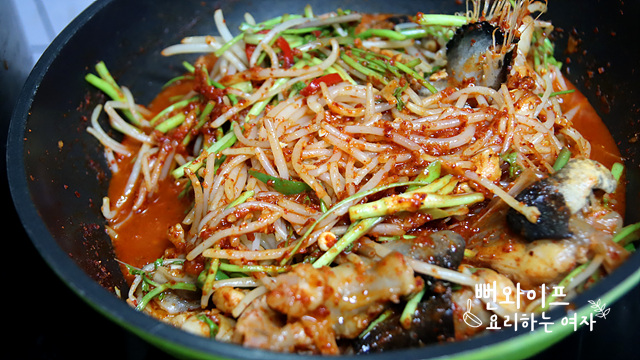
Switch to high heat from this point on.
Add the soybean sprouts, water dropwort, large green onion, chili peppers, and all of the remaining sauce, then mix well to distribute the seasoning evenly.
Once the liquid starts bubbling vigorously all over...
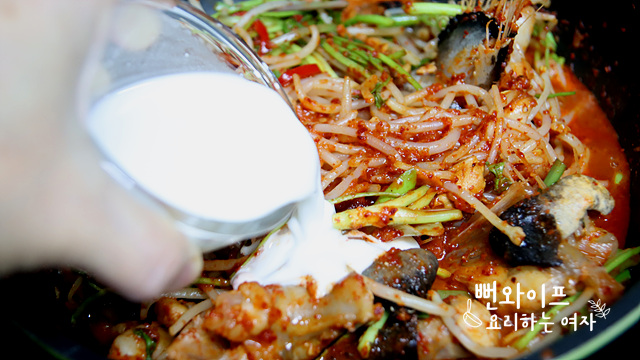
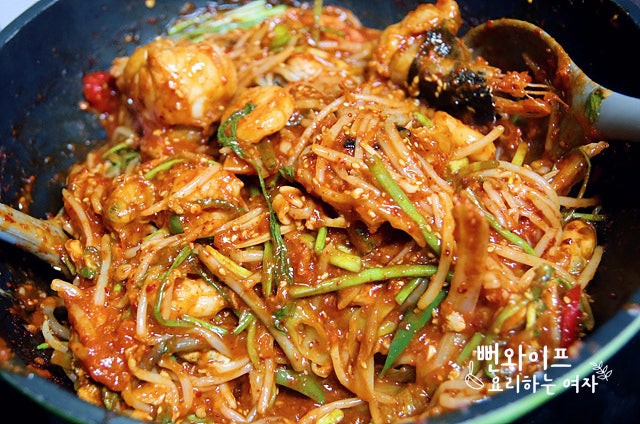
Stir the starch slurry so any starch settled at the bottom mixes back in, then swirl it over the pan.
Once the starch slurry is poured, it thickens and clumps quickly, so stir it fast and thoroughly.
When it has cooked down thick and glossy, finish with toasted sesame oil and toasted sesame seeds.
Because the soybean sprouts and vegetables added at the end cook very quickly, you must toss them rapidly over high heat so the ingredients stay crisp without turning into mush.
Finish
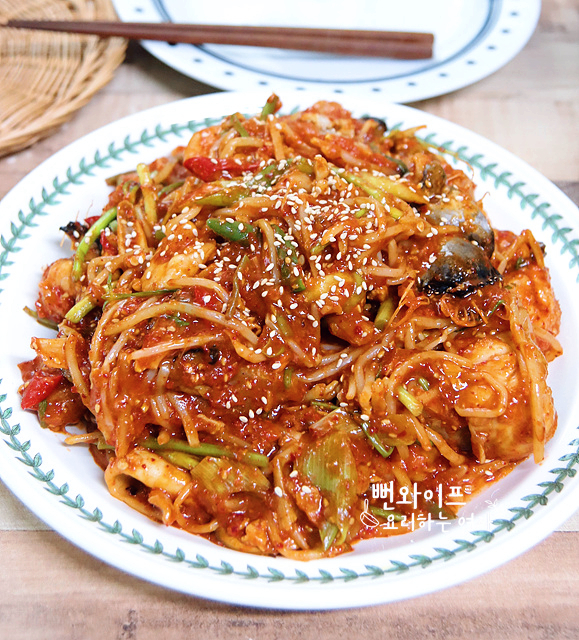
A hearty and spicy agwi jjim is complete.
 Ppunwife's tips
- Rather than stir-frying them from raw, I find the soybean sprouts stay much crispier and tastier when blanched first and tossed in at the end.
- Once the starch slurry is poured, it thickens and clumps quickly, so stir it fast and thoroughly.
- Because the soybean sprouts and vegetables added at the end cook very quickly, you must toss them rapidly over high heat so the ingredients stay crisp without turning into mush.
FAQ
How do I keep the soybean sprouts crisp in texture?
Blanch them briefly in a small amount of water, rinse in cold water, drain, and pre-season with salt. Then stir-fry them quickly over high heat with the vegetables at the very final stage so they maintain their crunch without becoming soggy.
What can I use instead of mixed seafood?
Instead of mixed seafood, you can use the same amount of stalked sea squirt (mideodeok) or warty sea squirt (omandung-i).
What ingredients do you use to pre-season the monkfish?
Toss the bite-sized monkfish pieces with 1 tbsp salt and 2 tbsp mirin; this seasons the flesh and helps remove fishiness.
What should I be careful about when adding the starch slurry?
Mix the potato starch and water in a 1:1 ratio, swirl it into the broth, and stir quickly and evenly over high heat to prevent clumping and achieve a glossy, thick sauce.