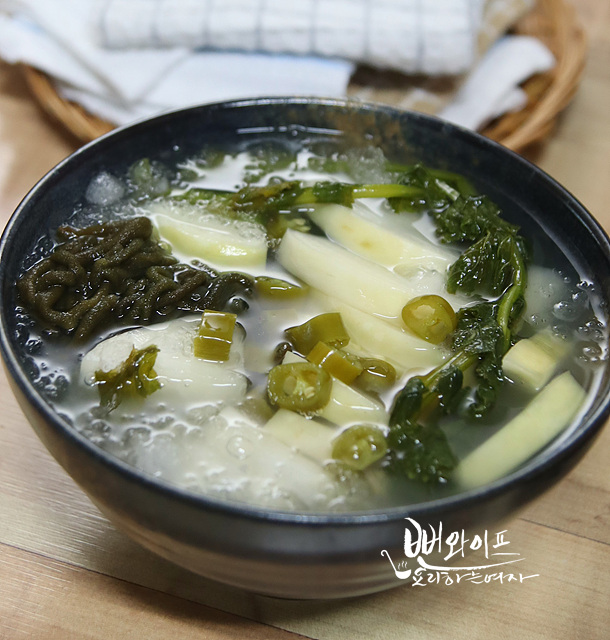
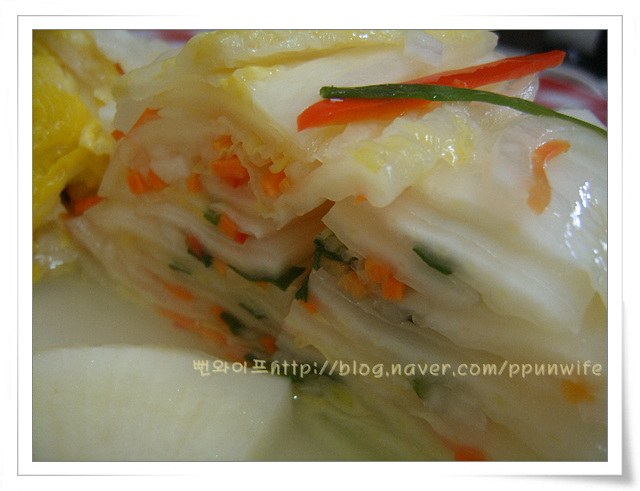
Clean Gimjang Kimchi (Winter Cabbage Kimchi) with Cheonggak
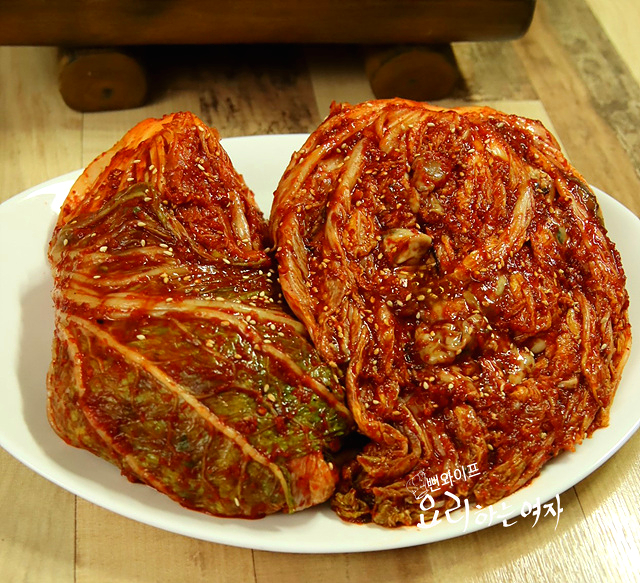
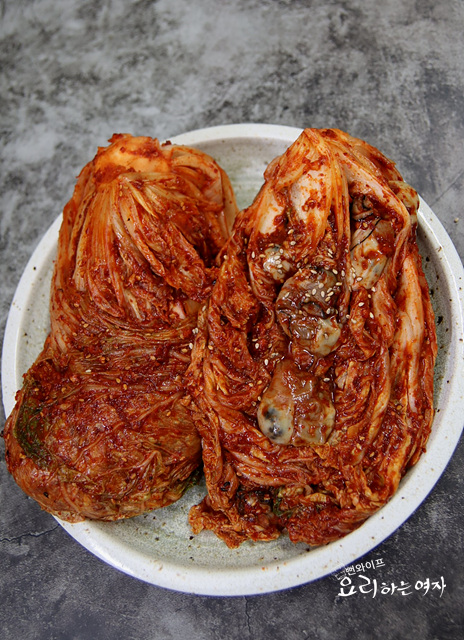
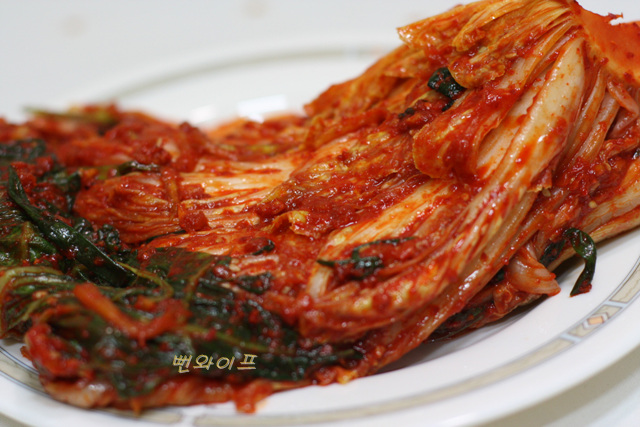
A clean, refreshing winter cabbage kimchi made without shredded stuffing by blending in sea staghorn seaweed and Korean radish.
Translated from Korean by AI and not yet checked by a native speaker. Amounts and numbers are taken directly from the original recipe. Read the Korean original →
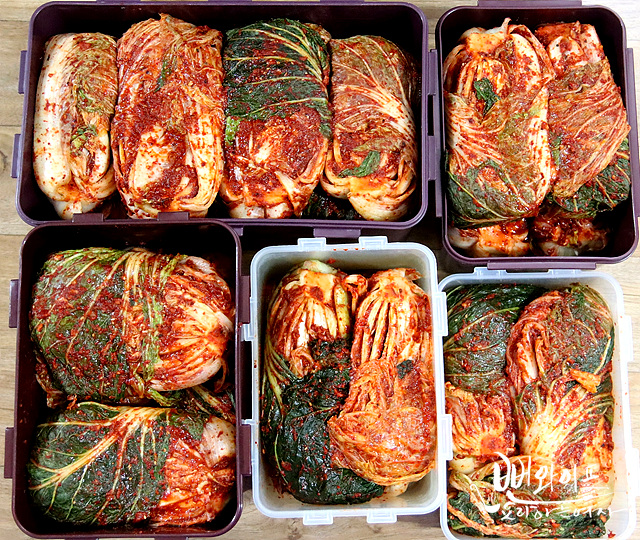
Instead of adding shredded radish stuffing, pureeing sea staghorn seaweed and Korean radish into the seasoning paste gives this kimchi a clean, refreshing flavor. A deeply flavored broth made from dried pollack head, dried anchovies, and aromatics serves as the seasoning base to build rich umami.
- Servings
- about 10–12 servings
- Difficulty
- Medium
- Spiciness
- Spicy
Ingredients
Ingredients
- Salted napa cabbage20 kg
- Dried sea staghorn seaweed (cheonggak)100 g
- Korean radish (mu)1, 2 kg
Broth ingredients
- Dried pollack head (hwangtae)2
- Dried soup anchovies50, 35 g
- Dried kelp (dasima)35 g (20×20 cm)
- Onion2
- White part of large green onion (daepa)3 stalks
- Dried shiitake mushrooms1 handful, 20 g
- Water15 cups
Glutinous rice paste
- Broth10 cups
- Glutinous rice flour1 cup
Seasoning
- Gochugaru (Korean chili flakes)13 cups
- Salted fermented shrimp (saeujeot)1 1/2 cups
- Sand lance fish sauce (or dried anchovies)1 1/2 cups
- Minced garlic5 cups
- Minced ginger2/3 cup
- Green plum syrup (maesil-cheong)1 cup
- Sugar1/2 cup
- Toasted sesame seeds1 cup
- You can also add dried banded herring (dipori), dried shrimp, or whole dried pollack strips.
- Rather than boiling dried fish like anchovies, dipori, or dried pollack right away, toast them crisp in an air fryer or dry pan to drive off stale odors. This keeps fishiness out of the broth and brings out a deeper, toasty aroma.
- Pour plenty of water over 100g of dried sea staghorn seaweed and let it soak for at least 30 minutes to about 1 hour.
- Swish in water to rinse once, then place on a strainer and drain the water for 2 to 3 hours.
Steps
Make the kimchi broth
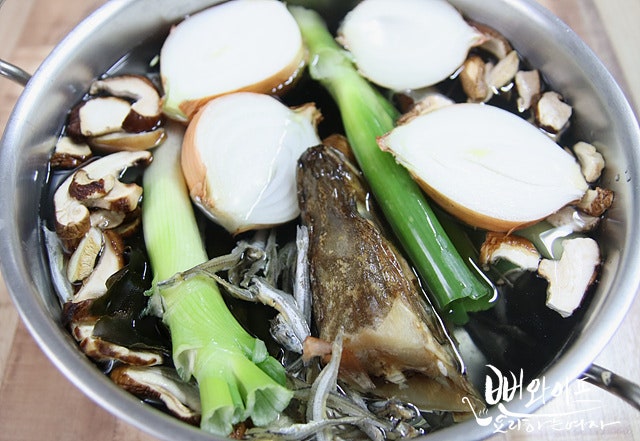
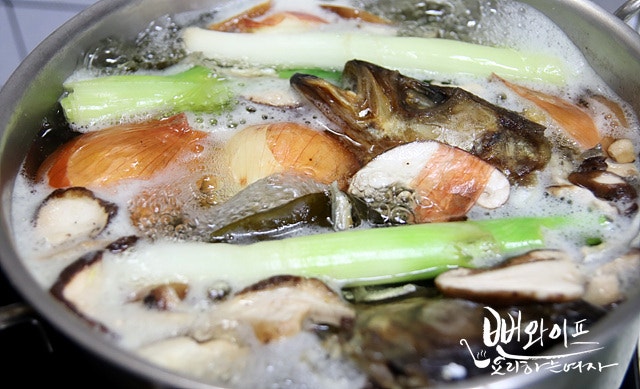
Put the prepared broth ingredients into a large pot, pour in at least 15 cups of water, and bring to a boil over high heat.
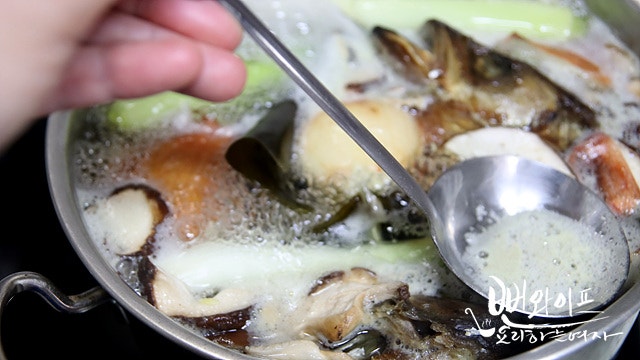
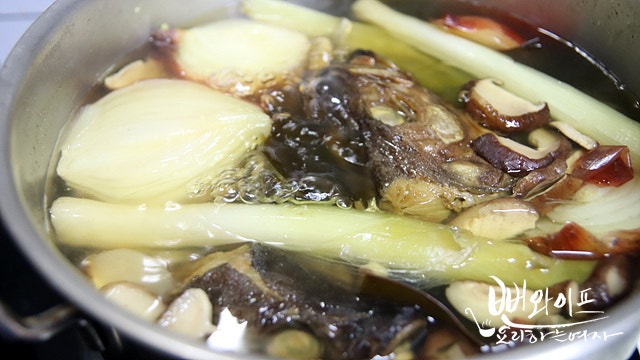
Once it starts boiling vigorously, skim off the foam cleanly and lower the heat to medium-low. After boiling for about 5 minutes, a savory aroma will begin to rise.
Now cover with a lid and simmer gently for at least 20 minutes.
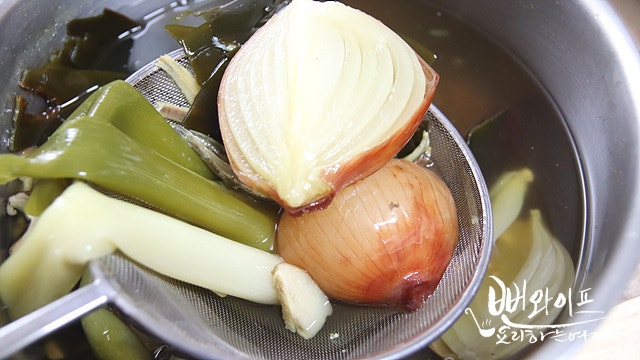
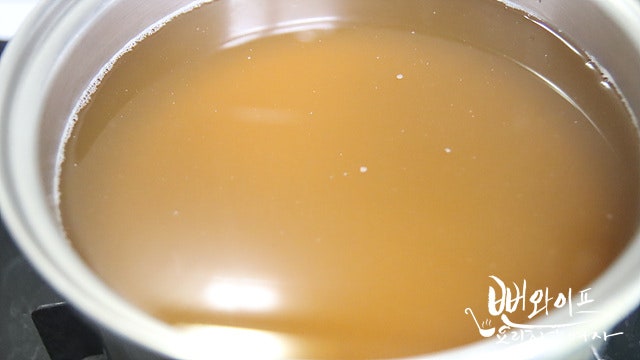
Strain out all the solids, collect only the clear broth, and let it cool.
Clean the sea staghorn seaweed
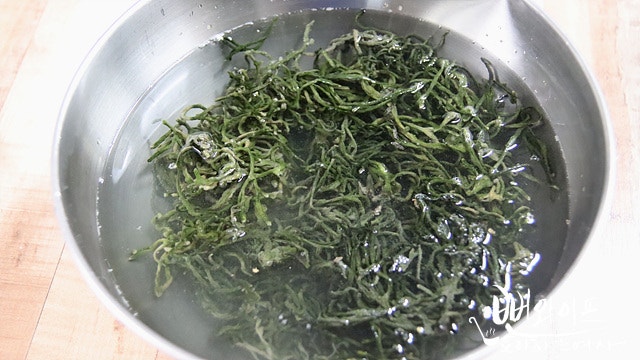
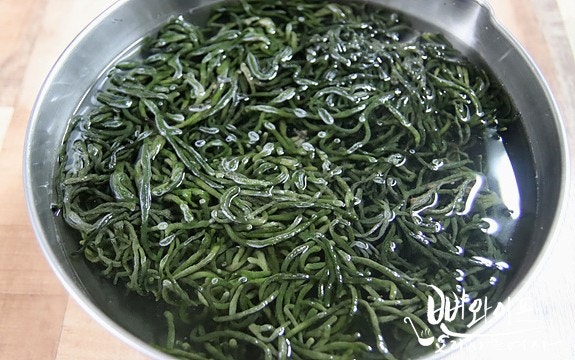
Pour plenty of water over 100g of dried sea staghorn seaweed and let it soak for at least 30 minutes to about 1 hour.
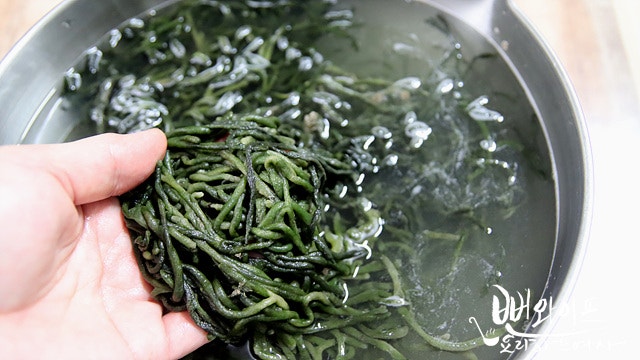
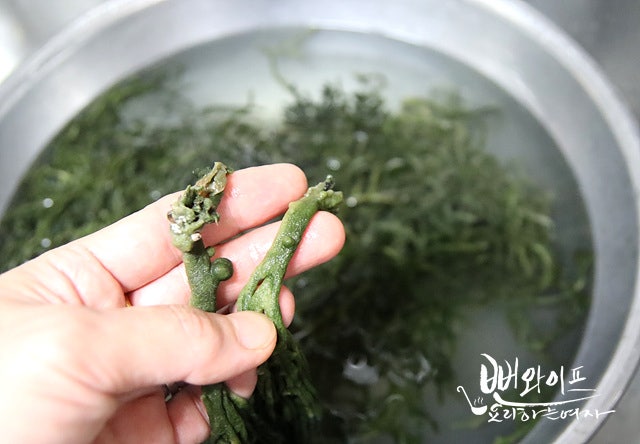
Once the flat seaweed plumps up soft and thick, trim off the dirty stem ends...
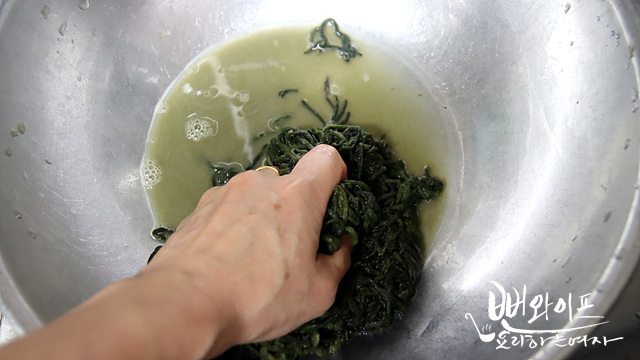
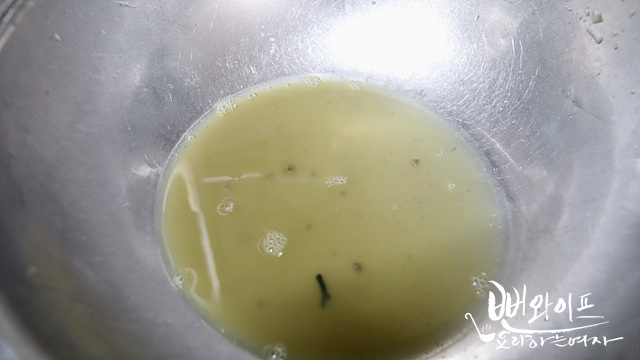
Discard the soaking water and scrub vigorously with your hands as if doing laundry; dirty water along with bits of seashell and debris will wash away in abundance.
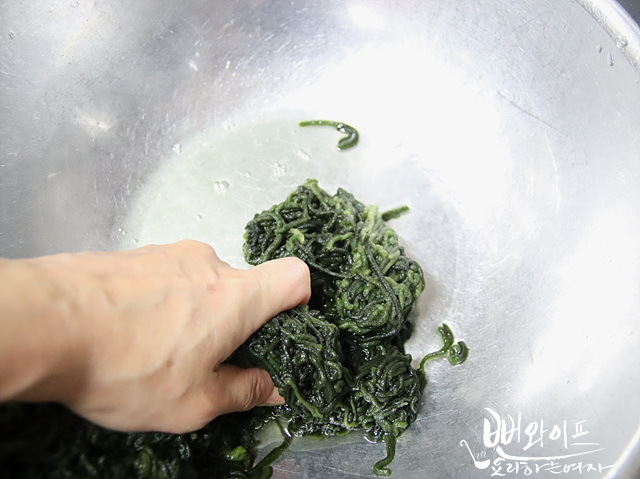
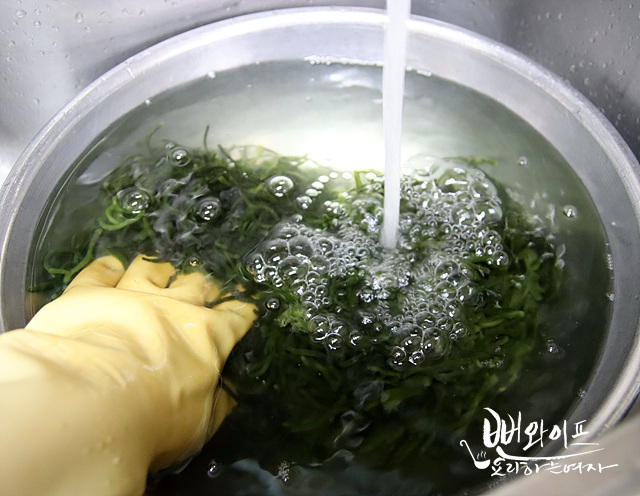
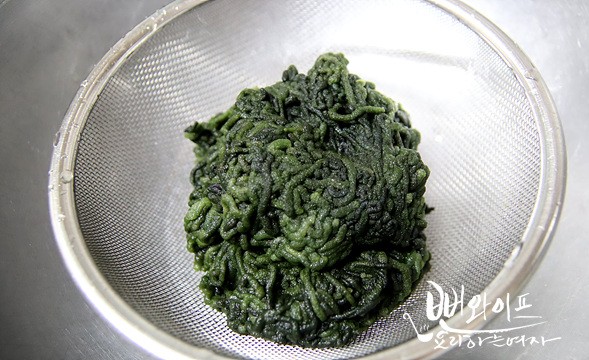
Rub with your hands and change the water repeatedly until the wash water comes out clean.
Now squeeze out the excess moisture tightly.
Blend the radish and sea staghorn seaweed
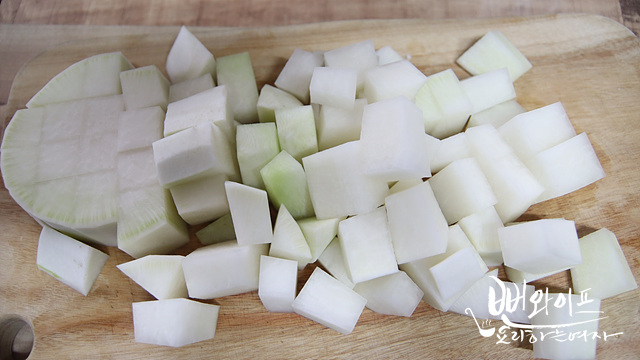
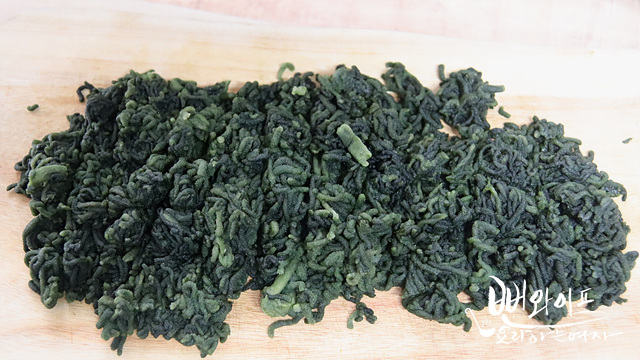
Cut the radish and sea staghorn seaweed so they fit into the blender. Chopping the seaweed finely makes it blend much more easily.
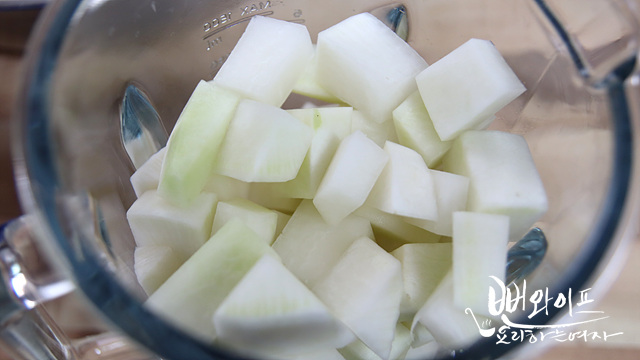
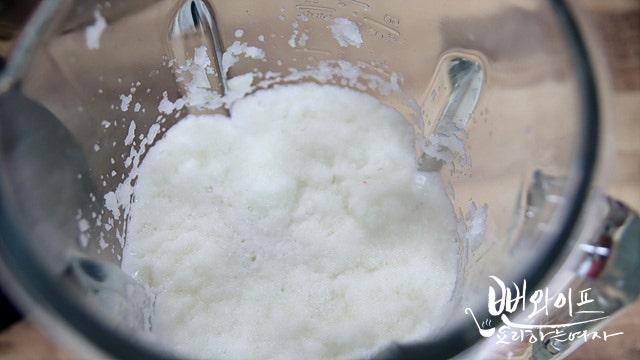
Puree the radish finely in the blender first.
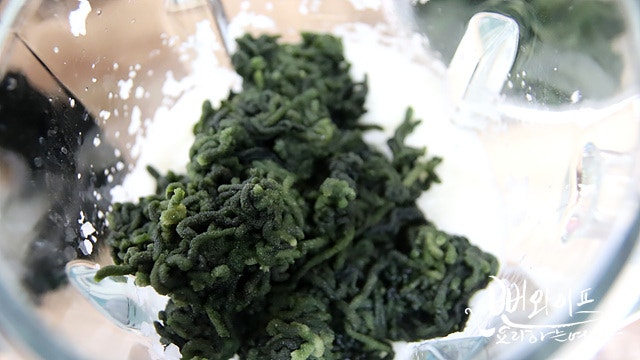
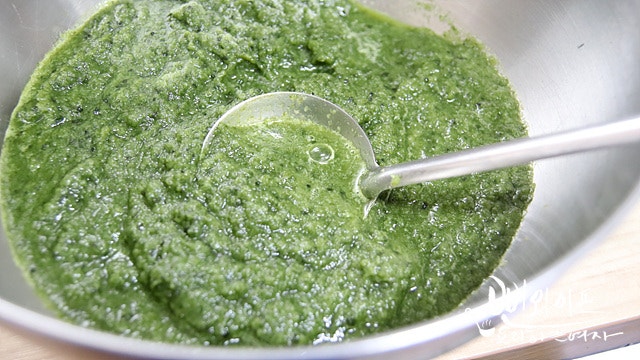
Scoop out about half of the pureed radish, then add the sea staghorn seaweed into the remaining radish juice to blend easily without adding water.
Because sea staghorn seaweed is naturally slippery and soft, it is fine even if it does not blend into a completely smooth puree.
Cook the glutinous rice paste
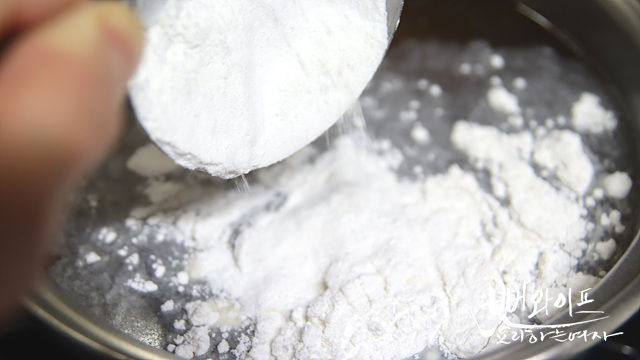
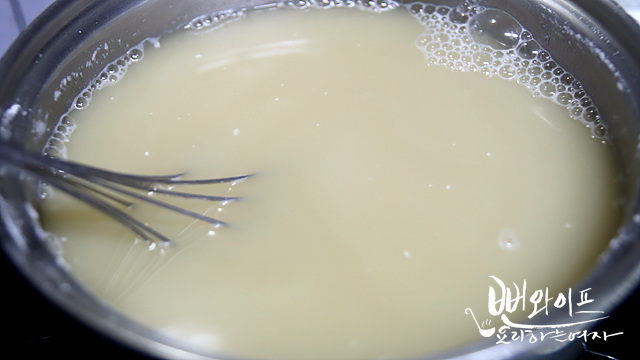
Once the broth brewed at the very beginning has cooled completely, pour 10 cups into a pot, stir in 1 cup of glutinous rice flour, and whisk well so no lumps remain.
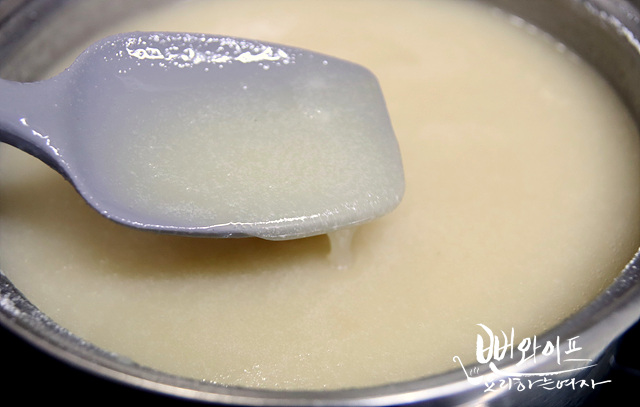
Cook over low heat until thickened, then let it cool.
When making a large batch of kimchi, making the broth and cooking the glutinous rice paste the day before the salted cabbage arrives makes gimjang much easier.
Mix the kimchi seasoning paste
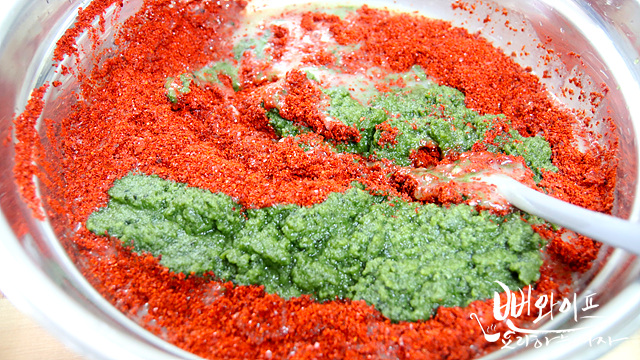
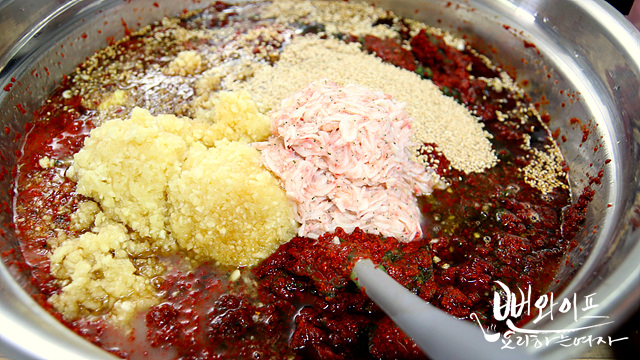
In a large mixing bowl, combine the cooled glutinous rice paste, pureed radish and sea staghorn seaweed, and all the seasoning ingredients.
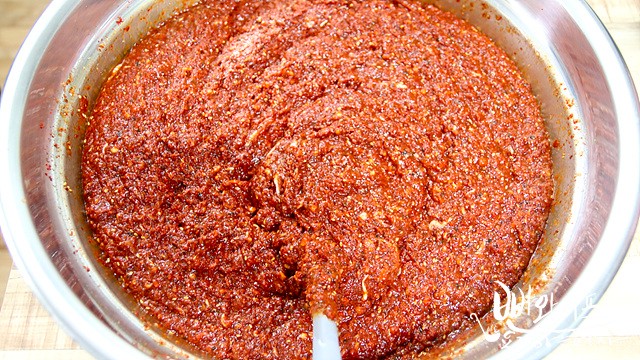
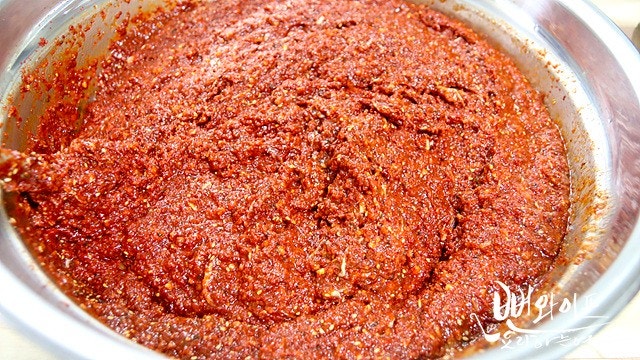
Let it sit so the gochugaru blooms and all the flavors meld together; the chili color will turn vivid and the seasoning paste will reach a spreadable consistency.
If the paste feels too thick, adjust it by adding more broth.
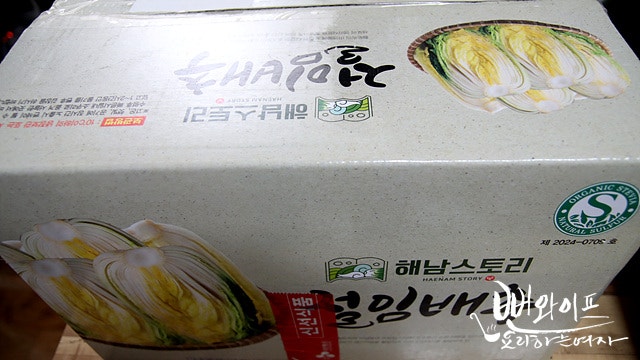
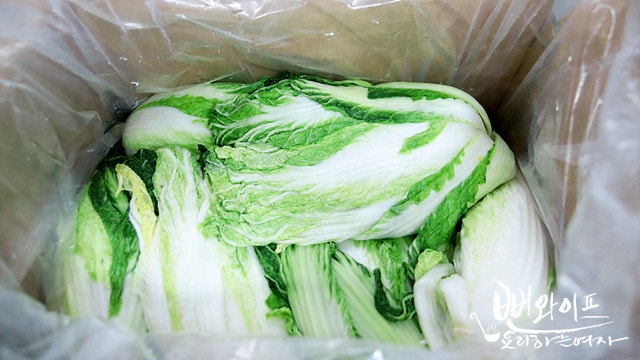
The salted napa cabbage arrived at just the right time around 2 PM.
Opinions vary on washing salted napa cabbage, but as I mentioned when making gimjang with salted cabbage last year, I rinse it once.
If it sits at room temperature for a day or two during delivery, bacteria can multiply and cause the cabbage to turn mushy.
Especially since temperatures are higher than usual this year, there is even more reason for concern.
Rinsing alone is said to reduce 90% of bacteria.
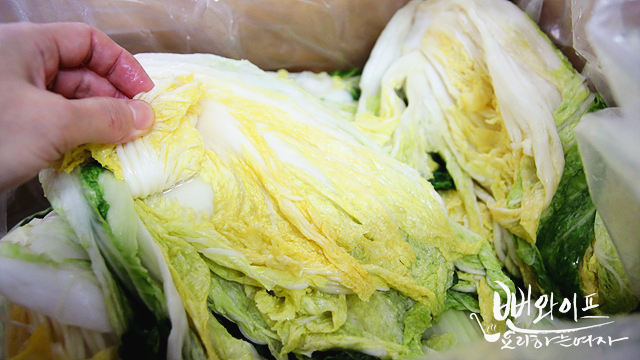
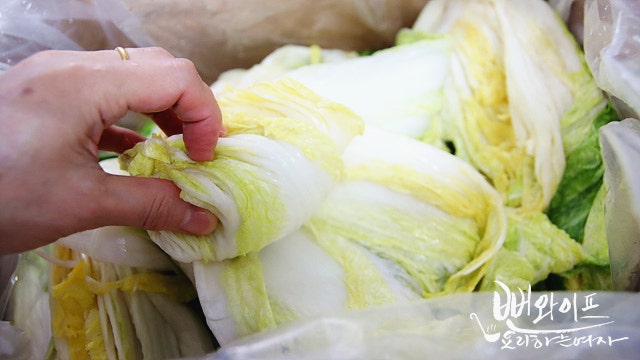
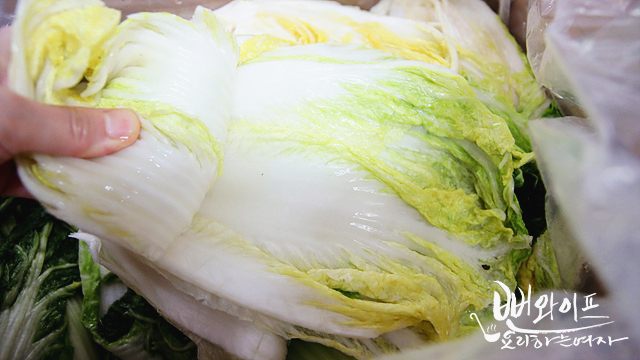
Sometimes salted cabbage arrives under-salted, which makes gimjang challenging, but this time both the outer and inner leaves are properly salted, and having the green outer leaves included is great.
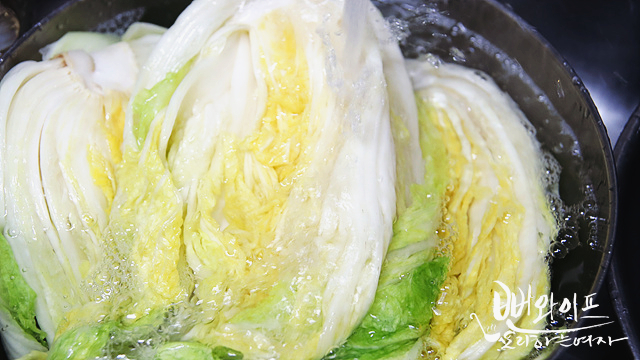
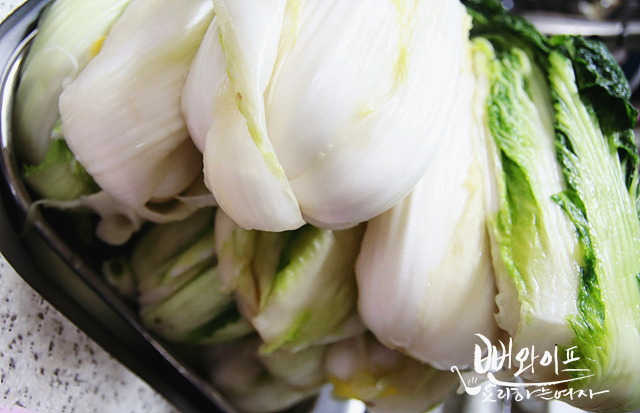
Swish in water to rinse once, then place on a strainer and drain the water for 2 to 3 hours.
Do not wash it in water for too long, as losing salt will cause the cabbage to turn stiff again.
Apply the seasoning paste
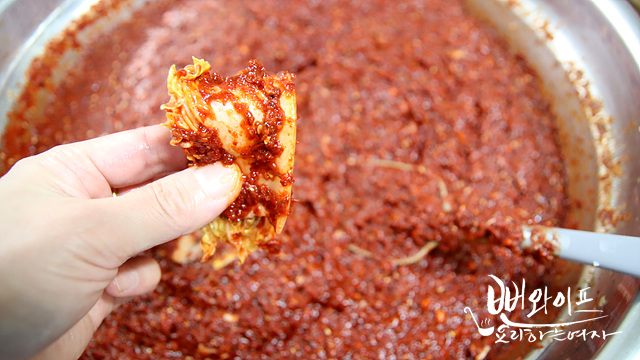
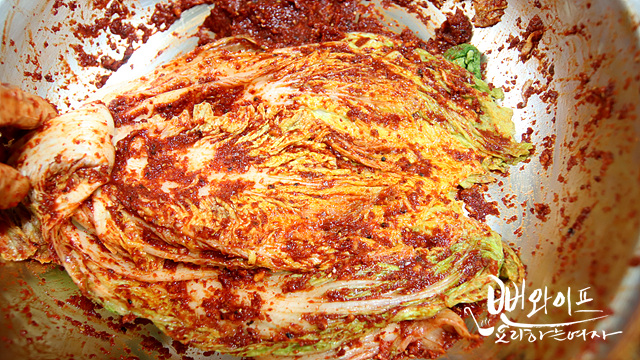
Tear off an inner leaf from the drained cabbage, coat it with seasoning paste, and taste for seasoning.
If it tastes bland, add salt or your preferred fish sauce.
Use sugar or green plum syrup to mellow any sharp seasoning notes or adjust the sweetness to your liking.
In my experience, seasoning it so it tastes slightly salty ensures the cabbage absorbs the flavors properly and turns out perfectly salted the next day.
Finish
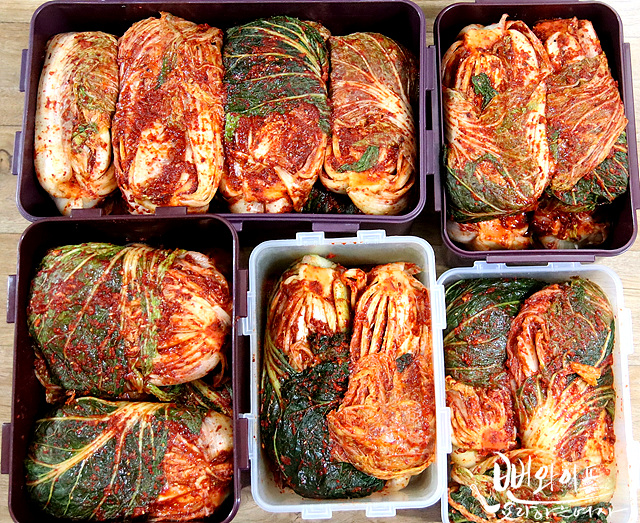
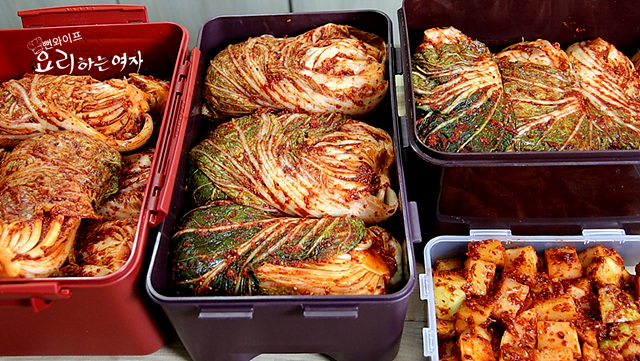
I have quite a few kimchi tubs since I plan to share with several households.
I usually make extra seasoning paste to prepare green onion kimchi or kkakdugi, but this time the amount turned out just right, neither too much nor too little.
Divide the seasoning according to your cabbage count so you do not run short while coating.
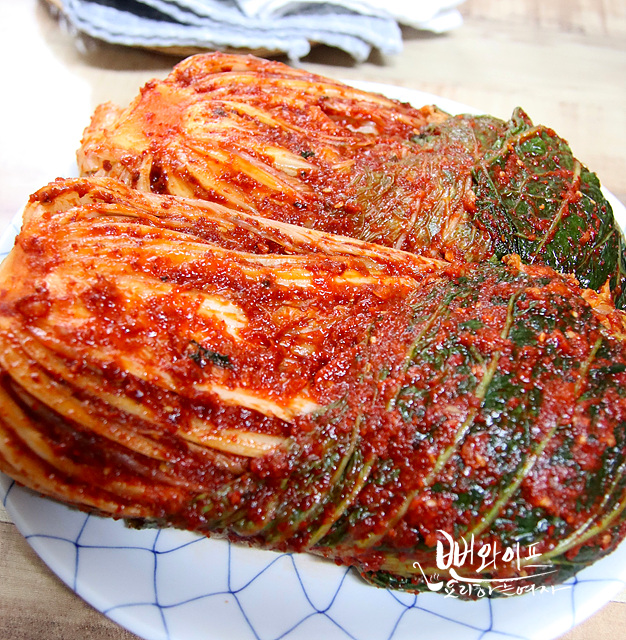
After packing the kimchi, I left it at room temperature for about 5 hours to let the strong seasoning mellow, then moved it to the refrigerator.
If you prefer fermented kimchi, extend the room-temperature aging time or set your kimchi refrigerator to fermentation mode.
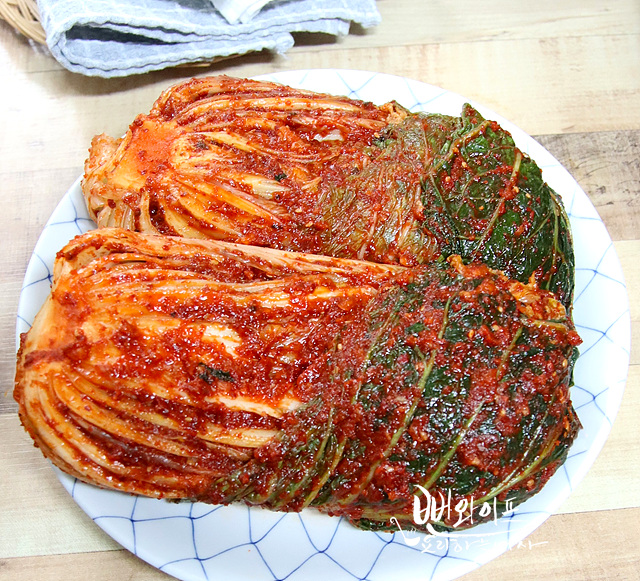
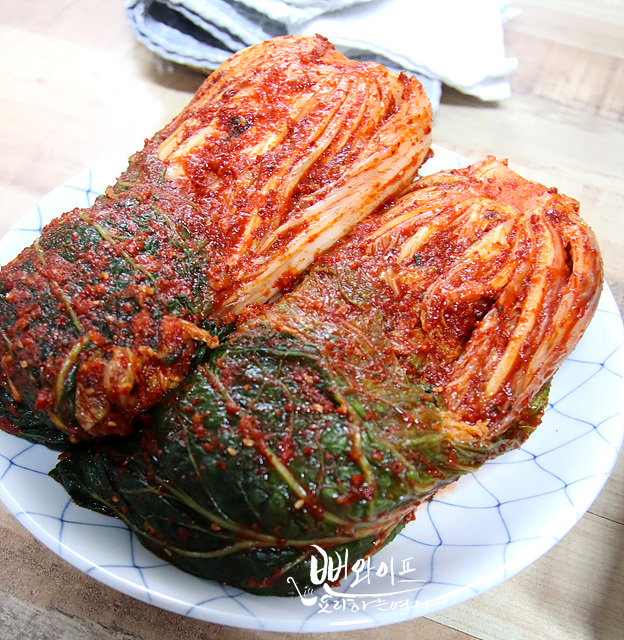
I made the kimchi yesterday and tasted it today; the seasoning has softened significantly, and the saltiness that felt strong at first is now spot on.
This wraps up my mini gimjang using 20kg of salted cabbage.
For my main gimjang later this month, I will make stuffing-free kimchi using this exact recipe again.
If you are looking for salted cabbage, I have linked the one I used, so compare carefully with other options and have a wonderful gimjang session.
Related post on the blog (Korean)naver.me/Fiv19DDR
 Ppunwife's tips
- Rather than boiling dried fish like anchovies, dipori, or dried pollack right away, toast them crisp in an air fryer or dry pan to drive off stale odors. This keeps fishiness out of the broth and brings out a deeper, toasty aroma.
- Scoop out about half of the pureed radish, then add the sea staghorn seaweed into the remaining radish juice to blend easily without adding water.
- Do not wash it in water for too long, as losing salt will cause the cabbage to turn stiff again.
- Seasoning it so it tastes slightly salty ensures the cabbage absorbs the flavors properly and turns out perfectly salted the next day.
FAQ
What should I keep in mind when soaking and cleaning dried sea staghorn seaweed?
After soaking the seaweed in water for 30 minutes to 1 hour, trim off the stem ends and rub it vigorously with your hands like laundry, rinsing until no more seashell fragments or debris come out.
Is there a way to reduce fishy smells when making the broth?
Instead of boiling dried fish like anchovies or dried pollack right away, toast them until crisp in an air fryer or a dry pan to drive off stale odors for a clean, savory broth without any fishiness.
Should salted cabbage be rinsed in water before use?
It is best to swish it gently once in water to rinse and drain for 2 to 3 hours; avoid soaking it in water for a long time, as losing salt can make the cabbage stiff again.
How do I adjust the seasoning paste if it is too thick?
If the seasoning paste feels too thick and stiff, simply mix in a bit more of the cooled broth you prepared earlier until it reaches a smooth, spreadable consistency.